
This lesson focuses on Environmental Zones (Miljözoner) and their associated signs, a topic crucial for driving in many Swedish cities. Understanding these regulations helps you comply with local air quality standards and avoid fines. It builds upon your knowledge of road signs and vehicle classifications.
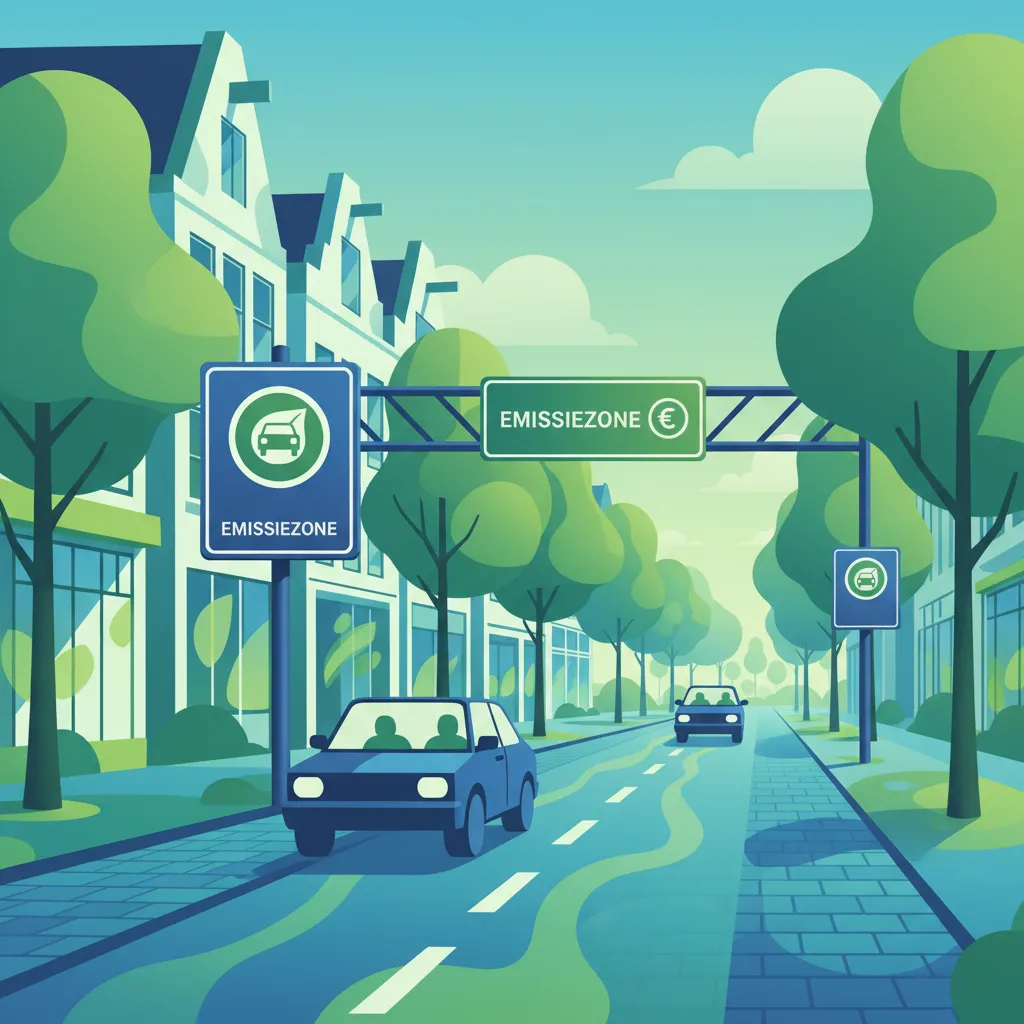
Driving in Sweden requires a comprehensive understanding of traffic regulations, including those designed to protect the environment. Environmental zones, known as miljözoner, are increasingly common in Swedish cities. These zones are designated areas where access for certain vehicles is restricted based on their emission levels. This lesson will provide a detailed overview of what environmental zones are, how to identify them through specific signage, and the regulations governing their use, ensuring you can navigate Swedish roads safely and lawfully as a Category B driver.
Miljözoner, or environmental zones, are geographically defined urban areas within Swedish municipalities where local authorities have implemented specific rules to limit access for vehicles that do not meet certain emission standards. The primary goal of these zones is to improve air quality in densely populated areas, which in turn has significant public health benefits. These restrictions are based on a vehicle's "Euro class," a standardized measure of its exhaust emissions.
The establishment of environmental zones is a direct response to concerns about air pollution in urban environments. Vehicles, especially older diesel models, emit various pollutants such as nitrogen oxides (NOₓ), particulate matter (PM), and carbon monoxide (CO₂). These pollutants contribute to smog, respiratory illnesses, cardiovascular diseases, and other health problems. By restricting access for higher-emitting vehicles, miljözoner aim to:
The power to establish miljözoner is granted to Swedish municipalities through national legislation, specifically under the Trafikförordning (Road Traffic Ordinance). This legal framework allows local authorities to tailor restrictions to their specific environmental needs and traffic patterns. Once a municipality decides to implement an environmental zone, the boundaries and specific requirements are clearly communicated through official traffic signs and often via municipal traffic plans and online maps. The regulations within these zones are legally binding, and non-compliance can lead to penalties.
Central to the concept of environmental zones is the "Euro standard," also known as Euro emission classification. This is a harmonized European Union system that sets maximum permissible emission limits for new vehicles. These standards have been progressively tightened over the years, with each new Euro class (e.g., Euro 4, Euro 5, Euro 6) representing stricter limits on pollutants like nitrogen oxides, hydrocarbons, carbon monoxide, and particulate matter.
For drivers, knowing your vehicle's Euro class is crucial for determining whether you can legally enter an environmental zone. This information is typically found in your vehicle's official registration certificate (registreringsbevis). It is often listed under a section related to environmental data or technical specifications. It's important to rely on the official registration document rather than assumptions based on the vehicle's age or fuel type.
Always check your vehicle's official registration certificate (registreringsbevis) for its exact Euro class. Do not assume based on the year of manufacture alone, especially for older vehicles or those imported from outside the EU.
The Euro standards categorize vehicles based on when they were manufactured and the emission control technology they incorporate:
The specific Euro class required to enter a miljözon will always be displayed on the zone's entry signs.
Recognizing and understanding environmental zone signage is paramount for any driver in Sweden. These signs clearly mark the boundaries of a miljözon and specify the entry requirements.
The official traffic sign for an environmental zone in Sweden is easily identifiable. It is a circular sign with a white background and a blue border. In the centre, it features a black silhouette of a car with a black exhaust plume rising from its rear.
This sign indicates that you are about to enter an area with specific environmental restrictions. Directly beneath this main sign, you will almost always find a supplementary panel that specifies the exact emission requirement, usually stating the minimum "EURO" class allowed (e.g., "EURO 4", "EURO 5").
Supplementary panels are crucial as they provide the precise details of the environmental zone's restrictions. They are usually rectangular with a white background and black text.
Navigating environmental zones legally requires adherence to specific rules and a clear understanding of enforcement mechanisms.
The fundamental rule is straightforward: vehicles entering an environmental zone must meet or exceed the Euro emission class indicated on the zone sign.
The Swedish Road Traffic Ordinance (Trafikförordning) paragraph 31-2 stipulates that vehicles entering an environmental zone must meet the Euro class indicated on the zone sign, making non-compliance a mandatory, penalty-able violation.
Enforcement of miljözoner in Sweden primarily relies on automated systems and, to a lesser extent, manual checks:
If a non-compliant vehicle is detected entering an environmental zone, the vehicle owner will typically receive a monetary fine by mail.
The fine amount is set by regulations and is designed to deter violations. It is important to note that:
While environmental zones restrict many vehicles, certain categories are legally exempt from the Euro class requirements due to their minimal emissions or essential service nature.
Vehicles that produce no tailpipe emissions are generally exempt from environmental zone restrictions. This primarily includes:
These vehicles are considered "Euro 0" in practical terms for zones, meaning they meet the highest possible environmental standard. Drivers of these vehicles typically do not need to display any special exemption sticker in Sweden, as their zero-emission status is identified through the vehicle registration database.
Be aware that "hybrid" vehicles are not automatically exempt. Only plug-in hybrids that meet specific zero-emission criteria (e.g., can travel a certain distance on electric power alone) may qualify for exemptions, and their status will be reflected in their registration data. Regular hybrids that use their internal combustion engine frequently are typically subject to the same Euro class rules as conventional vehicles.
Essential services are granted unrestricted access to environmental zones to ensure public safety and mobility:
While zero-emission vehicles in Sweden typically do not require a physical sticker for miljözoner, some categories of exempt vehicles (e.g., certain older foreign vehicles, or those with special temporary permits) might be required to display an official exemption sticker on the windshield. This sticker provides visual proof to enforcement officers of the vehicle's special status. Always confirm specific local requirements if you believe your vehicle qualifies for an exemption. Misuse or failure to display a required sticker can result in a fine.
Understanding common pitfalls can help you avoid fines and drive confidently in areas with environmental zones.
Environmental zone rules can sometimes be influenced by external conditions or specific road environments.
As previously mentioned, some municipalities implement varying restrictions based on the day of the week. For example, a city might require Euro 5+ vehicles on weekdays when traffic is heavier and pollution is generally higher, but relax the rule to Euro 4+ on weekends. These variations will always be indicated on the supplementary panel beneath the main environmental zone sign (e.g., "MÅN-FRE: EURO 5"). Drivers must carefully read these panels to ensure compliance.
Environmental zones represent a modern approach to managing urban traffic and improving quality of life. Understanding their rationale extends beyond simply avoiding fines; it connects to broader goals of sustainability and public health.
The implementation of miljözoner has shown measurable positive impacts. By removing or deterring older, high-emitting vehicles from specific areas, cities have reported significant reductions in particulate matter (PM2.5) and nitrogen oxide (NOₓ) concentrations. These reductions directly translate into fewer cases of respiratory diseases, improved cardiovascular health, and a better quality of life for urban residents. As a driver, complying with these zones means actively contributing to a healthier environment for everyone.
Beyond immediate emission reductions, environmental zones serve as a powerful behavioral incentive. The potential for fines and the practical limitations of restricted access encourage drivers and businesses to consider cleaner vehicle alternatives. This shifts the overall vehicle fleet towards newer, more fuel-efficient, and lower-emission models. For new drivers, this means making informed decisions about vehicle purchases or leases, prioritizing vehicles that meet current and future environmental standards. This contributes to the broader Swedish goal of sustainable transportation.
Lesson content overview
Explore all units and lessons included in this driving theory course.
Explore search topics learners often look for when studying Emission Zones and Environmental Signs. These topics reflect common questions about road rules, driving situations, safety guidance, and lesson level theory preparation for learners in Sweden.
Browse additional driving theory lessons that cover connected traffic rules, road signs, and common driving situations related to this topic. Improve your understanding of how different rules interact across everyday traffic scenarios.
Master the identification and meaning of Swedish road signs that indicate environmental zones and restrict vehicle access. Essential for navigating urban areas with varying emission requirements and for passing your driving theory test.
This lesson details the full range of Swedish regulatory signs, which establish legally enforceable rules for all road users. You will learn to interpret prohibitory signs (förbudsmärken) such as speed limits and no-entry signs, as well as mandatory signs (påbudsmärken) that dictate direction or lane usage. Understanding these signs is crucial as they directly regulate traffic flow, ensure safety at critical points, and carry legal consequences if ignored.
This lesson details the full range of Swedish regulatory signs, which dictate mandatory actions and prohibitions for all road users. You will learn to identify signs that establish speed limits, restrict access, prohibit overtaking, and define parking rules. Understanding these signs is critical for legal compliance and safe interaction with other traffic, as they form the basis of enforceable road law under the Trafikförordning regulations.

This lesson covers the essential topic of communication in traffic using the vehicle's built-in signaling devices. You will learn the rules for using your turn indicators (körriktningsvisare) in good time before turning or changing lanes. The content also explains the proper use of hazard lights (varningsblinkers) in emergency situations and the very limited, specific circumstances in which using the horn (ljudsignal) is permitted to avert immediate danger.
This lesson provides a detailed explanation of the Swedish traffic signal system. You will learn the precise legal meaning of solid red, yellow, and green lights, as well as green arrows which permit turning when oncoming traffic is stopped. It also covers procedures for flashing yellow signals and what to do when traffic lights are out of order, emphasizing that standard priority rules like the right-hand rule then apply.
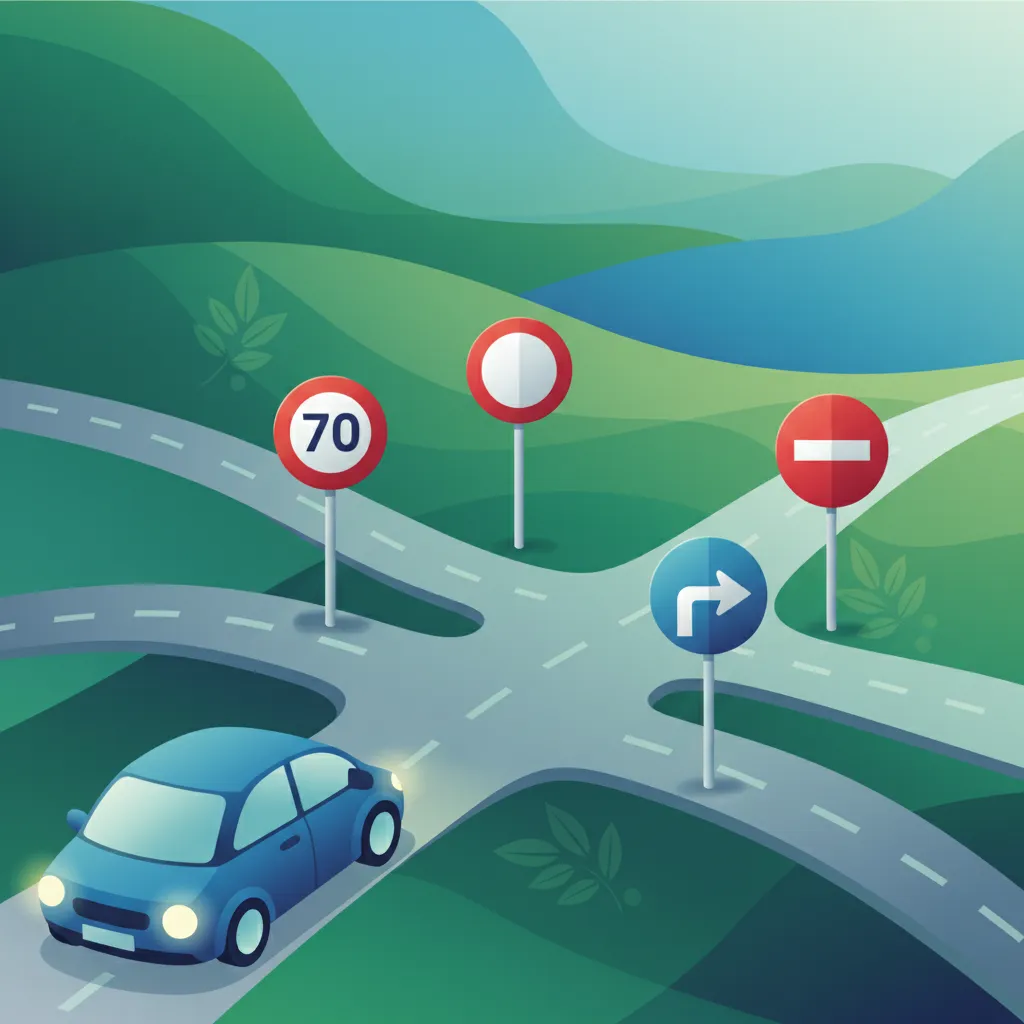
This lesson focuses on regulatory signs (Regulationsskyltar), which issue mandatory instructions and prohibitions that all road users must follow. It details common signs such as speed limits, stop and give way signs, and mandatory direction arrows. Special attention is given to signs directly affecting mopeds, like 'no moped' signs and those indicating designated moped lanes, ensuring riders can navigate legally and safely.
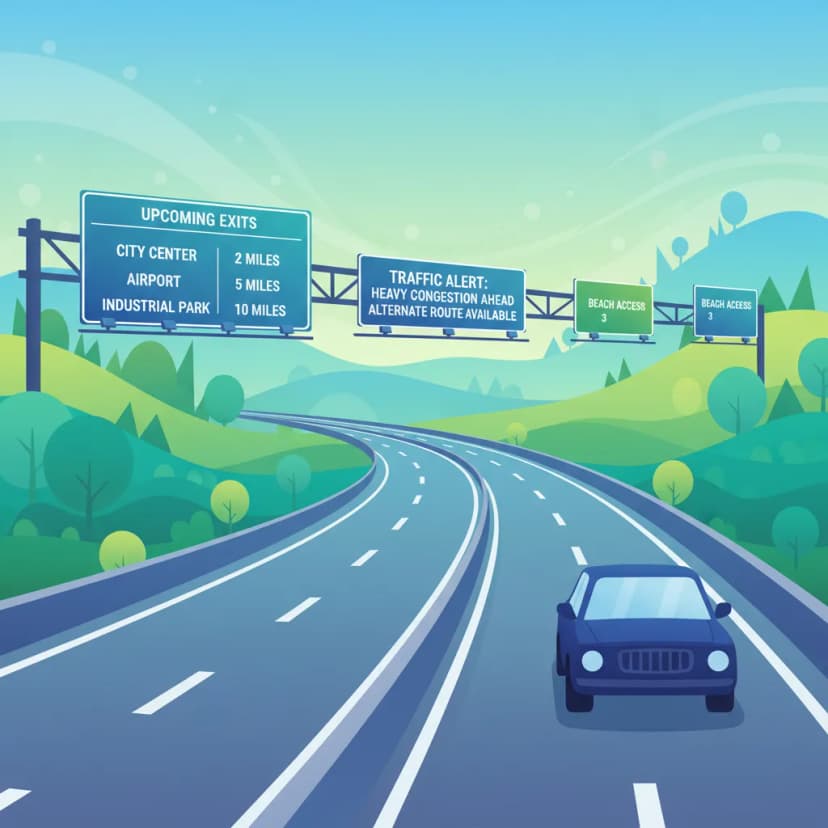
This lesson covers the extensive category of informational and directional signs that aid navigation throughout Sweden. You will learn to interpret signs for motorways, national roads, and local destinations, as well as symbols indicating services like gas stations, parking, and rest areas. Proper understanding of these signs allows for efficient route planning, reduces driver uncertainty, and contributes to smoother, safer traffic flow on all types of roads.
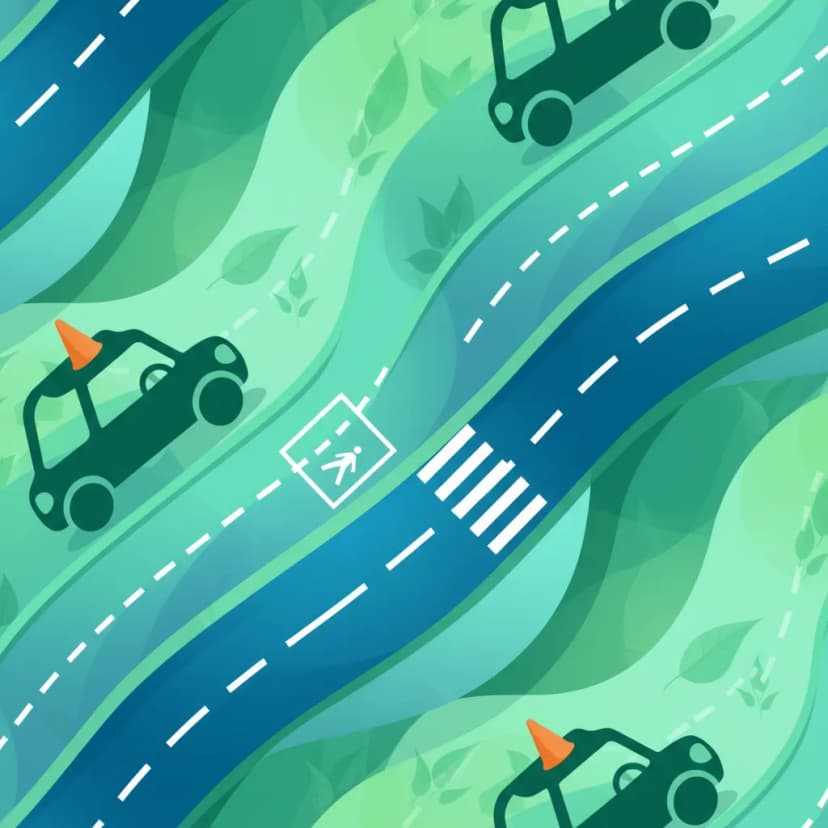
This lesson explains the function and legal significance of various road markings (vägmarkeringar) in Sweden. You will learn the difference between broken lines that permit overtaking and solid lines that forbid it, as well as the meaning of stop lines, pedestrian crossings, and lane direction arrows. These markings work in conjunction with signs to organize traffic flow, separate lanes, and provide critical information directly on the road surface.
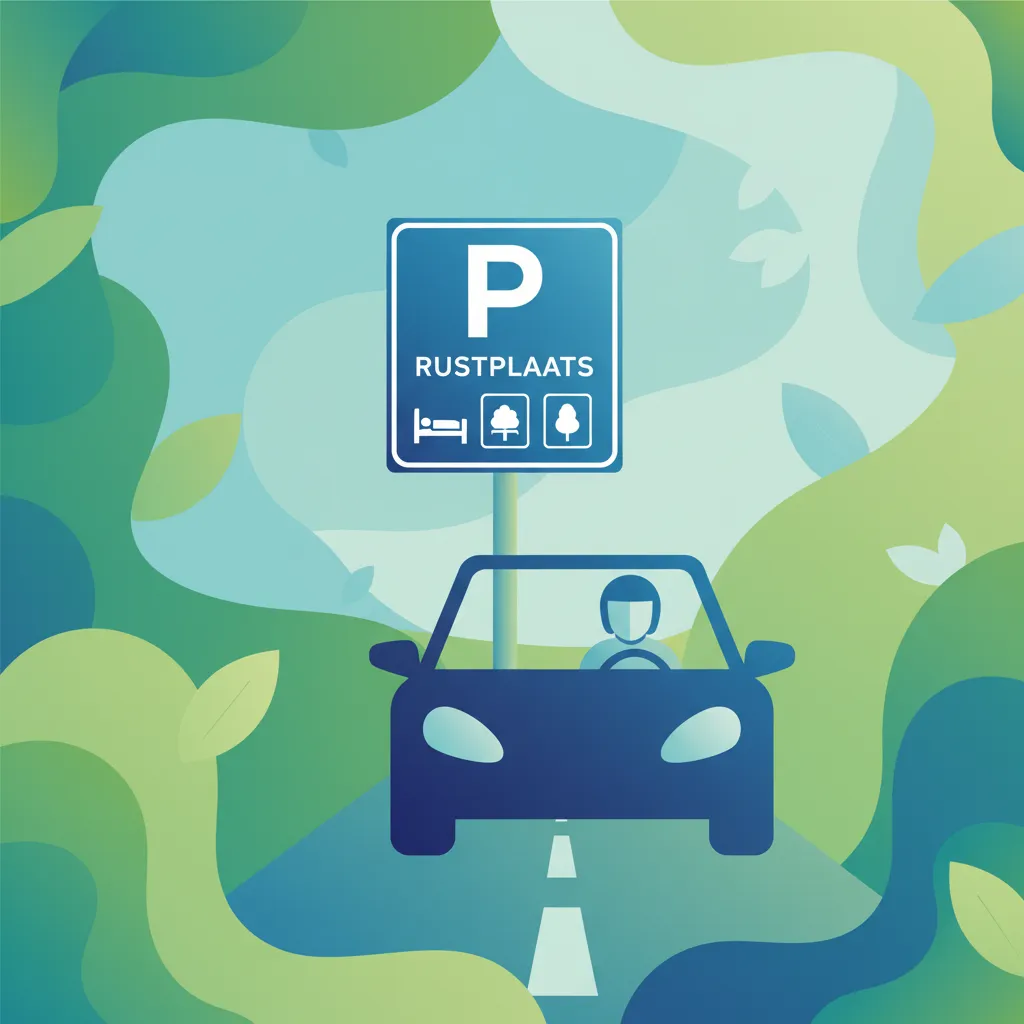
This lesson explains the function of informational signs (Informationsskyltar), which provide guidance for navigation and access to services. It covers signs indicating distances to destinations, route numbers, and locations of fuel stations or parking areas. For moped riders, this includes identifying signs for designated moped or cycle lanes, helping them to plan and follow routes efficiently and legally.
This lesson covers parking areas that are reserved for specific purposes or permit holders. The primary focus is on spaces designated for people with disabilities, explaining the requirement of a valid permit. It also addresses other restricted areas such as residential parking zones (boendeparkering), loading zones, and areas that must be kept clear for emergency vehicles, highlighting the legal and ethical reasons for respecting these designations.
This lesson focuses on Swedish warning signs (varningsmärken), designed to alert drivers to potential dangers ahead. You will study the meaning of triangular signs indicating hazards such as sharp bends, pedestrian crossings, risk of animals on the road, or temporary road work. The objective is to develop proactive driving habits by understanding how to anticipate risks and adapt speed and positioning appropriately when a warning sign is present.
Learn the rules and regulations for environmental zones (miljözoner) in Sweden. Understand emission classifications (Euro class) and how they affect vehicle access in cities. Essential knowledge for urban driving and eco-driving theory.
This lesson focuses on the high level of caution required when driving in residential areas. You will learn about the rules for special zones like 'gångfartsområde' (walking speed area) and the need to navigate around speed calming measures like speed bumps. The central theme is anticipating unpredictable behavior from residents, especially children, and managing the risks posed by parked cars that severely limit visibility.
This lesson focuses on the unique challenges of driving in urban environments. You will learn techniques for anticipating the actions of vulnerable road users like pedestrians and cyclists, especially near crossings and bus stops. The content covers how to navigate narrow streets, one-way systems, and areas with heavy traffic, emphasizing the need for lower speeds, heightened awareness, and a defensive mindset.
This lesson covers the critical maneuvers of merging and changing lanes. You will learn the correct technique for using an acceleration lane to match the speed of motorway traffic before merging smoothly and safely. The lesson emphasizes the importance of checking mirrors and the blind spot, signaling in good time, and applying the 'zipper principle' (dragkedjeprincipen) where lanes merge to ensure efficient and courteous traffic flow.

This lesson addresses the wasteful practice of engine idling (tomgångskörning). You will learn about the common local regulations in Sweden that typically prohibit idling for more than one minute. The content explains that a modern engine consumes more fuel idling than it does to restart, and discusses the benefits of automatic start-stop systems found in many newer cars, which help reduce emissions and fuel use in city traffic.
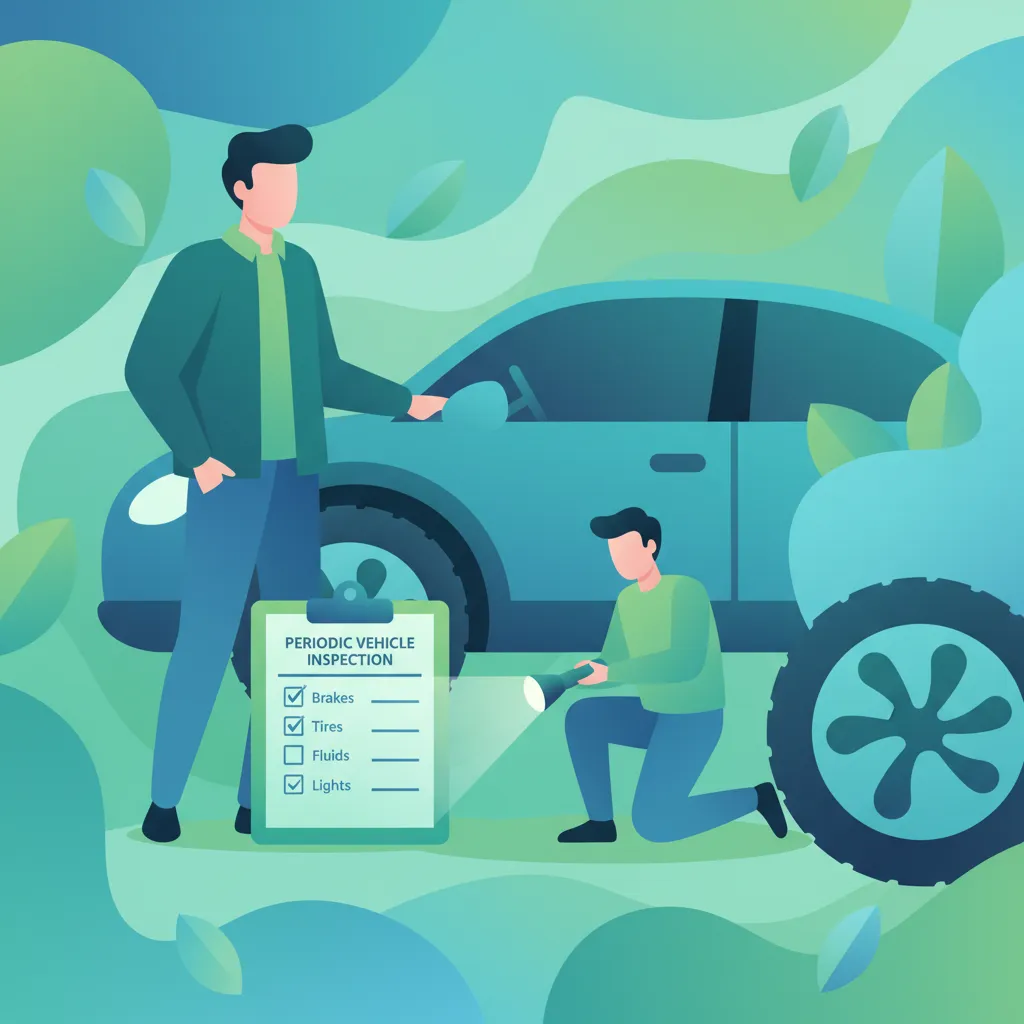
This lesson explains the legal requirement for periodic vehicle inspection in Sweden. You will learn about the role of the 'besiktning' in ensuring that vehicles on the road meet minimum safety and environmental standards. The content covers how to find out when your vehicle is due for inspection, what key components are checked (such as brakes, steering, and emissions), and the possible outcomes, including approval, recommendations for repair, or a driving prohibition (körförbud).

This lesson covers strategies for driving safely when visibility is compromised. You will learn the correct use of different lighting systems: when to use low beams, high beams (helljus), and how to avoid dazzling other drivers. The lesson also explains the specific regulations for using front and rear fog lights and provides techniques for navigating safely in dense fog or heavy precipitation by reducing speed and using the road edge as a guide.
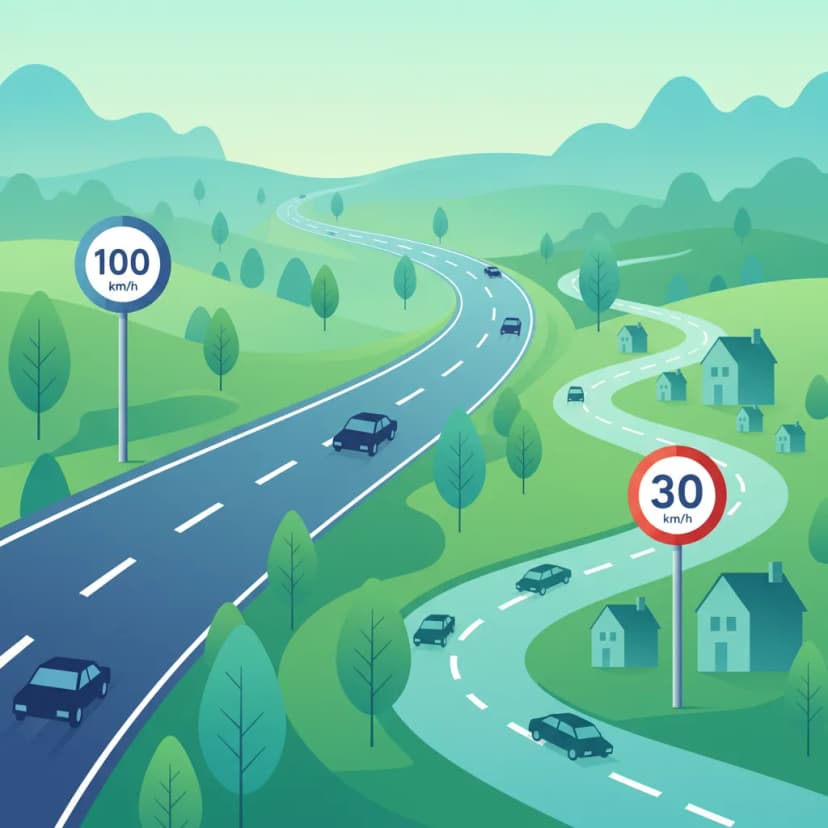
This lesson provides a comprehensive overview of the Swedish national speed limit system. You will learn the default speed limits applicable to different classes of roads, such as 50 km/h in built-up areas and 110 km/h on motorways. It also covers how to identify and comply with special zones, like residential areas (gångfartsområde), school zones, and temporary limits in construction areas, ensuring you always ride at a legal and appropriate speed.
This lesson covers the essential topic of communication in traffic using the vehicle's built-in signaling devices. You will learn the rules for using your turn indicators (körriktningsvisare) in good time before turning or changing lanes. The content also explains the proper use of hazard lights (varningsblinkers) in emergency situations and the very limited, specific circumstances in which using the horn (ljudsignal) is permitted to avert immediate danger.

This lesson explains the physical principles of how weight and air resistance impact fuel efficiency. You will learn that every extra kilogram of weight requires more energy to move, and that external attachments like roof boxes significantly increase aerodynamic drag. The content provides practical advice, such as removing unnecessary items from the car and taking off roof racks when not in use, and highlights the importance of maintaining correct tire pressure to minimize rolling resistance.

This lesson details a driver's responsibility towards pedestrians. You will learn the strict rule of yielding to pedestrians who are on or about to enter a marked, uncontrolled crosswalk. The content also covers the specific, highly restrictive rules for driving in designated pedestrian zones (gågata) and 'walking speed' areas (gångfartsområde), where pedestrians have complete priority and vehicle traffic is severely limited.
Find clear answers to common questions learners have about Emission Zones and Environmental Signs. Learn how the lesson is structured, which driving theory objectives it supports, and how it fits into the overall learning path of units and curriculum progression in Sweden. These explanations help you understand key concepts, lesson flow, and exam focused study goals.
A Miljözon is a designated area within a Swedish city where traffic is restricted to reduce emissions and improve air quality. Access is typically limited to vehicles meeting certain environmental standards, often referred to by their Euro class.
The primary sign for an environmental zone in Sweden is a blue circular sign with a white border and a car symbol emitting smoke, often accompanied by text indicating 'Miljözon' or a specific zone number (e.g., Miljözon 1 or Miljözon 3).
Generally, older vehicles that do not meet specific Euro emission standards (like Euro 5 or Euro 6 for petrol and diesel, respectively) are restricted. The exact requirements depend on the Miljözon level implemented by the municipality.
Yes, Miljözoner are Sweden's version of Low Emission Zones (LEZ). They aim to reduce air pollution from vehicles by restricting access for the most polluting vehicles.
Entering a restricted environmental zone without meeting the vehicle's emission standards typically results in a traffic fine (bötter). The exact amount can vary, and enforcement is often automated.
For Miljözon 3, vehicles need to be registered with the Swedish Transport Agency (Transportstyrelsen) and meet specific emission requirements. While a physical sticker isn't always required to be displayed, the vehicle's registration must be up-to-date and comply with the zone's rules, which are checked electronically.