
Navigate Swedish roads with confidence by mastering traffic laws and legal obligations. This category provides clear, actionable insights into Swedish traffic regulations, essential for passing your Trafikverket theory test and driving safely.
Explore clear, practical, and exam focused articles that explain everything you need to know about Swedish Traffic Rules & Laws. Each guide helps you understand the rules, situations, and driving theory concepts tested in Sweden, giving you a strong foundation for confident Swedish driving theory preparation.

For two years after obtaining a Swedish driving license, new drivers must adhere to a strict 'noll-promille' (zero-alcohol) policy. This article clearly defines this rule, its duration, and who it applies to, including drivers under 21. Understanding this critical regulation is essential for new drivers in Sweden and for successfully navigating the theory exam.
Updated on Jan 8, 2026

Driving in Sweden requires you to be fully alert and capable. This article clarifies the legal framework surrounding impaired driving, focusing on how both illegal drugs and certain prescription or over-the-counter medications can compromise your fitness to drive. It is vital to recognise your responsibilities and the potential consequences for safe road use and your driving licence.
Updated on Jan 8, 2026
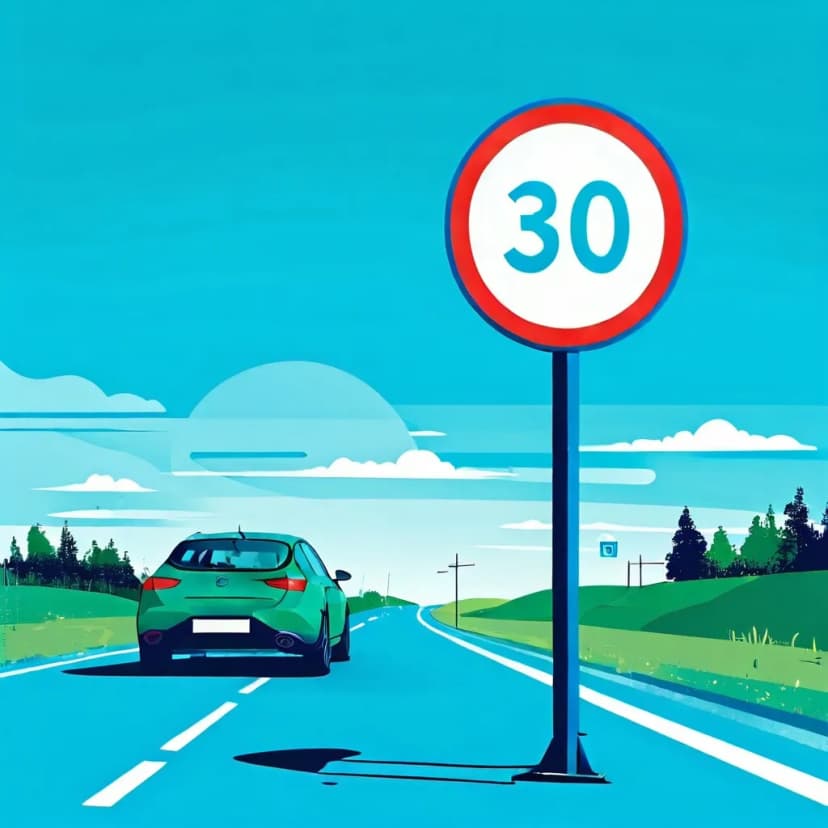
Many learner drivers in Sweden hold misconceptions about traffic laws, speed limits, and the duties of road users, which can lead to confusion and dangerous situations. This article clarifies these common myths, providing accurate explanations grounded in Swedish traffic rules and Trafikverket guidelines. Understanding these points is essential for passing your theory exam and becoming a responsible driver.
Updated on Jan 8, 2026

Navigate the complexities of Swedish traffic law with confidence by addressing frequent misconceptions that catch out new drivers. This article delves into priority rules, signage interpretation, and other critical areas, explaining the correct application according to Transportstyrelsen and Trafikverket guidelines to ensure you are well-prepared for your theory exam and safe driving.
Updated on Jan 8, 2026

Master Sweden's winter driving regulations by understanding when winter tyres and studded tyres (dubbdäck) are legally required and when they are restricted. We break down the definition of 'vinterväglag' and the specific date ranges to ensure compliance and safe travel during challenging conditions. This knowledge is vital for your Swedish driving theory exam.
Updated on Jan 8, 2026

Learn the critical differences between Gångfartsområde (E9) and Gågata (E7) in Sweden, two types of zones designed for shared use with pedestrians and cyclists. This guide explains the mandatory low speeds, yielding obligations, and parking restrictions you must adhere to. Mastering these rules is vital for safe navigation and for succeeding in your Swedish driving theory exam, as these zones require heightened awareness and cooperation.
Updated on Jan 8, 2026

Learn the essential Swedish regulations for safely loading your vehicle, a vital topic for both road safety and your driving theory test. We cover how loose items can turn into hazardous projectiles and the legal requirements for securing cargo to ensure it remains stable and does not impede your driving or pose a risk to others on the road.
Updated on Jan 8, 2026

When driving in Sweden, encountering roadworks is common. This article will guide you through understanding the critical hierarchy of temporary road signs, such as cones and temporary signals, which always override permanent markings. You'll learn why extra caution is essential in these zones, including adapting to narrowed lanes and following altered traffic flows, preparing you thoroughly for both the theory exam and real-world driving.
Updated on Jan 8, 2026
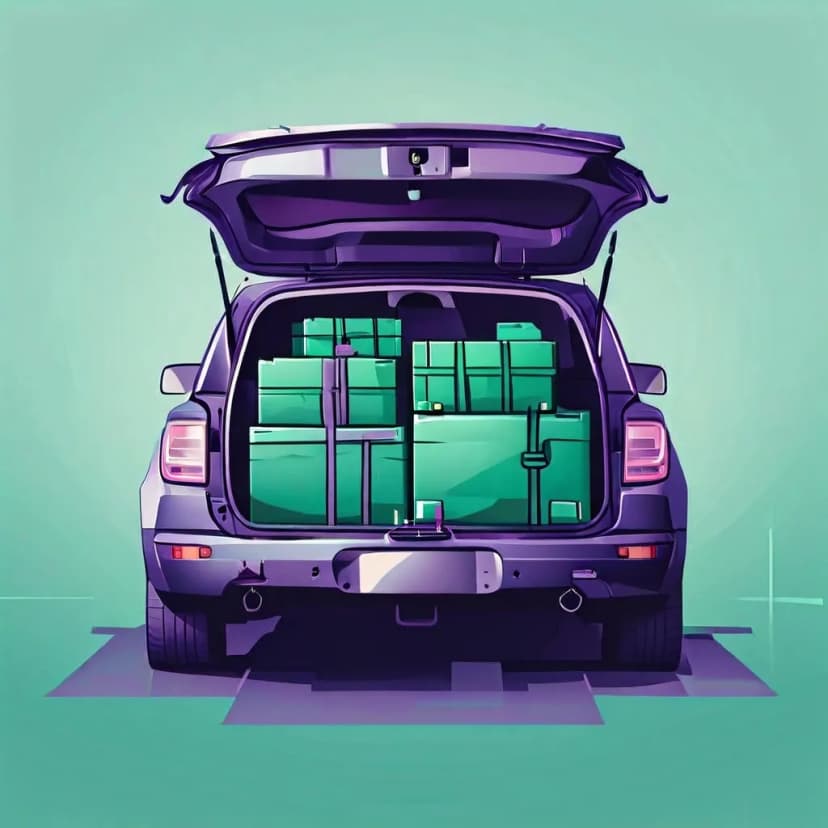
Learn the essential principles for safely loading and securing cargo within your Swedish passenger car, as dictated by Swedish traffic regulations. We’ll cover why loose objects pose a significant risk, impacting vehicle stability and potentially causing harm during sudden stops or maneuvers. Mastering these cargo rules is crucial for your theory exam and for responsible driving.
Updated on Jan 8, 2026
Discover other categories connected to Swedish Traffic Rules & Laws. These sections help you explore additional topics, expand your understanding of driving theory in Swedish, and build a more complete picture of the rules and situations tested during the exam.
Find answers to common questions learners ask about Swedish Traffic Rules & Laws. This section helps clarify difficult concepts, highlight critical exam information, and support your preparation for the Swedish driving theory exam in Sweden.
Key legal obligations include adhering to all traffic signs and signals, respecting speed limits, maintaining a safe distance, yielding to priority traffic, and ensuring your vehicle is roadworthy and documented. You must also understand the hierarchy of instructions from police and traffic signals.
Swedish traffic signs and road markings are standardized and follow specific meanings defined by Trafikverket. This category explains how to interpret warning signs, regulatory signs, mandatory signs, and information signs, as well as different types of road markings and their implications for your driving.
Violating Swedish driving rules can lead to fines, penalty points, temporary license suspension, or even revocation, depending on the severity of the offense. Serious offenses like drunk driving carry significant legal penalties and risk to safety.
Yes, where applicable, this category touches upon how general rules and specific regulations adapt to varying Swedish road conditions, including those encountered during winter. Understanding these adaptations is crucial for safe driving throughout the year.
The category focuses on the legal framework and practical application of Swedish traffic rules, directly aligning with the knowledge assessed in the Trafikverket theory exam. It breaks down complex regulations into understandable explanations and connects them to real-world driving scenarios.