Navigate Sweden's traffic regulations with confidence by mastering parking and stopping rules. This section provides clear explanations on signage, restrictions, and best practices essential for passing your Trafikverket theory test and driving safely.
Explore clear, practical, and exam focused articles that explain everything you need to know about Swedish Parking and Stopping Rules. Each guide helps you understand the rules, situations, and driving theory concepts tested in Sweden, giving you a strong foundation for confident Swedish driving theory preparation.
Learn why thoughtful parking is essential in busy Swedish urban areas, extending beyond simple traffic rules to encompass social responsibility and ensuring access for emergency services, delivery vehicles, and pedestrians. This guide will help you understand how your parking decisions affect the community and how to avoid common pitfalls tested in the driving theory exam.
Updated on Jan 8, 2026
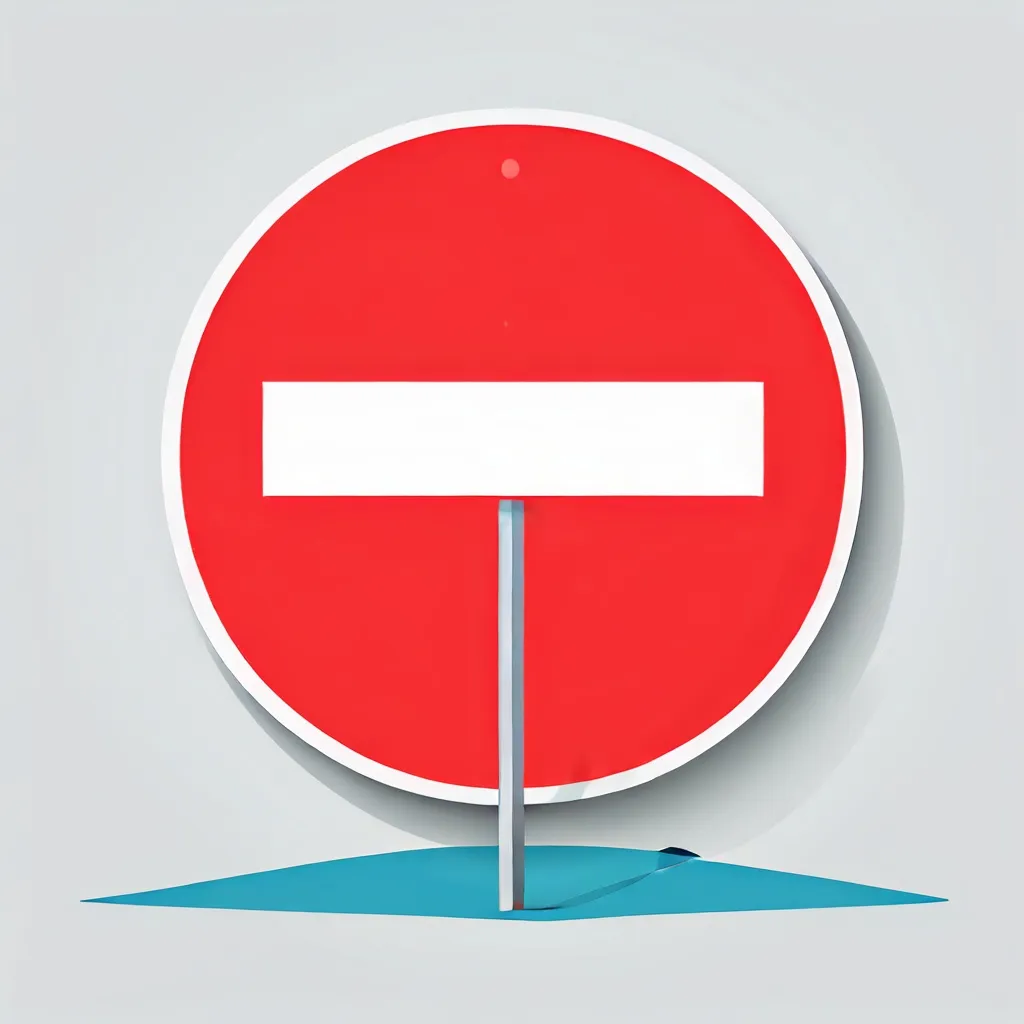
Navigating Swedish traffic rules requires a clear understanding of key terms like 'stanna' and 'parkera'. This article delves into the precise definitions, exceptions, and prohibitions governing stopping and parking in Sweden, as outlined by Trafikverket and Transportstyrelsen. Grasping these nuances is essential for safe driving and for correctly answering potential exam questions.
Updated on Jan 8, 2026
Navigating Swedish roads requires a precise understanding of traffic regulations, especially the difference between stopping and parking. This article delves into the legal definitions provided by Trafikförordningen, explaining what constitutes each action and the specific scenarios where they apply. Mastering these rules is essential for safe driving and for achieving a passing grade on your Swedish driving theory exam.
Updated on Jan 8, 2026
Learn the intricate Swedish regulations for stopping ('stanna') and parking ('parkera') that go beyond basic signage. This guide will break down prohibited areas, clarify the distinction between temporary stops and parking, and explain how essential rules apply even without specific signs, preparing you thoroughly for the Swedish driving theory exam.
Updated on Jan 8, 2026

Navigating parking in Sweden can be confusing with a variety of signs and supplemental plates. This article breaks down how to understand the meaning of parking signs like E19 and C35-C38, along with crucial supplementary plates such as T16-T20. Learn to correctly interpret time restrictions and date-based parking (datumparkering) to ensure you park legally and safely, a vital skill for both driving and the theory exam.
Updated on Jan 8, 2026
Discover other categories connected to Swedish Parking and Stopping Rules. These sections help you explore additional topics, expand your understanding of driving theory in Swedish, and build a more complete picture of the rules and situations tested during the exam.
Find answers to common questions learners ask about Swedish Parking and Stopping Rules. This section helps clarify difficult concepts, highlight critical exam information, and support your preparation for the Swedish driving theory exam in Sweden.
In Sweden, 'stopping' (stanna) refers to a temporary halt necessary for traffic flow, boarding/alighting, or loading/unloading, where the driver remains with the vehicle. 'Parking' (parkera) is any stop longer than necessary for these immediate purposes, or if the driver leaves the vehicle. Understanding this distinction is key to obeying signs and road markings.
Swedish parking signs often use symbols to indicate restrictions like time limits (e.g., '2 timmar'), days of the week, or times. Some signs are combined with road markings, such as blue or white lines, which further specify parking regulations. Always read the sign and any accompanying markings carefully to understand the specific rules for that location.
Winter parking bans (vinterschack) are common in many Swedish municipalities to allow for efficient snow clearing. These bans are typically indicated by specific signs and often apply during certain hours or days of the week, particularly in winter months. Violating these bans can lead to hefty fines or having your vehicle towed.
Paid parking zones are common in Swedish city centers and are usually indicated by signs with a blue 'P' and information about payment methods, often including hourly rates and maximum parking durations. Payment can typically be made via parking meters, mobile apps, or parking discs.
Many residential areas in Sweden have permit parking systems (boendeparkering). Residents can often purchase permits allowing them to park in designated zones for a reduced fee or for free. Visitors or non-permit holders will usually need to pay for parking or adhere to strict time limits if applicable.