
Prepare for your Swedish Driving License Theory exam by practicing questions on traffic calming zones. This set covers residential areas, speed bumps, narrow streets, and shared spaces in Sweden, helping you understand how road design influences speed and enhances safety for pedestrians and cyclists. Master these rules to drive safely and confidently.
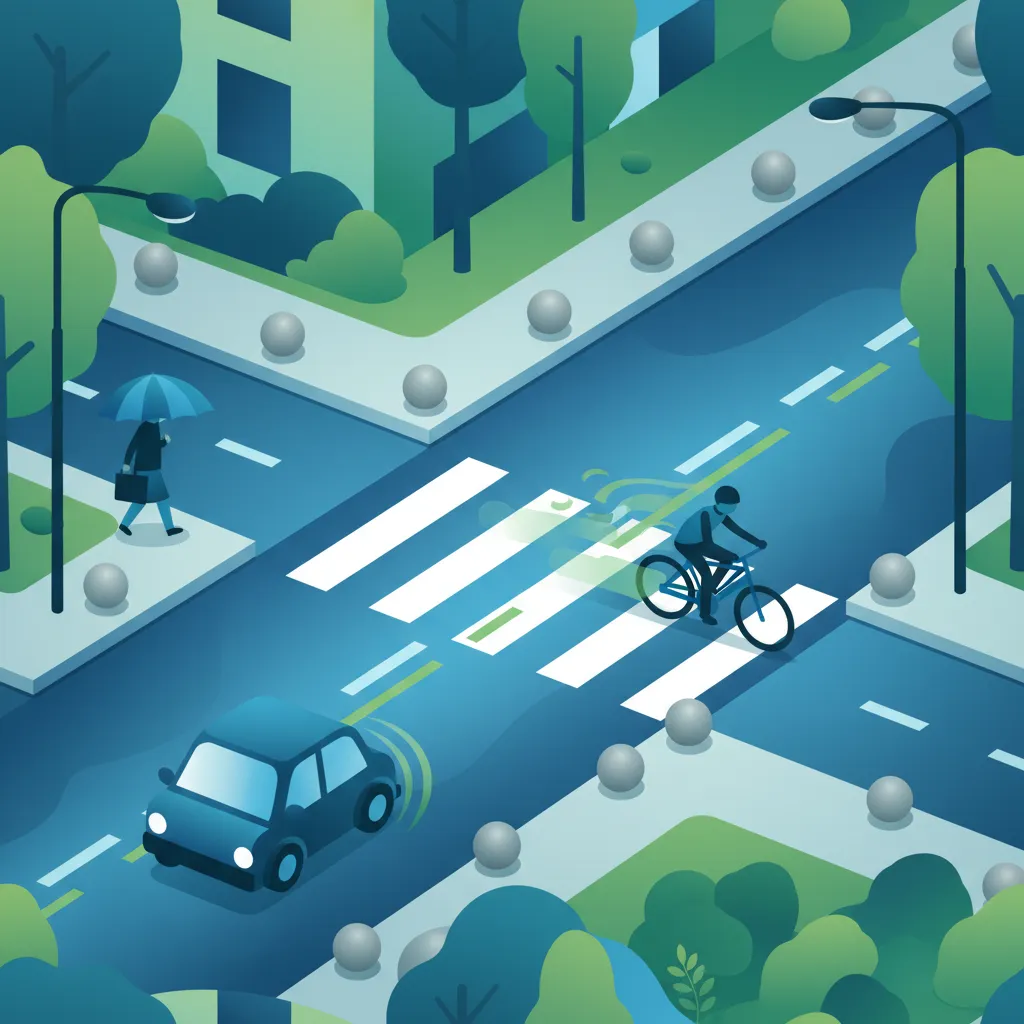
Start targeted Swedish driving theory preparation for learners in Sweden. Train with exam style questions, learn core rules, and build the knowledge needed for the official theory test.
Explore various traffic calming designs like raised crossings, narrow lanes, and shared streets commonly found in Sweden. This set helps you recognise these zones and understand the importance of adapting your speed to ensure safety for all road users, crucial for your driving theory exam.
Preview sample questions from the Traffic Calming & Speed practice set to see how they help you prepare for the driving theory exam in Sweden.
Learners choose Traffic Calming & Speed to improve accuracy and understanding of key exam themes in Sweden. It offers realistic driving theory questions and targeted revision for effective preparation.
Find answers to the most common queries learners have when practising Traffic Calming & Speed, including how questions match the official theory exam in Sweden, how scoring works, and how this practice improves exam readiness.
Traffic calming zones in Sweden are areas designed to reduce vehicle speeds and improve safety, particularly for pedestrians and cyclists. They often feature physical changes like speed bumps, raised crossings, narrow roads, and visual cues.
While specific limits vary, many residential zones in Sweden are designated as 30 km/h zones. In shared streets (gångfartsområden), the speed limit is walking pace, typically interpreted as around 15 km/h. Drivers must always adapt their speed to the conditions.
Raised crossings, often acting as speed bumps, force drivers to slow down to cross them comfortably. They also elevate pedestrians, making them more visible and giving them priority, enhancing safety in busy areas.
Narrower lanes and visual elements like trees or bollards create a perception of less space, naturally encouraging drivers to reduce their speed. This psychological effect helps maintain lower speeds without constant enforcement.
Traffic calming zones prioritize the safety of vulnerable users like pedestrians and cyclists by reducing vehicle speeds, creating safer crossing points, and designating shared spaces where these users have priority, significantly lowering the risk of accidents.
By completing Traffic Calming & Speed, you will gain stronger rule knowledge, faster recognition of signs and situations, better decision making in traffic scenarios, and increased accuracy on exam style questions used in Sweden. These outcomes directly support higher scoring exam performance.
Discover more Swedish driving theory practice sets created for exam preparation in Sweden. Train with realistic questions on traffic rules, road signs, priority situations, and safety topics to build knowledge and pass your theory test with confidence.
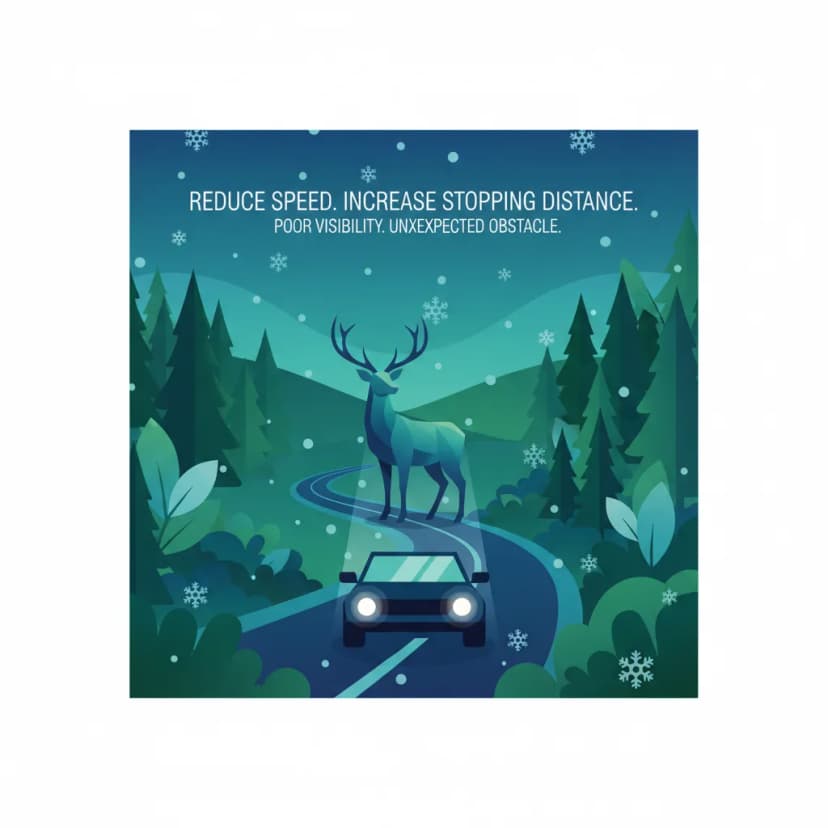
Master the Art of Speed Adaptation and Drive Safely in All Swedish Conditions.
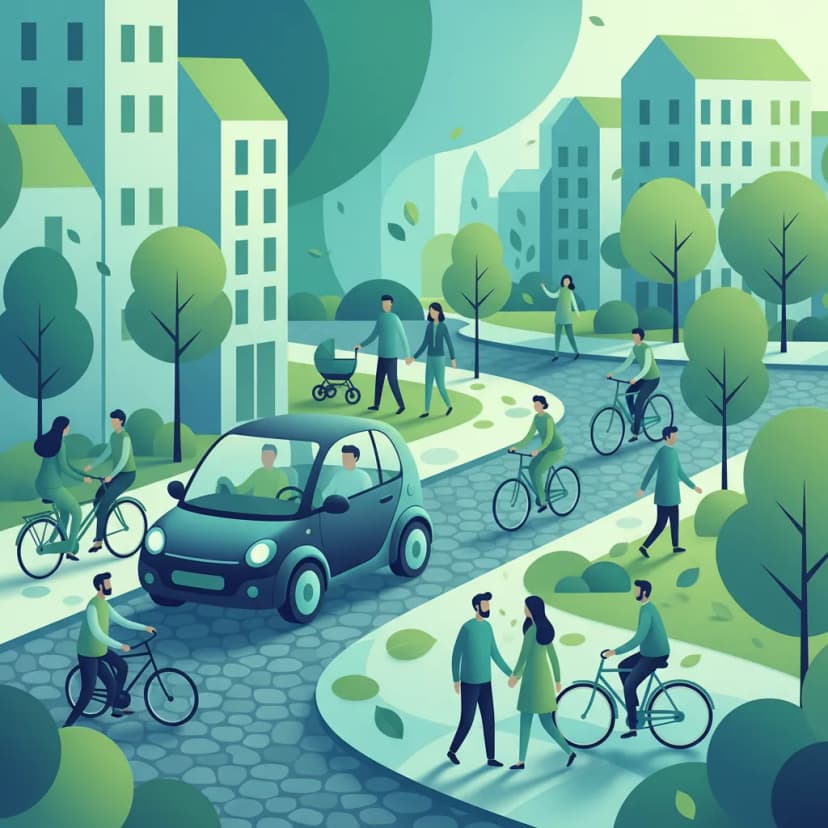
Master the rules of shared streets and ensure pedestrian safety.

Master the unique challenges of school zones and protect vulnerable road users.

Don't let overconfidence be your biggest blind spot on Swedish roads.

Master the Art of Anticipation: Drive Safely on Unpredictable Swedish Roads

Anticipate Hazards, React Safely: Drive Defensively on Swedish Roads
Questions in Traffic Calming & Speed
Exam focused questionss
Traffic Calming & Speed offers quick, focused exam style practice to boost your Swedish knowledge for the driving theory exam in Sweden.
Traffic Calming & Speed helps learners in Sweden with clear explanations and targeted Swedish practice to improve essential driving theory topics.
This practice set is ideal for new learners and those seeking an easy introduction to Swedish traffic calming measures. It addresses common misunderstandings about speed limits in special zones and helps you prepare for questions on residential areas, school zones, and shared streets for the Swedish driving theory exam.
Explore more topics for the Swedish driving theory exam in Sweden.