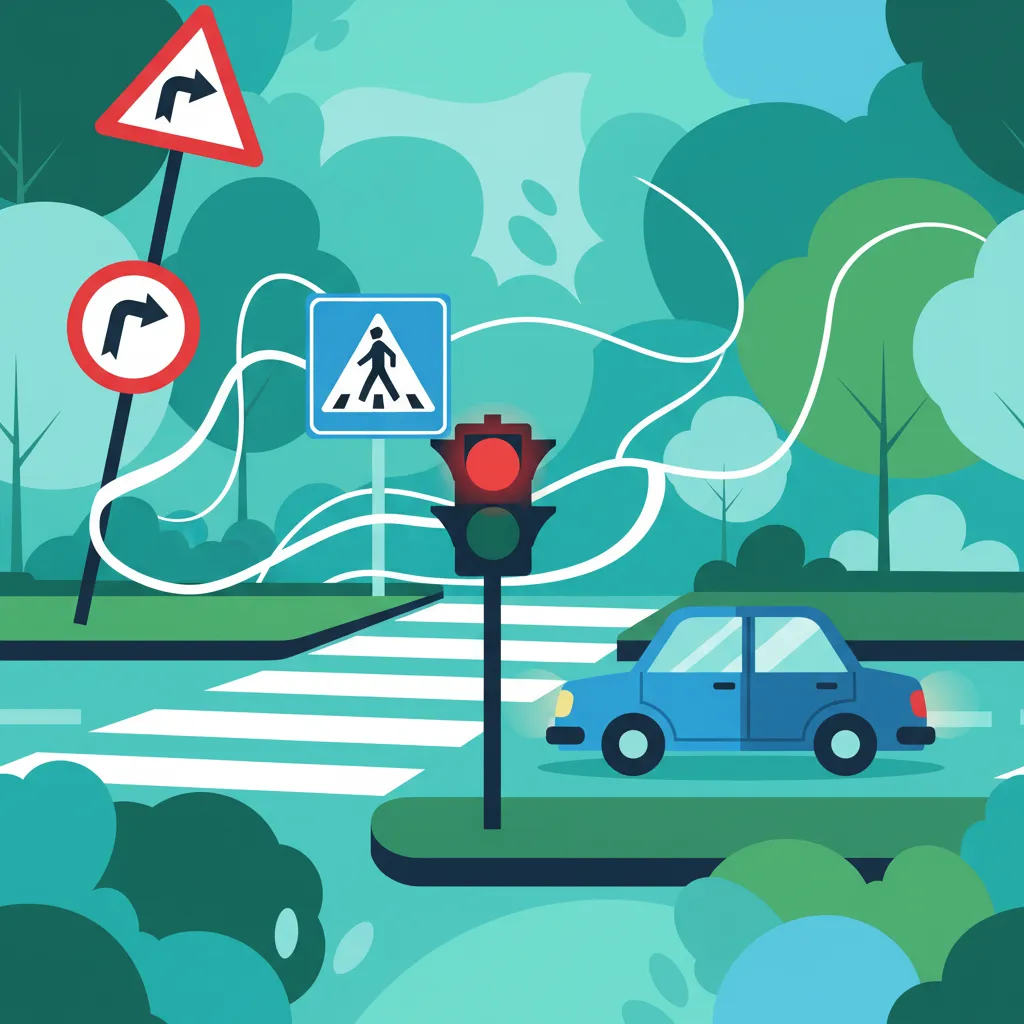
Welcome to the 'Warning Signs' lesson, a crucial part of your Category B Swedish Driving License Theory Course. This lesson will equip you with the essential knowledge to understand and react to Varningstecken, signs designed to alert you to potential dangers on the road ahead. Mastering these signs is vital for safe driving and passing your theory exam.
Welcome to this comprehensive lesson on warning signs, known in Swedish as varningsmärken. These crucial traffic signs are designed to alert drivers to potential dangers and changing road conditions ahead, enabling proactive driving and significantly enhancing road safety. Understanding and correctly interpreting warning signs is not just a recommendation; it is a legal requirement under the Swedish Trafikförordning (Road Traffic Ordinance) and a fundamental skill for every responsible driver.
This lesson, part of your Swedish Driving License Theory Course for Category B Cars, will equip you with the knowledge to instantly recognize these signs, understand the specific hazards they represent, and adapt your driving behavior appropriately to prevent accidents.
Warning signs in Sweden are distinctive triangular signs featuring a red border, a white background, and a black symbol or pictogram depicting the specific hazard. Unlike regulatory signs (påbudsskyltar och förbudsskyltar) that impose mandatory actions or prohibitions, warning signs provide anticipatory information. They inform you of a potential risk so you can take protective actions before physically encountering the danger.
The core idea behind these signs is safety-first. By warning drivers in advance, they gain precious time to adjust their speed, select an appropriate lane, and prepare for any necessary evasive maneuvers. This proactive approach reduces kinetic energy at the point of potential conflict, thereby minimizing accident risks. For instance, slower speeds dramatically reduce stopping distance and improve vehicle control, especially on low-traction surfaces.
The Swedish Trafikförordning § 37 (2) explicitly states that drivers must "take the necessary precautions" when a warning sign indicates a hazard. This means you are legally obligated to assess the indicated danger and adapt your driving behavior accordingly. Failure to do so can result in traffic offenses, fines, and potentially points on your license, not to mention the increased risk of accidents.
Proactive vs. Reactive Driving: Warning signs promote proactive driving. Instead of reacting to a hazard as it appears, you adjust your driving in anticipation, giving yourself more time to perceive, react, and execute safe maneuvers.
Several core principles underpin the design and interpretation of warning signs:
Swedish warning signs cover a wide array of potential hazards. Here, we delve into specific categories and the appropriate driving responses.
These signs alert you to changes in the road's alignment, requiring adjustments to speed and steering.
For a single curve, reduce your speed early, before entering the curve. Maintain your position on the correct side of the lane and be prepared for potential oncoming traffic.
When encountering a series of curves, reduce your speed well before the first bend. Adopt a moderate speed suitable for continuous maneuvering through the entire sequence of curves. Keep your eyes focused far ahead to anticipate the next turn. Significant speed reduction (often 20-30 km/h below the posted limit) is crucial for sharp curves.
Roads are rarely perfectly flat. These signs prepare you for changes in incline, which affect vehicle performance and control.
When you see this sign, anticipate reduced engine power. You may need to lighten your accelerator input or, in some cases, shift to a lower gear to maintain momentum, especially with heavier vehicles.
A steep downhill gradient requires careful management of speed. Shift to a lower gear before beginning the descent to engage engine braking. This helps control your speed without over-relying on your foot brake, which can lead to overheating (brake fade). Be prepared for increased braking demands if you still need to slow down further.
Engine Braking: Using engine braking on descents not only saves your conventional brakes from overheating but also provides more stable speed control, particularly on slippery surfaces.
Approach hillcrests with caution, especially if visibility is limited. Be prepared to stop promptly if the road ahead becomes obstructed or if there's oncoming traffic on your side of the road. Your speed should allow you to stop within your visible distance.
Upon seeing a tunnel sign, reduce your speed and turn on your headlights (dipped beams) before entering. Be prepared for abrupt changes in lighting conditions and potential moisture on the road surface inside the tunnel.
These signs alert you to hazardous road surface conditions that can reduce tire grip and affect vehicle control.
When this sign appears, reduce your speed significantly and increase your following distance. Avoid abrupt steering, braking, or acceleration, as these can easily lead to a skid.
Reduce your speed on loose gravel to avoid skidding and to prevent stones from being flung up, potentially damaging your vehicle or others. Avoid sudden acceleration or braking.
Proceed with caution, reduce speed, and try to stay towards the center of your lane to maximize distance from the rockfall area. Be prepared to stop if rocks are actively falling or obstructing the road.
Slow down to avoid damage to your vehicle's suspension and maintain control. Hit bumps or dips at a reduced speed to absorb the impact more smoothly.
Reduce speed significantly before reaching speed humps to avoid discomfort, damage to your vehicle, and loss of control.
This sign, often orange for temporary works, requires you to reduce speed, obey any temporary speed limits, and be prepared for lane shifts, obstacles, or personnel on the road.
These signs emphasize the presence of road users who are at higher risk in traffic interactions and require extra vigilance.
Reduce speed, be highly vigilant, and be prepared to stop. Always look for pedestrians intending to cross or already on the crossing. Under Trafikförordning § 31 (1), drivers must yield to pedestrians at marked crossings.
This sign demands extra caution. Reduce your speed significantly (often to 30 km/h or less) and be prepared for unpredictable child behavior. Children may not always be aware of traffic. The sign implies the potential for children at any time, not just school hours.
Reduce speed and be prepared to yield to cyclists. Give them ample space when turning or overtaking.
Reduce speed, especially during dusk and dawn when animals are most active. Be prepared for sudden animal movements and be ready to brake sharply or take evasive action if safe to do so.
Reduce speed and expect animals to cross irregularly. These signs are common near farms or grazing areas.
Road conditions can change temporarily due to construction, detours, or other unforeseen events.
Adjust your lane position early and be prepared for merging traffic. Maintain a safe distance from other vehicles and be ready to yield if necessary.
Be aware that you will now encounter oncoming traffic on the same road. Adjust your lane positioning to the right and be extra cautious when overtaking.
Be prepared to stop if the bridge is open or about to open. Follow any signals or barriers.
Proceed with extreme caution, especially in low visibility. Maintain a slow speed and be aware of the edge of the road.
Reduce your speed significantly to minimize the impact and maintain control over your vehicle.
Grip your steering wheel firmly and be prepared for sudden lateral forces that could push your vehicle sideways, especially if driving a high-sided vehicle.
This versatile sign always requires extra vigilance. It's often accompanied by a text or symbol supplementary sign describing the specific "other danger." Always be prepared for an unexpected situation.
Some signs relate to restricted visibility or specific environmental features.
This sign is critical for drivers of tall vehicles, such as trucks, buses, or vehicles with roof racks. You must ensure your vehicle's height is below the indicated clearance. If it isn't, seek an alternate route.
For both railway crossing signs, prepare to stop, listen for train sounds, and look carefully in both directions before crossing. Even with barriers, always be cautious.
Treat tramway crossings with similar caution to railway crossings. Trams have priority and long braking distances.
Be prepared for slowing or stopping traffic. Increase your following distance to allow for smooth braking.
While rare, this sign advises drivers to be aware of potential distractions from aircraft noise.
Reduce speed and be vigilant for falling debris, especially in cold weather.
This sign implies extreme caution. Reduce speed dramatically, increase following distance, and avoid any sudden maneuvers.
The Trafikförordning (Road Traffic Ordinance) forms the legal basis for interpreting and responding to warning signs. Compliance is mandatory.
| Regulation | Rule Statement | Applicability | Legal Status | Rationale | Correct Application Example | Incorrect Application Example |
|---|---|---|---|---|---|---|
| Trafikförordning § 37 (2) | Drivers shall "take the necessary precautions" when a warning sign indicates a hazard. | All road types, all weather, when a warning sign is present. | Mandatory | Ensures proactive safety rather than reactive. | Approaching a "slippery road" sign, driver reduces speed from 80 km/h to 50 km/h and increases following distance. | Driver maintains 80 km/h, fails to adapt, skids on icy patch. |
| Trafikförordning § 38 (3) | When descending a steep grade, drivers must use engine braking if necessary. | Downhill grades marked with a warning sign. | Mandatory | Prevents brake overheating and loss of control. | On a "steep downhill" sign, driver shifts to a lower gear before descent. | Driver stays in top gear, brakes continuously, leading to brake fade. |
| Trafikförordning § 31 (1) | Drivers shall yield to pedestrians at marked crossings. | Pedestrian, children, school bus crossing signs. | Mandatory | Protects the most vulnerable road users. | Approaching a "children crossing" sign, driver reduces speed to 30 km/h and stops when children step onto crossing. | Driver maintains speed, does not stop, causing a near-miss. |
| Trafikförordning § 41 (2) | Temporary traffic signs must be obeyed as if they were permanent. | Road works, detours, lane ends, temporary speed limits. | Mandatory | Guarantees safety during temporary changes. | In a construction zone, driver obeys a temporary 40 km/h speed limit despite the normal 70 km/h limit. | Driver ignores the temporary sign, continues at 70 km/h, causing a collision with construction equipment. |
| Trafikförordning § 42 (1) | When a sign indicates a reduced clearance height, drivers must ensure their vehicle does not exceed it. | Low bridge, tunnel clearance signs. | Mandatory | Prevents vehicle-bridge collisions. | Driver checks vehicle height (3.2 m) against a "3.5 m" sign and proceeds safely. | Driver misreads "3.5 m" as "5 m" and collides with a low bridge. |
| Trafikförordning § 36 (1) | If a sign warns of reduced visibility (e.g., blind curve, tunnel), drivers must adjust speed accordingly. | Blind curve, tunnel, railway crossing signs. | Mandatory | Allows sufficient reaction time under restricted sight. | Driver reduces speed before a "blind curve" sign, maintaining control through the curve. | Driver maintains speed, cannot see an oncoming vehicle, resulting in a head-on collision. |
Incorrectly interpreting or ignoring warning signs is a frequent cause of accidents.
The appropriate response to a warning sign is not static; it must be adapted to prevailing conditions.
The principles behind warning signs are deeply rooted in physics, human psychology, and traffic statistics.
Let's look at practical examples of applying your knowledge of warning signs.
Setting: A two-lane rural road, dry autumn conditions, posted speed limit 80 km/h. Sign: A warning sign for a sharp left curve, placed approximately 150 meters before the curve. Correct Behavior: The driver observes the sign early, smoothly reduces speed to about 50 km/h before entering the curve, checks that the lane is clear of oncoming traffic, and applies smooth, controlled steering throughout the curve. Incorrect Behavior: The driver maintains 80 km/h, enters the curve too fast, experiences loss of traction, and drifts into the opposite lane, narrowly avoiding a collision. Why Correct: Reducing speed lowers lateral acceleration, keeping the required friction within the tires' grip limits, allowing the vehicle to safely navigate the bend.
Setting: An urban arterial road, light rain, posted speed limit 50 km/h. Sign: A "Slippery Road" warning sign (car with skid marks). Correct Behavior: The driver immediately reduces speed to around 35 km/h, increases the following distance from the vehicle ahead, and consciously avoids any sudden braking or steering inputs. Incorrect Behavior: The driver continues at 50 km/h, brakes sharply for a traffic light, and the vehicle skids uncontrollably into the intersection. Why Correct: Lowering speed compensates for the reduced friction coefficient (μ) on wet pavement, preserving steering stability and preventing hydroplaning.
Setting: A residential street, daylight, posted speed limit 30 km/h. Sign: A "Children Crossing" warning sign (silhouette of a child with a school bag). Correct Behavior: The driver reduces speed to 20 km/h, actively scans the sidewalks and road edges for children, and is prepared to stop immediately if a child steps onto the crossing, even if it's not during typical school hours. Incorrect Behavior: The driver assumes the sign only applies during school times, maintains 30 km/h, and fails to stop quickly enough when a child unexpectedly runs onto the crossing, leading to a near-miss. Why Correct: The sign signals a potential hazard at any time; sustained vigilance prevents accidents caused by unpredictable child behavior.
Setting: A highway tunnel with a "Low Bridge / Clearance Height" warning sign indicating 3.5 meters. Vehicle: An articulated truck with a loaded height of 3.8 meters. Correct Behavior: The truck driver identifies the clearance sign well in advance, consults their vehicle's height, and, realizing the vehicle exceeds the limit, safely takes an alternative route to bypass the tunnel. Incorrect Behavior: The truck driver either misreads the sign or ignores it, proceeds into the tunnel, and collides with the tunnel roof, causing significant vehicle damage and blocking traffic for hours. Why Correct: Strict compliance with clearance requirements prevents structural damage to both the vehicle and the infrastructure, ensuring safety and traffic flow.
Setting: A construction zone on a secondary road, with a temporary speed limit of 40 km/h and a "Loose Gravel" warning sign. Correct Behavior: The driver immediately slows down to 40 km/h, maintains a central position in their lane, and avoids sudden acceleration, braking, or sharp steering. Incorrect Behavior: The driver maintains the normal 70 km/h speed, experiences a loss of traction on the loose gravel, and the vehicle slides into an excavated trench beside the road. Why Correct: Adapting speed to the temporary road surface condition maintains sufficient tire friction, preventing loss of control in construction zones.
Warning signs (varningsmärken) are fundamental to safe driving in Sweden. They are triangular, red-bordered signs that proactively alert drivers to upcoming hazards, demanding appropriate adjustments in speed and behavior. Your legal obligation to "take the necessary precautions" (Trafikförordning § 37 (2)) is paramount.
You've learned to identify signs for:
Remember to always:
Your driving behavior must also adapt to contextual factors such as weather, light conditions, road type, vehicle load, and the presence of vulnerable users. Understanding the cause-and-effect relationships – how correct actions lead to safety and violations to risk – reinforces the importance of these signs. This knowledge also connects to other vital aspects of your Swedish Driving License Theory, including regulatory signs, speed management, vehicle control, and driving in various environments.
Lesson content overview
Explore all units and lessons included in this driving theory course.
Explore search topics learners often look for when studying Warning Signs (Varningstecken). These topics reflect common questions about road rules, driving situations, safety guidance, and lesson level theory preparation for learners in Sweden.
Browse additional driving theory lessons that cover connected traffic rules, road signs, and common driving situations related to this topic. Improve your understanding of how different rules interact across everyday traffic scenarios.
Understand the specific meanings of Swedish warning signs (Varningstecken) to anticipate and react to road hazards effectively. Learn how these triangular signs indicate dangers like sharp bends, animals, or road work, crucial for safe driving.
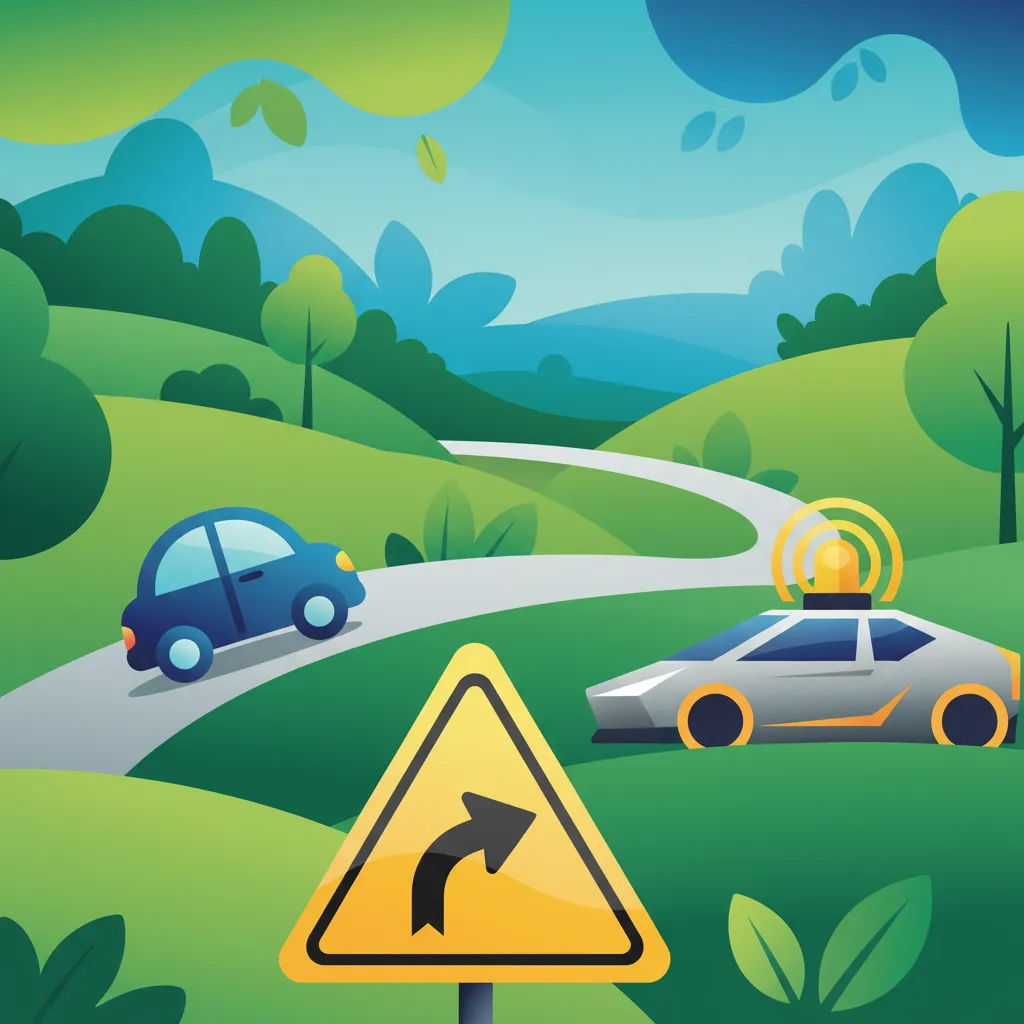
This lesson focuses on Swedish warning signs designed to alert drivers to potential dangers. You will study signs indicating sharp bends, slippery surfaces, animal crossings, and temporary hazards like road construction. Correctly interpreting these signs allows a motorcyclist to proactively adjust speed, lane position, and readiness to react, which is essential for maintaining control and safety, especially in adverse weather or on unfamiliar roads.
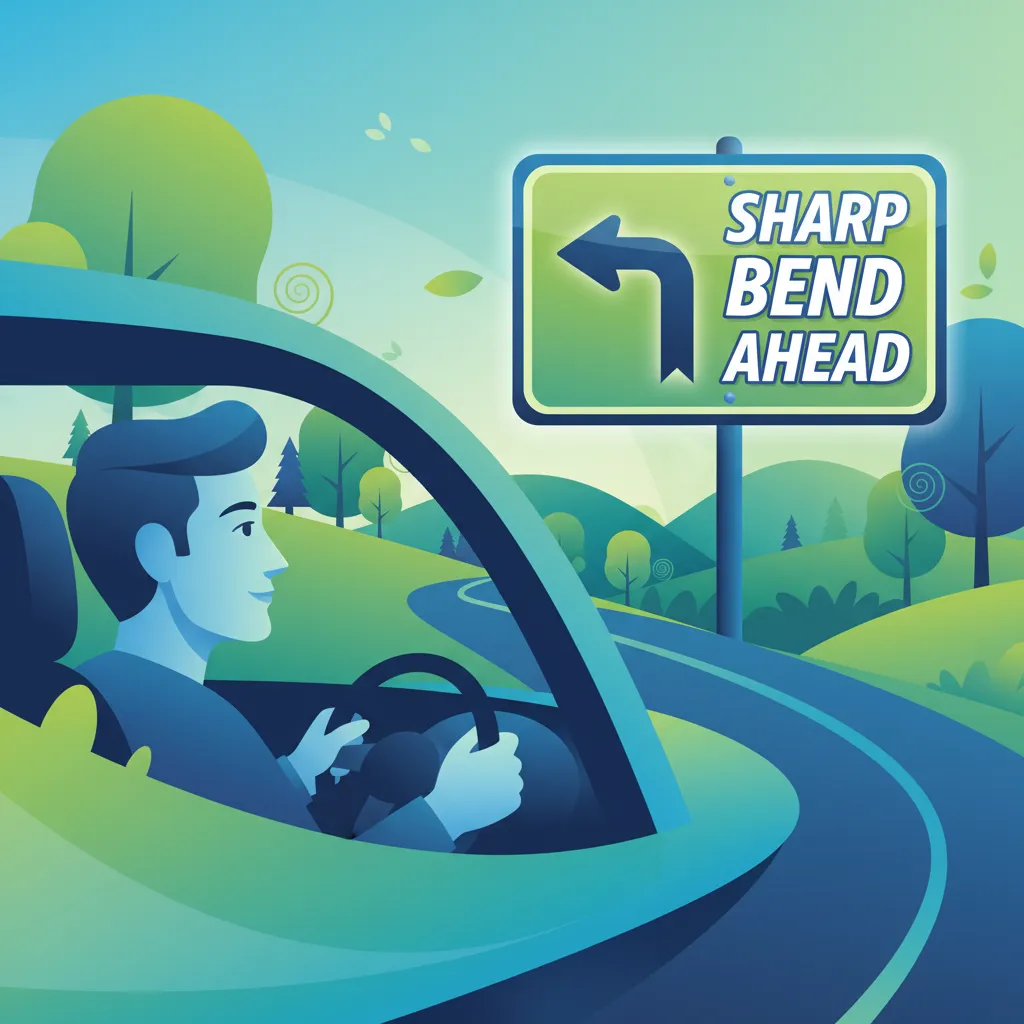
This lesson teaches riders to interpret warning signs (Varningsskyltar), which alert them to potential dangers on the road ahead. It covers a wide range of signs, including those for sharp curves, slippery surfaces, wildlife crossings, and upcoming roadworks. Understanding these triangular signs allows riders to anticipate hazards, adjust their speed and position proactively, and enhance their overall safety.
This lesson serves as a guide to the language of your car's instrument panel. You will learn the meaning of the most common warning lights, understanding the urgency indicated by their color: red for a critical issue requiring an immediate stop, yellow for a fault that needs attention soon, and green or blue for informational indicators. Knowing what these symbols mean is crucial for addressing mechanical problems before they become serious or unsafe.

This lesson covers the essential topic of communication in traffic using the vehicle's built-in signaling devices. You will learn the rules for using your turn indicators (körriktningsvisare) in good time before turning or changing lanes. The content also explains the proper use of hazard lights (varningsblinkers) in emergency situations and the very limited, specific circumstances in which using the horn (ljudsignal) is permitted to avert immediate danger.
This lesson focuses on the correct use of warning devices to protect an accident or breakdown scene. You will learn to immediately activate your hazard lights (varningsblinkers). The main focus is on the proper placement of the warning triangle, explaining how the distance from the vehicle must be adapted based on the road's speed limit and visibility to give oncoming drivers adequate time to react.
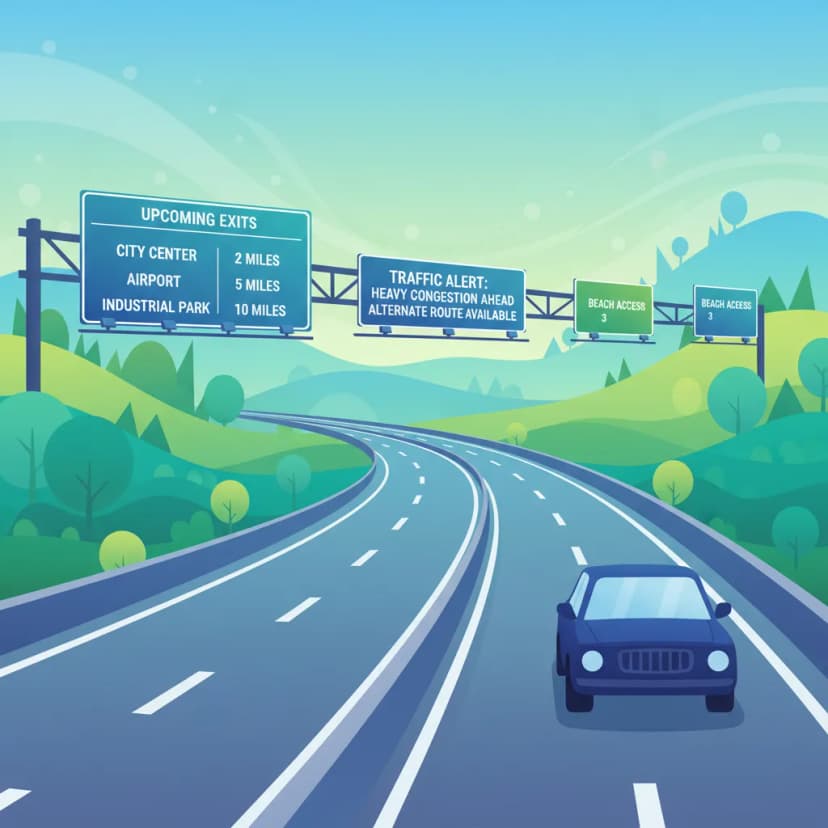
This lesson covers the extensive category of informational and directional signs that aid navigation throughout Sweden. You will learn to interpret signs for motorways, national roads, and local destinations, as well as symbols indicating services like gas stations, parking, and rest areas. Proper understanding of these signs allows for efficient route planning, reduces driver uncertainty, and contributes to smoother, safer traffic flow on all types of roads.
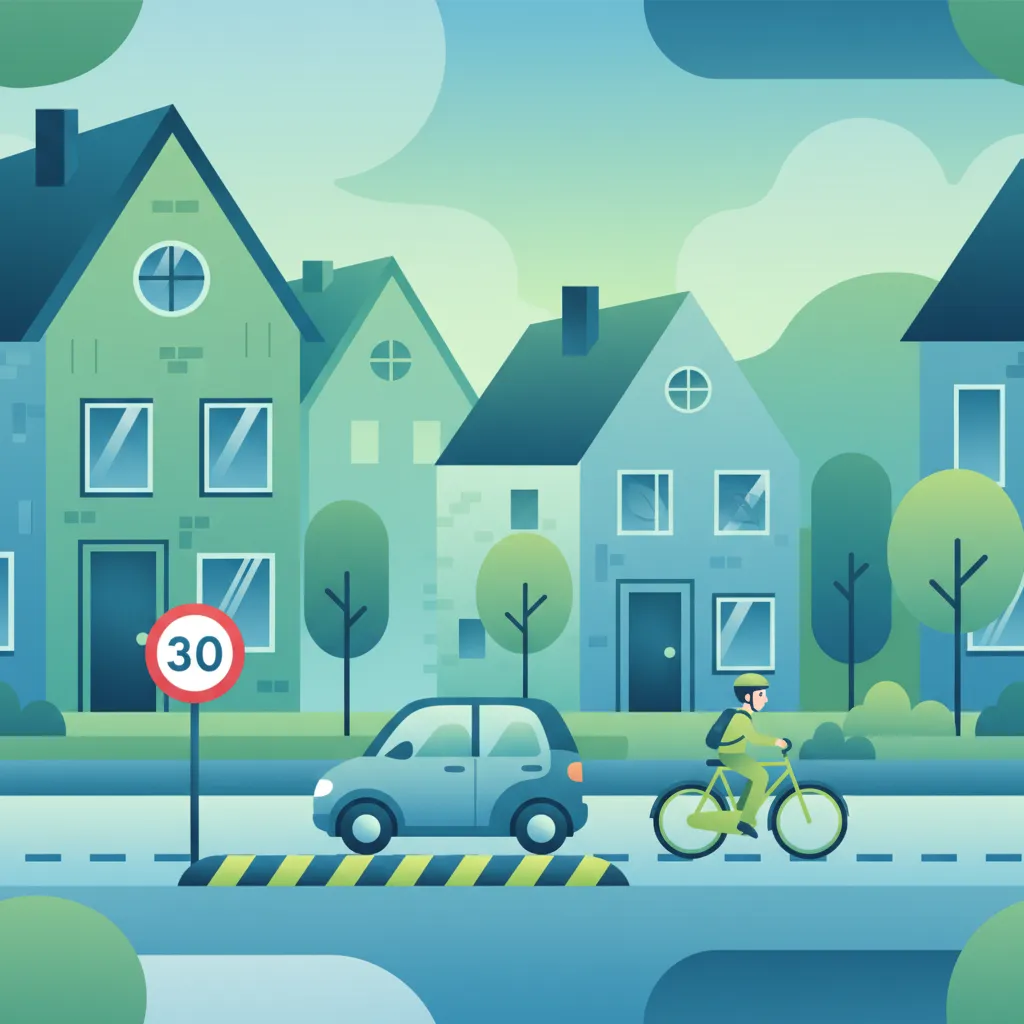
This lesson focuses on the high level of caution required when driving in residential areas. You will learn about the rules for special zones like 'gångfartsområde' (walking speed area) and the need to navigate around speed calming measures like speed bumps. The central theme is anticipating unpredictable behavior from residents, especially children, and managing the risks posed by parked cars that severely limit visibility.
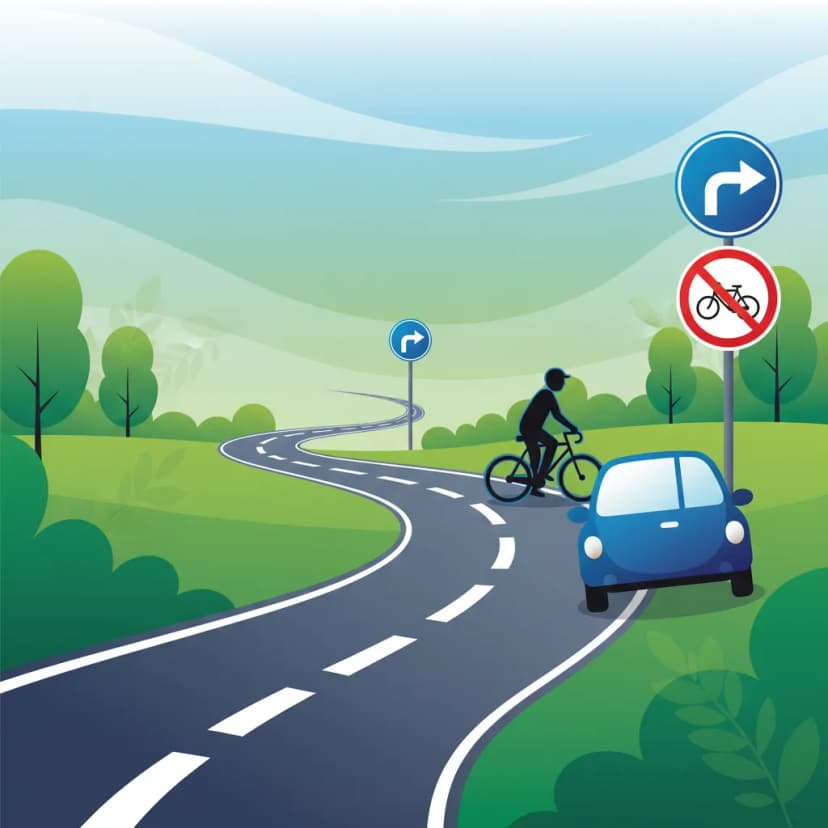
This lesson details the full range of Swedish regulatory signs, which establish legally enforceable rules for all road users. You will learn to interpret prohibitory signs (förbudsmärken) such as speed limits and no-entry signs, as well as mandatory signs (påbudsmärken) that dictate direction or lane usage. Understanding these signs is crucial as they directly regulate traffic flow, ensure safety at critical points, and carry legal consequences if ignored.

This lesson focuses on creating a complete awareness of the traffic situation around your vehicle. You will learn the correct procedure for using your interior and side mirrors in a continuous scanning pattern. Crucially, the lesson explains what the blind spot (döda vinkeln) is, where it is located, and why a physical head check over the shoulder is a non-negotiable safety step before any lateral movement like changing lanes or turning.

This lesson covers strategies for driving safely when visibility is compromised. You will learn the correct use of different lighting systems: when to use low beams, high beams (helljus), and how to avoid dazzling other drivers. The lesson also explains the specific regulations for using front and rear fog lights and provides techniques for navigating safely in dense fog or heavy precipitation by reducing speed and using the road edge as a guide.
Learn to differentiate between Swedish warning signs (Varningstecken) and other essential sign categories like regulatory (Vägförbud & Påbud) and information signs (Informationsskyltar). Understand how each type guides driver behaviour and road safety.
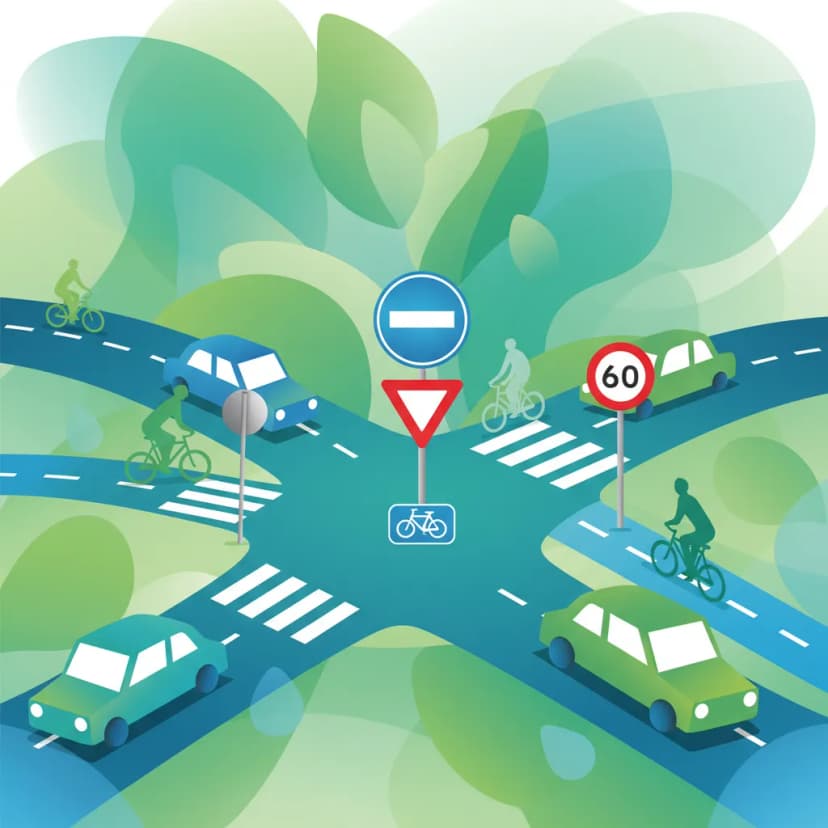
This lesson details the full range of Swedish regulatory signs, which dictate mandatory actions and prohibitions for all road users. You will learn to identify signs that establish speed limits, restrict access, prohibit overtaking, and define parking rules. Understanding these signs is critical for legal compliance and safe interaction with other traffic, as they form the basis of enforceable road law under the Trafikförordning regulations.
This lesson details the full range of Swedish regulatory signs, which establish legally enforceable rules for all road users. You will learn to interpret prohibitory signs (förbudsmärken) such as speed limits and no-entry signs, as well as mandatory signs (påbudsmärken) that dictate direction or lane usage. Understanding these signs is crucial as they directly regulate traffic flow, ensure safety at critical points, and carry legal consequences if ignored.
This lesson focuses on Swedish warning signs designed to alert drivers to potential dangers. You will study signs indicating sharp bends, slippery surfaces, animal crossings, and temporary hazards like road construction. Correctly interpreting these signs allows a motorcyclist to proactively adjust speed, lane position, and readiness to react, which is essential for maintaining control and safety, especially in adverse weather or on unfamiliar roads.
This lesson teaches riders to interpret warning signs (Varningsskyltar), which alert them to potential dangers on the road ahead. It covers a wide range of signs, including those for sharp curves, slippery surfaces, wildlife crossings, and upcoming roadworks. Understanding these triangular signs allows riders to anticipate hazards, adjust their speed and position proactively, and enhance their overall safety.
This lesson covers the extensive category of informational and directional signs that aid navigation throughout Sweden. You will learn to interpret signs for motorways, national roads, and local destinations, as well as symbols indicating services like gas stations, parking, and rest areas. Proper understanding of these signs allows for efficient route planning, reduces driver uncertainty, and contributes to smoother, safer traffic flow on all types of roads.
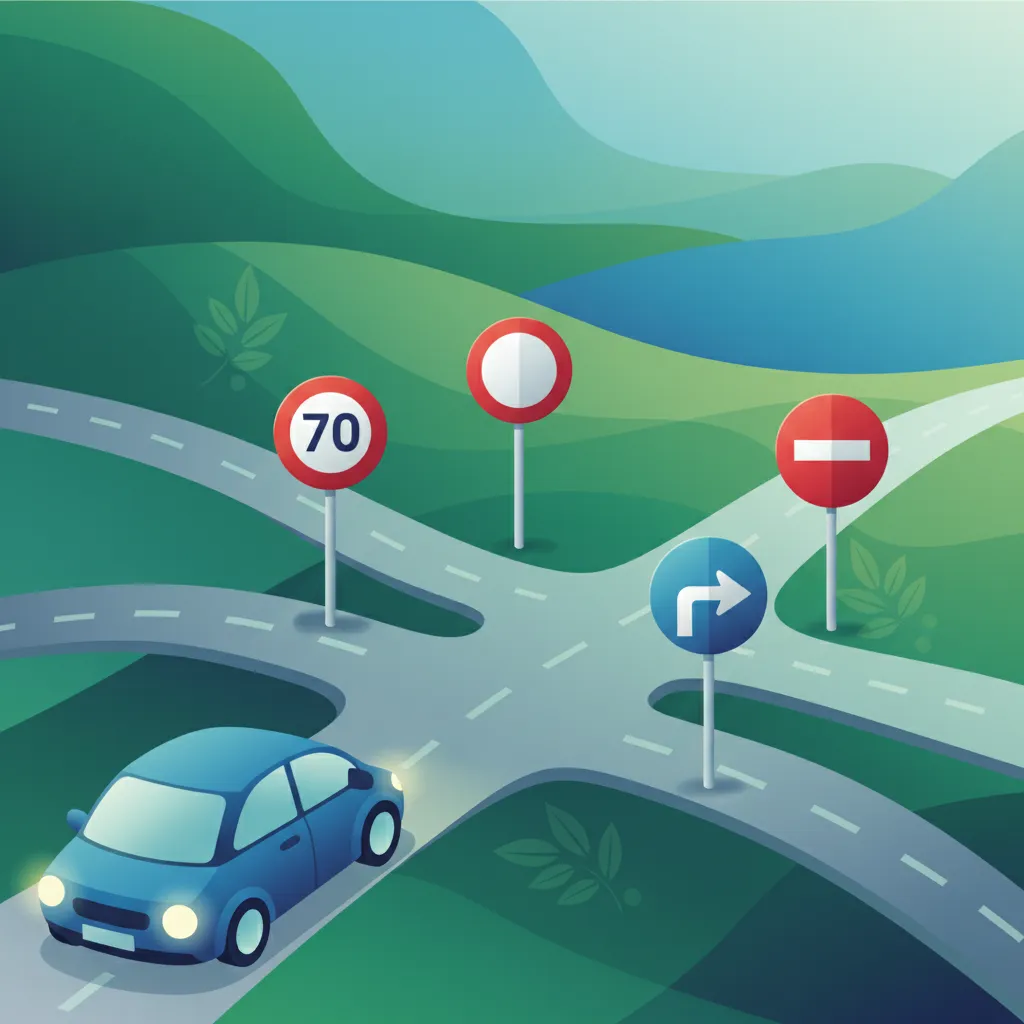
This lesson focuses on regulatory signs (Regulationsskyltar), which issue mandatory instructions and prohibitions that all road users must follow. It details common signs such as speed limits, stop and give way signs, and mandatory direction arrows. Special attention is given to signs directly affecting mopeds, like 'no moped' signs and those indicating designated moped lanes, ensuring riders can navigate legally and safely.
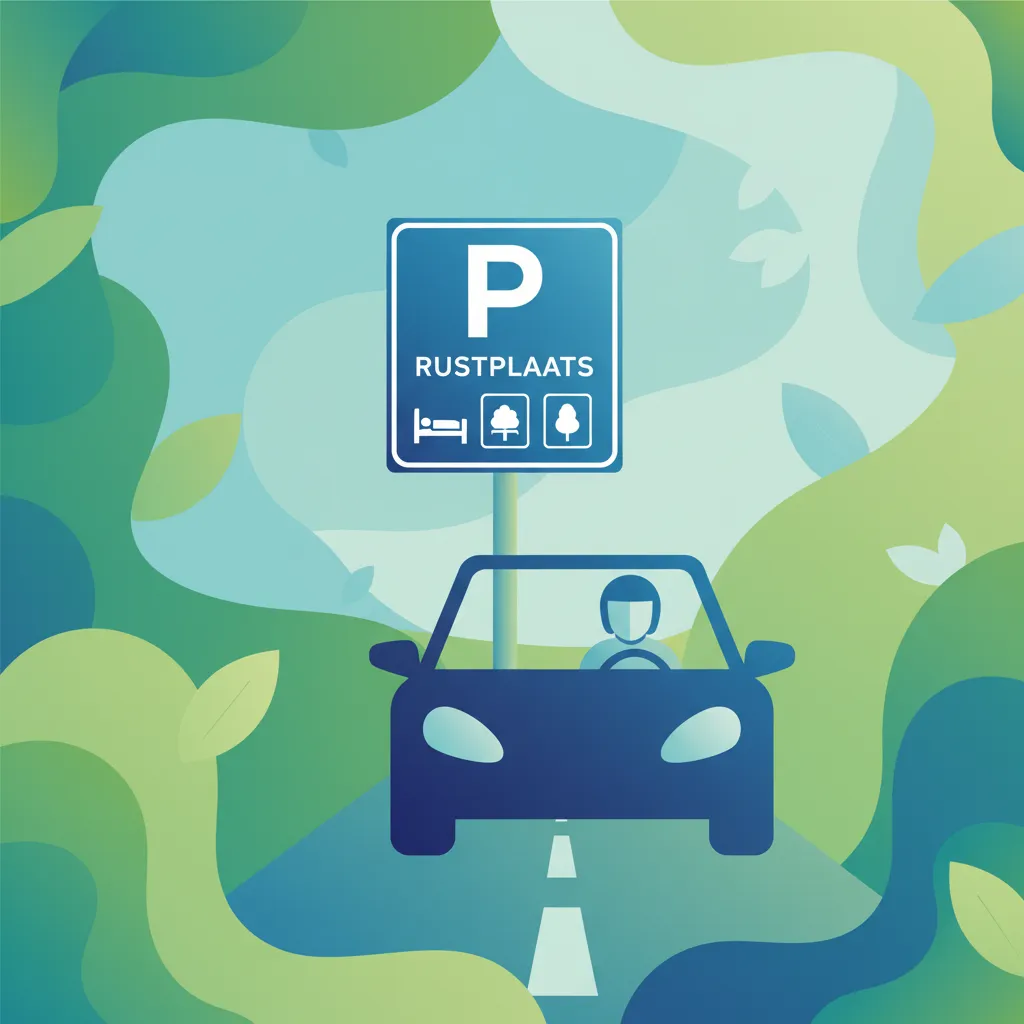
This lesson explains the function of informational signs (Informationsskyltar), which provide guidance for navigation and access to services. It covers signs indicating distances to destinations, route numbers, and locations of fuel stations or parking areas. For moped riders, this includes identifying signs for designated moped or cycle lanes, helping them to plan and follow routes efficiently and legally.
This lesson explains how to read and use Swedish informational and directional signs for effective route planning and navigation. You will learn to follow signs for specific destinations, identify road numbers, and recognize indicators for services such as fuel stations and rest areas. For motorcyclists on long journeys, this knowledge is crucial for making timely decisions about lane changes, exits, and stops without causing disruption to traffic flow.
This lesson explains the function and legal significance of various road markings (vägmarkeringar) in Sweden. You will learn the difference between broken lines that permit overtaking and solid lines that forbid it, as well as the meaning of stop lines, pedestrian crossings, and lane direction arrows. These markings work in conjunction with signs to organize traffic flow, separate lanes, and provide critical information directly on the road surface.
This lesson explores how the environment affects sign interpretation, contrasting the high density and visual complexity of urban settings with the sparser signage of rural areas. It teaches riders to manage visual clutter in cities and maintain focus over long distances on country roads. By understanding these contextual differences, riders can better anticipate rules and hazards regardless of their location.
Find clear answers to common questions learners have about Warning Signs (Varningstecken). Learn how the lesson is structured, which driving theory objectives it supports, and how it fits into the overall learning path of units and curriculum progression in Sweden. These explanations help you understand key concepts, lesson flow, and exam focused study goals.
The primary purpose of Swedish warning signs (Varningstecken) is to alert drivers to potential hazards or changes in road conditions ahead. They are typically triangular with a red border and a symbol indicating the specific danger, giving you time to prepare and adjust your driving accordingly.
Warning signs (Varningstecken) alert you to potential dangers and advise you to be cautious, often implying a need to adapt speed or vigilance. Regulatory signs, on the other hand, impose a direct legal obligation, such as a speed limit (hastighetsbegränsning) or a prohibition (förbudsskylt), and must be obeyed precisely.
Yes, temporary warning signs, often placed for road works or special events, serve the same alerting purpose but may indicate more immediate or unusual hazards. Always pay close attention to them, as they might require significant speed reductions or lane diversions.
When you see a warning sign, you should immediately assess the potential hazard it indicates. Reduce your speed to a safe level, increase your following distance, and be prepared to take evasive action if necessary. Maintain a high level of alertness until you are past the hazard.
Absolutely. The Swedish theory test for Category B includes numerous questions assessing your ability to recognise warning signs and understand their implications for safe driving. You'll be asked to interpret symbols and choose the correct response to a given situation indicated by a sign.