
Navigating parking and stopping rules can be tricky, but this unit clarifies all aspects of these essential driving regulations in Sweden. You'll learn the critical differences between stopping and parking, how to interpret various parking signs, and the specific rules for loading zones and restricted areas to ensure you always comply with Trafikverket regulations.
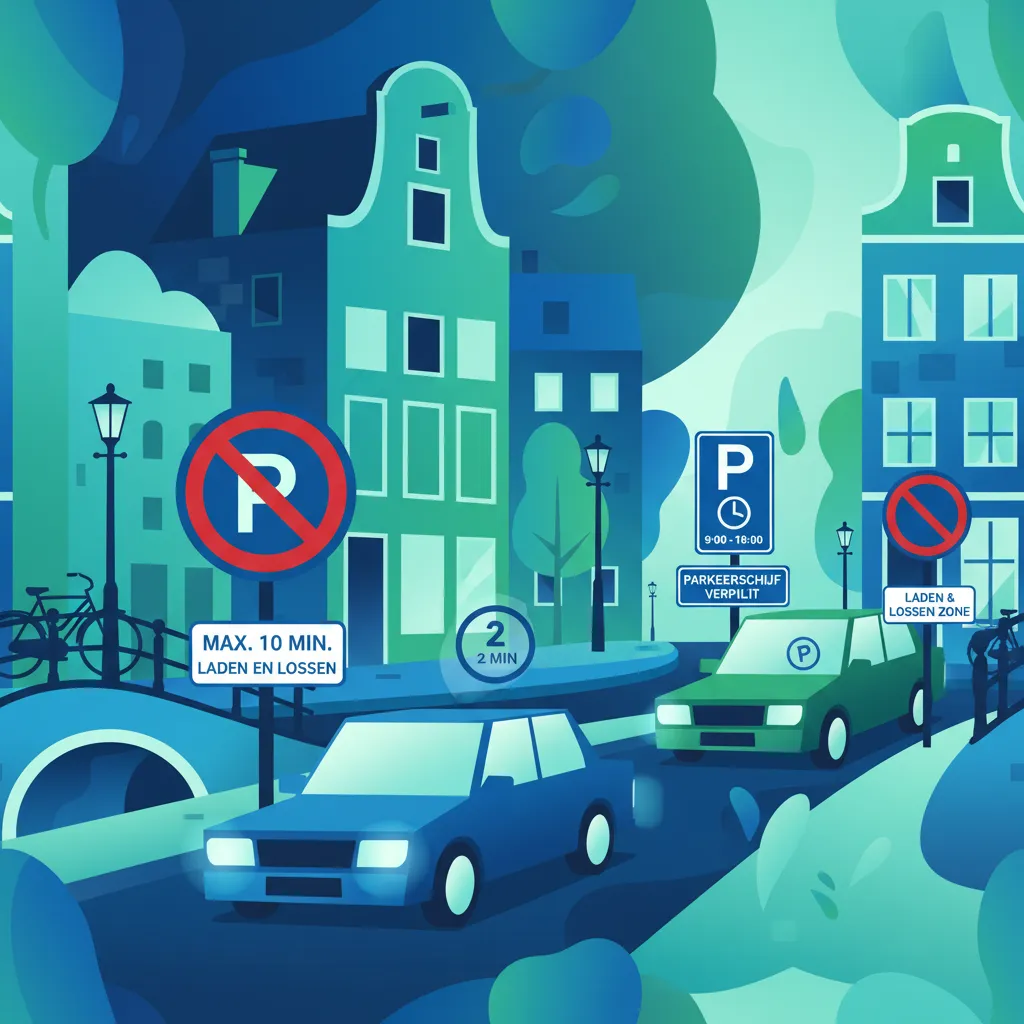
Browse all lessons that make up Parking, Stopping, and Loading Zones. Each lesson focuses on specific topics, learning objectives, and core concepts, helping you build essential knowledge and follow a clear, structured progression toward your study goals in Sweden.
This lesson covers the general, nationwide rules that govern where you may and may not park or stop, even without specific signs. You will learn about the prohibitions on stopping near intersections, on pedestrian crossings, and at bus stops. The content clarifies the legal definitions and provides clear guidelines on maintaining safe distances and ensuring that your parked vehicle does not obstruct traffic or create a hazard.
This lesson focuses on the specific activity of stopping for the purpose of passenger embarkation/disembarkation or loading/unloading goods. You will learn that this is often permissible in areas marked with a 'no parking' sign, as long as the stop is brief and continuous. The lesson distinguishes this from a 'no stopping' zone, where any voluntary stop is prohibited, ensuring you understand the nuanced difference.
This lesson covers parking areas that are reserved for specific purposes or permit holders. The primary focus is on spaces designated for people with disabilities, explaining the requirement of a valid permit. It also addresses other restricted areas such as residential parking zones (boendeparkering), loading zones, and areas that must be kept clear for emergency vehicles, highlighting the legal and ethical reasons for respecting these designations.
This lesson revisits the practical skills of positioning a vehicle within a designated space. It describes the characteristics of the three main parking styles: parallel (fickparkering), angled, and perpendicular. The content focuses on the conceptual steps for each maneuver, such as approach, turning points, and final positioning, reinforcing the importance of slow, controlled movements and constant observation of the surroundings.
This lesson explains the various systems used to regulate parking duration and payment. You will learn how to correctly set and display a parking disc (P-skiva) in time-limited zones and how to operate parking meters and mobile payment apps. The lesson also demystifies 'date parking' (datumparkering), a rule used in some areas for street cleaning, and clarifies the difference between a public parking fine (parkeringsanmärkning) and a private control fee (kontrollavgift).
Explore high-intent keywords and long-tail search topics learners use when researching Parking, Stopping, and Loading Zones. These terms reflect how people search for reliable study materials, structured explanations, and unit-level theory preparation support in Sweden.
Find clear answers to the most common questions learners ask about Parking, Stopping, and Loading Zones. Understand how the unit is organized, what learning goals it supports, and how it contributes to your study progression with structured explanations and practical guidance tailored for learners in Sweden.
In Sweden, 'stanna' refers to stopping briefly, typically to let passengers in or out, or to load/unload goods, without leaving the vehicle unattended. 'Parkera' means to leave the vehicle unattended or stop for longer than necessary for loading/unloading. The regulations and signs governing these actions can differ significantly.
Payment for parking is usually indicated by specific signs, often featuring a blue 'P' symbol with details about payment methods, operating hours, and maximum parking duration. Look for signs mentioning 'avgift', 'parkeringsavgift', or ticket machine symbols. Always check the signs carefully before parking.
Loading zones are designated for loading and unloading goods. The signs typically indicate specific times when this is permitted. Parking here outside these times, or for purposes other than loading/unloading, is usually prohibited and can result in a fine. Drivers should not obstruct traffic while using these zones.
No, you cannot stop or park just anywhere. It is generally prohibited to stop or park in places that obstruct traffic, endanger others, or where it is specifically forbidden by signs or markings, such as on a pedestrian crossing, in front of a driveway, or on a bend where visibility is limited.
A blue circle with a red border and a single diagonal red bar means 'No Stopping' (förbud mot stopp). This is more restrictive than 'No Parking'. You cannot even stop briefly here, except when required by traffic conditions (e.g., in a traffic jam).
While core principles remain the same, urban areas often have more complex parking regulations due to higher traffic density. You'll find more signs indicating paid parking, time limits, loading zones, and restrictions for specific vehicle types or times in cities. Rural areas may have fewer restrictions, but general rules against obstructing traffic or parking dangerously still apply.
All included lessons
Lessons in Parking, Stopping, and Loading Zones
See who benefits most from studying Parking, Stopping, and Loading Zones. This overview explains how the unit supports different learning needs, what level of knowledge is helpful before starting, and how it fits into the overall study path in Sweden.
This unit is essential for all learner drivers preparing for the Swedish Category B driving theory test who find parking and stopping rules confusing. It is particularly beneficial for those who want to avoid costly fines and ensure they are parking legally and safely in various Swedish traffic situations.

See how Swedish Driving Theory B is structured, with key topics, learning objectives, and a step-by-step path for theory preparation in Sweden.
Explore all units and lessons included in this driving theory course.