
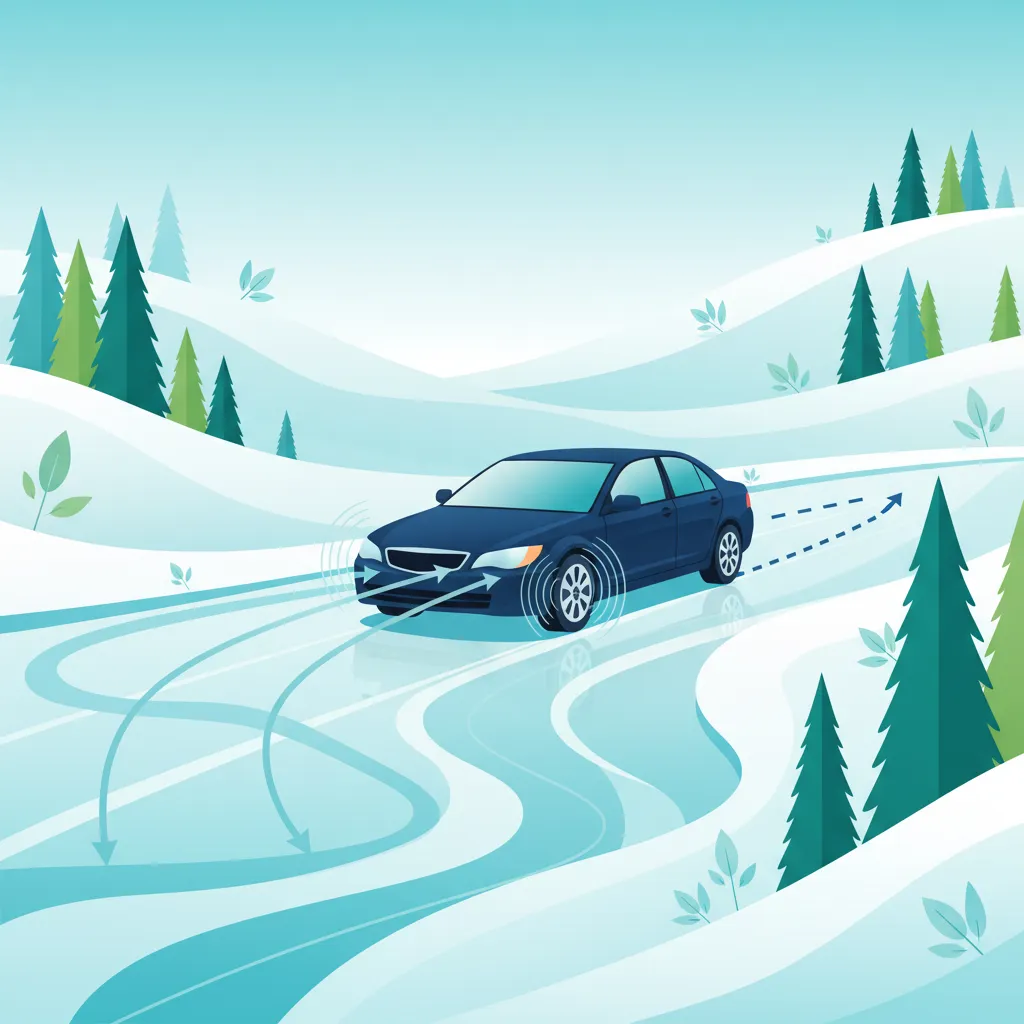
This practice set is essential for understanding how Anti-lock Braking Systems (ABS) function on treacherous surfaces such as ice, packed snow, and loose gravel, as per Swedish traffic rules. Learn to anticipate longer stopping distances and adapt your driving for optimal control and safety. Prepare confidently for your official Swedish driving license theory exam by mastering these crucial techniques.
Start targeted Swedish driving theory preparation for learners in Sweden. Train with exam style questions, learn core rules, and build the knowledge needed for the official theory test.
Prepare for challenging real-world scenarios by understanding how ABS behaves on low-friction surfaces. This set covers critical concepts like increased stopping distances, maintaining steering control, and the importance of proactive braking, helping you avoid common mistakes in the Swedish driving theory exam.
Preview sample questions from the ABS Low-Grip Braking practice set to see how they help you prepare for the driving theory exam in Sweden.
Learners choose ABS Low-Grip Braking to improve accuracy and understanding of key exam themes in Sweden. It offers realistic driving theory questions and targeted revision for effective preparation.
Find answers to the most common queries learners have when practising ABS Low-Grip Braking, including how questions match the official theory exam in Sweden, how scoring works, and how this practice improves exam readiness.
ABS helps prevent your wheels from locking up, which allows you to maintain steering control during hard braking on slippery surfaces. However, it does not shorten your stopping distance on ice or snow; in fact, distances will still be significantly longer than on dry asphalt.
With ABS, you can apply firm, steady pressure to the brake pedal. The system will modulate the braking force to prevent wheel lock. However, you must still anticipate much longer stopping distances on gravel compared to paved roads, and adjust your speed and following distance accordingly.
No, ABS primarily helps you maintain steering control by preventing the wheels from locking. It does not create additional grip, so stopping distances on ice, snow, or gravel will always be significantly longer than on dry, paved surfaces. Always drive at a conservative speed.
The most important principle is that ABS is a driver aid, not a substitute for good judgment. Always maintain conservative speeds and significantly increased following distances on low-grip surfaces, regardless of whether your vehicle has ABS. Steer gently and avoid sudden movements.
If your car begins to skid while braking with ABS, continue to apply firm pressure to the brake pedal. Focus on steering in the direction you want to go. The ABS system is designed to help you maintain steerability even under these conditions, but your primary focus should be on gentle, controlled steering inputs and avoiding panic.
By completing ABS Low-Grip Braking, you will gain stronger rule knowledge, faster recognition of signs and situations, better decision making in traffic scenarios, and increased accuracy on exam style questions used in Sweden. These outcomes directly support higher scoring exam performance.
Discover more Swedish driving theory practice sets created for exam preparation in Sweden. Train with realistic questions on traffic rules, road signs, priority situations, and safety topics to build knowledge and pass your theory test with confidence.

Master ABS Response: Keep Control, Pass Your Swedish Theory Exam

Master Controlled Braking and Skid Recovery for Swedish Road Conditions
Mastering Safe Stopping: Critical Skills for Swedish Roads

Drive Smarter and Safer: Conquer Slippery Conditions with Expert Techniques.
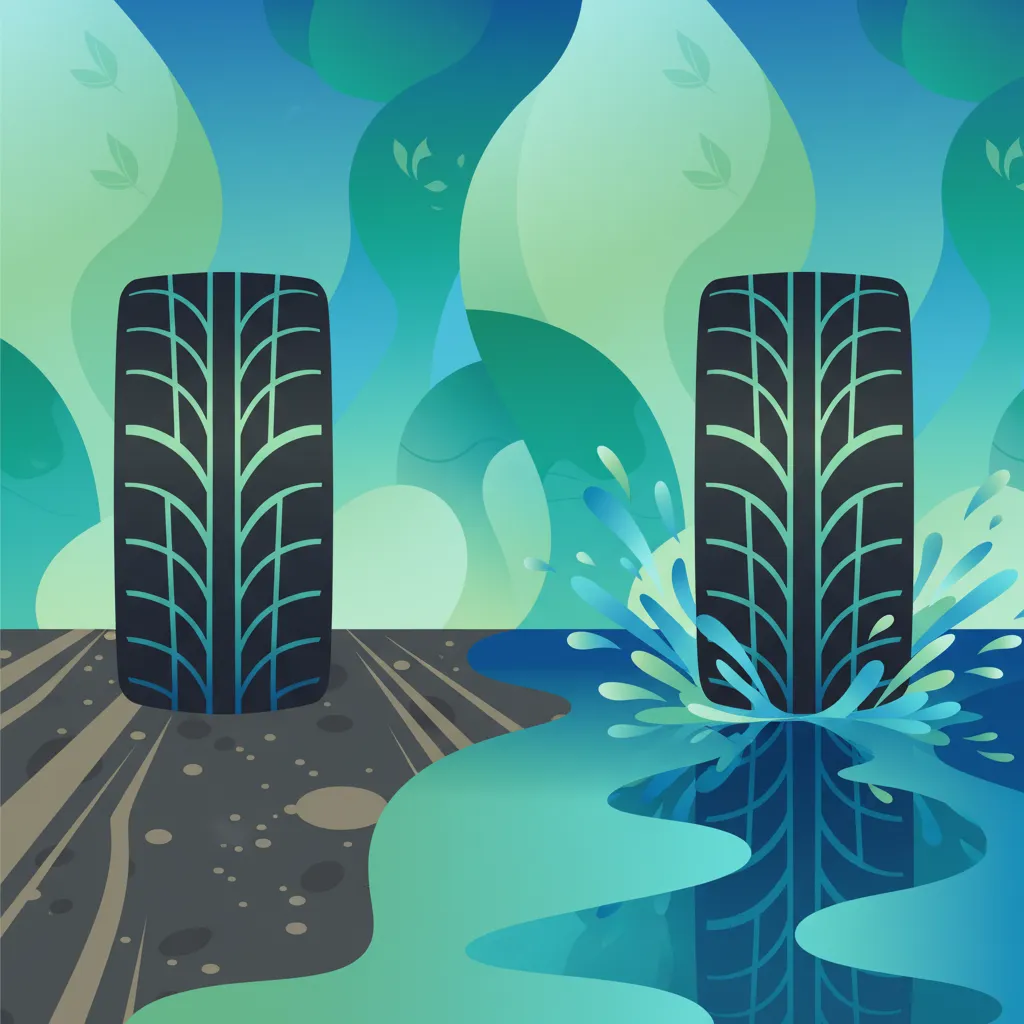
Master Road Grip and Traction: Crucial for Safe Driving and Your Swedish Exam
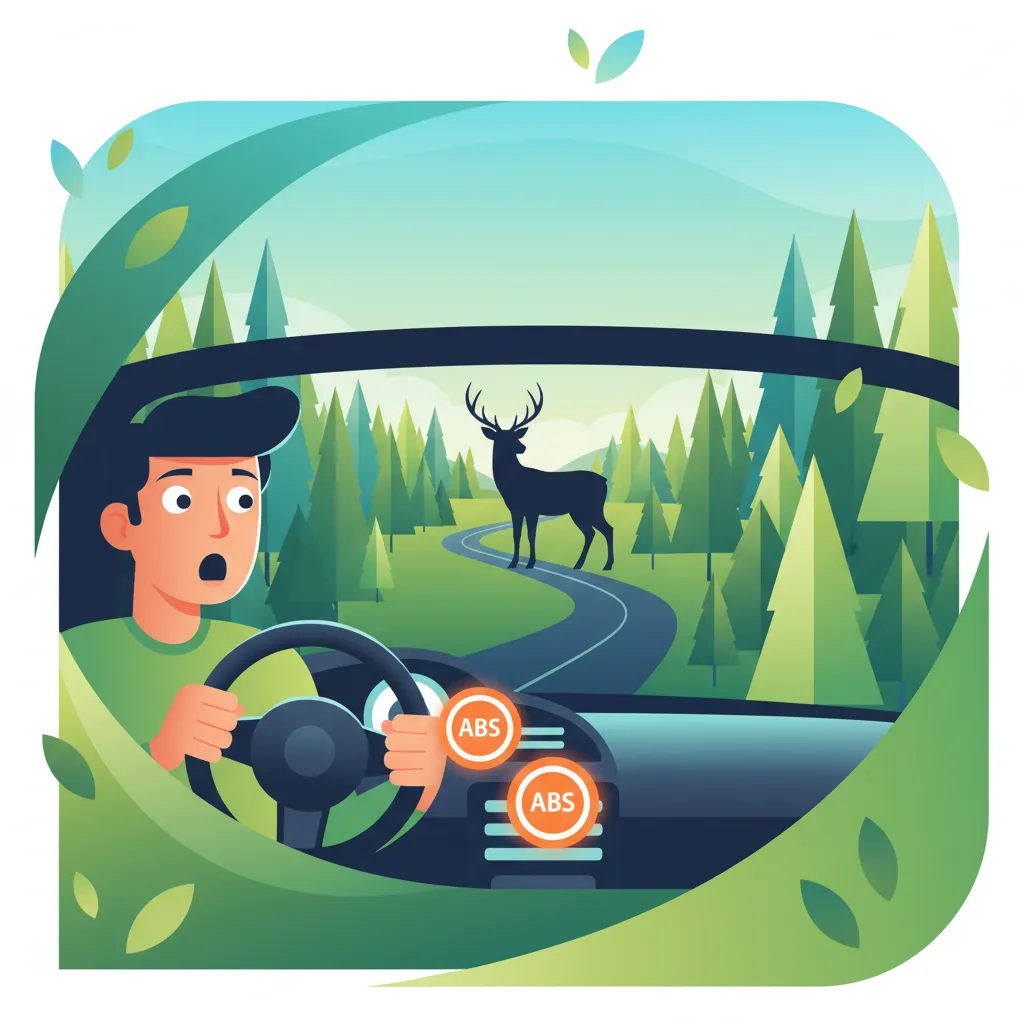
Stay in Control: React Safely in Swedish Emergency Braking Situations.
Questions in ABS Low-Grip Braking
Exam focused questionss
ABS Low-Grip Braking offers quick, focused exam style practice to boost your Swedish knowledge for the driving theory exam in Sweden.
ABS Low-Grip Braking helps learners in Sweden with clear explanations and targeted Swedish practice to improve essential driving theory topics.
This set is ideal for intermediate to advanced learners preparing for the Swedish driving license theory exam, especially those who struggle with understanding the true capabilities and limitations of modern vehicle safety systems. It addresses common misunderstandings about ABS on low-grip surfaces, helping you develop a more nuanced and safe approach to driving in challenging Swedish conditions.
Explore more topics for the Swedish driving theory exam in Sweden.