
Prepare for unpredictable Swedish winter conditions with this practice set focused on following distance in slush and melting snow. You will learn to identify risks such as hydroplaning, reduced visibility from spray, and inconsistent braking. This set helps you apply official Swedish traffic rules to keep a safe distance and pass your driving theory exam with confidence.

Start targeted Swedish driving theory preparation for learners in Sweden. Train with exam style questions, learn core rules, and build the knowledge needed for the official theory test.
Navigate the tricky conditions of slush and melting snow with confidence. This set covers scenarios where grip is uncertain, visibility is reduced by dirty spray, and braking distances become unpredictable. Prepare for urban and suburban speeds, including corner cases like hidden ice and rapid temperature changes, to excel in your driving theory exam.
Preview sample questions from the Slush & Snow Distance practice set to see how they help you prepare for the driving theory exam in Sweden.
Learners choose Slush & Snow Distance to improve accuracy and understanding of key exam themes in Sweden. It offers realistic driving theory questions and targeted revision for effective preparation.
Find answers to the most common queries learners have when practising Slush & Snow Distance, including how questions match the official theory exam in Sweden, how scoring works, and how this practice improves exam readiness.
Slush combines water and ice particles, creating an unstable, unpredictable surface. It increases rolling resistance but significantly reduces consistent tire grip, leading to much longer and more variable braking distances than clear wet asphalt. Dirty spray also drastically reduces visibility.
Hydroplaning (or vattenplaning in Swedish) occurs when a layer of water builds up between your tires and the road surface, causing your vehicle to lose traction. Slush contains a high amount of water, making hydroplaning a significant risk, especially with worn tires or at higher speeds, even at low temperatures.
Absolutely. Melting snow often creates slush, and can also hide patches of ice, especially at temperatures around freezing. This makes road conditions highly unpredictable. Always increase your following distance significantly to allow more time and space for braking and reaction.
Dirty spray from other vehicles in slushy conditions can suddenly obscure your windscreen, significantly reducing your reaction time. To compensate, you must increase your following distance, reduce your speed, and ensure your wipers and washer fluid are functioning effectively.
No, puddles formed from melting snow, especially when temperatures are hovering around freezing, can often hide treacherous patches of black ice underneath. Always treat such puddles with extreme caution, reduce speed, and increase your following distance.
By completing Slush & Snow Distance, you will gain stronger rule knowledge, faster recognition of signs and situations, better decision making in traffic scenarios, and increased accuracy on exam style questions used in Sweden. These outcomes directly support higher scoring exam performance.
Discover more Swedish driving theory practice sets created for exam preparation in Sweden. Train with realistic questions on traffic rules, road signs, priority situations, and safety topics to build knowledge and pass your theory test with confidence.

Master the Subtle Signs of Slippery Roads and Drive Safely in Sweden.

Mastering Safe Stopping: Critical Skills for Swedish Roads
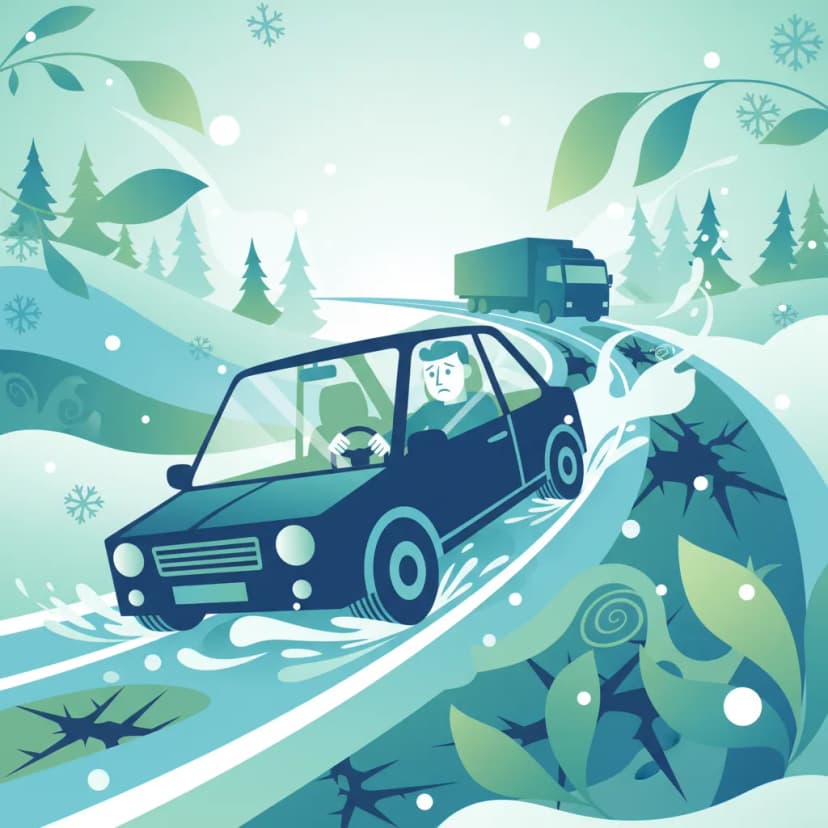
Master the Art of Safe Distances on Icy Swedish Highways – Essential for Your Theory Exam.

Drive Smarter and Safer: Conquer Slippery Conditions with Expert Techniques.

Master the Art of Anticipation: Drive Safely on Unpredictable Swedish Roads
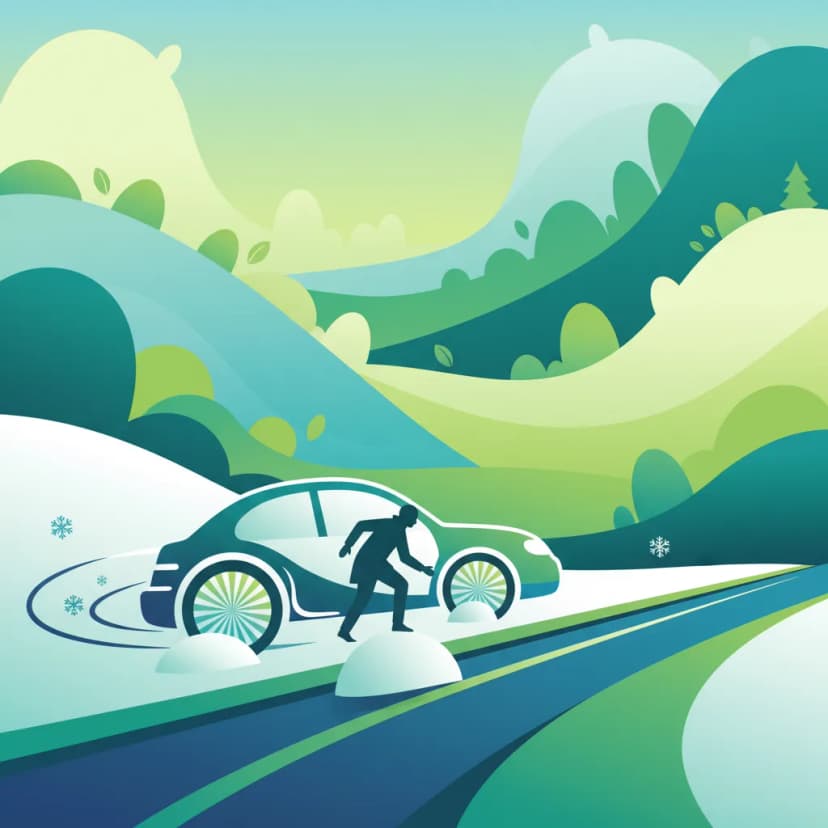
Navigate snowy Swedish roads with confidence and avoid unexpected winter traps.
Questions in Slush & Snow Distance
Exam focused questionss
Slush & Snow Distance offers quick, focused exam style practice to boost your Swedish knowledge for the driving theory exam in Sweden.
Slush & Snow Distance helps learners in Sweden with clear explanations and targeted Swedish practice to improve essential driving theory topics.
This practice set is ideal for intermediate learners preparing for the Swedish driving license theory exam. If you struggle with judging road conditions in transitional winter weather, or often confuse the risks of melting snow with regular rain, this set will help you develop the critical judgment needed for safe driving and exam success.
Explore more topics for the Swedish driving theory exam in Sweden.