
Welcome to the essential lesson on Swedish regulations specific to Category AM mopeds. This session consolidates vital rules, including speed limits, helmet requirements, and vehicle lighting, ensuring you meet all legal obligations. Understanding these specific regulations is crucial for both passing your theory exam and ensuring safe, lawful riding on Swedish roads.
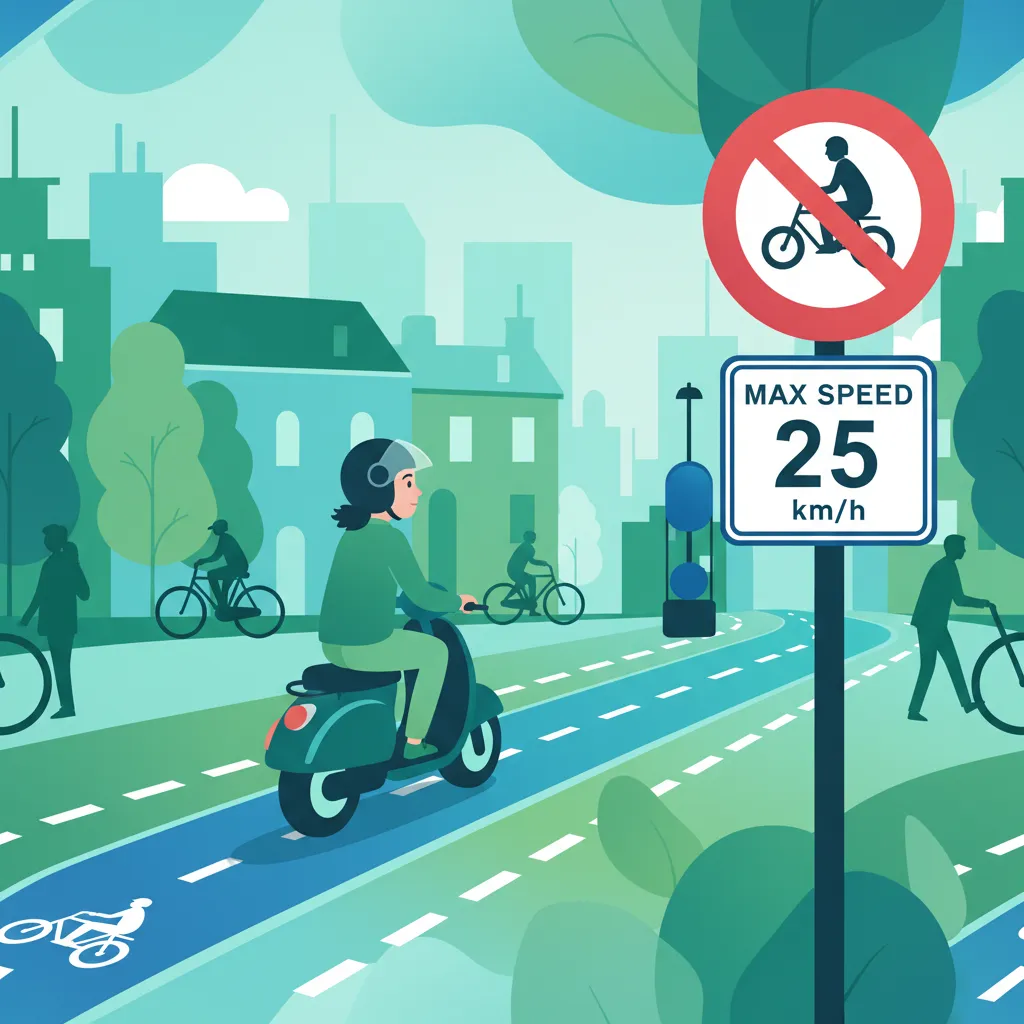
Navigating the roads of Sweden on a moped requires a clear understanding of specific regulations designed to ensure safety for riders and other road users. This lesson provides a detailed overview of the legal framework governing moped operation for Category AM license holders, covering everything from vehicle classification and mandatory equipment to speed limits and the consequences of non-compliance. By mastering these rules, you will be well-prepared for your AM theory test and, more importantly, for safe and responsible riding.
In Sweden, mopeds are categorized into two main classes, each with distinct regulations regarding speed, licensing age, and where they can be ridden. Differentiating between these classes is fundamental to understanding your responsibilities as a moped rider.
A Class I moped, often referred to as an EU moped, is a two- or three-wheel vehicle designed for a maximum speed of 45 km/h. Its engine capacity must not exceed 50 cc for internal combustion engines, or its electric motor power must not exceed 4 kW.
A moped with a maximum design speed of 45 km/h, requiring a Category AM driving license (or higher) from age 16.
Riders of Class I mopeds must be at least 16 years old and hold a Category AM driving license or a higher category license (e.g., car license B). These mopeds are registered with the Swedish Transport Agency (Transportstyrelsen) and must display a license plate. They generally share road space with cars but are prohibited from certain high-speed roads.
Class II mopeds are designed for a lower maximum speed, specifically 25 km/h. Similar to Class I, they are two- or three-wheel vehicles, but their engine capacity and motor power limits are typically lower or aligned with the speed restriction.
A moped with a maximum design speed of 25 km/h, requiring a Category AM driving license (or higher) from age 15.
The minimum age to ride a Class II moped is 15 years, and a Category AM license is required. Unlike Class I mopeds, Class II mopeds may sometimes be permitted on bicycle lanes if explicitly indicated by signage, but generally, they follow similar road-use rules to Class I, excluding motorways and motortrafikleder. While they also need registration, they don't always display a license plate, depending on their specific type and age.
Ensuring your moped is properly equipped and that you use appropriate protective gear is crucial for your safety and compliance with Swedish traffic law. These regulations are in place to minimize the risk of injury and enhance visibility.
Wearing an approved protective helmet is mandatory for both the rider and any passenger on a moped at all times while riding on a public road. This rule applies unconditionally, regardless of speed or road type. The helmet must be properly fastened and meet European safety standards, such as EN 1078.
There are no exceptions to the helmet law for on-road moped use. Even at very low speeds, a fall can cause serious head injuries.
Studies consistently show that wearing a helmet significantly reduces the risk and severity of head injuries in the event of an accident. Non-compliance with the helmet obligation can result in immediate fines and demerit points.
Mopeds must be equipped with specific lighting and reflectors to ensure they are visible to other road users in all conditions. Continuous operation of certain lights is a legal requirement.
Your moped must have:
In addition to active lighting, passive reflectors play a vital role in making your moped visible, especially from the side:
All reflectors must be kept clean and unobstructed to ensure maximum reflectivity. Failure to maintain or use proper lighting and reflectors can lead to fines and significantly increases your risk of being involved in an accident, as other drivers may not see you in time.
Adhering to speed limits is critical for safe moped operation and is strictly enforced. Mopeds have specific maximum speeds that must be observed, which can also be influenced by the type of road and posted signs.
It is crucial to understand that these are maximum design speeds and maximum permitted speeds. You must always ride at a speed that is safe for the current conditions, which may be significantly lower than the legal maximum.
Moped riders must also pay close attention to posted speed limits that override the general moped class limits:
Exceeding the speed limit on a moped is a serious offense that will result in substantial fines and demerit points. Riders should use their speedometer diligently and adjust their speed according to traffic, weather, and road conditions.
Operating a moped in Sweden involves several administrative and maintenance requirements that ensure accountability and roadworthiness. These include registration, displaying a license plate, having valid insurance, and undergoing periodic technical inspections.
All Class I mopeds, and newer Class II mopeds, must be registered with the Swedish Transport Agency (Transportstyrelsen) and display an official license plate. The license plate must be affixed to the rear of the vehicle, be clean, and clearly visible at all times.
Submit necessary vehicle data to the Swedish Transport Agency.
Receive your registration certificate.
Affix the issued license plate securely to the rear of your moped.
Riding an unregistered moped or one without a displayed license plate on public roads is illegal and can lead to severe penalties, including fines and potential confiscation of the vehicle.
It is a legal requirement for every moped used on public roads to carry valid third-party liability insurance (trafikförsäkring). This insurance covers damages caused to other persons or their property if you are involved in an accident. It does not cover damages to your own moped or injuries to yourself. Proof of valid insurance is often electronic, but you should always be able to confirm its status. Operating an uninsured moped is illegal and carries significant fines. In the event of an accident, you would be personally liable for all damages caused to third parties.
Mopeds, similar to other motor vehicles, are subject to mandatory periodic technical inspections (besiktning). This inspection ensures that the moped remains roadworthy and safe to operate.
A compulsory biennial safety check of a moped's critical components, including brakes, lights, steering, tyres, and exhaust emissions (for combustion engines).
The inspection certificate is typically valid for two years. Components checked include brake function, lighting operation, steering integrity, tire tread depth (minimum 1.6 mm), and the overall condition of the frame. Operating a moped with an expired inspection certificate is prohibited and can lead to fines and a forced withdrawal from traffic until the inspection is passed.
Mopeds are versatile vehicles, but their relatively lower speed means they are restricted from certain types of roads where higher speeds and traffic volumes could pose a danger. Knowing where you can and cannot ride is paramount for safety and legal compliance.
Generally, mopeds are permitted on all public roads that are open to other motorized traffic, provided there are no specific signs prohibiting them. This includes:
When riding on permitted cycle lanes, moped riders must adjust their speed to be considerate of cyclists and pedestrians.
To prevent mopeds from operating in environments where their performance is insufficient or where they could create a hazard, they are strictly prohibited from:
Riding on prohibited roads carries severe penalties, including substantial fines and potentially being classified as reckless driving, which can lead to license suspension or revocation.
Violations of moped-specific regulations in Sweden are met with a structured system of penalties designed to deter unsafe riding and ensure compliance. These consequences include monetary fines and, for more serious infractions, the allocation of demerit points.
Penalty points allocated for serious traffic violations; accumulating 8 points within a three-year period can lead to driving license suspension or revocation.
Accumulating 8 demerit points within a three-year period can result in the suspension or even revocation of your driving license, regardless of whether it's an AM license or a higher category. This system encourages responsible behavior and escalates consequences for repeat offenders.
Here are examples of common violations and their potential penalties:
| Violation | Why It Is Wrong | Consequence (Example) |
|---|---|---|
| Riding without an approved helmet | Unconditional safety requirement, high injury risk | Fine (approx. SEK 1,500) + 2 demerit points |
| Exceeding Class I moped speed limit by 10 km/h | Violates maximum speed rule, increases crash severity | Fine (approx. SEK 2,600) + 3 demerit points |
| Using only DRLs at night | Insufficient visibility, headlamp required | Fine (approx. SEK 600) |
| Riding any moped on a motorway | Prohibited road type, incompatible with moped performance | Fine (approx. SEK 3,200) + potential license suspension |
| Operating with expired technical inspection | Vehicle may be unsafe, legal requirement not met | Fine (approx. SEK 1,500) + potential insurance invalidation |
| Riding with a faulty rear brake light | Prevents signaling deceleration to following traffic | Fine (approx. SEK 1,200) |
| Carrying a passenger on a single-person moped | Overloads vehicle, compromises handling and braking | Fine (approx. SEK 800) + possible demerit points |
| Stopping on a designated cycle lane | Obstructs cyclists, illegal use of dedicated lane | Fine (approx. SEK 1,200) |
Moped riders, being more exposed than car drivers, must pay extra attention to changing conditions. Regulations often have conditional variations that require adjustments to your riding behavior.
The default speed limits for mopeds can be further affected by the specific road environment:
The specific regulations for mopeds in Sweden are not arbitrary; they are rooted in fundamental principles of road safety and public policy. Understanding the rationale behind these rules can help foster a proactive approach to safe riding.
Moped riders are inherently more vulnerable than occupants of enclosed vehicles due to their lack of protective structure. This vulnerability drives many regulations:
Regulations also aim to integrate mopeds safely into the broader traffic system:
By adhering to these regulations, moped riders contribute to their own safety, the safety of other road users, and the overall efficiency and orderliness of Swedish traffic.
This lesson has consolidated the critical regulations specific to operating a moped in Sweden. Here are the key takeaways you must remember:
By internalizing these regulations, you are not only preparing for your theory exam but also for a lifetime of safe and responsible moped riding in Sweden.
Lesson content overview
Explore all units and lessons included in this driving theory course.
Explore search topics learners often look for when studying Overview of Moped-Specific Regulations. These topics reflect common questions about road rules, driving situations, safety guidance, and lesson level theory preparation for learners in Sweden.
Browse additional driving theory lessons that cover connected traffic rules, road signs, and common driving situations related to this topic. Improve your understanding of how different rules interact across everyday traffic scenarios.
Understand essential moped rules in Sweden, including mandatory speed limits, helmet requirements, and vehicle lighting. This lesson clarifies legal responsibilities, fines, and demerit points for AM license riders.

This lesson clarifies the precise technical parameters that define a Category AM vehicle under Swedish law, including the maximum 50cc engine displacement and 45 km/h speed limit. It explains how these specifications determine which roads mopeds can legally access, distinguishing between urban streets and prohibited motorways. Learners will also understand the importance of vehicle identification and registration documents for ensuring legal compliance.

This lesson details the personal eligibility criteria required to obtain a Category AM license in Sweden, starting with the minimum age of 15. It explains the mandatory health assessment, including vision and physical fitness standards, which must be certified by a medical professional. The content also addresses the competency and maturity expectations for young riders, including the role of parental consent in the application process.

This lesson provides a comprehensive guide to the Swedish Category AM theory examination process managed by Transportstyrelsen. It outlines the necessary steps for registration, the specific documentation required such as valid ID and medical certificates, and how to schedule a test at an authorized center. Learners will understand the exam format, scoring system, and the procedures for receiving their license upon successful completion.
This lesson introduces the core principles of right-of-way in Sweden, including the general duty to give way (Väjningsplikt) and the stricter stop duty (Stopplikt). It explains the concept of a priority road and how to apply the right-hand rule at uncontrolled intersections. By understanding this legal framework, riders can determine who has priority in any given situation and act predictably and safely.
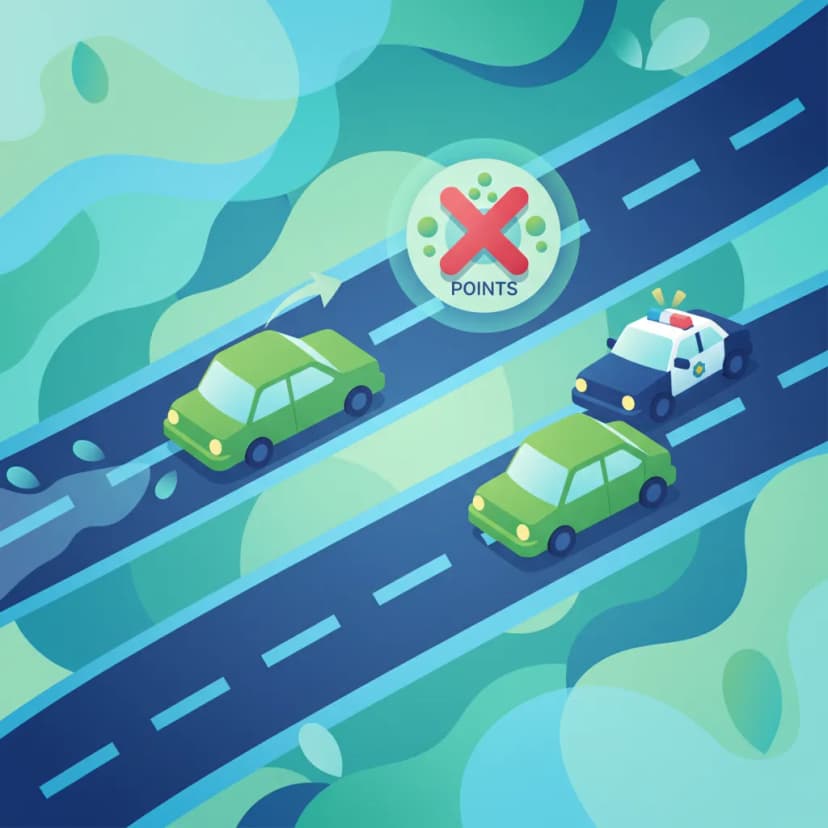
This lesson explains the system of consequences for breaking traffic laws in Sweden. It details common violations and their associated fines and describes the demerit points system that can lead to a license suspension for repeat offenders. Understanding these consequences is a powerful incentive for riders to adhere to the rules of the road.
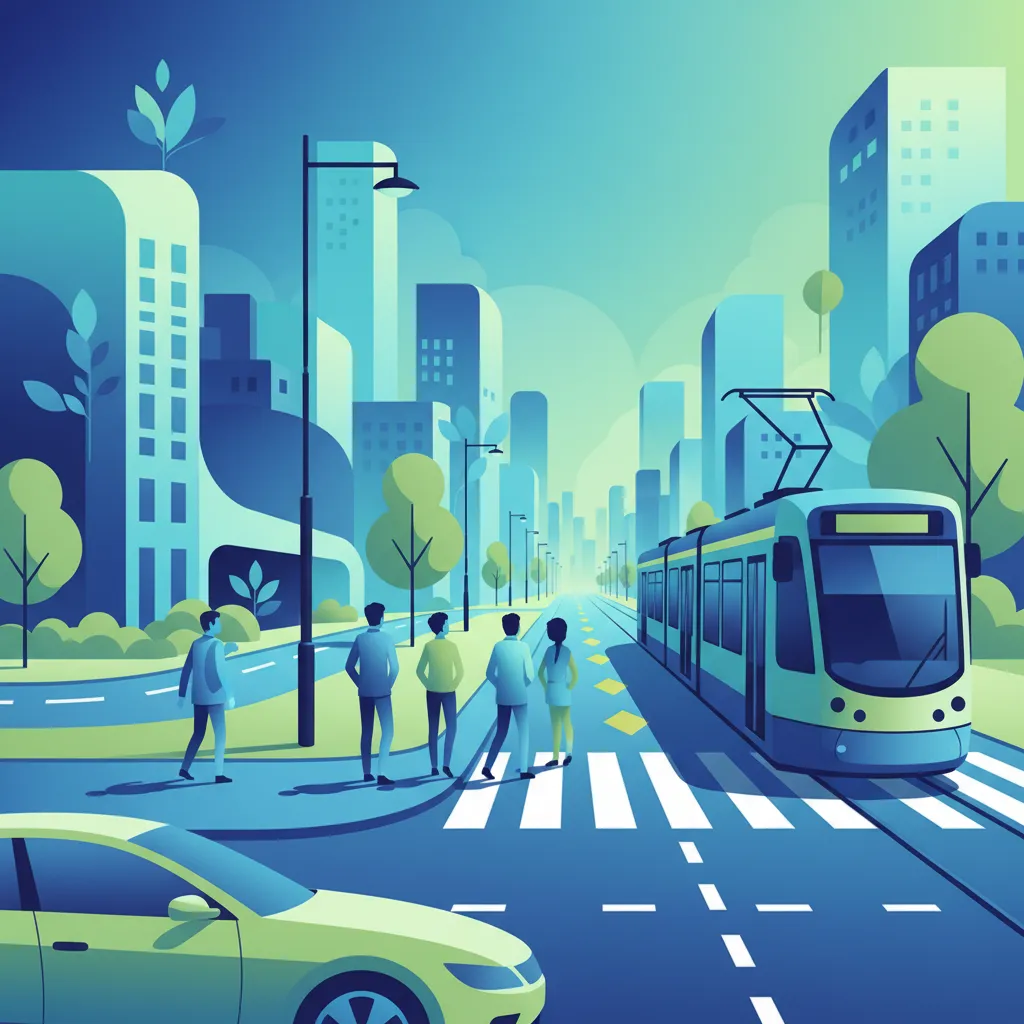
This lesson details the specific priority rules at pedestrian and tram crossings (Spårvagnskorsning). It reinforces the legal obligation for moped riders to stop for pedestrians at marked zebra crossings and explains that trams almost always have priority. Learners will understand the importance of approaching these crossings with caution, scanning for hazards, and being prepared to stop.
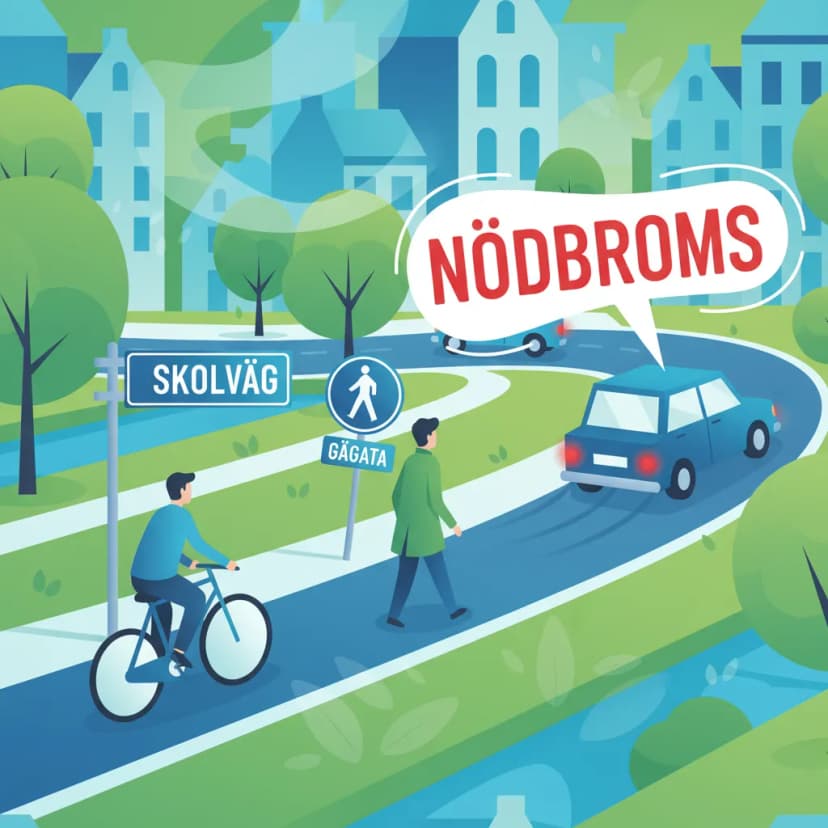
This lesson examines a variety of special situations where standard priority rules are modified. You will learn about the 'exit rule' (utfartsregeln) when entering a road from property, your duty to yield to buses indicating a departure from a stop, and the specific rules for pedestrian-only streets (gågata). The content also covers interactions with trams, emergency vehicles, and procedures at railway crossings, highlighting situations that demand maximum vigilance.
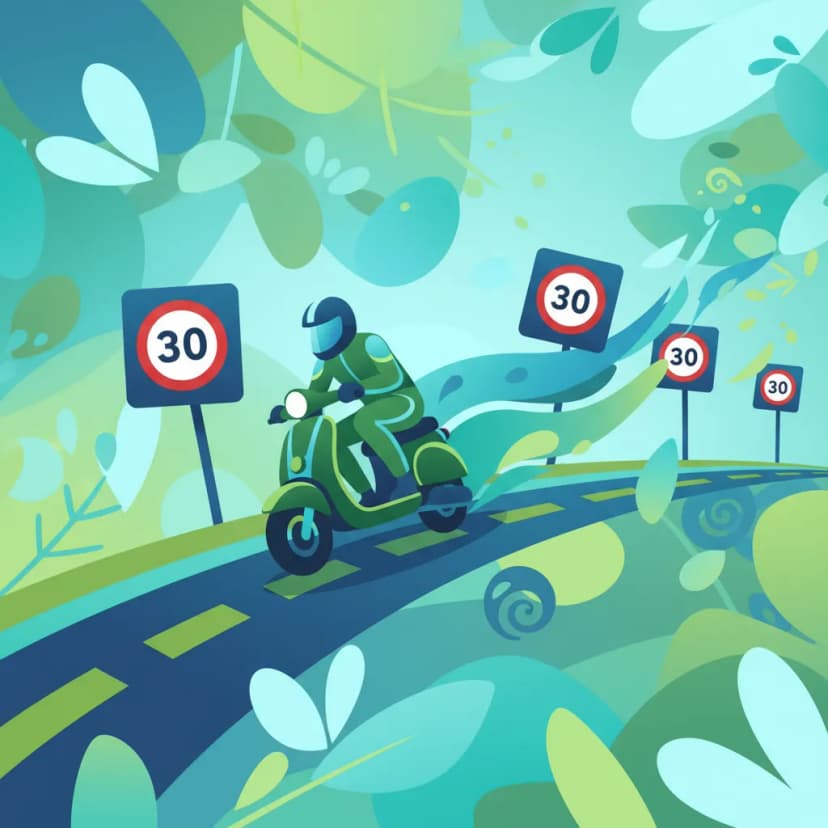
This lesson focuses on the specific speed regulations applicable to Category AM mopeds in Sweden. It emphasizes the absolute maximum legal speed of 45 km/h and explains that riders must always adapt their speed to be lower when conditions require. The content also covers any special, lower speed limits that may apply when riding on designated cycle paths or in shared spaces.
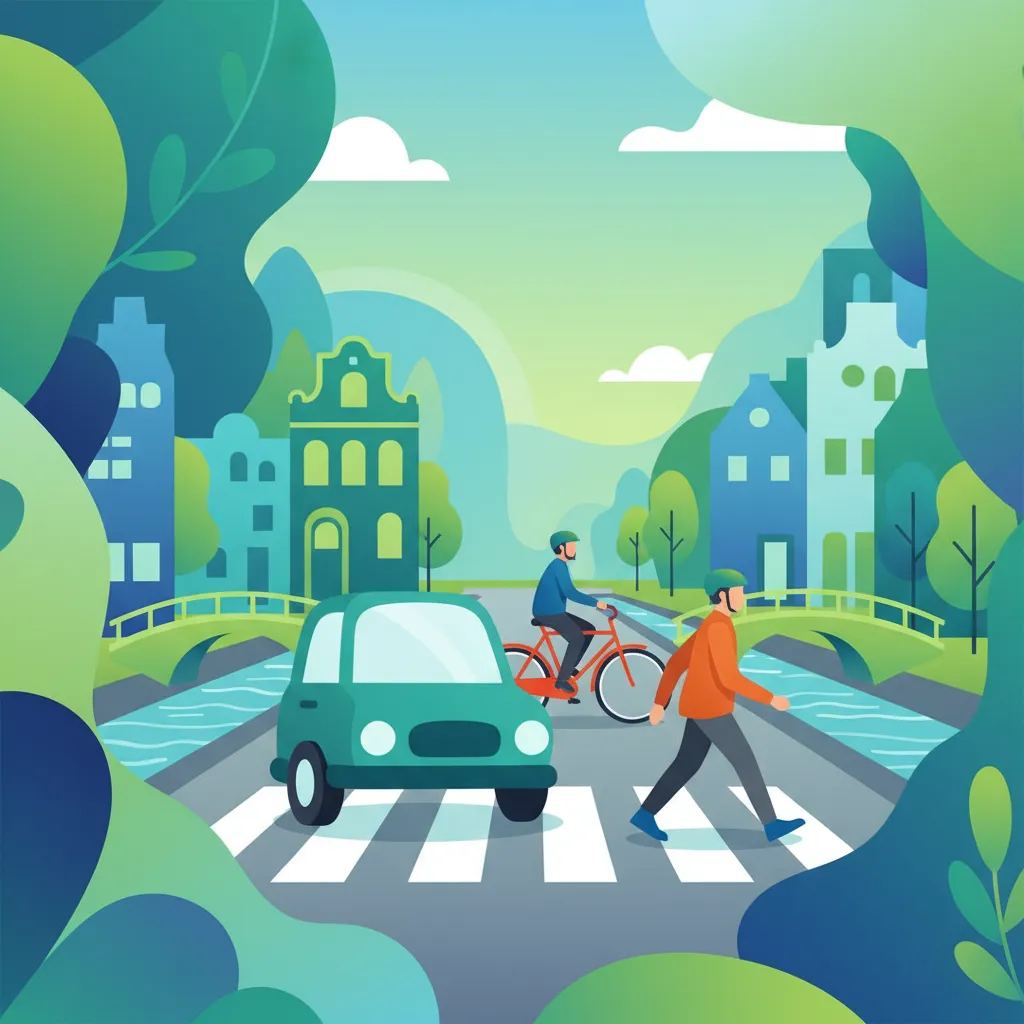
This lesson clarifies the legal distinction between stopping temporarily and parking. It identifies areas where stopping is prohibited, such as near intersections or on pedestrian crossings, to maintain traffic flow and safety. The content also discusses designated waiting areas at traffic lights, often marked for cyclists and mopeds, which can offer a safer position.
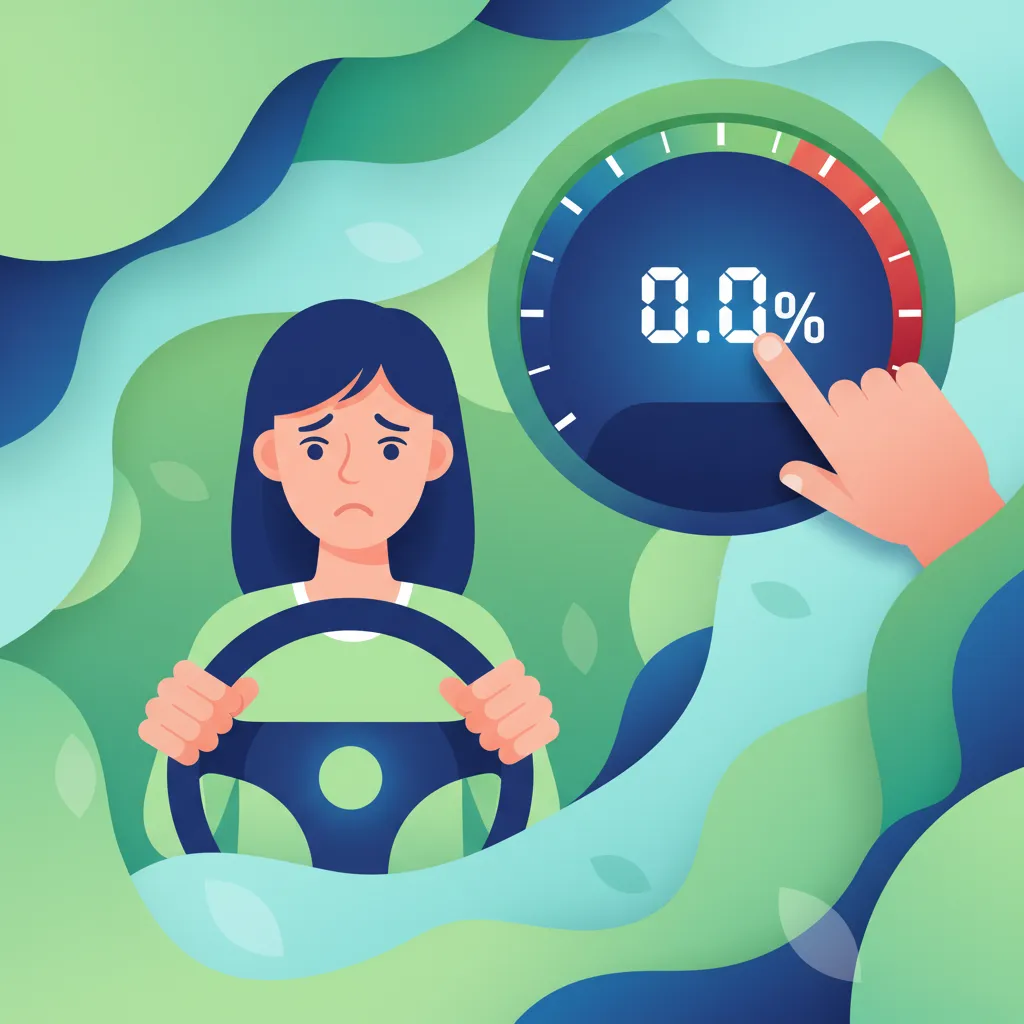
This lesson covers Sweden's stringent 'Nolltolerans' (zero tolerance) laws regarding driving under the influence of alcohol and drugs. It explains the very low legal blood alcohol limits and the severe penalties for violations, which can include heavy fines, license suspension, and even imprisonment. The message is unequivocal: riding and impairment do not mix.
Learn about the legal consequences of traffic violations for moped riders in Sweden. This covers fines, demerit points, and other penalties related to moped operation under the AM license rules.
This lesson explains the system of consequences for breaking traffic laws in Sweden. It details common violations and their associated fines and describes the demerit points system that can lead to a license suspension for repeat offenders. Understanding these consequences is a powerful incentive for riders to adhere to the rules of the road.
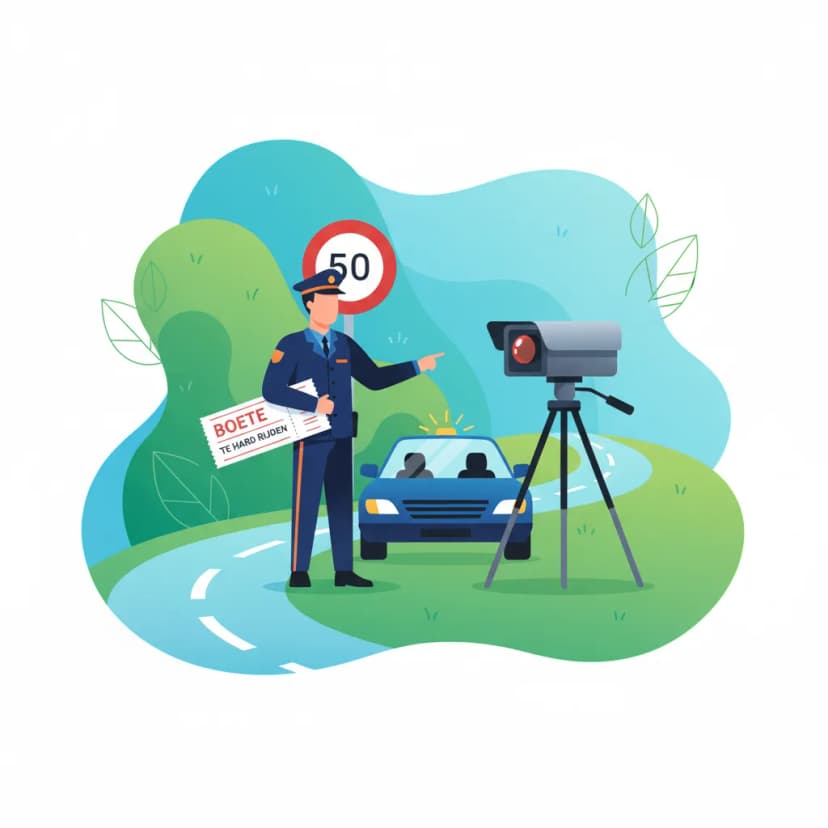
This lesson outlines the enforcement measures and penalties for speeding violations in Sweden. It explains the system of fines, how they escalate based on the severity of the offense, and the potential for receiving demerit points on a license. The content serves as a serious reminder of the legal and financial consequences of speeding, reinforcing the importance of adhering to all speed regulations.
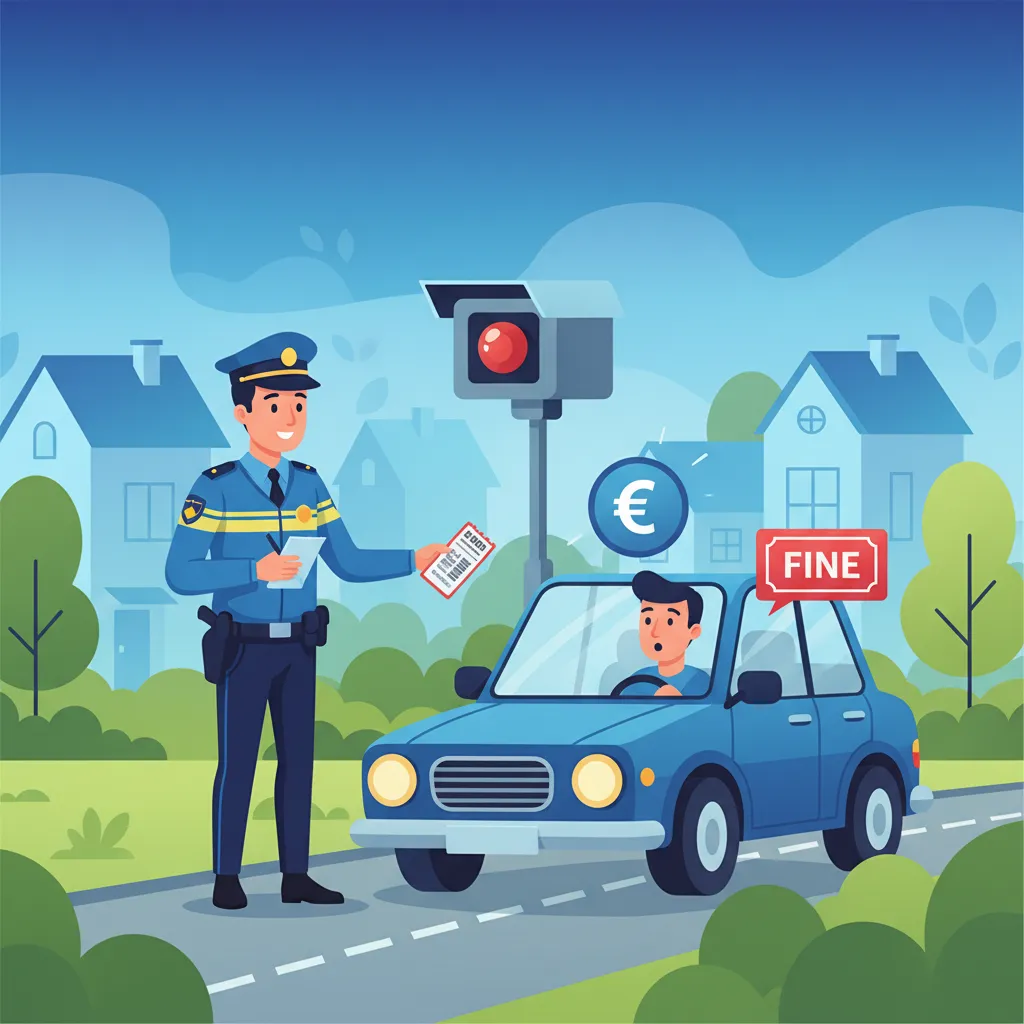
This lesson provides an overview of traffic law enforcement in Sweden, explaining the roles of the police and other authorities. You will learn about the system of penalties for common traffic violations, including the scale of fines (böter) and the conditions under which your license may be suspended. Understanding the legal consequences of unsafe or unlawful riding provides a powerful incentive to always adhere to the rules of the road.
This lesson covers Sweden's stringent 'Nolltolerans' (zero tolerance) laws regarding driving under the influence of alcohol and drugs. It explains the very low legal blood alcohol limits and the severe penalties for violations, which can include heavy fines, license suspension, and even imprisonment. The message is unequivocal: riding and impairment do not mix.
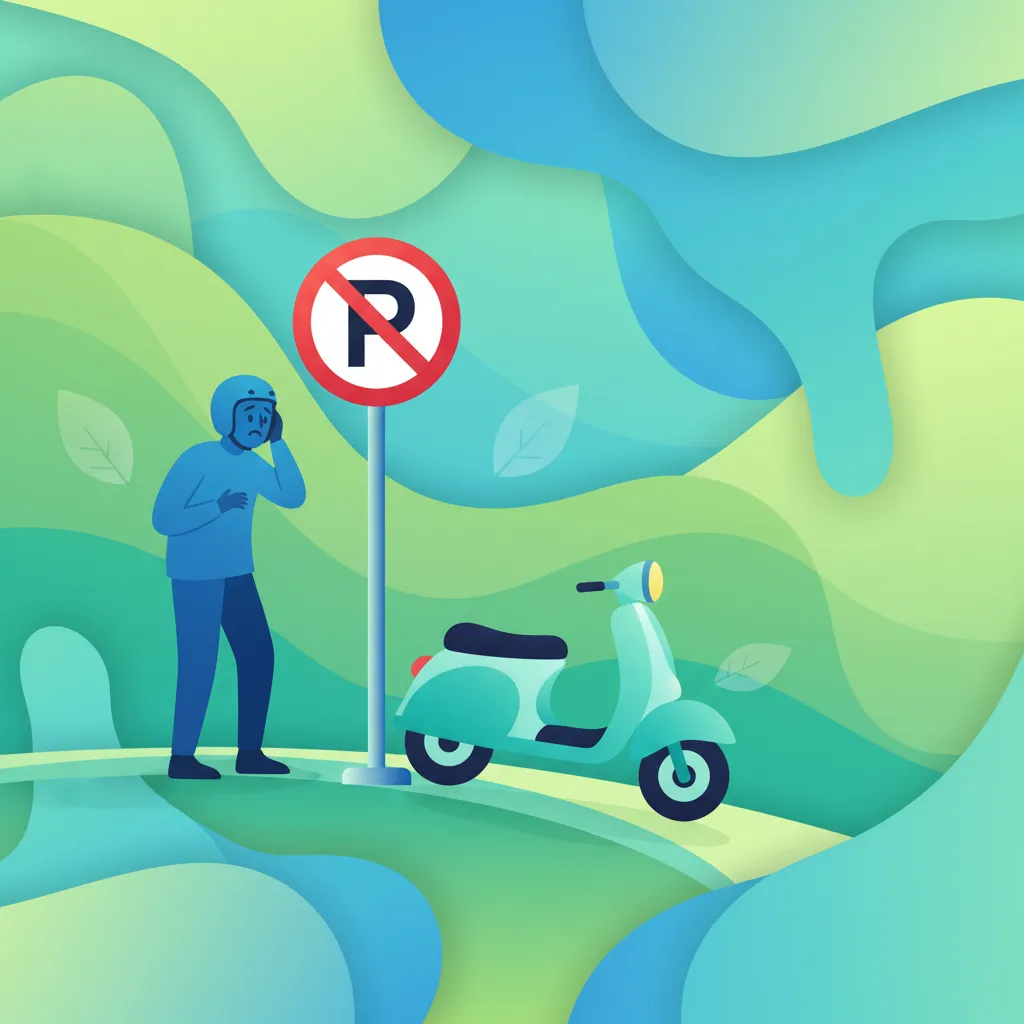
This lesson focuses on the often-confusing topic of moped parking. It covers how to interpret parking signs, including those indicating prohibitions (Parkeringsförbud), and where to find designated parking spots for two-wheelers. The content provides practical advice on where it is legal to park and how to do so without causing an obstruction, thereby avoiding fines.
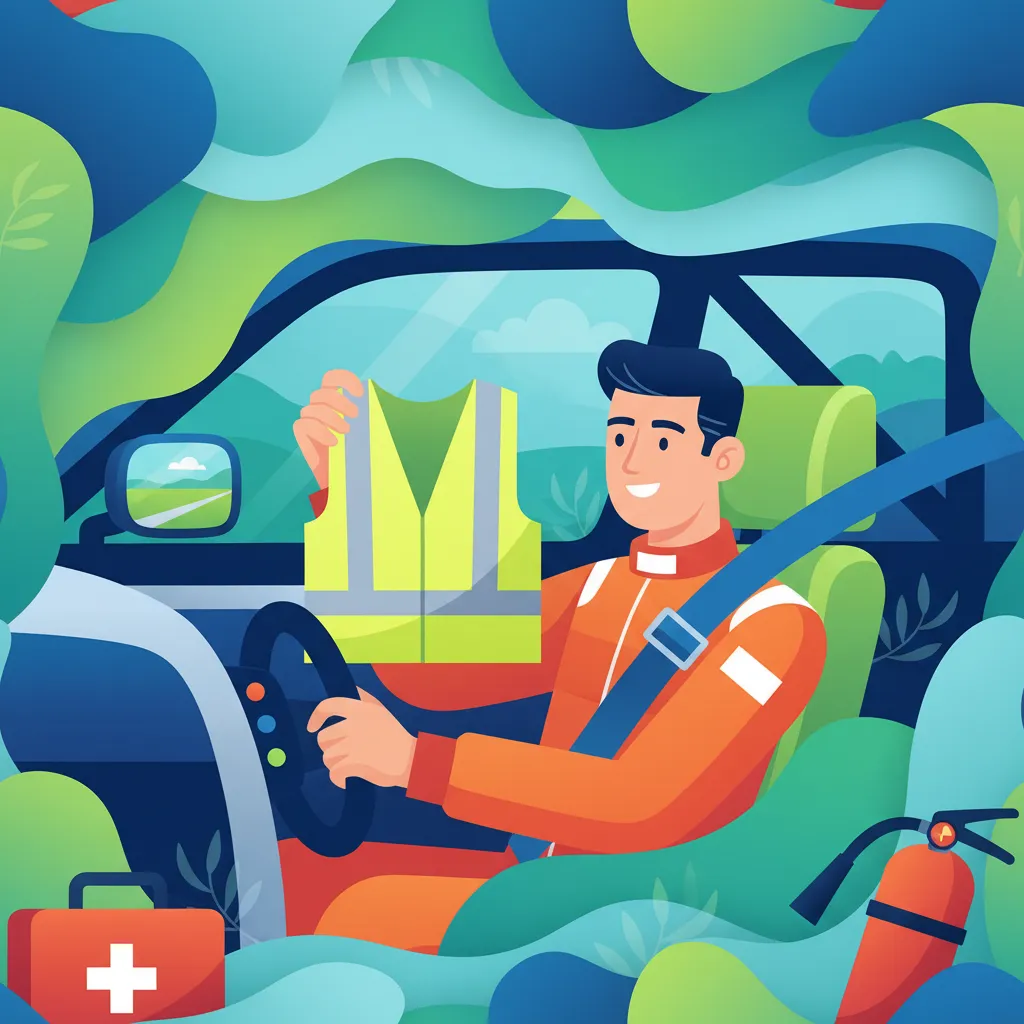
This lesson serves as a summary of the legal requirements for safety equipment in Sweden. It reiterates the mandatory helmet law for both the rider and any passenger. It also touches on the rider's responsibility to ensure the moped itself is legally equipped with functioning lights, brakes, and other essential safety features, linking personal gear with vehicle roadworthiness.
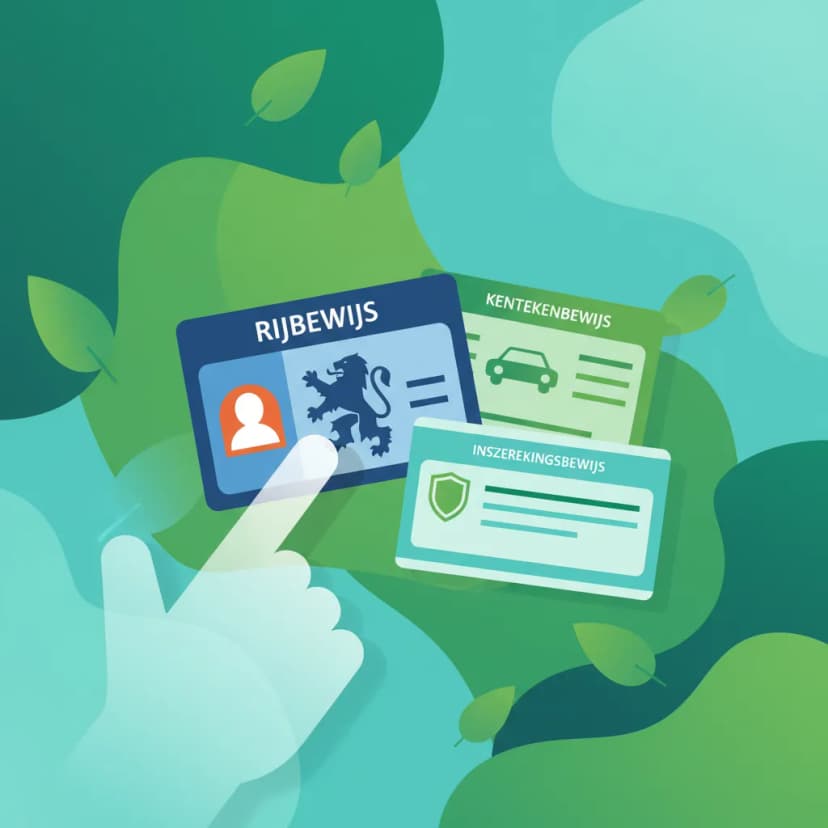
This lesson outlines the essential administrative responsibilities of a moped owner and rider. It covers the legal requirement to have valid third-party liability insurance and to ensure the vehicle is properly registered. The content also reminds riders of the documents they must carry with them at all times, such as their driving license and registration certificate.
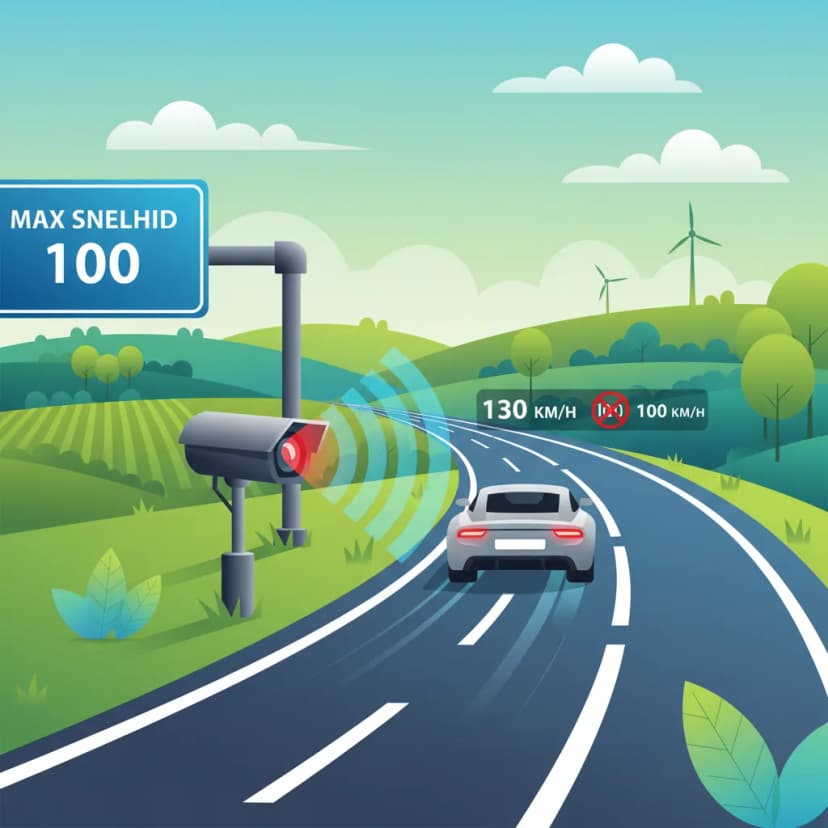
This lesson informs you about the various technologies and methods used for speed enforcement in Sweden, such as fixed and mobile speed cameras and police radar. You will understand the legal framework for speed monitoring and the corresponding penalties for violations, including fines (böter) and the potential for license suspension. This knowledge reinforces the importance of constant speed awareness and adherence to posted limits to ensure both safety and legal compliance.
This lesson clarifies the legal distinction between stopping temporarily and parking. It identifies areas where stopping is prohibited, such as near intersections or on pedestrian crossings, to maintain traffic flow and safety. The content also discusses designated waiting areas at traffic lights, often marked for cyclists and mopeds, which can offer a safer position.
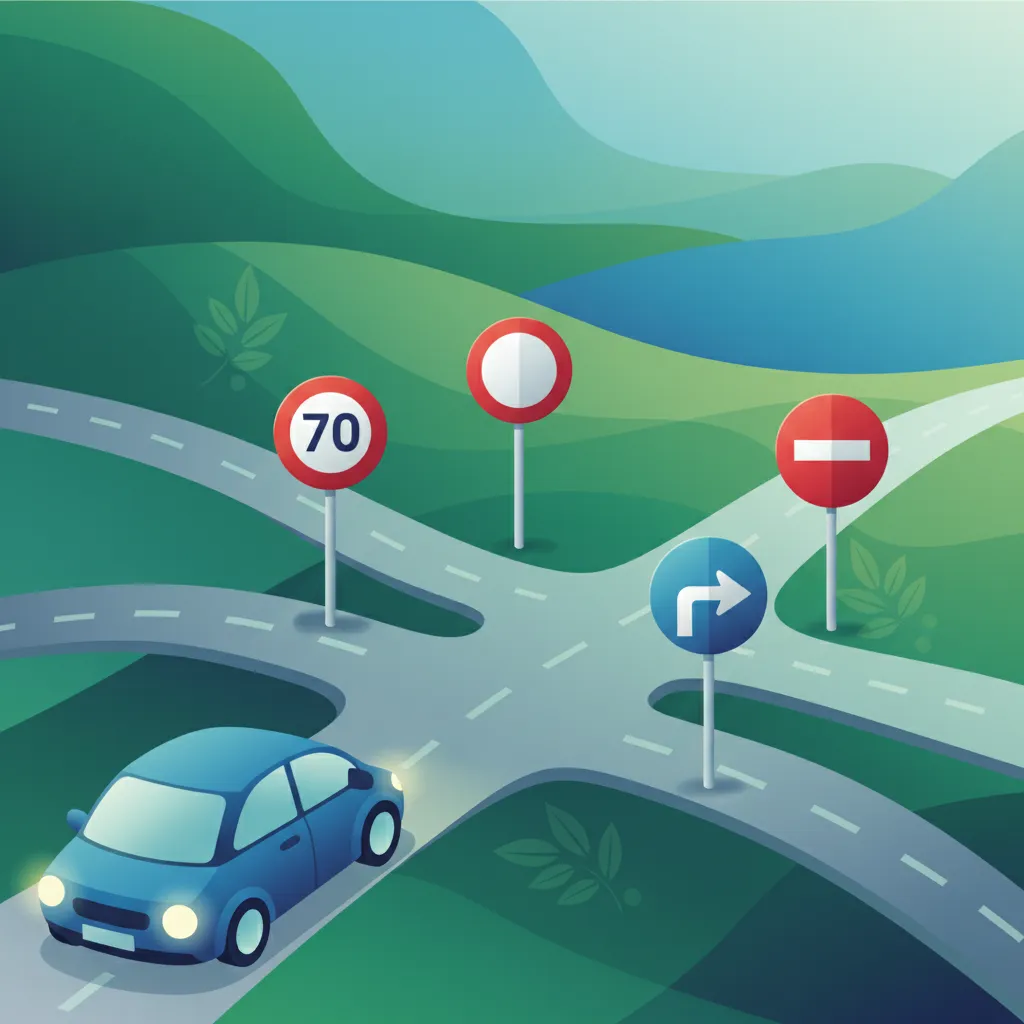
This lesson focuses on regulatory signs (Regulationsskyltar), which issue mandatory instructions and prohibitions that all road users must follow. It details common signs such as speed limits, stop and give way signs, and mandatory direction arrows. Special attention is given to signs directly affecting mopeds, like 'no moped' signs and those indicating designated moped lanes, ensuring riders can navigate legally and safely.
Find clear answers to common questions learners have about Overview of Moped-Specific Regulations. Learn how the lesson is structured, which driving theory objectives it supports, and how it fits into the overall learning path of units and curriculum progression in Sweden. These explanations help you understand key concepts, lesson flow, and exam focused study goals.
Sweden enforces a strict 'Nolltolerans' (zero tolerance) policy for alcohol and drug consumption while operating any vehicle, including mopeds. This means any detectable level of alcohol or illicit substances in your system while riding can lead to severe penalties, including fines, license suspension, or even imprisonment. It's crucial to never ride a moped after consuming alcohol or drugs.
Yes, there are distinctions. Class I mopeds (EU-mopeder) typically have a maximum design speed of 45 km/h and are subject to standard speed limits, often 45 km/h in urban areas and varying on other roads. Class II mopeds, usually electric and with lower speed capabilities, may have different rules and restrictions. Always check the specific classification and signage.
Mopeds must have functioning front and rear lights, which should be switched on during all driving. The front light must emit white or yellow light, and the rear light must emit red light. Reflectors are also mandatory at the rear (red) and on the pedals (white or yellow front, red rear). Proper lighting is essential for visibility, especially in low light conditions and at night.
Yes, the demerit points system (prickar) applies to moped riders for serious traffic violations. Accumulating too many points can lead to a temporary suspension of your driving license. Common offenses for mopeds include speeding, disregarding traffic signals, and improper overtaking. It is vital to adhere to all traffic rules to avoid accumulating points.
Operating an unregistered or uninsured moped in Sweden is illegal. You will face significant fines and potentially other legal consequences. Ensure your moped is registered with the Swedish Transport Agency (Transportstyrelsen) and that you have valid traffic insurance before riding it on public roads.