
Navigate Sweden's roads with confidence by understanding the vital role of road markings and shared spaces. This unit delves into lane designations, bus lanes, cycle paths, and specific parking regulations for mopeds, ensuring you can interpret the road surface and its implications for safe AM moped operation.
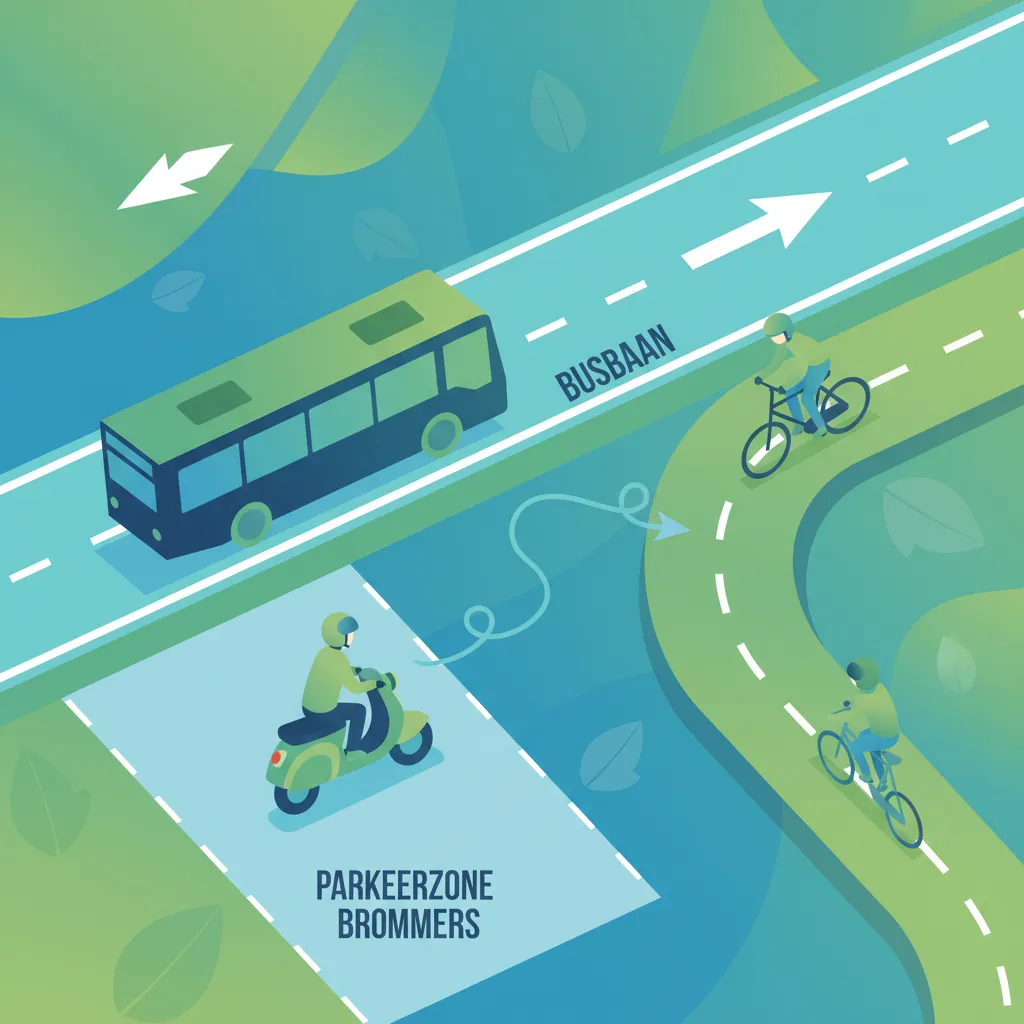
Browse all lessons that make up Road Markings and Shared Spaces. Each lesson focuses on specific topics, learning objectives, and core concepts, helping you build essential knowledge and follow a clear, structured progression toward your study goals in Sweden.
This lesson offers a detailed guide to interpreting the various lines and symbols painted on the road surface. It clarifies the rules associated with solid versus broken lines regarding lane changes and overtaking. The content also explains the function of arrows, stop lines, and other markings that provide crucial positioning and priority information to the rider.
This lesson explains the specific regulations for lanes designated for particular users, such as buses or cyclists. It clarifies under what circumstances a moped is permitted to enter these lanes and the rules that must be followed while in them. Understanding these regulations is key to navigating complex urban environments legally and safely.
This lesson focuses on the often-confusing topic of moped parking. It covers how to interpret parking signs, including those indicating prohibitions (Parkeringsförbud), and where to find designated parking spots for two-wheelers. The content provides practical advice on where it is legal to park and how to do so without causing an obstruction, thereby avoiding fines.
This lesson clarifies the legal distinction between stopping temporarily and parking. It identifies areas where stopping is prohibited, such as near intersections or on pedestrian crossings, to maintain traffic flow and safety. The content also discusses designated waiting areas at traffic lights, often marked for cyclists and mopeds, which can offer a safer position.
This lesson prepares riders for encountering roadworks, which can introduce temporary and often confusing changes to the road layout. It explains how to interpret the specific orange-colored signs used in these zones, including new speed limits, lane diversions, and warnings about surface hazards. The key takeaway is to reduce speed and increase vigilance when navigating through construction areas.
Explore high-intent keywords and long-tail search topics learners use when researching Road Markings and Shared Spaces. These terms reflect how people search for reliable study materials, structured explanations, and unit-level theory preparation support in Sweden.
Find clear answers to the most common questions learners ask about Road Markings and Shared Spaces. Understand how the unit is organized, what learning goals it supports, and how it contributes to your study progression with structured explanations and practical guidance tailored for learners in Sweden.
For your AM license theory test, focus on understanding lane separation lines (solid vs. dashed), cycle lane markings (cykelbana), bus lane markings (bussfil), pedestrian crossing lines, and any markings indicating priority or restrictions. These are frequently tested and vital for safe riding.
Generally, bus lanes (bussfil) are exclusively for buses, but some may be designated as mixed-use lanes (mixed use zones) where mopeds might be permitted under specific conditions indicated by additional signage or road markings. Always check for explicit permissions before entering.
Swedish parking rules for mopeds (parkeringsförbud) vary. You must adhere to general parking prohibitions and pay attention to specific signs and markings. Usually, mopeds can park in designated moped parking areas or where other vehicles can park, provided it doesn't obstruct traffic or pedestrians, but rules can differ in city centers and specific zones.
Temporary roadwork signage, often orange or yellow, indicates changes to normal traffic conditions due to construction or maintenance. These signs can alter speed limits, lane designations, or create detours. It's crucial to pay extra attention to these signs as they override permanent markings and require adjusted behavior.
Shared spaces in Sweden (gemensamhetsyta or liknande) are areas where different road users, such as pedestrians, cyclists, and mopeds, are intended to navigate together. This requires increased awareness and a willingness to yield and adapt to other users' movements, often with lower speed limits and clear visual cues on the road surface.
While dedicated moped-only lanes are less common than cycle lanes, you might encounter specific markings or signage designating areas for mopeds. Always observe the actual markings and accompanying signs carefully to understand the permitted use of the marked area.
All included lessons
Lessons in Road Markings and Shared Spaces
See who benefits most from studying Road Markings and Shared Spaces. This overview explains how the unit supports different learning needs, what level of knowledge is helpful before starting, and how it fits into the overall study path in Sweden.
This unit is specifically designed for aspiring Category AM moped riders in Sweden who need to master the interpretation of road markings and understand rules for shared spaces. It's particularly beneficial for learners who find these visual cues confusing or who need to grasp specific Swedish parking regulations for mopeds.

See how Swedish Moped Theory AM is structured, with key topics, learning objectives, and a step-by-step path for theory preparation in Sweden.
Explore all units and lessons included in this driving theory course.