
Before you can even think about riding, you need to meet certain personal criteria to be eligible for a Swedish Category AM (moped) license. This lesson covers the essential age, health, and competency requirements, including the crucial role of parental consent for younger applicants. Understanding these prerequisites is the first step in your licensing journey.

Obtaining a Category AM moped driving license in Sweden is not merely about passing tests; it also requires meeting fundamental personal eligibility criteria. These stipulations are crucial safeguards, designed to protect the rider, other road users, and the public at large. By setting clear standards for age, health, and competency, Swedish law ensures that individuals operating mopeds on public roads possess the necessary physical, mental, and developmental capacities to do so safely and responsibly.
This comprehensive lesson will delve into each of these critical areas, explaining the specific requirements established by Transportstyrelsen (the Swedish Transport Agency) and how they align with broader European Union directives. Understanding these criteria is a prerequisite for anyone aspiring to become a moped rider in Sweden, forming the bedrock upon which all subsequent driving knowledge and skills are built. Failure to comply can lead to license denial, revocation, or severe legal penalties.
The legal minimum age is a fundamental eligibility criterion for any driving license. For a Category AM moped license in Sweden, this threshold is primarily set to ensure that young riders have reached a sufficient level of cognitive development and maturity to handle the responsibilities of operating a vehicle in traffic.
For most standard mopeds classified as Class II, which have a maximum design speed of 25 km/h and an engine size not exceeding 50 cc (two-stroke) or 125 cc (four-stroke), the minimum age to apply for a Category AM license is 15 years. This age is consistent with the minimum age for similar moped categories across many EU member states, reflecting a balance between allowing early mobility and ensuring public safety.
The 15-year age limit is a strict statutory requirement. All documentation submitted during the application process, including identity proof such as birth certificates or national ID cards, must verify that the applicant meets this condition at the time of their practical test. Applying or riding a moped on public roads before reaching the age of 15 is strictly prohibited and carries significant legal consequences.
Sweden also distinguishes between different classes of mopeds. Class I mopeds are typically faster, with a maximum design speed of 45 km/h, and similar engine specifications to Class II mopeds. While the general Category AM license covers both, some specific regulations or regional interpretations might differentiate the minimum age for Class I mopeds.
It is imperative for applicants to confirm the precise age requirement for the specific moped class they intend to operate, as this can affect their eligibility and training pathway. This age differentiation, where it exists, accounts for the increased risks associated with higher speeds and more complex traffic interactions.
Beyond age, a rider's physical and mental health are paramount. Transportstyrelsen mandates specific health requirements to ensure that every moped rider can safely perceive their surroundings, react appropriately, and physically control their vehicle under various conditions. A medical assessment, certified by a licensed professional, is a compulsory part of the application.
Adequate vision is perhaps the most critical sensory requirement for safe driving. Moped riders must be able to clearly see road signs, traffic signals, other vehicles, pedestrians, and potential hazards in sufficient time to react.
The minimum visual acuity required for a Category AM license is 0.5 (or 6/12 using the Snellen chart) in each eye, with or without corrective lenses. This means that if you normally wear glasses or contact lenses, your vision must meet this standard with your correction. If you need corrective lenses to achieve this standard, you must wear them whenever you operate a moped.
Normal colour discrimination, particularly for distinguishing red, green, and amber, is also essential for recognizing traffic lights and certain road signs. Colour blindness that severely impairs this ability may lead to restrictions or denial of the license. An eye test, typically performed by an optometrist or physician, will assess both visual acuity and colour perception.
While vision is primary, the ability to hear is also vital for detecting acoustic signals that indicate potential dangers or inform about traffic flow. Moped riders must be able to hear normal speech at 60 dB from a distance of 2 metres. This ensures they can detect important sounds such as vehicle horns, emergency vehicle sirens, and warnings from other road users.
If an applicant uses hearing aids, they are generally acceptable as long as they restore functional hearing to the required standard. The medical assessment will include a basic audiogram or a functional hearing test to confirm this criterion is met, focusing on the rider's ability to perceive relevant sounds while operating a moped.
Operating a moped demands a certain level of physical coordination, strength, and range of motion. Riders must be able to comfortably and safely manipulate the handlebars, brakes, throttle, and any gear controls. This includes:
A physical examination will assess these aspects, checking for any joint restrictions, muscular weakness, or neurological disorders that could impair safe operation. Applicants with temporary injuries, such as a sprained wrist, should postpone their application until fully recovered and cleared by a medical professional.
Certain chronic medical conditions can significantly impact a rider's safety and therefore require careful assessment. These may include, but are not limited to:
Applicants are legally obligated to disclose any such conditions. In many cases, a specialist physician may be required to issue a conditional fitness statement, confirming that the condition is stable and well-managed, and outlining any necessary restrictions (e.g., "fit if blood glucose stable," "seizure-free for X years"). Non-disclosure of relevant medical conditions is a serious violation and can lead to license revocation, fines, and potentially invalidate insurance coverage in the event of an accident.
To formally verify that an applicant meets all health requirements, a medical fitness certificate is required. This document serves as official proof of health eligibility.
Schedule an appointment with a licensed physician, optometrist, or other approved health professional.
Undergo the required examinations for vision, hearing, musculoskeletal fitness, and discuss any chronic medical conditions.
Ensure the health professional completes and signs a specific "Fit for Category AM licence" certificate. This certificate must explicitly state your fitness for operating a Category AM moped and must not be a generic health statement.
Verify the certificate's validity date. It typically must be no older than 12 months at the time you submit your license application to Transportstyrelsen.
The medical certificate is a crucial part of your application dossier. Without it, or if it indicates that you do not meet the minimum standards, your license application will be denied. For certain conditions, periodic re-certification may be required even after the license is issued.
Beyond age and physical health, proving your competency is essential. This involves demonstrating both theoretical knowledge of traffic rules and practical ability to control a moped safely.
The theoretical knowledge requirement means successfully passing the Category AM theory test. This computer-based, multiple-choice examination covers a wide range of topics including road signs, traffic rules, hazard perception, moped-specific regulations, and general safety principles. You must pass this test before you are allowed to take the practical riding test. The pass certificate for the theory test is typically valid for a limited period, often two years.
The practical skill requirement is met by successfully completing a practical riding test. During this assessment, an examiner will evaluate your ability to safely operate a moped in a controlled environment and often in real traffic. This includes demonstrating proficiency in starting, stopping, turning, maintaining balance, lane positioning, observing priority rules, and performing emergency maneuvers (e.g., emergency braking). The practical test confirms that you can apply your theoretical knowledge in real-world scenarios and control the vehicle competently.
For applicants under the age of 18, an additional requirement is mandatory: written parental or guardian consent. This stipulation serves several important purposes:
The consent must be a formally written and signed document, typically a specific form provided by Transportstyrelsen or the driving school. Oral consent is not sufficient. This form becomes part of the application dossier. Should parental consent be withdrawn at any point, it could lead to the suspension or revocation of the minor's license.
Obtaining a license is not a one-time event; it also entails ongoing responsibilities regarding your health and fitness to drive. To account for potential age-related health deterioration, Sweden implements periodic license renewal requirements.
After a holder reaches the age of 45, Category AM licenses typically need to be renewed every five years. This renewal process may require submitting an updated medical certificate, ensuring that the individual continues to meet the necessary health standards.
Furthermore, all license holders have a legal obligation to report any significant health changes that could affect their driving ability to Transportstyrelsen. This includes developing new chronic conditions, experiencing a severe injury, or any deterioration of existing conditions (e.g., worsening vision, new seizure activity). Non-reporting can result in legal penalties and potentially lead to license suspension or revocation if an undeclared condition is discovered following an incident.
The criteria discussed are firmly rooted in Swedish law, primarily enforced by Transportstyrelsen, and influenced by European Union directives.
Transportstyrelsen (the Swedish Transport Agency) issues detailed regulations, often referred to as Körkortsförordning (Driving License Ordinance), which specify the exact requirements for various driving license categories, including Category AM. Key sections typically cover:
The Vägtrafiklagen (Swedish Road Traffic Act) provides the broader legal framework for all road traffic. Within this act, there are provisions that indirectly relate to eligibility, such as:
Swedish driving license regulations are significantly influenced by EU Directive 2006/126/EC on driver licensing. This directive aims to harmonize driving license standards across all member states, promoting road safety and facilitating free movement. Sweden, as an EU member, transposes these directives into its national law. The baseline vision standards (0.5 acuity, colour perception) and general health principles found in Transportstyrelsen regulations largely stem from this EU framework.
Understanding the rules is one thing; adhering to them is another. Many common mistakes or intentional violations of eligibility criteria can lead to serious consequences.
While the eligibility criteria are fixed, their practical implications can be influenced by various contextual factors. Riders must always self-assess their fitness in relation to their environment and circumstances.
The presence of children, elderly pedestrians, or cyclists on the road significantly increases the attentional demands on a moped rider. Optimal visual and auditory fitness, coupled with sound judgment (a facet of maturity and competency), becomes even more paramount to anticipate and react to their movements safely.
The strict enforcement of age, health, and competency criteria is not arbitrary; it is a meticulously designed strategy to foster road safety for everyone.
These eligibility criteria serve as a pre-operational safety gate, ensuring that only individuals who are genuinely capable of operating a moped responsibly and safely are granted the privilege to do so.
The journey to obtaining a Category AM moped license in Sweden begins with meeting stringent age, health, and competency requirements. These criteria, meticulously outlined by Transportstyrelsen and influenced by EU directives, form the foundational pillars of road safety for moped riders and the wider community. From the minimum age of 15, through comprehensive vision, hearing, and physical fitness assessments, to the mandatory theoretical and practical examinations, every step is designed to ensure that new riders are well-equipped to navigate Swedish roads safely.
The necessity of parental consent for minors and the ongoing obligation for license renewal and health monitoring underscore the seriousness and long-term commitment required. By understanding and fully complying with these personal eligibility standards, aspiring moped riders not only fulfil legal requirements but also commit to a safer, more responsible presence on the road.
Lesson content overview
Explore all units and lessons included in this driving theory course.
Explore search topics learners often look for when studying Age, Health, and Competency Criteria. These topics reflect common questions about road rules, driving situations, safety guidance, and lesson level theory preparation for learners in Sweden.
Browse additional driving theory lessons that cover connected traffic rules, road signs, and common driving situations related to this topic. Improve your understanding of how different rules interact across everyday traffic scenarios.
Understand the personal requirements for a Swedish Category AM moped license. This lesson details the minimum age, mandatory health assessments, and competency standards necessary for young riders seeking their license.

This lesson clarifies the precise technical parameters that define a Category AM vehicle under Swedish law, including the maximum 50cc engine displacement and 45 km/h speed limit. It explains how these specifications determine which roads mopeds can legally access, distinguishing between urban streets and prohibited motorways. Learners will also understand the importance of vehicle identification and registration documents for ensuring legal compliance.

This lesson provides a comprehensive guide to the Swedish Category AM theory examination process managed by Transportstyrelsen. It outlines the necessary steps for registration, the specific documentation required such as valid ID and medical certificates, and how to schedule a test at an authorized center. Learners will understand the exam format, scoring system, and the procedures for receiving their license upon successful completion.

This lesson explains the process for obtaining the correct category of motorcycle license (Körkort A) in Sweden and the legal necessity of keeping it current. You will learn about the procedures for registering your motorcycle with Transportstyrelsen and the mandatory insurance coverage you must have to legally ride on public roads. Understanding these administrative requirements is the first step to being a fully compliant and responsible vehicle operator.
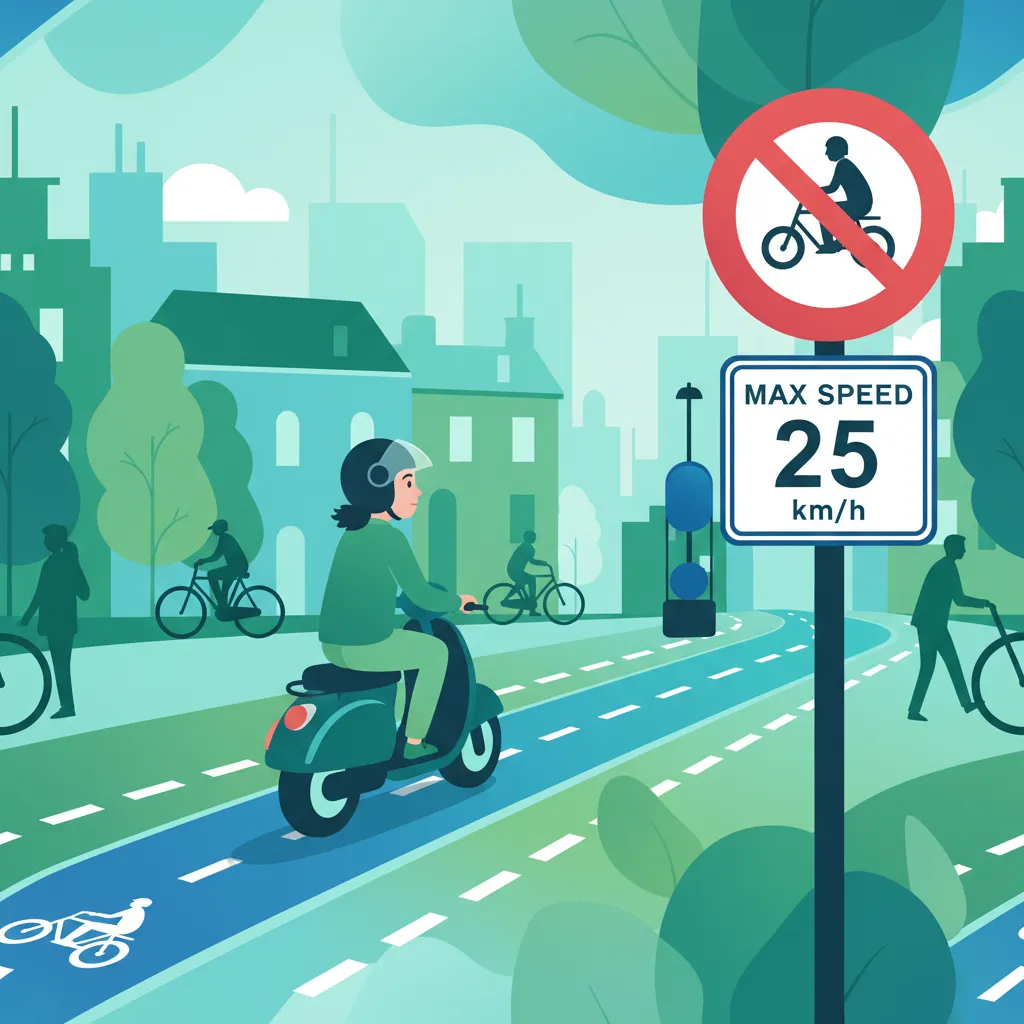
This lesson consolidates the key regulations that apply specifically to moped operation in Sweden. It covers mandatory rules such as speed limits, helmet use, and requirements for vehicle lighting and reflectors. Furthermore, the lesson explains the legal consequences of violations, including the system of fines and potential demerit points, ensuring riders understand their full range of legal responsibilities on the road.
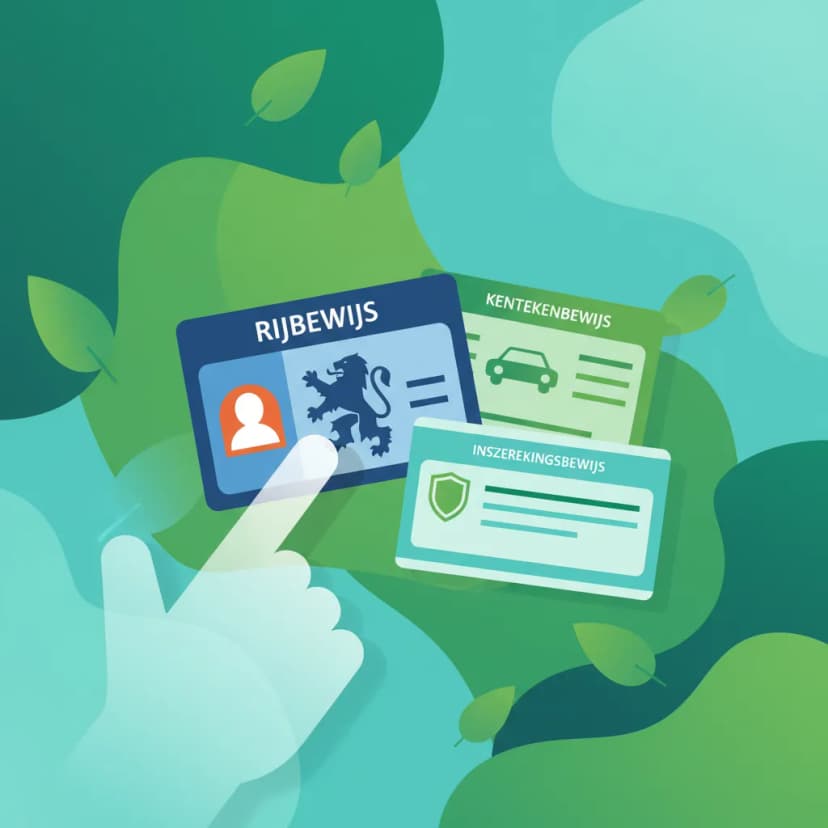
This lesson outlines the essential administrative responsibilities of a moped owner and rider. It covers the legal requirement to have valid third-party liability insurance and to ensure the vehicle is properly registered. The content also reminds riders of the documents they must carry with them at all times, such as their driving license and registration certificate.
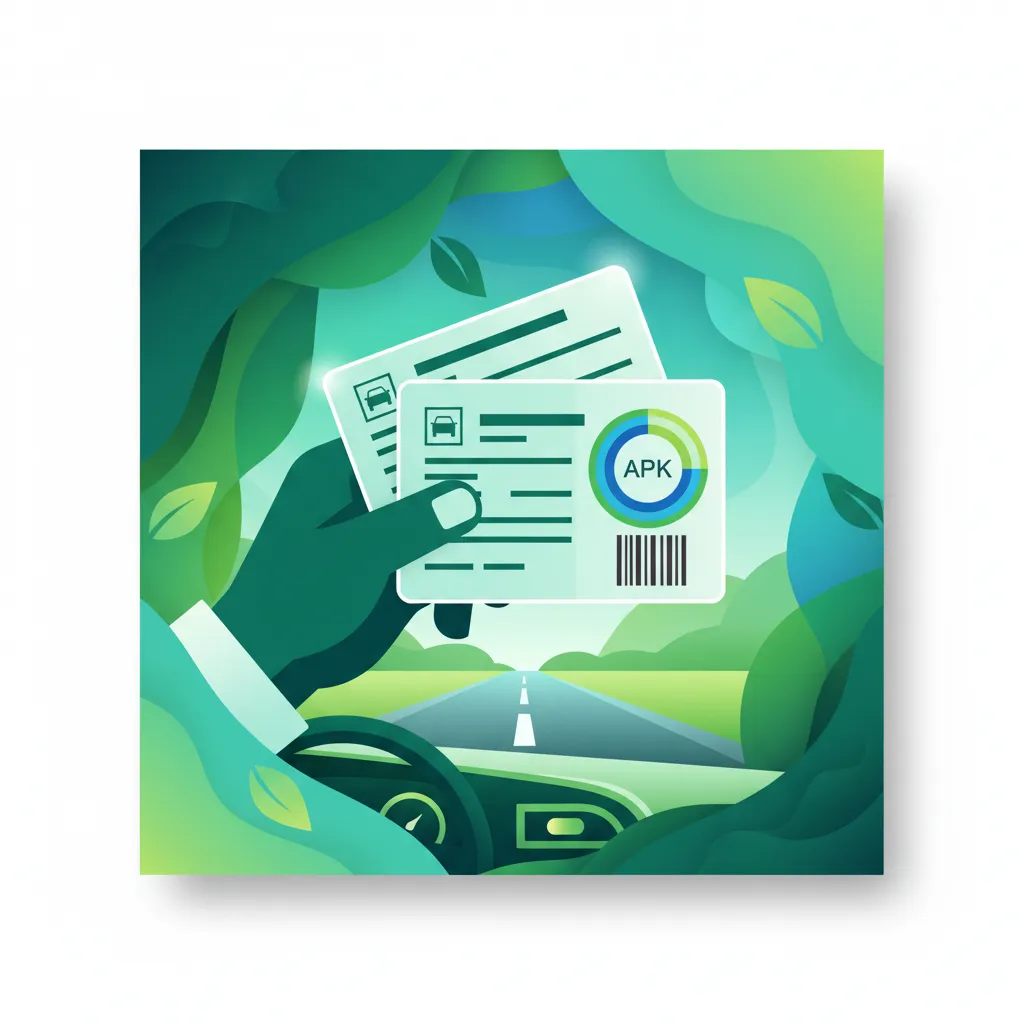
This lesson details the documents you are legally required to carry with you when riding, such as your license and registration certificate. It provides a comprehensive explanation of the mandatory periodic vehicle inspection (besiktning) process in Sweden, outlining what is checked and why it's important for safety. Finally, it reinforces the habit of performing your own pre-ride checks to ensure your motorcycle is always in a safe, roadworthy condition.
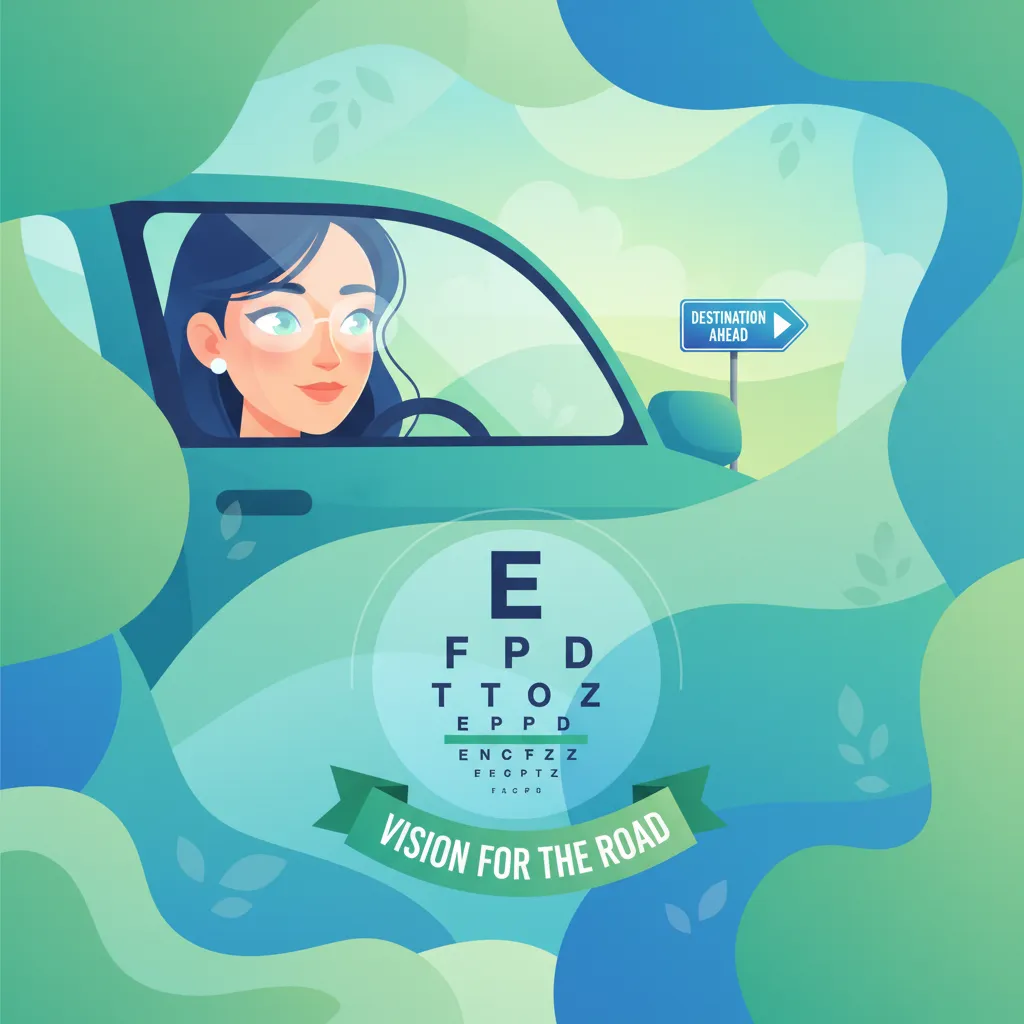
This lesson covers the legal medical requirements for drivers, which are designed to ensure public safety. You will learn about the specific standards for visual acuity and field of vision, and the requirement to wear corrective lenses if needed. The lesson also explains that drivers have a legal obligation to report certain medical conditions (like epilepsy or severe diabetes) to the Swedish Transport Agency, as they may impact their ability to drive safely.

This lesson serves as a summary of the legal requirements for safety equipment in Sweden. It reiterates the mandatory helmet law for both the rider and any passenger. It also touches on the rider's responsibility to ensure the moped itself is legally equipped with functioning lights, brakes, and other essential safety features, linking personal gear with vehicle roadworthiness.

This lesson covers the legal requirement to wear a certified helmet while riding a moped in Sweden. It explains how to identify helmets that meet the approved EU standards (e.g., ECE 22.05 marking) and the critical importance of a correct, snug fit. The content also discusses different helmet types and the need to replace a helmet after an impact or after its recommended lifespan.
This lesson covers Sweden's stringent 'Nolltolerans' (zero tolerance) laws regarding driving under the influence of alcohol and drugs. It explains the very low legal blood alcohol limits and the severe penalties for violations, which can include heavy fines, license suspension, and even imprisonment. The message is unequivocal: riding and impairment do not mix.
Explore the complete process for applying for a Swedish Category AM moped license. This includes understanding the examination stages, necessary documentation, and how age, health, and competency criteria are formally assessed.
This lesson outlines the essential administrative responsibilities of a moped owner and rider. It covers the legal requirement to have valid third-party liability insurance and to ensure the vehicle is properly registered. The content also reminds riders of the documents they must carry with them at all times, such as their driving license and registration certificate.
This lesson provides a comprehensive guide to the Swedish Category AM theory examination process managed by Transportstyrelsen. It outlines the necessary steps for registration, the specific documentation required such as valid ID and medical certificates, and how to schedule a test at an authorized center. Learners will understand the exam format, scoring system, and the procedures for receiving their license upon successful completion.
This lesson clarifies the precise technical parameters that define a Category AM vehicle under Swedish law, including the maximum 50cc engine displacement and 45 km/h speed limit. It explains how these specifications determine which roads mopeds can legally access, distinguishing between urban streets and prohibited motorways. Learners will also understand the importance of vehicle identification and registration documents for ensuring legal compliance.
This lesson consolidates the key regulations that apply specifically to moped operation in Sweden. It covers mandatory rules such as speed limits, helmet use, and requirements for vehicle lighting and reflectors. Furthermore, the lesson explains the legal consequences of violations, including the system of fines and potential demerit points, ensuring riders understand their full range of legal responsibilities on the road.
This lesson serves as a summary of the legal requirements for safety equipment in Sweden. It reiterates the mandatory helmet law for both the rider and any passenger. It also touches on the rider's responsibility to ensure the moped itself is legally equipped with functioning lights, brakes, and other essential safety features, linking personal gear with vehicle roadworthiness.

This lesson teaches the importance of conducting a quick, routine inspection before every ride to ensure the moped is in safe working order. It outlines a simple checklist that includes checking tire pressure (Däck), brake function (Bromsar), and all lights and signals. This proactive habit can prevent mechanical failures that could lead to an accident.
This lesson focuses on the specific speed regulations applicable to Category AM mopeds in Sweden. It emphasizes the absolute maximum legal speed of 45 km/h and explains that riders must always adapt their speed to be lower when conditions require. The content also covers any special, lower speed limits that may apply when riding on designated cycle paths or in shared spaces.

This lesson clarifies the regulations for operating a moped on cycle paths (Cykelbana) and other shared spaces in Sweden. It explains which types of mopeds are permitted on these paths and the specific rules that apply, such as lower speed limits and the duty to yield to cyclists. The content focuses on safe interaction and communication to ensure peaceful coexistence with other users in these environments.
This lesson covers the legal requirement to wear a certified helmet while riding a moped in Sweden. It explains how to identify helmets that meet the approved EU standards (e.g., ECE 22.05 marking) and the critical importance of a correct, snug fit. The content also discusses different helmet types and the need to replace a helmet after an impact or after its recommended lifespan.
This lesson analyzes the legal definitions that determine where mopeds can operate within the Swedish road network. It covers the rules for using urban streets, rural roads, and designated cycle paths (Cykelbana), while clearly identifying prohibited zones like motorways. The content explains how to interpret signs indicating moped permissions or restrictions, enabling riders to plan legally compliant routes and navigate shared spaces correctly.
Find clear answers to common questions learners have about Age, Health, and Competency Criteria. Learn how the lesson is structured, which driving theory objectives it supports, and how it fits into the overall learning path of units and curriculum progression in Sweden. These explanations help you understand key concepts, lesson flow, and exam focused study goals.
The minimum age to obtain a Category AM moped license in Sweden is 15 years. You can begin the licensing process shortly before your 15th birthday, but you must meet all other requirements and pass the theory test to receive your license on your 15th birthday.
A health assessment is mandatory and must be certified by a medical professional. This typically includes a vision test to ensure you meet the required visual acuity and a general assessment of your physical fitness to safely operate a moped. Your doctor will submit this assessment electronically.
Yes, if you are under 18 years old when applying for your AM license, you will need consent from your legal guardian (parent or equivalent). This consent is a formal part of the application process and ensures a responsible adult is aware of and agrees to your pursuit of a moped license.
It means demonstrating that you have the understanding and the judgment necessary to operate a moped safely and responsibly. While the theory test assesses knowledge, authorities also expect young riders to show a level of maturity appropriate for handling a vehicle on public roads, supported by the necessary health and parental consent.
You can start studying and even take the theory test before you turn 15. However, you will not be able to officially receive your AM license until you reach the age of 15 and have met all other eligibility criteria, including passing the test and completing the required health assessment.