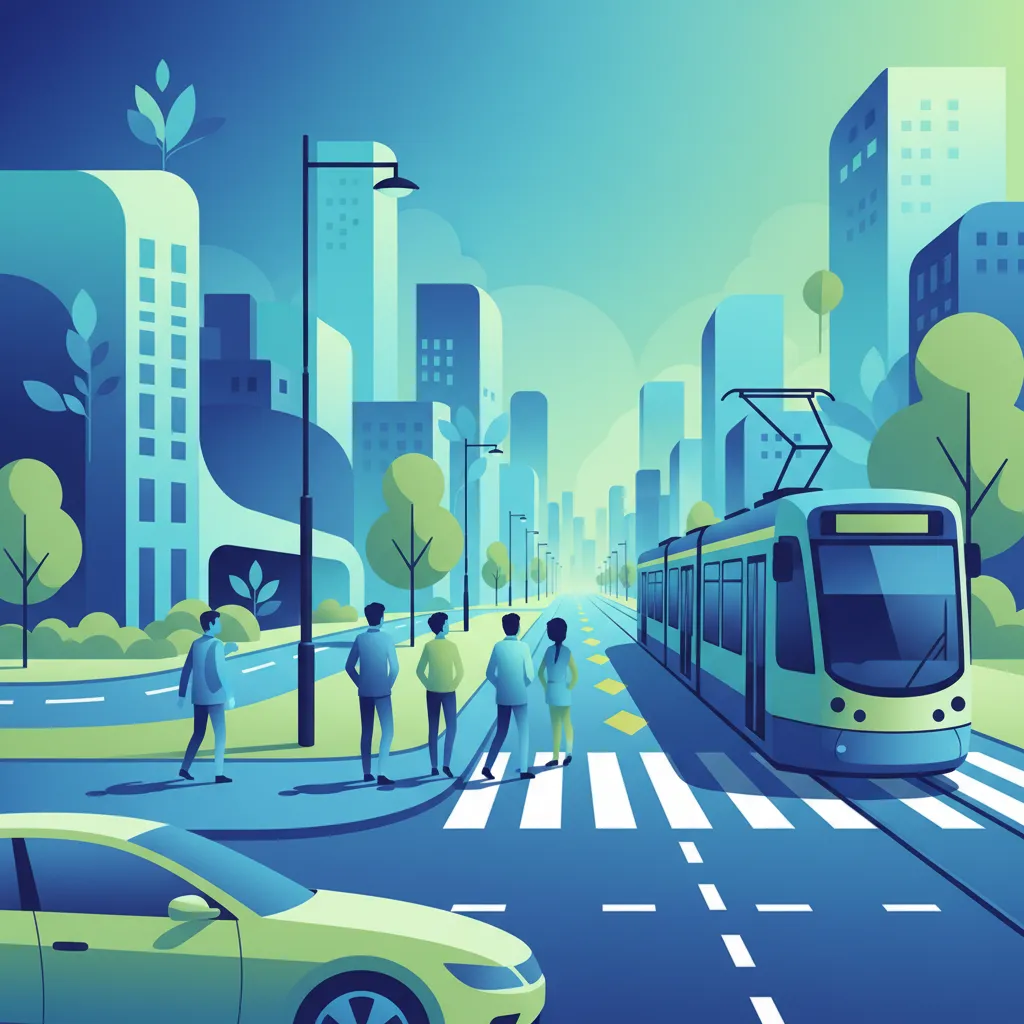
Navigating pedestrian and tram crossings safely is critical for moped riders. This lesson, part of the 'Priority and Right-of-Way Rules' unit, clarifies your responsibilities at these busy areas. You'll learn when to yield to pedestrians and understand the significant priority trams hold, ensuring you make safe decisions in accordance with Swedish traffic law.
Understanding and correctly applying priority rules at pedestrian and tram crossings is fundamental for all road users in Sweden, especially for Category AM moped riders. These crossings represent high-risk areas due to the presence of vulnerable road users like pedestrians, and the unique characteristics of trams. This lesson provides a detailed guide to ensure your safety, compliance with Swedish traffic laws, and confidence when encountering these vital points on the road network.
Crossings, whether for pedestrians or trams, are critical points where different types of road users interact, often with significant differences in speed, size, and maneuverability. For Category AM moped riders, who are more exposed than car drivers, these interactions demand heightened awareness and strict adherence to regulations. Improper behavior at these locations is a significant cause of accidents, leading to injuries for pedestrians, tram passengers, and moped riders themselves. Mastering these rules is not just about passing your Swedish driving license theory exam; it is about preventing serious harm and fulfilling your legal responsibilities under the Swedish Traffic Regulations (Trafikförordningen) and the Road Traffic Act (Vägtrafiklagen).
The core principle underpinning the rules at crossings is the "safety-first" approach, particularly for vulnerable road users. Pedestrians, being unprotected, are at the highest risk in a collision. Trams, due to their size, weight, and limited maneuverability, also require special consideration to ensure the safety of their passengers and to prevent derailments. As a moped rider, you must always be prepared to yield to these road users, understanding that the law grants them maximum protection.
A pedestrian zebra crossing, known as a zebrakorsning in Swedish, is a specifically marked area on the road where pedestrians have the legal right to cross. These crossings are designed to provide a safe and predictable point for pedestrians to traverse traffic lanes.
Zebra crossings are clearly identifiable by several visual cues:
This sign (D1) serves as a clear warning to all drivers, including moped riders, that they are approaching a designated pedestrian crossing.
At a standard zebra crossing without traffic lights, pedestrians have absolute priority. This means that if a pedestrian is on the crossing, or clearly about to step onto it, all motorized traffic, including your moped, must stop and allow them to cross safely.
It is a common misunderstanding to believe that a pedestrian must wait for a vehicle to stop before stepping onto the crossing. In Sweden, the pedestrian has the right of way and expects you to yield. You must anticipate their actions and be prepared to stop.
Practical Meaning for Moped Riders:
Some zebra crossings are equipped with traffic lights. In these cases, the traffic lights govern the flow of both vehicle and pedestrian traffic.
Tram crossings, or spårvagnskorsning, are points where tram tracks intersect with a road. Trams operate on fixed tracks, have long stopping distances, and limited maneuverability, which dictates their high priority in traffic.
Tram crossings are typically marked with:
This sign (A11) alerts you to the presence of tram tracks and the special priority rules that apply.
Trams almost always have priority at tram crossings, unless specific traffic signs or signals clearly indicate otherwise. This rule is enshrined in Swedish traffic law (Trafikförordning 3 kap. 11 §).
Practical Meaning for Moped Riders:
Like pedestrian crossings, tram crossings can also be controlled by traffic lights.
A tram stopped at the crossing, even if waiting for a signal, still has priority over your moped. Do not proceed until the tram has moved away or traffic signals explicitly allow you to proceed safely.
The stoppplikt (stop obligation) is a non-negotiable legal requirement at both pedestrian zebra crossings and tram crossings under specific conditions. It means bringing your vehicle to a complete halt.
A complete stop means your moped's wheels are no longer turning, and the vehicle is stationary. This stop must occur:
A "slow roll" through a crossing, even if it feels safe, does not satisfy the legal stop obligation if a priority user is present. This is a common violation and can result in significant fines and penalty points.
It's important to distinguish between "yielding" (geväjningsplikt) and "stopping" (stoppplikt).
While you might not always need to stop if a crossing is absolutely clear and no priority user is present, the anticipation of a full stop should always be your default mental preparation when approaching these areas.
Safe passage through pedestrian and tram crossings requires a combination of vigilance, anticipation, and appropriate vehicle control.
Effective visuell avsökning (visual scanning) is your primary defense against collisions.
Adjusting your speed (hastighetsanpassning) is crucial for safe navigation.
stoppsträcka (braking distance).When approaching a crossing, always ask yourself: "Can I stop safely and completely if a pedestrian or tram appears unexpectedly?" If the answer is no, you are going too fast.
Overtaking other vehicles within the immediate zone of a pedestrian or tram crossing is strictly prohibited (Trafikförordning 3 kap. 7 §).
Adherence to priority rules at crossings is not merely a courtesy; it is a legal obligation with significant consequences for non-compliance.
Failing to yield to pedestrians or trams at crossings can lead to severe penalties:
bötespoäng): You can face immediate monetary fines.
Driving conditions are rarely ideal. Your actions at crossings must adapt to varying circumstances.
stoppsträcka. Always assume a 30% to 50% increase in braking distance on wet or slippery surfaces.Mastering pedestrian and tram crossings is non-negotiable for safe and lawful moped riding in Sweden.
By diligently applying these principles, you contribute to road safety and develop the responsible riding habits necessary for your Category AM license and beyond.
Lesson content overview
Explore all units and lessons included in this driving theory course.
Explore search topics learners often look for when studying Pedestrian Crossings and Tram Crossings (Spårvagnskorsning). These topics reflect common questions about road rules, driving situations, safety guidance, and lesson level theory preparation for learners in Sweden.
Browse additional driving theory lessons that cover connected traffic rules, road signs, and common driving situations related to this topic. Improve your understanding of how different rules interact across everyday traffic scenarios.
Explore more complex priority situations faced by moped riders in Sweden. This lesson builds on understanding pedestrian and tram crossings by detailing rules at junctions, roundabouts, and interactions with different vehicle types for enhanced road safety and theory knowledge.
This lesson introduces the core principles of right-of-way in Sweden, including the general duty to give way (Väjningsplikt) and the stricter stop duty (Stopplikt). It explains the concept of a priority road and how to apply the right-hand rule at uncontrolled intersections. By understanding this legal framework, riders can determine who has priority in any given situation and act predictably and safely.
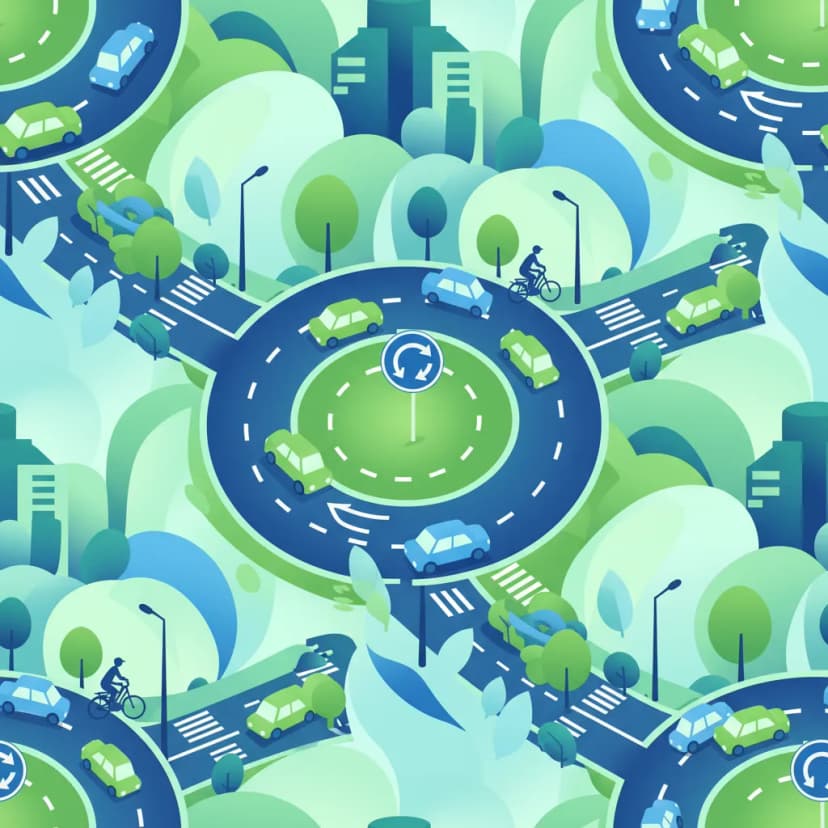
This lesson provides practical instructions for safely navigating different types of intersections and roundabouts. It covers procedures for approaching, entering, and exiting roundabouts, emphasizing the rule to yield to traffic already circulating. The content also addresses how to handle signal-controlled and uncontrolled intersections, ensuring riders select the correct lane and manage their speed appropriately.
This lesson provides detailed guidance on navigating complex traffic points such as signalized intersections, multi-lane roundabouts, and pedestrian crossings. You will learn the correct procedures for entering and exiting roundabouts, the specific rules for yielding to pedestrians and cyclists at designated crossings, and how to interpret complex traffic light signals. These skills are vital for safe urban and suburban riding, where interaction with vulnerable road users is frequent.
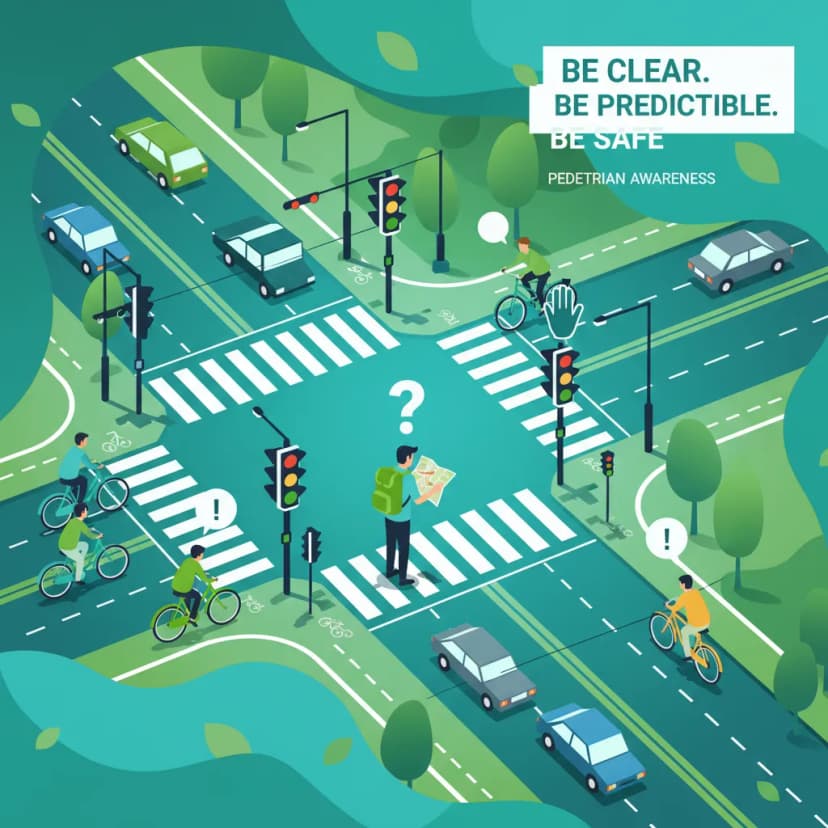
This lesson is dedicated to pedestrian safety, teaching riders to be constantly aware of people on foot, especially in busy urban environments. It reinforces the absolute duty to yield at marked crossings and encourages a cautious approach in areas like schools and shopping districts. The content stresses anticipating unpredictable actions, particularly from children or distracted pedestrians.
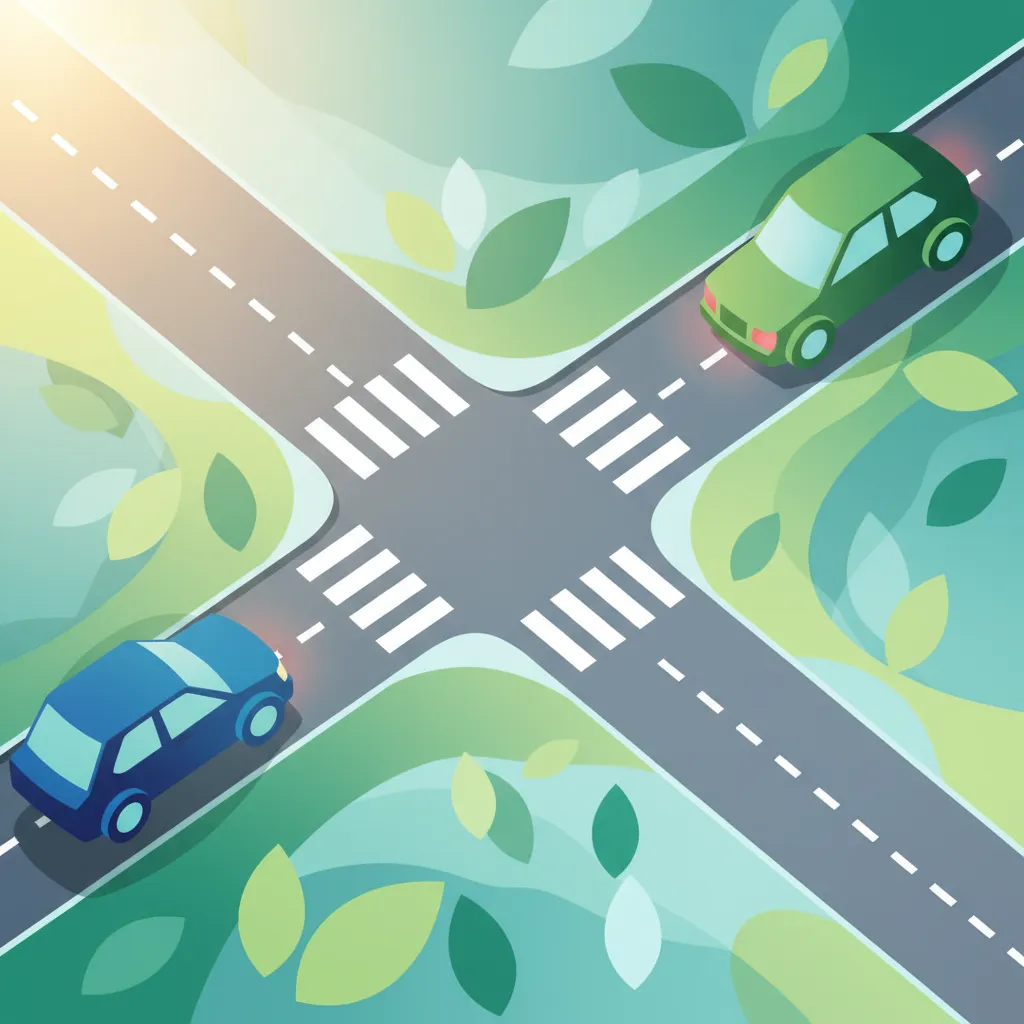
This lesson explains the two core principles of priority in Swedish traffic law: the right-hand rule (Högerregeln) and the duty to yield (Väjningsplikt). You will learn how to apply the right-hand rule at uncontrolled intersections and when to yield to other traffic as indicated by signs or road markings. Understanding this fundamental hierarchy is crucial for making correct and safe decisions in a wide variety of common traffic situations you will face as a motorcyclist.
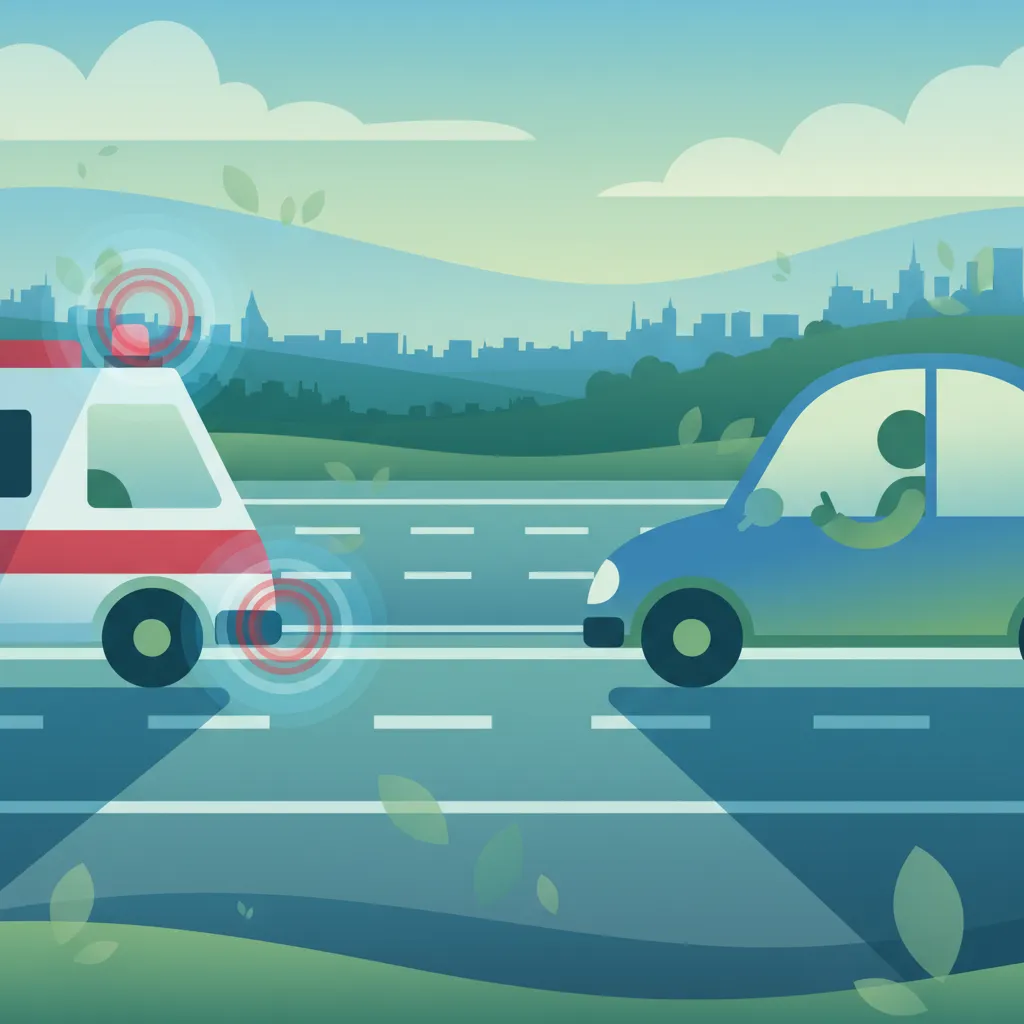
This lesson teaches the correct and legal response when encountering an emergency vehicle with active sirens or lights. It outlines the immediate obligation to give way by safely moving to the side of the road and stopping. The content provides practical advice on how to perform this maneuver calmly and predictably, ensuring a clear path for the emergency responders while maintaining the rider's own safety.
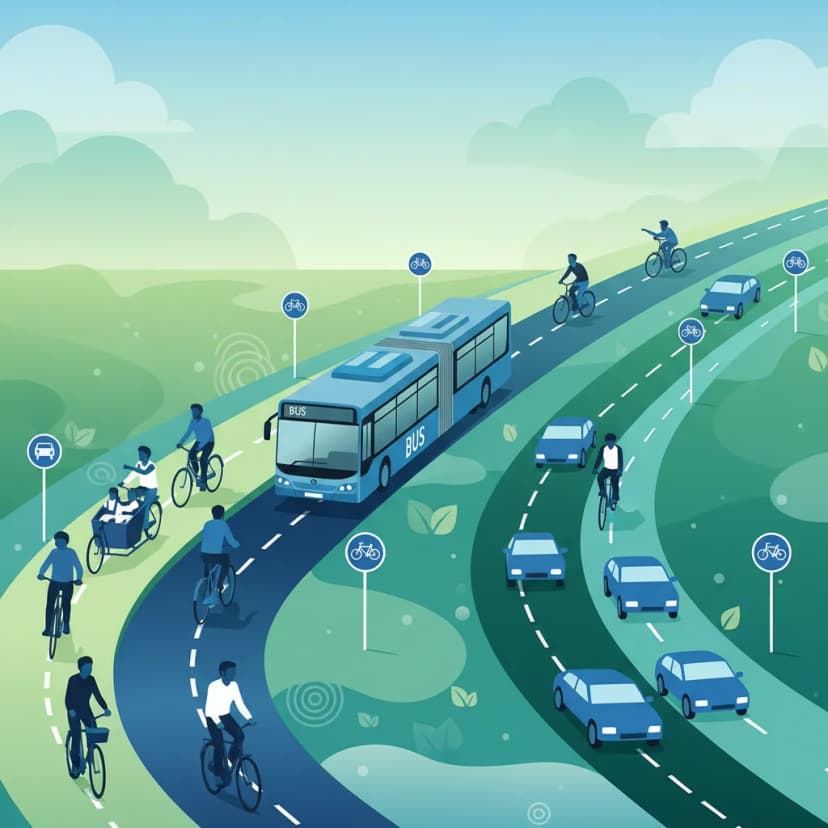
This lesson explains the specific regulations for lanes designated for particular users, such as buses or cyclists. It clarifies under what circumstances a moped is permitted to enter these lanes and the rules that must be followed while in them. Understanding these regulations is key to navigating complex urban environments legally and safely.
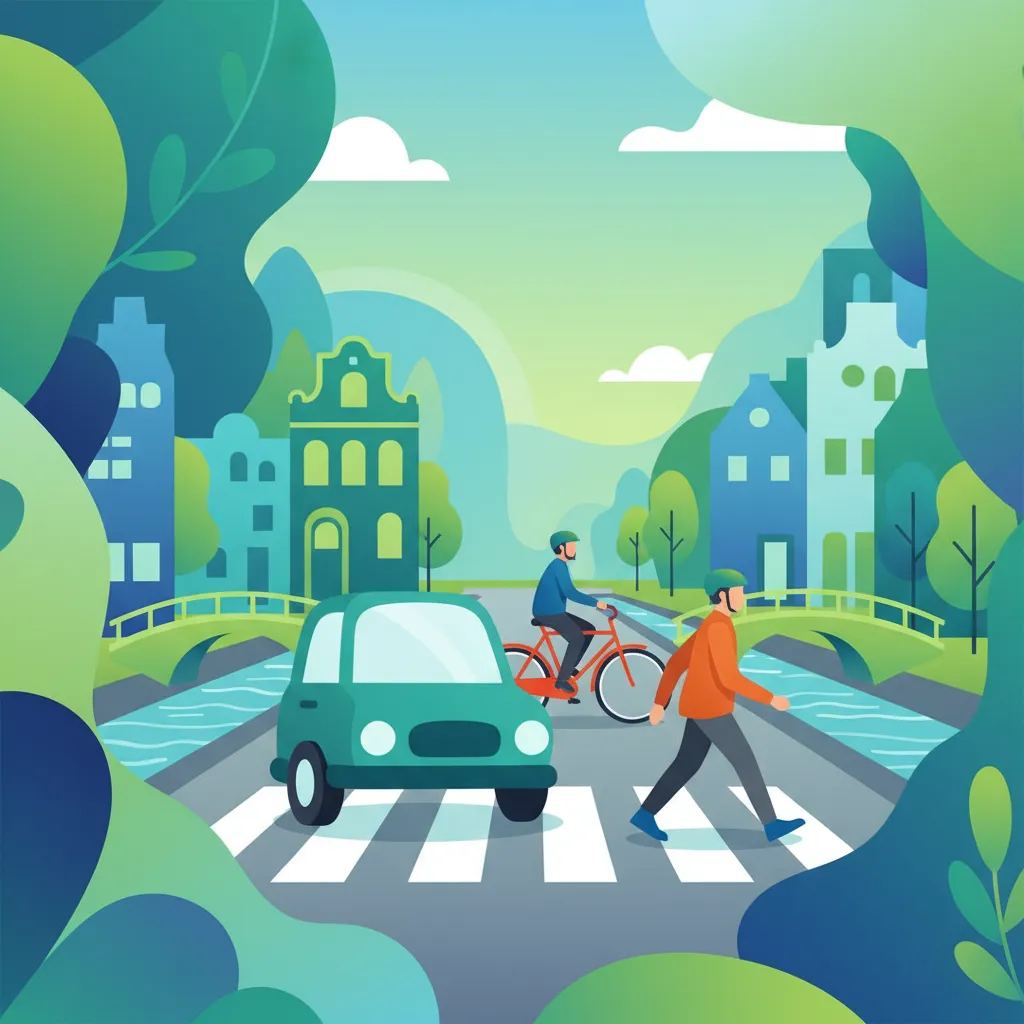
This lesson clarifies the legal distinction between stopping temporarily and parking. It identifies areas where stopping is prohibited, such as near intersections or on pedestrian crossings, to maintain traffic flow and safety. The content also discusses designated waiting areas at traffic lights, often marked for cyclists and mopeds, which can offer a safer position.
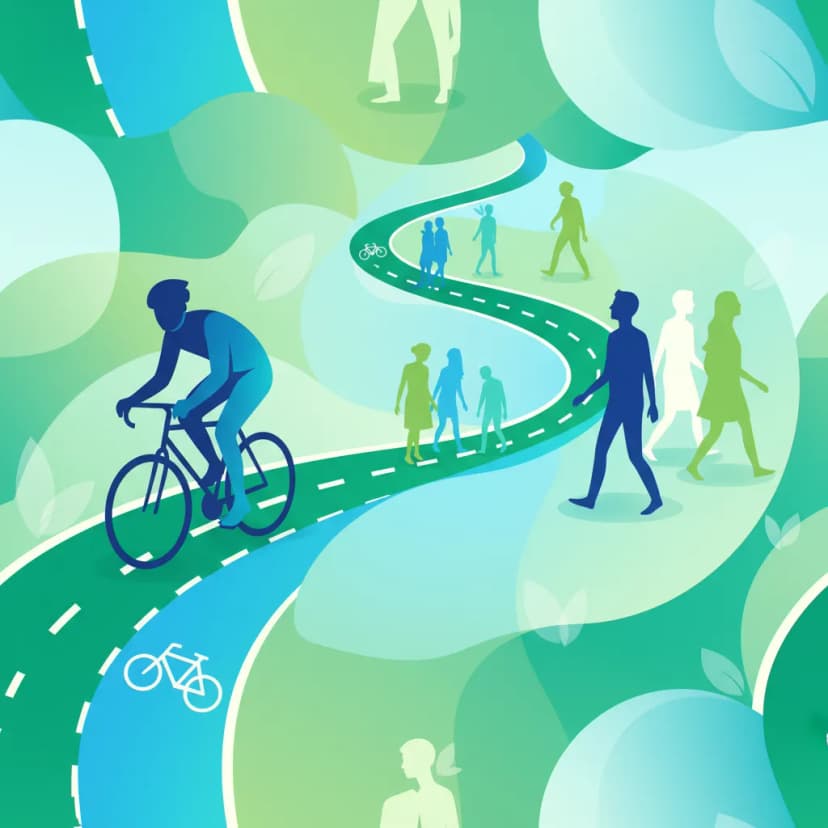
This lesson clarifies the regulations for operating a moped on cycle paths (Cykelbana) and other shared spaces in Sweden. It explains which types of mopeds are permitted on these paths and the specific rules that apply, such as lower speed limits and the duty to yield to cyclists. The content focuses on safe interaction and communication to ensure peaceful coexistence with other users in these environments.
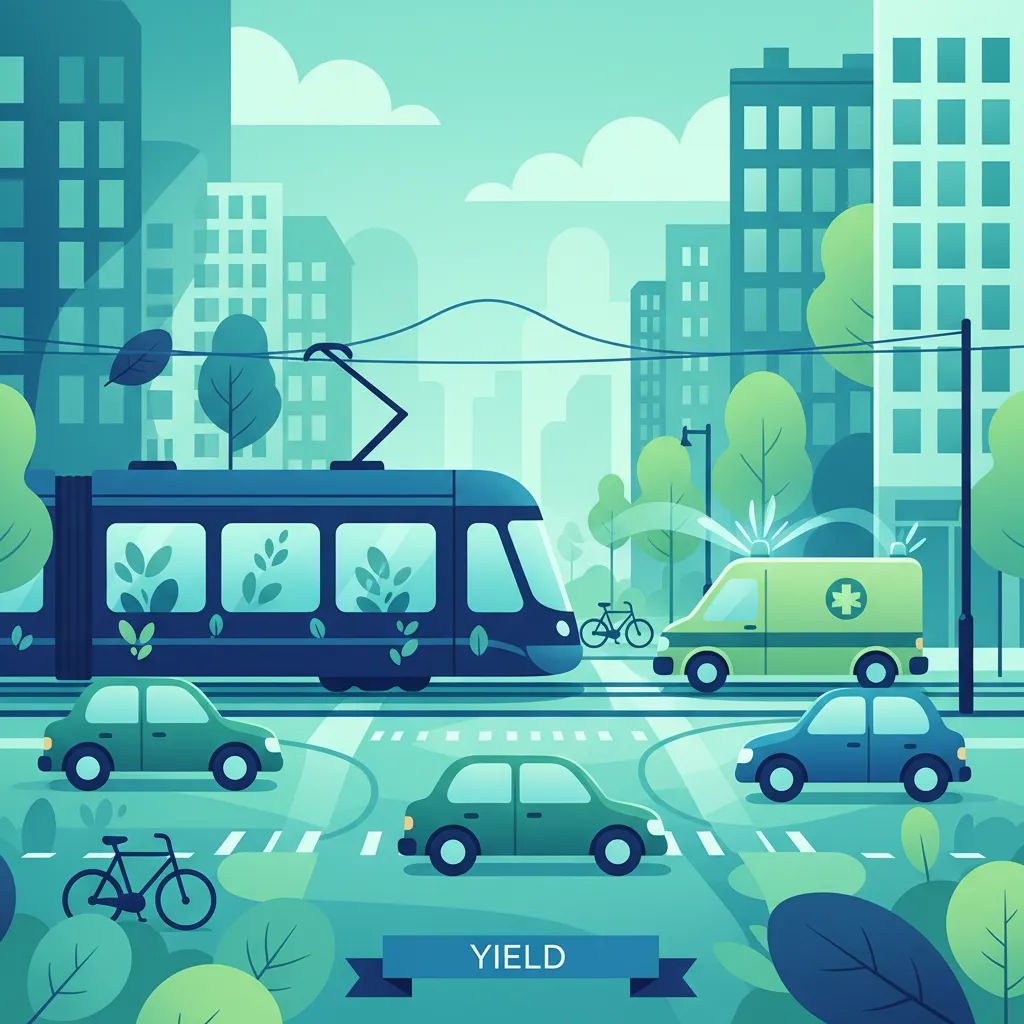
This lesson explains a motorcyclist's legal duty when encountering emergency vehicles with active sirens and lights. You will learn the correct procedure for yielding the right-of-way by safely pulling over and stopping. Additionally, the lesson covers the rules and best practices for sharing the road with public transport like buses and trams, including navigating around bus stops and respecting dedicated lanes, to ensure safety for all road users.
Learn how to safely interact with vulnerable road users like pedestrians and cyclists in Sweden. This lesson focuses on awareness and defensive riding techniques, extending the safety principles learned at crossings to broader traffic environments, ensuring smoother co-existence on roads.
This lesson details the best practices for sharing the road with cyclists, who are even more vulnerable than moped riders. It explains the legal requirements and safe etiquette for overtaking cyclists, emphasizing the need to provide ample space. The content also reviews the rules of interaction on designated cycle paths (Cykelbana) where both may be present.
This lesson is dedicated to pedestrian safety, teaching riders to be constantly aware of people on foot, especially in busy urban environments. It reinforces the absolute duty to yield at marked crossings and encourages a cautious approach in areas like schools and shopping districts. The content stresses anticipating unpredictable actions, particularly from children or distracted pedestrians.
This lesson clarifies the regulations for operating a moped on cycle paths (Cykelbana) and other shared spaces in Sweden. It explains which types of mopeds are permitted on these paths and the specific rules that apply, such as lower speed limits and the duty to yield to cyclists. The content focuses on safe interaction and communication to ensure peaceful coexistence with other users in these environments.
This lesson moves beyond legal requirements to discuss the importance of ethical and courteous riding. It encourages riders to be patient, considerate of others, and aware of their impact on the community, for example, by minimizing noise. This fosters a positive public image of moped riders and contributes to a safer and more pleasant environment for everyone.
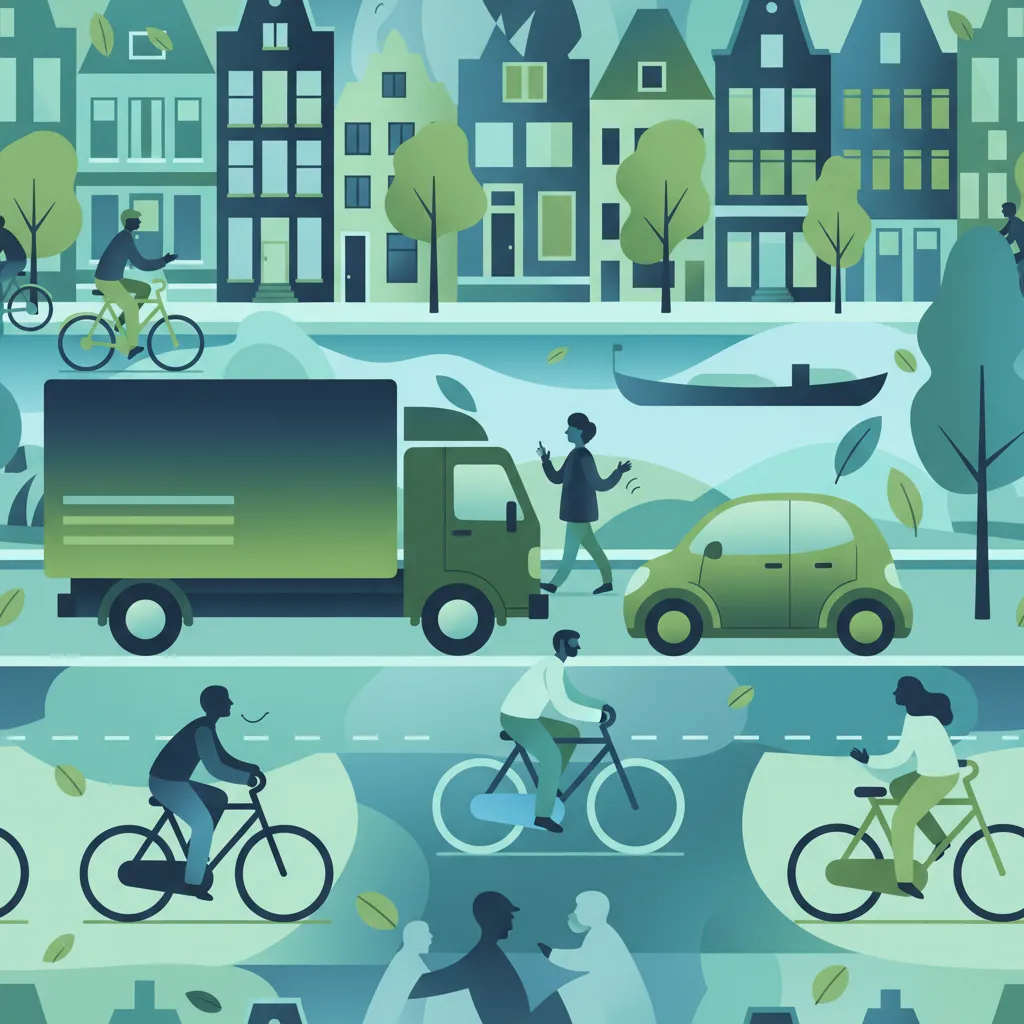
This lesson provides in-depth analysis of how to safely interact with the full spectrum of road users. You will learn about the specific characteristics of each, such as the large blind spots of trucks, the potential for sudden movements from cyclists, and the unpredictability of pedestrians. The content teaches strategies for communication, anticipation, and defensive positioning to ensure safe and respectful coexistence on the road for everyone.
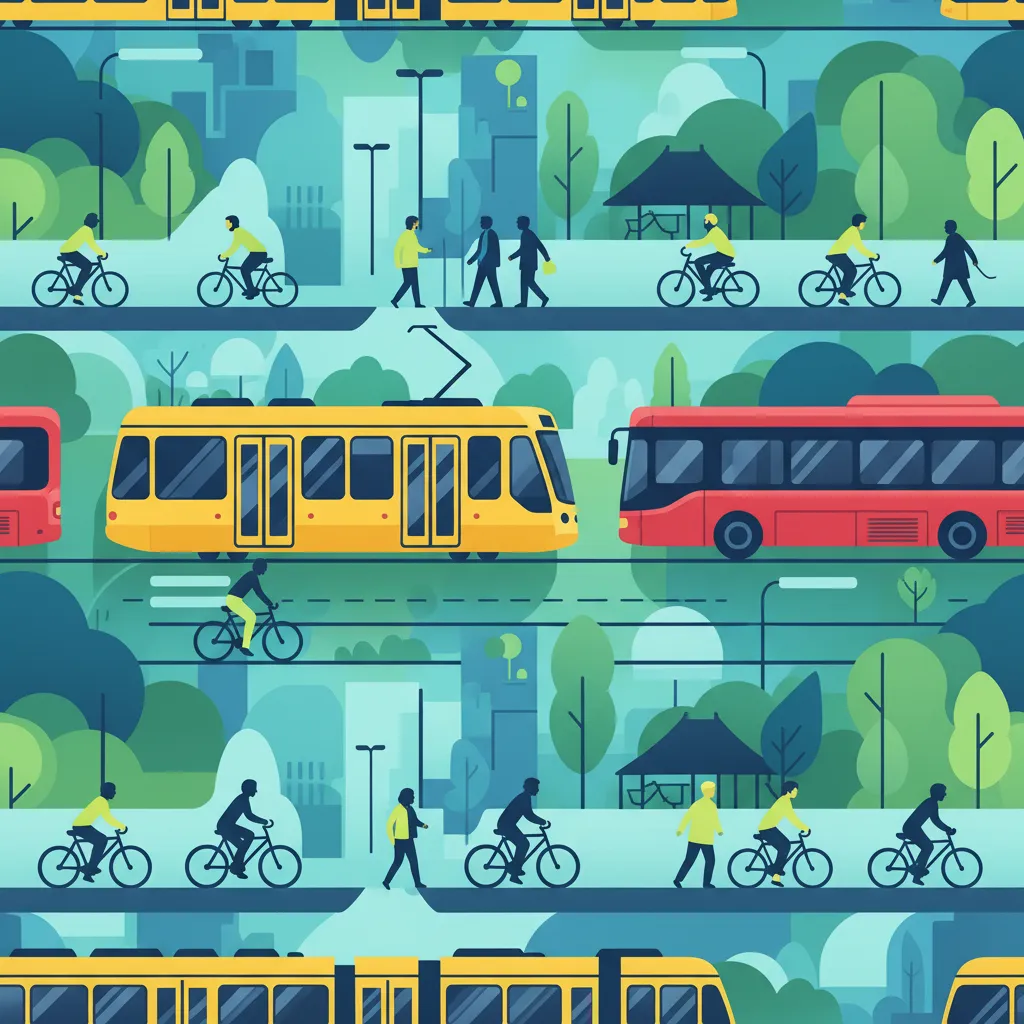
This lesson addresses the unique hazards associated with public transportation. It explains how to safely navigate around buses that are stopping to pick up or drop off passengers and the importance of watching for pedestrians. It also covers the physical danger of slippery tram tracks, especially when wet, and reiterates that trams typically have absolute priority.
This lesson focuses on the specific challenges mopeds face when interacting with cars and heavy vehicles. It highlights the significant blind spots (or 'no-zones') around trucks and buses and teaches riders how to position themselves to remain visible. The content also covers the dangers of wind turbulence when near large vehicles and the importance of maintaining a generous space cushion.
This lesson provides practical instructions for safely navigating different types of intersections and roundabouts. It covers procedures for approaching, entering, and exiting roundabouts, emphasizing the rule to yield to traffic already circulating. The content also addresses how to handle signal-controlled and uncontrolled intersections, ensuring riders select the correct lane and manage their speed appropriately.
This lesson explains the specific regulations for lanes designated for particular users, such as buses or cyclists. It clarifies under what circumstances a moped is permitted to enter these lanes and the rules that must be followed while in them. Understanding these regulations is key to navigating complex urban environments legally and safely.
This lesson explains how to identify and interact with various types of mopeds and other low-speed vehicles common on Swedish roads. You will learn the difference between Class I and Class II mopeds and their place on the road, as well as how to recognize A-tractors by their LGF (långsamtgående fordon) sign. The key focus is on managing the large speed differential and making safe judgments when deciding to overtake.
Find clear answers to common questions learners have about Pedestrian Crossings and Tram Crossings (Spårvagnskorsning). Learn how the lesson is structured, which driving theory objectives it supports, and how it fits into the overall learning path of units and curriculum progression in Sweden. These explanations help you understand key concepts, lesson flow, and exam focused study goals.
Yes, as a moped rider in Sweden, you must always stop and wait for pedestrians to cross when they are on or about to enter a marked zebra crossing (Vägmärke P2). This rule ensures pedestrian safety and is a fundamental aspect of Swedish traffic law tested in the theory exam.
Generally, yes. Trams have a very high priority in Swedish traffic. You must always yield to a tram at a tram crossing (Spårvagnskorsning) or when it is using road lanes that you might also be using. Always be alert for trams and never assume they will yield to you.
While the legal obligation is to stop for pedestrians who are on or entering the crossing, it's good defensive riding practice to be prepared to stop even if a pedestrian is merely waiting at the edge of a zebra crossing, especially if they make eye contact or show an intention to cross. Anticipating their actions can prevent potential conflicts.
Yes, tram crossings often have specific road markings and signage indicating their presence. You should be vigilant for signs and markings that denote tram tracks and crossings. Pedestrian crossings are primarily marked by the zebra pattern on the road and associated signage (Vägmärke P2).
The primary risk comes from misjudging priority or not seeing a pedestrian or tram in time. Mopeds can be less visible than cars, making it crucial to be extra cautious. Failing to yield correctly can result in serious injury or damage, and is a common topic in the theory test.