
Effectively navigating shared road spaces is key to moped safety. This unit focuses on how to interact safely and cooperatively with a diverse range of road users, from large vehicles to pedestrians. You'll learn strategies for clear communication and maintaining safe distances, which are vital for passing your AM moped theory exam in Sweden and riding confidently.
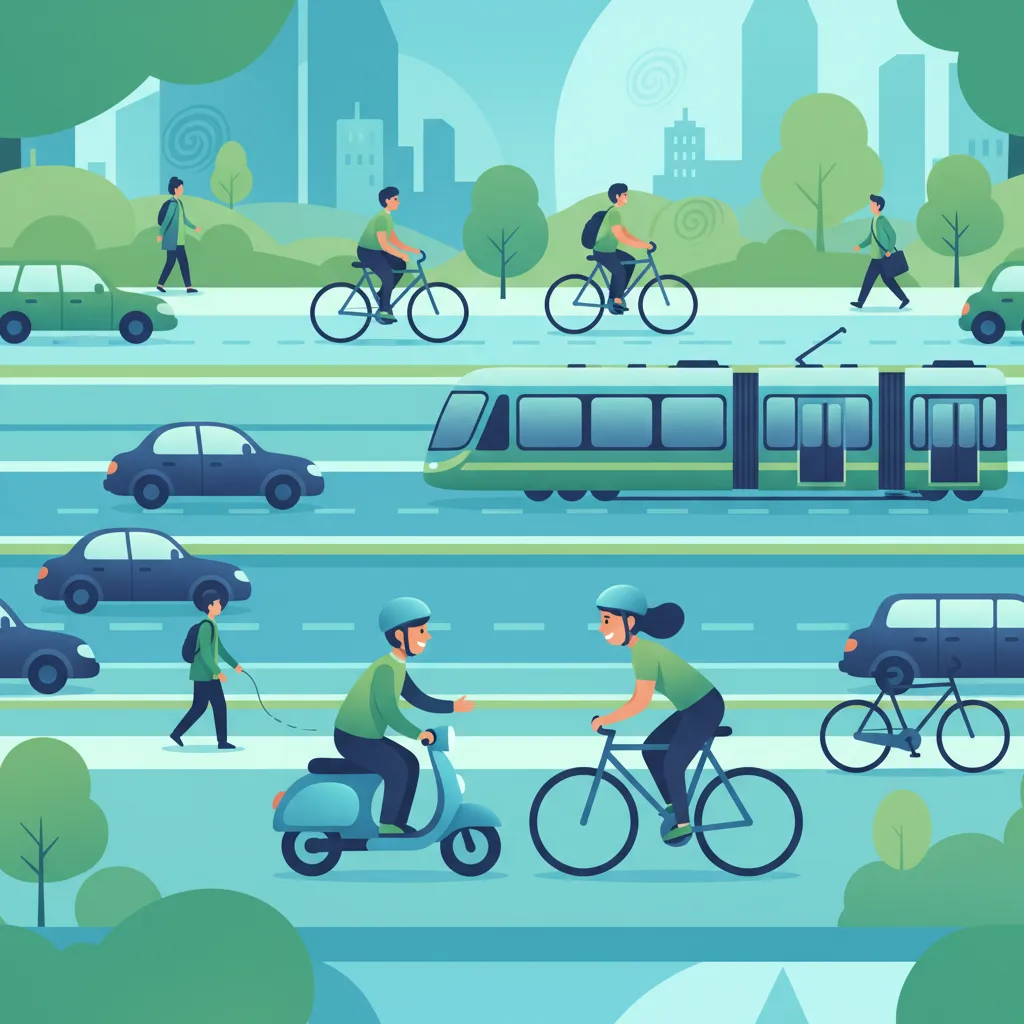
Browse all lessons that make up Interaction with Other Road Users. Each lesson focuses on specific topics, learning objectives, and core concepts, helping you build essential knowledge and follow a clear, structured progression toward your study goals in Sweden.
This lesson focuses on the specific challenges mopeds face when interacting with cars and heavy vehicles. It highlights the significant blind spots (or 'no-zones') around trucks and buses and teaches riders how to position themselves to remain visible. The content also covers the dangers of wind turbulence when near large vehicles and the importance of maintaining a generous space cushion.
This lesson details the best practices for sharing the road with cyclists, who are even more vulnerable than moped riders. It explains the legal requirements and safe etiquette for overtaking cyclists, emphasizing the need to provide ample space. The content also reviews the rules of interaction on designated cycle paths (Cykelbana) where both may be present.
This lesson is dedicated to pedestrian safety, teaching riders to be constantly aware of people on foot, especially in busy urban environments. It reinforces the absolute duty to yield at marked crossings and encourages a cautious approach in areas like schools and shopping districts. The content stresses anticipating unpredictable actions, particularly from children or distracted pedestrians.
This lesson addresses the unique hazards associated with public transportation. It explains how to safely navigate around buses that are stopping to pick up or drop off passengers and the importance of watching for pedestrians. It also covers the physical danger of slippery tram tracks, especially when wet, and reiterates that trams typically have absolute priority.
This lesson goes beyond mechanical signals to cover the subtle art of non-verbal communication in traffic. It highlights the importance of making eye contact with drivers to ensure you have been seen before making a move. The content also reviews standard hand signals as a backup to electronic signals and discusses how clear, confident body language can make a rider's intentions more predictable.
Explore high-intent keywords and long-tail search topics learners use when researching Interaction with Other Road Users. These terms reflect how people search for reliable study materials, structured explanations, and unit-level theory preparation support in Sweden.
Find clear answers to the most common questions learners ask about Interaction with Other Road Users. Understand how the unit is organized, what learning goals it supports, and how it contributes to your study progression with structured explanations and practical guidance tailored for learners in Sweden.
In Sweden, mopeds should treat cyclists with care, especially when passing or sharing lanes. Always ensure you give cyclists adequate space, often by moving to the left side of your lane or even temporarily occupying part of an adjacent lane if safe. Remember that cycle paths (cykelbana) are typically for bicycles only, and mopeds should not use them unless specifically permitted by signage. The key is to be predictable and aware of their space.
When interacting with buses and trucks, it's crucial to remember their size and limited visibility, especially in blind spots. Maintain a significant distance from these vehicles, both in front and behind. Never attempt to overtake a bus that is stopped at a bus stop unless it's clearly safe and legal to do so. Be aware that trucks may need more space to turn, so anticipate wider turns.
Pedestrians always have the right of way at designated pedestrian crossings (Väjningsplikt mot fotgängare). As a moped rider, you must slow down and be prepared to stop well in advance of any crossing. Make eye contact if possible to ensure they are aware of you and intend to cross. Never assume a pedestrian sees you, especially in busy urban areas or low light conditions.
A space cushion refers to the safety margin you maintain around your moped relative to other road users and obstacles. For mopeds, this is vital because they are less visible and more vulnerable than cars. A space cushion gives you crucial time and distance to react to sudden actions by others, such as braking, swerving, or unexpected movements, and also provides a buffer zone in case of minor errors.
While mopeds should use turn signals when available, hand signals are still a valuable communication tool, especially in mixed traffic where other road users might not easily see electric signals. Common hand signals like pointing to indicate a turn or a hazard can enhance communication. However, always prioritize using your vehicle's integrated signals when possible and ensure your communication is clear and unambiguous.
Trams operate on fixed tracks and have a high priority. You must always yield to trams, especially when they are approaching or at crossings. Be aware that trams cannot steer to avoid obstacles and take a long time to stop. When riding alongside tram tracks, maintain a safe distance and do not block the tracks. Also, be mindful of passengers boarding or alighting trams at designated stops.
All included lessons
Lessons in Interaction with Other Road Users
See who benefits most from studying Interaction with Other Road Users. This overview explains how the unit supports different learning needs, what level of knowledge is helpful before starting, and how it fits into the overall study path in Sweden.
This unit is designed for all learners preparing for the Swedish AM moped license theory exam. It's particularly beneficial for new riders who may be unfamiliar with sharing the road with a variety of vehicles and individuals, helping them understand the social etiquette and safety protocols required in mixed traffic environments.

See how Swedish Moped Theory AM is structured, with key topics, learning objectives, and a step-by-step path for theory preparation in Sweden.
Explore all units and lessons included in this driving theory course.