
Welcome to the lesson on legal safety equipment for mopeds. This session summarises the essential laws regarding personal protective gear and vehicle roadworthiness. Understanding these rules is vital for your safety and for passing the AM category theory exam in Sweden.
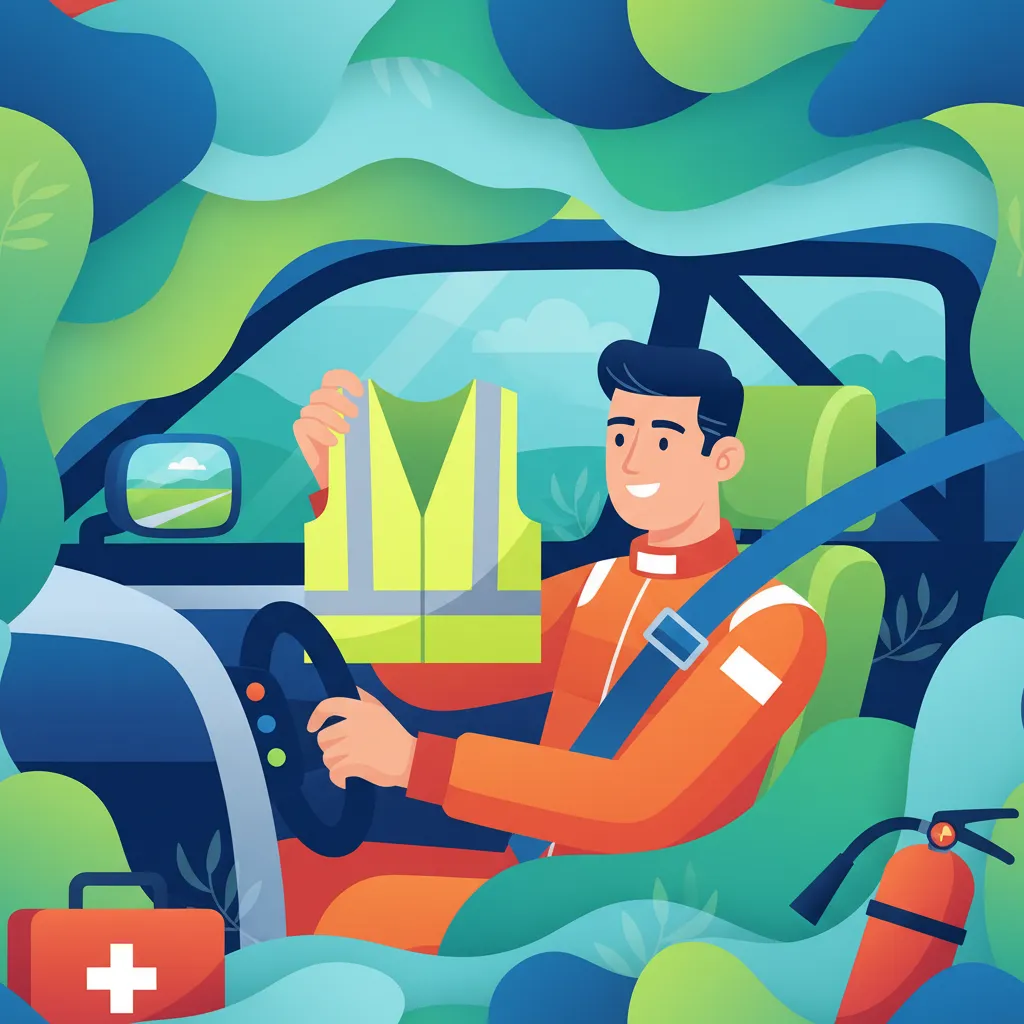
Operating a Category AM moped in Sweden comes with specific legal responsibilities concerning safety equipment. These regulations are designed to protect both the moped rider and any passengers, as well as to ensure the safety of all other road users. Adhering to these laws is not merely about avoiding penalties; it is fundamentally about minimizing the risk of severe injury or fatality in the event of an accident. This lesson details the mandatory requirements for personal safety gear and the moped's roadworthiness equipment, providing a comprehensive guide for all Category AM riders in Sweden.
The legal framework surrounding moped safety equipment in Sweden is rooted in a clear public policy objective: to reduce the severity and frequency of road accidents. For moped riders, who are considered vulnerable road users, appropriate safety gear and a roadworthy vehicle are critical for survival and injury prevention. Non-compliance with these laws can lead to immediate legal penalties, potentially invalidate insurance coverage in the event of a crash, and most importantly, dramatically increase the risk of severe injury or death.
Understanding and internalizing these obligations is therefore essential for success in the theory exam for the Swedish Category AM driving license. Beyond the exam, it forms the bedrock of safe and responsible riding practices for everyday journeys. These regulations link the rider's personal protective equipment (PPE) and the moped's technical safety features directly to the overarching goals of Swedish traffic law.
Swedish traffic legislation, primarily the Trafikförordningen (Traffic Ordinance 1998:127) and the Körkortslagen (Driving Licence Act 1998:488), mandates specific equipment based on proven efficacy in protecting riders and other road users. The underlying logic integrates safety physics with legal enforceability. Helmets, for instance, are scientifically proven to absorb impact energy and reduce head-acceleration peaks, significantly lowering the risk of traumatic brain injury. Similarly, proper lighting and reflectors are crucial for maintaining adequate visual detection distance, a vital safety measure for low-speed vehicles in mixed traffic environments.
The legal requirements are designed to be clear, uniform, and consistently applied across the European Union, often referencing EU-harmonized standards such as EN 1078. This approach ensures a consistent minimum functional standard for every moped on the road and promotes a high level of safety for riders. This lesson directly builds on previous modules covering protective equipment and personal safety, providing the legal context for why certain gear is mandatory. It also provides a crucial foundation for understanding legal responsibilities and penalties discussed in later sections of this Swedish Driving License Theory Course – Category AM (Moped).
One of the most fundamental legal obligations for moped riders in Sweden is the mandatory use of a helmet. This rule applies equally to the rider and any passenger carried on the moped. The helmet is your primary defense against head injuries, which are often the most severe and life-threatening in moped accidents.
According to Trafikförordningen (1998:127) 3 § 3, every driver of a moped, as well as any passenger, must wear a helmet. The law explicitly requires the helmet to conform to specific European standards to ensure its protective capabilities. This provision aims to significantly reduce head injury mortality and morbidity, aligning with EU-harmonized safety requirements. Failure to comply with this law can result in a substantial fine and potentially impact liability in an accident.
The helmets used for Category AM mopeds must meet European normative documents that specify test methods, performance criteria, and labeling requirements. The primary standard for mopeds is EN 1078. This standard covers helmets for cyclists, skateboarders, and moped users, ensuring they pass rigorous tests for impact absorption, penetration resistance, and the reliability of their retention systems (chin strap). For some higher-speed mopeds (Class I, 45 km/h) or those that might be mistaken for light motorcycles, helmets certified to EN 1080 (motorcycle helmets) are also acceptable and often provide a higher level of protection.
A conformity marking indicating that a product complies with EU health, safety, and environmental protection standards. All legally compliant helmets in Sweden must bear a CE mark.
It is crucial that the helmet bears a CE mark and the appropriate standard identification (e.g., EN 1078). Helmets without this specific CE marking are not permitted under Trafikförordningen 3 § 3. A common misunderstanding is believing that any "bike helmet" is sufficient for mopeds; while bicycle helmets might be EN 1078 certified, riders must explicitly check for the correct marking. Similarly, technologies like MIPS (Multi-directional Impact Protection System) enhance safety but are a feature, not a substitute for the EN 1078 certification itself.
Wearing a compliant helmet is only effective if it is worn correctly and is in good condition. The helmet must fit snugly, with the chin strap securely fastened so that the helmet cannot be easily removed or shift significantly on the head. If the helmet includes a visor, it should be down while riding to protect your eyes from wind, debris, and insects.
Regularly inspect your helmet for any signs of damage, such as cracks in the shell, compressed foam, or frayed straps. Even an apparently minor impact can compromise a helmet's protective capabilities. If your helmet has sustained an impact, it should be replaced immediately, even if no visible damage is apparent. A helmet with visible cracks or severe wear no longer meets safety performance criteria and is effectively illegal to use, as its protective capacity is compromised.
Beyond personal protective gear, the moped itself must be equipped with several functional safety features to be considered roadworthy and legal to operate on public roads in Sweden. The rider is legally accountable for ensuring these components are in serviceable condition before each ride.
Adequate lighting is crucial for ensuring your visibility to other road users, especially in low-light conditions, and for signaling your intentions. Trafikförordning 6 § specifies the mandatory lighting devices for mopeds.
Your moped must be equipped with a functional headlamp (low-beam) and a rear light. These lights must be switched on during specific conditions:
The brake light is a distinct and crucial safety feature. It must illuminate automatically and clearly whenever the rear brake is applied. This provides a clear, immediate visual cue to following traffic that you are slowing down or stopping, preventing rear-end collisions. A common misunderstanding is believing that a functioning headlamp alone suffices for night riding; the rear light is equally important for your visibility from behind.
In addition to active lighting, mopeds must also be equipped with passive reflectors. These devices reflect external light sources (like car headlights) back to their source, further enhancing your moped's visibility, particularly from angles where your active lights might not be as effective. Mopeds are required to have:
Your moped must be equipped with functional brakes capable of bringing the vehicle to a stop within a reasonable distance. This typically means having both a front brake and a rear brake, both in good working order. Trafikförordning 3 § 4 explicitly requires functioning brakes for all motor vehicles.
Riding a moped with defective brakes is highly dangerous and illegal. Even if one brake is partially working, the vehicle's stopping distance can be severely compromised, leading to a loss of control or a collision.
Before each ride, you should test both the front and rear brakes to ensure they provide adequate stopping power and that the brake lever or pedal feels firm. Crucially, the rear brake must trigger the brake light; if it doesn't, the vehicle is not roadworthy until repaired. Believing a moped can legally be ridden with only one functional brake or a non-functioning brake light is a dangerous misconception.
A moped must have a functional horn or other audible warning device. This device is used to warn other road users of your presence or an impending hazard. According to Trafikförordning 7 § 4, the horn must produce a sound signal that is audible and meets specific sound pressure levels.
A muffled, weak, or non-functioning horn is not acceptable. You must be able to effectively alert others, for instance, if a pedestrian steps into your path unexpectedly or if a car drifts into your lane. Relying on hand gestures because your horn is broken is not only unsafe but also legally non-compliant.
To provide the rider with an unobstructed view of traffic behind the moped, at least one rear-view mirror is mandatory. Trafikförordning 3 § 1 states that the mirror must be fitted on the left side of the moped and provide a clear and sufficient view to the rear.
The mirror must be intact, securely mounted, and correctly adjusted to give you optimal visibility. A broken mirror or a tiny, inadequate reflective sticker is not a legal substitute. Monitoring your mirror allows you to be aware of overtaking traffic, changes in lane positions of other vehicles, and provides crucial information before making turns or lane changes.
The onus for ensuring both personal safety gear and the moped's technical safety features are in serviceable condition falls directly on the rider. This is a fundamental aspect of your legal responsibility as a Category AM license holder.
According to Körkortslagen 1998:488 2 kap. 4 §, the rider is legally responsible for ensuring the moped complies with all equipment regulations before use. This means a pre-ride inspection is not just good practice but a mandatory legal duty.
Helmet: Inspect for cracks, damage, or wear. Ensure the chin strap is functional and can be securely fastened. Replace if damaged.
Lights: Turn on the ignition and activate your headlamp and rear light. Verify they are both illuminating brightly.
Brake Light: Squeeze the rear brake lever (or press the pedal) and verify that the brake light illuminates (or flashes, if applicable) distinctly. Test the front brake for functionality.
Brakes: Check both front and rear brakes for firm response and effective stopping power. Ensure no excessive play in the levers.
Horn: Press the horn button and confirm it produces a clear, audible sound.
Mirror: Check that your left-hand rear-view mirror is intact, clean, securely mounted, and adjusted to give you a clear view to the rear.
Reflectors: Quickly visually check that front, rear, and side reflectors are present and clean.
Performing these checks before each journey prevents you from unknowingly operating an illegal or unsafe vehicle. It shifts safety assurance from the manufacturer alone to daily user practice, ensuring consistent performance of safety equipment over time.
Neglecting these pre-ride inspections and maintenance can lead to severe consequences. If you are found riding with defective or non-compliant equipment, you can be penalized under the same sections governing the equipment itself. For example, riding with a broken rear light or a cracked helmet will result in a fine. In an accident scenario, if your equipment was found to be faulty due to negligence, it could be considered contributory negligence, potentially affecting insurance payouts or increasing your legal liability for injuries to yourself or others. Assuming that vehicle registration alone validates equipment condition is a common but dangerous misunderstanding.
While not all protective equipment is legally mandatory beyond the helmet, the Swedish Transport Agency (Transportstyrelsen) strongly recommends additional gear for enhanced safety. This distinction between mandatory and recommended items is crucial for a Category AM moped rider.
Protective clothing refers to items such as abrasion-resistant jackets and pants, sturdy gloves, and robust footwear. These items are designed to protect your body from abrasion (road rash), weather elements, and impacts. While there is no explicit legal requirement for these items, they significantly reduce the risk and severity of injuries in a fall or collision.
A common misunderstanding is believing that any streetwear satisfies "protective clothing." A thin t-shirt, jeans, and sneakers offer minimal protection in a crash compared to dedicated protective gear.
Wearing high-visibility clothing is strongly advised, particularly when riding under low-light conditions (dusk, dawn, night) or in adverse weather (rain, fog). While its absence does not incur a legal penalty, it is a proactive measure that dramatically increases your detection distance for other road users, thereby mitigating collision risk.
Consider wearing a reflective vest over your regular jacket, even during the day, especially if your riding environment includes busy roads or areas with poor sightlines. The extra visibility can make a significant difference.
The fluorescent colors are designed to be highly visible during the day by converting invisible ultraviolet light into visible light, making them appear brighter. The reflective strips work by bouncing light from headlights back to the source at night. Both elements contribute to making you more conspicuous.
To consolidate understanding, it's beneficial to review the specific articles within the Swedish traffic legislation that govern moped safety equipment. These regulations form the legal backbone of your responsibilities as a rider.
These articles ensure that the moped is equipped for basic operational safety and that the rider is adequately protected.
The Körkortslagen (1998:488) 2 kap. 4 § reinforces the rider's personal responsibility. It clearly states that the rider is responsible for ensuring the moped complies with all equipment regulations before use. This places the duty of care squarely on the individual operating the moped, not just the manufacturer or maintenance provider. This means you cannot simply assume your moped is roadworthy; you must actively verify it. Failure to uphold this duty can lead to legal penalties under the same sections governing equipment compliance.
Non-compliance with moped safety equipment regulations carries significant risks and legal consequences. Awareness of common violations helps riders avoid them.
The typical consequence for most equipment violations is a fine.
Beyond monetary penalties, repeated violations can lead to penalty points on your license. In the unfortunate event of an accident, if it is determined that non-compliant or defective safety equipment contributed to the crash or the severity of injuries, your insurance policy may be invalidated or your claim denied. This could leave you personally liable for significant costs, including medical expenses and property damage. The legal system views these violations seriously because of their direct link to increased accident risk and injury severity.
The application of safety equipment rules can vary depending on specific riding conditions and situations. Understanding these conditional requirements is essential for safe and legal moped operation.
The legal obligations regarding moped safety equipment are not arbitrary. They are founded on scientific principles of injury prevention and visibility dynamics.
The human brain is incredibly vulnerable to impact forces. At even moderate speeds, a fall from a moped can result in severe head trauma. For instance, a rider traveling at 45 km/h possesses significant kinetic energy. Helmets are engineered to dissipate and absorb this energy through their outer shell and inner foam liner. They significantly reduce peak head acceleration, which is directly linked to the risk of concussion and more severe brain injuries. Studies, such as those cited by the Swedish Transport Agency, have demonstrated a clear and substantial decrease in head injuries among moped riders following mandatory helmet enforcement.
Mopeds are smaller and less conspicuous than cars or trucks. Proper lighting and the use of high-visibility clothing are essential for increasing the moped's detection distance for other road users. For example, a functioning rear light can add hundreds of meters to the distance at which a following vehicle can detect a moped at night. Since the average human reaction time is approximately 1.5 seconds, increased detection distance provides crucial extra seconds for other drivers to perceive, process, and react to your moped's presence. This extended reaction time can be the difference between avoiding an accident and a collision. The human visual system is particularly sensitive to fluorescent yellow/orange wavelengths, which is why high-visibility colors are so effective, especially in peripheral vision.
The effectiveness of mandatory safety equipment laws is consistently supported by statistical evidence. For example, data from the Swedish Transport Agency (Transportstyrelsen) indicated that head injuries among moped riders decreased significantly after the mandatory helmet law was enforced in 2006. This underscores the direct positive impact of legislation on public health and safety, making a compelling case for strict compliance. The legal framework is a direct translation of these safety insights into enforceable rules.
Adhering to the legal obligations regarding safety equipment is a cornerstone of responsible moped riding in Sweden. This comprehensive understanding ensures that both you and your moped are prepared for the road, significantly reducing risks and legal liabilities. From the mandatory CE-marked helmet for both rider and passenger, to the functional integrity of lights, brakes, horn, and mirrors, every detail plays a critical role in your safety.
Remember your inherent responsibility as a Category AM rider to conduct regular pre-ride inspections and maintenance. While some items like high-visibility clothing are merely recommended, their contribution to your overall safety, especially in challenging conditions, is undeniable. Mastering these legal requirements is not just about passing your Swedish Category AM driving license theory exam; it is about cultivating safe riding habits that protect lives on Swedish roads.
Lesson content overview
Explore all units and lessons included in this driving theory course.
Explore search topics learners often look for when studying Legal Obligations Regarding Safety Equipment. These topics reflect common questions about road rules, driving situations, safety guidance, and lesson level theory preparation for learners in Sweden.
Browse additional driving theory lessons that cover connected traffic rules, road signs, and common driving situations related to this topic. Improve your understanding of how different rules interact across everyday traffic scenarios.
Understand the mandatory safety equipment requirements for mopeds in Sweden, including legal standards for helmets, lights, brakes, and other essential vehicle components. This lesson clarifies rider responsibilities for both personal gear and the moped's condition.
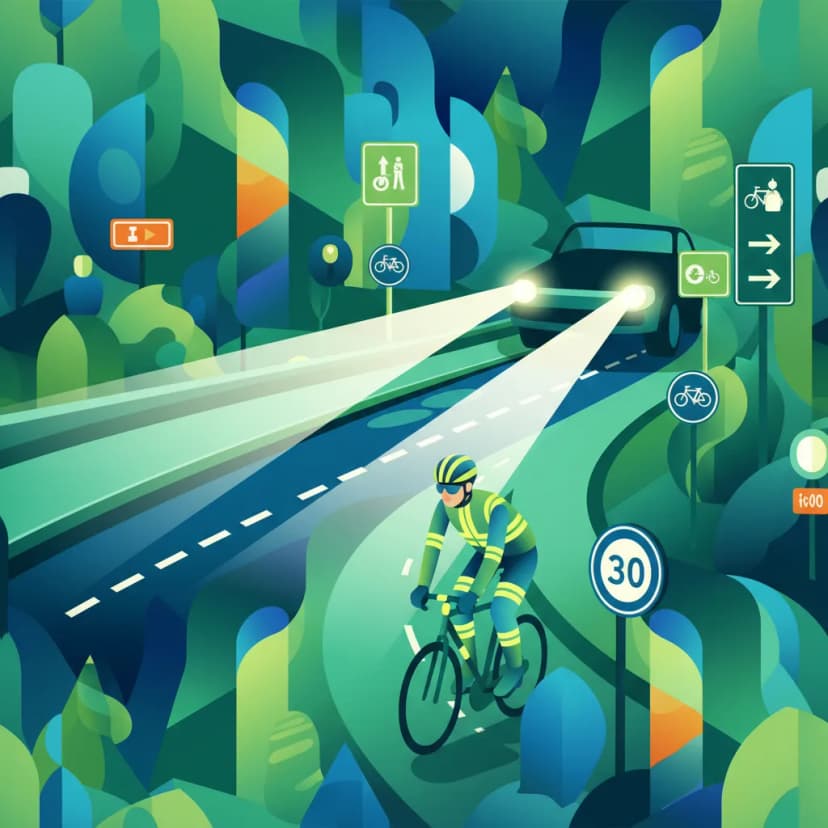
This lesson details the legal requirements for moped lighting in Sweden and provides best practices for riding at night or in low-light conditions. It explains the correct use of high and low beam headlights, the importance of a functioning tail light, and the role of reflectors in being seen. The goal is to ensure the rider is as visible as possible to others and can adequately illuminate the road ahead.
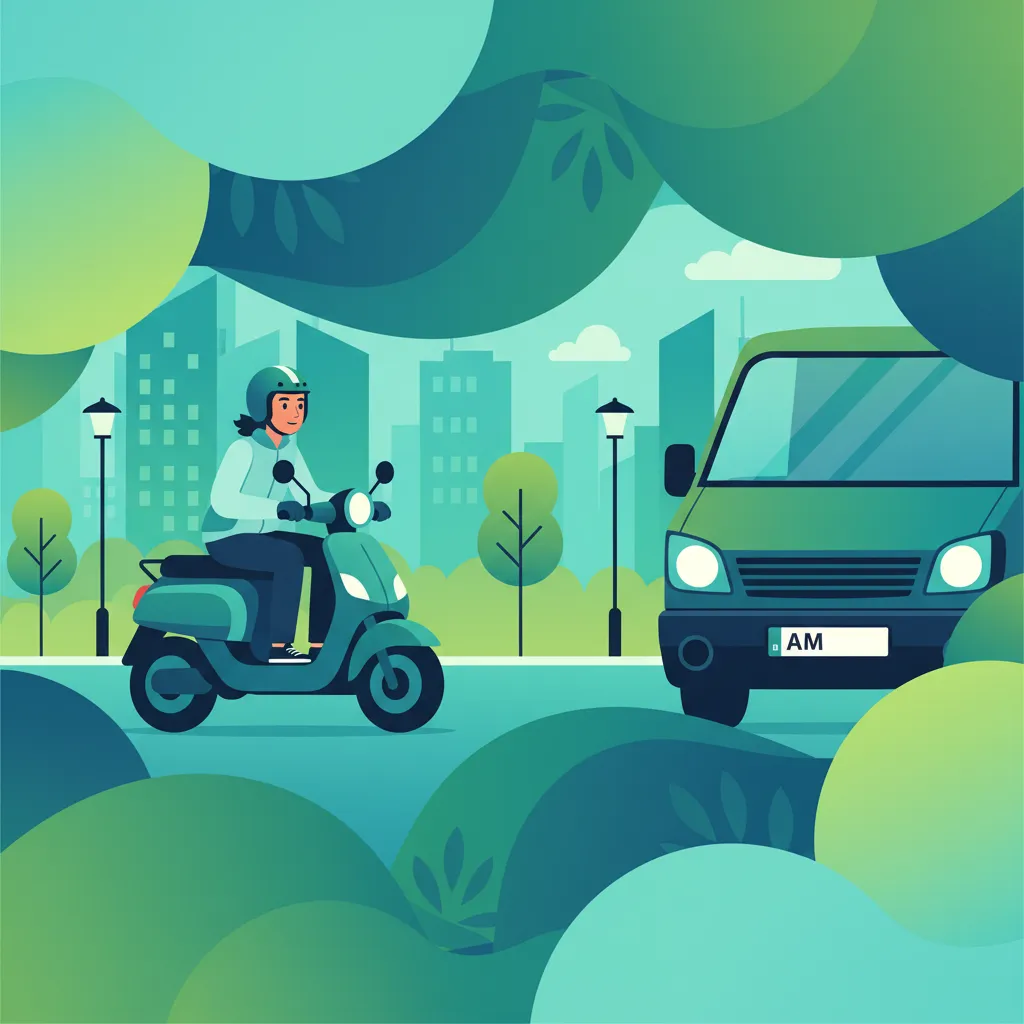
This lesson clarifies the precise technical parameters that define a Category AM vehicle under Swedish law, including the maximum 50cc engine displacement and 45 km/h speed limit. It explains how these specifications determine which roads mopeds can legally access, distinguishing between urban streets and prohibited motorways. Learners will also understand the importance of vehicle identification and registration documents for ensuring legal compliance.
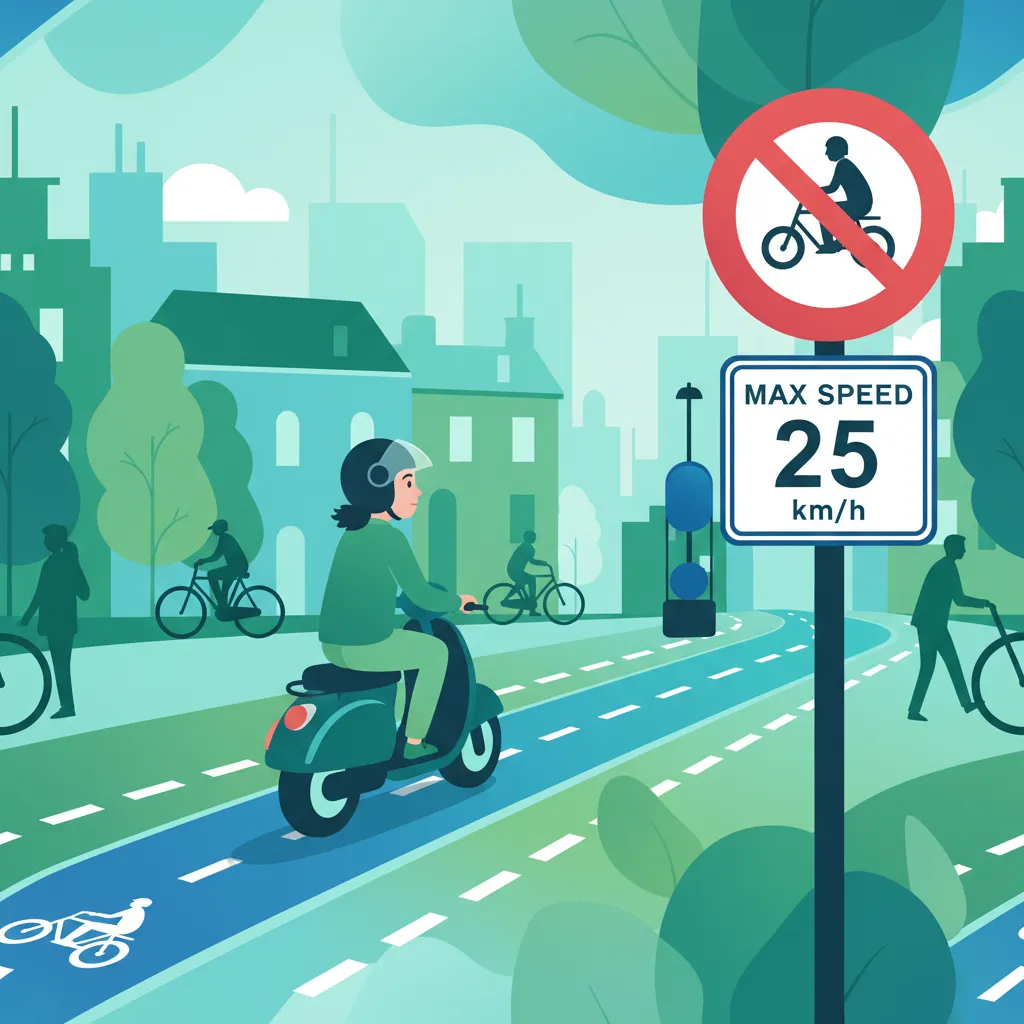
This lesson consolidates the key regulations that apply specifically to moped operation in Sweden. It covers mandatory rules such as speed limits, helmet use, and requirements for vehicle lighting and reflectors. Furthermore, the lesson explains the legal consequences of violations, including the system of fines and potential demerit points, ensuring riders understand their full range of legal responsibilities on the road.
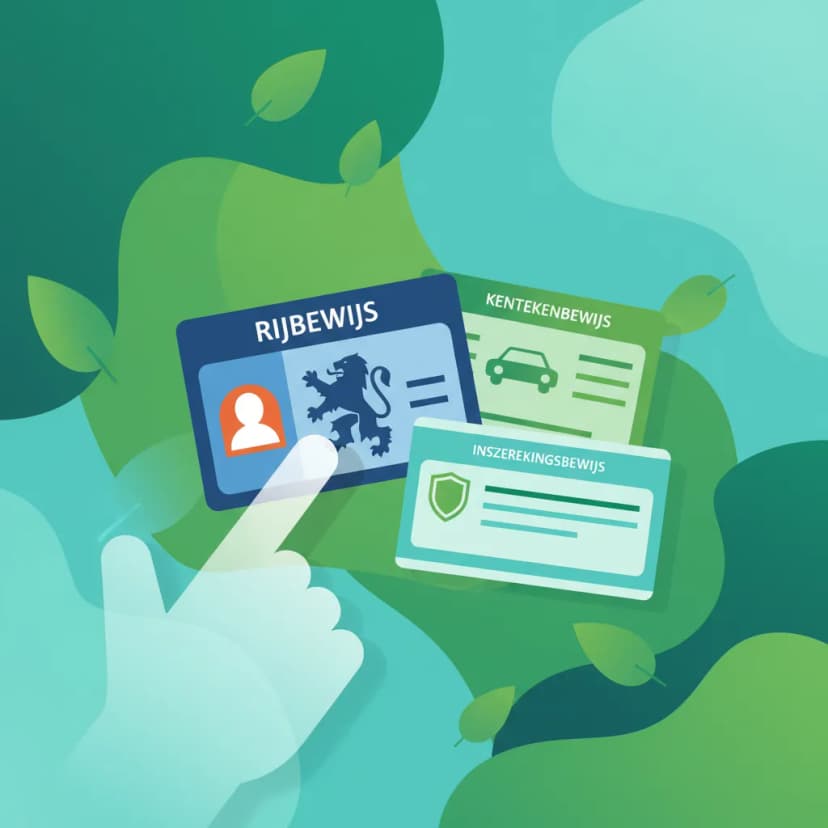
This lesson outlines the essential administrative responsibilities of a moped owner and rider. It covers the legal requirement to have valid third-party liability insurance and to ensure the vehicle is properly registered. The content also reminds riders of the documents they must carry with them at all times, such as their driving license and registration certificate.

This lesson details the personal eligibility criteria required to obtain a Category AM license in Sweden, starting with the minimum age of 15. It explains the mandatory health assessment, including vision and physical fitness standards, which must be certified by a medical professional. The content also addresses the competency and maturity expectations for young riders, including the role of parental consent in the application process.
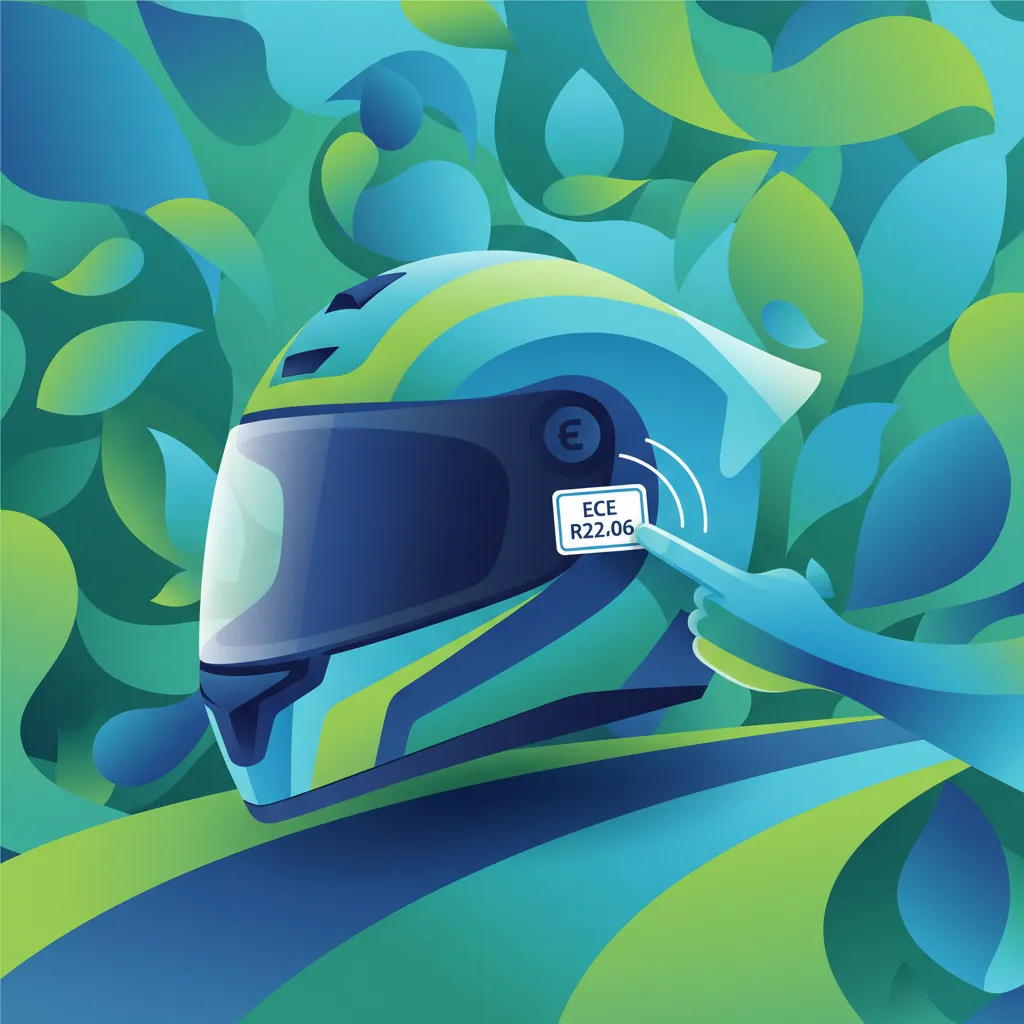
This lesson covers the legal requirement to wear a certified helmet while riding a moped in Sweden. It explains how to identify helmets that meet the approved EU standards (e.g., ECE 22.05 marking) and the critical importance of a correct, snug fit. The content also discusses different helmet types and the need to replace a helmet after an impact or after its recommended lifespan.

This lesson provides essential strategies for riding safely at night and during twilight hours. It covers the correct use of headlights to maximize visibility without dazzling other drivers and emphasizes the need to reduce speed to compensate for shorter sight distances. The content also highlights the importance of wearing reflective gear to be seen by others.
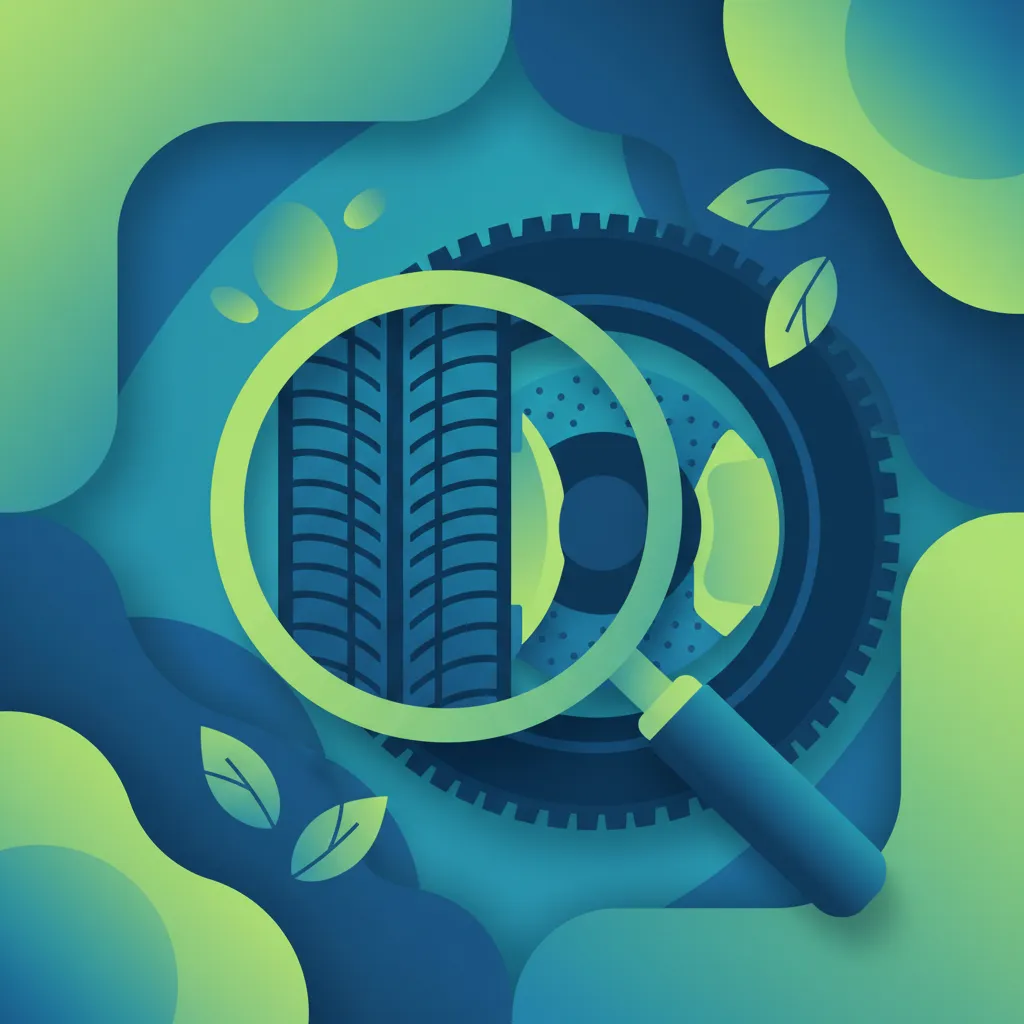
This lesson teaches the importance of conducting a quick, routine inspection before every ride to ensure the moped is in safe working order. It outlines a simple checklist that includes checking tire pressure (Däck), brake function (Bromsar), and all lights and signals. This proactive habit can prevent mechanical failures that could lead to an accident.
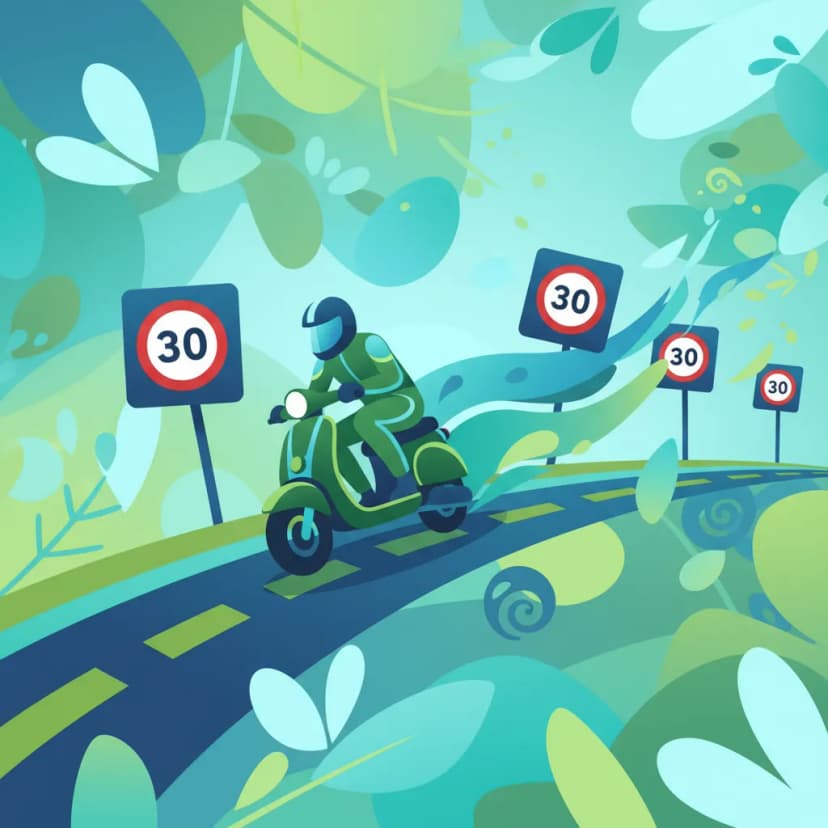
This lesson focuses on the specific speed regulations applicable to Category AM mopeds in Sweden. It emphasizes the absolute maximum legal speed of 45 km/h and explains that riders must always adapt their speed to be lower when conditions require. The content also covers any special, lower speed limits that may apply when riding on designated cycle paths or in shared spaces.
This lesson moves beyond the mandatory helmet to advocate for comprehensive personal protective gear. It explains the value of abrasion-resistant jackets and pants, often equipped with armor, in preventing road rash and impact injuries. The importance of proper gloves for hand protection and sturdy, over-the-ankle boots for foot and ankle stability is also detailed.
Review the specific legal obligations regarding helmet use for both moped riders and passengers in Sweden. This lesson details the mandatory requirements to ensure compliance with AM category driving theory regulations.
This lesson covers the legal requirement to wear a certified helmet while riding a moped in Sweden. It explains how to identify helmets that meet the approved EU standards (e.g., ECE 22.05 marking) and the critical importance of a correct, snug fit. The content also discusses different helmet types and the need to replace a helmet after an impact or after its recommended lifespan.
This lesson consolidates the key regulations that apply specifically to moped operation in Sweden. It covers mandatory rules such as speed limits, helmet use, and requirements for vehicle lighting and reflectors. Furthermore, the lesson explains the legal consequences of violations, including the system of fines and potential demerit points, ensuring riders understand their full range of legal responsibilities on the road.
This lesson clarifies the precise technical parameters that define a Category AM vehicle under Swedish law, including the maximum 50cc engine displacement and 45 km/h speed limit. It explains how these specifications determine which roads mopeds can legally access, distinguishing between urban streets and prohibited motorways. Learners will also understand the importance of vehicle identification and registration documents for ensuring legal compliance.
This lesson details the personal eligibility criteria required to obtain a Category AM license in Sweden, starting with the minimum age of 15. It explains the mandatory health assessment, including vision and physical fitness standards, which must be certified by a medical professional. The content also addresses the competency and maturity expectations for young riders, including the role of parental consent in the application process.
This lesson focuses on the specific speed regulations applicable to Category AM mopeds in Sweden. It emphasizes the absolute maximum legal speed of 45 km/h and explains that riders must always adapt their speed to be lower when conditions require. The content also covers any special, lower speed limits that may apply when riding on designated cycle paths or in shared spaces.
This lesson moves beyond the mandatory helmet to advocate for comprehensive personal protective gear. It explains the value of abrasion-resistant jackets and pants, often equipped with armor, in preventing road rash and impact injuries. The importance of proper gloves for hand protection and sturdy, over-the-ankle boots for foot and ankle stability is also detailed.
This lesson outlines the essential administrative responsibilities of a moped owner and rider. It covers the legal requirement to have valid third-party liability insurance and to ensure the vehicle is properly registered. The content also reminds riders of the documents they must carry with them at all times, such as their driving license and registration certificate.

This lesson clarifies the regulations for operating a moped on cycle paths (Cykelbana) and other shared spaces in Sweden. It explains which types of mopeds are permitted on these paths and the specific rules that apply, such as lower speed limits and the duty to yield to cyclists. The content focuses on safe interaction and communication to ensure peaceful coexistence with other users in these environments.
This lesson details the best practices for sharing the road with cyclists, who are even more vulnerable than moped riders. It explains the legal requirements and safe etiquette for overtaking cyclists, emphasizing the need to provide ample space. The content also reviews the rules of interaction on designated cycle paths (Cykelbana) where both may be present.
This lesson analyzes the legal definitions that determine where mopeds can operate within the Swedish road network. It covers the rules for using urban streets, rural roads, and designated cycle paths (Cykelbana), while clearly identifying prohibited zones like motorways. The content explains how to interpret signs indicating moped permissions or restrictions, enabling riders to plan legally compliant routes and navigate shared spaces correctly.
Find clear answers to common questions learners have about Legal Obligations Regarding Safety Equipment. Learn how the lesson is structured, which driving theory objectives it supports, and how it fits into the overall learning path of units and curriculum progression in Sweden. These explanations help you understand key concepts, lesson flow, and exam focused study goals.
Yes, a helmet is mandatory for all moped riders in Sweden, regardless of the moped's speed capability. This applies to both the rider and any passenger carried on the moped.
The helmet must be approved according to EU standards, typically indicated by a label such as ECE 22.05 or a newer equivalent. It must be properly fastened and fit snugly.
Absolutely. If you are carrying a passenger, they must also wear an approved and properly fastened helmet. You are responsible for ensuring your passenger complies with this rule.
The law requires mopeds to be equipped with functioning lights (headlight, tail light, brake light), audible warning device (horn), effective brakes, and mirrors. Ensure all these are in good working order before riding.
While not universally mandatory by law like helmets, wearing protective clothing such as a jacket, trousers, gloves, and sturdy footwear is highly recommended for personal safety and to mitigate injuries in case of an accident. It's often tested in exam scenarios related to safe riding practices.