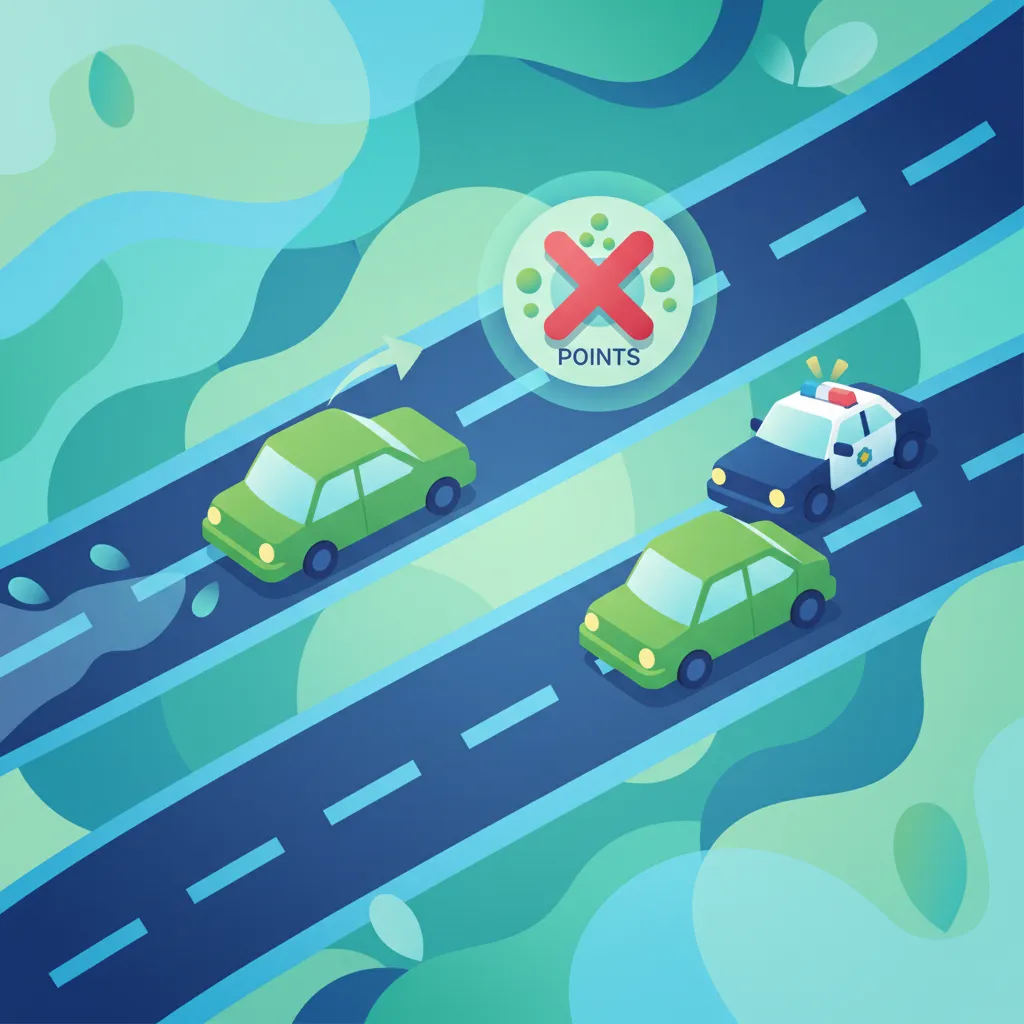
Welcome to this lesson on traffic violations and the points system, a crucial part of your Category AM theory preparation. Understanding the consequences of breaking traffic laws in Sweden, including fines and the demerit points system, is vital not only for passing your theory exam but also for ensuring safe and lawful moped riding. This lesson builds on your knowledge of general traffic rules from previous units, preparing you for more complex scenarios and legal responsibilities.
Lesson content overview
Explore all units and lessons included in this driving theory course.
Explore search topics learners often look for when studying Consequences of Violations and Points System. These topics reflect common questions about road rules, driving situations, safety guidance, and lesson level theory preparation for learners in Sweden.
Browse additional driving theory lessons that cover connected traffic rules, road signs, and common driving situations related to this topic. Improve your understanding of how different rules interact across everyday traffic scenarios.
Understand the Swedish system of fines and demerit points for AM license holders. This lesson details common violations, associated penalties, and the impact of accumulating points on your driving privileges.
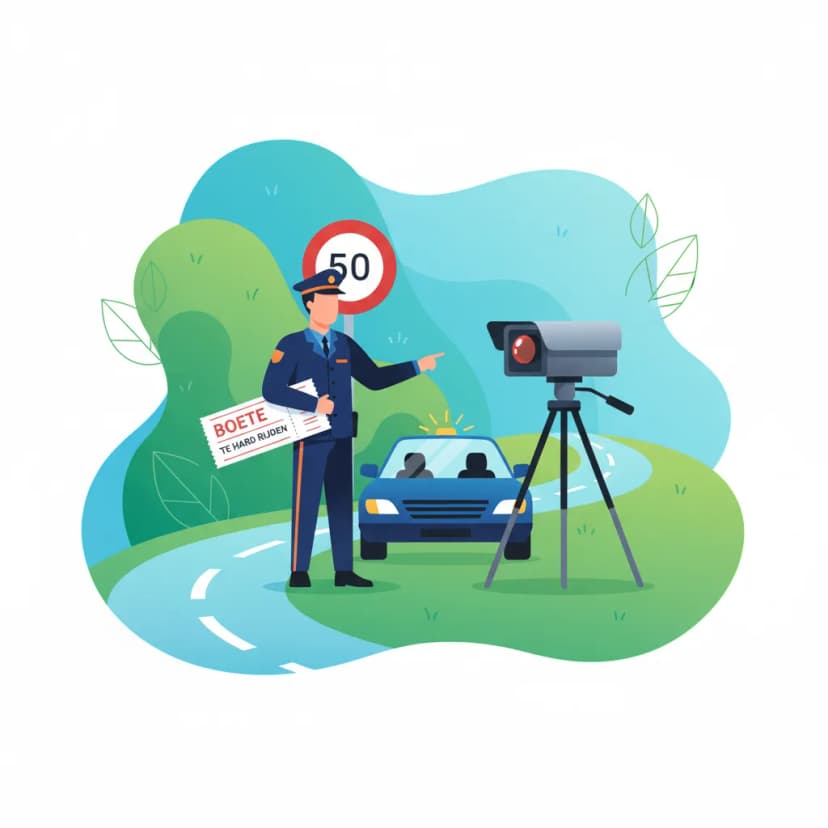
This lesson outlines the enforcement measures and penalties for speeding violations in Sweden. It explains the system of fines, how they escalate based on the severity of the offense, and the potential for receiving demerit points on a license. The content serves as a serious reminder of the legal and financial consequences of speeding, reinforcing the importance of adhering to all speed regulations.
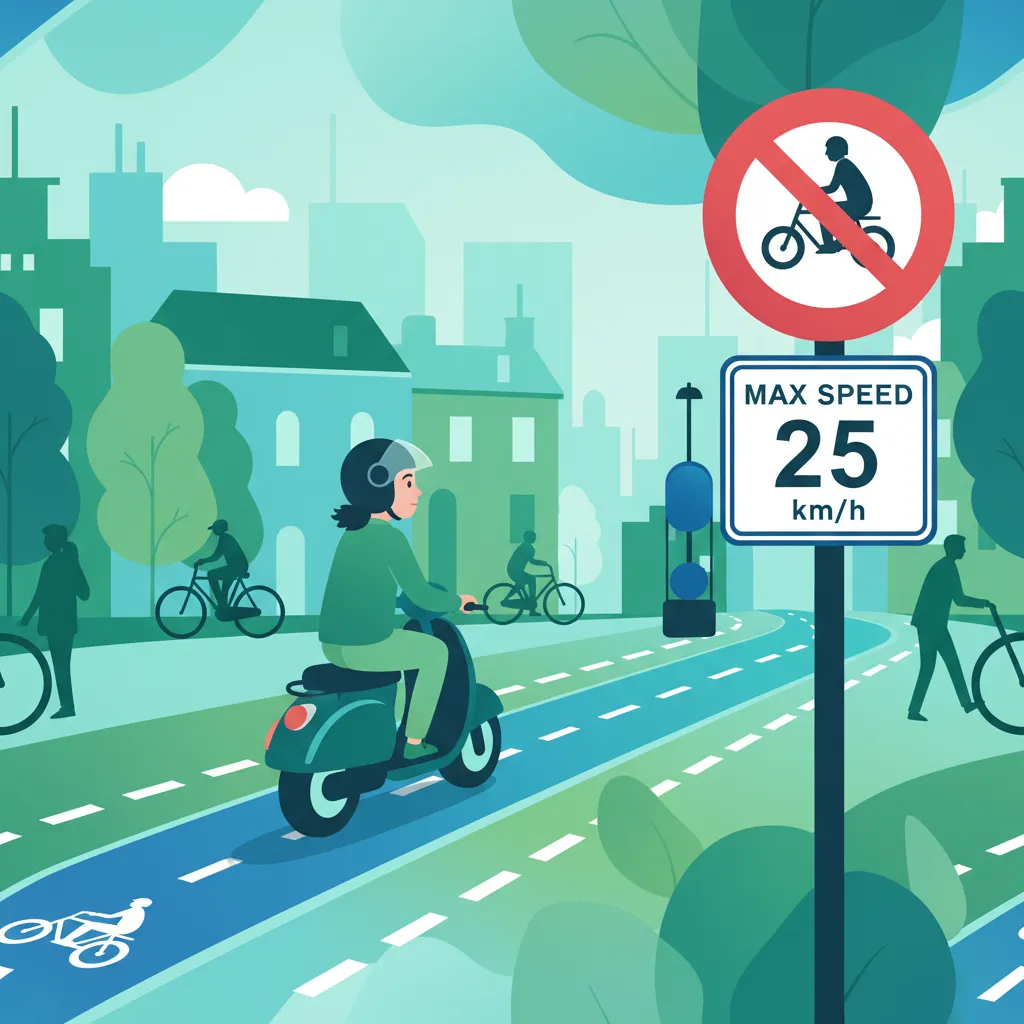
This lesson consolidates the key regulations that apply specifically to moped operation in Sweden. It covers mandatory rules such as speed limits, helmet use, and requirements for vehicle lighting and reflectors. Furthermore, the lesson explains the legal consequences of violations, including the system of fines and potential demerit points, ensuring riders understand their full range of legal responsibilities on the road.
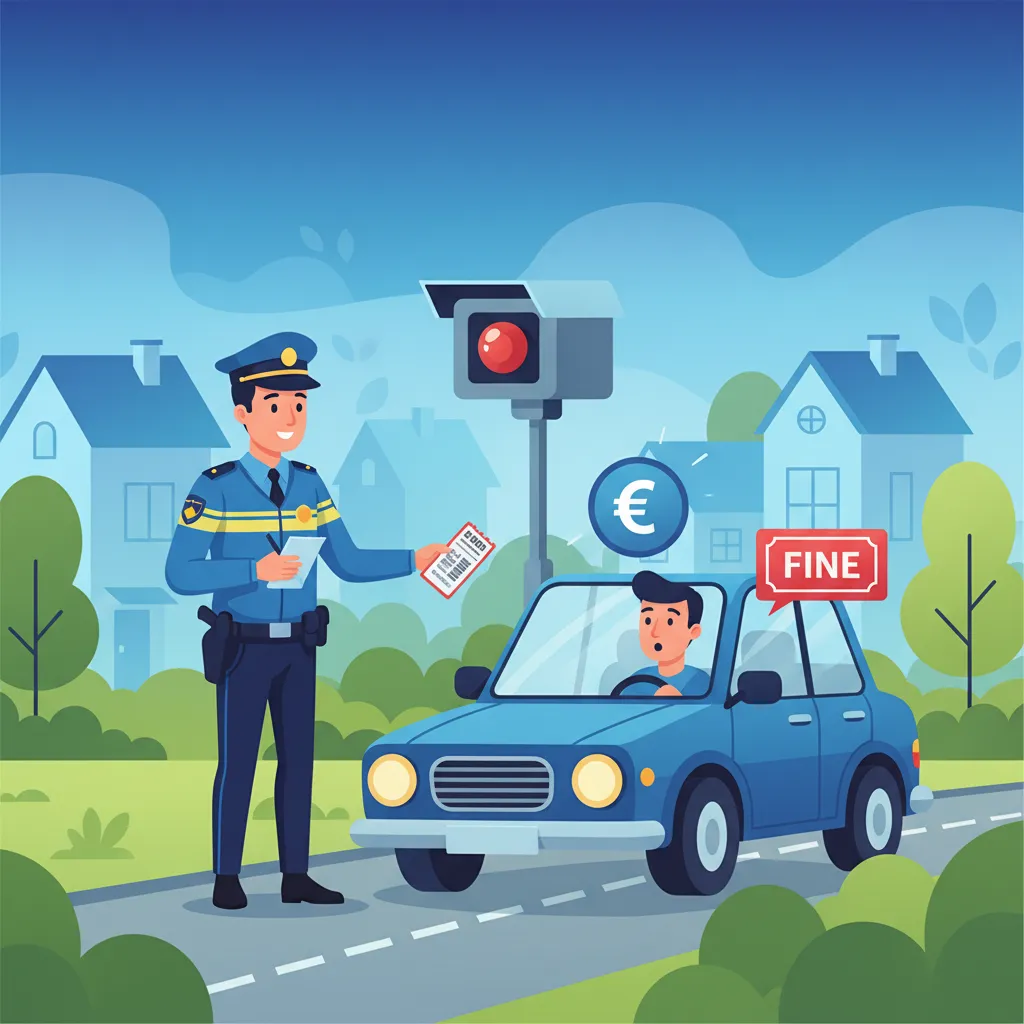
This lesson provides an overview of traffic law enforcement in Sweden, explaining the roles of the police and other authorities. You will learn about the system of penalties for common traffic violations, including the scale of fines (böter) and the conditions under which your license may be suspended. Understanding the legal consequences of unsafe or unlawful riding provides a powerful incentive to always adhere to the rules of the road.
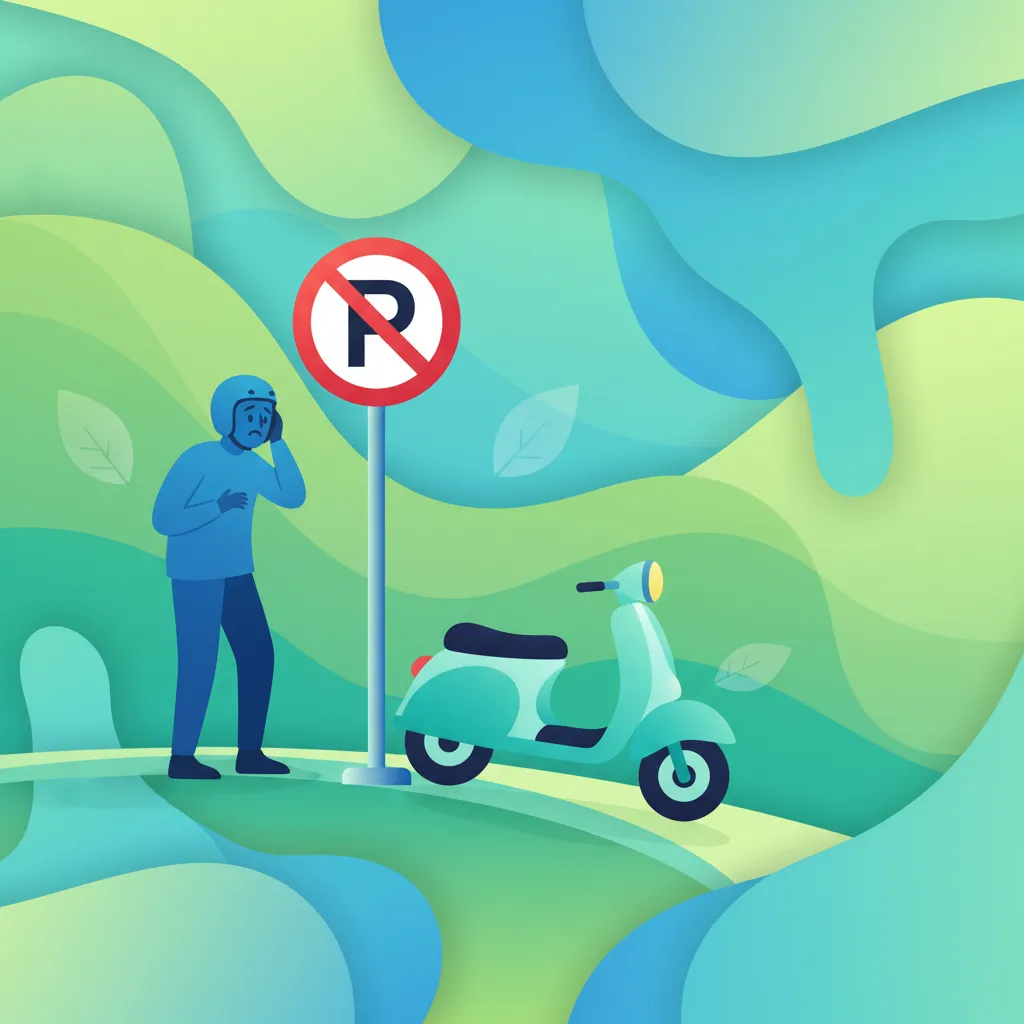
This lesson focuses on the often-confusing topic of moped parking. It covers how to interpret parking signs, including those indicating prohibitions (Parkeringsförbud), and where to find designated parking spots for two-wheelers. The content provides practical advice on where it is legal to park and how to do so without causing an obstruction, thereby avoiding fines.

This lesson clarifies the legal distinction between stopping temporarily and parking. It identifies areas where stopping is prohibited, such as near intersections or on pedestrian crossings, to maintain traffic flow and safety. The content also discusses designated waiting areas at traffic lights, often marked for cyclists and mopeds, which can offer a safer position.
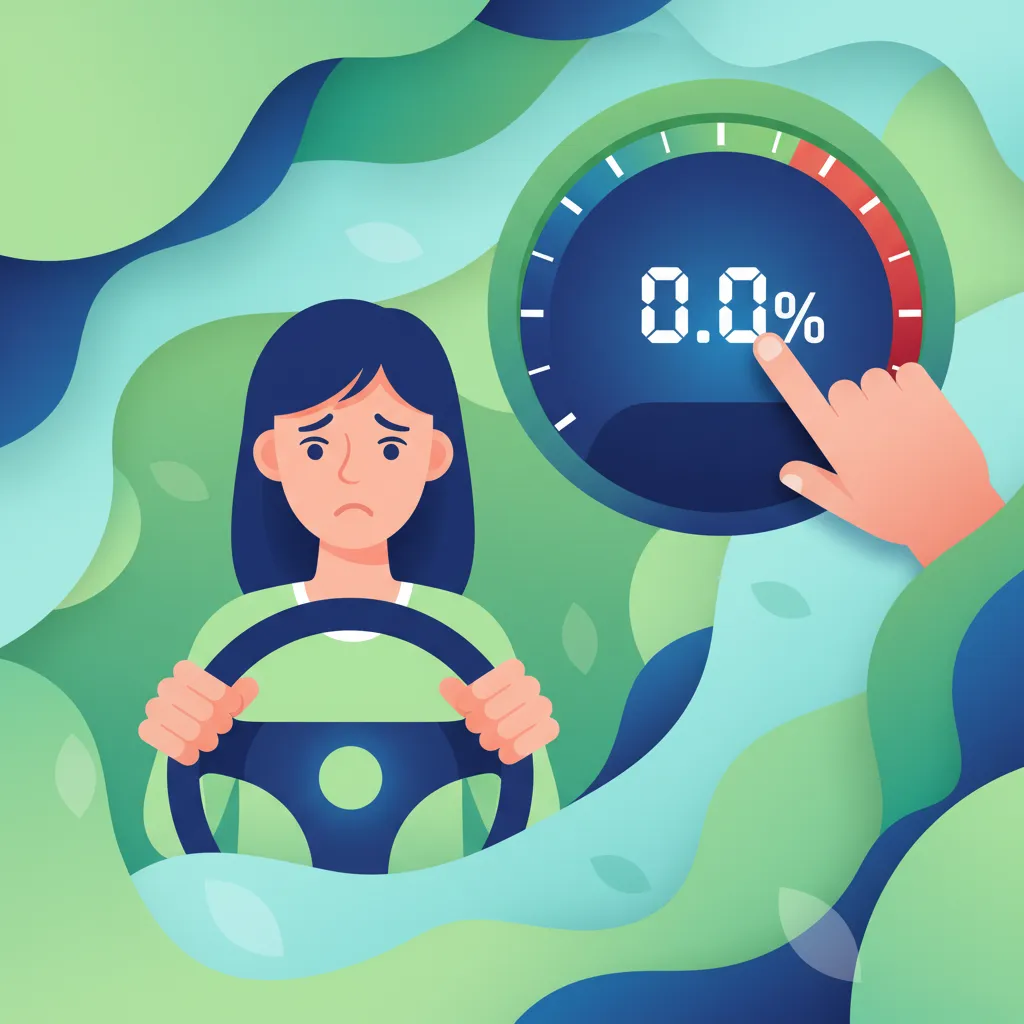
This lesson covers Sweden's stringent 'Nolltolerans' (zero tolerance) laws regarding driving under the influence of alcohol and drugs. It explains the very low legal blood alcohol limits and the severe penalties for violations, which can include heavy fines, license suspension, and even imprisonment. The message is unequivocal: riding and impairment do not mix.

This lesson serves as a summary of the legal requirements for safety equipment in Sweden. It reiterates the mandatory helmet law for both the rider and any passenger. It also touches on the rider's responsibility to ensure the moped itself is legally equipped with functioning lights, brakes, and other essential safety features, linking personal gear with vehicle roadworthiness.
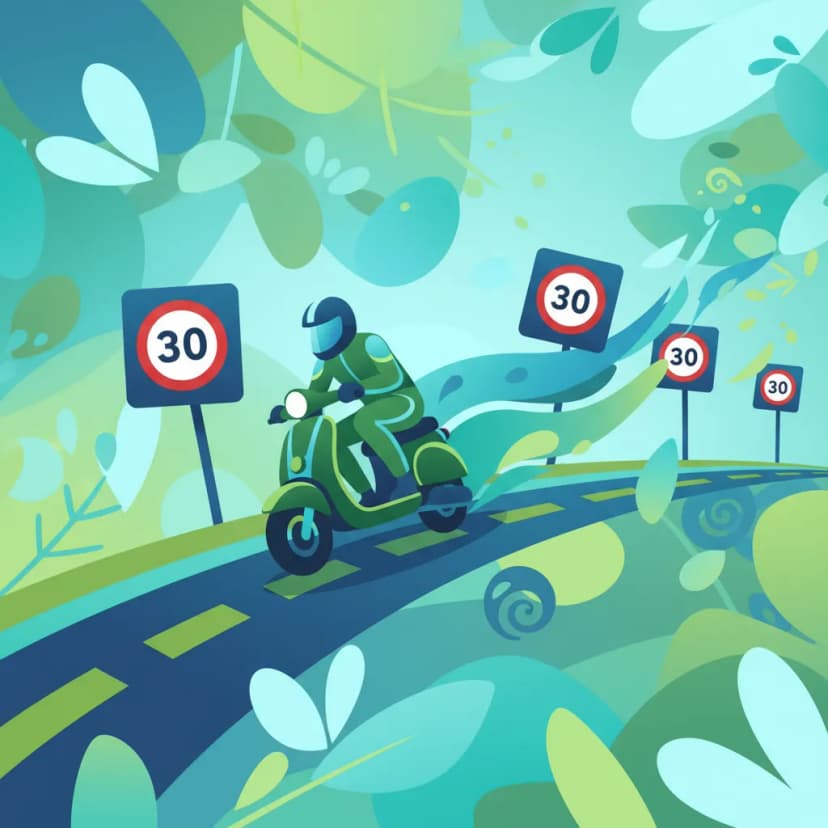
This lesson focuses on the specific speed regulations applicable to Category AM mopeds in Sweden. It emphasizes the absolute maximum legal speed of 45 km/h and explains that riders must always adapt their speed to be lower when conditions require. The content also covers any special, lower speed limits that may apply when riding on designated cycle paths or in shared spaces.
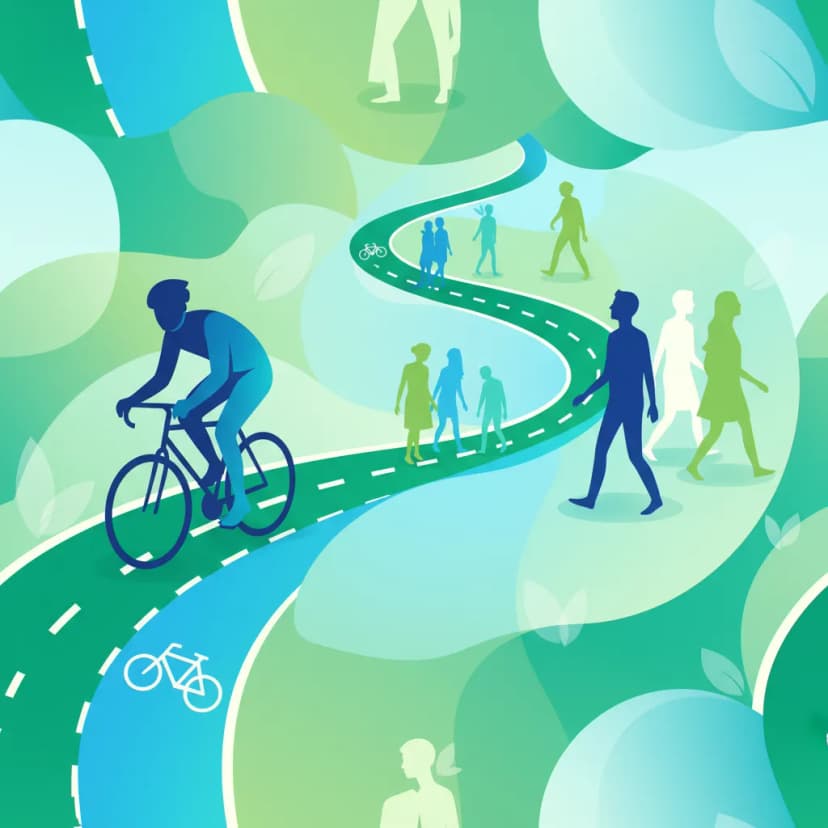
This lesson clarifies the regulations for operating a moped on cycle paths (Cykelbana) and other shared spaces in Sweden. It explains which types of mopeds are permitted on these paths and the specific rules that apply, such as lower speed limits and the duty to yield to cyclists. The content focuses on safe interaction and communication to ensure peaceful coexistence with other users in these environments.
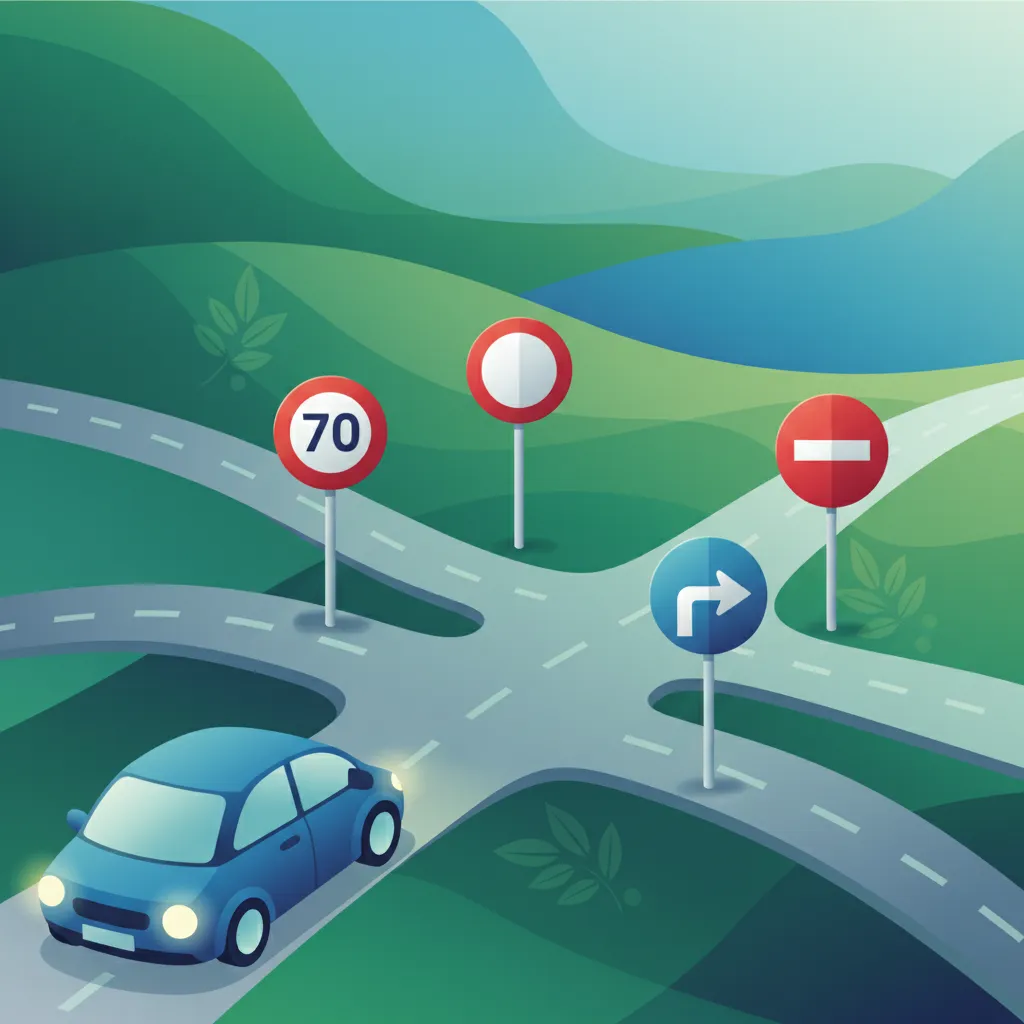
This lesson focuses on regulatory signs (Regulationsskyltar), which issue mandatory instructions and prohibitions that all road users must follow. It details common signs such as speed limits, stop and give way signs, and mandatory direction arrows. Special attention is given to signs directly affecting mopeds, like 'no moped' signs and those indicating designated moped lanes, ensuring riders can navigate legally and safely.
Explore the detailed legal responsibilities of AM license holders in Sweden, focusing on how traffic violations and accumulated demerit points can lead to licence suspension. Learn about 'Nolltolerans' and other key legal aspects.
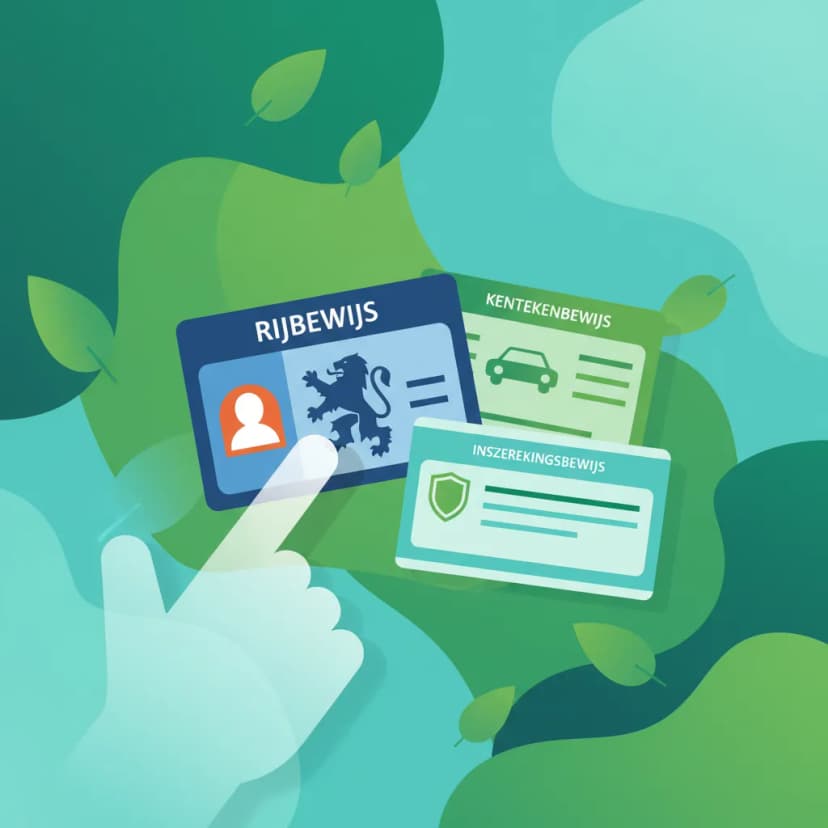
This lesson outlines the essential administrative responsibilities of a moped owner and rider. It covers the legal requirement to have valid third-party liability insurance and to ensure the vehicle is properly registered. The content also reminds riders of the documents they must carry with them at all times, such as their driving license and registration certificate.
This lesson consolidates the key regulations that apply specifically to moped operation in Sweden. It covers mandatory rules such as speed limits, helmet use, and requirements for vehicle lighting and reflectors. Furthermore, the lesson explains the legal consequences of violations, including the system of fines and potential demerit points, ensuring riders understand their full range of legal responsibilities on the road.
This lesson serves as a summary of the legal requirements for safety equipment in Sweden. It reiterates the mandatory helmet law for both the rider and any passenger. It also touches on the rider's responsibility to ensure the moped itself is legally equipped with functioning lights, brakes, and other essential safety features, linking personal gear with vehicle roadworthiness.
This lesson covers Sweden's stringent 'Nolltolerans' (zero tolerance) laws regarding driving under the influence of alcohol and drugs. It explains the very low legal blood alcohol limits and the severe penalties for violations, which can include heavy fines, license suspension, and even imprisonment. The message is unequivocal: riding and impairment do not mix.
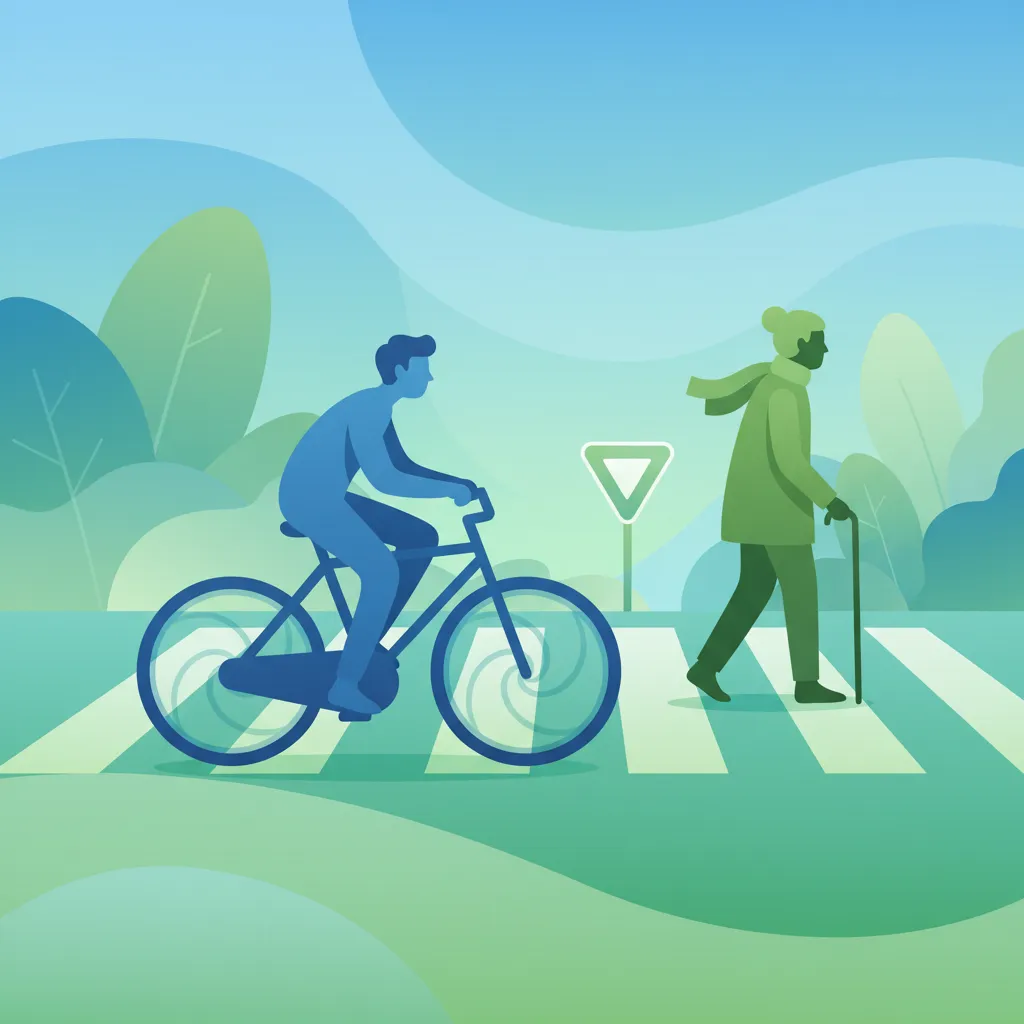
This lesson moves beyond legal requirements to discuss the importance of ethical and courteous riding. It encourages riders to be patient, considerate of others, and aware of their impact on the community, for example, by minimizing noise. This fosters a positive public image of moped riders and contributes to a safer and more pleasant environment for everyone.
This lesson clarifies the regulations for operating a moped on cycle paths (Cykelbana) and other shared spaces in Sweden. It explains which types of mopeds are permitted on these paths and the specific rules that apply, such as lower speed limits and the duty to yield to cyclists. The content focuses on safe interaction and communication to ensure peaceful coexistence with other users in these environments.
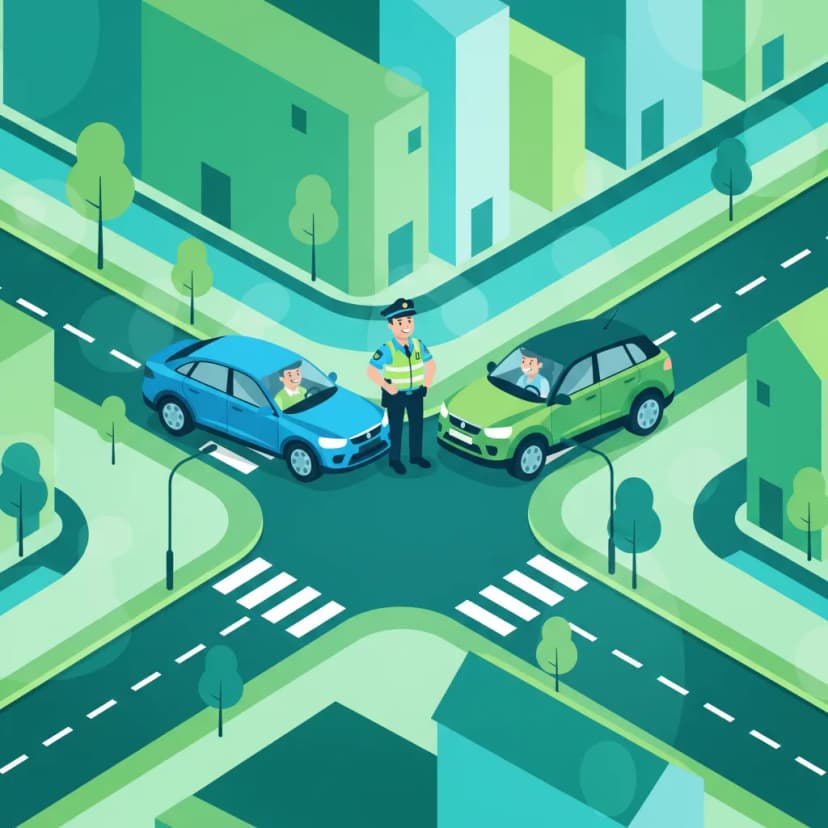
This lesson explains the legal requirements in Sweden for reporting a traffic accident to the police (Polisanmälan). It clarifies in which situations a report is mandatory, such as when there are injuries or significant property damage. The content guides learners on the information they will need to provide for the report and for subsequent insurance claims.
This lesson clarifies the legal distinction between stopping temporarily and parking. It identifies areas where stopping is prohibited, such as near intersections or on pedestrian crossings, to maintain traffic flow and safety. The content also discusses designated waiting areas at traffic lights, often marked for cyclists and mopeds, which can offer a safer position.
This lesson outlines the enforcement measures and penalties for speeding violations in Sweden. It explains the system of fines, how they escalate based on the severity of the offense, and the potential for receiving demerit points on a license. The content serves as a serious reminder of the legal and financial consequences of speeding, reinforcing the importance of adhering to all speed regulations.

This lesson clarifies the precise technical parameters that define a Category AM vehicle under Swedish law, including the maximum 50cc engine displacement and 45 km/h speed limit. It explains how these specifications determine which roads mopeds can legally access, distinguishing between urban streets and prohibited motorways. Learners will also understand the importance of vehicle identification and registration documents for ensuring legal compliance.
Find clear answers to common questions learners have about Consequences of Violations and Points System. Learn how the lesson is structured, which driving theory objectives it supports, and how it fits into the overall learning path of units and curriculum progression in Sweden. These explanations help you understand key concepts, lesson flow, and exam focused study goals.
'Nolltolerans' means zero tolerance for alcohol and drugs while riding. Even very small amounts of alcohol or certain drugs can lead to severe penalties, including hefty fines, demerit points, and potentially loss of your moped license.
Traffic fines in Sweden are issued for specific violations like speeding, running red lights, or improper parking. The amount of the fine is usually fixed for certain offenses but can vary based on the severity and circumstances, with a portion often going to the Traffic Accident Fund.
Demerit points, or 'prickar', are added to your record for serious traffic violations. Accumulating a certain number of points within a specific timeframe can lead to a temporary suspension or revocation of your driving license, including your AM license.
While minor offenses like parking violations typically result in fines, more serious infractions such as speeding significantly over the limit, reckless driving, or driving under the influence will incur demerit points in addition to fines.
You must always carry your valid AM driving license, proof of vehicle registration (registreringsbevis), and valid traffic insurance (trafikförsäkring). Failure to have these documents can result in fines.
Demerit points for traffic violations typically remain on your record for two years from the date of the offense. If you commit another serious offense during this period, the points might be considered when determining penalties.