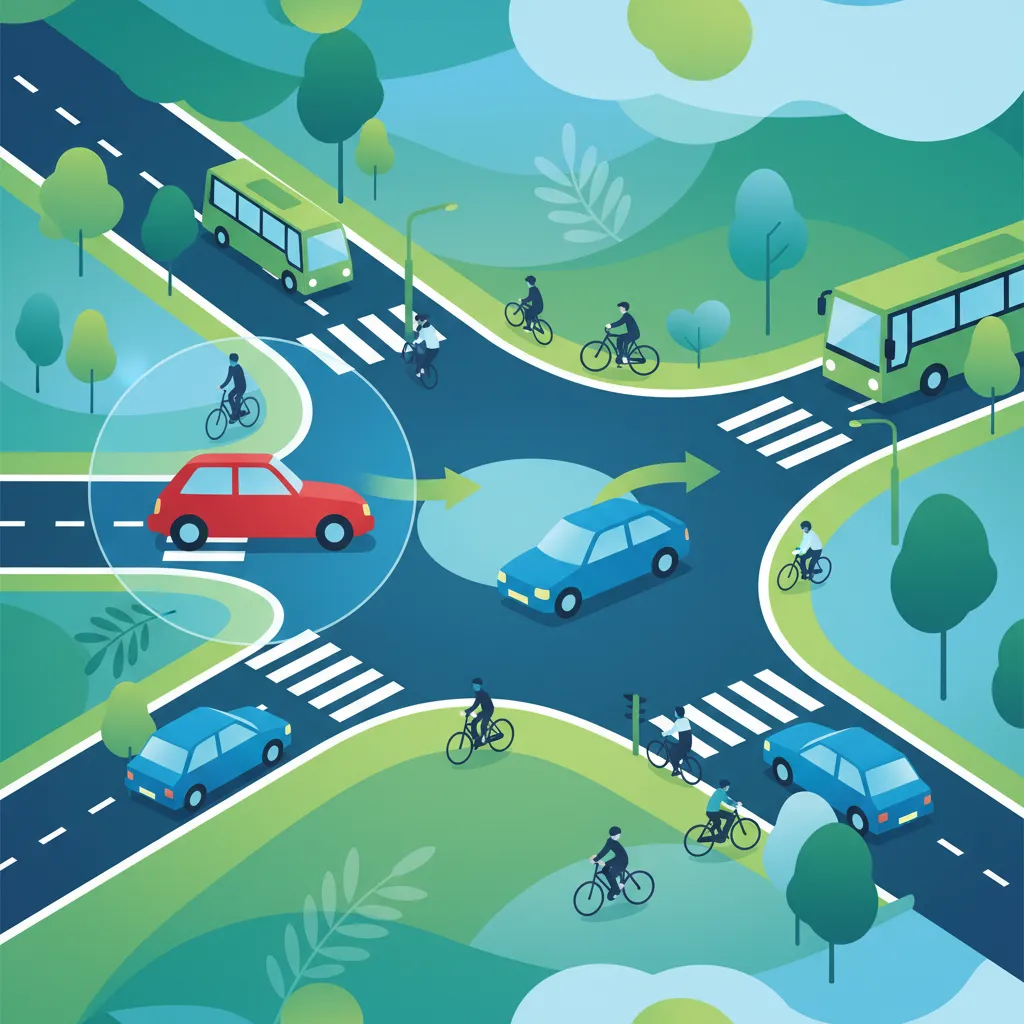
Welcome to the foundational lesson on priority rules for your Swedish Category B driving licence. This session focuses on the general right-hand rule, or 'högerregeln', the default principle for determining right-of-way at Swedish intersections. Mastering this rule is crucial for safe navigation and passing your theory exam.
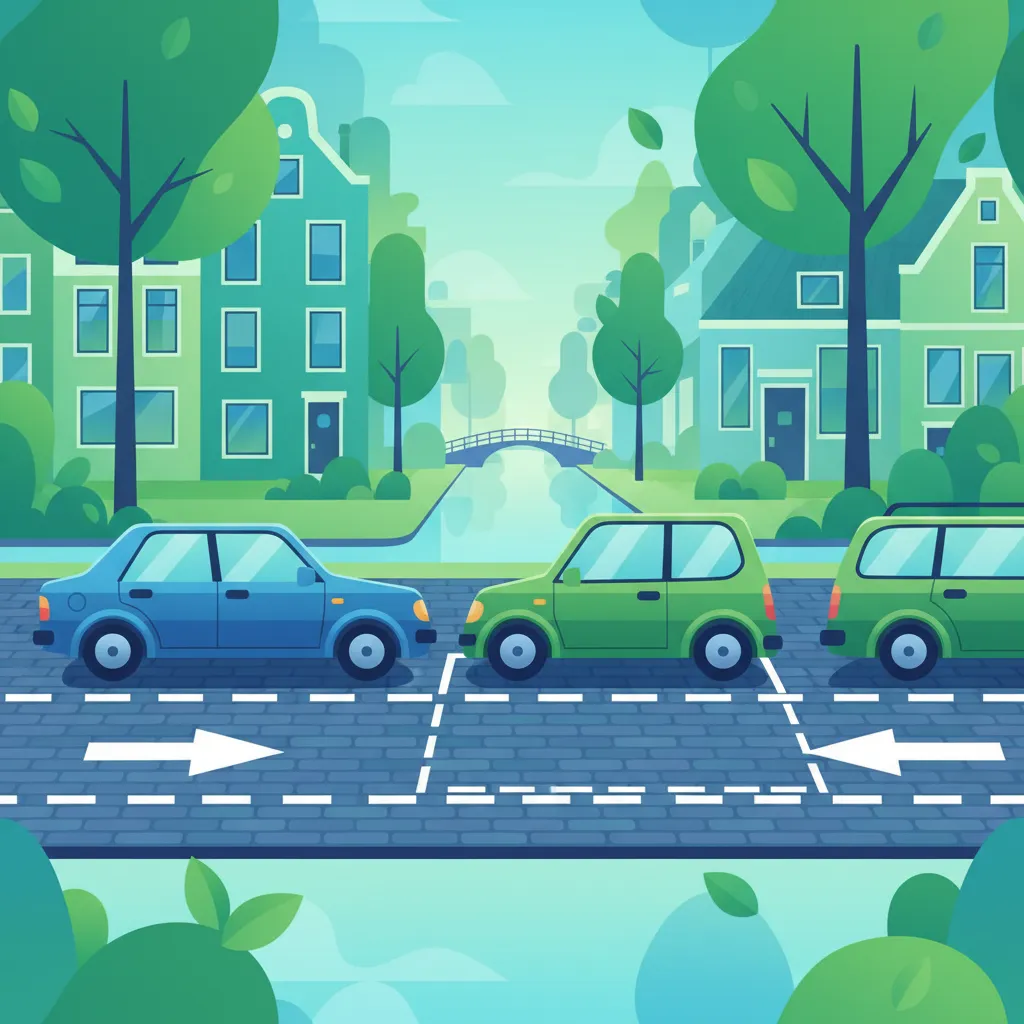
Navigating Swedish roads safely and confidently requires a thorough understanding of its fundamental traffic rules. Among these, the "General Right-of-Way" rule, known as Högerregeln (the right-hand rule), is paramount. This foundational principle dictates who has priority at intersections and other traffic situations where no explicit signs, signals, or road markings are present. Mastering Högerregeln is not just about passing your Swedish Driving License Theory Course for Category B Cars; it's essential for preventing accidents, ensuring smooth traffic flow, and protecting all road users.
This lesson will delve into the core principles of Högerregeln, clarify where it applies, and crucially, explain the various exceptions and special circumstances that override it. You will learn to identify uncontrolled intersections, understand your obligations towards vulnerable road users, and apply the rule effectively in diverse driving environments, from bustling urban areas to quieter rural roads.
At its heart, Högerregeln is a simple yet vital traffic regulation. It establishes a default hierarchy for intersections that lack specific traffic control devices.
The Swedish right-hand rule: at any intersection or point where traffic paths cross without explicit signs, signals, or road markings, a driver must give way to any vehicle approaching from the driver’s right.
This rule ensures that in the absence of other directives, there is a clear, predictable order for traffic. Its primary purpose is to enhance safety by reducing confusion and the risk of collisions, particularly side-impact accidents which can be very severe. By universally applying this principle, all drivers can anticipate the behavior of others, leading to more predictable and safer traffic interactions.
When you approach an intersection where no signs or signals dictate priority, your immediate action should be to scan for traffic approaching from your right. If there is a vehicle, you must reduce your speed, be prepared to stop, and allow that vehicle to proceed before you enter the intersection. Only when the path from your right is clear should you continue.
Högerregeln is specifically designed for situations where other traffic control methods are absent. These are known as uncontrolled intersections.
An intersection where no traffic signs (e.g., stop, yield, priority road), traffic lights, or road markings (e.g., "STOPP" lines, yield triangles) explicitly define which driver has priority.
You are most likely to encounter uncontrolled intersections in the following environments:
The practical meaning of this is clear: drivers must consciously look to their right first. Adjusting your speed is crucial; you should slow down sufficiently to be able to stop safely if a vehicle is approaching from your right. Failing to do so can lead to dangerous situations and collisions.
While Högerregeln is a fundamental rule, it is not universally applied. Many other traffic control devices and road designs exist specifically to override this default principle. This is known as Traffic Control Supersession.
Any explicit traffic sign, signal, road marking, or engineered priority measure that defines right-of-way and overrides the default Högerregeln.
It is critical for drivers to always identify and obey these control devices before resorting to Högerregeln. Ignoring them can have severe consequences, as they are often placed for safety or to manage high-traffic volumes.
Specific signs are designed to clarify priority at intersections, regardless of the direction of approaching traffic.
Roundabouts operate under a specific priority rule that supersedes Högerregeln. In Sweden, the general rule is to yield to traffic already in the roundabout. This means you must give way to any vehicles approaching from your left that are already circulating within the roundabout. The right-hand rule does not apply here.
A critical aspect of Högerregeln and general road safety in Sweden is the special consideration given to Vulnerable Road Users (VRUs). These include pedestrians, cyclists, motorcyclists, and persons using electric scooters (elscootrar). While Högerregeln applies to them as vehicles when they are on the road, drivers have an additional legal obligation to exercise extreme care to avoid endangering them.
Always maintain extra vigilance for vulnerable road users. Their smaller size, less predictable movements, and lack of protective barriers mean they are at much greater risk in a collision. Your duty to avoid endangering them often extends beyond simply applying the right-hand rule.
The principles governing right-of-way in Sweden, including Högerregeln and its exceptions, are enshrined in Swedish traffic law, primarily the Trafikförordning (Traffic Ordinance) and the Vägmärkesförordningen (Road Sign Ordinance).
Understanding these legal foundations reinforces why these rules are non-negotiable and how they contribute to overall road safety.
Despite its clear definition, Högerregeln is frequently misunderstood or violated, leading to dangerous situations and accidents. Awareness of these common pitfalls can significantly improve your safety.
Applying Högerregeln isn't a static process; it requires adaptation based on driving conditions and context.
Never assume the other driver will yield or obey the rule. Always drive defensively, expecting the unexpected, and be prepared to react safely even if another driver makes a mistake.
The effectiveness of Högerregeln, like any traffic rule, hinges on drivers' ability to observe their surroundings and manage risks.
Högerregeln is more than just a rule; it's a core component of defensive driving in Sweden. By understanding its application, its exceptions, and the reasoning behind it, you equip yourself with the knowledge to navigate intersections safely and confidently.
This understanding is foundational for the entire Swedish Driving License Theory Course for Category B Cars and will serve you well as you encounter more complex priority situations, learn advanced maneuvering, and drive in various environments. Your mastery of Högerregeln is a direct step towards becoming a responsible, safe, and confident driver on Swedish roads.
Lesson content overview
Explore all units and lessons included in this driving theory course.
Explore search topics learners often look for when studying General Right-of-Way (Högerregeln). These topics reflect common questions about road rules, driving situations, safety guidance, and lesson level theory preparation for learners in Sweden.
Browse additional driving theory lessons that cover connected traffic rules, road signs, and common driving situations related to this topic. Improve your understanding of how different rules interact across everyday traffic scenarios.
Explore situations where the default 'högerregeln' (right-hand rule) does not apply in Sweden. Learn about signs, signals, and specific road types that override the general priority rule at intersections, essential for safe Swedish driving theory.
This lesson covers the general, nationwide rules that govern where you may and may not park or stop, even without specific signs. You will learn about the prohibitions on stopping near intersections, on pedestrian crossings, and at bus stops. The content clarifies the legal definitions and provides clear guidelines on maintaining safe distances and ensuring that your parked vehicle does not obstruct traffic or create a hazard.
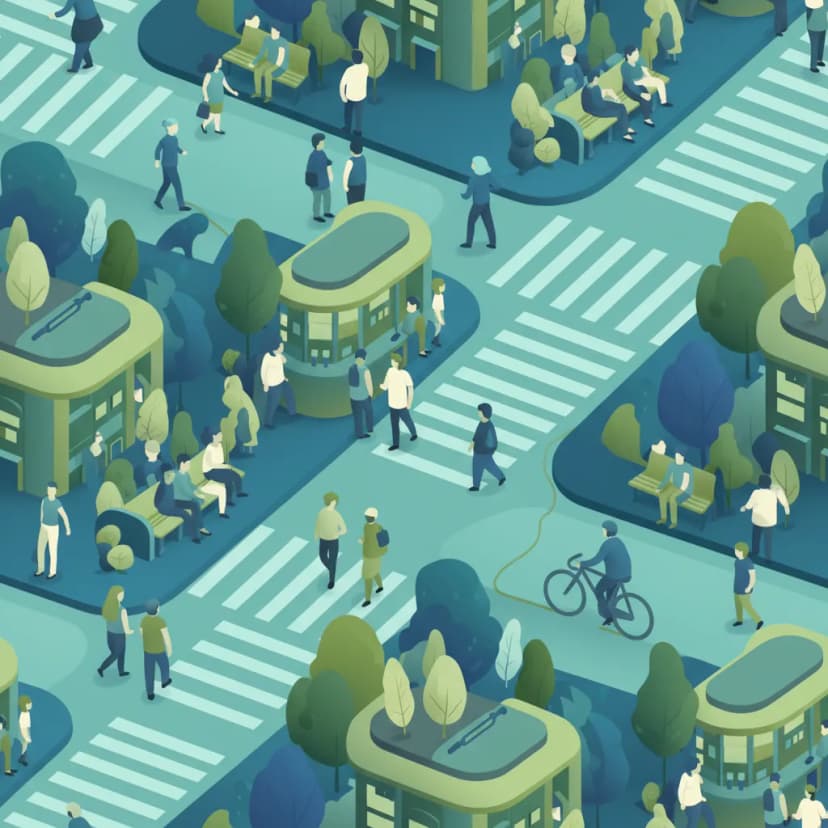
This lesson details a driver's responsibility towards pedestrians. You will learn the strict rule of yielding to pedestrians who are on or about to enter a marked, uncontrolled crosswalk. The content also covers the specific, highly restrictive rules for driving in designated pedestrian zones (gågata) and 'walking speed' areas (gångfartsområde), where pedestrians have complete priority and vehicle traffic is severely limited.
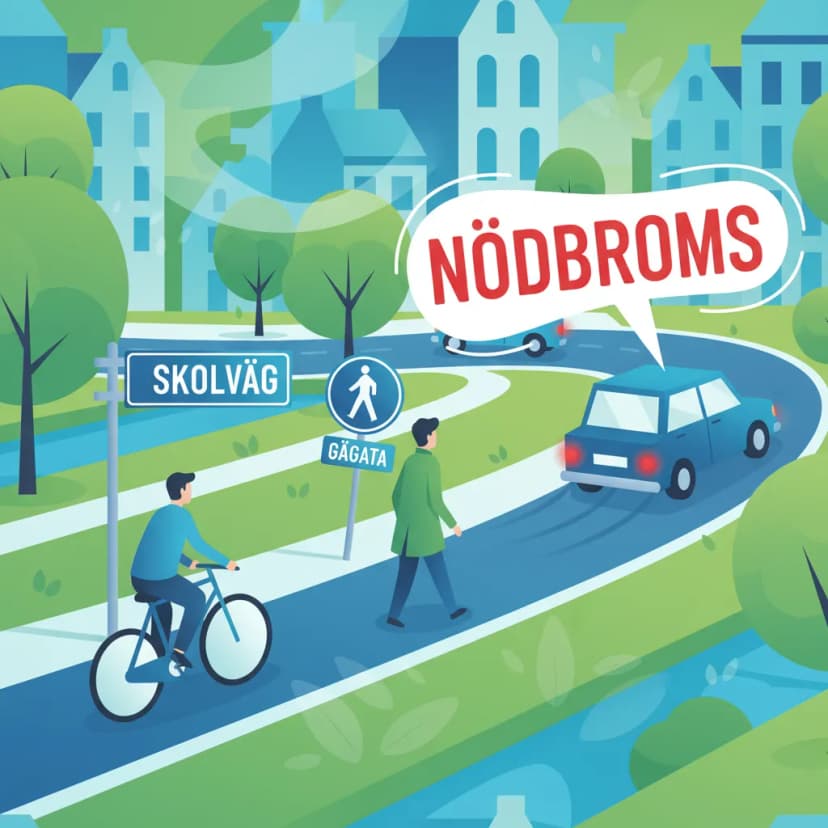
This lesson examines a variety of special situations where standard priority rules are modified. You will learn about the 'exit rule' (utfartsregeln) when entering a road from property, your duty to yield to buses indicating a departure from a stop, and the specific rules for pedestrian-only streets (gågata). The content also covers interactions with trams, emergency vehicles, and procedures at railway crossings, highlighting situations that demand maximum vigilance.
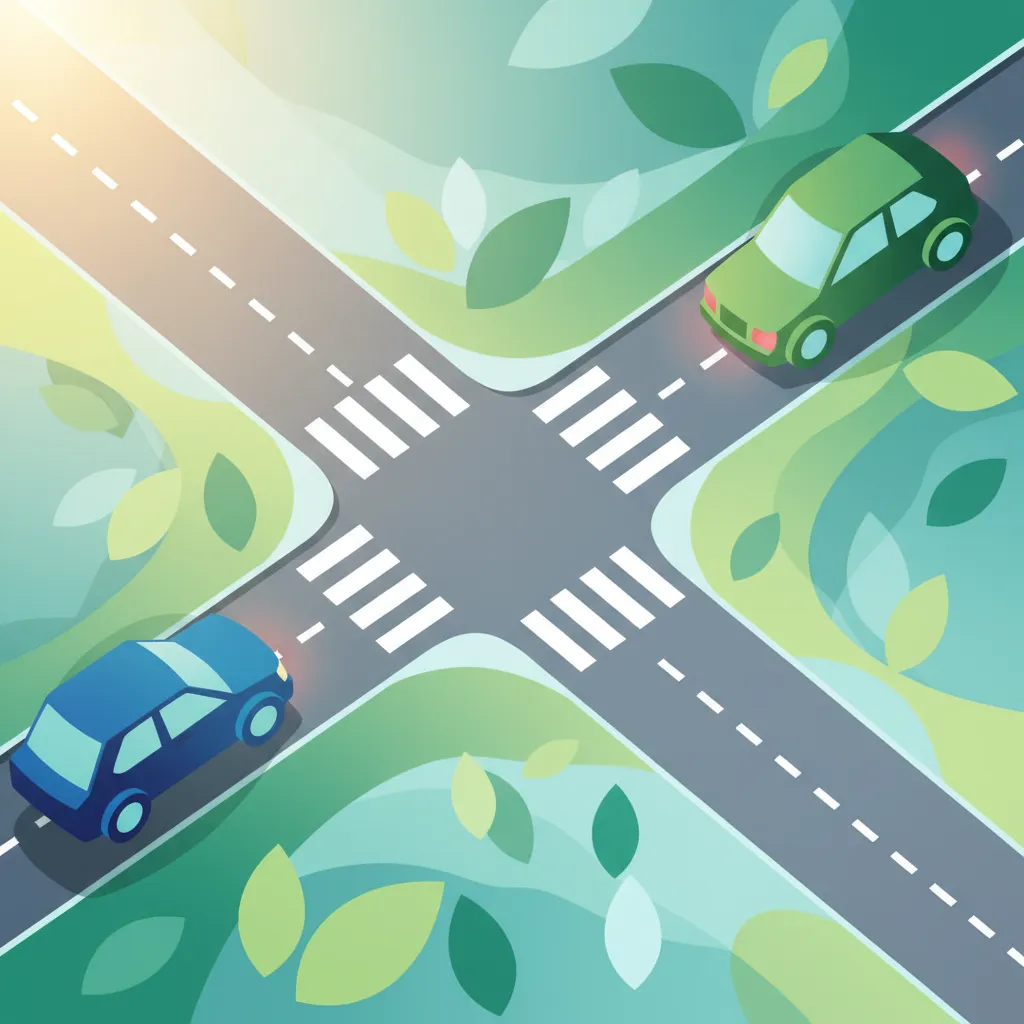
This lesson explains the two core principles of priority in Swedish traffic law: the right-hand rule (Högerregeln) and the duty to yield (Väjningsplikt). You will learn how to apply the right-hand rule at uncontrolled intersections and when to yield to other traffic as indicated by signs or road markings. Understanding this fundamental hierarchy is crucial for making correct and safe decisions in a wide variety of common traffic situations you will face as a motorcyclist.
This lesson introduces the core principles of right-of-way in Sweden, including the general duty to give way (Väjningsplikt) and the stricter stop duty (Stopplikt). It explains the concept of a priority road and how to apply the right-hand rule at uncontrolled intersections. By understanding this legal framework, riders can determine who has priority in any given situation and act predictably and safely.
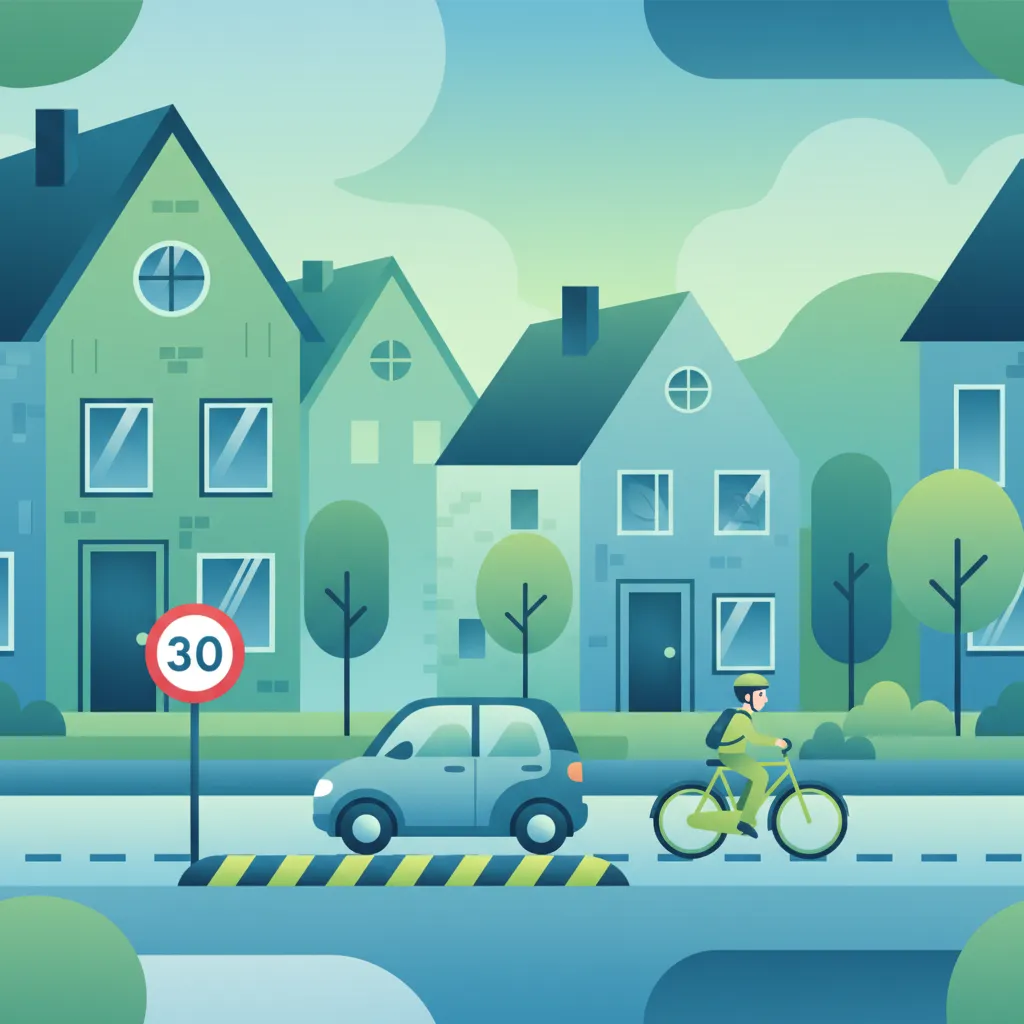
This lesson focuses on the high level of caution required when driving in residential areas. You will learn about the rules for special zones like 'gångfartsområde' (walking speed area) and the need to navigate around speed calming measures like speed bumps. The central theme is anticipating unpredictable behavior from residents, especially children, and managing the risks posed by parked cars that severely limit visibility.
This lesson covers parking areas that are reserved for specific purposes or permit holders. The primary focus is on spaces designated for people with disabilities, explaining the requirement of a valid permit. It also addresses other restricted areas such as residential parking zones (boendeparkering), loading zones, and areas that must be kept clear for emergency vehicles, highlighting the legal and ethical reasons for respecting these designations.

This lesson provides a complete guide to motorway driving in Sweden. You will learn the correct procedures for merging from an on-ramp, maintaining proper lane discipline by keeping right unless overtaking, and exiting safely via off-ramps. The content emphasizes the importance of maintaining large safety margins at high speeds, checking blind spots thoroughly before any lane change, and knowing the correct safety procedures in case of a breakdown.
This lesson focuses on regulated intersections where priority is determined by signs indicating a main road (huvudled), a duty to yield (väjningsplikt), or a duty to stop (stopplikt). You will learn how to identify which road has priority and your legal obligation to give way to all traffic on that road before proceeding. The lesson covers proper procedures for approaching these junctions, assessing traffic, and entering the main road safely.
This lesson focuses on the unique challenges of driving in urban environments. You will learn techniques for anticipating the actions of vulnerable road users like pedestrians and cyclists, especially near crossings and bus stops. The content covers how to navigate narrow streets, one-way systems, and areas with heavy traffic, emphasizing the need for lower speeds, heightened awareness, and a defensive mindset.
Gain a comprehensive understanding of priority rules at different types of intersections in Sweden, beyond the basic 'högerregeln'. This lesson covers how signs, road markings, and traffic signals dictate priority, crucial for safe Category B driving.
This lesson focuses on regulated intersections where priority is determined by signs indicating a main road (huvudled), a duty to yield (väjningsplikt), or a duty to stop (stopplikt). You will learn how to identify which road has priority and your legal obligation to give way to all traffic on that road before proceeding. The lesson covers proper procedures for approaching these junctions, assessing traffic, and entering the main road safely.
This lesson explains the two core principles of priority in Swedish traffic law: the right-hand rule (Högerregeln) and the duty to yield (Väjningsplikt). You will learn how to apply the right-hand rule at uncontrolled intersections and when to yield to other traffic as indicated by signs or road markings. Understanding this fundamental hierarchy is crucial for making correct and safe decisions in a wide variety of common traffic situations you will face as a motorcyclist.
This lesson introduces the core principles of right-of-way in Sweden, including the general duty to give way (Väjningsplikt) and the stricter stop duty (Stopplikt). It explains the concept of a priority road and how to apply the right-hand rule at uncontrolled intersections. By understanding this legal framework, riders can determine who has priority in any given situation and act predictably and safely.
This lesson provides detailed guidance on navigating complex traffic points such as signalized intersections, multi-lane roundabouts, and pedestrian crossings. You will learn the correct procedures for entering and exiting roundabouts, the specific rules for yielding to pedestrians and cyclists at designated crossings, and how to interpret complex traffic light signals. These skills are vital for safe urban and suburban riding, where interaction with vulnerable road users is frequent.
This lesson examines a variety of special situations where standard priority rules are modified. You will learn about the 'exit rule' (utfartsregeln) when entering a road from property, your duty to yield to buses indicating a departure from a stop, and the specific rules for pedestrian-only streets (gågata). The content also covers interactions with trams, emergency vehicles, and procedures at railway crossings, highlighting situations that demand maximum vigilance.

This lesson details the specific priority rules at pedestrian and tram crossings (Spårvagnskorsning). It reinforces the legal obligation for moped riders to stop for pedestrians at marked zebra crossings and explains that trams almost always have priority. Learners will understand the importance of approaching these crossings with caution, scanning for hazards, and being prepared to stop.
This lesson details a driver's responsibility towards pedestrians. You will learn the strict rule of yielding to pedestrians who are on or about to enter a marked, uncontrolled crosswalk. The content also covers the specific, highly restrictive rules for driving in designated pedestrian zones (gågata) and 'walking speed' areas (gångfartsområde), where pedestrians have complete priority and vehicle traffic is severely limited.
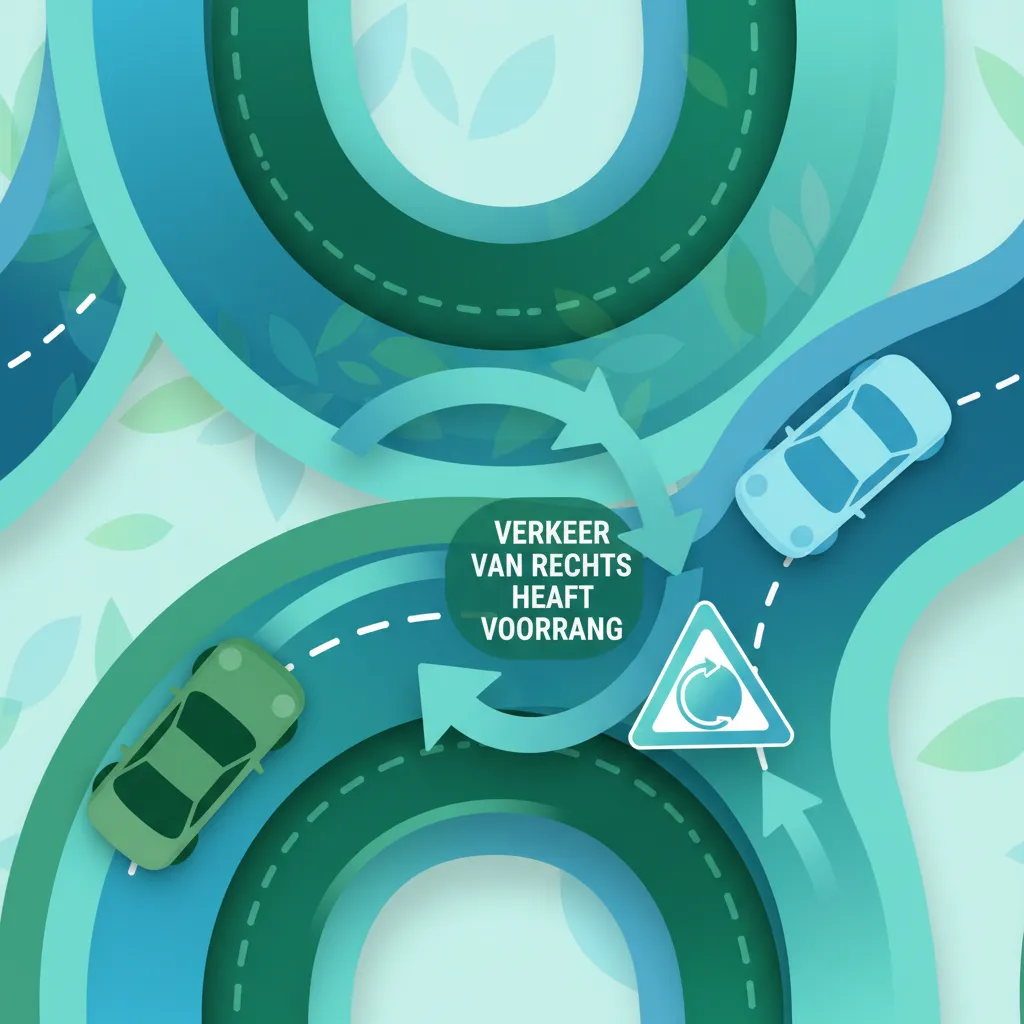
This lesson covers the critical maneuvers of overtaking and merging, which require precise judgment and communication. You will learn how to assess traffic speed and gaps, the importance of checking blind spots, and the correct use of signals to indicate your intentions. The content includes procedures for merging onto motorways from an on-ramp and how to perform safe overtaking maneuvers on various types of roads, minimizing risk to yourself and others.
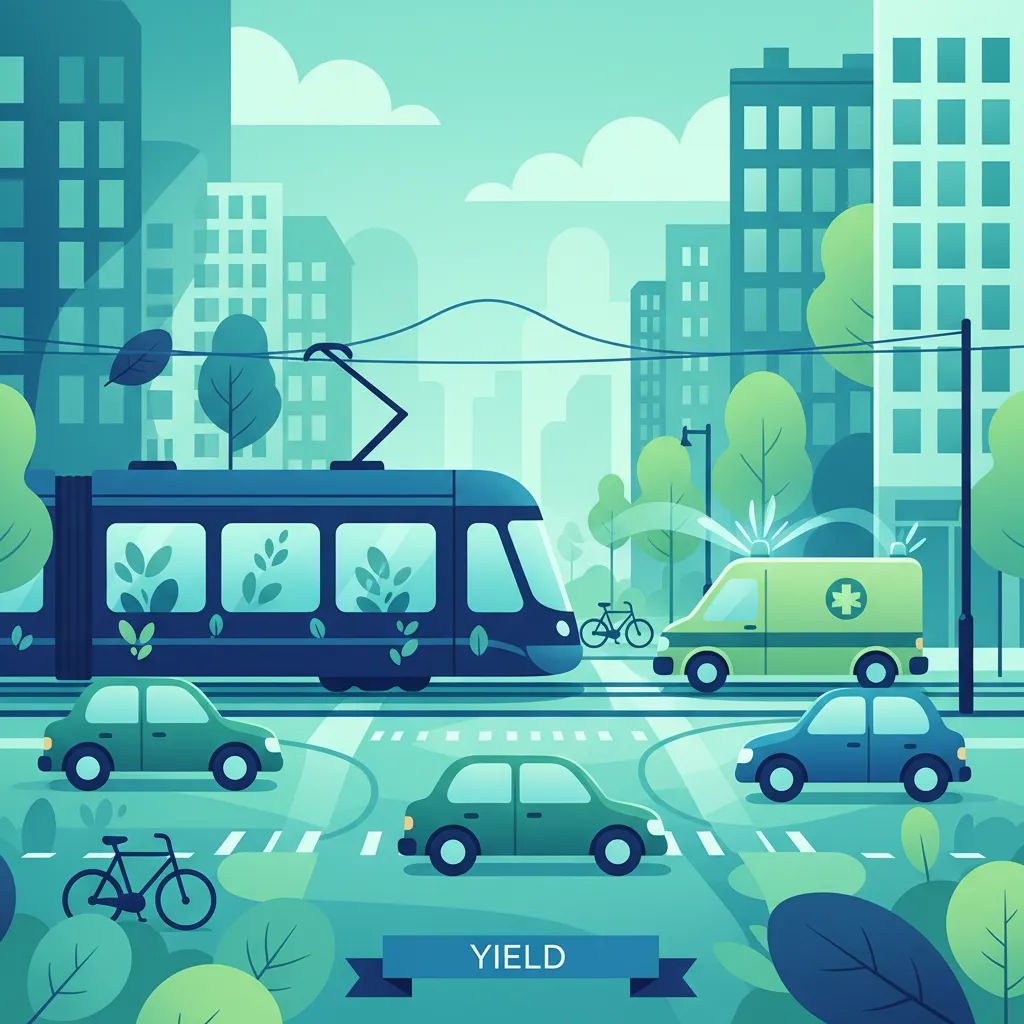
This lesson explains a motorcyclist's legal duty when encountering emergency vehicles with active sirens and lights. You will learn the correct procedure for yielding the right-of-way by safely pulling over and stopping. Additionally, the lesson covers the rules and best practices for sharing the road with public transport like buses and trams, including navigating around bus stops and respecting dedicated lanes, to ensure safety for all road users.
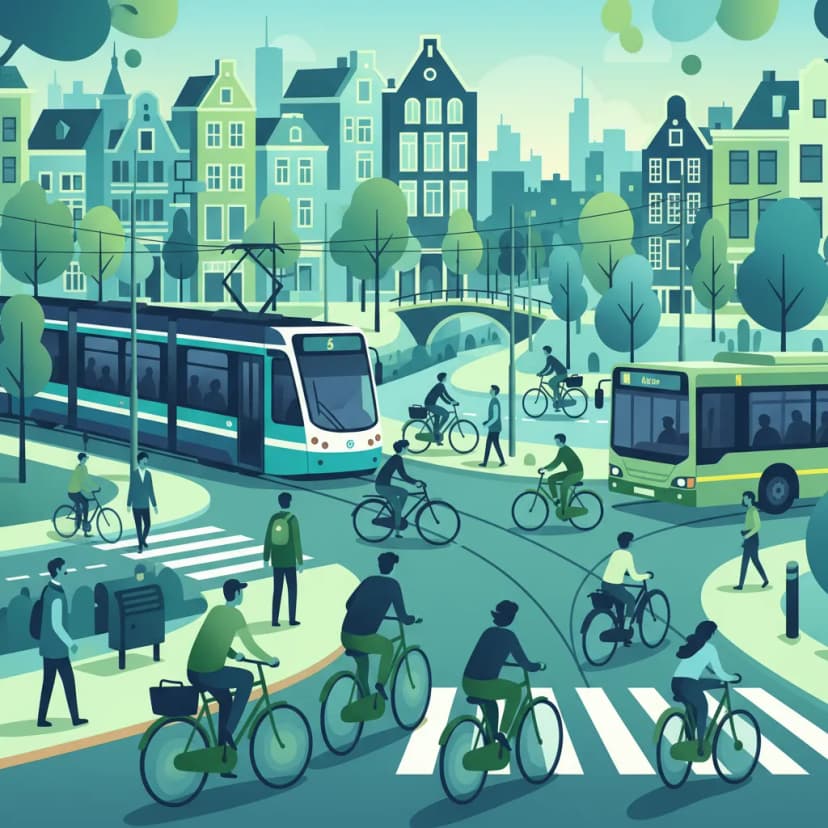
This lesson explains the specific traffic rules related to public transport vehicles. You will learn about your duty to yield to buses signaling to leave a stop (on roads with a speed limit of 50 km/h or less) and the fact that trams generally have priority. The lesson covers how to safely pass stopped buses and trams, being mindful of disembarking passengers who may cross the road unexpectedly.
Find clear answers to common questions learners have about General Right-of-Way (Högerregeln). Learn how the lesson is structured, which driving theory objectives it supports, and how it fits into the overall learning path of units and curriculum progression in Sweden. These explanations help you understand key concepts, lesson flow, and exam focused study goals.
The 'högerregeln' is the general right-hand rule, meaning that at an intersection where no other traffic signs, signals, or road markings dictate priority, you must always yield to vehicles approaching from your right. It's the default rule in Sweden.
The 'högerregeln' commonly applies in residential areas, on smaller unmarked roads, and in situations where there are no priority signs or traffic lights. Always look for signs that override this rule.
The 'högerregeln' does not apply if there are traffic signals (lights), stop signs (stopplikt), give way signs (väjningsplikt), or if you are entering a road with a general priority right (e.g., a main road indicated by a yellow diamond sign). Also, vehicles already in a roundabout have priority.
The 'högerregeln' does NOT apply when entering a roundabout. Traffic already inside the roundabout always has priority. You must yield to them before entering.
Yes, failing to adhere to the 'högerregeln' when it applies is a violation of traffic law. It can result in a fine and is a common area for incorrect answers in the Swedish driving theory test, potentially leading to a failed exam.