Welcome to the core of safe motorcycle navigation in Sweden! This lesson dives into the fundamental priority rules: the general right-hand rule (Högerregeln) and the duty to yield (Väjningsplikt). Understanding these principles is absolutely critical for ensuring your safety and compliance on Swedish roads, forming the basis for many theory test questions.
Navigating Swedish roads safely requires a deep understanding of priority rules. These rules are the backbone of predictable and orderly traffic flow, especially crucial for motorcyclists who are more vulnerable on the road. This comprehensive lesson delves into the two fundamental concepts governing right-of-way in Sweden: Väjningsplikt (the duty to yield) and Högerregeln (the right-hand rule). By mastering these principles, you will be equipped to make correct and safe decisions in a wide array of common traffic situations, from simple intersections to complex roundabouts.
Understanding priority is not merely about avoiding fines; it is about preventing collisions, protecting yourself, and ensuring the safety of all road users. A misjudgment of priority is a leading cause of accidents, particularly for motorcyclists. This lesson will clarify when to yield, when you have priority, and how to interpret the vital signs and markings that define these relationships.
Väjningsplikt, translated as "duty to yield" or "give way," is a fundamental legal obligation in Swedish traffic law. It dictates that certain traffic participants must allow others to proceed first, effectively ceding the right-of-way. This principle is not arbitrary; its purpose is to prevent collisions by establishing a clear hierarchy of movement at potential conflict points, ensuring that vehicles do not attempt to occupy the same space simultaneously.
This duty to yield can be established in several ways:
As a motorcyclist, whenever you encounter a situation requiring Väjningsplikt, you must assess the presence and movement of other traffic. This often means reducing your speed significantly, and if necessary, coming to a complete stop, to allow priority traffic to pass without impediment. Your decision to yield must be clear and timely, giving other drivers sufficient warning of your intentions.
The yield sign (Swedish: Väjningspliktskylt), designated B1, is one of the most common ways to explicitly indicate a duty to yield. When you see this sign, you are legally obliged to give way to all traffic on the intersecting road. This means you must not cause any obstacle or inconvenience to the traffic on that road, even if no vehicles are immediately visible. You should slow down, scan the intersection thoroughly, and only proceed when it is safe to do so without affecting the priority traffic.
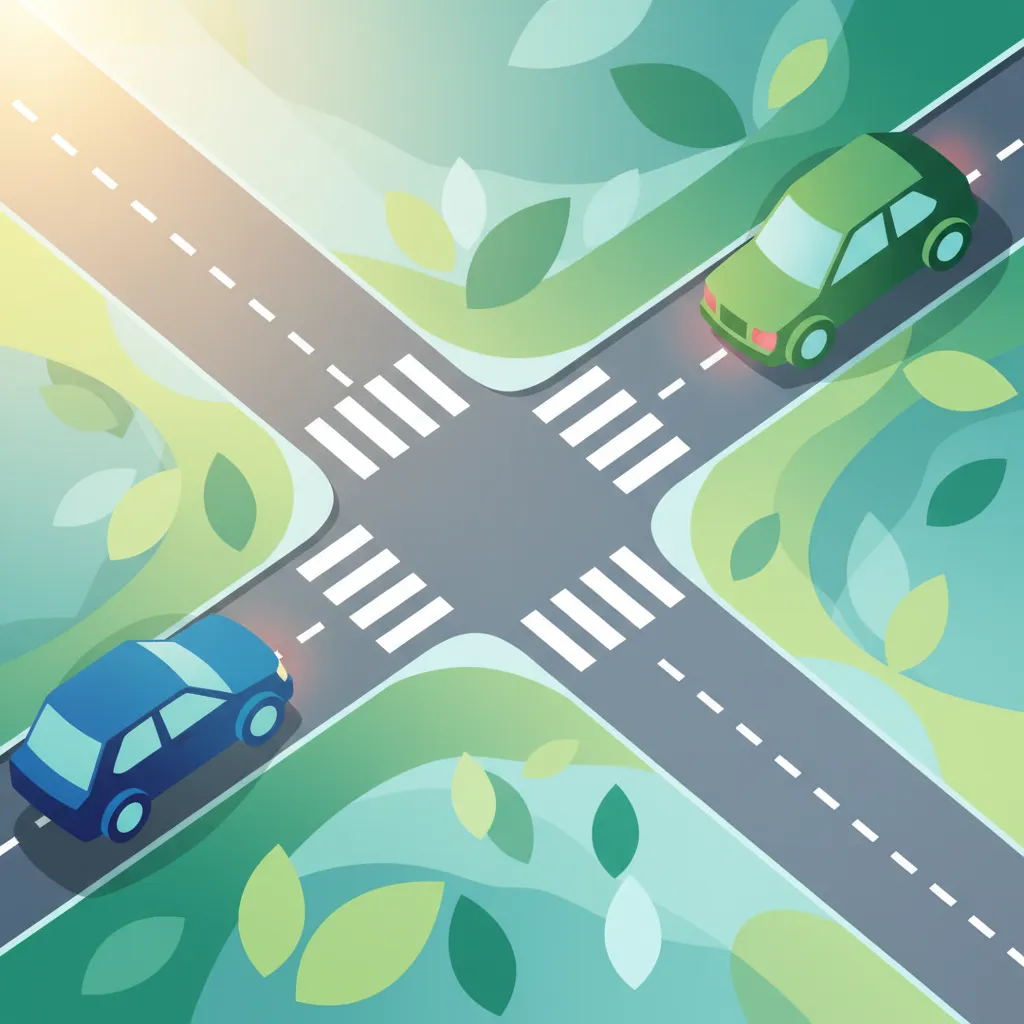
The Högerregeln, or the "right-hand rule," is a crucial default priority rule applied specifically at uncontrolled intersections in Sweden. An uncontrolled intersection is one that lacks any traffic signs (like yield or priority road signs), traffic lights, or road markings that would otherwise dictate priority. In these situations, the rule provides a simple, deterministic principle: vehicles approaching from the right have priority.
The rationale behind the right-hand rule is to provide a consistent, predictable order of movement where no explicit signage exists. It prevents chaos and reduces the risk of collisions by giving all drivers a clear understanding of who should proceed first.
When you, as a motorcyclist, approach an uncontrolled intersection:
A common misconception is applying the right-hand rule at intersections where signs or signals are present. Remember, Högerregeln only applies when no other priority-defining elements are in place. If there's a yield sign, a priority road sign, or traffic lights, those override the right-hand rule.
Always maintain a cautious approach at uncontrolled intersections. Even when you have priority according to the right-hand rule, be prepared for other drivers who might not follow the rule correctly. Defensive riding is key for motorcyclists.
A Priority Road (Swedish: Priorityväg) is a designated road where traffic generally has priority over vehicles from intersecting roads. This status is indicated by a specific road sign. The purpose of priority roads is to streamline traffic flow on main routes by reducing the number of "give-way" decisions for drivers on these roads.
When you are riding on a road marked with the priority road sign (B2), you generally do not need to yield to traffic entering from intersecting roads. However, it's crucial to understand that this priority is not absolute and comes with important exceptions:
The priority road status remains in effect until you see a "Priority Road Ends" sign (B3), which is the same sign with a black diagonal stripe through it.
Pedestrians are among the most vulnerable road users, and Swedish law gives them special protection at marked crossings. A Zebra Crossing (Swedish: Zebrastreck or Övergångsställe) is identified by alternating white stripes painted on the road surface.
The rule is unequivocal: you must yield to pedestrians who are on or are about to step onto a zebra crossing. This obligation applies regardless of any other priority rules, including those established by priority road signs. As a motorcyclist, you must approach pedestrian crossings with reduced speed and heightened awareness, ready to stop if a pedestrian indicates an intention to cross.
Roundabouts (Swedish: Cirkulationsplatser) are designed to improve traffic flow and reduce the severity of collisions compared to traditional intersections. The primary priority rule for roundabouts in Sweden is that traffic entering the roundabout must yield to traffic already circulating within it.
When approaching a roundabout:
While roundabouts often have yield signs at their entrances, the principle of yielding to circulating traffic is a fundamental statutory rule, meaning it applies even if the specific yield sign is missing or obscured. Understanding this rule is crucial for maintaining smooth and safe navigation through these common junctions.
One of the most critical duties for any driver, including motorcyclists, is to yield to emergency vehicles (Swedish: Utryckningsfordon). These include police cars, ambulances, and fire engines that are operating with flashing blue lights and/or sirens. Their need to reach an emergency quickly and safely supersedes all other priority rules.
When you encounter an emergency vehicle with active warning signals:
Never panic or brake abruptly when an emergency vehicle approaches, especially on a motorcycle. Prioritize a controlled and safe maneuver to clear their path, considering road conditions and surrounding traffic.
The core principles of priority discussed in this lesson are enshrined in the Swedish Traffic Ordinance (Trafikförordningen, TF). Adherence to these regulations is mandatory, and violations can lead to significant penalties, including fines and points on your license.
Misapplying priority rules is a frequent cause of accidents. As a motorcyclist, your vulnerability necessitates a proactive and precise understanding of these rules. Here are some common violations and how to avoid them:
Ignoring the right-hand rule at quiet junctions:
Disregarding pedestrians on a priority road:
Entering a roundabout without yielding:
Confusing "yield" with "optional stop":
Failing to create sufficient space for emergency vehicles:
The application of priority rules is not static; it can be significantly influenced by various environmental and situational factors. Motorcyclists must constantly adapt their decision-making process.
Understanding the 'why' behind priority rules reinforces safe behavior and good decision-making.
The physical rationale for yielding is clear: it reduces the relative speed at points of conflict, giving all road users more time to react and reducing the energy transferred in the event of a collision. The legal rationale provides a universal framework that simplifies decision-making, which is particularly vital for motorcyclists whose response windows are often limited due to their speed and smaller profile. Statistical data consistently shows that a significant percentage of motorcycle collisions at intersections are linked to misapplication of priority rules, highlighting the direct impact of these principles on road safety.
This lesson on general priority principles forms a critical foundation for numerous other aspects of safe motorcycle riding. The concepts introduced here will be expanded upon in subsequent lessons, including:
Future lessons will further integrate these principles into specific contexts, such as Priority in Tunnel and Bridge Situations, which may have unique priority rules, and Priority when Overtaking and Lane Merging, where yielding and right-of-way become intertwined with lane discipline.
Let's apply these principles to real-world driving situations to solidify your understanding.
The design of priority rules is deeply rooted in safety and human behavior.
Before concluding this lesson, review this checklist to ensure you have grasped the core principles:
By consistently applying these principles, you will significantly enhance your safety and confidence as a motorcyclist on Swedish roads.
Lesson content overview
Explore all units and lessons included in this driving theory course.
Explore search topics learners often look for when studying General Priority Principles (Väjningsplikt, Högerregeln). These topics reflect common questions about road rules, driving situations, safety guidance, and lesson level theory preparation for learners in Sweden.
Browse additional driving theory lessons that cover connected traffic rules, road signs, and common driving situations related to this topic. Improve your understanding of how different rules interact across everyday traffic scenarios.
Deepen your understanding of Väjningsplikt and Högerregeln in challenging traffic scenarios. Learn how to navigate complex intersections, multi-lane roundabouts, and junctions with varied road markings as part of your Swedish motorcycle theory.
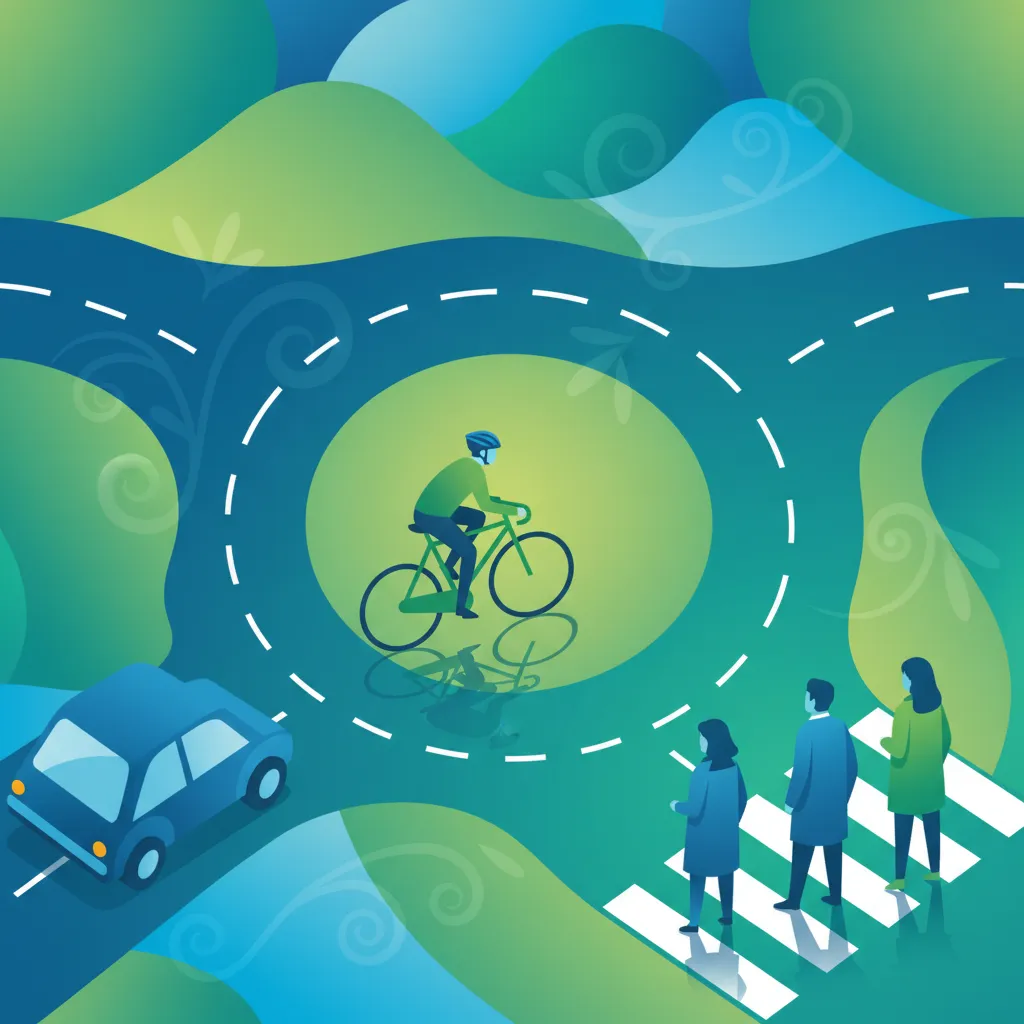
This lesson provides detailed guidance on navigating complex traffic points such as signalized intersections, multi-lane roundabouts, and pedestrian crossings. You will learn the correct procedures for entering and exiting roundabouts, the specific rules for yielding to pedestrians and cyclists at designated crossings, and how to interpret complex traffic light signals. These skills are vital for safe urban and suburban riding, where interaction with vulnerable road users is frequent.
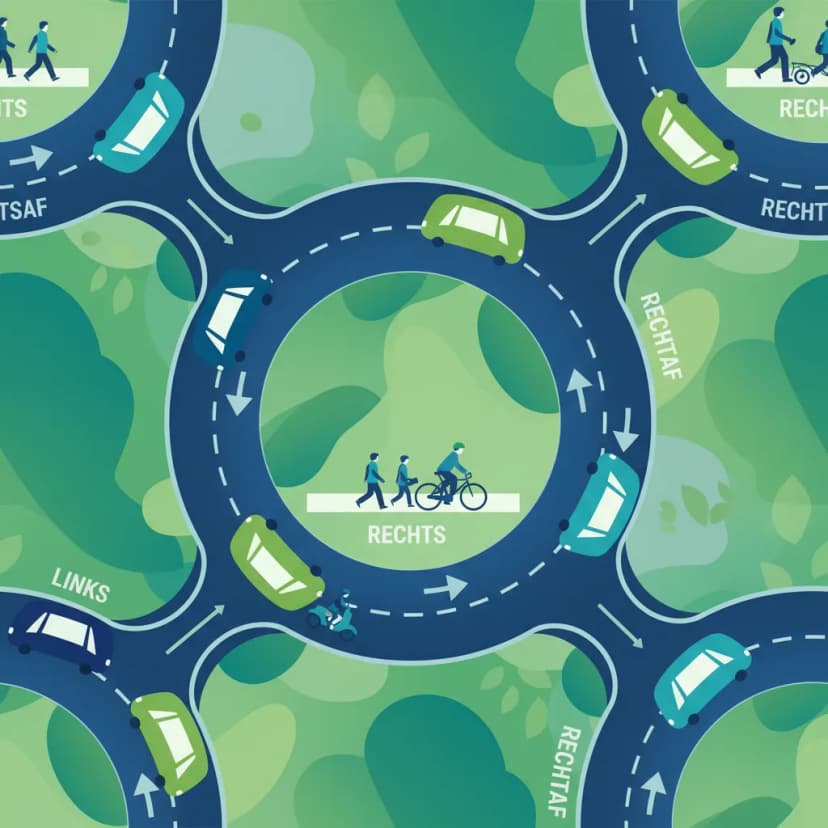
This lesson provides a detailed guide to navigating Swedish roundabouts (cirkulationsplatser). Key principles include always yielding to traffic already in the roundabout and choosing the correct lane based on your intended exit. You will learn the specific rules for signalling your intention to exit, how to safely interact with cyclists, and the techniques for maneuvering through multi-lane roundabouts to maintain traffic flow and prevent accidents.
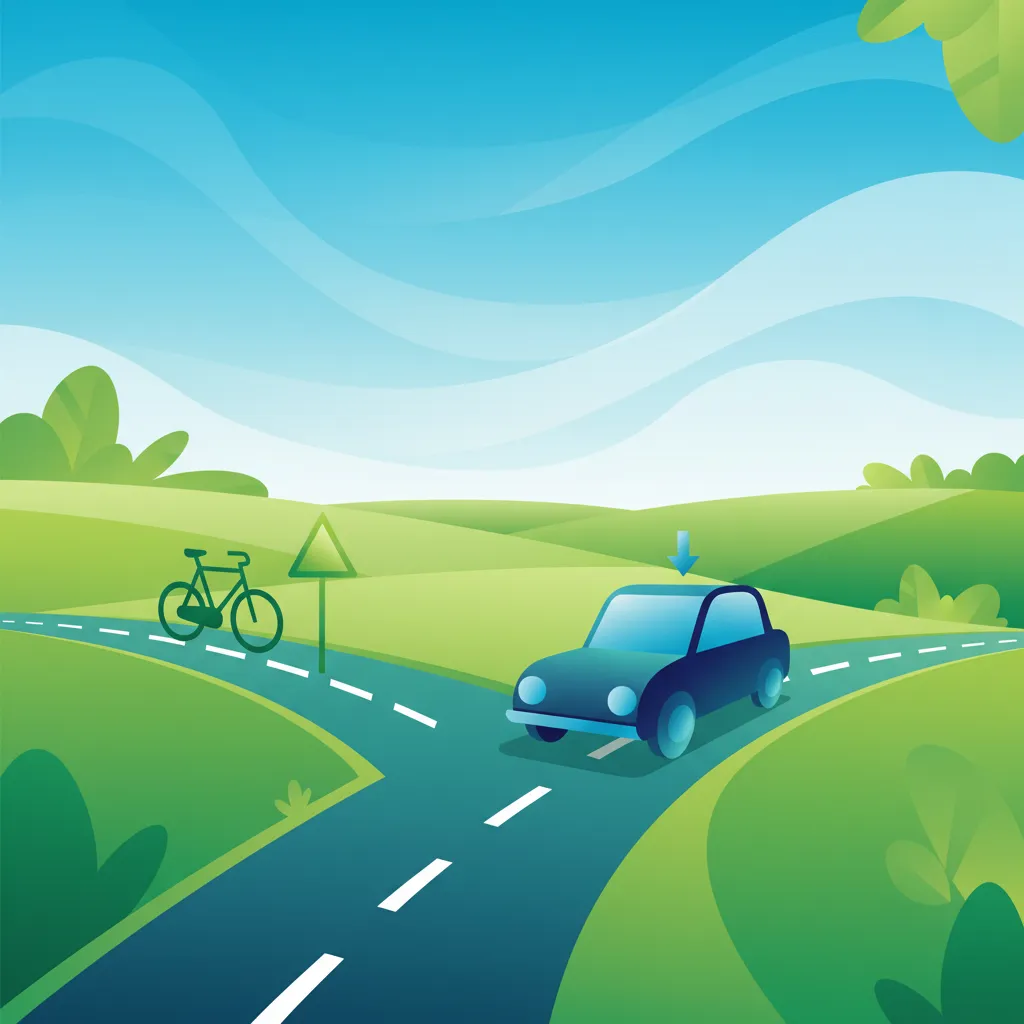
This lesson focuses on regulated intersections where priority is determined by signs indicating a main road (huvudled), a duty to yield (väjningsplikt), or a duty to stop (stopplikt). You will learn how to identify which road has priority and your legal obligation to give way to all traffic on that road before proceeding. The lesson covers proper procedures for approaching these junctions, assessing traffic, and entering the main road safely.
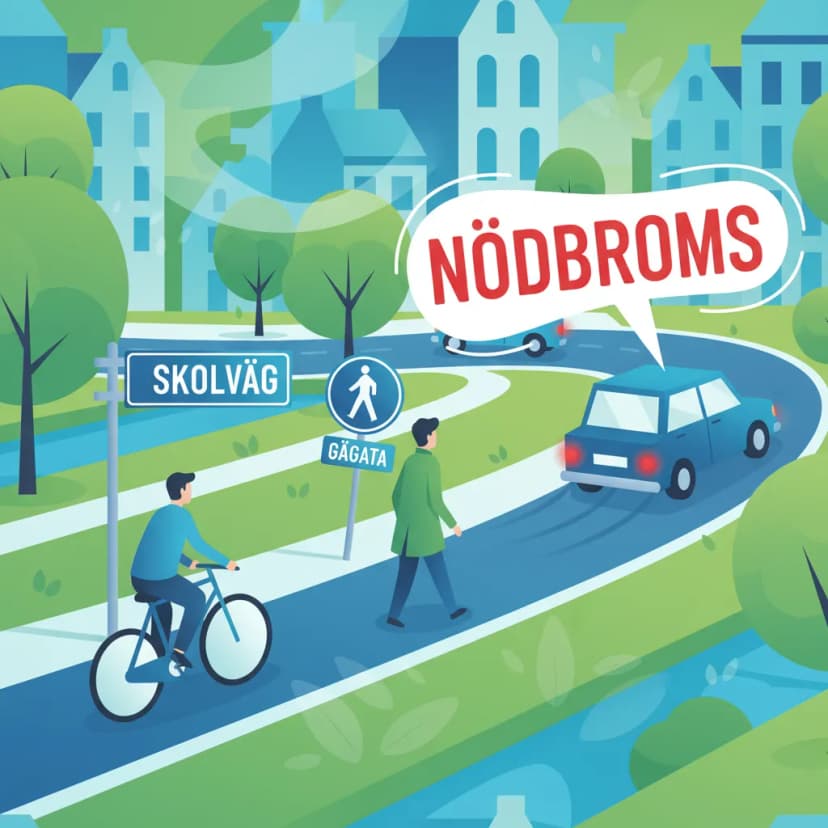
This lesson examines a variety of special situations where standard priority rules are modified. You will learn about the 'exit rule' (utfartsregeln) when entering a road from property, your duty to yield to buses indicating a departure from a stop, and the specific rules for pedestrian-only streets (gågata). The content also covers interactions with trams, emergency vehicles, and procedures at railway crossings, highlighting situations that demand maximum vigilance.
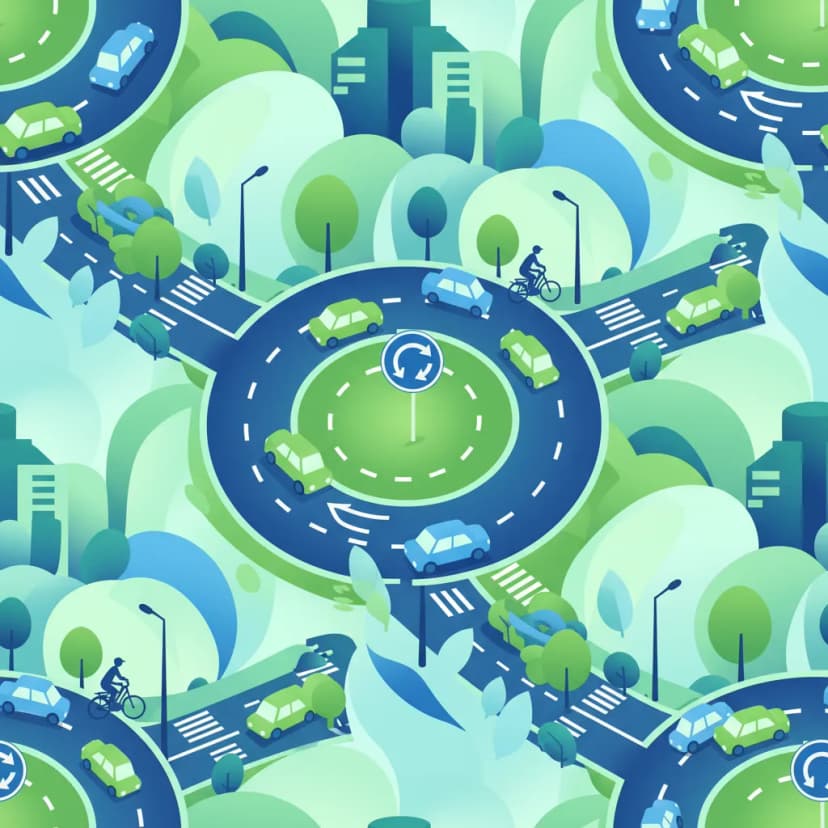
This lesson provides practical instructions for safely navigating different types of intersections and roundabouts. It covers procedures for approaching, entering, and exiting roundabouts, emphasizing the rule to yield to traffic already circulating. The content also addresses how to handle signal-controlled and uncontrolled intersections, ensuring riders select the correct lane and manage their speed appropriately.
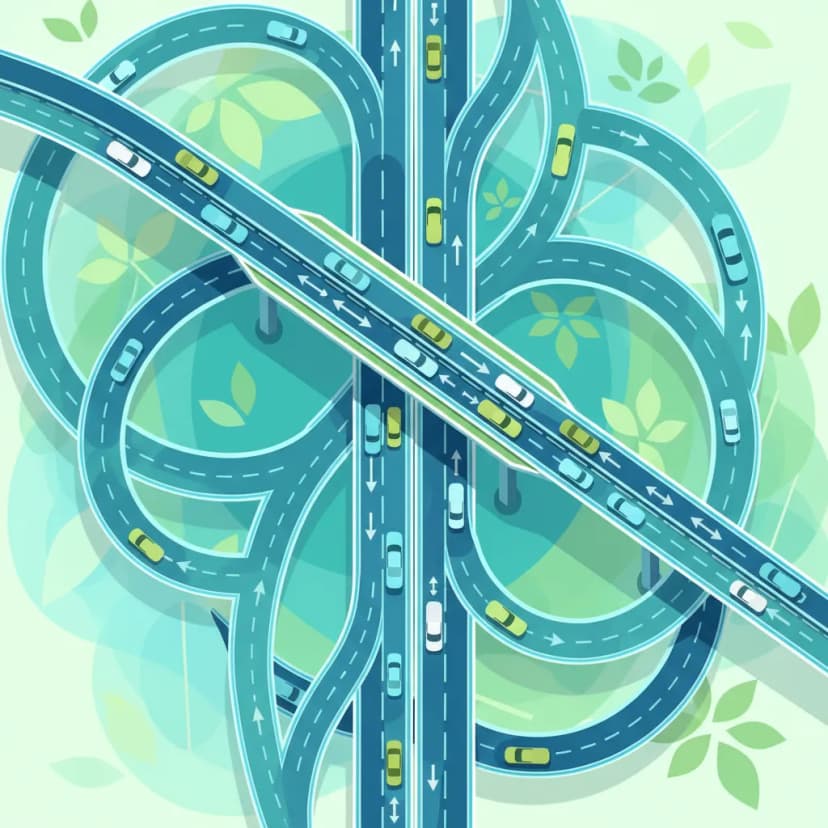
This lesson tackles the challenge of navigating some of the most complex road features, such as large multi-lane roundabouts and grade-separated interchanges. You will learn the importance of advance planning, choosing the correct lane on approach, clear signaling, and comprehensive observation to safely move through these busy areas. Mastering these junctions is a key indicator of an advanced and competent rider who can handle any road layout.
This lesson focuses on the unique challenges of driving in urban environments. You will learn techniques for anticipating the actions of vulnerable road users like pedestrians and cyclists, especially near crossings and bus stops. The content covers how to navigate narrow streets, one-way systems, and areas with heavy traffic, emphasizing the need for lower speeds, heightened awareness, and a defensive mindset.
This lesson introduces the core principles of right-of-way in Sweden, including the general duty to give way (Väjningsplikt) and the stricter stop duty (Stopplikt). It explains the concept of a priority road and how to apply the right-hand rule at uncontrolled intersections. By understanding this legal framework, riders can determine who has priority in any given situation and act predictably and safely.
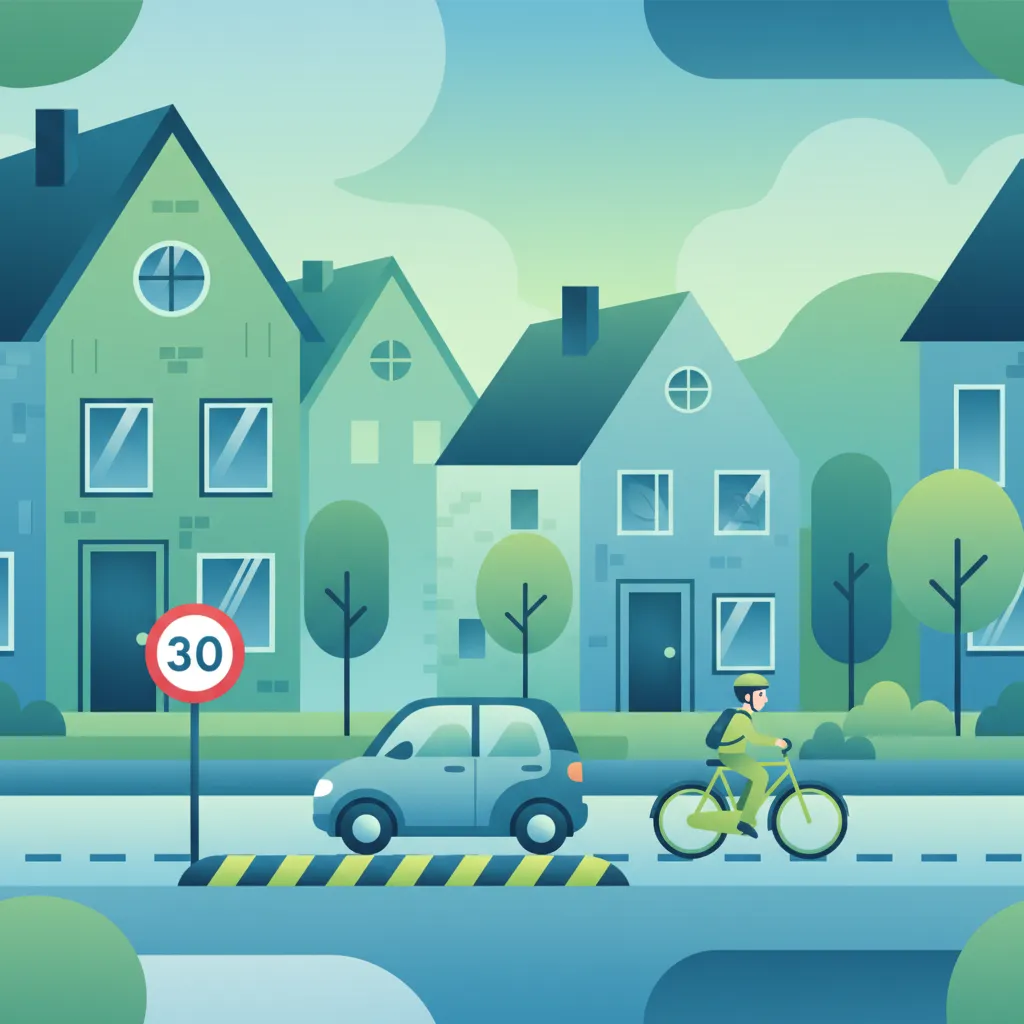
This lesson focuses on the high level of caution required when driving in residential areas. You will learn about the rules for special zones like 'gångfartsområde' (walking speed area) and the need to navigate around speed calming measures like speed bumps. The central theme is anticipating unpredictable behavior from residents, especially children, and managing the risks posed by parked cars that severely limit visibility.
This lesson details a driver's responsibility towards pedestrians. You will learn the strict rule of yielding to pedestrians who are on or about to enter a marked, uncontrolled crosswalk. The content also covers the specific, highly restrictive rules for driving in designated pedestrian zones (gågata) and 'walking speed' areas (gångfartsområde), where pedestrians have complete priority and vehicle traffic is severely limited.
Explore practical examples and common situations where Väjningsplikt and Högerregeln are applied. This lesson helps you understand how foundational priority principles translate into safe decision-making on Swedish roads for motorcyclists.
This lesson introduces the core principles of right-of-way in Sweden, including the general duty to give way (Väjningsplikt) and the stricter stop duty (Stopplikt). It explains the concept of a priority road and how to apply the right-hand rule at uncontrolled intersections. By understanding this legal framework, riders can determine who has priority in any given situation and act predictably and safely.
This lesson examines a variety of special situations where standard priority rules are modified. You will learn about the 'exit rule' (utfartsregeln) when entering a road from property, your duty to yield to buses indicating a departure from a stop, and the specific rules for pedestrian-only streets (gågata). The content also covers interactions with trams, emergency vehicles, and procedures at railway crossings, highlighting situations that demand maximum vigilance.
This lesson focuses on regulated intersections where priority is determined by signs indicating a main road (huvudled), a duty to yield (väjningsplikt), or a duty to stop (stopplikt). You will learn how to identify which road has priority and your legal obligation to give way to all traffic on that road before proceeding. The lesson covers proper procedures for approaching these junctions, assessing traffic, and entering the main road safely.
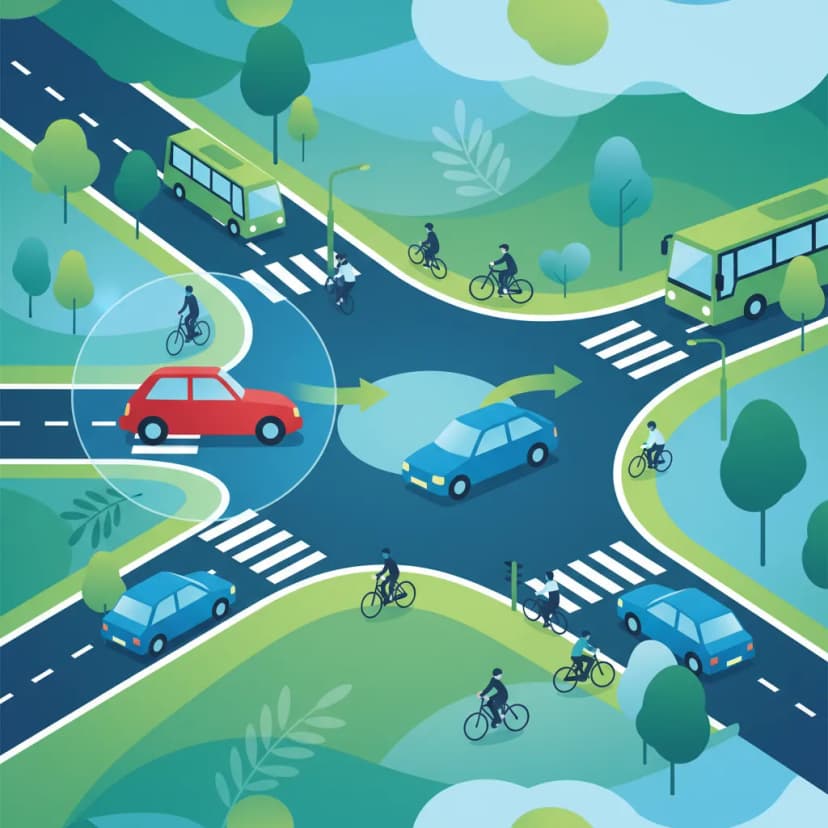
This lesson explains the foundational right-hand rule (högerregeln), which is the default priority rule at Swedish intersections where no other signs or signals regulate traffic. You will learn that you must always yield to vehicles approaching from your right in such situations. The content clarifies where this rule applies, such as in residential areas and on smaller rural roads, and covers the critical exceptions when signs or other rules take precedence.
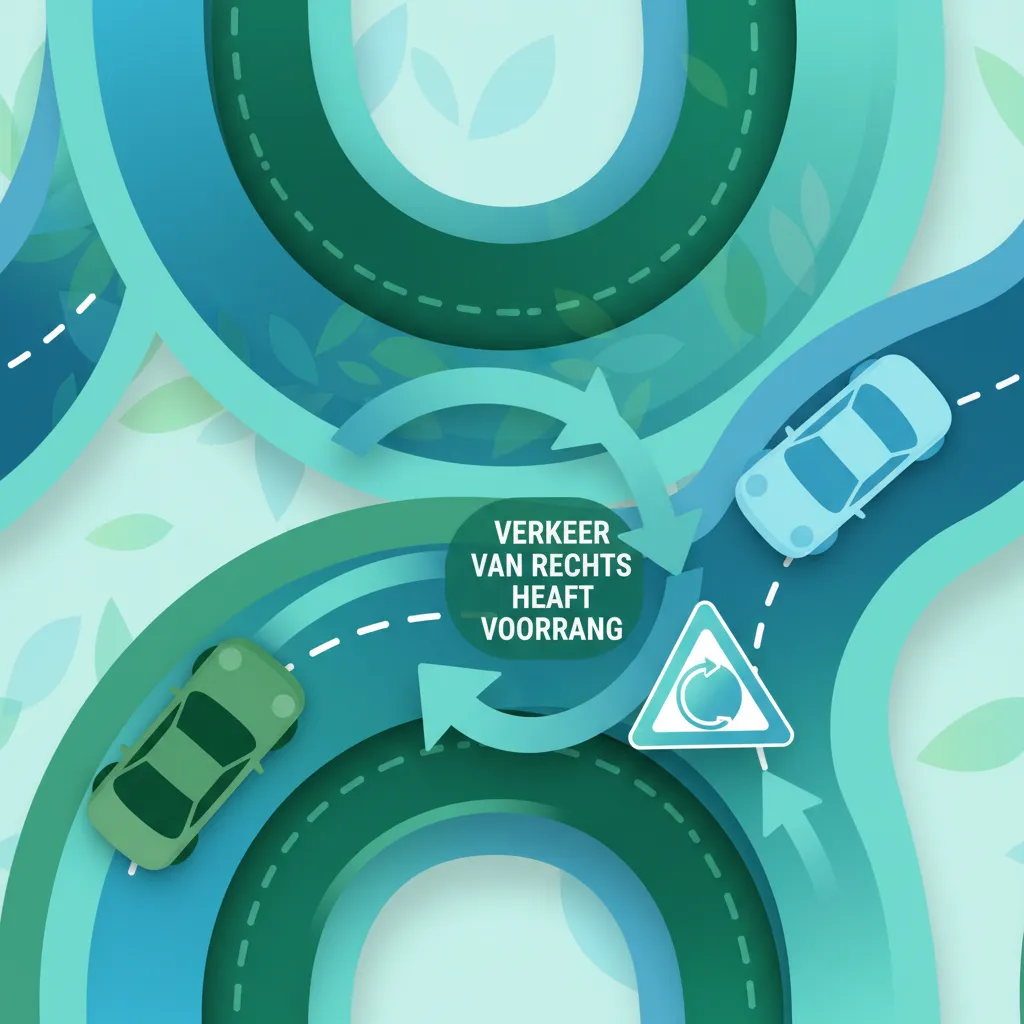
This lesson covers the critical maneuvers of overtaking and merging, which require precise judgment and communication. You will learn how to assess traffic speed and gaps, the importance of checking blind spots, and the correct use of signals to indicate your intentions. The content includes procedures for merging onto motorways from an on-ramp and how to perform safe overtaking maneuvers on various types of roads, minimizing risk to yourself and others.
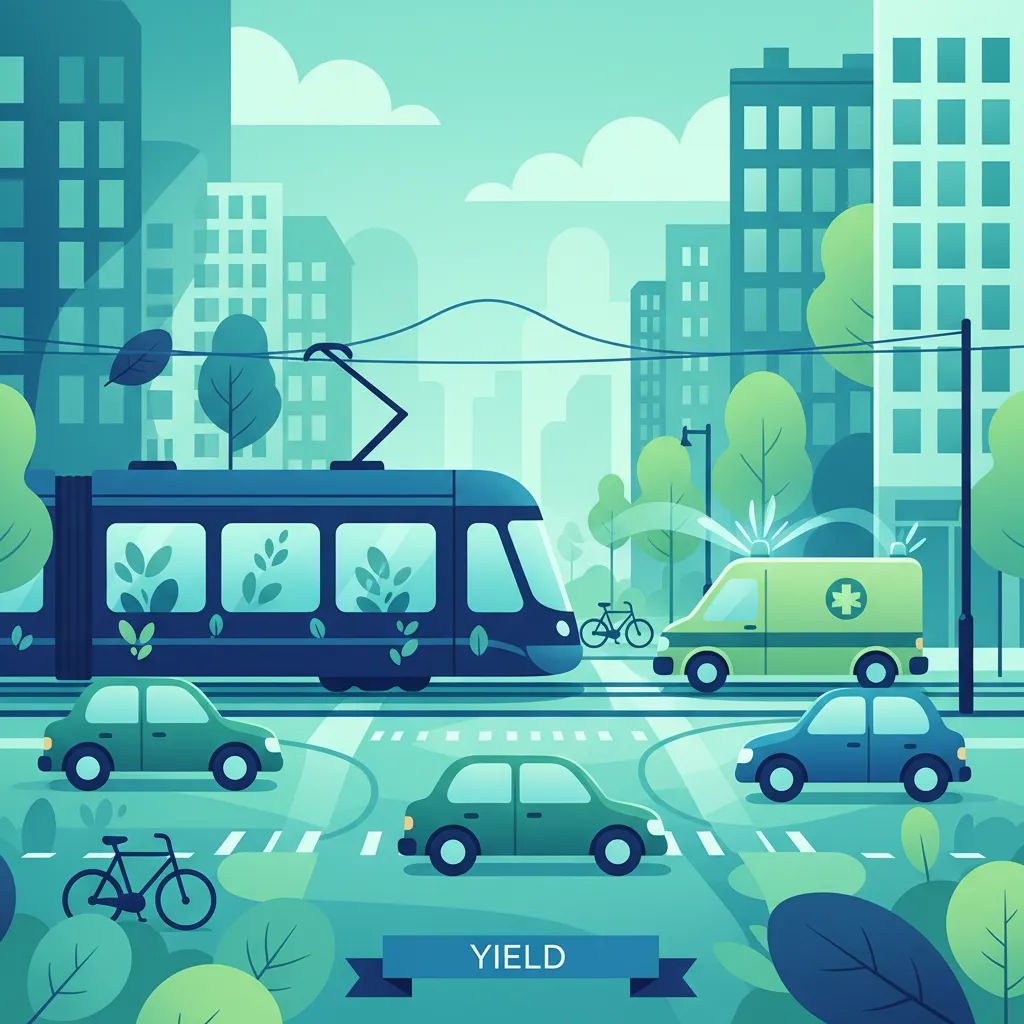
This lesson explains a motorcyclist's legal duty when encountering emergency vehicles with active sirens and lights. You will learn the correct procedure for yielding the right-of-way by safely pulling over and stopping. Additionally, the lesson covers the rules and best practices for sharing the road with public transport like buses and trams, including navigating around bus stops and respecting dedicated lanes, to ensure safety for all road users.
This lesson provides a detailed guide to navigating Swedish roundabouts (cirkulationsplatser). Key principles include always yielding to traffic already in the roundabout and choosing the correct lane based on your intended exit. You will learn the specific rules for signalling your intention to exit, how to safely interact with cyclists, and the techniques for maneuvering through multi-lane roundabouts to maintain traffic flow and prevent accidents.
This lesson focuses on the high level of caution required when driving in residential areas. You will learn about the rules for special zones like 'gångfartsområde' (walking speed area) and the need to navigate around speed calming measures like speed bumps. The central theme is anticipating unpredictable behavior from residents, especially children, and managing the risks posed by parked cars that severely limit visibility.
This lesson provides detailed guidance on navigating complex traffic points such as signalized intersections, multi-lane roundabouts, and pedestrian crossings. You will learn the correct procedures for entering and exiting roundabouts, the specific rules for yielding to pedestrians and cyclists at designated crossings, and how to interpret complex traffic light signals. These skills are vital for safe urban and suburban riding, where interaction with vulnerable road users is frequent.
This lesson details a driver's responsibility towards pedestrians. You will learn the strict rule of yielding to pedestrians who are on or about to enter a marked, uncontrolled crosswalk. The content also covers the specific, highly restrictive rules for driving in designated pedestrian zones (gågata) and 'walking speed' areas (gångfartsområde), where pedestrians have complete priority and vehicle traffic is severely limited.
Find clear answers to common questions learners have about General Priority Principles (Väjningsplikt, Högerregeln). Learn how the lesson is structured, which driving theory objectives it supports, and how it fits into the overall learning path of units and curriculum progression in Sweden. These explanations help you understand key concepts, lesson flow, and exam focused study goals.
The Högerregeln applies at intersections where there are no signs or markings dictating otherwise. If you arrive at an uncontrolled junction, you must give way to traffic approaching from your right. This rule is a fundamental default in Swedish traffic law.
Högerregeln is the default 'right-hand rule' applied at uncontrolled intersections. Väjningsplikt is a broader term meaning 'duty to yield', which can be indicated by specific signs (like a triangle or inverted triangle) or road markings, or implied by specific situations like entering a roundabout or rejoining traffic.
Väjningsplikt is usually indicated by the 'Yield' sign (an inverted triangle, often with red border) or the 'Stop' sign. It also applies when entering a roundabout (unless signs state otherwise), emerging from a private road or parking area onto a public road, and when crossing a road where traffic has priority.
Generally, traffic on a main road has priority. However, the specific signs and markings are key. If the side road has a 'Yield' or 'Stop' sign, you must yield to them. If there are no signs, the Högerregeln usually applies if both roads are otherwise equal, meaning you'd yield to traffic from your right.
While motorcyclists must adhere to all general Swedish traffic laws, including priority rules, there are no specific rules that grant motorcycles different priority than other vehicles in most situations. The key is understanding and applying the Högerregeln and Väjningsplikt correctly for all vehicles.