
Encountering roadworks can be confusing, but this lesson will equip you to handle them safely. We'll focus on interpreting the temporary orange signs and understanding how they affect speed limits and lane usage, ensuring you can navigate construction zones with confidence. This knowledge is vital for your AM moped theory exam and for everyday riding.
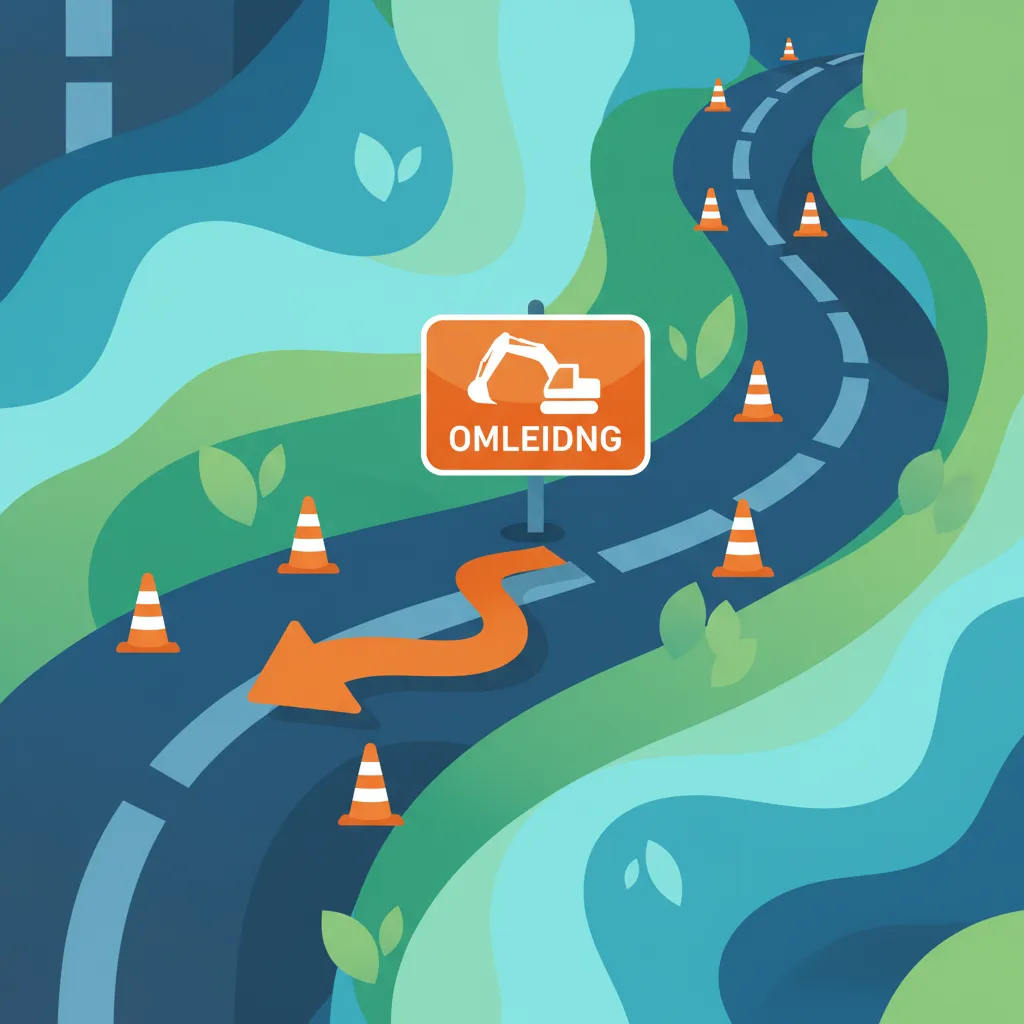
Roadworks are an essential part of maintaining and improving Sweden's infrastructure, but they introduce temporary and often confusing changes to the road environment. As a Category AM (moped) rider, understanding and correctly interpreting temporary roadwork and detour signage is crucial for your safety, the safety of road workers, and for ensuring smooth traffic flow. This comprehensive lesson will equip you with the knowledge to navigate these zones confidently and in compliance with Swedish traffic regulations.
In Sweden, roadwork zones, construction sites, and temporary detours are clearly marked with distinctive signage that differs from permanent road signs. The most prominent feature of these temporary signs is their orange background with black symbols or text. This specific color scheme is not merely decorative; it serves a vital purpose in alerting drivers and riders to altered road conditions that demand heightened attention.
The primary reason for the unique orange color is to maximize visibility and contrast against the typical road environment. Orange stands out against gray asphalt, green foliage, and blue skies, making these signs easier to detect from a distance, especially for smaller vehicles like mopeds. This enhanced visibility allows riders more time to react, reduce speed, and adjust their riding behavior before encountering potential hazards.
A core principle of Swedish traffic law states that temporary road signs and markings have legal precedence over permanent signs and markings when there is a conflict. This means that if you encounter an orange temporary speed limit sign displaying "30 km/h" in an area where the permanent limit is "50 km/h," the "30 km/h" limit is the one you must obey. Ignoring temporary signage can lead to serious consequences, including fines and penalty points on your driving license.
This hierarchy is established to ensure that all road users respond to the actual, current state of the road, which may be significantly different from its normal configuration. The underlying logic is always safety-first: to protect road workers, prevent accidents on changed road surfaces, and guide traffic safely through altered routes.
Successful and safe navigation through temporary roadwork zones relies on adhering to several core principles. These principles are designed to mitigate risks associated with unpredictable environments, uneven surfaces, and the presence of workers or heavy machinery.
Temporary speed limits, clearly marked with orange circular signs, are implemented for critical safety reasons. Construction zones often feature uneven road surfaces, loose gravel, debris, or narrower lanes. Lower speeds provide moped riders with:
When your usual route is closed or significantly altered by roadworks, you will be directed onto a detour (often marked "Omfart" or "Vägbeskrivning" in Swedish). These detours are carefully planned to safely guide traffic around the work area. It is imperative that you follow these orange directional signs precisely. Attempting to shortcut a detour by entering a closed section of the road is extremely dangerous and strictly prohibited.
Road workers are vulnerable individuals who are often focused on their tasks and may not always be aware of approaching traffic. When you see a sign indicating the presence of workers, or if you see workers on or near the carriageway, you have a legal obligation to exercise extreme caution. You must reduce your speed significantly and be prepared to stop. Overtaking workers in a manner that could endanger them is strictly prohibited and carries severe penalties.
Just like permanent white road markings, temporary orange lane markings are legally binding. These may include arrows indicating lane direction, chevrons for lane narrowing, or solid lines marking temporary lane boundaries. You must treat these orange lines as if they were permanent; crossing a solid orange line is generally prohibited, and you must stay within the temporary lane boundaries they define.
The Swedish road sign system includes several specific temporary signs designed for construction and roadwork environments. Recognizing each of these and understanding their precise meaning is essential for safe riding.
This is often the first sign you will see when approaching a construction area. It serves as a general warning that temporary measures are in force ahead. It prepares you for changes such as reduced speed limits, lane diversions, or uneven surfaces. Upon seeing this sign, you should immediately reduce your speed and increase your vigilance, scanning for further specific instructions. Other variations might warn of specific hazards like "Uneven surface" or "Falling rocks."
These signs impose a legally binding speed ceiling. The displayed speed (e.g., 30 km/h or 50 km/h) supersedes any permanent speed limit that was previously in effect. For Category AM mopeds, which typically have a maximum speed of 45 km/h, this often means reducing your speed even further than your moped's usual limit. The temporary limit remains in effect until you see an "End of temporary speed limit" sign.
Detour signs are critical when your normal path is completely blocked or too dangerous to traverse. They provide clear directions to guide you around the construction site. You must follow these signs precisely, even if the detour seems longer or takes you through unfamiliar areas. They are designed to keep you and road workers safe by separating traffic from the work zone.
In addition to physical signs, road authorities use orange paint to create temporary lane markings. These markings are just as binding as white permanent lines. They can include:
These signs mark the point where normal traffic conditions and permanent signage are reinstated. You might see an "End of temporary speed limit" sign (an orange circle with the crossed-out speed) or a general "End of work zone" sign. Once you pass this sign, you may safely resume the permanent speed limit and adhere to the regular road markings and rules. Failing to notice this sign might lead you to drive unnecessarily slowly, impeding traffic flow.
This sign is a direct and urgent warning. It indicates that human life is present and vulnerable on the road ahead. Upon seeing this sign, you must immediately reduce your speed, maintain a safe distance, and be prepared to stop. Overtaking workers who are actively engaged in their duties on or near the carriageway is a serious offense that puts lives at risk.
The specific rules governing temporary roadwork signage and conduct within construction zones are primarily outlined in the Vägtrafikförordning (Swedish Traffic Regulations, SFS 1998:151). Compliance with these regulations is not just a matter of safety but a legal obligation.
Rule 1 – Mandatory Compliance: Drivers must obey all temporary road signs and markings placed within a construction zone, as they legally supersede permanent signage.
This rule is fundamental. Any temporary sign or marking, regardless of whether it seems inconvenient or illogical, must be followed. This ensures a consistent and predictable response from all road users to altered conditions.
Rule 2 – Speed Reduction: The speed must not exceed the value indicated on a temporary speed limit sign, from its entry point until an "End of speed limit" sign.
Ignoring a temporary speed limit is a common violation with severe consequences. These limits are set to reduce stopping distances and increase safety margins on unpredictable surfaces.
Rule 3 – Detour Adherence: Drivers must follow the direction indicated by temporary detour signs and must not re-enter the original lane until an "End of detour" sign is present.
Detours are critical for separating traffic from active construction sites. Straying from a marked detour can put you directly into the path of heavy machinery or working personnel.
Rule 4 – Yield to Road-Workers: Drivers must give way to any road worker who is on or near the carriageway and must not overtake them if it creates a hazard.
This rule highlights the paramount importance of protecting human life. Always prioritize the safety of workers over your travel time.
Rule 5 – Respect Temporary Lane Markings: Crossing or driving over orange lane marking lines is prohibited unless a specific "Cross" sign is present.
Orange lane markings define the safe passage through a work zone. Crossing them can lead you into unsafe areas, directly into hazards, or against oncoming temporary traffic.
Rule 6 – End-of-Work-Zone Transition: Once an "End of temporary speed limit/detour/lane narrowing" sign is displayed, drivers may resume normal speed limits and lane usage.
Observe these signs carefully. While it's crucial to reduce speed in work zones, it's equally important to return to normal flow once conditions are safe, preventing unnecessary traffic buildup.
Rule 7 – Lighting & Visibility: Vehicles must use dipped-beam headlights (low beam) and, if visibility is reduced, use fog lights in accordance with standard lighting rules.
Good lighting is essential for identifying orange signs and workers, especially at night or in adverse weather. High-beam headlights can blind workers and other road users.
Even with clear signage, moped riders can sometimes make mistakes in work zones. Understanding these common errors can help you avoid them.
The actions required in a work zone can vary based on external conditions. Moped riders must be adaptable.
The design and enforcement of temporary roadwork signage are rooted in fundamental safety principles. For moped riders, these principles are particularly vital due to their vehicle's characteristics.
Mastering the rules for temporary roadwork and detour signage is a critical part of your Swedish Category AM driving license theory course. By understanding and applying these principles, you contribute significantly to road safety for yourself, other road users, and the dedicated workers who maintain our infrastructure.
Lesson content overview
Explore all units and lessons included in this driving theory course.
Explore search topics learners often look for when studying Temporary Roadwork and Detour Signage. These topics reflect common questions about road rules, driving situations, safety guidance, and lesson level theory preparation for learners in Sweden.
Browse additional driving theory lessons that cover connected traffic rules, road signs, and common driving situations related to this topic. Improve your understanding of how different rules interact across everyday traffic scenarios.
Deepen your understanding of Swedish roadwork zones. Learn to interpret temporary signage, including orange signs, diversions, and adjusted speed limits. Essential theory for safe navigation through construction areas on your moped.

This lesson focuses on regulatory signs (Regulationsskyltar), which issue mandatory instructions and prohibitions that all road users must follow. It details common signs such as speed limits, stop and give way signs, and mandatory direction arrows. Special attention is given to signs directly affecting mopeds, like 'no moped' signs and those indicating designated moped lanes, ensuring riders can navigate legally and safely.
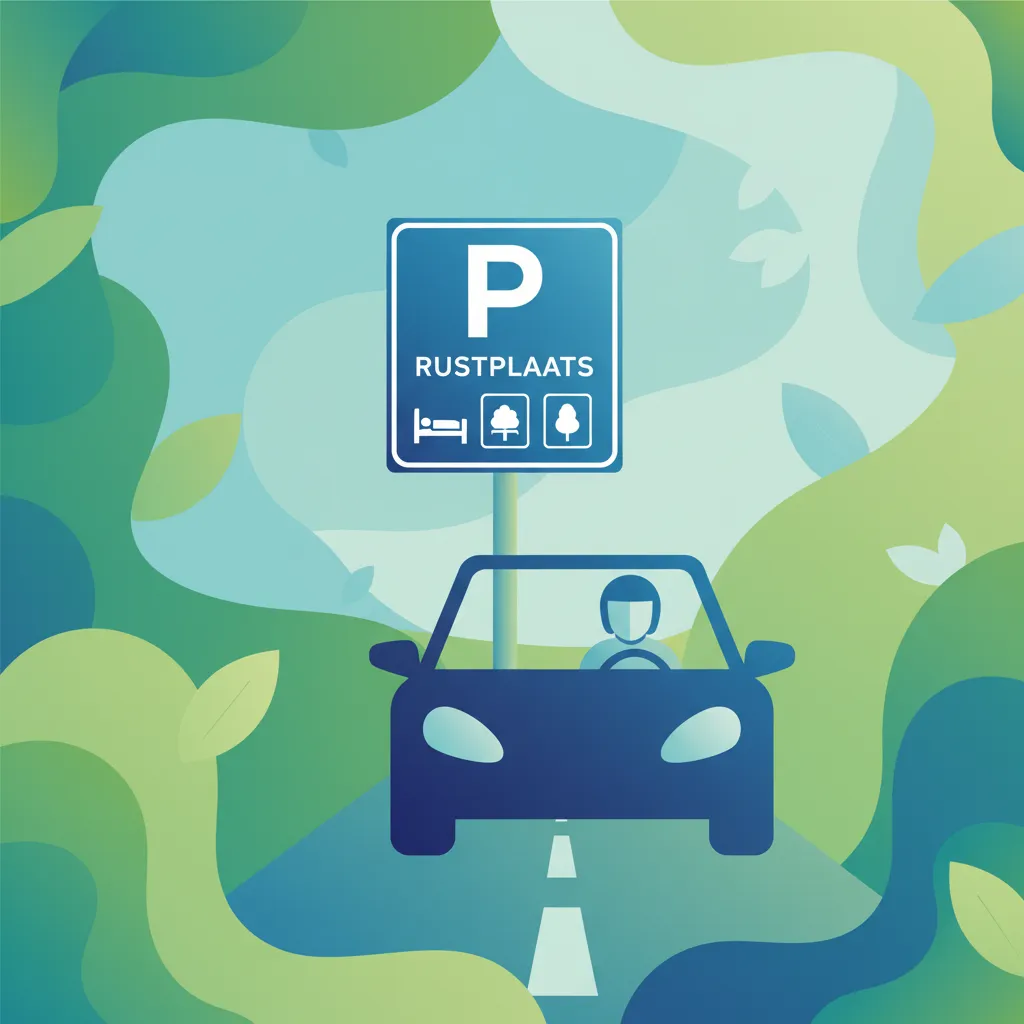
This lesson explains the function of informational signs (Informationsskyltar), which provide guidance for navigation and access to services. It covers signs indicating distances to destinations, route numbers, and locations of fuel stations or parking areas. For moped riders, this includes identifying signs for designated moped or cycle lanes, helping them to plan and follow routes efficiently and legally.
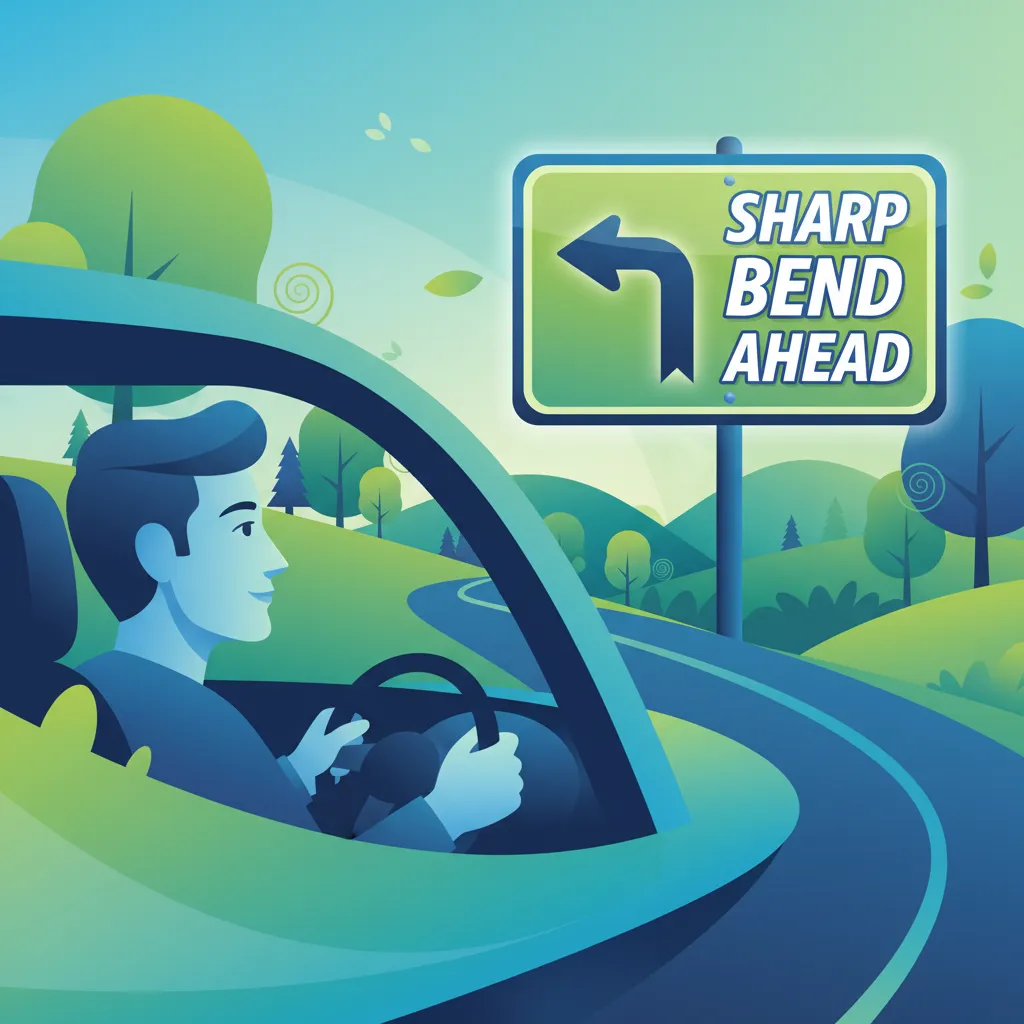
This lesson teaches riders to interpret warning signs (Varningsskyltar), which alert them to potential dangers on the road ahead. It covers a wide range of signs, including those for sharp curves, slippery surfaces, wildlife crossings, and upcoming roadworks. Understanding these triangular signs allows riders to anticipate hazards, adjust their speed and position proactively, and enhance their overall safety.

This lesson focuses on Swedish warning signs designed to alert drivers to potential dangers. You will study signs indicating sharp bends, slippery surfaces, animal crossings, and temporary hazards like road construction. Correctly interpreting these signs allows a motorcyclist to proactively adjust speed, lane position, and readiness to react, which is essential for maintaining control and safety, especially in adverse weather or on unfamiliar roads.
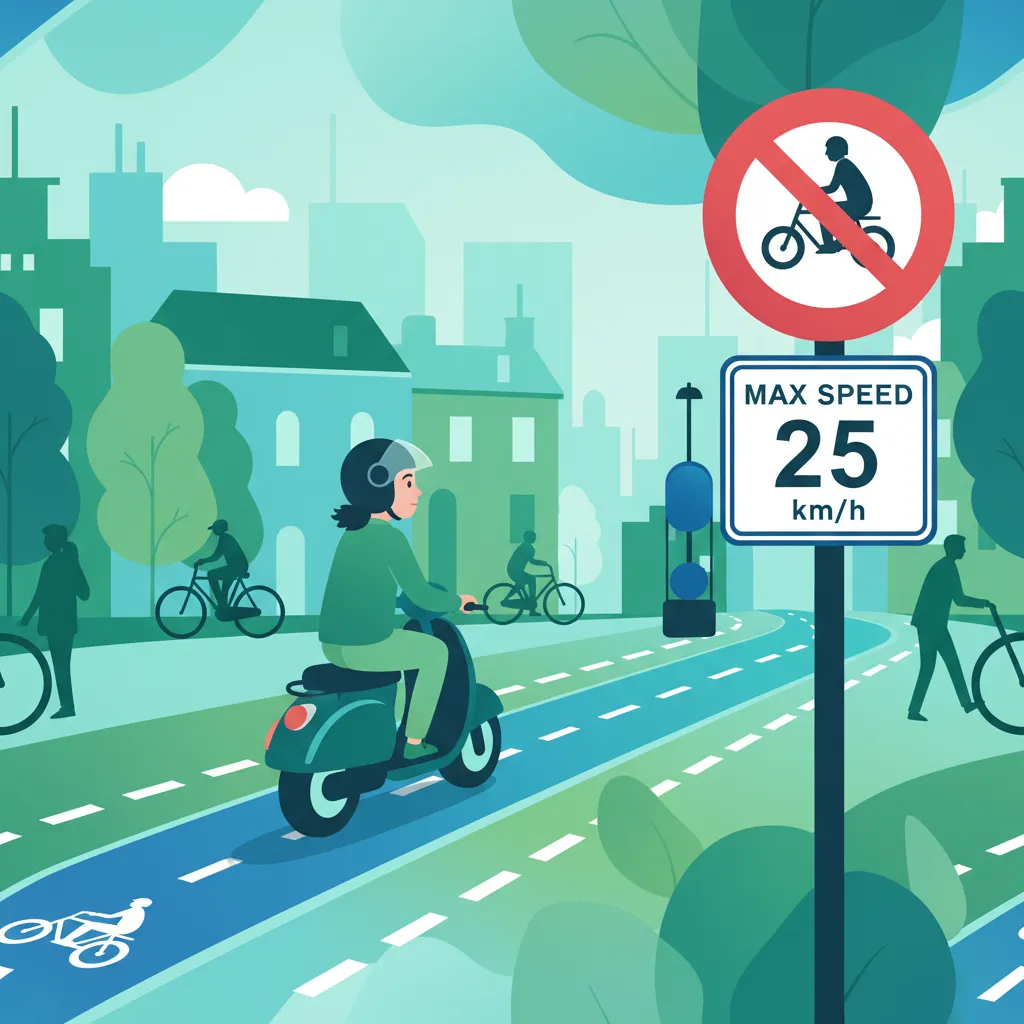
This lesson consolidates the key regulations that apply specifically to moped operation in Sweden. It covers mandatory rules such as speed limits, helmet use, and requirements for vehicle lighting and reflectors. Furthermore, the lesson explains the legal consequences of violations, including the system of fines and potential demerit points, ensuring riders understand their full range of legal responsibilities on the road.

This lesson clarifies the legal distinction between stopping temporarily and parking. It identifies areas where stopping is prohibited, such as near intersections or on pedestrian crossings, to maintain traffic flow and safety. The content also discusses designated waiting areas at traffic lights, often marked for cyclists and mopeds, which can offer a safer position.

This lesson explains how to read and use Swedish informational and directional signs for effective route planning and navigation. You will learn to follow signs for specific destinations, identify road numbers, and recognize indicators for services such as fuel stations and rest areas. For motorcyclists on long journeys, this knowledge is crucial for making timely decisions about lane changes, exits, and stops without causing disruption to traffic flow.

This lesson provides practical instructions for safely navigating different types of intersections and roundabouts. It covers procedures for approaching, entering, and exiting roundabouts, emphasizing the rule to yield to traffic already circulating. The content also addresses how to handle signal-controlled and uncontrolled intersections, ensuring riders select the correct lane and manage their speed appropriately.
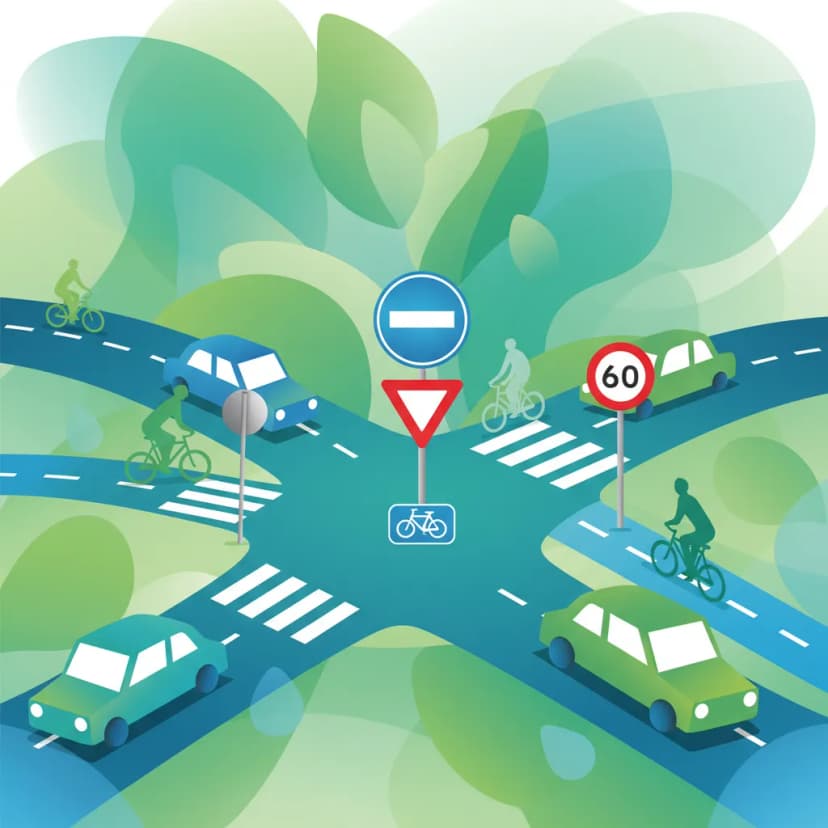
This lesson details the full range of Swedish regulatory signs, which dictate mandatory actions and prohibitions for all road users. You will learn to identify signs that establish speed limits, restrict access, prohibit overtaking, and define parking rules. Understanding these signs is critical for legal compliance and safe interaction with other traffic, as they form the basis of enforceable road law under the Trafikförordning regulations.
This lesson focuses on the importance of road markings (Vägmarkering) for guiding traffic flow and ensuring safety. It explains the meaning of different line types, such as solid and broken lines, and the function of stop lines and pedestrian crosswalks. The content highlights markings specific to cycle and moped lanes, teaching riders how to correctly position themselves on the road based on these visual cues.
Explore the full spectrum of road markings in Sweden, from lane lines to cycle paths and shared zones. Understand how these indicators affect traffic flow and rider positioning, crucial for safe AM moped driving theory.
This lesson focuses on the importance of road markings (Vägmarkering) for guiding traffic flow and ensuring safety. It explains the meaning of different line types, such as solid and broken lines, and the function of stop lines and pedestrian crosswalks. The content highlights markings specific to cycle and moped lanes, teaching riders how to correctly position themselves on the road based on these visual cues.

This lesson offers a detailed guide to interpreting the various lines and symbols painted on the road surface. It clarifies the rules associated with solid versus broken lines regarding lane changes and overtaking. The content also explains the function of arrows, stop lines, and other markings that provide crucial positioning and priority information to the rider.
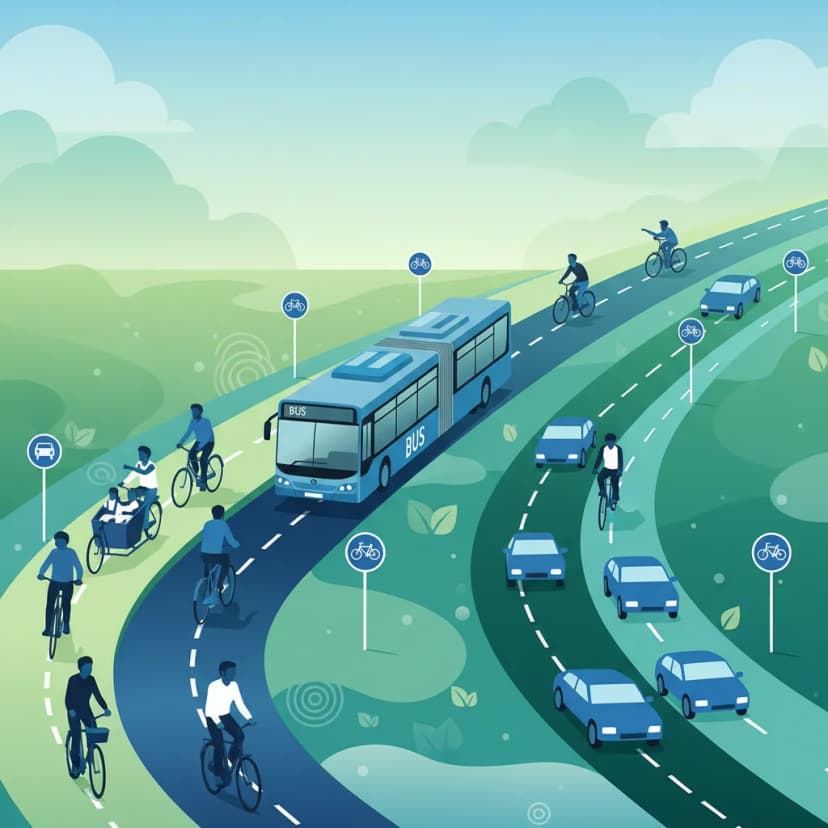
This lesson explains the specific regulations for lanes designated for particular users, such as buses or cyclists. It clarifies under what circumstances a moped is permitted to enter these lanes and the rules that must be followed while in them. Understanding these regulations is key to navigating complex urban environments legally and safely.

This lesson clarifies the regulations for operating a moped on cycle paths (Cykelbana) and other shared spaces in Sweden. It explains which types of mopeds are permitted on these paths and the specific rules that apply, such as lower speed limits and the duty to yield to cyclists. The content focuses on safe interaction and communication to ensure peaceful coexistence with other users in these environments.

This lesson provides clear guidance on selecting the appropriate lane on multi-lane roads to match your intended direction of travel. It covers the rules and best practices for moving into turning lanes, positioning for overtakes, and maintaining a steady course. The focus is on making early, predictable decisions to ensure smooth integration with surrounding traffic.
This lesson explains the function of informational signs (Informationsskyltar), which provide guidance for navigation and access to services. It covers signs indicating distances to destinations, route numbers, and locations of fuel stations or parking areas. For moped riders, this includes identifying signs for designated moped or cycle lanes, helping them to plan and follow routes efficiently and legally.

This lesson details the best practices for sharing the road with cyclists, who are even more vulnerable than moped riders. It explains the legal requirements and safe etiquette for overtaking cyclists, emphasizing the need to provide ample space. The content also reviews the rules of interaction on designated cycle paths (Cykelbana) where both may be present.

This lesson focuses on the variety of road markings used on Swedish roads and their meaning for motorcyclists. You will learn the difference between solid and broken lines regarding overtaking, how to position yourself correctly at intersections based on markings, and how to interpret symbols painted on the road surface. Adhering to these markings is essential for maintaining correct lane discipline and ensuring predictability for other road users.
This lesson consolidates the key regulations that apply specifically to moped operation in Sweden. It covers mandatory rules such as speed limits, helmet use, and requirements for vehicle lighting and reflectors. Furthermore, the lesson explains the legal consequences of violations, including the system of fines and potential demerit points, ensuring riders understand their full range of legal responsibilities on the road.
This lesson provides practical instructions for safely navigating different types of intersections and roundabouts. It covers procedures for approaching, entering, and exiting roundabouts, emphasizing the rule to yield to traffic already circulating. The content also addresses how to handle signal-controlled and uncontrolled intersections, ensuring riders select the correct lane and manage their speed appropriately.
Find clear answers to common questions learners have about Temporary Roadwork and Detour Signage. Learn how the lesson is structured, which driving theory objectives it supports, and how it fits into the overall learning path of units and curriculum progression in Sweden. These explanations help you understand key concepts, lesson flow, and exam focused study goals.
Orange roadwork signs in Sweden are temporary traffic control devices designed to alert drivers and riders to upcoming construction or maintenance work. Their main purpose is to warn of changes to the normal road conditions, such as altered speed limits, lane closures, diversions, or potential hazards like uneven surfaces, to ensure safety for both road users and construction workers.
Yes, temporary speed limits are very commonly indicated by orange signs in roadwork zones. These reduced limits are implemented to enhance safety due to potential hazards, reduced lane widths, or the presence of workers and machinery. It is crucial to always observe and adhere to these temporary speed limits, as they are often strictly enforced and failure to comply can lead to significant penalties.
If the road layout is changed due to roadworks, it's essential to reduce your speed significantly and increase your focus. Pay close attention to all temporary signage, including directional arrows and lane guidance. Be prepared for unexpected maneuvers from other vehicles and maintain a larger safety distance. Always follow the designated detour or lane diversions as indicated by the signs.
Yes, mopeds can be particularly vulnerable in roadworks. Risks include uneven road surfaces that can affect stability, loose gravel, debris, sudden lane changes, and the presence of larger vehicles or machinery. Reduced visibility due to traffic cones or barriers is also a concern. Therefore, slowing down, maintaining a clear line of sight, and being extra vigilant are critical for moped riders.
In Sweden, temporary traffic signs, especially those colored orange indicating roadworks or diversions, always take precedence over permanent signs. This means you must follow the instructions on the temporary signs, including any changes to speed limits or lane usage, until you have passed the roadwork area and official signs indicate a return to normal conditions.