This lesson guides you through the essential rules for safely navigating intersections and roundabouts on your moped in Sweden. Understanding these priority principles (Väjningsregler) is crucial for preventing collisions and demonstrating correct behaviour in your AM theory exam. You'll learn how to approach, enter, and exit these common traffic situations with confidence.
Intersections and roundabouts are critical points in the Swedish road network where different traffic streams merge, cross, or diverge. As a Category AM moped rider, safely navigating these areas is paramount for your safety and the smooth flow of traffic. This lesson provides detailed instructions and essential knowledge to help you understand and master the procedures for approaching, entering, and exiting various types of intersections and roundabouts, emphasizing the specific rules and priorities that apply to moped riders in Sweden.
These traffic junctions are statistically the most common locations for collisions, making a thorough understanding of right-of-way, lane discipline, speed control, and signaling not just important, but vital. By consistently applying the correct rules, you dramatically reduce your risk of accidents and contribute to a predictable and safe road environment for all road users.
An intersection is any place where two or more roadways meet or cross. In Sweden, these can be regulated in different ways, each demanding a specific approach from moped riders. Identifying the type of intersection upon approach is the first crucial step to ensure you apply the correct priority rules.
Signal-controlled intersections are regulated by traffic lights, which dictate when vehicles can proceed, stop, or turn. The colors of these lights have universal meanings:
Even with a green light, moped riders must never enter an intersection if doing so would block crossing traffic or if the exit is not clear. Always anticipate potential hazards.
Many intersections are regulated by traffic signs that assign priority. As a moped rider, recognizing these signs instantly and understanding their implications is fundamental.
When you encounter a Stoppskylt, it means you have a legal obligation to stop completely before the stop line. If there is no stop line, stop before entering the intersection at a point where you have a clear view of all approaching traffic. After stopping, you must yield to all traffic on the intersecting road before proceeding. This applies even if the intersection appears empty; a full stop is mandatory.
The Geväjningsplikt sign (Yield sign) indicates that you must give way to traffic on the intersecting road. Unlike a stop sign, a complete stop is not always necessary if you can clearly see that there is no approaching traffic with priority. However, you must reduce your speed sufficiently to be able to stop if needed and only proceed when there is a safe gap.
A Huvudled (Priority road) sign informs you that traffic on this road has priority over traffic entering from side roads. If you are on a priority road, traffic from side streets should yield to you. Conversely, if you are entering a priority road from a side street, you will usually encounter a Geväjningsplikt or Stoppskylt requiring you to yield. Always be cautious, as not all drivers may correctly interpret priority rules.
An uncontrolled intersection is one where there are no traffic lights, stop signs, or yield signs to dictate priority. In these situations, the general rule of högerregeln (the right-hand rule) applies: you must yield to all traffic approaching from your right.
This rule is crucial for maintaining safety where specific signage is absent. Approach uncontrolled intersections with reduced speed, actively looking for traffic from both left and right, but always prioritizing traffic coming from your right. Do not assume you have priority simply because the road appears smaller or less traveled.
Certain crossings introduce specific priority rules designed to protect vulnerable road users or those with limited maneuverability.
At a Zebrastreck (zebra crossing), pedestrians have absolute priority. If a pedestrian is on the crossing or clearly about to step onto it, you must stop and allow them to cross safely. This rule applies even if you have a green traffic light or are on a priority road. The safety of pedestrians, who are the most vulnerable road users, always takes precedence.
When encountering a Spårvagnskorsning (tram crossing), trams have priority. Trams cannot swerve or stop quickly, making them highly vulnerable to collisions with other vehicles. You must yield to any tram that is approaching or already on the crossing, regardless of traffic lights or other priority rules. Always check carefully for trams before entering a tram crossing.
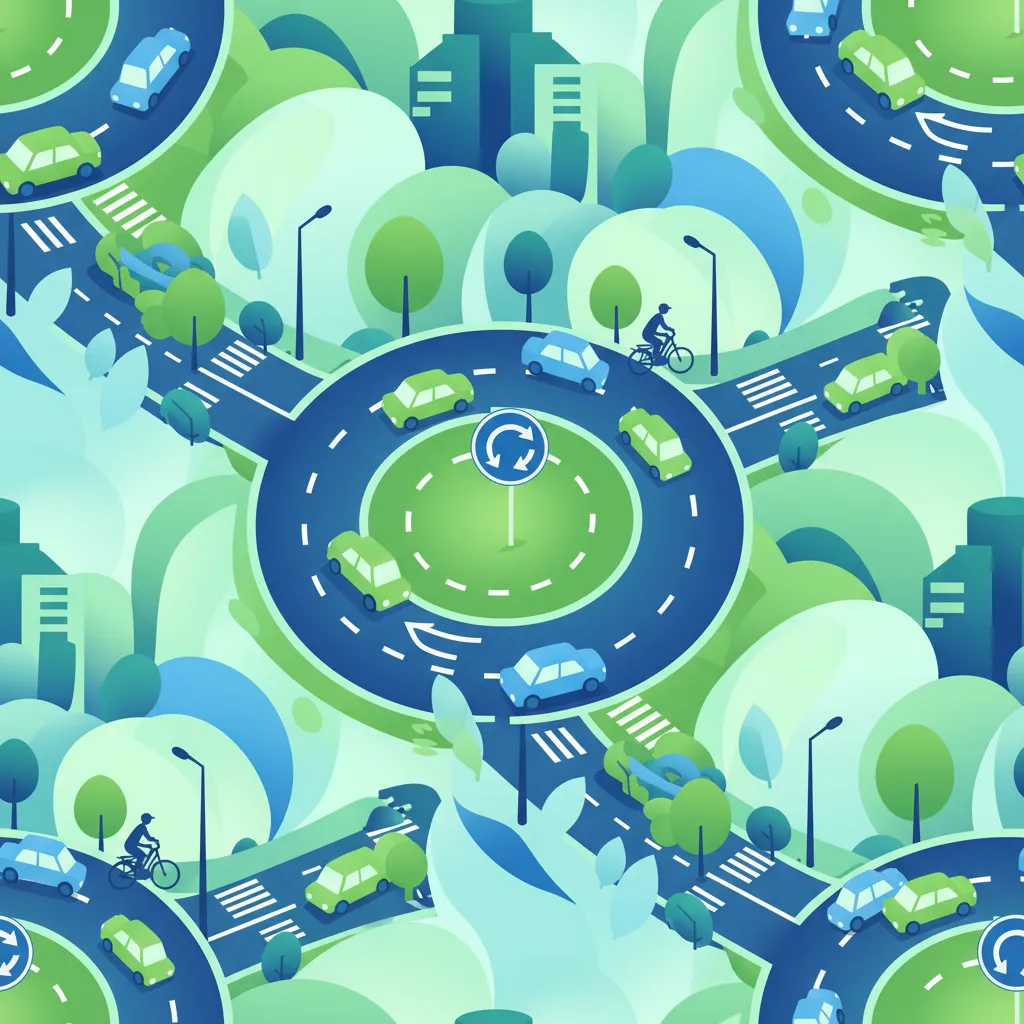
Roundabouts, often called rondeller in Sweden, are circular intersections designed to improve traffic flow and reduce the severity of collisions. Instead of traffic lights, entry into a roundabout is typically controlled by yield signs, meaning traffic already circulating within the roundabout has priority.
A roundabout is a one-way circular intersection where traffic flows around a central island. They are preferred in many areas because they:
Approaching a roundabout requires careful observation, speed adjustment, and a clear understanding of priority.
Observe Early: As you approach, identify the roundabout, gauge its size, and determine your intended exit. Look for signs indicating the number of lanes or specific lane usage.
Adjust Speed: Reduce your speed well in advance. For most single-lane roundabouts, a speed of approximately 20 km/h is appropriate for entry, allowing you sufficient time to observe and react safely.
Lane Positioning: Position your moped correctly. For a single-lane roundabout, position yourself centrally in the lane. For multi-lane roundabouts (though less common for AM mopeds), select the appropriate lane for your exit.
Look Left, Right, Left: Before entering, look to your left for circulating traffic, then to your right for any conflicting traffic, and then left again to confirm a safe gap. Remember, circulating traffic has priority.
Yield and Enter: Yield to all traffic already in the roundabout. Enter only when there is a safe and sufficient gap in the circulating traffic. Do not force your way in or cause other vehicles to brake or swerve.
Once inside the roundabout, maintaining correct lane discipline and signaling your intentions is crucial for preventing conflicts.
Signaling your exit correctly is as important as yielding upon entry. It informs other road users of your intention to leave the roundabout, helping them to predict your actions and adjust their speed accordingly.
You must activate your right-turn signal (blinker) as soon as you have passed the exit immediately preceding your intended exit. This signal should be continuous until your moped has fully exited the roundabout and cleared the junction. This typically means signaling at least 30 meters before your exit, allowing ample warning for following traffic.
For roundabouts with multiple lanes, ensure you are in the correct lane before signaling your exit. If you need to change lanes to exit, do so safely and in accordance with traffic laws, giving priority to traffic already in the lane you wish to enter.
Safe navigation of intersections and roundabouts relies on a combination of observation, control, and clear communication.
Appropriate speed management is fundamental. As you approach any intersection or roundabout, you must reduce your speed to a level that allows you to:
Entering an intersection or roundabout at excessive speed drastically reduces your reaction time and increases stopping distance, making collisions more likely and more severe.
Correct lane positioning is crucial for safety and clear communication of your intentions.
cykelbana (bike lanes) to bypass traffic queues at intersections or to enter roundabouts. These are reserved for cyclists and using them incorrectly can create dangerous conflicts.Your turn signals (blinkers) are your primary means of communicating your intentions to other road users.
Failing to signal, signaling too late, or using the wrong signal can confuse other drivers, leading to unpredictable situations and increased collision risk. Always remember to cancel your signal once the maneuver is complete.
Continuous observation and accurate gap assessment are vital for making safe decisions at intersections and roundabouts.
Compliance with the Trafikförordningen (Road Traffic Ordinance) is mandatory for all road users in Sweden, including Category AM moped riders. Understanding the specific legal framework for intersections and roundabouts is key to safe and legal riding.
Stoppskylt before the stop line or intersection, then proceed only when safe (Trafikförordningen 5 kap. § 13).Zebrastreck (zebra crossing), even if you have a green traffic light (Trafikförordningen 13 kap. § 1).Spårvagnskorsning (tram crossing), regardless of other traffic signals (Trafikförordningen 5 kap. § 8). Trams have limited braking ability and fixed routes, requiring absolute priority.Even with a strong theoretical understanding, practical application can present challenges. Being aware of common mistakes and adapting your riding style to varying conditions are crucial for safety.
Many accidents and penalties stem from recurring errors:
Your riding technique must adapt to environmental factors:
Always ride defensively, anticipating the actions of others:
The rules and guidelines for intersections and roundabouts are not arbitrary; they are rooted in fundamental principles of physics, human psychology, and legal obligations to ensure safety and order on the roads.
Navigating intersections and roundabouts safely requires a structured approach and adherence to Swedish traffic laws. Remember these core principles:
Trafikförordningen: All rules are legally binding, and violations carry penalties.By internalizing and practicing these guidelines, you will enhance your safety as a Category AM moped rider and contribute positively to Swedish road traffic.
Lesson content overview
Explore all units and lessons included in this driving theory course.
Explore search topics learners often look for when studying Intersections and Roundabouts. These topics reflect common questions about road rules, driving situations, safety guidance, and lesson level theory preparation for learners in Sweden.
Browse additional driving theory lessons that cover connected traffic rules, road signs, and common driving situations related to this topic. Improve your understanding of how different rules interact across everyday traffic scenarios.
Deepen your understanding of Swedish priority rules for mopeds at complex intersections, multi-lane roundabouts, and junctions with tram lines. Learn advanced techniques for safe navigation and right-of-way in challenging traffic situations.
This lesson introduces the core principles of right-of-way in Sweden, including the general duty to give way (Väjningsplikt) and the stricter stop duty (Stopplikt). It explains the concept of a priority road and how to apply the right-hand rule at uncontrolled intersections. By understanding this legal framework, riders can determine who has priority in any given situation and act predictably and safely.
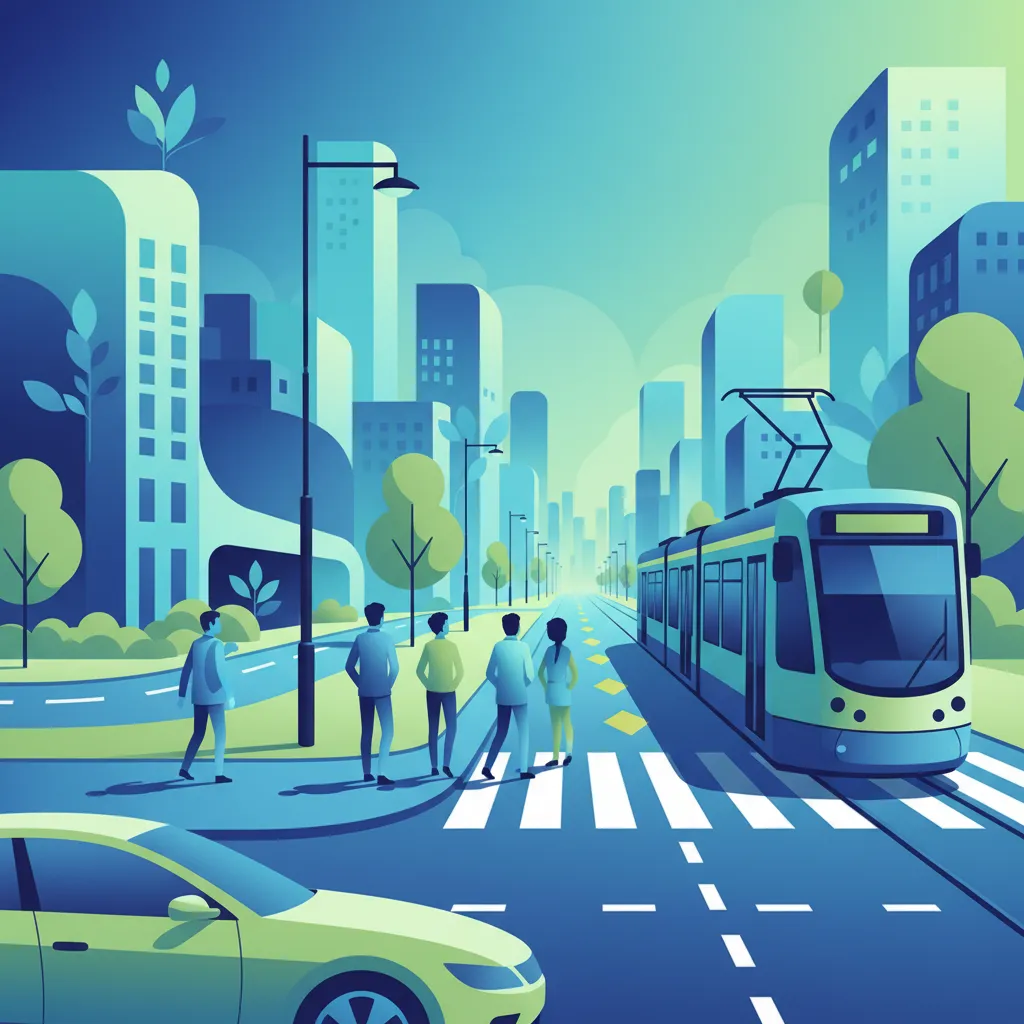
This lesson details the specific priority rules at pedestrian and tram crossings (Spårvagnskorsning). It reinforces the legal obligation for moped riders to stop for pedestrians at marked zebra crossings and explains that trams almost always have priority. Learners will understand the importance of approaching these crossings with caution, scanning for hazards, and being prepared to stop.
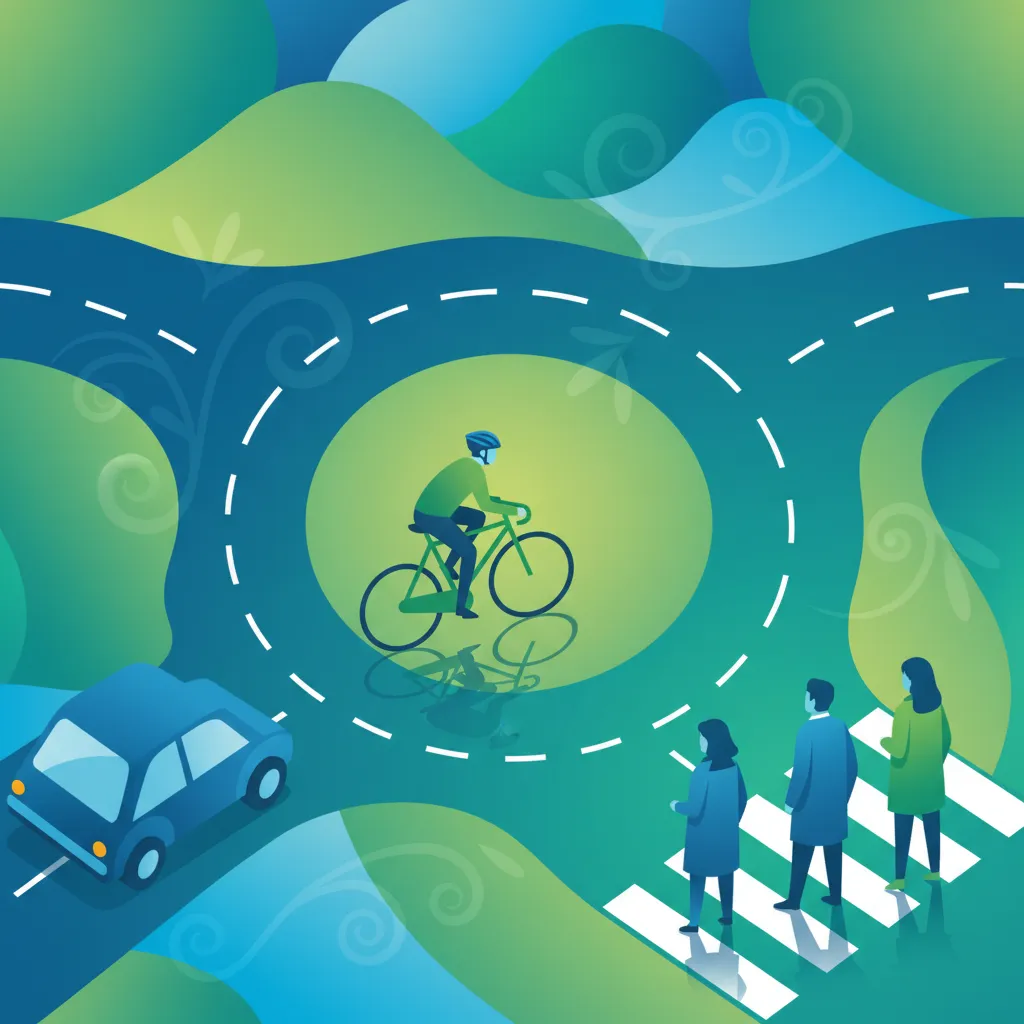
This lesson provides detailed guidance on navigating complex traffic points such as signalized intersections, multi-lane roundabouts, and pedestrian crossings. You will learn the correct procedures for entering and exiting roundabouts, the specific rules for yielding to pedestrians and cyclists at designated crossings, and how to interpret complex traffic light signals. These skills are vital for safe urban and suburban riding, where interaction with vulnerable road users is frequent.
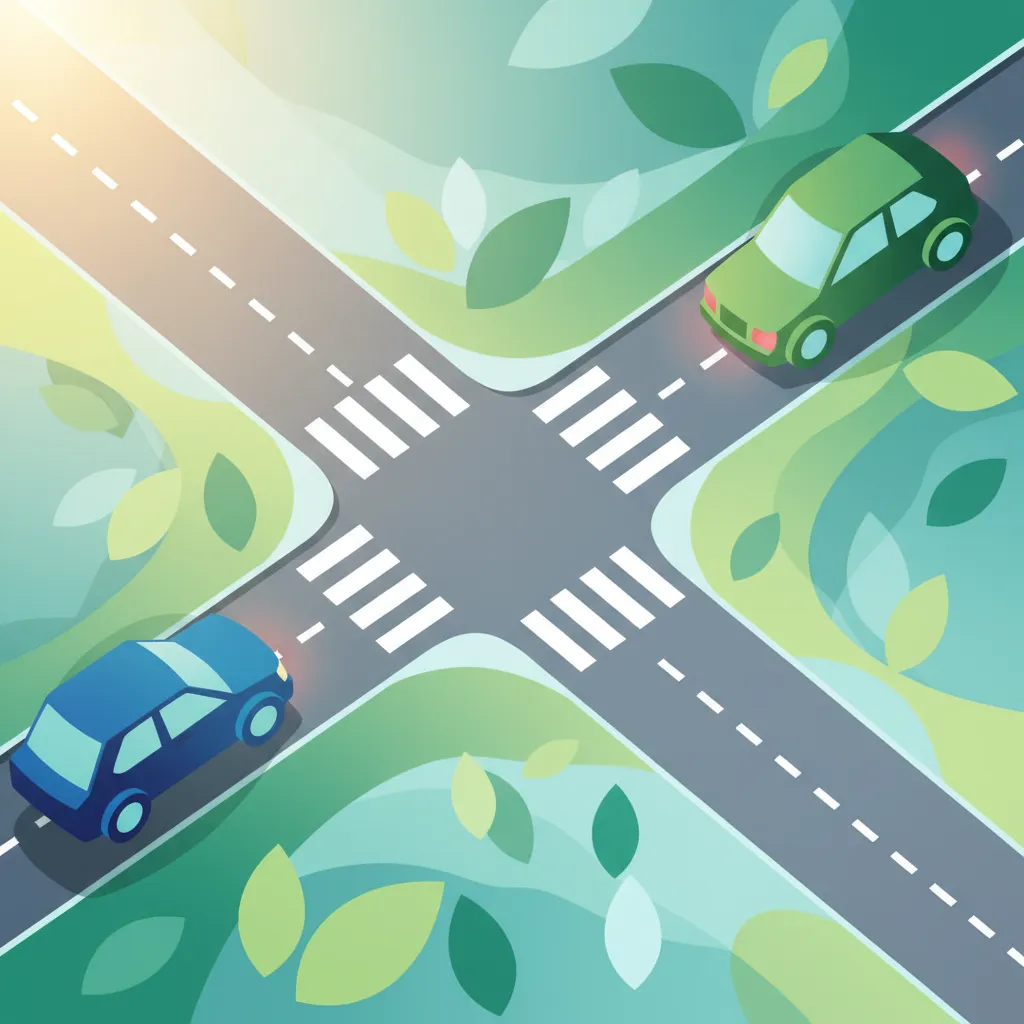
This lesson explains the two core principles of priority in Swedish traffic law: the right-hand rule (Högerregeln) and the duty to yield (Väjningsplikt). You will learn how to apply the right-hand rule at uncontrolled intersections and when to yield to other traffic as indicated by signs or road markings. Understanding this fundamental hierarchy is crucial for making correct and safe decisions in a wide variety of common traffic situations you will face as a motorcyclist.
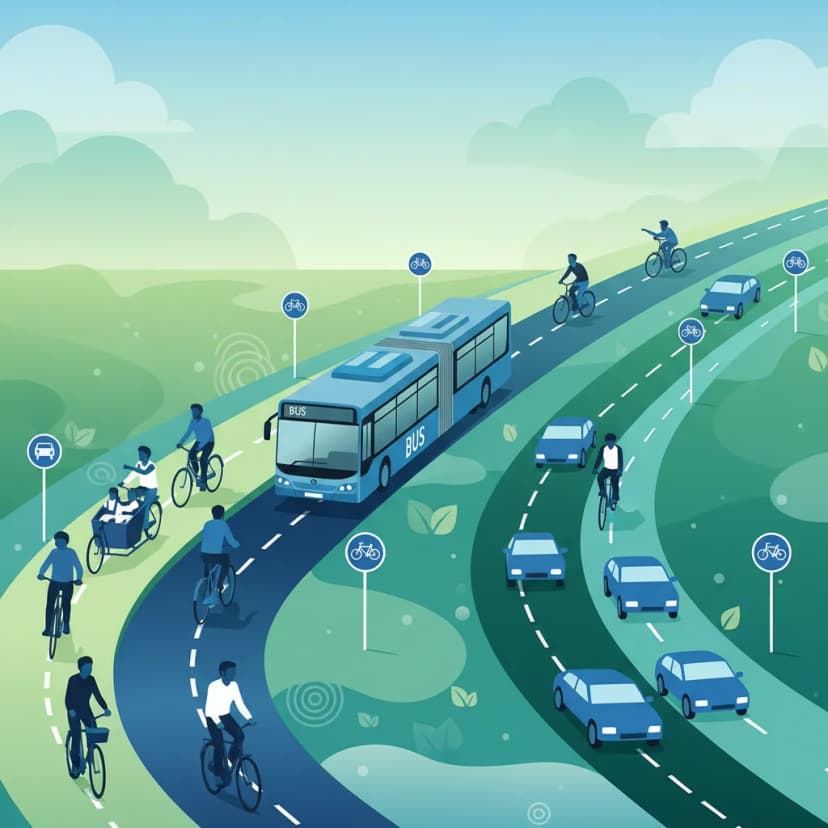
This lesson explains the specific regulations for lanes designated for particular users, such as buses or cyclists. It clarifies under what circumstances a moped is permitted to enter these lanes and the rules that must be followed while in them. Understanding these regulations is key to navigating complex urban environments legally and safely.
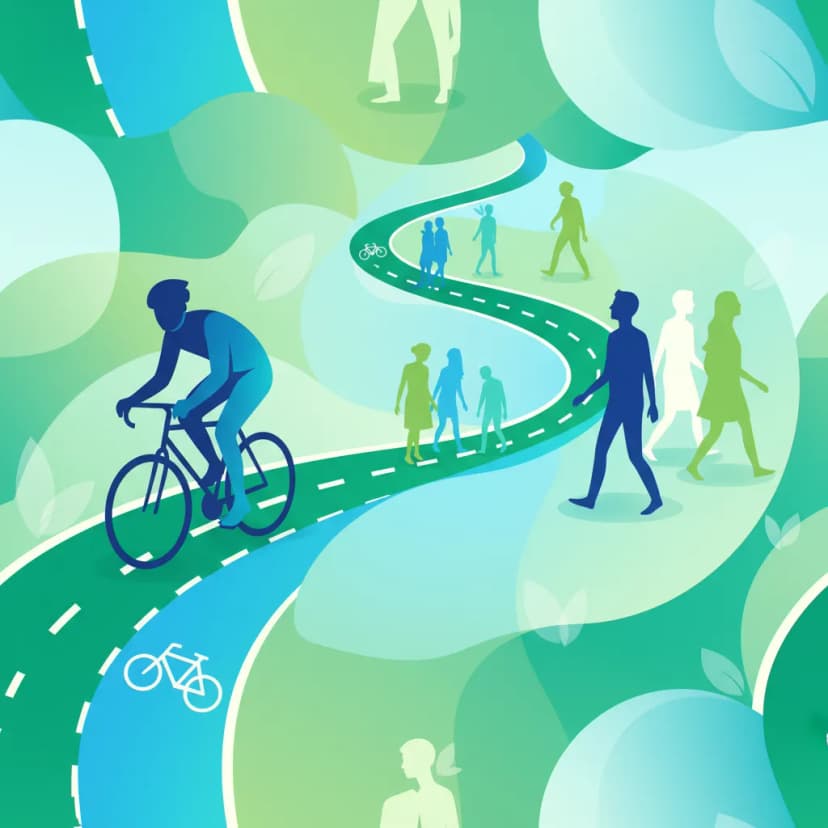
This lesson clarifies the regulations for operating a moped on cycle paths (Cykelbana) and other shared spaces in Sweden. It explains which types of mopeds are permitted on these paths and the specific rules that apply, such as lower speed limits and the duty to yield to cyclists. The content focuses on safe interaction and communication to ensure peaceful coexistence with other users in these environments.
This lesson clarifies the legal distinction between stopping temporarily and parking. It identifies areas where stopping is prohibited, such as near intersections or on pedestrian crossings, to maintain traffic flow and safety. The content also discusses designated waiting areas at traffic lights, often marked for cyclists and mopeds, which can offer a safer position.
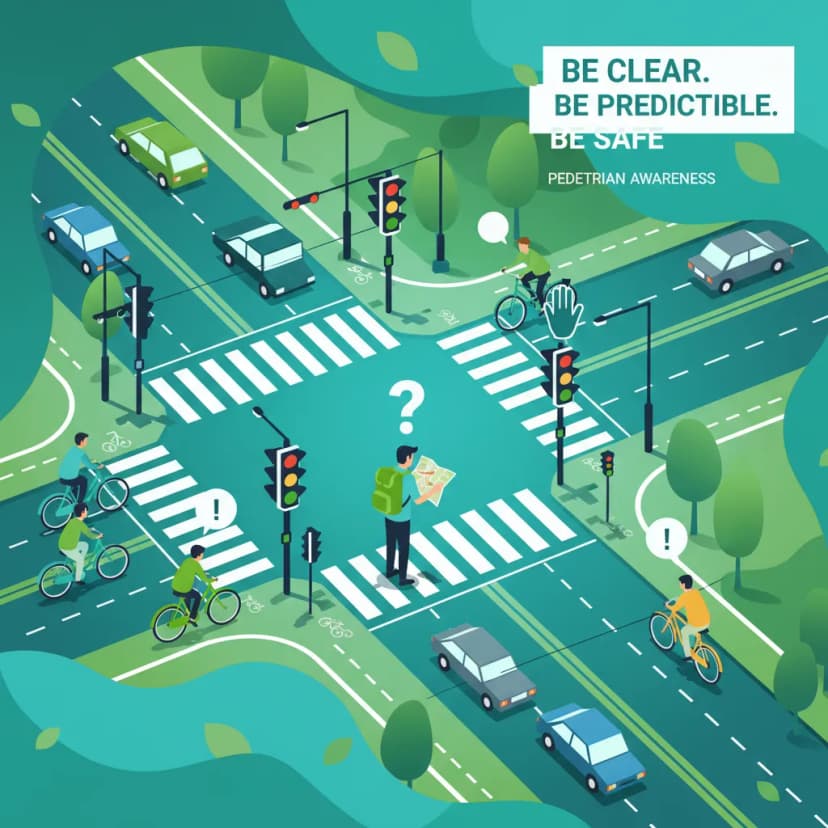
This lesson is dedicated to pedestrian safety, teaching riders to be constantly aware of people on foot, especially in busy urban environments. It reinforces the absolute duty to yield at marked crossings and encourages a cautious approach in areas like schools and shopping districts. The content stresses anticipating unpredictable actions, particularly from children or distracted pedestrians.
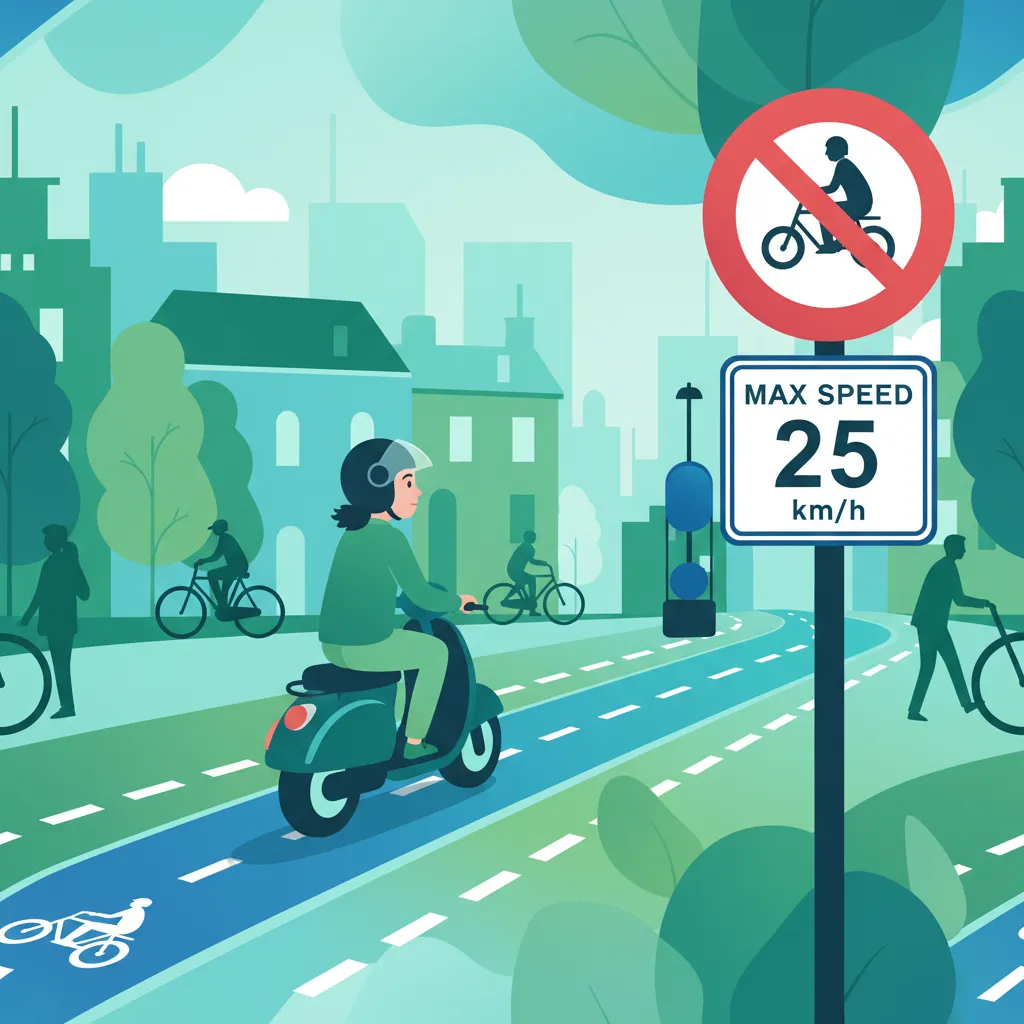
This lesson consolidates the key regulations that apply specifically to moped operation in Sweden. It covers mandatory rules such as speed limits, helmet use, and requirements for vehicle lighting and reflectors. Furthermore, the lesson explains the legal consequences of violations, including the system of fines and potential demerit points, ensuring riders understand their full range of legal responsibilities on the road.
This lesson addresses the unique hazards associated with public transportation. It explains how to safely navigate around buses that are stopping to pick up or drop off passengers and the importance of watching for pedestrians. It also covers the physical danger of slippery tram tracks, especially when wet, and reiterates that trams typically have absolute priority.
Explore real-world traffic scenarios for mopeds navigating Swedish intersections and roundabouts. This lesson focuses on common hazards, rider positioning, speed adjustment, and safe interaction with other road users to enhance overall road safety.
This lesson provides detailed guidance on navigating complex traffic points such as signalized intersections, multi-lane roundabouts, and pedestrian crossings. You will learn the correct procedures for entering and exiting roundabouts, the specific rules for yielding to pedestrians and cyclists at designated crossings, and how to interpret complex traffic light signals. These skills are vital for safe urban and suburban riding, where interaction with vulnerable road users is frequent.
This lesson is dedicated to pedestrian safety, teaching riders to be constantly aware of people on foot, especially in busy urban environments. It reinforces the absolute duty to yield at marked crossings and encourages a cautious approach in areas like schools and shopping districts. The content stresses anticipating unpredictable actions, particularly from children or distracted pedestrians.
This lesson addresses the unique hazards associated with public transportation. It explains how to safely navigate around buses that are stopping to pick up or drop off passengers and the importance of watching for pedestrians. It also covers the physical danger of slippery tram tracks, especially when wet, and reiterates that trams typically have absolute priority.
This lesson clarifies the legal distinction between stopping temporarily and parking. It identifies areas where stopping is prohibited, such as near intersections or on pedestrian crossings, to maintain traffic flow and safety. The content also discusses designated waiting areas at traffic lights, often marked for cyclists and mopeds, which can offer a safer position.
This lesson explains the specific regulations for lanes designated for particular users, such as buses or cyclists. It clarifies under what circumstances a moped is permitted to enter these lanes and the rules that must be followed while in them. Understanding these regulations is key to navigating complex urban environments legally and safely.
This lesson clarifies the regulations for operating a moped on cycle paths (Cykelbana) and other shared spaces in Sweden. It explains which types of mopeds are permitted on these paths and the specific rules that apply, such as lower speed limits and the duty to yield to cyclists. The content focuses on safe interaction and communication to ensure peaceful coexistence with other users in these environments.
This lesson consolidates the key regulations that apply specifically to moped operation in Sweden. It covers mandatory rules such as speed limits, helmet use, and requirements for vehicle lighting and reflectors. Furthermore, the lesson explains the legal consequences of violations, including the system of fines and potential demerit points, ensuring riders understand their full range of legal responsibilities on the road.
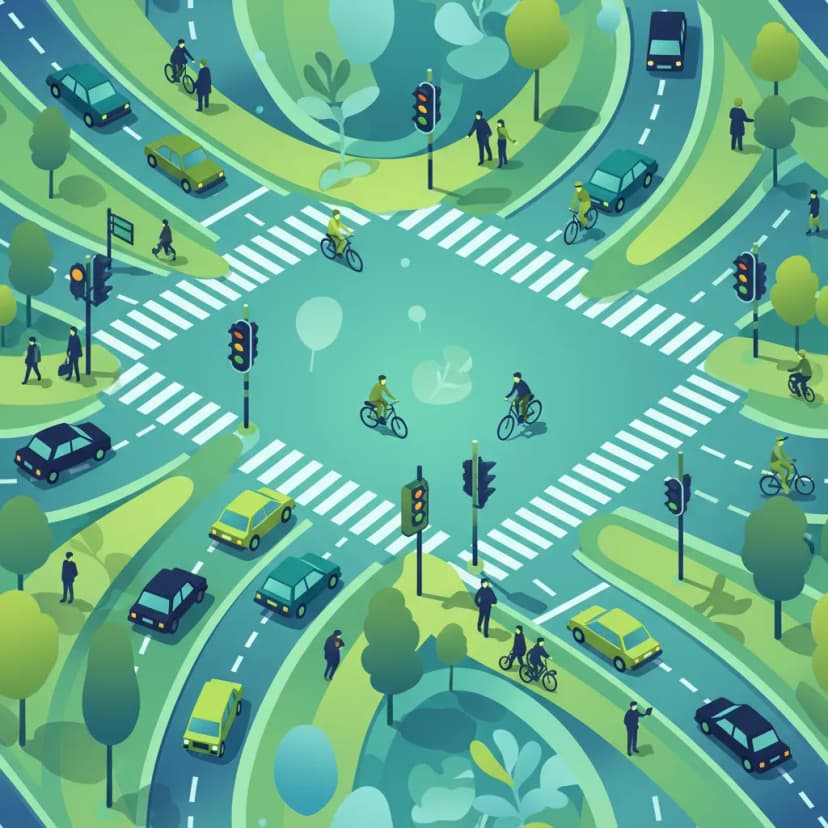
This lesson focuses on the specific techniques required for riding in busy city and town environments. You will learn how to maintain correct lane positioning amidst dense traffic, navigate complex intersections with multiple signals, and manage the motorcycle at low speeds in stop-and-go conditions. Emphasis is placed on heightened awareness of pedestrians, cyclists, and vehicles making sudden maneuvers, which are common hazards in urban settings.

This lesson focuses on developing the fine control needed for low-speed maneuvering, a common challenge in urban environments. It covers techniques for making tight turns, such as U-turns, by using a combination of clutch, throttle, and rear brake control. The goal is to build the rider's skill and confidence in handling the moped in parking lots, heavy traffic, and other confined areas.
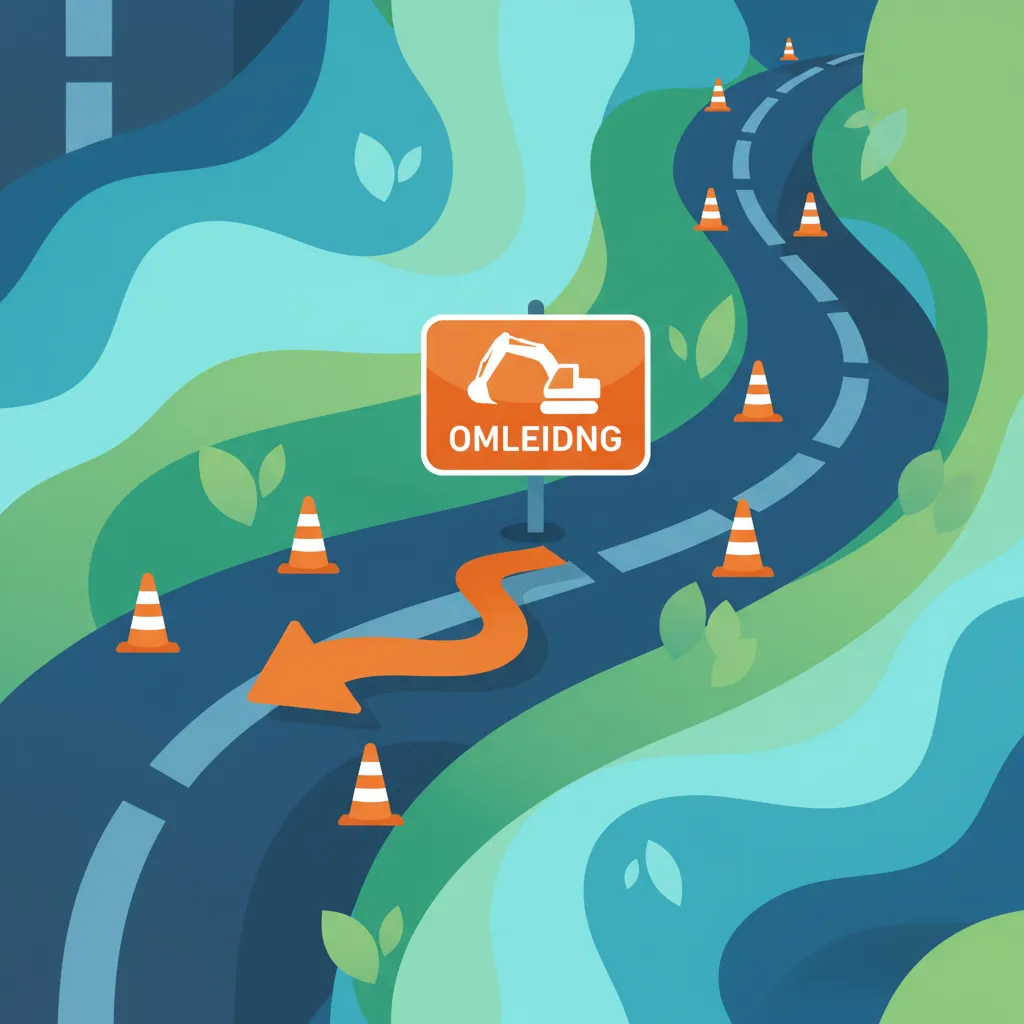
This lesson prepares riders for encountering roadworks, which can introduce temporary and often confusing changes to the road layout. It explains how to interpret the specific orange-colored signs used in these zones, including new speed limits, lane diversions, and warnings about surface hazards. The key takeaway is to reduce speed and increase vigilance when navigating through construction areas.
Find clear answers to common questions learners have about Intersections and Roundabouts. Learn how the lesson is structured, which driving theory objectives it supports, and how it fits into the overall learning path of units and curriculum progression in Sweden. These explanations help you understand key concepts, lesson flow, and exam focused study goals.
When entering a Swedish roundabout, you almost always have a duty to yield to traffic already circulating within the roundabout, unless signs clearly indicate otherwise. At typical intersections, priority rules (like 'right before left' or signs) determine the right-of-way, which can be more varied.
Generally, no. Moped riders follow the same fundamental priority rules as car drivers in Sweden. However, due to their smaller size, mopeds must be extra vigilant and ensure they are seen, especially at complex junctions where drivers might overlook them.
Signal left if you intend to take an exit past the 12 o'clock position (e.g., exiting at the third exit). Do not signal upon entry. Signal right just before your intended exit. If taking the first exit, signal right upon entry to the roundabout.
In Sweden, at an uncontrolled intersection without signs or traffic lights, the 'right before left' rule (högerregeln) generally applies. This means vehicles approaching from your right have priority. As an AM moped rider, you must always be prepared to yield to traffic from your right.
No, while often advisable for simpler exits, it's not always mandatory. You should choose the lane that is most suitable for your intended exit. For example, if taking a later exit, it might be more appropriate to use an inner lane, ensuring you move safely to an outer lane before your exit point. Always be aware of traffic flow and road markings.