
This lesson focuses on the critical skill of safely co-existing with cars and heavy vehicles as a Category AM moped rider in Sweden. Understanding their size, blind spots, and the effects of wind turbulence is essential for safe navigation and passing your theory exam.
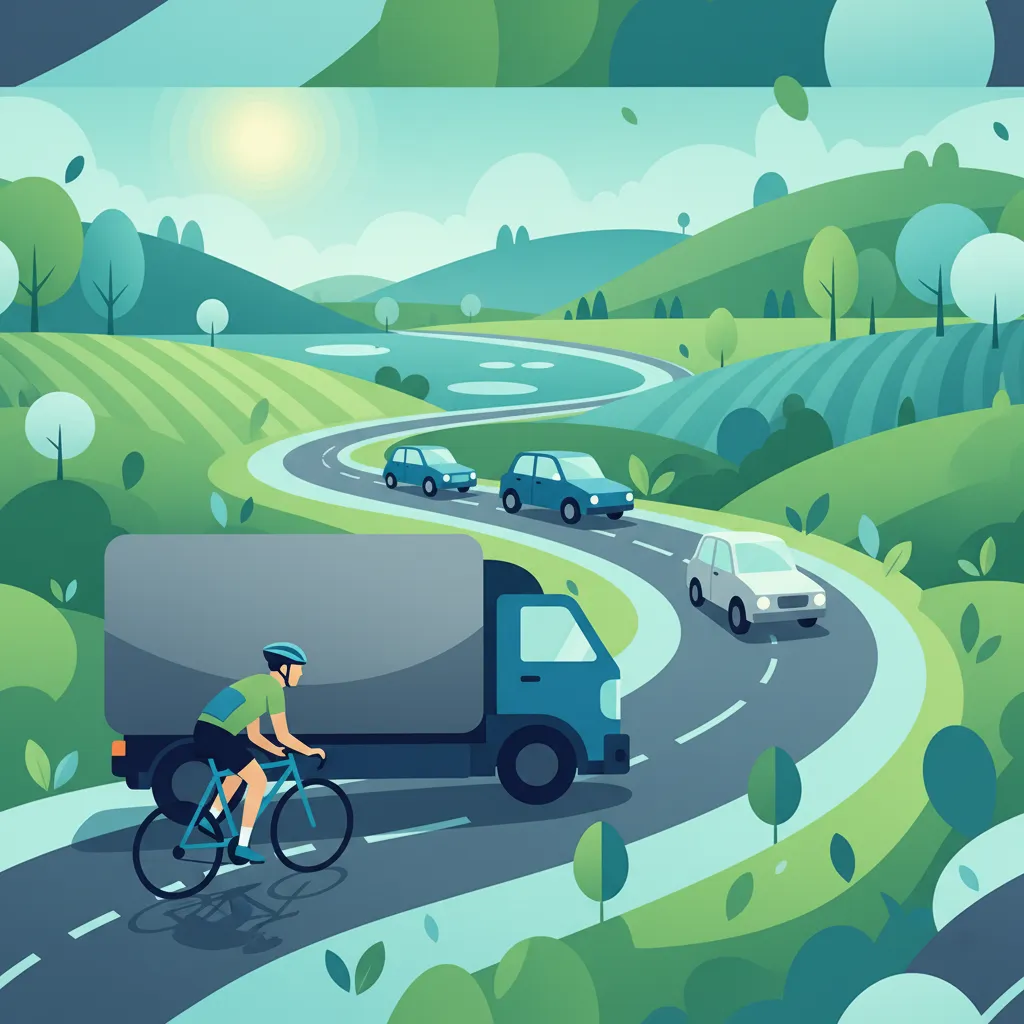
Navigating Swedish roads on a Category AM moped requires a keen understanding of how to safely interact with all other road users, especially larger vehicles like passenger cars, delivery vans, trucks, and buses. These larger vehicles present unique challenges due to their size, weight, and the dynamics of their movement. This lesson will equip you with the knowledge and strategies necessary to coexist safely, reducing risks and ensuring your visibility and stability in traffic.
Mopeds are relatively small, lightweight, and less visible compared to cars and heavy vehicles. This inherent vulnerability means moped riders must adopt proactive safety measures. The primary challenges include the extensive blind spots (often called 'no-zones') of larger vehicles, the destabilizing effects of wind turbulence they generate, and their significantly longer braking distances. Mastering these interactions is crucial for preventing collisions and ensuring a safe riding experience as part of your Swedish Driving License Theory Course – Category AM (Moped).
Heavy vehicles, such as trucks and buses, pose a significant risk if their drivers are unaware of a moped's presence. These vehicles cannot stop as quickly as a moped or car, and their size can easily obscure a moped from view. Turbulent air streams created by large vehicles can also destabilize a moped, leading to loss of control. A lack of awareness of these factors is a leading cause of moped-involved collisions. By understanding and applying the principles in this lesson, you can drastically reduce your risk.
Safe coexistence on the road with larger vehicles hinges on several core principles. These principles guide your decisions on positioning, speed, and overall road behavior to ensure you are seen, stable, and have adequate time to react.
A no-zone, also known as a blind spot, is an area around a heavy vehicle where the driver cannot see other road users, even with mirrors. These zones are far more extensive than those of passenger cars and are a primary hazard for moped riders. Entering a no-zone puts you at extreme risk, as the heavy vehicle driver may not detect your presence when changing lanes, turning, or braking.
Never linger in a heavy vehicle's no-zone. If you cannot see the driver's face in their side mirror, assume they cannot see you.
Being seen is paramount for moped safety. Visibility maximisation refers to all the actions a rider takes to remain within the visual field of surrounding drivers. Given the size of heavy vehicles and their blind spots, moped riders must be proactive in making themselves conspicuous.
Lights that illuminate the front of a vehicle during daylight hours to improve visibility to other road users. Mandatory for mopeds in Sweden.
Heavy vehicles displace a significant amount of air as they move, creating powerful air currents and pressure changes. This phenomenon, known as wind turbulence or "air-punch," can be extremely destabilizing for a lightweight moped. The effects include strong side-winds that can push you off course, and a suction effect that can pull your moped towards the heavy vehicle once it has passed.
To counteract these forces, you must maintain an aerodynamic buffer – a safe lateral distance from the heavy vehicle. A minimum side distance of 1 meter is generally recommended. However, this distance should be increased significantly at higher speeds or in strong cross-wind conditions. When passing or being passed by a large truck or bus, be prepared for sudden pushes or pulls on your moped. Reducing your speed slightly can also help improve stability when encountering turbulence.
When encountering strong cross-winds, especially near large vehicles on open roads, consider increasing your lateral distance to 1.5–2 meters and reducing your speed to maintain stability.
A space cushion is the safety zone you maintain around your moped, both longitudinally (front and back) and laterally (sides). This cushion provides you with crucial reaction time and braking distance, allowing you to respond safely to unexpected events.
The safe following distance is the longitudinal gap you keep between your moped and the vehicle ahead. This distance is vital, especially when following heavy vehicles which require much longer stopping distances than cars or mopeds.
To measure your following distance, pick a fixed object on the road (like a road sign). When the vehicle in front of you passes that object, start counting "one-thousand-one, one-thousand-two..." You should not reach the object until you've counted the recommended number of seconds.
The longitudinal gap, typically measured in seconds, that allows a rider sufficient time to react and stop safely if the vehicle ahead brakes suddenly.
Predictable behaviour means consistently maintaining your speed, staying within your lane, and signaling your intentions clearly and early. This helps other drivers, especially those operating large vehicles, anticipate your actions and react safely. Unexpected movements can surprise drivers, leading to dangerous situations.
Swedish traffic law includes several provisions that underpin safe interaction with all road users, particularly emphasizing the protection of vulnerable road users like moped riders.
Trafikförordning § 5 (Swedish Traffic Ordinance, Section 5) "All road users must keep a distance that enables safe stopping, taking into account speed, road conditions, and vehicle type."
This fundamental rule applies universally but is especially critical when interacting with heavy vehicles. Their longer braking distances mean you must maintain an even greater gap to avoid rear-end collisions. Violating this rule can lead to significant penalties if an incident occurs.
Trafikförordning § 11 (Swedish Traffic Ordinance, Section 11) "Drivers must ensure they can see other road users and be seen by them; vulnerable users must use appropriate lighting and reflective aids."
This section places a direct responsibility on you as a moped rider to maximize your visibility. It reinforces the need for daytime running lights, functional headlights and taillights, and appropriate reflective clothing. It also implies that drivers of larger vehicles have a duty to actively look out for vulnerable users.
Specific regulations from Transportstyrelsen (the Swedish Transport Agency) mandate that mopeds must use headlights from sunset to sunrise and whenever visibility is reduced (e.g., fog, heavy rain). Your rear and side lights must also be fully functional. This is not merely a recommendation but a legal requirement to ensure you are seen at all times.
While not legally binding regulations, Trafikverket (the Swedish Transport Administration) provides crucial best-practice guidelines. These often recommend keeping at least 1 meter lateral distance from the side of a heavy vehicle and actively avoiding their front and rear no-zones. These guidelines are based on extensive research into road safety and should be followed diligently.
Understanding common mistakes and hazardous situations can significantly enhance your safety. Moped riders frequently encounter specific risks when sharing the road with cars and heavy vehicles.
Hazard: Stopping too close behind a bus at a bus stop places you squarely in its rear no-zone. The bus driver will not see you when preparing to pull away. Safe Practice: Stop at least 5-10 meters behind the bus. Position your moped so you are visible in the bus driver's side mirror. This gives you time to react if the bus starts moving unexpectedly or needs to back up slightly.
Hazard: Overtaking a heavy vehicle on its right side is extremely dangerous in right-hand traffic. You enter the heavy vehicle's largest side blind spot, and you're exposed to significant turbulence. Safe Practice: Always overtake heavy vehicles on the left, maintaining a lateral clearance of at least 1.5 meters. Ensure you have clear visibility of the road ahead and the heavy vehicle driver's mirrors before initiating the maneuver.
Hazard: Accelerating to position yourself directly in front of a heavy vehicle, especially at intersections or in stop-and-go traffic, makes you invisible. If the heavy vehicle brakes suddenly, you are at severe risk of being crushed. Safe Practice: Always maintain at least 5 meters of clear space between the front of a heavy vehicle and your moped. Ensure you can see the heavy vehicle's mirrors, indicating the driver can potentially see you.
Hazard: Riding without headlights at dusk or in adverse weather dramatically reduces your visibility, especially to drivers of large vehicles who may not notice your moped against the fading light or poor conditions. Safe Practice: Turn on your headlights well before sunset and keep them on in any condition that reduces visibility (rain, fog, snow). Combine this with high-visibility clothing.
Hazard: Making sudden lane changes or braking abruptly without signaling can catch heavy vehicle drivers off guard. Their reaction time and braking distance are longer, increasing the risk of a collision. Safe Practice: Signal all intentions (turns, lane changes) well in advance. Maintain a consistent speed and avoid abrupt movements. Provide heavy vehicle drivers with ample time to react to your planned actions.
The principles of safe coexistence remain constant, but their application varies depending on specific conditions. Always adjust your riding strategy based on the environment and situation.
Every action you take (or fail to take) has a direct consequence on your safety when riding near larger vehicles. Understanding these cause-and-effect relationships reinforces the importance of safe riding practices.
Cause: Rider stays out of all heavy vehicle no-zones. Effect: The driver of the heavy vehicle can see the rider at all times. Reason: Uninterrupted visual line of sight for the driver.
Cause: Rider maintains a 3-second gap behind a truck. Effect: Sufficient reaction time for both the rider and the truck driver to stop safely. Reason: Heavy vehicles have significantly longer braking distances.
Cause: Rider uses high-visibility clothing and proper lighting. Effect: Increased detectability of the moped in all lighting and weather conditions. Reason: The human eye is more likely to detect contrasts, bright colors, and light sources.
Cause: Rider signals lane changes early and maintains consistent speed. Effect: Surrounding traffic can anticipate the moped's movements. Reason: Predictable behavior reduces surprise factors, allowing other drivers to react appropriately.
Cause: Rider keeps ≥ 1 meter lateral distance from a truck, especially in side winds. Effect: The moped remains stable and avoids sudden wobbling or being pushed/pulled. Reason: Airflow turbulence and suction effects diminish with distance.
Statistical Insight: Swedish road statistics from Transportstyrelsen (2022) indicate that approximately 12% of moped collisions involve a heavy vehicle, with blind-spot entry being the most common contributing factor. This highlights the critical importance of no-zone awareness.
To ensure your safety and compliance with Swedish traffic law when riding a Category AM moped near cars and heavy vehicles, remember these essential points:
By consistently applying these principles, you will significantly enhance your safety and confidence on Swedish roads, effectively coexisting with all types of vehicles.
Lesson content overview
Explore all units and lessons included in this driving theory course.
Explore search topics learners often look for when studying Co-existence with Cars and Heavy Vehicles. These topics reflect common questions about road rules, driving situations, safety guidance, and lesson level theory preparation for learners in Sweden.
Browse additional driving theory lessons that cover connected traffic rules, road signs, and common driving situations related to this topic. Improve your understanding of how different rules interact across everyday traffic scenarios.
Learn how to navigate safely alongside cars and trucks on Swedish roads. This lesson explains moped rider visibility challenges, the concept of blind spots or 'no-zones' around large vehicles, and strategies to stay safe.
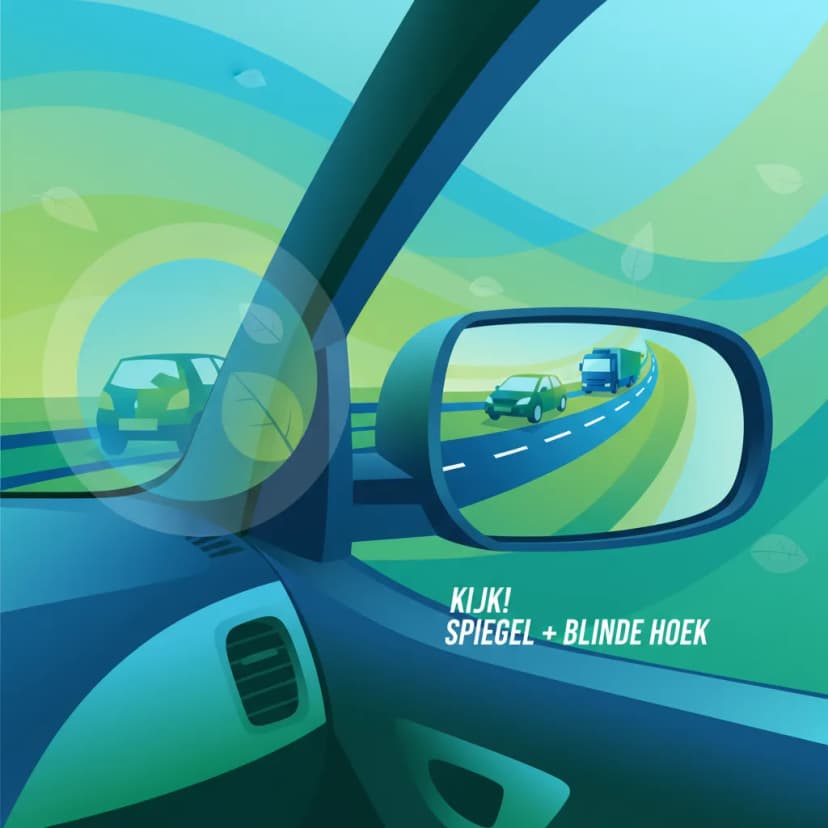
This lesson emphasizes the importance of a comprehensive visual scanning routine that includes regular mirror checks and mandatory head checks (shoulder checks) to cover blind spots. It explains that mirrors alone are not sufficient and that a physical turn of the head is required before any lateral movement. This habit is fundamental to preventing collisions during lane changes, merging, or turning.
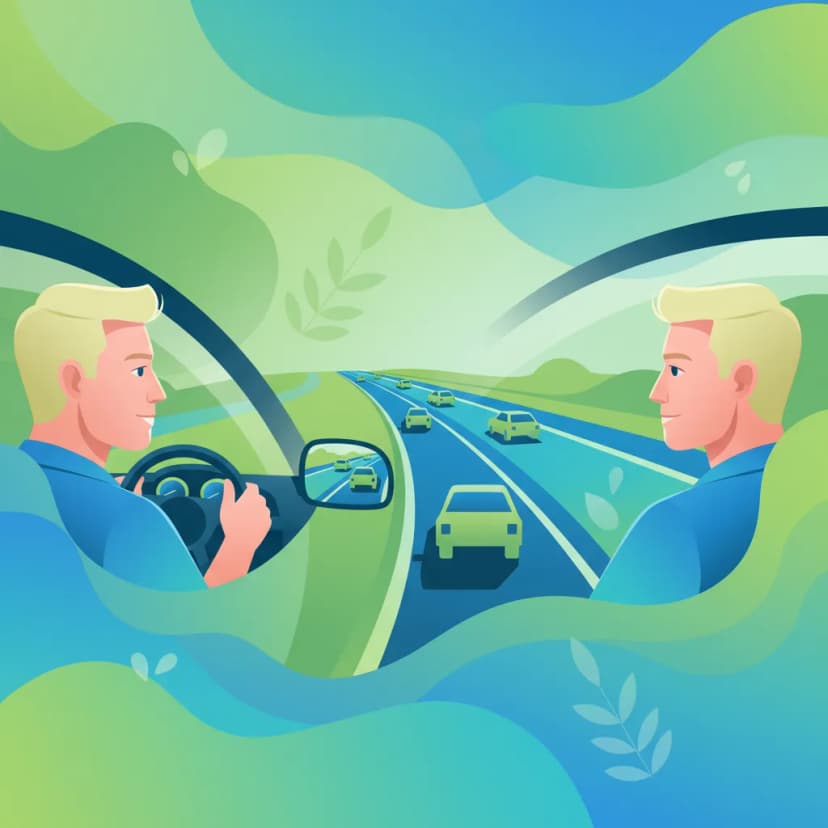
This lesson focuses on creating a complete awareness of the traffic situation around your vehicle. You will learn the correct procedure for using your interior and side mirrors in a continuous scanning pattern. Crucially, the lesson explains what the blind spot (döda vinkeln) is, where it is located, and why a physical head check over the shoulder is a non-negotiable safety step before any lateral movement like changing lanes or turning.
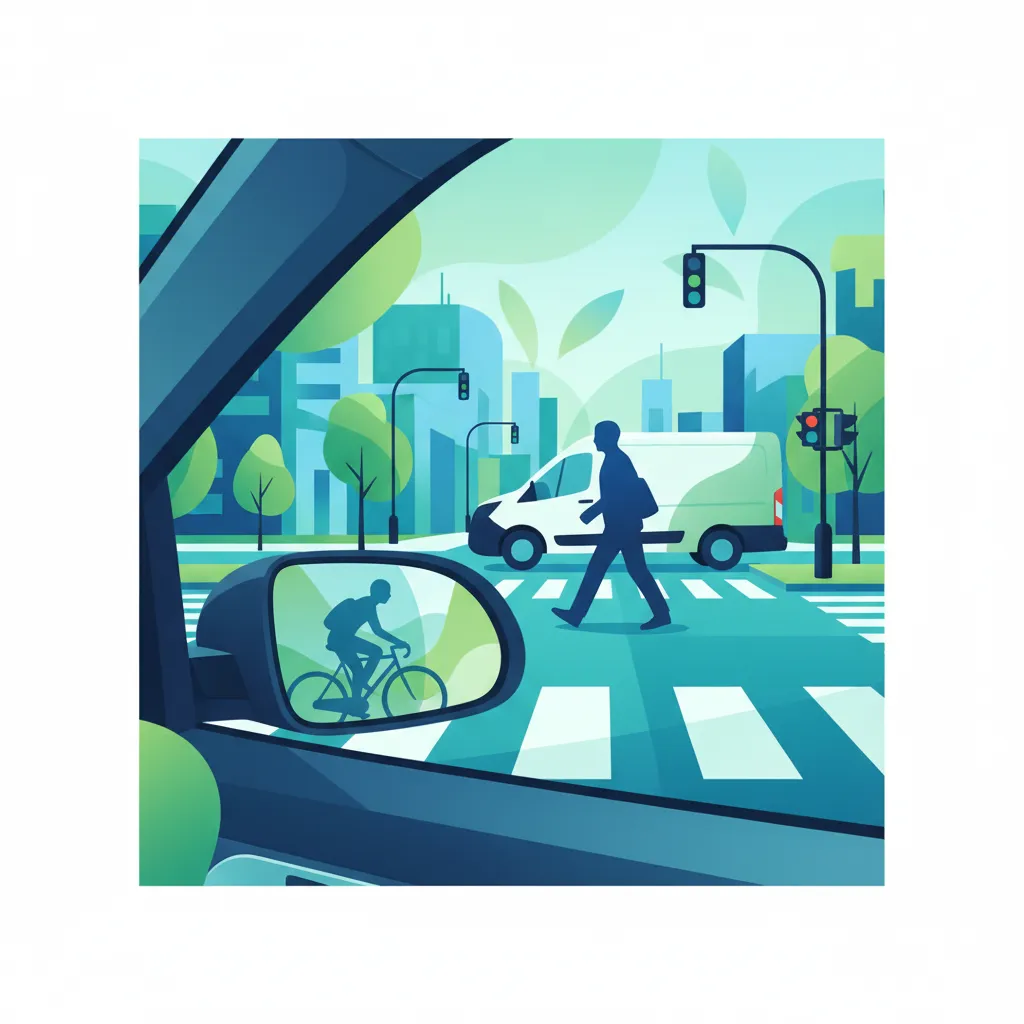
This lesson provides critical strategies for dealing with one of the biggest dangers in traffic: blind spots. You will learn the importance of the shoulder check and how to position yourself on the road to be more visible to other drivers. The lesson also trains you to scan the road surface ahead for hidden hazards like potholes, gravel, or oil spills that can pose a significant threat to a motorcycle's stability, teaching you to see and avoid them in time.
This lesson explains how to identify and interact with various types of mopeds and other low-speed vehicles common on Swedish roads. You will learn the difference between Class I and Class II mopeds and their place on the road, as well as how to recognize A-tractors by their LGF (långsamtgående fordon) sign. The key focus is on managing the large speed differential and making safe judgments when deciding to overtake.
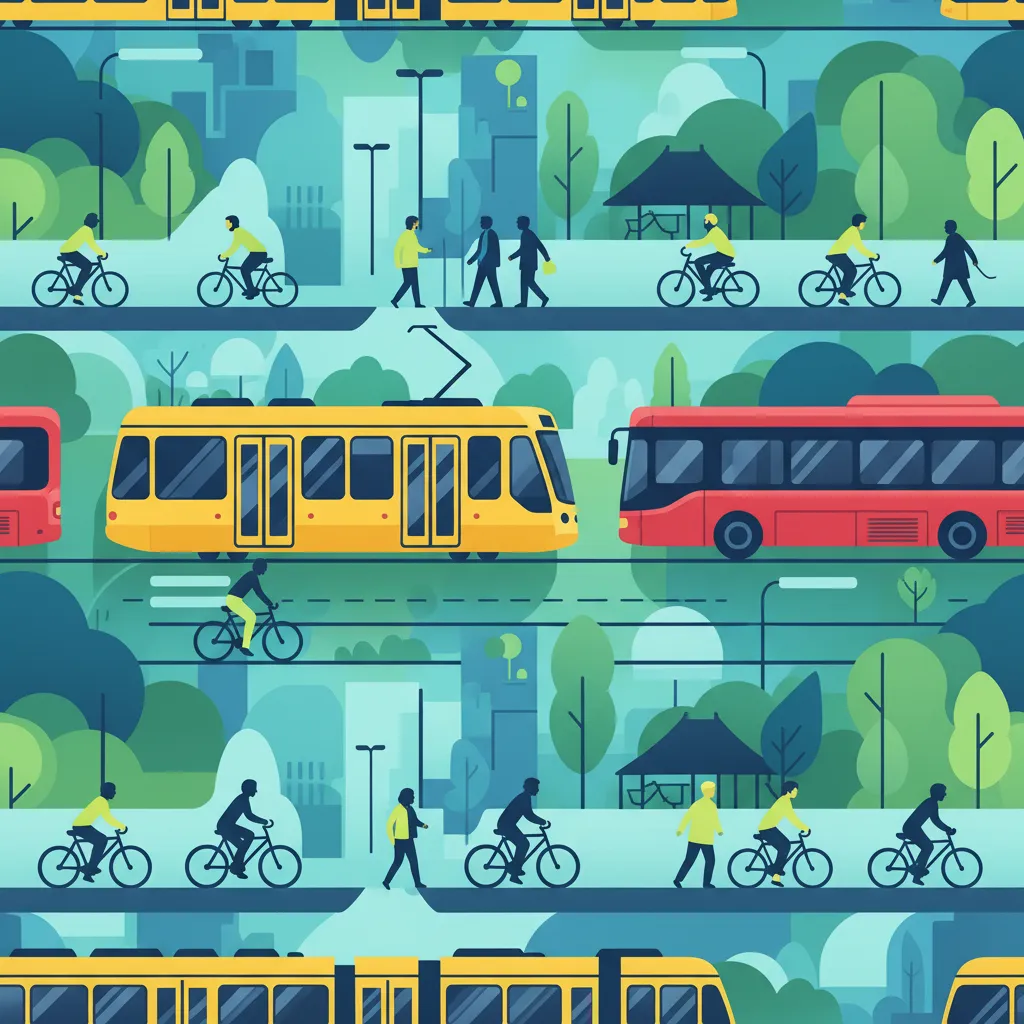
This lesson addresses the unique hazards associated with public transportation. It explains how to safely navigate around buses that are stopping to pick up or drop off passengers and the importance of watching for pedestrians. It also covers the physical danger of slippery tram tracks, especially when wet, and reiterates that trams typically have absolute priority.
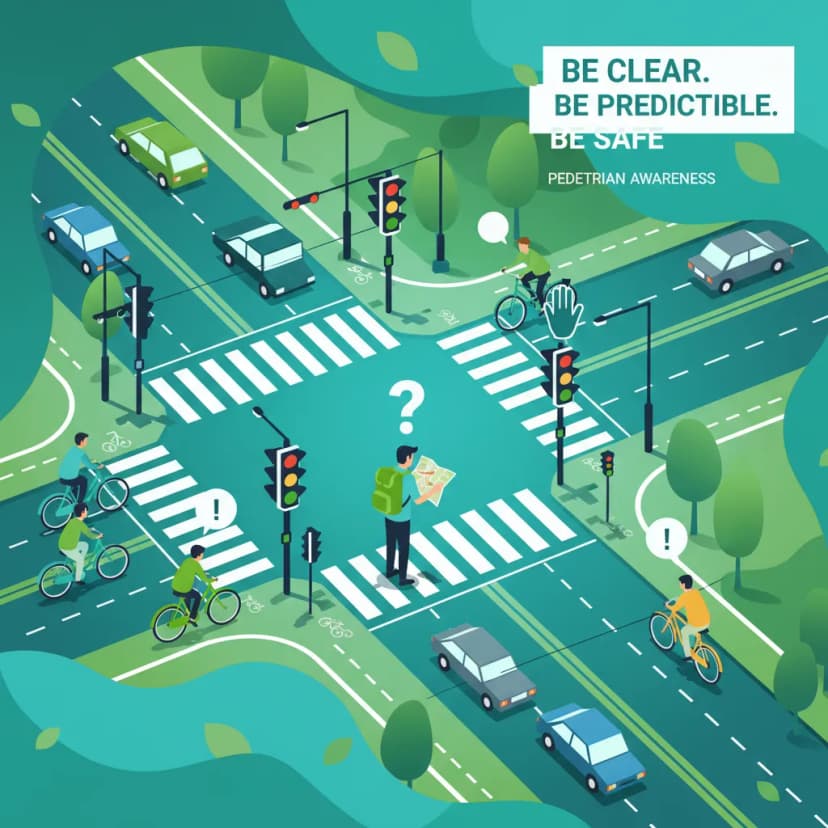
This lesson is dedicated to pedestrian safety, teaching riders to be constantly aware of people on foot, especially in busy urban environments. It reinforces the absolute duty to yield at marked crossings and encourages a cautious approach in areas like schools and shopping districts. The content stresses anticipating unpredictable actions, particularly from children or distracted pedestrians.
This lesson provides in-depth analysis of how to safely interact with the full spectrum of road users. You will learn about the specific characteristics of each, such as the large blind spots of trucks, the potential for sudden movements from cyclists, and the unpredictability of pedestrians. The content teaches strategies for communication, anticipation, and defensive positioning to ensure safe and respectful coexistence on the road for everyone.
This lesson provides essential strategies for riding safely at night and during twilight hours. It covers the correct use of headlights to maximize visibility without dazzling other drivers and emphasizes the need to reduce speed to compensate for shorter sight distances. The content also highlights the importance of wearing reflective gear to be seen by others.
This lesson focuses on proactive strategies to increase a moped rider's visibility to other drivers. It strongly advocates for the use of high-visibility and reflective clothing, helmets, and accessories to stand out in traffic. Additionally, it revisits the concept of lane positioning as a tool to avoid being in other drivers' blind spots and to create a more prominent presence on the road.
This lesson clarifies the legal distinction between stopping temporarily and parking. It identifies areas where stopping is prohibited, such as near intersections or on pedestrian crossings, to maintain traffic flow and safety. The content also discusses designated waiting areas at traffic lights, often marked for cyclists and mopeds, which can offer a safer position.
Explore the dangers of wind turbulence created by cars and heavy vehicles. This lesson provides essential theory on how to maintain stability and control your moped when riding near larger vehicles in Swedish traffic.
This lesson addresses the challenge of riding in windy conditions, which can seriously affect the stability of a lightweight moped. It explains how to anticipate gusts, especially when passing large vehicles or riding in exposed areas. Techniques such as adjusting body position and applying gentle counter-steering pressure to maintain a steady line are covered.
This lesson addresses the unique hazards associated with public transportation. It explains how to safely navigate around buses that are stopping to pick up or drop off passengers and the importance of watching for pedestrians. It also covers the physical danger of slippery tram tracks, especially when wet, and reiterates that trams typically have absolute priority.
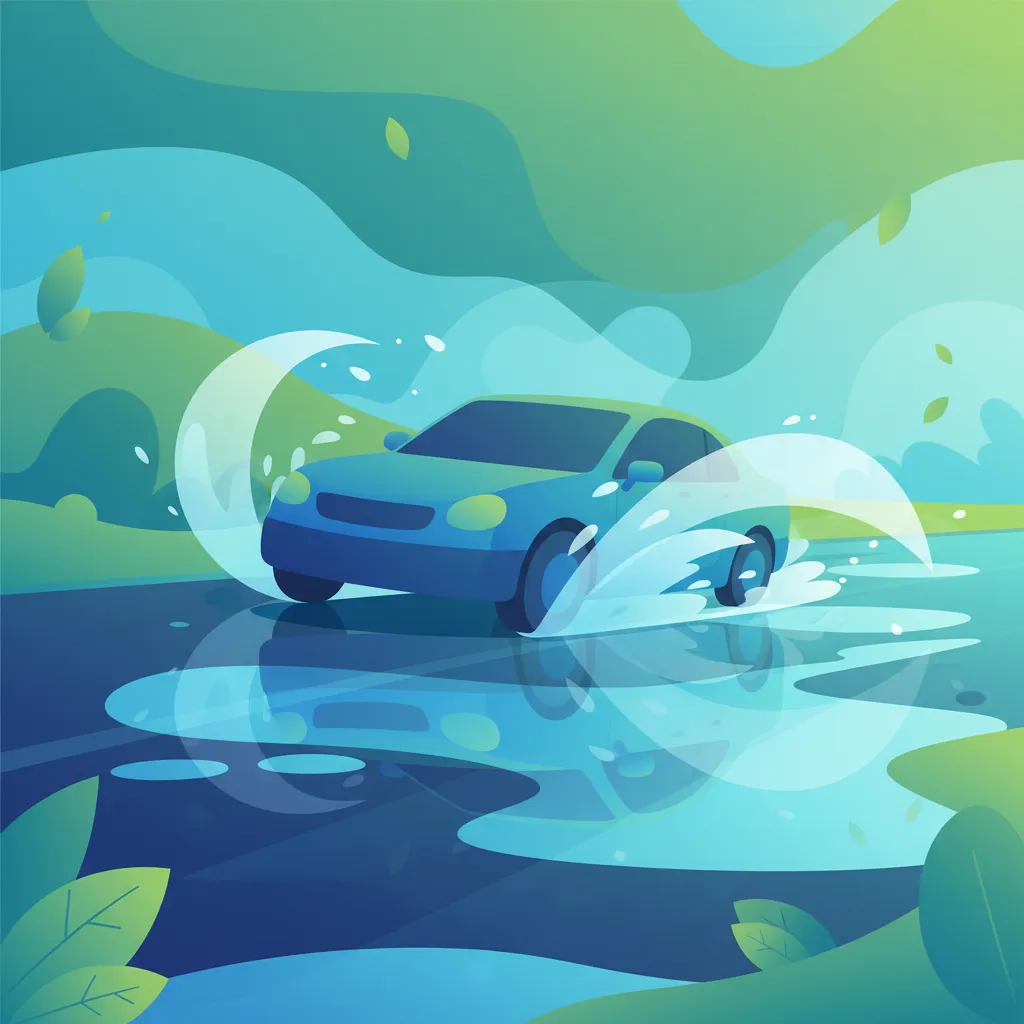
This lesson details the specific hazards associated with riding on wet roads, including significantly increased stopping distances and the risk of aquaplaning. It explains how to recognize conditions where aquaplaning is likely and the importance of reducing speed. Riders will learn to use smoother throttle, braking, and steering inputs to maintain traction and control.
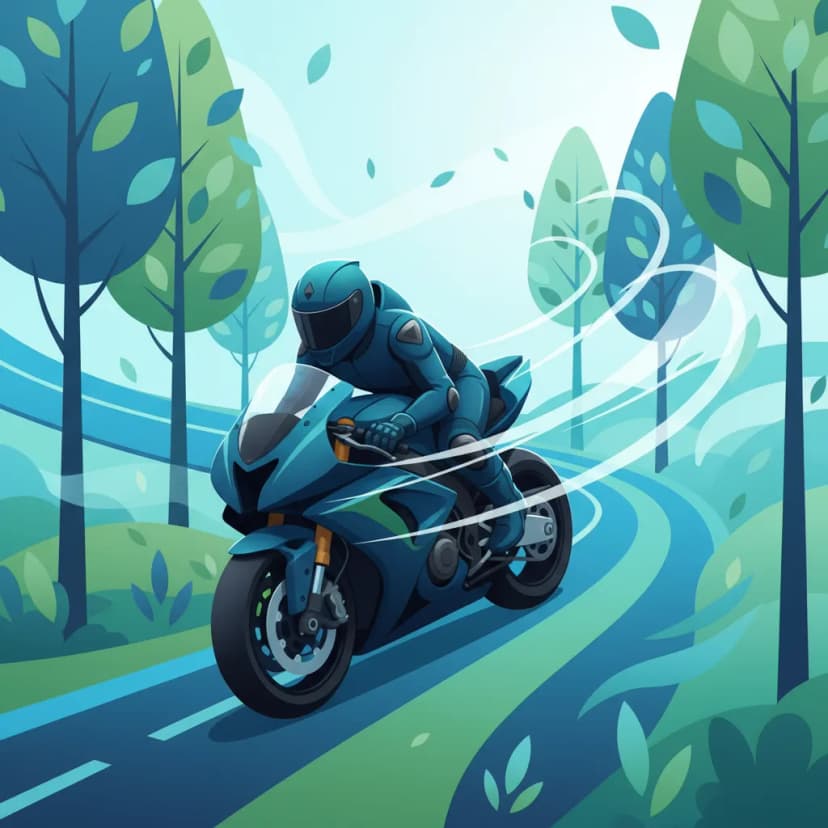
This lesson explains the significant effect wind can have on a motorcycle and rider. You will learn how to anticipate and react to crosswinds and sudden gusts using subtle counter-steering inputs and adjustments in body position to maintain your line. The content also covers how to deal with the turbulence created by large vehicles, a common and unsettling experience, ensuring you can remain stable and in control even on the windiest days.
This lesson explains how to identify and interact with various types of mopeds and other low-speed vehicles common on Swedish roads. You will learn the difference between Class I and Class II mopeds and their place on the road, as well as how to recognize A-tractors by their LGF (långsamtgående fordon) sign. The key focus is on managing the large speed differential and making safe judgments when deciding to overtake.
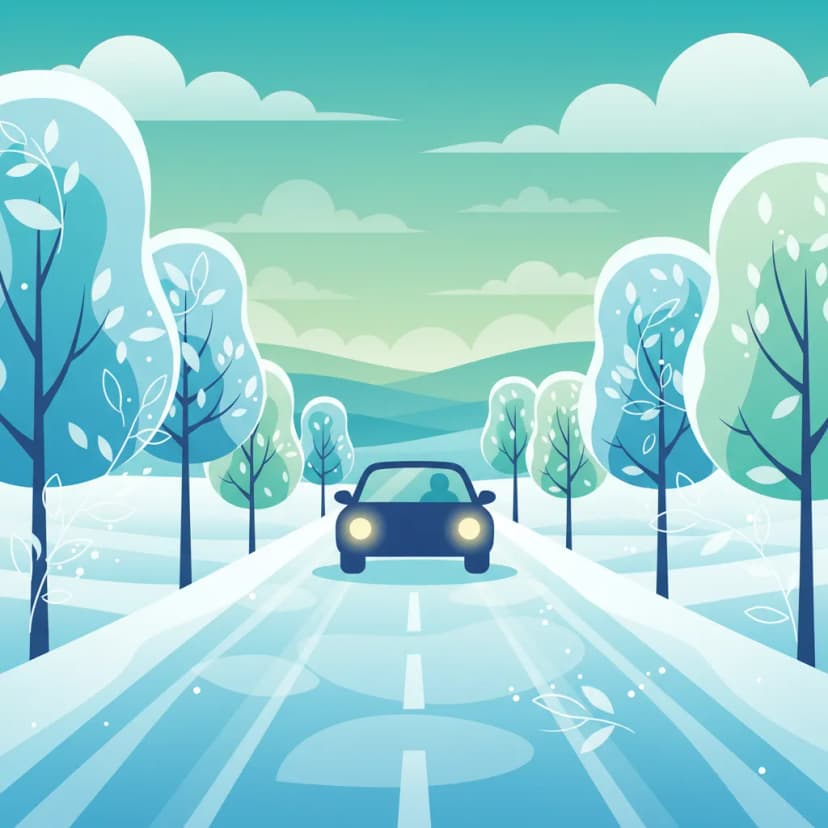
This lesson addresses the severe dangers of riding a moped in snow and icy conditions. It explains how to identify potential hazards like black ice and emphasizes that avoiding riding in such conditions is the safest strategy. For situations where it cannot be avoided, it provides advice on extremely gentle control inputs and vehicle preparation.
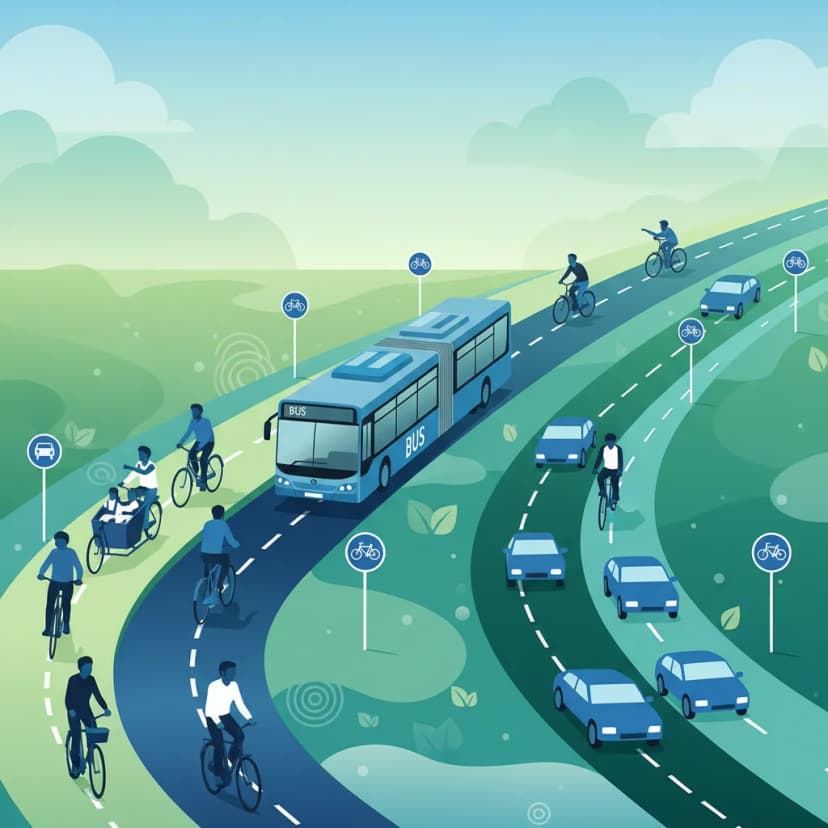
This lesson explains the specific regulations for lanes designated for particular users, such as buses or cyclists. It clarifies under what circumstances a moped is permitted to enter these lanes and the rules that must be followed while in them. Understanding these regulations is key to navigating complex urban environments legally and safely.
This lesson is dedicated to pedestrian safety, teaching riders to be constantly aware of people on foot, especially in busy urban environments. It reinforces the absolute duty to yield at marked crossings and encourages a cautious approach in areas like schools and shopping districts. The content stresses anticipating unpredictable actions, particularly from children or distracted pedestrians.
This lesson focuses on developing the fine control needed for low-speed maneuvering, a common challenge in urban environments. It covers techniques for making tight turns, such as U-turns, by using a combination of clutch, throttle, and rear brake control. The goal is to build the rider's skill and confidence in handling the moped in parking lots, heavy traffic, and other confined areas.
This lesson teaches the crucial skill of adapting speed to prevailing conditions, emphasizing that the posted speed limit is a maximum, not a target. It covers various scenarios such as rain, fog, heavy traffic, and poor road surfaces, explaining why reducing speed is essential for maintaining vehicle control and safety. The goal is to cultivate a proactive mindset where the rider constantly assesses risk and adjusts their speed accordingly.
Find clear answers to common questions learners have about Co-existence with Cars and Heavy Vehicles. Learn how the lesson is structured, which driving theory objectives it supports, and how it fits into the overall learning path of units and curriculum progression in Sweden. These explanations help you understand key concepts, lesson flow, and exam focused study goals.
The primary risks include lack of visibility for the drivers of cars and heavy vehicles due to large blind spots, unpredictable movements from these vehicles, and the significant wind turbulence they generate. As a moped rider, maintaining awareness of these factors is crucial for safety.
Position your moped strategically within the lane, ideally where the driver can see you in their side mirrors. Avoid riding directly alongside large vehicles, especially in their 'no-zones'. Always use your headlights, and consider wearing highly visible clothing, even during the day.
Wind turbulence, often called 'drafting', is the swirling air pushed aside by large vehicles. As a moped rider, this can cause instability, making it difficult to control your vehicle. You should anticipate this by slowing down slightly and ensuring a larger space cushion when passing or being passed by heavy vehicles.
Blind spots, or 'no-zones', are areas around a large vehicle that the driver cannot see directly or in their mirrors. For trucks and buses, these are particularly large, especially to the sides and rear. It is vital for moped riders to avoid lingering in these areas.
The Swedish AM theory exam frequently includes questions about interacting safely with larger vehicles. Understanding blind spots, visibility, and turbulence is essential for answering these questions correctly and demonstrating the necessary knowledge for safe moped operation.