
Riding a moped in winter requires special caution. This lesson, part of the 'Riding in Adverse Weather and Light Conditions' unit, focuses on the significant risks posed by snow, ice, and frost. Understanding these hazards and knowing how to prepare, or ideally, when to avoid riding, is critical for your safety and for passing the AM licence theory exam.
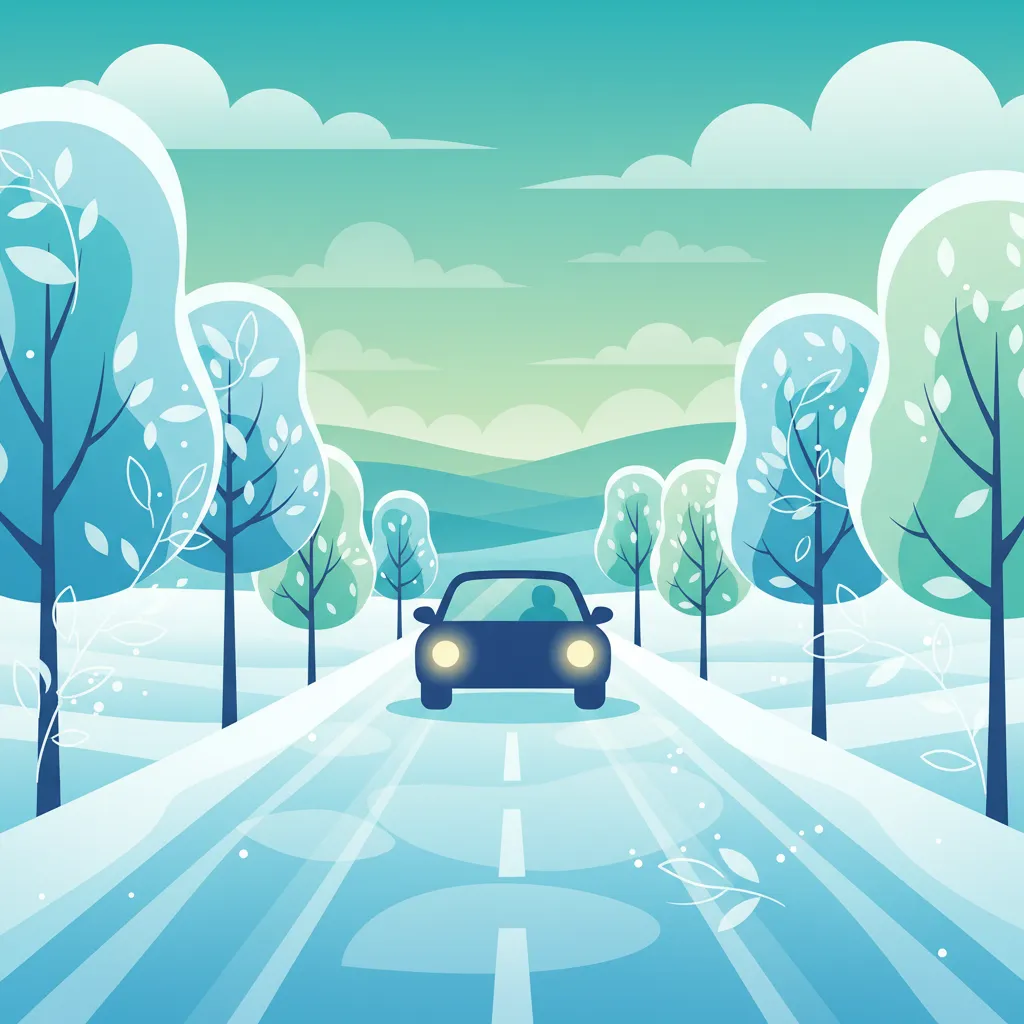
Riding a Category AM moped in Sweden's winter conditions presents some of the most challenging and hazardous situations a rider will face. Snow, ice, and frost drastically alter road surfaces, making safe control extremely difficult. This lesson provides essential knowledge for identifying these hazards, understanding their impact, and implementing crucial safety measures, all while adhering to Swedish traffic law. The overarching principle is that avoiding riding in severe winter conditions is always the safest strategy.
Winter weather transforms familiar roads into perilous surfaces. For moped riders, the lightweight nature of the vehicle and the two-wheel design make it particularly vulnerable to slips and loss of control. Recognizing and understanding these specific hazards is the first step toward safe winter riding.
The fundamental challenge in winter riding stems from a dramatic reduction in the coefficient of friction (µ) between tyres and the road. On dry asphalt, this coefficient can be between 0.5 and 0.7, allowing for effective acceleration, braking, and cornering. However, on ice, this value can plummet to as low as 0.05 to 0.15. This means tyres have significantly less "bite" on the road, making every control input a potential risk.
The impact of this reduced friction is profound: stopping distances increase exponentially, and the vehicle's ability to maintain stability when turning or accelerating is severely compromised. Even a slight increase in speed can double or triple the stopping distance required, as kinetic energy ((E_k = \frac12 m v^2)) grows with the square of the speed. Lower temperatures also affect the elasticity of tyre rubber, making tyres harder and further reducing their grip even before snow or ice is present.
Snow on the road creates an unpredictable surface that dramatically reduces tyre grip and increases stopping distances. Understanding the different forms of snow can help in assessing the risk.
Fresh powder snow is light, unconsolidated, and offers very low friction. Mopeds can easily lose traction, especially during braking or acceleration, leading to skids or loss of balance. Riding through deep fresh snow can also cause the moped to bog down or become unstable due to resistance.
When fresh snow is compacted by traffic or plowing, it forms packed snow. While it may appear more stable, it still offers significantly less grip than dry asphalt. The surface can become very slippery, and abrupt movements can easily break traction. Riders often misunderstand packed snow, believing it to be safe for higher speeds, which is incorrect and extremely dangerous.
Slush is a mixture of melting snow and water. It creates variable friction and can cause a phenomenon similar to aquaplaning, where the tyre loses contact with the road surface due to a layer of water. Slush can also freeze rapidly into ice, creating hidden hazards. The unpredictable nature of slush makes it particularly challenging for two-wheeled vehicles.
Ice is arguably the most dangerous winter road condition for moped riders due to its extreme slipperiness and, in some cases, its invisibility. Any abrupt control input on an icy surface can lead to an immediate and unrecoverable loss of control.
Clear ice is a uniform layer of frozen water, often visible as a shiny surface. It provides minimal traction. Glazed ice forms after repeated cycles of melting and refreezing, which can create a slightly rougher, but still very slippery, surface.
Black ice is a thin, transparent layer of ice that forms on the road surface, allowing the dark colour of the pavement beneath to show through. This makes it incredibly difficult to see, often appearing just like a wet patch. It frequently forms on shaded areas, bridges, and overpasses where temperatures drop faster and cold air circulates both above and below the road surface. The human brain often expects visual cues for ice, and the lack of these cues for black ice can lead riders to drive onto it unaware, resulting in sudden and unexpected loss of traction.
Even without visible snow or obvious ice patches, frost can make roads extremely slippery. Frost forms when moisture in the air condenses and freezes on surfaces, often on clear nights with sub-zero temperatures. It creates a thin, crystalline layer that drastically reduces grip, especially on shaded sections, bridges, or areas near water.
Many riders underestimate the danger of frost, believing it to be less severe than ice. However, the effect on a moped's low weight and narrow tyres is significant, making it prone to slipping, particularly when leaning into a turn. Treating any surface that has been exposed to sub-zero temperatures as potentially frosted is a crucial safety habit.
Given the severe risks posed by snow, ice, and frost, the fundamental safety principle for moped riders in Sweden is to avoid riding in these conditions whenever possible. This is not merely a recommendation but a legal expectation.
Swedish traffic legislation, particularly through Transportstyrelsen and Trafikverket guidelines, mandates that a rider must not endanger themselves or other road users. This is interpreted as an obligation to refrain from riding when winter conditions make safe control impossible. There is generally an explicit prohibition for mopeds on motorways and certain high-speed roads when ice is reported. Riding is only allowed in such severe conditions when "necessary for essential travel" and when the rider has applied all possible mitigation measures. Ignoring these obligations can lead to legal citations for unsafe riding.
Before any winter ride, perform a thorough assessment of both the weather forecast and the actual road conditions. Look for visual cues of snow, slush, or obvious ice. Pay particular attention to shaded areas, bridges, and overpasses for signs of black ice or frost. If in doubt, assume the surface is slippery. If conditions appear too hazardous, the safest and most responsible action is to postpone your journey, choose an alternative mode of transport, or walk.
Remember, the law states that a vehicle must be adapted to prevailing road conditions. This includes your decision to ride at all.
If riding cannot be avoided, proper vehicle preparation is paramount. A well-maintained moped will be better equipped to handle the stresses of cold weather and low-grip surfaces, though it will never fully negate the dangers.
Tyre Checks and Winter Tyres: Ensure your tyres have a tread depth of at least 1.6 mm. More importantly, consider fitting winter-fit tyres, often marked with "M+S" (Mud and Snow) or a dedicated winter symbol. These tyres use softer rubber compounds that remain pliable in low temperatures, providing better grip.
Tyre Pressure: Cold temperatures reduce tyre pressure. Always check and adjust your tyre pressure to the manufacturer's cold-inflation pressure specification before riding. Under-inflated tyres reduce the contact patch and worsen grip.
Brake System Inspection: Verify that your brake pads are not worn and that the brake levers operate smoothly. Test your brakes gently in a safe, clear area before heading out to ensure proper function and feel.
Lighting and Electrical Systems: Ensure all lights (headlamp, tail lamp, indicators) are clean and fully functional. Verify that your low-beam headlamp is correctly aligned. The cold can reduce battery output, so a sufficiently charged battery is crucial to avoid stalls, especially in stop-and-go traffic.
Visibility Aids and Cleaning: Clear all frost, snow, or ice from your headlamp and tail lamp lenses, mirrors, and instrument panel. Consider using anti-fog treatments for visors.
On snow, ice, or frost, the margin for error is extremely thin. Adopting a specific riding technique focused on smooth, gentle inputs is critical for maintaining traction and stability. This is often referred to as the Principle of Minimum Control Input.
Every action you take on a moped—accelerating, braking, or steering—transfers weight and applies forces to the tyres. On low-grip surfaces, these forces must be introduced as gradually as possible to prevent sudden loss of traction.
Speed adaptation is paramount. On icy or snowy surfaces, your speed must be drastically reduced, often to well below the posted speed limit. For mopeds, a typical safe speed on genuinely icy surfaces may be ≤ 30 km/h, or even slower in extreme conditions. This lower speed reduces kinetic energy, shortens the distance needed to react, and provides more time to respond to a loss of grip.
Think of speed limits in winter as a maximum for ideal conditions. Your actual safe speed will be much lower and determined by the current grip level.
Due to significantly increased stopping distances on low-grip surfaces, maintaining a generous following distance is crucial. A minimum 3-second following distance is recommended for mopeds in reduced-grip conditions. This provides a vital safety buffer, allowing you more time to react if the vehicle in front suddenly brakes or skids. On extremely icy roads, even longer distances (4-5 seconds) may be necessary.
Your body position can influence the moped's stability. Keep your torso upright and your knees relaxed, allowing the moped to move slightly beneath you. Shifting your centre of gravity slightly forward can help maintain front-wheel traction, which is critical for steering and braking. Avoid aggressive leaning, which can easily cause the tyres to slip out from under you.
Reduced daylight hours, snowfall, and reflective glare from snow and ice significantly impair visibility in winter. Ensuring you can see and be seen is critical for safety.
Your moped's headlamps are essential for both seeing the road and making yourself visible to other road users.
Fog lights provide a wide, low, flat beam that can cut through fog or heavy snow better than headlamps. However, their use is strictly regulated:
In winter, especially with snow on the ground, wearing high-visibility and reflective clothing is not just a recommendation but often a legal requirement (e.g., Regulation 2016-02 regarding personal protective equipment). Bright, contrasting colours and reflective materials significantly increase your conspicuity to other road users, particularly in low light or snowy conditions.
Swedish traffic law places specific demands on all road users, including moped riders, when faced with winter conditions. Understanding these legal obligations is crucial for safety and compliance.
As per Transportstyrelsen guidelines (e.g., TS 2019-07), moped riders are often expected to avoid riding on roads where ice or black ice makes control unsafe, unless there is an extraordinary necessity. Furthermore, mopeds are prohibited from riding on motorways and certain high-speed roads when an ice warning has been issued. This specific prohibition acknowledges the inherent instability of mopeds in such conditions at higher speeds.
While not always legally mandatory, Transportstyrelsen (TS 2018-05) strongly recommends the use of winter-type tyres (M+S or winter symbol) for sustained icy or snowy conditions. These tyres are designed to perform better in cold temperatures and on slippery surfaces, offering a significant safety advantage. However, regardless of tyre type, the primary safety measures of reduced speed and gentle inputs remain paramount.
Under the Swedish Road Traffic Ordinance (RVV 1990 § 15), all vehicles must be equipped with functioning lighting appropriate for the prevailing visibility conditions. This includes the mandatory use of low-beam headlamps whenever visibility is reduced (e.g., due to snowfall, dusk, or dawn). The conditional use of fog lights (only when visibility < 100 m) is also strictly enforced to prevent glare for other drivers.
Failure to comply with lighting regulations can result in fines and is considered a serious safety violation.
Many moped accidents in winter stem from common misconceptions or risky behaviours. Being aware of these pitfalls can help you avoid them.
Safe winter moped riding requires continuous adaptation to changing conditions. The appropriate response can vary significantly based on the specific weather, road type, vehicle state, and the presence of other road users.
Riding a Category AM moped in snow, ice, or frost in Sweden demands extreme caution, thorough preparation, and a deep understanding of the associated risks and legal obligations. The core message is clear: avoid riding in conditions that compromise safe control. When riding cannot be avoided, adherence to specific techniques and meticulous vehicle preparation are non-negotiable. By prioritizing safety, adapting your riding style, and respecting the physics of low-grip surfaces, you can minimise the severe risks posed by winter roads. Your knowledge of these principles is not just theoretical; it's essential for your safety, the safety of others, and your success in the Swedish Category AM theory exam.
Lesson content overview
Explore all units and lessons included in this driving theory course.
Explore search topics learners often look for when studying Snow, Ice, and Frost Management. These topics reflect common questions about road rules, driving situations, safety guidance, and lesson level theory preparation for learners in Sweden.
Browse additional driving theory lessons that cover connected traffic rules, road signs, and common driving situations related to this topic. Improve your understanding of how different rules interact across everyday traffic scenarios.
Understand the Swedish driving theory requirements for navigating challenging winter conditions on a moped. This lesson covers essential knowledge for managing risks associated with snow, ice, and frost, focusing on hazard perception and safe riding strategies.
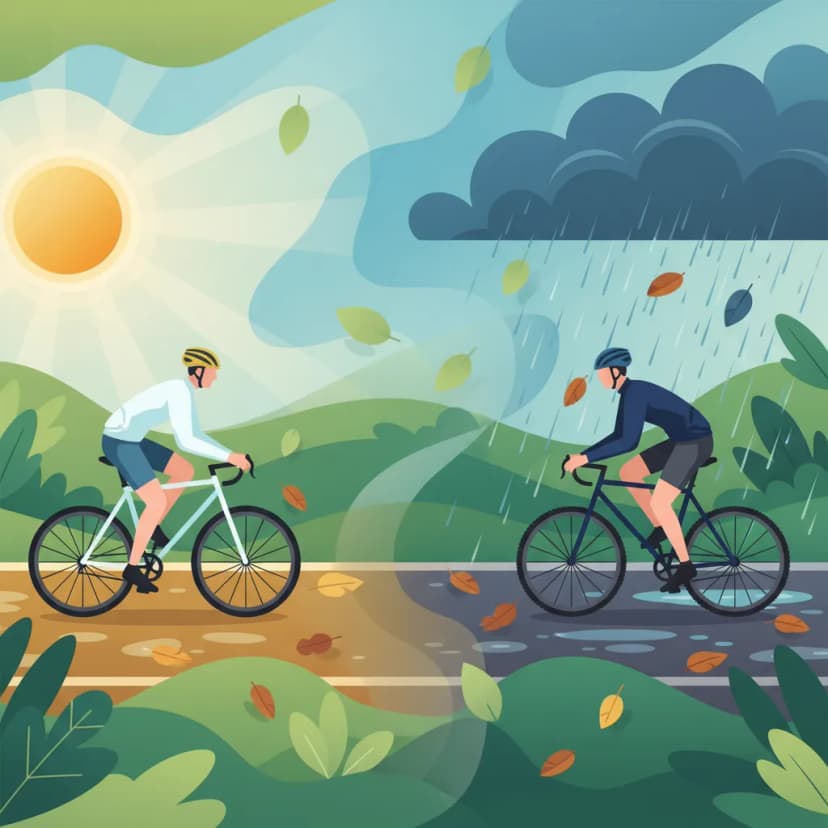
This lesson encourages a mindset of adapting riding style to the specific challenges of each season. It covers seasonal hazards such as wet leaves in the fall, loose gravel after winter, and sun glare in the summer. By being aware of these predictable changes, riders can proactively adjust their technique and maintain safety throughout the year.
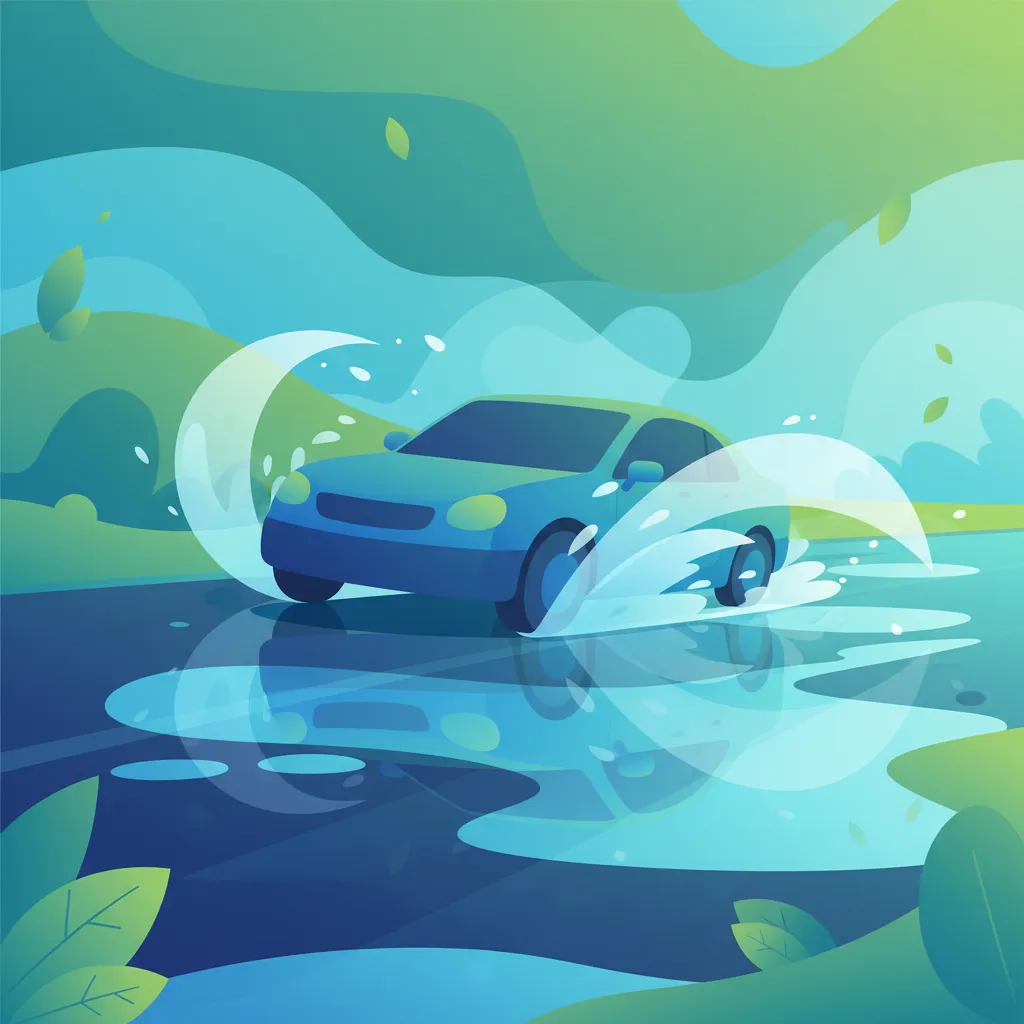
This lesson details the specific hazards associated with riding on wet roads, including significantly increased stopping distances and the risk of aquaplaning. It explains how to recognize conditions where aquaplaning is likely and the importance of reducing speed. Riders will learn to use smoother throttle, braking, and steering inputs to maintain traction and control.
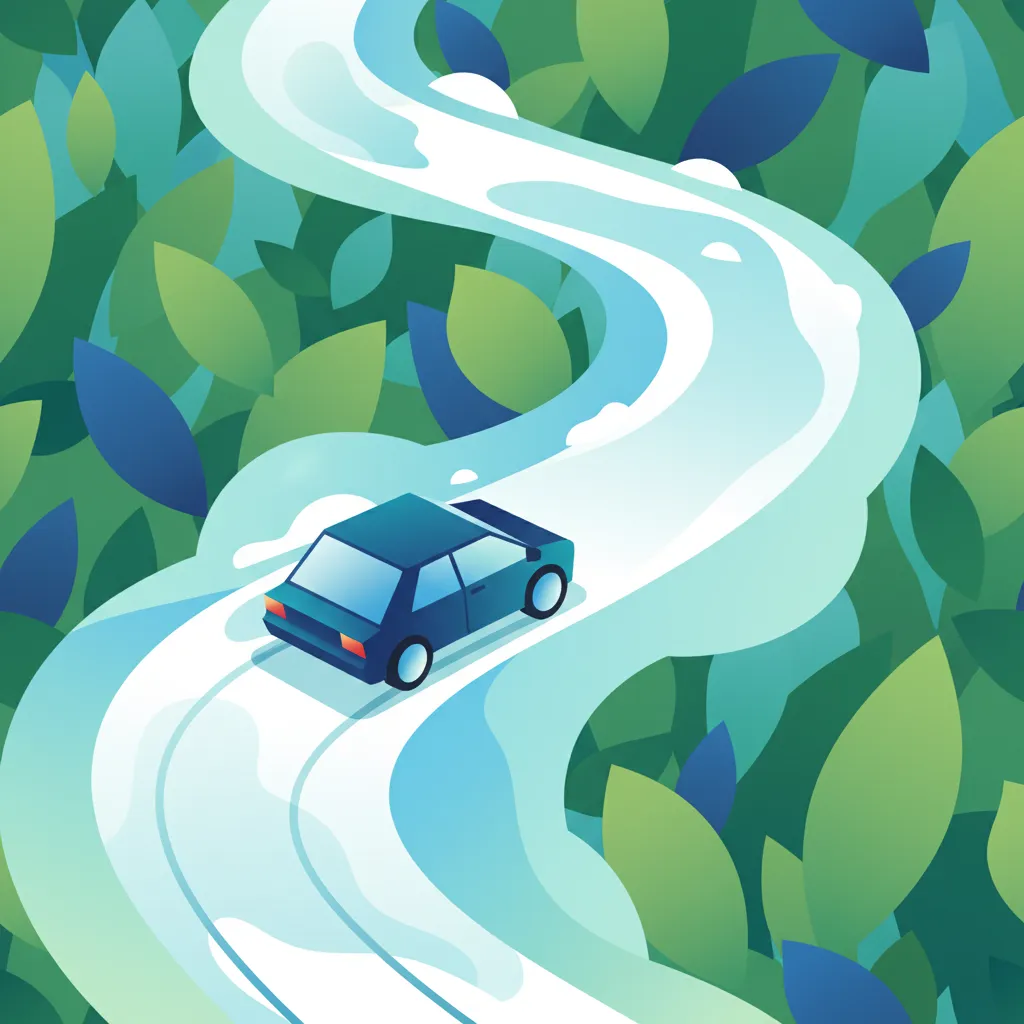
This lesson provides essential information for any motorcyclist considering riding in cold Swedish weather. You will learn how cold temperatures affect tire performance and the extreme caution required on surfaces with potential ice or snow. The content focuses on recognizing hazardous spots like black ice, the need for exceptionally smooth and gentle control inputs, and why in many cases, the safest decision is not to ride at all in such conditions.
This lesson teaches you how to recognize and adapt to different types of slippery winter surfaces. You will learn about the characteristics of driving in loose snow, packed snow, and on ice, with a special focus on detecting 'black ice' (ishalka), which is transparent and extremely dangerous. The content identifies high-risk areas such as bridges and shaded sections of the road and emphasizes the need for extremely gentle steering, acceleration, and braking inputs.
This lesson provides essential strategies for riding safely at night and during twilight hours. It covers the correct use of headlights to maximize visibility without dazzling other drivers and emphasizes the need to reduce speed to compensate for shorter sight distances. The content also highlights the importance of wearing reflective gear to be seen by others.
This lesson teaches the crucial skill of adapting speed to prevailing conditions, emphasizing that the posted speed limit is a maximum, not a target. It covers various scenarios such as rain, fog, heavy traffic, and poor road surfaces, explaining why reducing speed is essential for maintaining vehicle control and safety. The goal is to cultivate a proactive mindset where the rider constantly assesses risk and adjusts their speed accordingly.

This lesson outlines the essential administrative responsibilities of a moped owner and rider. It covers the legal requirement to have valid third-party liability insurance and to ensure the vehicle is properly registered. The content also reminds riders of the documents they must carry with them at all times, such as their driving license and registration certificate.
This lesson focuses on developing the fine control needed for low-speed maneuvering, a common challenge in urban environments. It covers techniques for making tight turns, such as U-turns, by using a combination of clutch, throttle, and rear brake control. The goal is to build the rider's skill and confidence in handling the moped in parking lots, heavy traffic, and other confined areas.
This lesson consolidates the key regulations that apply specifically to moped operation in Sweden. It covers mandatory rules such as speed limits, helmet use, and requirements for vehicle lighting and reflectors. Furthermore, the lesson explains the legal consequences of violations, including the system of fines and potential demerit points, ensuring riders understand their full range of legal responsibilities on the road.

This lesson clarifies the regulations for operating a moped on cycle paths (Cykelbana) and other shared spaces in Sweden. It explains which types of mopeds are permitted on these paths and the specific rules that apply, such as lower speed limits and the duty to yield to cyclists. The content focuses on safe interaction and communication to ensure peaceful coexistence with other users in these environments.
Explore crucial Swedish driving theory principles for maintaining safety on a moped during adverse weather. This covers understanding reduced grip, managing wind effects, and ensuring visibility in rain, fog, and other challenging conditions, emphasizing preparedness and risk avoidance.
This lesson details the specific hazards associated with riding on wet roads, including significantly increased stopping distances and the risk of aquaplaning. It explains how to recognize conditions where aquaplaning is likely and the importance of reducing speed. Riders will learn to use smoother throttle, braking, and steering inputs to maintain traction and control.
This lesson encourages a mindset of adapting riding style to the specific challenges of each season. It covers seasonal hazards such as wet leaves in the fall, loose gravel after winter, and sun glare in the summer. By being aware of these predictable changes, riders can proactively adjust their technique and maintain safety throughout the year.
This lesson teaches the crucial skill of adapting speed to prevailing conditions, emphasizing that the posted speed limit is a maximum, not a target. It covers various scenarios such as rain, fog, heavy traffic, and poor road surfaces, explaining why reducing speed is essential for maintaining vehicle control and safety. The goal is to cultivate a proactive mindset where the rider constantly assesses risk and adjusts their speed accordingly.
This lesson provides essential information for any motorcyclist considering riding in cold Swedish weather. You will learn how cold temperatures affect tire performance and the extreme caution required on surfaces with potential ice or snow. The content focuses on recognizing hazardous spots like black ice, the need for exceptionally smooth and gentle control inputs, and why in many cases, the safest decision is not to ride at all in such conditions.
This lesson focuses on proactive strategies to increase a moped rider's visibility to other drivers. It strongly advocates for the use of high-visibility and reflective clothing, helmets, and accessories to stand out in traffic. Additionally, it revisits the concept of lane positioning as a tool to avoid being in other drivers' blind spots and to create a more prominent presence on the road.
This lesson provides practical advice on selecting the appropriate riding gear for the diverse Swedish seasons. You will learn about the importance of layering for warmth in the cold, ventilated gear for summer heat, and effective waterproofs for rain. The content emphasizes how the right equipment not only keeps you comfortable and focused but also provides crucial protection and enhances your visibility to other road users, making it a critical component of overall motorcycle safety.
This lesson provides essential strategies for riding safely at night and during twilight hours. It covers the correct use of headlights to maximize visibility without dazzling other drivers and emphasizes the need to reduce speed to compensate for shorter sight distances. The content also highlights the importance of wearing reflective gear to be seen by others.
This lesson details the legal requirements for moped lighting in Sweden and provides best practices for riding at night or in low-light conditions. It explains the correct use of high and low beam headlights, the importance of a functioning tail light, and the role of reflectors in being seen. The goal is to ensure the rider is as visible as possible to others and can adequately illuminate the road ahead.
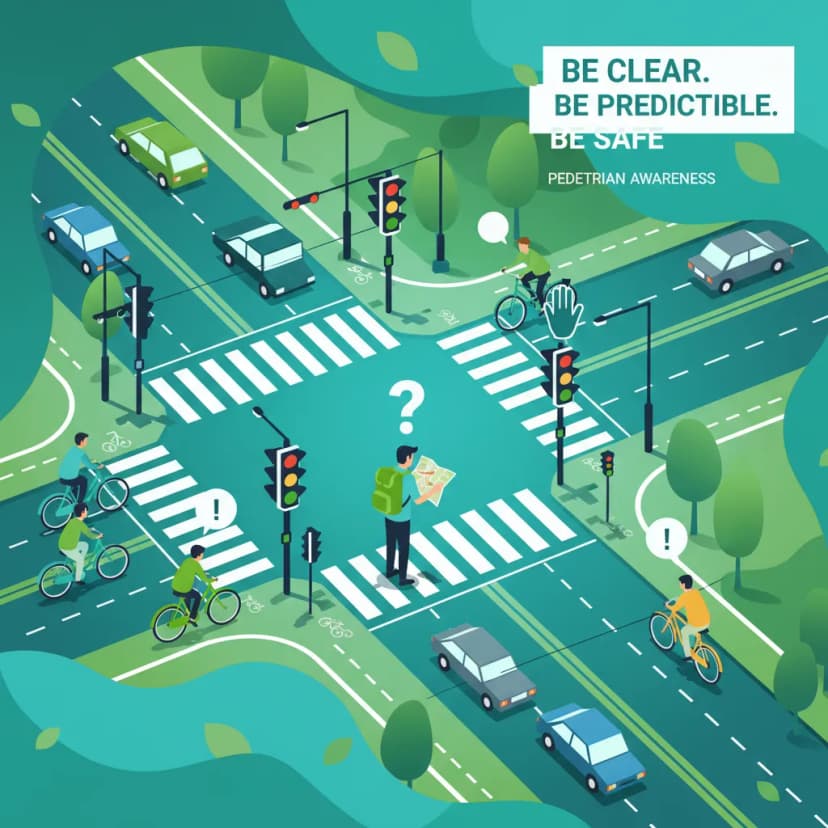
This lesson is dedicated to pedestrian safety, teaching riders to be constantly aware of people on foot, especially in busy urban environments. It reinforces the absolute duty to yield at marked crossings and encourages a cautious approach in areas like schools and shopping districts. The content stresses anticipating unpredictable actions, particularly from children or distracted pedestrians.
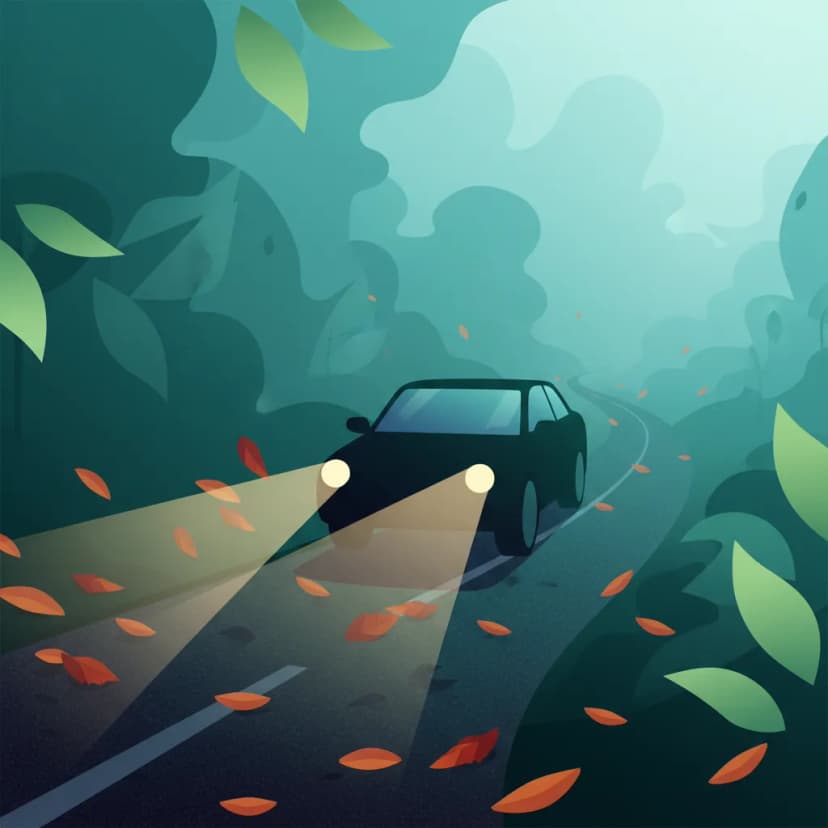
This lesson covers strategies for driving safely when visibility is compromised. You will learn the correct use of different lighting systems: when to use low beams, high beams (helljus), and how to avoid dazzling other drivers. The lesson also explains the specific regulations for using front and rear fog lights and provides techniques for navigating safely in dense fog or heavy precipitation by reducing speed and using the road edge as a guide.
Find clear answers to common questions learners have about Snow, Ice, and Frost Management. Learn how the lesson is structured, which driving theory objectives it supports, and how it fits into the overall learning path of units and curriculum progression in Sweden. These explanations help you understand key concepts, lesson flow, and exam focused study goals.
The safest and strongly recommended approach is to avoid riding your moped entirely when there is snow, ice, or frost on the roads. These conditions drastically reduce tyre grip and control, making accidents highly likely. If you must ride, ensure extreme caution and very gentle inputs.
Black ice is a thin, transparent layer of ice that forms on the road surface, often appearing as if the road is just wet. It offers almost no grip for tyres. For a moped, which has limited contact with the road, black ice can cause an instantaneous and complete loss of control, leading to a severe fall.
If avoidance is not possible, ensure your moped's lights are working and clean, your tyres have adequate tread (though winter tyres are rarely fitted to AM mopeds), and consider wearing highly visible, warm, waterproof clothing. Most importantly, mentally prepare yourself for extremely cautious riding.
You must use extremely gentle and progressive inputs for acceleration, braking, and steering. Avoid sudden movements at all costs. Aim to keep the moped upright and travel at a significantly reduced speed, anticipating hazards far in advance.
Yes, the Swedish AM licence theory exam includes questions related to riding in adverse conditions like snow, ice, and frost. These questions assess your understanding of the risks and your ability to make safe decisions, including knowing when not to ride.