
Welcome to this lesson on Speed Adaptation in Different Zones. While speed limits set the maximum, real driving demands you adjust your speed to the situation. This lesson, part of the 'Speed Limits and Distance Management' unit in your Swedish Category B driving theory course, will equip you to drive safely and confidently in urban areas, on rural roads, and on motorways, preparing you for both the theory exam and everyday driving.
Effective speed adaptation is a fundamental skill for safe and responsible driving on Swedish roads. It goes beyond simply adhering to posted speed limits; it involves continuously assessing the driving environment and adjusting your speed to ensure safety for yourself and all other road users. This lesson will explore the critical principles of situational speed adaptation, covering specific strategies for urban, rural, and motorway environments, and detailing the legal obligations under the Swedish Traffic Ordinance (Trafikförordning).
In Sweden, as in many countries, posted speed limits are legal maximums, not mandatory targets. This means that while you must never exceed the speed displayed on a sign, there will be many situations where driving at or near that maximum speed would be unsafe or illegal. A truly safe driver constantly evaluates the conditions and chooses a "target speed" that is often lower than the posted limit.
The Swedish Traffic Ordinance (Trafikförordning, TF) establishes the legal basis for speed limits and driver responsibilities. It not only defines maximum speeds but also mandates that drivers adapt their speed to prevailing conditions. This means that even if you are driving below the posted limit, you could still be in violation of the law if your speed is deemed unsafe given the circumstances. This overarching principle ensures a higher standard of care on the roads.
Situational speed adaptation is essential because speed directly impacts the kinetic energy of a vehicle, which in turn dictates the severity of a collision. A modest increase in speed can dramatically increase stopping distances and the force of impact. Proper speed adaptation reduces crash risk by allowing sufficient time for perception, decision-making, and braking, thereby preventing collisions and minimizing injuries. It also contributes to smoother traffic flow and reduces stress for all road users.
To become a proficient driver, it's vital to internalize several core principles regarding speed management. These principles guide the decision-making process for choosing a safe and appropriate speed in any given situation on Swedish roads.
The most basic principle is that posted speed limits represent the absolute legal maximum. You are never permitted to exceed this limit. However, your responsibility extends further: you must critically assess whether the actual safe speed for the current conditions is below this ceiling. For instance, a 70 km/h sign on a rural road does not grant permission to drive 70 km/h if the road is icy or visibility is poor.
Contextual speed adaptation is the continuous, dynamic process of adjusting your speed based on real-time factors. These factors include visibility (e.g., fog, rain, darkness), road geometry (e.g., sharp curves, steep hills), traffic density, weather conditions, your vehicle's condition and load, and the presence of vulnerable road users. This principle ensures that your vehicle's control capability always aligns with potential real-world hazards.
Each type of road environment in Sweden – urban, rural, and motorway – has a typical baseline speed range that reflects its design and expected traffic characteristics.
Every speed choice must be made with the aim of ensuring a safe stopping distance. This means you must be able to perceive a hazard, react to it, and bring your vehicle to a complete stop within the distance you can clearly see ahead. This directly reduces the probability and severity of collisions, requiring continuous monitoring of the road and a willingness to decelerate whenever necessary.
Swedish law explicitly requires drivers to operate their vehicles at a speed that is "reckless-driving safe" (säkert). This means that even if you are driving below the posted speed limit, you can be penalized for driving unsafely if conditions dictate a lower speed. This legal obligation underscores the importance of protecting all road users and sets an enforceable standard for responsible driving.
A multitude of factors must be considered when determining a safe driving speed. Understanding these elements is key to effective speed adaptation.
Visibility refers to the distance you can clearly see ahead. Reduced visibility, whether due to darkness, fog, heavy rain, or snow, directly impacts the time you have to react to a hazard. Your perception-reaction time – the time it takes to see a hazard, process the information, and initiate braking – is typically around 1 second for an alert driver, increasing with fatigue or distractions.
Therefore, your speed must always allow you to stop within the visible distance. Fog that limits visibility to 30 metres, for example, means your safe speed must be low enough to stop within 30 metres, regardless of the posted limit. Incorrect assumptions, such as believing powerful headlights compensate for poor visibility, are dangerous.
The physical characteristics of the road, known as road geometry, significantly influence safe speeds.
Traffic density refers to the number of vehicles on the road, while flow describes their collective movement. In dense or congested traffic, even if the posted limit is high, you must match the prevailing flow speed to prevent collisions and maintain smooth movement. Tailgating or attempting to maintain a higher speed than the flow significantly increases the risk of rear-end collisions. Variable Speed Limit (VSL) signs are often used on motorways to dynamically adjust limits based on traffic conditions or incidents, requiring immediate compliance.
The condition and load of your vehicle play a crucial role in its handling and braking performance.
Vulnerable Road Users (VRUs), such as pedestrians, cyclists, and motorcyclists, have less protection in a collision. Therefore, when driving near them, drivers must adopt significantly lower speeds and exercise extreme vigilance.
Each road zone presents unique challenges and demands specific speed adaptation strategies.
Urban areas are characterized by higher population density, frequent intersections, parked vehicles, and a high presence of vulnerable road users.
Rural roads, or landsvägar, are outside built-up areas. While they often have higher design speeds, they present different hazards such as hidden entrances, agricultural machinery, and animals.
Motorways, or motorvägar, are designed for high-capacity, uninterrupted flow.
Several sections of the Trafikförordning (Swedish Traffic Ordinance) are particularly relevant to speed adaptation:
Understanding common errors helps in avoiding them and their serious consequences.
Mastering speed adaptation is a continuous process of learning and vigilance. It requires a deep understanding of physics, legal obligations, and human behavior.
Effective speed adaptation integrates knowledge from various aspects of driving theory. It leverages your understanding of Swedish speed limit structure (Lesson 3.1), reaction time and braking distances (Lesson 3.2), and safe following distances (Lesson 3.3). It forms the groundwork for advanced vehicle control (Lesson 4), driving in different environments (Lesson 5), and managing adverse weather conditions (Lesson 6). Furthermore, careful speed adaptation aligns with eco-driving principles (Lesson 7), reducing fuel consumption and environmental impact. By consistently applying these principles, you contribute to a safer, more efficient, and more environmentally conscious driving culture on Swedish roads.
Lesson content overview
Explore all units and lessons included in this driving theory course.
Explore search topics learners often look for when studying Speed Adaptation in Different Zones (Stads-, landsväg, motorväg). These topics reflect common questions about road rules, driving situations, safety guidance, and lesson level theory preparation for learners in Sweden.
Browse additional driving theory lessons that cover connected traffic rules, road signs, and common driving situations related to this topic. Improve your understanding of how different rules interact across everyday traffic scenarios.
Understand the crucial factors beyond the legal speed limit that dictate safe driving speeds. This lesson covers how visibility, road geometry, weather, and traffic density require constant speed adjustments for safer journeys in Sweden.
This lesson explains the hierarchical structure of speed limits in Sweden as defined by the Trafikförordning. It covers the default 'base speeds', including 50 km/h in built-up areas and 70 km/h outside them, and how these are modified by specific road signs. You will learn to identify speed limit signs for different road types, such as motorways and residential zones, and understand the legal framework that governs maximum permissible speeds.

This lesson reinforces the core safety principle of adapting your driving to the prevailing weather conditions. You will learn why you must significantly reduce speed in heavy rain to avoid aquaplaning, how strong crosswinds can affect vehicle stability, and why reduced visibility in fog necessitates slower speeds and greater following distances. The goal is to instill a proactive approach to risk management whenever the weather is less than ideal.
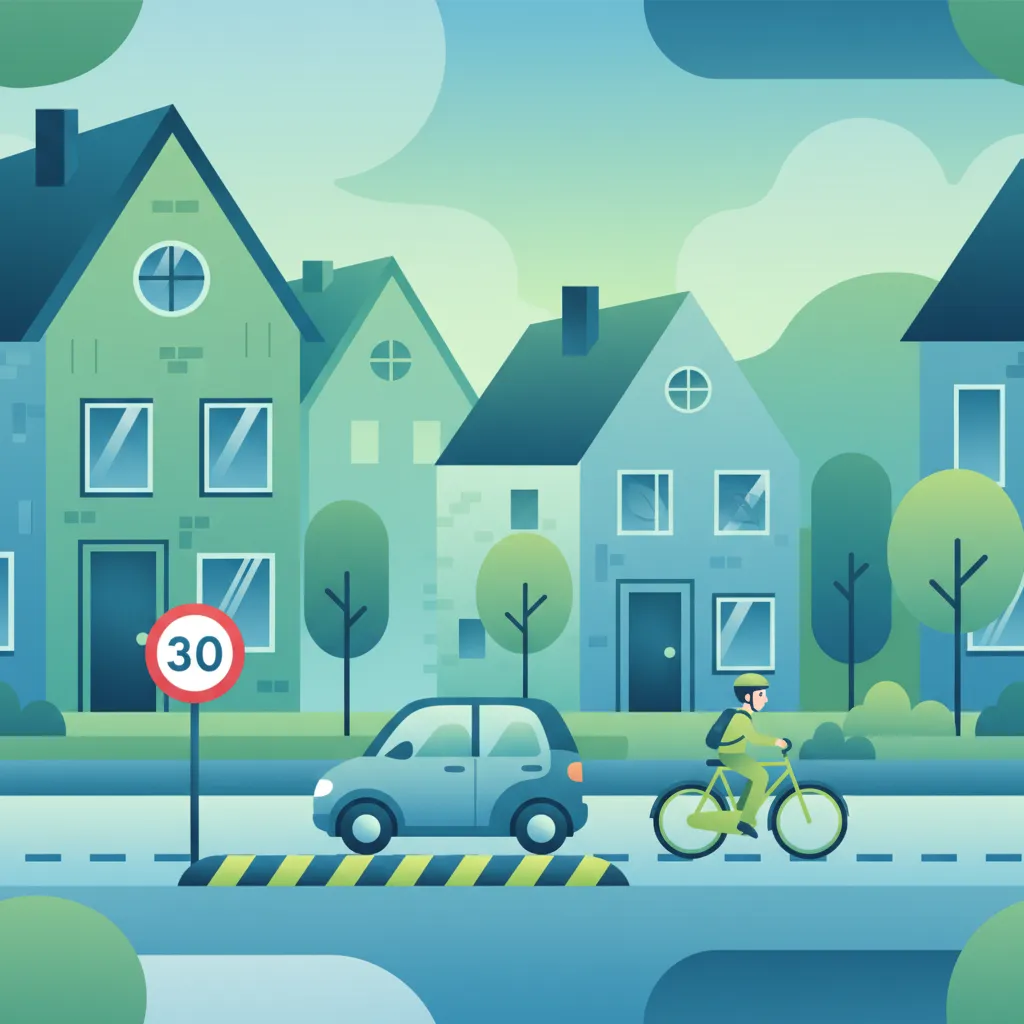
This lesson focuses on the high level of caution required when driving in residential areas. You will learn about the rules for special zones like 'gångfartsområde' (walking speed area) and the need to navigate around speed calming measures like speed bumps. The central theme is anticipating unpredictable behavior from residents, especially children, and managing the risks posed by parked cars that severely limit visibility.
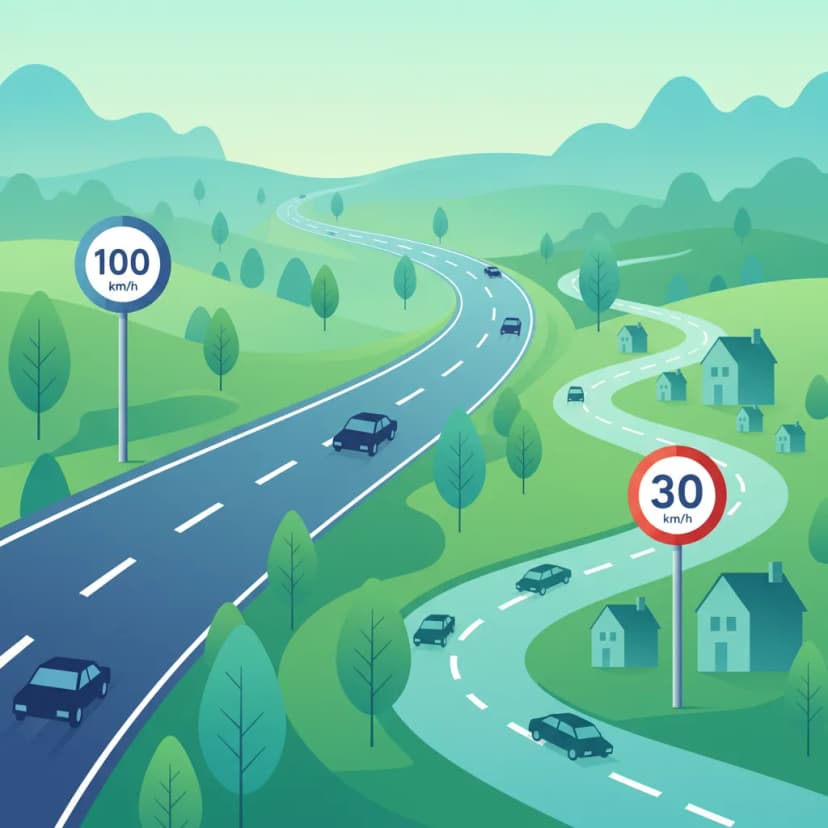
This lesson provides a comprehensive overview of the Swedish national speed limit system. You will learn the default speed limits applicable to different classes of roads, such as 50 km/h in built-up areas and 110 km/h on motorways. It also covers how to identify and comply with special zones, like residential areas (gångfartsområde), school zones, and temporary limits in construction areas, ensuring you always ride at a legal and appropriate speed.

This lesson focuses on the unique demands of managing speed in high-speed environments like motorways. You will learn techniques for maintaining a steady, appropriate speed that matches the flow of traffic, how to perform smooth overtakes, and the importance of increasing your following distance. It also covers physical factors such as managing wind blast and maintaining stability when riding near large trucks, ensuring a safe and controlled high-speed riding experience.

This lesson explains the stringent Swedish laws concerning alcohol and driving. You will learn the legal blood alcohol content (BAC) limit, which is 0.2 per mille, and the higher limit of 1.0 per mille that constitutes the more serious crime of 'grovt rattfylleri'. The content details how alcohol impairs judgment, coordination, and reaction time, and outlines the severe legal penalties, including fines, imprisonment, and license revocation.
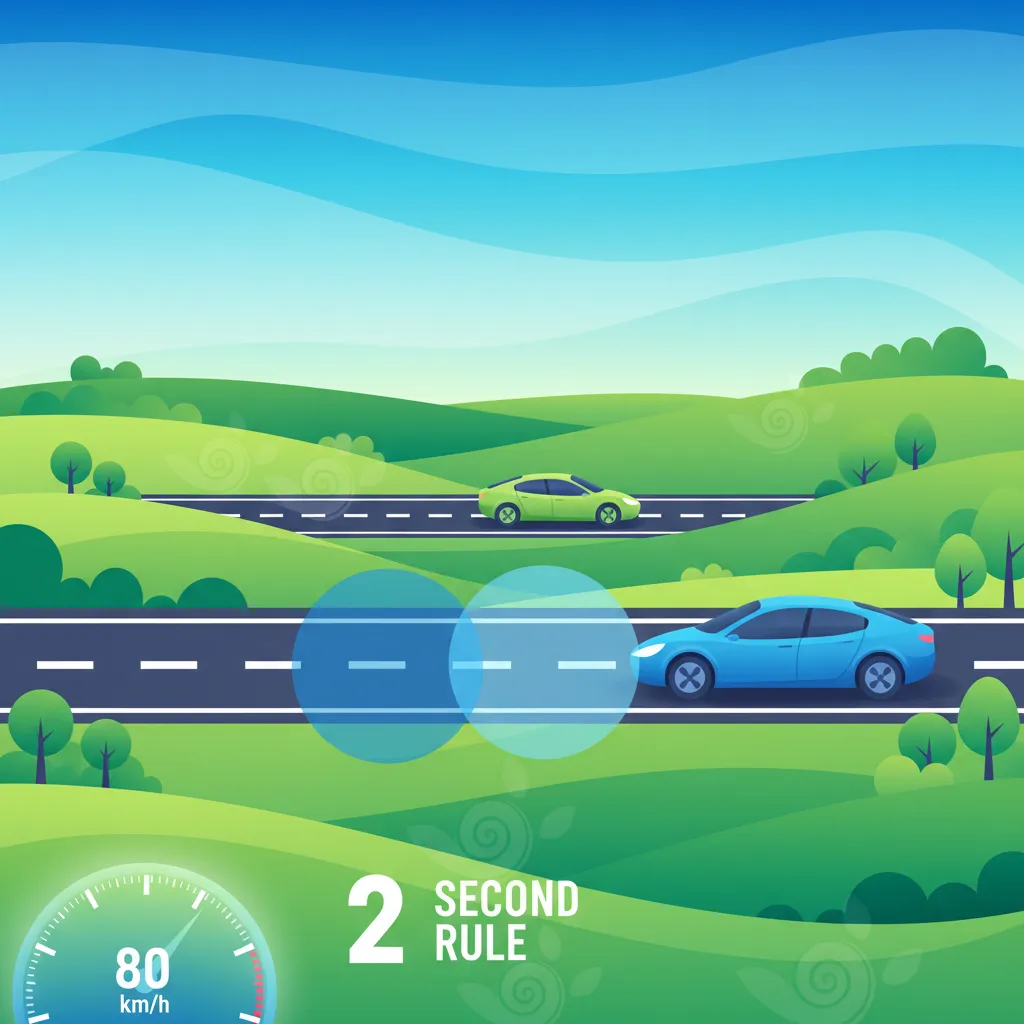
This lesson teaches practical methods for maintaining a safe buffer to the vehicle ahead, with a primary focus on the universally recommended 'three-second rule'. You will learn how to apply this rule by picking a fixed point and counting the seconds until you pass it. The content also explains why this distance must be increased significantly in adverse conditions such as rain, snow, or when following large vehicles that obstruct your view.
This lesson teaches the crucial skill of adapting speed to prevailing conditions, emphasizing that the posted speed limit is a maximum, not a target. It covers various scenarios such as rain, fog, heavy traffic, and poor road surfaces, explaining why reducing speed is essential for maintaining vehicle control and safety. The goal is to cultivate a proactive mindset where the rider constantly assesses risk and adjusts their speed accordingly.
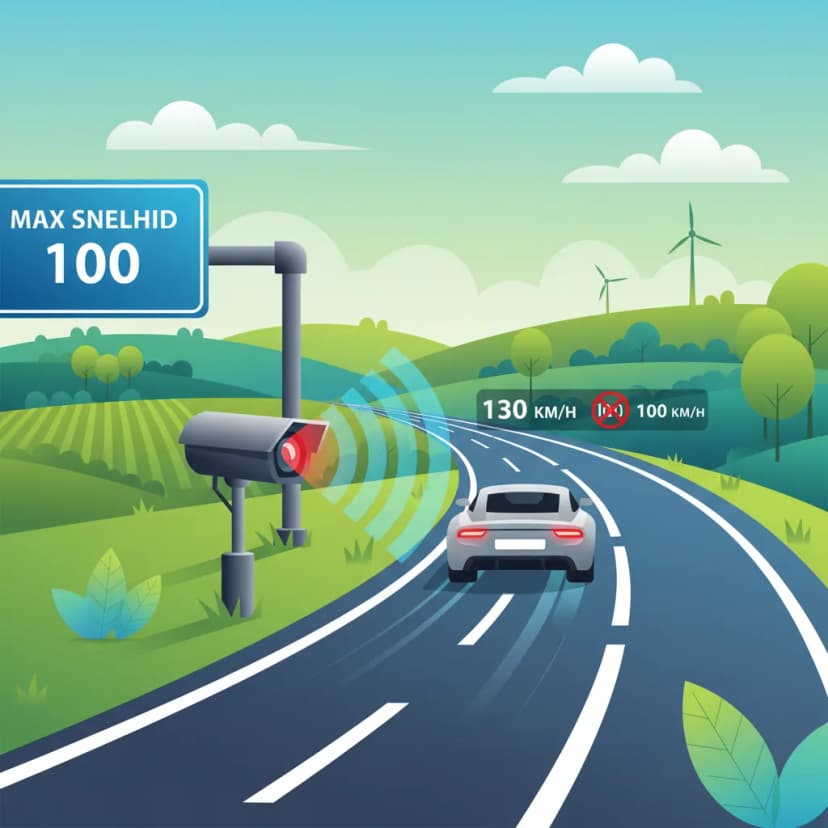
This lesson informs you about the various technologies and methods used for speed enforcement in Sweden, such as fixed and mobile speed cameras and police radar. You will understand the legal framework for speed monitoring and the corresponding penalties for violations, including fines (böter) and the potential for license suspension. This knowledge reinforces the importance of constant speed awareness and adherence to posted limits to ensure both safety and legal compliance.
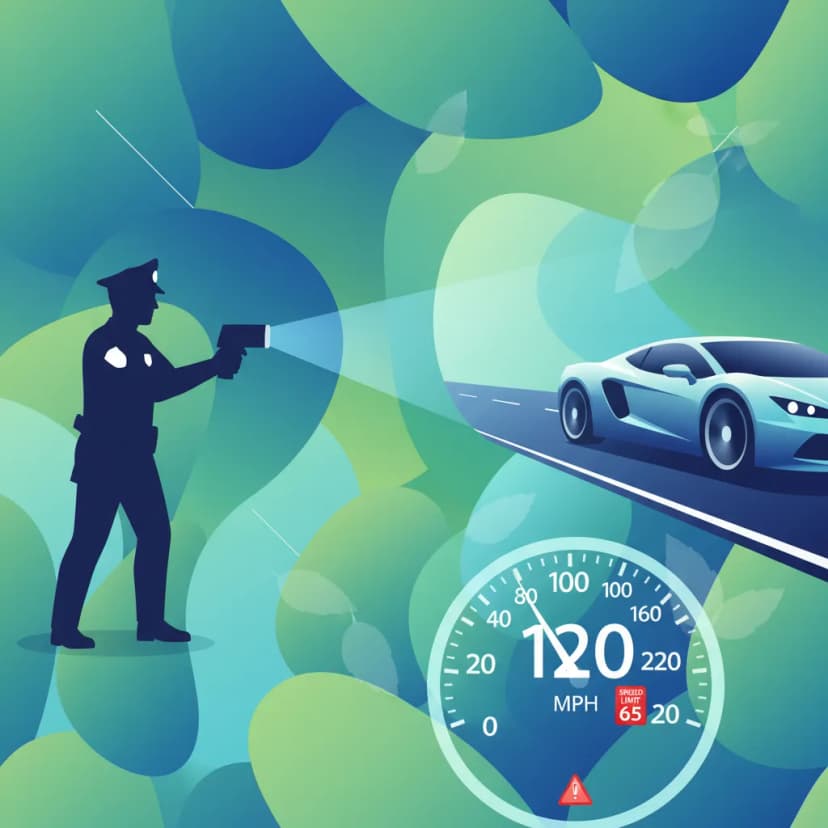
This lesson provides factual information about speed limit enforcement and the penalties for violations in Sweden. You will learn about the different methods used, including automatic traffic safety cameras (ATK), mobile police patrols, and laser measurements. The content details the system of fines (penningböter) and the conditions under which a speeding offense can lead to a warning or the revocation of your driving license.
Explore the specific considerations for adjusting speed beyond the posted limits in different Swedish driving environments. Learn how visibility, road conditions, and traffic influence safe driving speeds on city streets, country roads, and high-speed motorways.
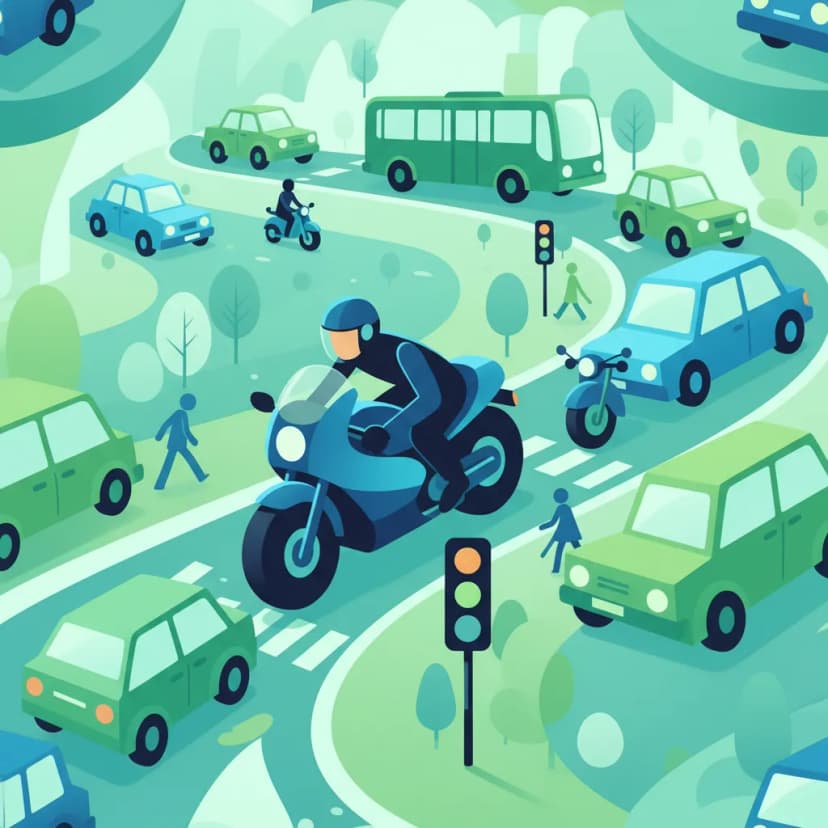
This lesson teaches the crucial skill of adapting your speed to the dynamic and often congested conditions of urban riding. You will learn to modulate your speed smoothly in response to traffic flow, pedestrian activity, and complex intersections to maintain safety and control. Techniques covered include using engine braking effectively, anticipating the actions of other road users, and selecting a speed that maximizes your reaction time in a high-density environment.
This lesson focuses on the high level of caution required when driving in residential areas. You will learn about the rules for special zones like 'gångfartsområde' (walking speed area) and the need to navigate around speed calming measures like speed bumps. The central theme is anticipating unpredictable behavior from residents, especially children, and managing the risks posed by parked cars that severely limit visibility.
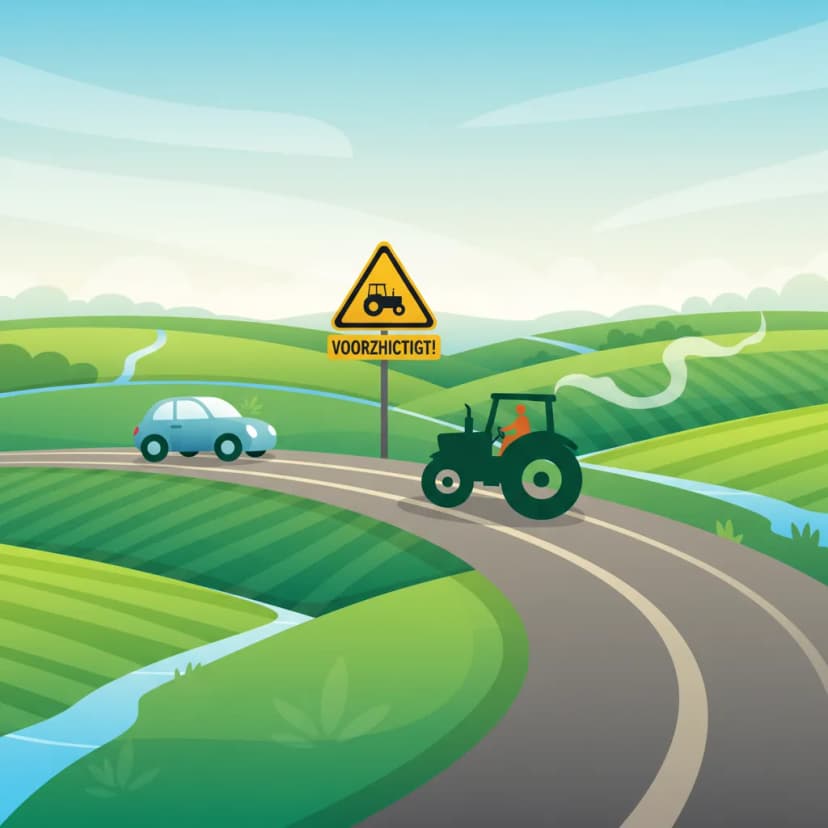
This lesson addresses the specific risks associated with driving on rural roads (landsvägar). You will learn how to manage higher speeds on narrow, winding roads with limited visibility due to curves and hills. The lesson covers procedures for safely overtaking slow-moving agricultural vehicles, managing encounters with oncoming traffic on narrow sections, and being constantly vigilant for wildlife, especially at dawn and dusk.
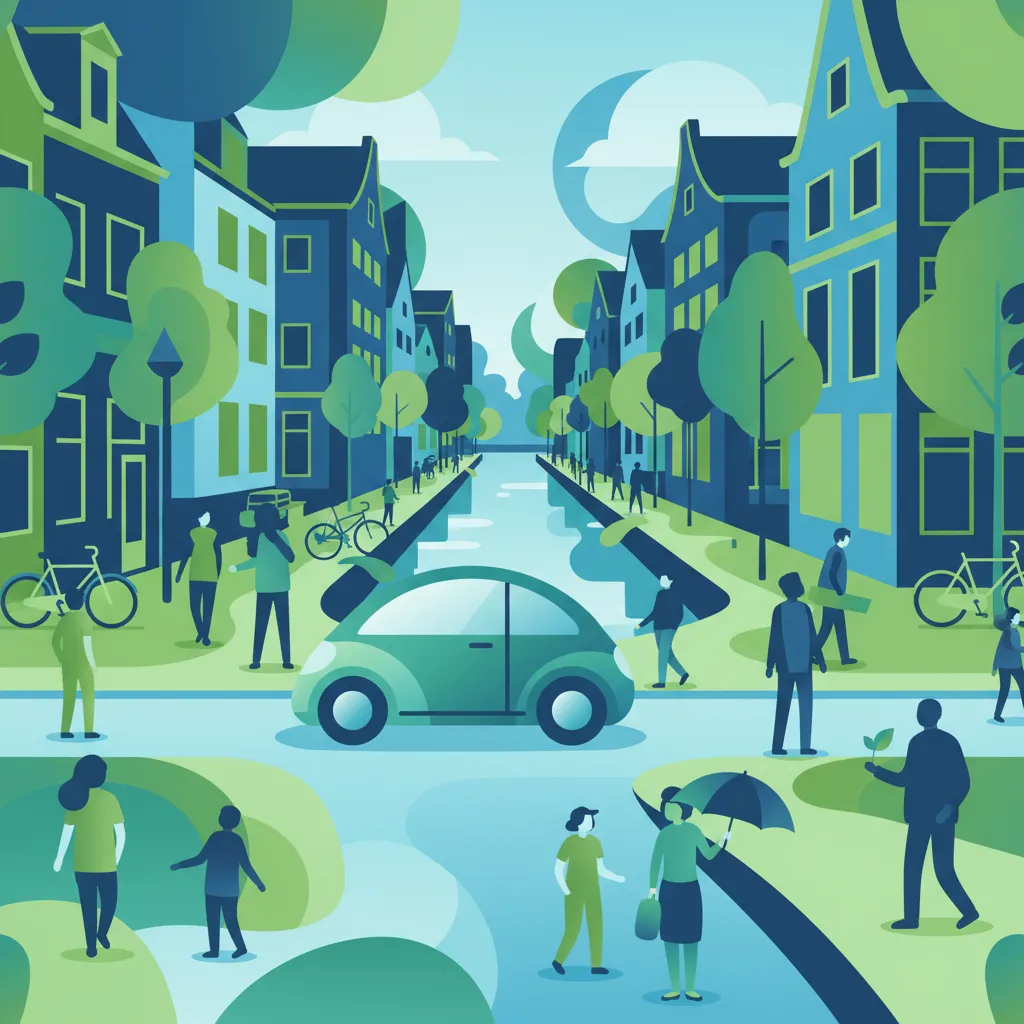
This lesson focuses on the unique challenges of driving in urban environments. You will learn techniques for anticipating the actions of vulnerable road users like pedestrians and cyclists, especially near crossings and bus stops. The content covers how to navigate narrow streets, one-way systems, and areas with heavy traffic, emphasizing the need for lower speeds, heightened awareness, and a defensive mindset.
This lesson reinforces the core safety principle of adapting your driving to the prevailing weather conditions. You will learn why you must significantly reduce speed in heavy rain to avoid aquaplaning, how strong crosswinds can affect vehicle stability, and why reduced visibility in fog necessitates slower speeds and greater following distances. The goal is to instill a proactive approach to risk management whenever the weather is less than ideal.

This lesson prepares you for the specific challenges of riding on rural roads in Sweden. You will learn how to read the road ahead for changes in surface quality, approach blind corners safely, and adjust your speed for narrow lanes with no shoulder. The content also covers how to anticipate and safely interact with slow-moving agricultural vehicles and the potential for wild animals on the road, ensuring you are prepared for the unpredictable nature of country riding.
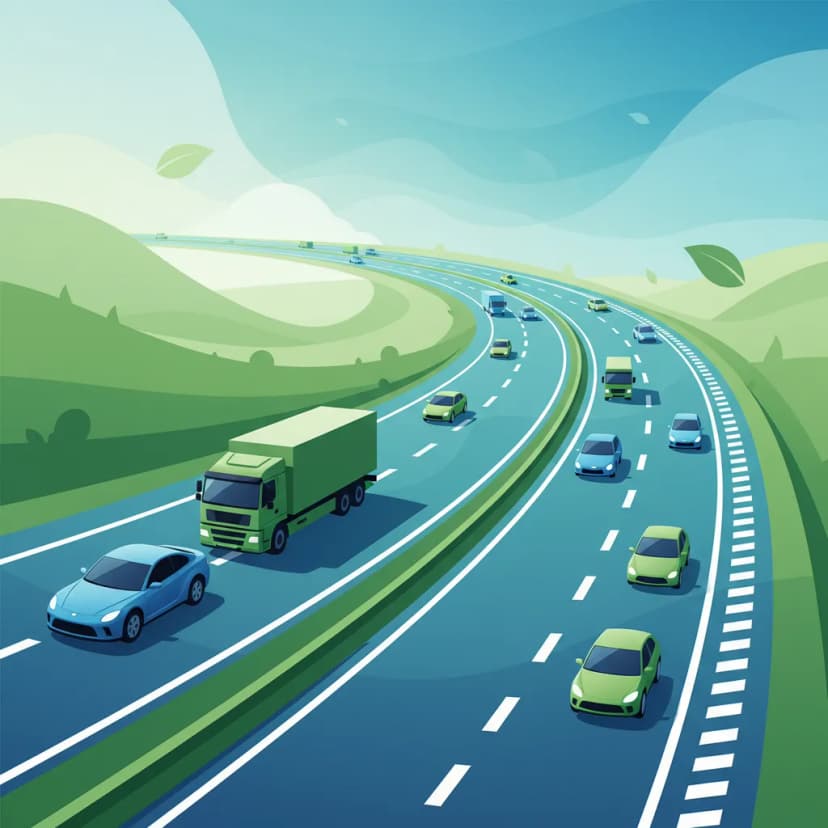
This lesson provides a complete guide to motorway driving in Sweden. You will learn the correct procedures for merging from an on-ramp, maintaining proper lane discipline by keeping right unless overtaking, and exiting safely via off-ramps. The content emphasizes the importance of maintaining large safety margins at high speeds, checking blind spots thoroughly before any lane change, and knowing the correct safety procedures in case of a breakdown.
This lesson focuses on the unique demands of managing speed in high-speed environments like motorways. You will learn techniques for maintaining a steady, appropriate speed that matches the flow of traffic, how to perform smooth overtakes, and the importance of increasing your following distance. It also covers physical factors such as managing wind blast and maintaining stability when riding near large trucks, ensuring a safe and controlled high-speed riding experience.
This lesson focuses on the specific techniques required for riding in busy city and town environments. You will learn how to maintain correct lane positioning amidst dense traffic, navigate complex intersections with multiple signals, and manage the motorcycle at low speeds in stop-and-go conditions. Emphasis is placed on heightened awareness of pedestrians, cyclists, and vehicles making sudden maneuvers, which are common hazards in urban settings.
This lesson covers the critical maneuvers of merging and changing lanes. You will learn the correct technique for using an acceleration lane to match the speed of motorway traffic before merging smoothly and safely. The lesson emphasizes the importance of checking mirrors and the blind spot, signaling in good time, and applying the 'zipper principle' (dragkedjeprincipen) where lanes merge to ensure efficient and courteous traffic flow.
Find clear answers to common questions learners have about Speed Adaptation in Different Zones (Stads-, landsväg, motorväg). Learn how the lesson is structured, which driving theory objectives it supports, and how it fits into the overall learning path of units and curriculum progression in Sweden. These explanations help you understand key concepts, lesson flow, and exam focused study goals.
The speed limit is the absolute maximum speed allowed under ideal conditions. Speed adaptation means actively adjusting your speed based on current conditions like weather, road surface, visibility, traffic, and potential hazards. You must always drive slower than the speed limit if conditions require it.
In urban areas, you'll encounter pedestrians, cyclists, parked cars, junctions, and children. Always be prepared to slow down significantly, especially near crossings, schools, or areas with limited visibility. Anticipate sudden movements and maintain a speed that allows you to stop quickly.
Rural roads often have higher speed limits but hidden hazards. Adapt your speed for blind curves, crests of hills, farm entrances, and areas where wildlife might appear. Maintain a speed that gives you enough reaction time for unexpected obstacles and allows for safe overtaking.
On a motorway, the goal is often to match the general flow of traffic, which might be close to the speed limit. However, you must adapt speed for congestion, adverse weather, or when approaching exits or work zones. Always maintain a safe distance and be aware of faster or slower vehicles.
Not necessarily. While adapting speed often means driving slower than the limit due to conditions, there might be rare situations, like a clear, empty, dry motorway with excellent visibility, where you might drive closer to the limit. However, the core principle is always to match your speed to what is safe and appropriate for the specific moment.