
Maintaining a safe distance from the vehicle in front is crucial for preventing collisions. This lesson, part of the 'Speed Limits and Distance Management' unit, teaches you the essential 'three-second rule' and how to adapt your distance in various conditions. It's vital knowledge for your Category B driving theory test and safe everyday driving in Sweden.
Lesson content overview
Explore all units and lessons included in this driving theory course.
Explore search topics learners often look for when studying Safe Following Distance (Avstånd). These topics reflect common questions about road rules, driving situations, safety guidance, and lesson level theory preparation for learners in Sweden.
Browse additional driving theory lessons that cover connected traffic rules, road signs, and common driving situations related to this topic. Improve your understanding of how different rules interact across everyday traffic scenarios.
Learn how to adapt your following distance in Sweden during adverse weather conditions like rain and snow. Understand factors like speed, traffic density, and vehicle type that necessitate increased safety buffers on Swedish roads.

This lesson reinforces the core safety principle of adapting your driving to the prevailing weather conditions. You will learn why you must significantly reduce speed in heavy rain to avoid aquaplaning, how strong crosswinds can affect vehicle stability, and why reduced visibility in fog necessitates slower speeds and greater following distances. The goal is to instill a proactive approach to risk management whenever the weather is less than ideal.
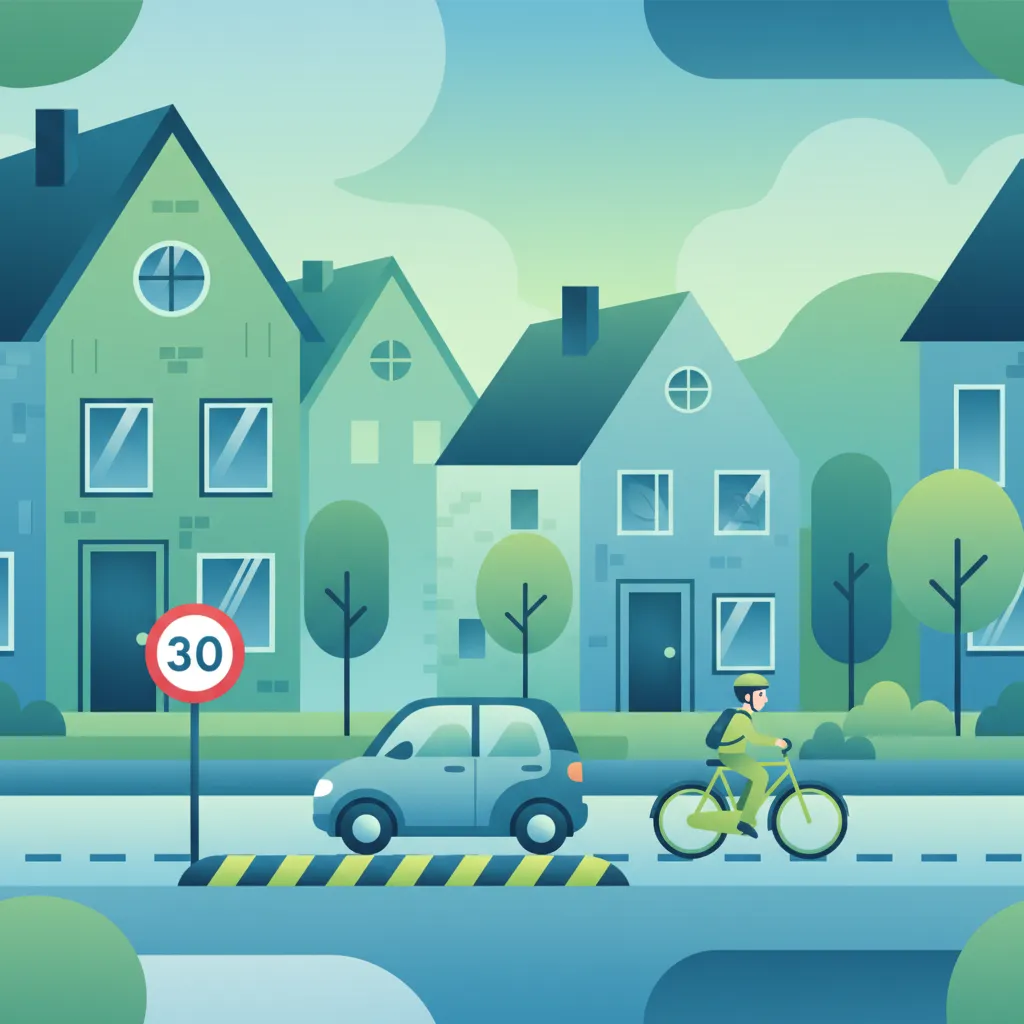
This lesson focuses on the high level of caution required when driving in residential areas. You will learn about the rules for special zones like 'gångfartsområde' (walking speed area) and the need to navigate around speed calming measures like speed bumps. The central theme is anticipating unpredictable behavior from residents, especially children, and managing the risks posed by parked cars that severely limit visibility.
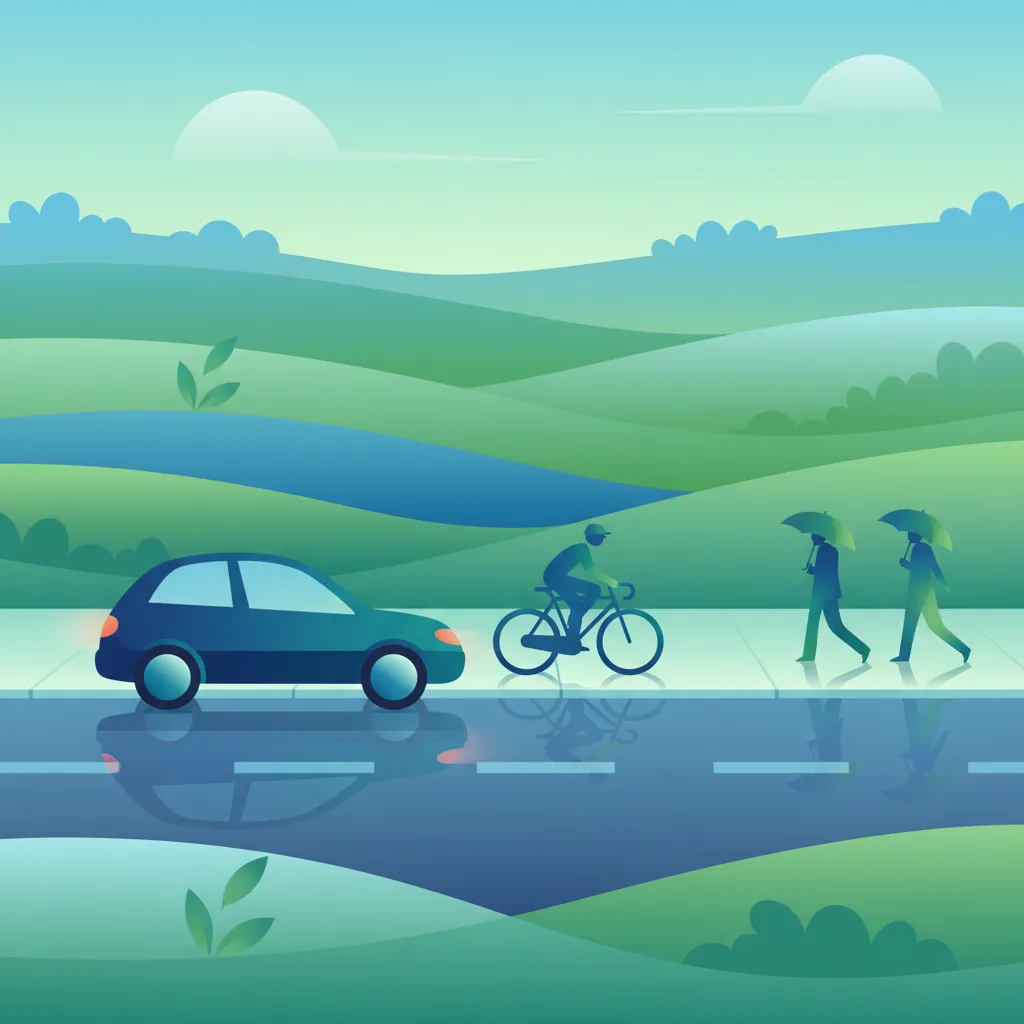
This lesson teaches the crucial skill of adapting speed to prevailing conditions, emphasizing that the posted speed limit is a maximum, not a target. It covers various scenarios such as rain, fog, heavy traffic, and poor road surfaces, explaining why reducing speed is essential for maintaining vehicle control and safety. The goal is to cultivate a proactive mindset where the rider constantly assesses risk and adjusts their speed accordingly.
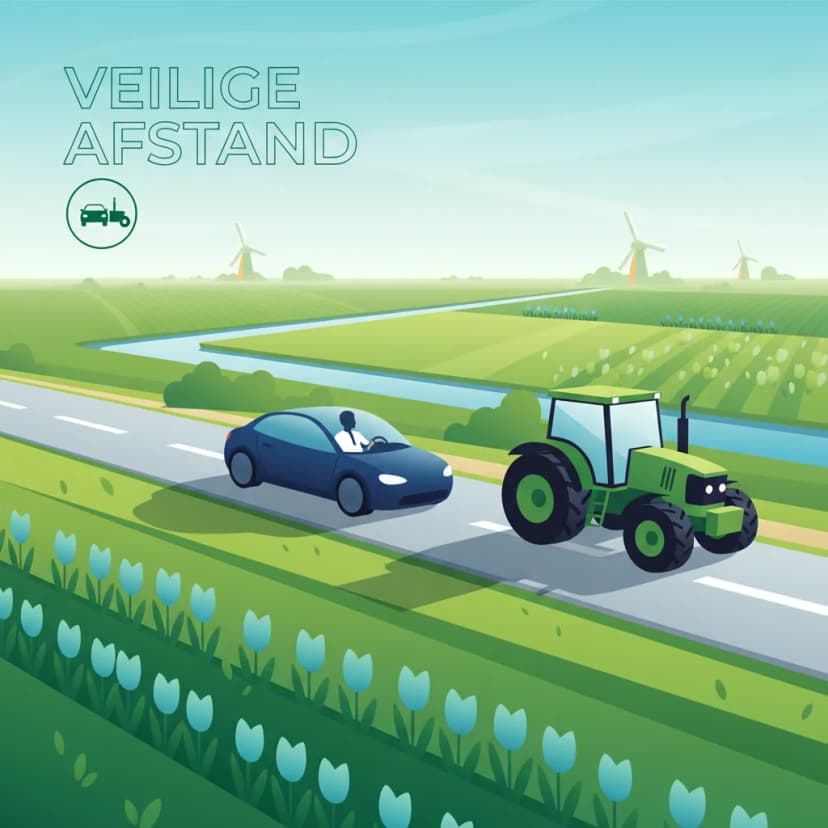
This lesson delves into the physics of stopping a motorcycle, explaining the components of total stopping distance: perception time, reaction time, and braking distance. You will learn practical methods like the 'two-second rule' to maintain a safe following distance and how to adjust this buffer for adverse weather and high speeds. Understanding these concepts is fundamental to avoiding rear-end collisions and having enough space to react to any hazard.

This lesson emphasizes that the posted speed limit is a maximum, not a target. You will learn the principles of situational speed adaptation, which involves adjusting your speed based on factors like visibility, road geometry (curves and hills), traffic density, and potential hazards. The lesson covers specific strategies for managing speed in urban environments with pedestrians, on rural roads with hidden entrances, and on motorways to match the flow of traffic.
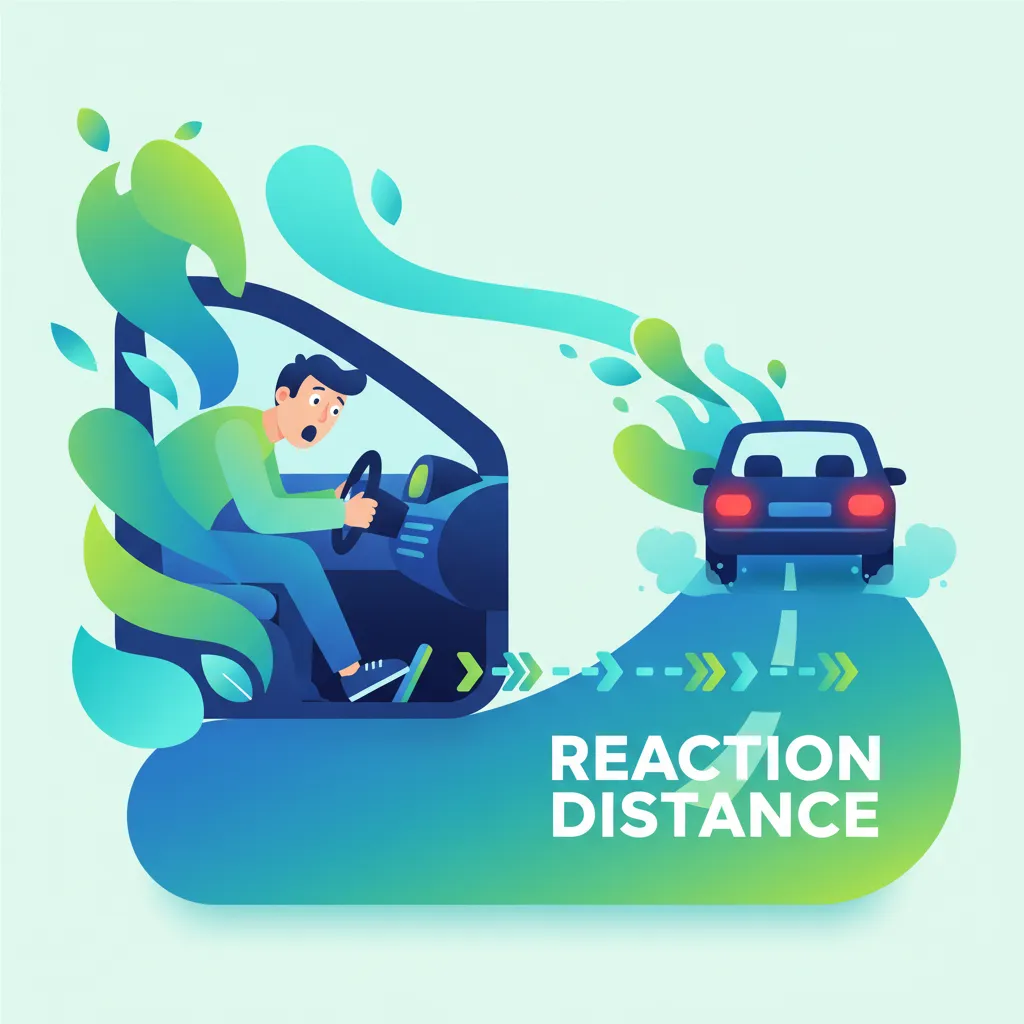
This lesson breaks down the components of the total stopping distance: reaction distance and braking distance. You will learn how your physical and mental state affects reaction time, and how speed, tire condition, and road surface (e.g., ice, rain) influence the distance required to brake to a complete stop. Understanding these physical principles is essential for making safe decisions about speed and following distance in all conditions.

This lesson focuses on the correct use of warning devices to protect an accident or breakdown scene. You will learn to immediately activate your hazard lights (varningsblinkers). The main focus is on the proper placement of the warning triangle, explaining how the distance from the vehicle must be adapted based on the road's speed limit and visibility to give oncoming drivers adequate time to react.

This lesson covers strategies for driving safely when visibility is compromised. You will learn the correct use of different lighting systems: when to use low beams, high beams (helljus), and how to avoid dazzling other drivers. The lesson also explains the specific regulations for using front and rear fog lights and provides techniques for navigating safely in dense fog or heavy precipitation by reducing speed and using the road edge as a guide.

This lesson teaches the crucial skill of adapting your speed to the dynamic and often congested conditions of urban riding. You will learn to modulate your speed smoothly in response to traffic flow, pedestrian activity, and complex intersections to maintain safety and control. Techniques covered include using engine braking effectively, anticipating the actions of other road users, and selecting a speed that maximizes your reaction time in a high-density environment.
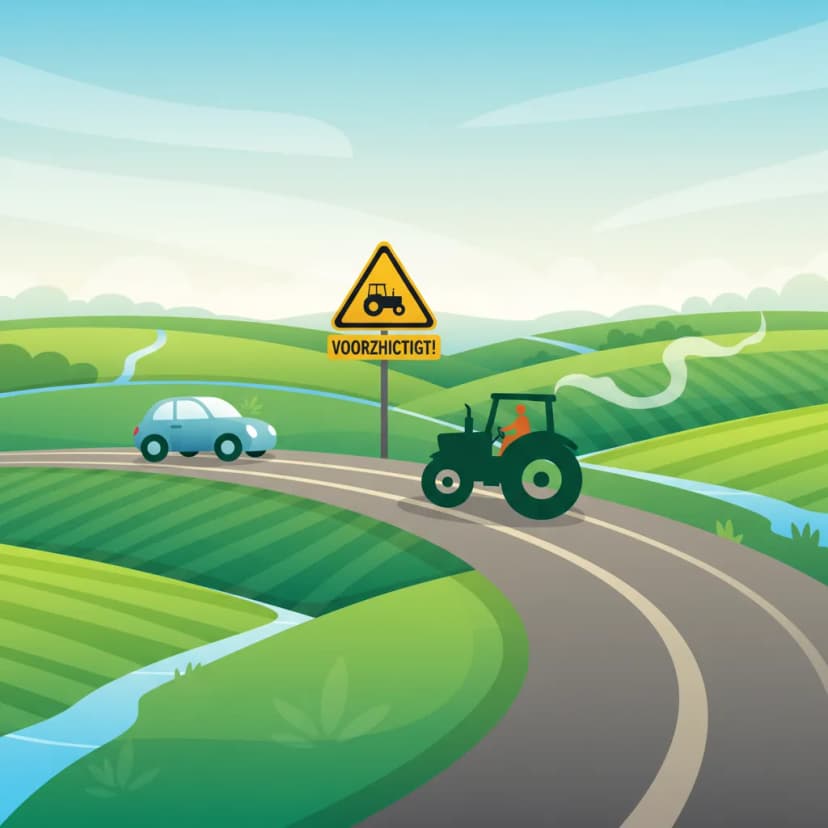
This lesson addresses the specific risks associated with driving on rural roads (landsvägar). You will learn how to manage higher speeds on narrow, winding roads with limited visibility due to curves and hills. The lesson covers procedures for safely overtaking slow-moving agricultural vehicles, managing encounters with oncoming traffic on narrow sections, and being constantly vigilant for wildlife, especially at dawn and dusk.
Explore the fundamental concepts of reaction time and braking distance in the context of Swedish driving theory. Learn how these distances are calculated and their critical role in maintaining safe following distances, especially for category B licence preparation.
This lesson breaks down the components of the total stopping distance: reaction distance and braking distance. You will learn how your physical and mental state affects reaction time, and how speed, tire condition, and road surface (e.g., ice, rain) influence the distance required to brake to a complete stop. Understanding these physical principles is essential for making safe decisions about speed and following distance in all conditions.
This lesson reinforces the core safety principle of adapting your driving to the prevailing weather conditions. You will learn why you must significantly reduce speed in heavy rain to avoid aquaplaning, how strong crosswinds can affect vehicle stability, and why reduced visibility in fog necessitates slower speeds and greater following distances. The goal is to instill a proactive approach to risk management whenever the weather is less than ideal.
This lesson focuses on the high level of caution required when driving in residential areas. You will learn about the rules for special zones like 'gångfartsområde' (walking speed area) and the need to navigate around speed calming measures like speed bumps. The central theme is anticipating unpredictable behavior from residents, especially children, and managing the risks posed by parked cars that severely limit visibility.
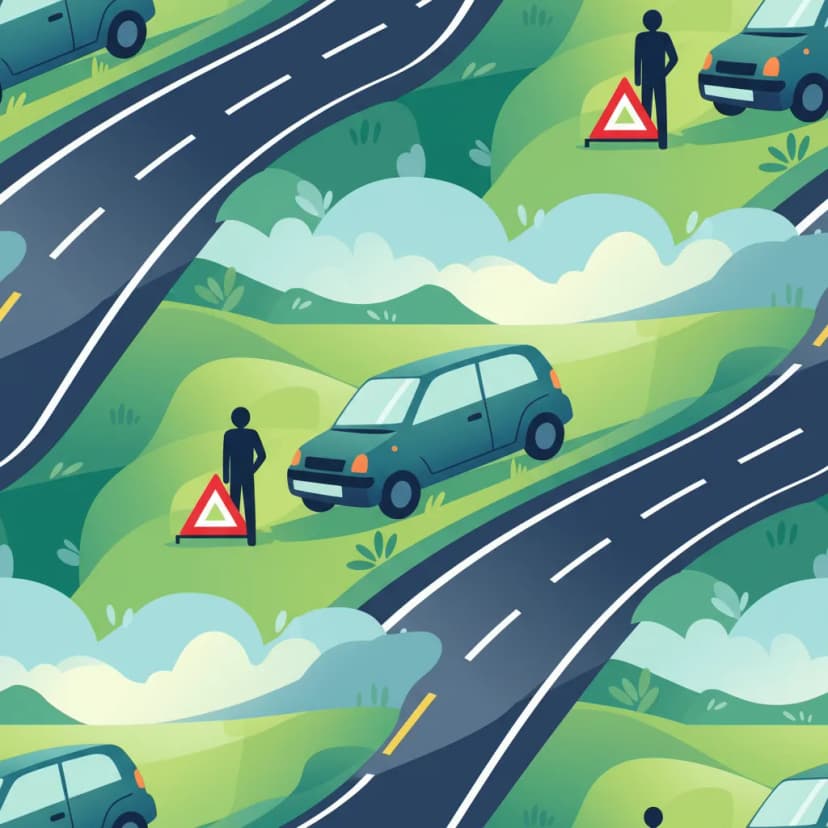
This lesson provides a safety protocol for dealing with a vehicle breakdown. You will learn the importance of trying to move the vehicle as far off the road as possible, preferably onto the shoulder or into an emergency lay-by. The lesson stresses that on high-traffic roads, the occupants' personal safety is the top priority; this involves wearing a reflective vest and waiting for assistance in a safe location away from the vehicle and the flow of traffic.

This lesson focuses on the two most significant actions affecting fuel consumption: acceleration and braking. You will learn that aggressive driving with rapid acceleration and hard braking wastes significant amounts of fuel. The content teaches the technique of gentle, steady acceleration and a forward-planning approach to driving, where you look far ahead to anticipate traffic light changes and slowdowns, allowing you to decelerate by simply releasing the accelerator (motor braking).
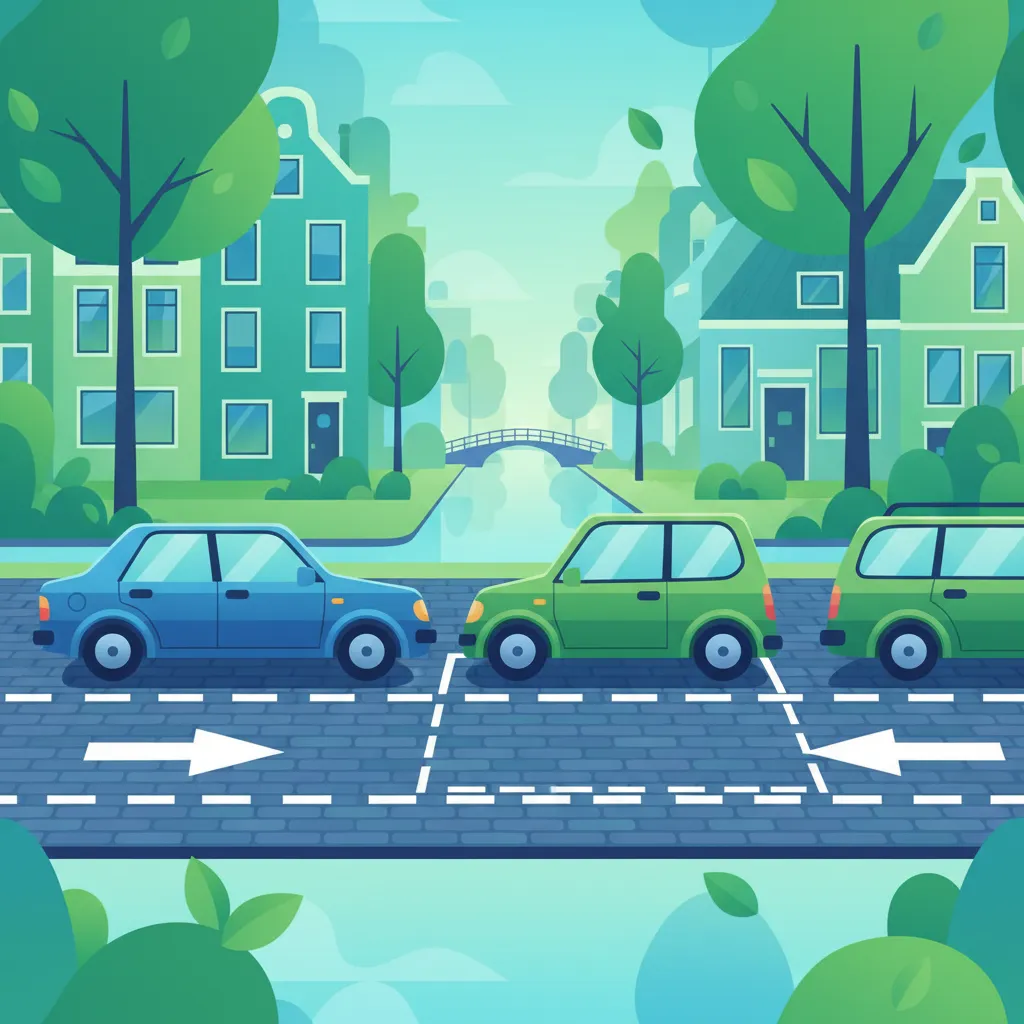
This lesson covers the general, nationwide rules that govern where you may and may not park or stop, even without specific signs. You will learn about the prohibitions on stopping near intersections, on pedestrian crossings, and at bus stops. The content clarifies the legal definitions and provides clear guidelines on maintaining safe distances and ensuring that your parked vehicle does not obstruct traffic or create a hazard.
This lesson focuses on the correct use of warning devices to protect an accident or breakdown scene. You will learn to immediately activate your hazard lights (varningsblinkers). The main focus is on the proper placement of the warning triangle, explaining how the distance from the vehicle must be adapted based on the road's speed limit and visibility to give oncoming drivers adequate time to react.
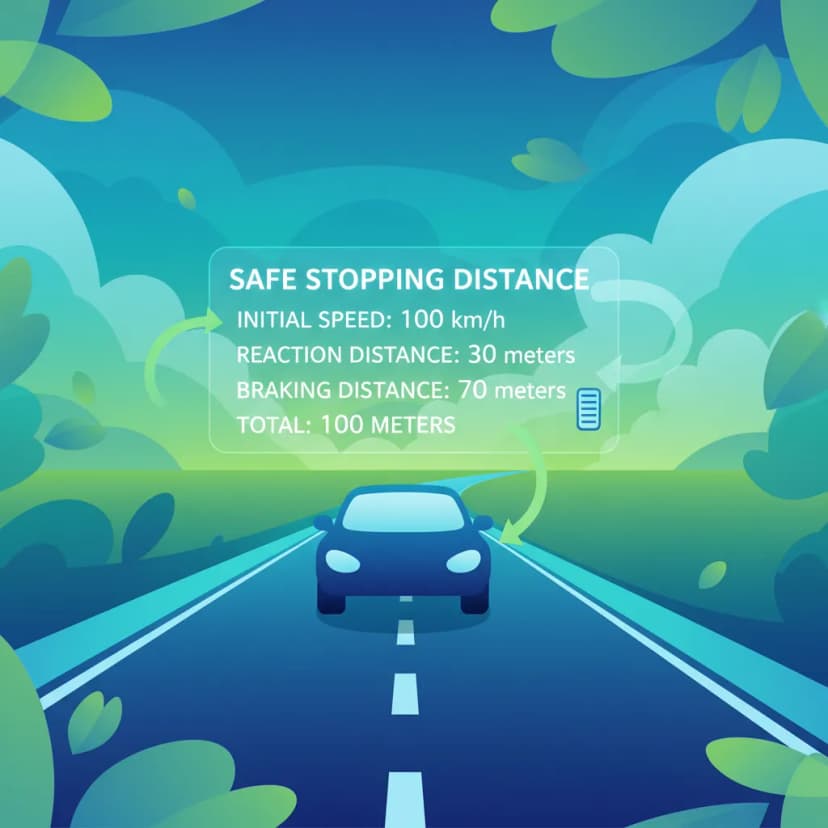
This lesson provides a practical understanding of the physics behind stopping a moped. It breaks down the total stopping distance into two key components: reaction distance (the distance traveled before applying the brakes) and braking distance (the distance covered while braking). Learners will explore how factors like speed, road conditions, and rider alertness dramatically affect these distances.
This lesson provides step-by-step instructions for performing common low-speed maneuvers, including reversing in a straight line, backing around a corner, and various types of parking. You will learn how to use reference points on your vehicle and the surroundings to position the car accurately. The paramount importance of slow speed, continuous 360-degree observation, and being prepared to stop for pedestrians or other vehicles is emphasized throughout.
This lesson delves into the physics of stopping a motorcycle, explaining the components of total stopping distance: perception time, reaction time, and braking distance. You will learn practical methods like the 'two-second rule' to maintain a safe following distance and how to adjust this buffer for adverse weather and high speeds. Understanding these concepts is fundamental to avoiding rear-end collisions and having enough space to react to any hazard.
Find clear answers to common questions learners have about Safe Following Distance (Avstånd). Learn how the lesson is structured, which driving theory objectives it supports, and how it fits into the overall learning path of units and curriculum progression in Sweden. These explanations help you understand key concepts, lesson flow, and exam focused study goals.
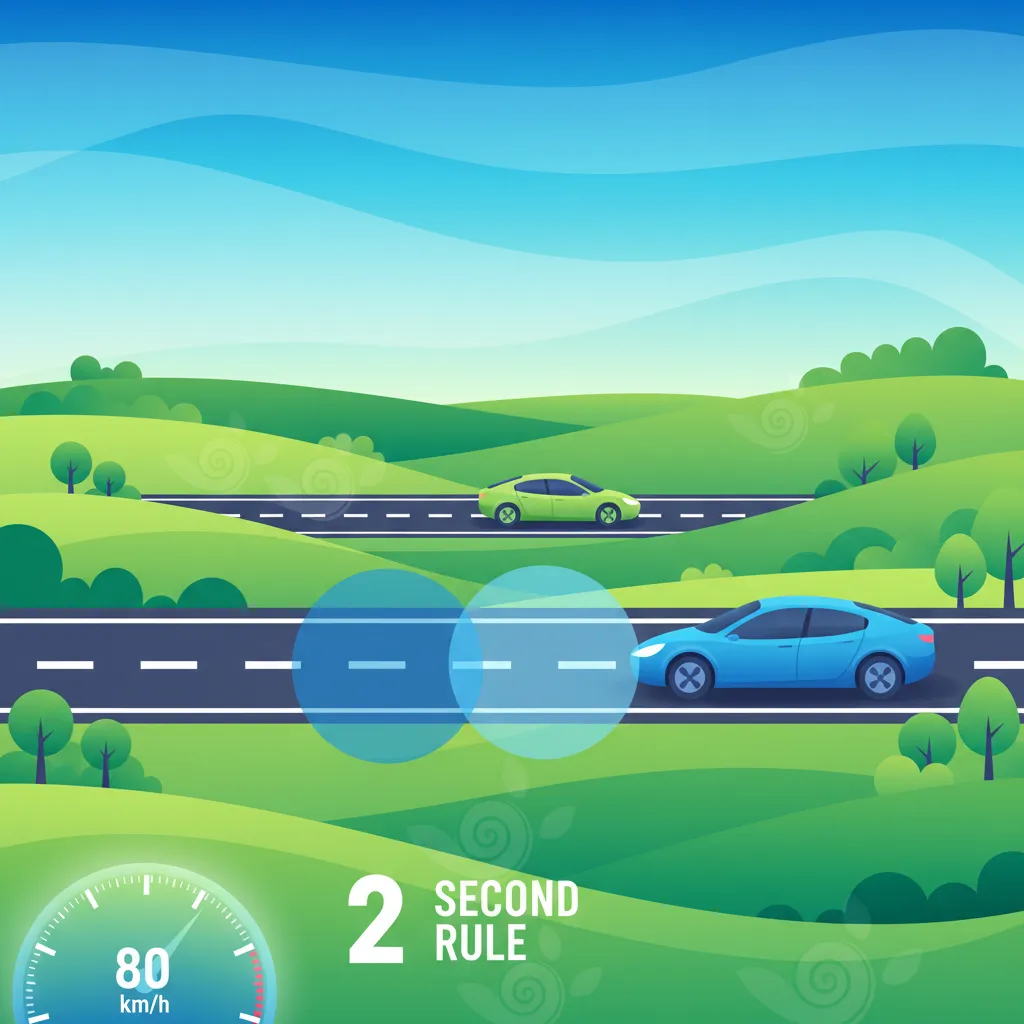
The three-second rule is a method to ensure you maintain a safe distance from the vehicle ahead. Pick a fixed point (like a signpost), and when the vehicle in front passes it, start counting 'one thousand one, one thousand two, one thousand three'. If you pass the same point after completing your count, your distance is adequate on dry roads. This allows time to react and brake safely.
You must increase your following distance significantly in adverse conditions. This includes rain, snow, ice, fog, or when driving on slippery surfaces. Also, extend your distance when following large vehicles (trucks, buses) that might obscure your view, or when towing a trailer, as your braking distance will be longer.
The faster you drive, the longer your stopping distance becomes. While the three-second rule provides a constant time gap, it results in a larger physical distance at higher speeds. This is why adapting your speed to conditions and maintaining adequate distance is crucial for safety on all types of roads.
While the three-second rule is a good general guideline, motorcyclists and cyclists can stop much more quickly than cars. It's advisable to maintain an even greater following distance when behind them to allow for their rapid deceleration and to provide them with space to manoeuvre safely.
Theory test questions often present scenarios where you must judge the correct following distance. You might see images of road conditions, vehicle types ahead, or traffic situations, and be asked to select the safest option for maintaining distance, often relating back to the principles of the three-second rule and its necessary adjustments.