
This lesson delves into the crucial topic of impaired driving, specifically focusing on how medications, both prescription and over-the-counter, and illegal drugs affect your ability to drive safely. Understanding these rules is vital for passing your Swedish Category B theory test and ensuring road safety for everyone.

Driving a vehicle requires full attention, quick reaction times, and sound judgment. For new drivers learning theory for the Swedish Category B driving license, it is crucial to understand that not only alcohol but also various medications and illegal drugs can severely impair these abilities. Swedish traffic law takes a strict stance on impaired driving to ensure public safety. This lesson delves into the specific regulations and responsibilities drivers have regarding substances that can affect their fitness to drive.
Swedish law is clear: driving under the influence of substances that impair your ability to operate a vehicle safely is strictly prohibited. This principle is enshrined in the Trafikförordning (Traffic Ordinance) and applies universally to all drivers and vehicle types on Swedish roads.
Sweden enforces a zero-tolerance policy for illegal narcotics. This means that if any detectable concentration of an illegal drug is found in a driver's blood or urine while operating a vehicle, it constitutes a driving offense, regardless of whether the driver feels impaired. The legal standard for most illegal drugs is 0 µg/L (zero micrograms per liter).
A legal principle where any detectable amount of a prohibited drug in a driver's system is considered a violation, irrespective of perceived impairment.
This strict approach aims to eliminate the unpredictable risks associated with substances like cannabis (THC), cocaine, amphetamines, opiates, and various designer drugs. These substances can dramatically alter perception, reaction time, cognitive processing, and judgment, making safe driving impossible. The law prioritizes public safety by removing any ambiguity regarding the acceptable level of these substances.
Even if you used cannabis days ago and feel completely sober, any detectable trace in your blood can lead to prosecution. The law does not consider your subjective feeling of impairment.
While legally prescribed, many medications can have side effects that compromise your ability to drive safely. In Sweden, drivers have a duty of care to ensure that any medication they take does not impair their driving performance. This means you are personally responsible for assessing how a drug affects you and for seeking professional advice when needed.
The Trafikförordning (1998:1276) states in 3 kap. 3 § that a driver must not be under the influence of any substance that can impair driving ability. This applies equally to legally prescribed drugs if they cause impairment. Effects can include drowsiness, blurred vision, dizziness, slowed reaction times, or altered judgment.
Common categories of prescription medications that may affect driving include:
Your doctor's prescription does not automatically mean it is safe to drive. Side effects vary significantly between individuals and can change over time or with dosage adjustments. Always consult your doctor or pharmacist if you are unsure about a medication's impact on your driving ability.
Non-prescription, or Over-the-Counter (OTC), medications are readily available in pharmacies and stores, but they are not necessarily "safe" for driving. Many common OTC drugs can cause side effects that impair driving, such as drowsiness, blurred vision, or dizziness.
Examples include certain:
The same duty of care applies to OTC medications as to prescription drugs. Always read the packaging and patient information leaflet carefully, paying special attention to warnings about driving.
A key visual cue in Sweden for identifying medications that may affect driving is the red-triangle warning symbol. This is a red triangle containing an exclamation mark, prominently displayed on the packaging of medicinal products.
A mandatory symbol on medication packaging in Sweden, indicating that the drug may impair a person's ability to drive a vehicle or operate machinery safely.
This symbol serves as an immediate alert to potential risks such as drowsiness, reduced alertness, or impaired judgment. When you see this symbol, it is crucial to read the accompanying information leaflet for detailed warnings and advice. Ignoring this symbol and driving can lead to legal liability if impairment occurs and results in an incident. The symbol itself is not a legal prohibition, but it links directly to your legal duty under Trafikförordning 3 kap. 3 § to not drive while impaired.
For certain medications or medical conditions, a Medical Fitness Assessment (MFA) may be required. This is a formal evaluation performed by a licensed physician to confirm that a driver is medically fit to operate a vehicle safely while using a particular medication.
A formal evaluation by a physician certifying that a driver is medically suitable to operate a vehicle, often required when using specific medications or due to certain health conditions.
The Trafikförordning 3 kap. 4 § stipulates that drivers must obtain an MFA if a medication or medical condition may affect their driving ability. This is particularly relevant for drugs with strong sedative effects or those that significantly alter cognitive functions, such as high-dose opioids, certain strong sedatives, or medications for epilepsy. An MFA is often required before license renewal or after a significant change in prescription or dosage for such medications.
The MFA serves to provide an objective health assessment, reducing the risk of impairment and ensuring that any pharmacological influence is understood and managed. Relying solely on your own subjective feeling of fitness is insufficient when an MFA is indicated.
Understanding how substances affect the body and mind is crucial for appreciating the legal and safety rationale behind these regulations.
Psychoactive substances, whether illegal drugs or therapeutic medications, can significantly degrade the complex skills required for safe driving. The primary mechanisms of impairment include:
The impairing effects of medication and drugs are not static; they can be severely amplified by various contextual factors:
Drivers often make assumptions about medication and drug use that put themselves and others at risk. Here are some common misunderstandings and resulting violations:
To ensure you comply with Swedish law and, more importantly, drive safely, follow these practical guidelines:
Always Read the Label: Carefully examine the patient information leaflet (PIL) and the medication packaging for the red-triangle warning symbol and any specific advice about driving or operating machinery.
Consult Your Doctor or Pharmacist: Before driving, always discuss with your healthcare provider how any new or changed medication might affect your driving ability. Do this even for OTC drugs if you're unsure.
Allow a Trial Period: When starting a new medication, or after a dose adjustment, avoid driving for a few days to see how your body reacts. Side effects often appear or are most pronounced during the initial phase of treatment.
Avoid Alcohol and Other Drugs: Never combine alcohol with medications that affect the central nervous system, as this can severely amplify impairing effects. Also, be aware of interactions between different medications.
Recognize Symptoms: Be honest with yourself about any signs of drowsiness, dizziness, blurred vision, or slowed reactions. If you experience any of these, do not drive.
Plan Your Journey: If you take medication that causes drowsiness, try to schedule your driving for times when you are most alert, or arrange alternative transport. Avoid long trips, especially at night.
Keep Your Medical Records Updated: If you have chronic conditions or take long-term medication, ensure your Medical Fitness Assessment (MFA) is current and reflects your present health and dosage.
Understand Zero-Tolerance: For illegal narcotics, there is no permissible amount. The safest approach is absolute abstinence from driving if you have consumed any such substance, potentially for days depending on the drug.
Mastering the influence of medication and drugs on driving fitness is an essential part of becoming a responsible driver in Sweden. This lesson highlights several critical points:
By adhering to these principles, drivers contribute to their own safety and the safety of all road users within the Swedish traffic environment.
Lesson content overview
Explore all units and lessons included in this driving theory course.
Explore search topics learners often look for when studying Influence of Medication and Drugs. These topics reflect common questions about road rules, driving situations, safety guidance, and lesson level theory preparation for learners in Sweden.
Browse additional driving theory lessons that cover connected traffic rules, road signs, and common driving situations related to this topic. Improve your understanding of how different rules interact across everyday traffic scenarios.
Understand the serious implications of driving after taking certain medications or any illegal drugs. Learn how to identify medications that affect driving and your responsibilities in Sweden.
This lesson covers the legal medical requirements for drivers, which are designed to ensure public safety. You will learn about the specific standards for visual acuity and field of vision, and the requirement to wear corrective lenses if needed. The lesson also explains that drivers have a legal obligation to report certain medical conditions (like epilepsy or severe diabetes) to the Swedish Transport Agency, as they may impact their ability to drive safely.
This lesson covers Sweden's stringent 'Nolltolerans' (zero tolerance) laws regarding driving under the influence of alcohol and drugs. It explains the very low legal blood alcohol limits and the severe penalties for violations, which can include heavy fines, license suspension, and even imprisonment. The message is unequivocal: riding and impairment do not mix.
This lesson focuses on the high level of caution required when driving in residential areas. You will learn about the rules for special zones like 'gångfartsområde' (walking speed area) and the need to navigate around speed calming measures like speed bumps. The central theme is anticipating unpredictable behavior from residents, especially children, and managing the risks posed by parked cars that severely limit visibility.
This lesson provides a sobering overview of the multifaceted consequences of being convicted of an impaired driving offense. It details the legal penalties, which can range from heavy fines to imprisonment, and the mandatory revocation of the driving license for a set period. The content also touches on the significant non-legal consequences, such as increased insurance costs, potential civil liability for damages, and the profound personal and social impact of causing an accident.

This lesson reinforces the core safety principle of adapting your driving to the prevailing weather conditions. You will learn why you must significantly reduce speed in heavy rain to avoid aquaplaning, how strong crosswinds can affect vehicle stability, and why reduced visibility in fog necessitates slower speeds and greater following distances. The goal is to instill a proactive approach to risk management whenever the weather is less than ideal.

This lesson explains the stringent Swedish laws concerning alcohol and driving. You will learn the legal blood alcohol content (BAC) limit, which is 0.2 per mille, and the higher limit of 1.0 per mille that constitutes the more serious crime of 'grovt rattfylleri'. The content details how alcohol impairs judgment, coordination, and reaction time, and outlines the severe legal penalties, including fines, imprisonment, and license revocation.
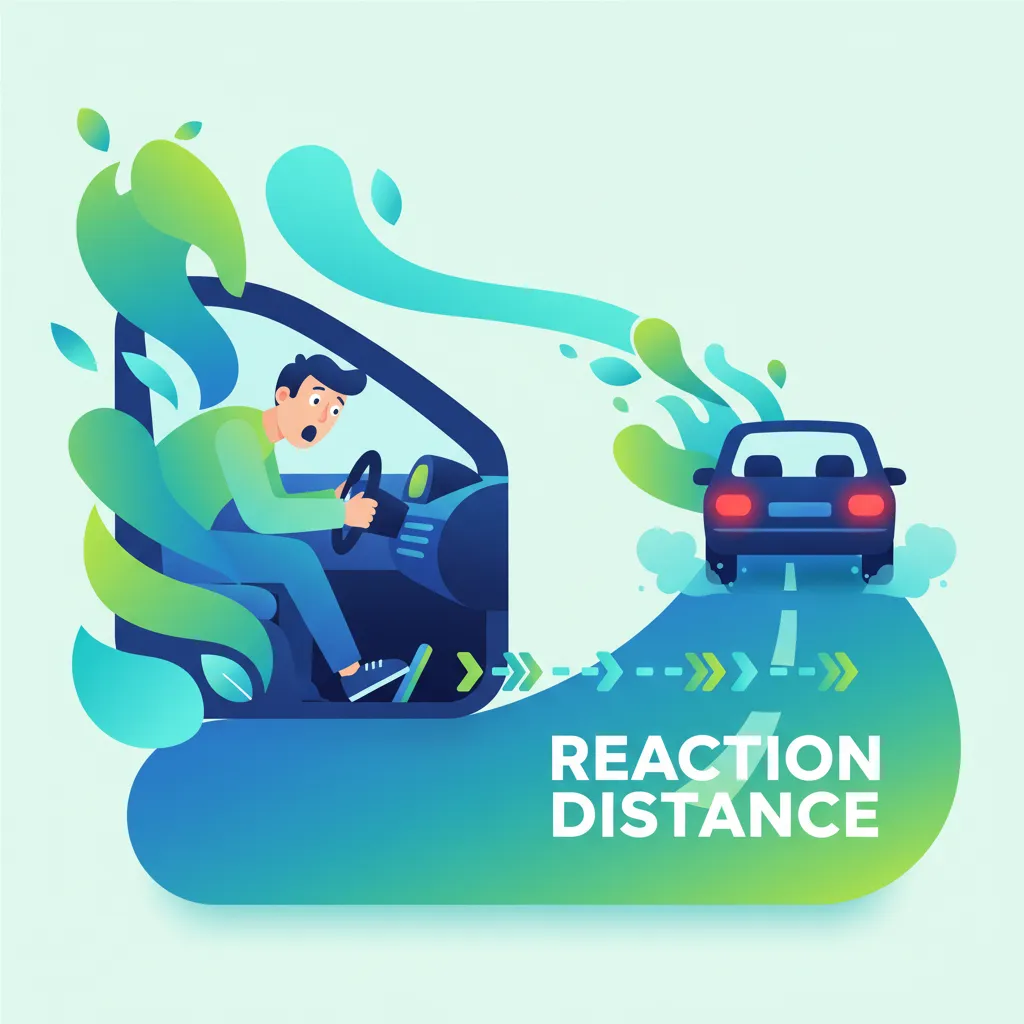
This lesson breaks down the components of the total stopping distance: reaction distance and braking distance. You will learn how your physical and mental state affects reaction time, and how speed, tire condition, and road surface (e.g., ice, rain) influence the distance required to brake to a complete stop. Understanding these physical principles is essential for making safe decisions about speed and following distance in all conditions.

This lesson covers strategies for driving safely when visibility is compromised. You will learn the correct use of different lighting systems: when to use low beams, high beams (helljus), and how to avoid dazzling other drivers. The lesson also explains the specific regulations for using front and rear fog lights and provides techniques for navigating safely in dense fog or heavy precipitation by reducing speed and using the road edge as a guide.
This lesson provides step-by-step instructions for performing common low-speed maneuvers, including reversing in a straight line, backing around a corner, and various types of parking. You will learn how to use reference points on your vehicle and the surroundings to position the car accurately. The paramount importance of slow speed, continuous 360-degree observation, and being prepared to stop for pedestrians or other vehicles is emphasized throughout.
This lesson focuses on the unique challenges of driving in urban environments. You will learn techniques for anticipating the actions of vulnerable road users like pedestrians and cyclists, especially near crossings and bus stops. The content covers how to navigate narrow streets, one-way systems, and areas with heavy traffic, emphasizing the need for lower speeds, heightened awareness, and a defensive mindset.
Explore the critical connection between your health, prescribed or over-the-counter medications, and fitness to drive. Learn when to consult doctors or pharmacists about potential driving impairments.
This lesson covers the legal medical requirements for drivers, which are designed to ensure public safety. You will learn about the specific standards for visual acuity and field of vision, and the requirement to wear corrective lenses if needed. The lesson also explains that drivers have a legal obligation to report certain medical conditions (like epilepsy or severe diabetes) to the Swedish Transport Agency, as they may impact their ability to drive safely.
This lesson focuses on the high level of caution required when driving in residential areas. You will learn about the rules for special zones like 'gångfartsområde' (walking speed area) and the need to navigate around speed calming measures like speed bumps. The central theme is anticipating unpredictable behavior from residents, especially children, and managing the risks posed by parked cars that severely limit visibility.
This lesson covers strategies for driving safely when visibility is compromised. You will learn the correct use of different lighting systems: when to use low beams, high beams (helljus), and how to avoid dazzling other drivers. The lesson also explains the specific regulations for using front and rear fog lights and provides techniques for navigating safely in dense fog or heavy precipitation by reducing speed and using the road edge as a guide.
This lesson reinforces the core safety principle of adapting your driving to the prevailing weather conditions. You will learn why you must significantly reduce speed in heavy rain to avoid aquaplaning, how strong crosswinds can affect vehicle stability, and why reduced visibility in fog necessitates slower speeds and greater following distances. The goal is to instill a proactive approach to risk management whenever the weather is less than ideal.
This lesson provides step-by-step instructions for performing common low-speed maneuvers, including reversing in a straight line, backing around a corner, and various types of parking. You will learn how to use reference points on your vehicle and the surroundings to position the car accurately. The paramount importance of slow speed, continuous 360-degree observation, and being prepared to stop for pedestrians or other vehicles is emphasized throughout.
This lesson focuses on the unique challenges of driving in urban environments. You will learn techniques for anticipating the actions of vulnerable road users like pedestrians and cyclists, especially near crossings and bus stops. The content covers how to navigate narrow streets, one-way systems, and areas with heavy traffic, emphasizing the need for lower speeds, heightened awareness, and a defensive mindset.

This lesson teaches you how to recognize and adapt to different types of slippery winter surfaces. You will learn about the characteristics of driving in loose snow, packed snow, and on ice, with a special focus on detecting 'black ice' (ishalka), which is transparent and extremely dangerous. The content identifies high-risk areas such as bridges and shaded sections of the road and emphasizes the need for extremely gentle steering, acceleration, and braking inputs.
This lesson focuses on creating a complete awareness of the traffic situation around your vehicle. You will learn the correct procedure for using your interior and side mirrors in a continuous scanning pattern. Crucially, the lesson explains what the blind spot (döda vinkeln) is, where it is located, and why a physical head check over the shoulder is a non-negotiable safety step before any lateral movement like changing lanes or turning.

This lesson covers the simple yet vital pre-drive checks that are the driver's responsibility. You will learn the step-by-step process for a 'safety control' (säkerhetskontroll), which includes checking tire pressure and tread depth, verifying that all lights are working, and checking the levels of critical fluids like engine oil, coolant, brake fluid, and windshield washer fluid. Performing these checks regularly helps ensure your vehicle is in a safe condition to drive.

This lesson addresses the specific risks associated with driving on rural roads (landsvägar). You will learn how to manage higher speeds on narrow, winding roads with limited visibility due to curves and hills. The lesson covers procedures for safely overtaking slow-moving agricultural vehicles, managing encounters with oncoming traffic on narrow sections, and being constantly vigilant for wildlife, especially at dawn and dusk.
Find clear answers to common questions learners have about Influence of Medication and Drugs. Learn how the lesson is structured, which driving theory objectives it supports, and how it fits into the overall learning path of units and curriculum progression in Sweden. These explanations help you understand key concepts, lesson flow, and exam focused study goals.
Sweden has a strict zero-tolerance policy for illegal drugs while driving. Driving under the influence of any illicit narcotic is illegal and carries severe penalties, including hefty fines, license suspension, and potential imprisonment. It is paramount to never drive after consuming illegal substances.
The red warning triangle symbol on medication packaging indicates that the drug may cause drowsiness or affect your reaction time, potentially impairing your ability to drive. If your medication has this symbol, you must consult your doctor or pharmacist to determine if it is safe for you to drive.
Not necessarily. Many prescribed medications can be taken safely while driving, provided you discuss potential side effects with your doctor or pharmacist. They can advise you on the correct dosage and timing, and whether your specific medication poses a risk to your driving ability. Always err on the side of caution and seek professional advice.
Even if you feel alert, the medication might still be affecting your judgment and reaction time. It is your responsibility as a driver to be aware of your medication's potential side effects. If there's any doubt, do not drive. Opt for alternative transportation or postpone your journey to ensure safety.
Many OTC medications, especially those for allergies, colds, or pain relief, can cause drowsiness or dizziness. Always read the patient information leaflet carefully for warnings about driving. If the medication has a warning triangle or advises caution, it's best to avoid driving or consult a pharmacist.