
Driving while tired is a major cause of accidents. This lesson in our Swedish Driving License Theory Course for Category B cars covers the critical dangers of fatigue, how to recognise its symptoms, and the vital importance of rest and regular breaks. It’s essential knowledge for passing your theory test and ensuring safe driving on Swedish roads.
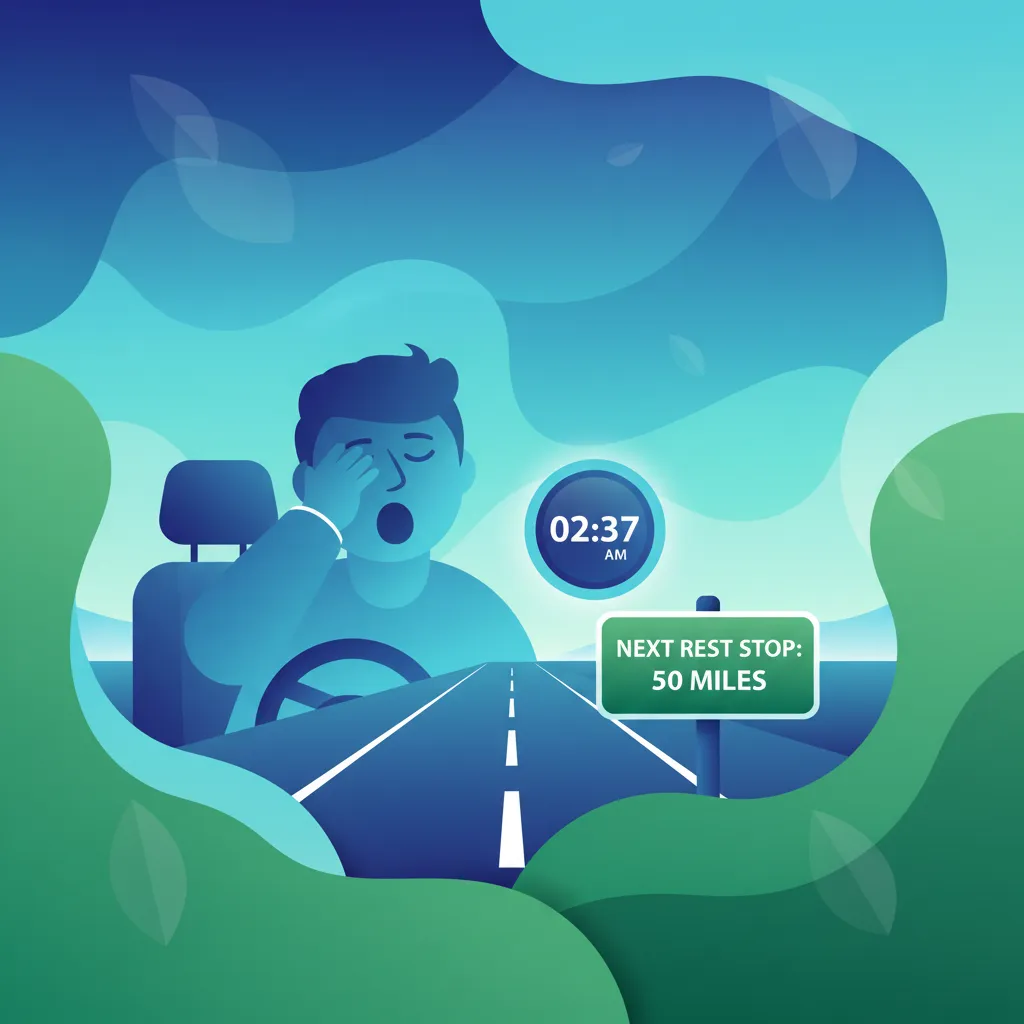
Driving demands sustained attention, quick decision-making, and precise vehicle control. However, fatigue, or drowsiness, significantly impairs these crucial abilities, making it a leading cause of traffic collisions in Sweden and globally. This lesson delves into the nature of driver fatigue, its physiological impacts, how to recognize its warning signs, and the essential strategies for managing and preventing it to ensure road safety.
Driver fatigue is a state of reduced mental and physical alertness that results from prolonged wakefulness, insufficient sleep, monotonous driving conditions, or natural low points in the body's internal clock. It is more than just feeling tired; it is a serious impairment that compromises your ability to drive safely.
Fatigue affects cognitive functions such as attention, memory, and information processing. It also slows down physical reactions and coordination. There are generally two types of fatigue relevant to driving:
When you are fatigued, your driving performance suffers in several critical ways. You might find it difficult to maintain a consistent speed, drift out of your lane, or miss important traffic signs. The most dangerous aspect of fatigue is its potential to cause microsleeps, which are brief, involuntary episodes of unconsciousness. These can last from a fraction of a second to a few seconds, long enough for a vehicle to travel a significant distance uncontrolled, especially at higher speeds.
Fatigue directly reduces your reaction time, narrows your visual field, and impairs your judgment, making you a danger to yourself and other road users. According to studies by Transport Analysis Sweden (Trafikanalys), fatigue-related crashes can increase significantly on longer routes without proper breaks.
Understanding the biological mechanisms behind fatigue can help you better manage it. Your body is designed to sleep, and when it doesn't get enough, it signals its need through various physiological responses.
Every individual has a personal sleep requirement, typically between 7 and 9 hours per night for adults. When you consistently sleep less than this, you start to accumulate a sleep debt. This debt cannot be "paid back" in a single night of extended sleep. Chronic sleep debt means your brain is operating under a constant deficit, leading to reduced cognitive function even if you don't feel acutely drowsy.
Our bodies operate on a natural 24-hour cycle called the circadian rhythm, which regulates sleepiness and alertness. This internal clock dictates when you naturally feel most awake and most sleepy. There are predictable low-alertness windows where the risk of fatigue is highest:
Planning long trips to avoid driving during these vulnerable windows, especially the early morning hours, can significantly reduce your fatigue risk.
Long stretches of monotonous driving, such as on straight motorways with little changing scenery or traffic, can accelerate the onset of fatigue. A lack of stimulation reduces mental engagement, leading to a decline in arousal and an increased risk of drowsiness and microsleep. Maintaining mental engagement through conversation, listening to stimulating audio, or varying your focus points (safely) can help, but is not a substitute for rest.
Recognizing the warning signs of fatigue in yourself and others is the first critical step to preventing fatigue-related incidents. These signs indicate that your body is reaching its limit and requires immediate rest. Ignoring these cues significantly escalates the risk of a crash.
Be vigilant for any of these indicators:
Treat any of these warning signs as an immediate call to action. They mean you are no longer safe to drive and must stop for rest. Coffee or loud music only mask symptoms; they do not restore alertness.
Microsleep is arguably the most dangerous consequence of severe fatigue while driving. It is a brief, involuntary lapse of consciousness, often lasting only 0.5 to 2 seconds. The alarming aspect is that drivers often experience microsleeps without even realizing they have occurred. In just one second, a car traveling at 100 km/h covers approximately 28 meters. During a microsleep, you are completely unresponsive, leading to total loss of vehicle control.
These episodes can cause vehicles to drift off the road, collide with other vehicles, or miss critical hazards. If you find yourself experiencing a "blank moment" or realize you've momentarily lost focus, it's a strong indicator you are susceptible to microsleep and need to stop immediately.
The effects of fatigue are not always obvious, but they severely compromise your ability to operate a vehicle safely.
One of the most critical impacts of fatigue is the degradation of your reaction time. Under normal, alert conditions, an average driver's reaction time is about 0.7 seconds. However, when fatigued, this can increase significantly, often to 1.3 seconds or more, sometimes even doubling.
This seemingly small increase has profound implications for road safety. A longer reaction time directly translates to a longer overall stopping distance, as more time passes before you even begin to apply the brakes. For instance, at 100 km/h, a driver with an impaired reaction time of 1.6 seconds would travel an additional 25 meters before braking compared to an alert driver. This extra distance can be the difference between avoiding a collision and causing a severe accident.
Fatigue diminishes your ability to concentrate, leading to reduced situational awareness. You might miss important details in the traffic environment, such as a pedestrian stepping off the curb, a changing traffic light, or a sudden brake light ahead. Your ability to process multiple pieces of information simultaneously also declines, making complex driving situations (like navigating an intersection or merging in heavy traffic) significantly more hazardous.
While not a direct vision problem, fatigue can cause several visual impairments. Your eyes might struggle to focus, leading to blurred vision. You may experience tunnel vision, where your peripheral awareness is significantly reduced, making it harder to spot hazards approaching from the sides. Additionally, your eyes may become sore, watery, or heavy, making it difficult to keep them open and focused on the road ahead.
In Sweden, as in most European countries, drivers have a legal responsibility to ensure they are fit to drive. This explicitly includes being free from debilitating fatigue.
Under Swedish law, specifically the Trafikförordning (Traffic Ordinance) Chapter 12, §12, it is unequivocally stated that:
"A driver must not operate a vehicle if he/she is in a condition that may endanger traffic safety, including fatigue."
This rule applies to all drivers, whether private or professional, on any public road. It places the burden squarely on the driver to self-assess their condition. If you are experiencing fatigue to a degree that could compromise safety, you are legally obliged to refrain from driving or to stop and rest immediately. Failing to do so can lead to legal penalties if an incident occurs, as you would be deemed to have endangered traffic safety.
While there isn't a specific law for private drivers dictating exact break times like for professionals, the Swedish Road Administration (Trafikverket) issues strong recommendations for long journeys:
Take a 15-minute break after 2 hours of continuous driving.
Take a 30-minute break after 4.5 hours of continuous driving. This longer break often incorporates the initial 15-minute one.
Always take additional breaks as needed, based on your subjective fatigue level and any warning signs.
These are guidelines, not legally binding for private individuals, but they represent best practices for maintaining alertness and preventing fatigue buildup. A proper break involves stopping the vehicle completely, getting out, moving around, and resting your eyes and mind. Just pulling over and drinking coffee while still in the driver's seat is not an effective break.
For professional drivers operating commercial vehicles (typically Category C/E, but also Category B for goods transport exceeding 3.5 tonnes, or passenger transport), EU Regulation 561/2006 imposes strict, legally binding rules on driving times, breaks, and rest periods. These regulations are designed to prevent cumulative fatigue in commercial transport and ensure public safety. Key rules include:
These rules are enforced by mandatory digital tachographs in commercial vehicles, which record all driving, break, and rest times. Violations lead to significant fines and penalties. While these specific rules apply to professional drivers, the underlying safety principles are relevant to all motorists on long journeys.
Proactive planning and smart choices are your best defense against driver fatigue.
Effective trip planning is crucial for preventing fatigue. Consider the following:
Not all breaks are equally effective. To truly combat fatigue and restore alertness, a break must be of sufficient duration and quality:
Constant vigilance is key. You, as the driver, have a legal and ethical responsibility to self-monitor your condition. Regularly ask yourself: "Am I yawning more often? Are my eyelids heavy? Is my focus drifting?"
If you have passengers, encourage peer-monitoring. Ask them to watch for signs of fatigue in you. Passengers can often spot subtle cues that a driver might miss. Establish an open communication channel where passengers feel comfortable suggesting a break if they observe any warning signs. This mutual assessment increases the reliability of early fatigue detection.
Many drivers mistakenly believe they can "push through" fatigue using temporary stimulants. These are dangerous misconceptions:
The only effective countermeasure to fatigue is rest.
Many drivers fall into common traps when dealing with fatigue. Recognizing these can help you avoid them.
The risk of fatigue and the necessary management strategies vary depending on driving conditions and vehicle type.
Fatigue management is an indispensable aspect of responsible driving. It's not just about comfort; it's about life and death. Understanding the physiological basis of fatigue, recognizing its subtle warning signs, and proactively implementing effective rest and trip planning strategies are fundamental skills for every driver.
The Swedish Traffic Ordinance places the responsibility on you to be fit to drive. By prioritizing adequate sleep, scheduling regular and quality rest breaks, and continuously monitoring your own and your passengers' alertness, you contribute significantly to making Swedish roads safer for everyone. Remember, coffee is not a cure, and pushing through fatigue is never worth the risk. When in doubt, stop and rest.
Lesson content overview
Explore all units and lessons included in this driving theory course.
Explore search topics learners often look for when studying Fatigue Management and Rest Requirements. These topics reflect common questions about road rules, driving situations, safety guidance, and lesson level theory preparation for learners in Sweden.
Browse additional driving theory lessons that cover connected traffic rules, road signs, and common driving situations related to this topic. Improve your understanding of how different rules interact across everyday traffic scenarios.
Explore the dangers of driving while tired, recognizing signs of fatigue like microsleep. Learn essential Swedish driving theory on why regular breaks are crucial for safety on long journeys and how to plan your rest effectively.

This lesson extends the topic of impaired driving to include medications and illegal drugs. You will learn that there is a zero-tolerance policy for illegal narcotics in traffic. The lesson also highlights the importance of being aware of the side effects of prescribed or over-the-counter medications, particularly those marked with a red warning triangle, and stresses the driver's responsibility to consult a doctor or pharmacist about their fitness to drive.

This lesson addresses the often-overlooked danger of rider fatigue, which can impair judgment and reaction time as much as alcohol. It provides strategies for managing fatigue, including maintaining a comfortable and ergonomic riding posture, staying hydrated, and taking frequent breaks on longer journeys. The goal is to ensure the rider remains physically and mentally alert at all times.

This lesson explores the crucial psychological aspects of safe motorcycle riding. You will learn to recognize the signs of fatigue and how it impairs judgment and reaction time, as well as strategies for managing it on long rides. The content also addresses cognitive load and the dangers of distraction, providing techniques to help you maintain the high level of concentration required for safe motorcycling, ensuring your mind is as prepared as your machine.

This lesson covers strategies for driving safely when visibility is compromised. You will learn the correct use of different lighting systems: when to use low beams, high beams (helljus), and how to avoid dazzling other drivers. The lesson also explains the specific regulations for using front and rear fog lights and provides techniques for navigating safely in dense fog or heavy precipitation by reducing speed and using the road edge as a guide.

This lesson explains the physical principles of how weight and air resistance impact fuel efficiency. You will learn that every extra kilogram of weight requires more energy to move, and that external attachments like roof boxes significantly increase aerodynamic drag. The content provides practical advice, such as removing unnecessary items from the car and taking off roof racks when not in use, and highlights the importance of maintaining correct tire pressure to minimize rolling resistance.
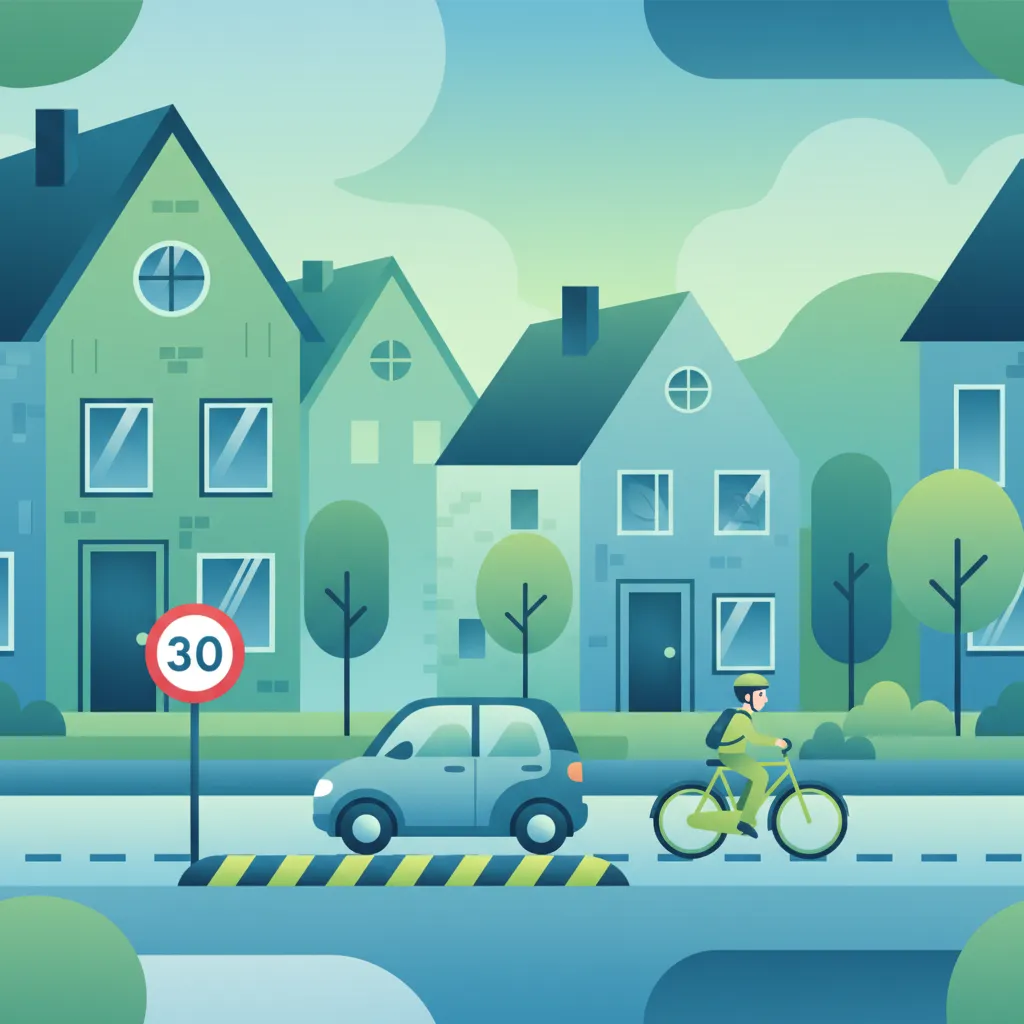
This lesson focuses on the high level of caution required when driving in residential areas. You will learn about the rules for special zones like 'gångfartsområde' (walking speed area) and the need to navigate around speed calming measures like speed bumps. The central theme is anticipating unpredictable behavior from residents, especially children, and managing the risks posed by parked cars that severely limit visibility.

This lesson reinforces the core safety principle of adapting your driving to the prevailing weather conditions. You will learn why you must significantly reduce speed in heavy rain to avoid aquaplaning, how strong crosswinds can affect vehicle stability, and why reduced visibility in fog necessitates slower speeds and greater following distances. The goal is to instill a proactive approach to risk management whenever the weather is less than ideal.

This lesson provides a sobering overview of the multifaceted consequences of being convicted of an impaired driving offense. It details the legal penalties, which can range from heavy fines to imprisonment, and the mandatory revocation of the driving license for a set period. The content also touches on the significant non-legal consequences, such as increased insurance costs, potential civil liability for damages, and the profound personal and social impact of causing an accident.
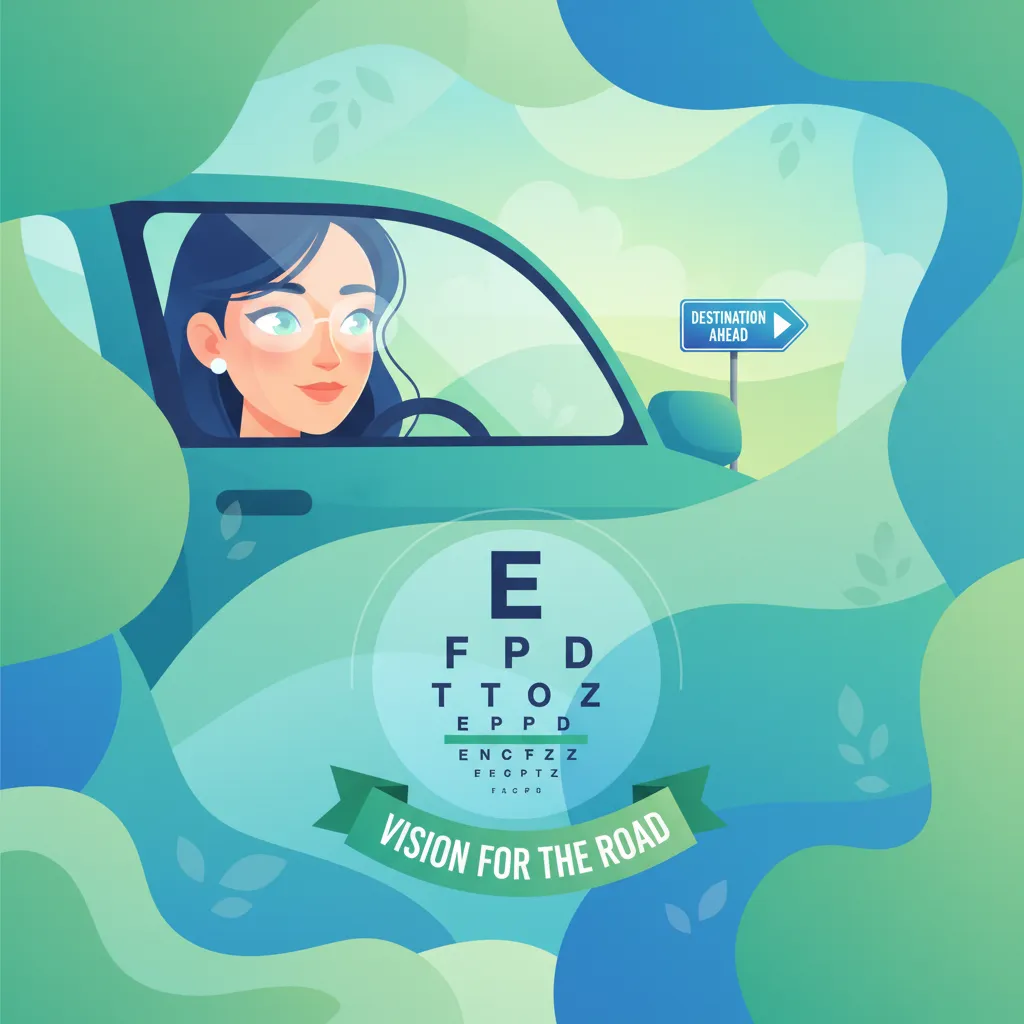
This lesson covers the legal medical requirements for drivers, which are designed to ensure public safety. You will learn about the specific standards for visual acuity and field of vision, and the requirement to wear corrective lenses if needed. The lesson also explains that drivers have a legal obligation to report certain medical conditions (like epilepsy or severe diabetes) to the Swedish Transport Agency, as they may impact their ability to drive safely.

This lesson addresses the specific risks associated with driving on rural roads (landsvägar). You will learn how to manage higher speeds on narrow, winding roads with limited visibility due to curves and hills. The lesson covers procedures for safely overtaking slow-moving agricultural vehicles, managing encounters with oncoming traffic on narrow sections, and being constantly vigilant for wildlife, especially at dawn and dusk.
Understand how driver fatigue significantly impairs reaction time and decision-making, comparable to alcohol and drug influences. This lesson details the risks and stresses the critical need for rest as the sole effective countermeasure in Swedish driving theory.
This lesson extends the topic of impaired driving to include medications and illegal drugs. You will learn that there is a zero-tolerance policy for illegal narcotics in traffic. The lesson also highlights the importance of being aware of the side effects of prescribed or over-the-counter medications, particularly those marked with a red warning triangle, and stresses the driver's responsibility to consult a doctor or pharmacist about their fitness to drive.

This lesson explains the stringent Swedish laws concerning alcohol and driving. You will learn the legal blood alcohol content (BAC) limit, which is 0.2 per mille, and the higher limit of 1.0 per mille that constitutes the more serious crime of 'grovt rattfylleri'. The content details how alcohol impairs judgment, coordination, and reaction time, and outlines the severe legal penalties, including fines, imprisonment, and license revocation.
This lesson provides a sobering overview of the multifaceted consequences of being convicted of an impaired driving offense. It details the legal penalties, which can range from heavy fines to imprisonment, and the mandatory revocation of the driving license for a set period. The content also touches on the significant non-legal consequences, such as increased insurance costs, potential civil liability for damages, and the profound personal and social impact of causing an accident.
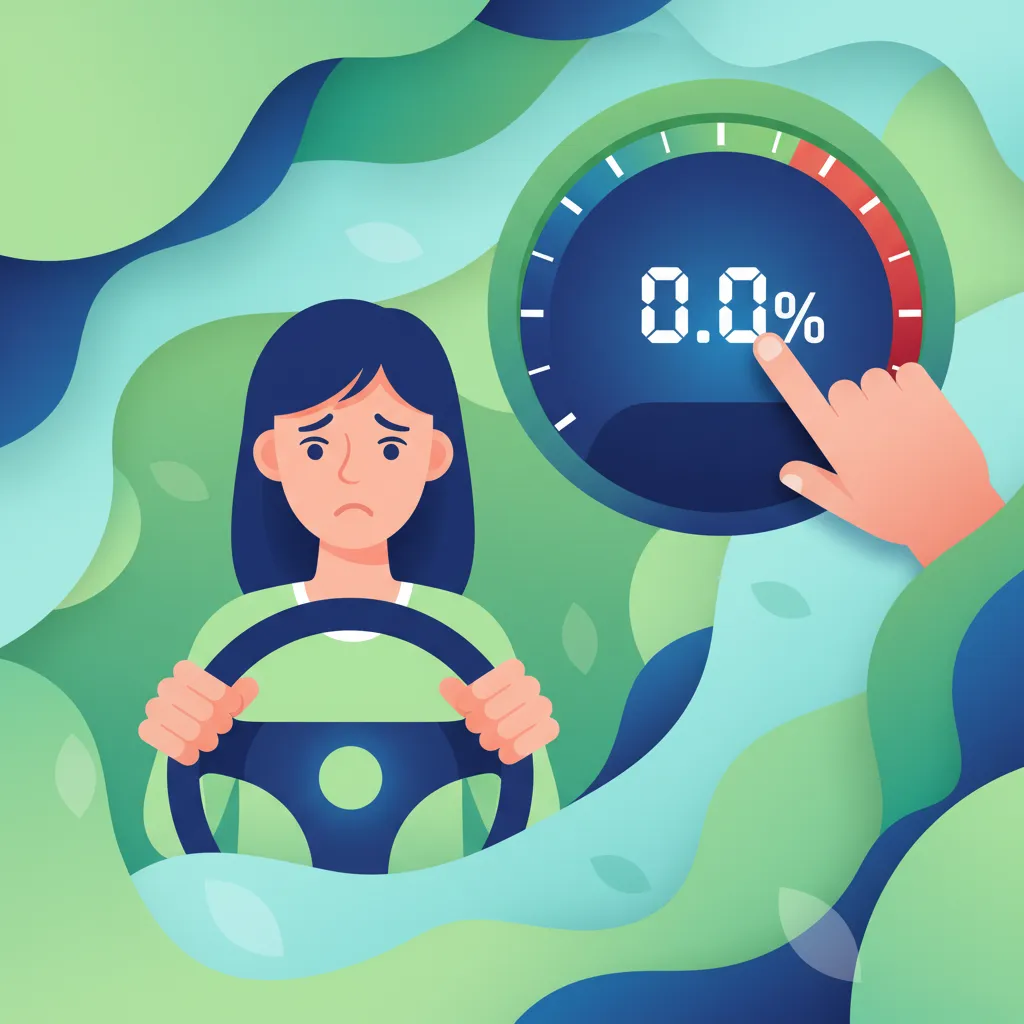
This lesson covers Sweden's stringent 'Nolltolerans' (zero tolerance) laws regarding driving under the influence of alcohol and drugs. It explains the very low legal blood alcohol limits and the severe penalties for violations, which can include heavy fines, license suspension, and even imprisonment. The message is unequivocal: riding and impairment do not mix.
This lesson breaks down the components of the total stopping distance: reaction distance and braking distance. You will learn how your physical and mental state affects reaction time, and how speed, tire condition, and road surface (e.g., ice, rain) influence the distance required to brake to a complete stop. Understanding these physical principles is essential for making safe decisions about speed and following distance in all conditions.
Find clear answers to common questions learners have about Fatigue Management and Rest Requirements. Learn how the lesson is structured, which driving theory objectives it supports, and how it fits into the overall learning path of units and curriculum progression in Sweden. These explanations help you understand key concepts, lesson flow, and exam focused study goals.
Common signs of fatigue include frequent yawning, heavy eyelids, difficulty focusing, drifting from your lane, missing signs or exits, and feeling restless or irritable. If you experience these, it's a clear signal that you need to stop and rest immediately.
While caffeine can provide a temporary boost, it doesn't eliminate fatigue. It can mask the symptoms for a short period, but it doesn't replace the need for actual rest. Relying solely on stimulants is dangerous and can lead to a sudden 'crash' when their effect wears off, or during a microsleep.
Microsleep is a brief, involuntary episode of sleep lasting from a fraction of a second to several seconds. During a microsleep, you are completely unaware of your surroundings, which is extremely dangerous when driving. It can cause you to drift out of your lane, run a red light, or collide with other vehicles without any warning.
It's generally recommended to take a break every 2 hours of driving, or more frequently if you start feeling tired. These breaks should involve getting out of the car, stretching, and resting your eyes. Longer breaks of 15-20 minutes are ideal to properly refresh yourself.
Driving while fatigued is treated very seriously. It severely impairs your ability to drive safely and can lead to accidents. If caught driving while demonstrably tired or falling asleep at the wheel, you could face penalties similar to drunk driving, including fines, license suspension, or even imprisonment, especially if an accident occurs.