
Riding a moped for extended periods can lead to fatigue, significantly impacting judgment and reaction times. This lesson focuses on the critical aspects of ergonomic seating and proactive fatigue management, helping you stay alert and safe on your AM moped. Understanding these principles is vital for both passing your Swedish theory exam and for ensuring your well-being on the road.

Riding a moped safely requires not only skill and adherence to traffic laws but also sustained physical and mental alertness. Rider fatigue, often overlooked, can be as dangerous as alcohol intoxication, significantly impairing your judgment, reaction time, and vehicle control. This lesson of the Swedish Category AM (Moped) Driving License Theory Course will explore the critical aspects of ergonomic seating and effective fatigue management to ensure you remain physically and mentally alert throughout your journey.
Rider fatigue is a measurable reduction in a rider’s physiological and cognitive performance. It can stem from various factors including prolonged riding, maintaining a suboptimal seating posture, dehydration, or simply insufficient rest. Recognizing and actively managing fatigue is paramount for safe moped operation.
Fatigue on a moped is not merely feeling tired; it encompasses a range of physical and mental declines. Physical fatigue manifests as muscle soreness, stiffness, and reduced strength, which can impair your ability to react quickly or maintain control. Cognitive fatigue, on the other hand, affects your mental processes, leading to decreased vigilance, slower decision-making, and an increased likelihood of making errors. Sensory fatigue can also occur, causing diminished visual acuity or blurred perception, making it harder to spot hazards.
A progressive decline in physical or mental performance due to prolonged activity, lack of rest, dehydration, or inadequate nutrition, impacting a rider's ability to operate a vehicle safely.
The dangers of fatigue are profound because they mimic the effects of driving under the influence of alcohol. When fatigued, your reaction time lengthens, your ability to perceive and correctly assess hazards diminishes, and your capacity to make rapid, sound decisions is severely compromised. This direct impact on crucial riding skills dramatically increases the risk of accidents. Swedish transport safety policy, including Transportstyrelsen’s “General Traffic Safety Programme,” explicitly identifies fatigue as a significant cause of moped accidents, underscoring the necessity for robust fatigue management practices.
An ergonomic seating position is fundamental to preventing physical fatigue and maintaining control. It's about aligning your body to minimize strain while ensuring full access and command over your moped’s controls.
Ergonomic seating geometry refers to the precise alignment of your spine, hips, knees, and wrists to minimize static load on your muscles and joints. This setup should allow for full, unrestricted control of the handlebars, footrests, and brakes. When correctly configured, it reduces muscular fatigue, prevents discomfort, and enhances your proprioceptive feedback—your body’s sense of its position and movement.
Moped manufacturers are legally required by EU Regulation 168/2013 to provide adjustable seating and footrests. As a rider, you must utilize these adjustments to fit your body dimensions optimally.
Adjust Before You Ride: Always take the time to adjust your moped's seat height, footrest position, and handlebar reach before starting a journey. This proactive step can significantly reduce the onset of fatigue.
Beyond the static ergonomic setup, your dynamic posture—how you position your body moment-to-moment while riding—is equally vital. This includes weight distribution during acceleration, braking, and cornering, all of which contribute to maximizing traction, preventing loss of control, and further reducing fatigue.
Avoid Overly Upright Posture: While it might seem safer, an excessively upright posture can fatigue your back quickly and hinder your ability to maneuver the moped effectively, especially during sudden evasive actions.
Even with perfect ergonomics, prolonged riding will eventually lead to fatigue. Proactive management strategies are essential to sustain alertness and ensure continuous safe operation.
Hydration is a cornerstone of fatigue management. Regular intake of water or isotonic fluids is crucial for sustaining blood volume and optimal cognitive function. Dehydration, even a loss of just 2% of body mass, can significantly increase perceived effort, reduce alertness, and lead to dizziness, all of which compromise your safety.
Stay Hydrated: Carry a water bottle and aim to drink 150-200 ml of water every 30 minutes, especially in warm conditions (above 25 °C) or during high-altitude riding. For longer journeys or hot weather, isotonic drinks can help replenish electrolytes.
Avoid excessive caffeine, as its diuretic effect can lead to fluid loss, and too much can cause jitteriness, further impairing concentration. Remember, fluid loss continues throughout your ride, so continuous intake is more effective than drinking a large amount only once before the trip.
Fatigue accumulates progressively the longer you ride without rest. The Transportstyrelsen (Swedish Transport Agency) recommends a maximum of two hours of continuous riding for mopeds without a break of at least five minutes. This guideline is crucial because subjective perception often underestimates actual performance loss. After approximately two hours of nonstop riding, many riders experience a greater than 15% increase in reaction time.
The progressive decline in physical and mental performance as a function of continuous riding time without adequate rest.
Plan your breaks: Identify suitable rest stops along your route before you begin.
Listen to your body: Do not wait until you are severely fatigued. Take a break at the first signs of drowsiness or discomfort.
Utilize active rest: During breaks, perform simple exercises like leg lifts, arm circles, or neck stretches to restore circulation and re-stimulate alertness.
In Sweden, the legal framework places a clear responsibility on every driver and rider to ensure they are in a fit condition to operate a vehicle safely. This principle directly applies to fatigue.
The Swedish Traffic Ordinance (Trafikförordningen) § 1-2 (2020) states a fundamental requirement: “The driver shall not operate a vehicle if his/her condition impairs safe handling.” This broad statement explicitly covers fatigue, illness, and the effects of medication. Therefore, riding a moped while suffering from fatigue that compromises safe operation is a violation of the law.
The statutory requirement that a driver or rider must be in a physical and mental condition that does not endanger themselves or others due to fatigue, illness, or medication.
Transportstyrelsen’s "General Traffic Safety Programme" (2022) and "Health and Fitness for Drivers" brochure (2021) reinforce this, obliging riders to assess their physical and mental condition before each ride and to stop if signs of fatigue appear. Ignoring visible drowsiness can lead to serious consequences, potentially being treated similarly to driving under the influence of alcohol, with penalties ranging from fines to a possible suspension of your Category AM license.
Beyond individual rider obligations, legal frameworks also address fatigue from other perspectives:
Understanding common scenarios where fatigue poses a heightened risk can help you develop safer riding habits.
Fatigue management strategies must adapt to different riding environments and conditions.
| Context | Variation in Principle / Rule | Reasoning |
|---|---|---|
| Heavy Rain / Low Visibility | Increase break frequency (e.g., every 45 min); posture may shift to more upright for better windshield protection. | Reduced visual cues demand higher cognitive focus; fatigue amplifies the effect. |
| Night Riding (Low Illumination) | Increased need for rest to avoid visual fatigue; use of high-contrast clothing to aid peripheral perception. | Dark conditions increase eye strain; fatigue accelerates degradation of night vision. |
| Urban Traffic (Stop-and-Go) | More frequent micro-breaks (every 20 min) to counteract muscular fatigue from constant clutch/brake use. | Repetitive micro-movements create localized muscle fatigue quicker than steady cruising. |
| Long Rural Journey (>100 km) | Mandatory longer rest stops (≥15 min) after 2 h continuous riding; mandatory hydration protocol. | Extended monotonic riding leads to both physical and cognitive fatigue; rural areas may lack services. |
| Loaded Moped (cargo >10 kg) | Adjust seat height lower to maintain center of gravity; increase break length to compensate for added muscular effort. | Load shifts the moped's center of gravity, increasing the rider’s effort to maintain balance. |
| Rider with Pre-existing Medical Conditions | Seat height must be customized; more frequent micro-stretching; possible medical clearance required under § 1-2. | Pre-existing conditions aggravate fatigue faster and pose higher risk. |
| High Altitude (e.g., mountainous roads >1500 m) | Hydration increased (200 ml/30 min) due to lower humidity; consider oxygen saturation monitoring if available. | Altitude reduces oxygen availability, enhancing fatigue onset. |
| Interaction with Vulnerable Road Users | Adopt a more alert posture, lower center of gravity, and take immediate micro-breaks if fatigue signs appear. | Rapid decision-making is needed in such situations; fatigue can delay reaction to unexpected movements. |
Effective ergonomic seating and diligent fatigue management are not just recommendations; they are critical safety practices and legal obligations for every moped rider. By understanding and applying these principles, you significantly reduce your risk of accidents and enhance your overall riding experience.
Lesson content overview
Explore all units and lessons included in this driving theory course.
Explore search topics learners often look for when studying Ergonomic Seating and Rider Fatigue Management. These topics reflect common questions about road rules, driving situations, safety guidance, and lesson level theory preparation for learners in Sweden.
Browse additional driving theory lessons that cover connected traffic rules, road signs, and common driving situations related to this topic. Improve your understanding of how different rules interact across everyday traffic scenarios.
Understand the critical role of rider fatigue management and ergonomic seating in maintaining alertness and safety on Swedish AM moped rides. Learn strategies for comfort and awareness on longer journeys, essential for safe driving.

This lesson explores the crucial psychological aspects of safe motorcycle riding. You will learn to recognize the signs of fatigue and how it impairs judgment and reaction time, as well as strategies for managing it on long rides. The content also addresses cognitive load and the dangers of distraction, providing techniques to help you maintain the high level of concentration required for safe motorcycling, ensuring your mind is as prepared as your machine.
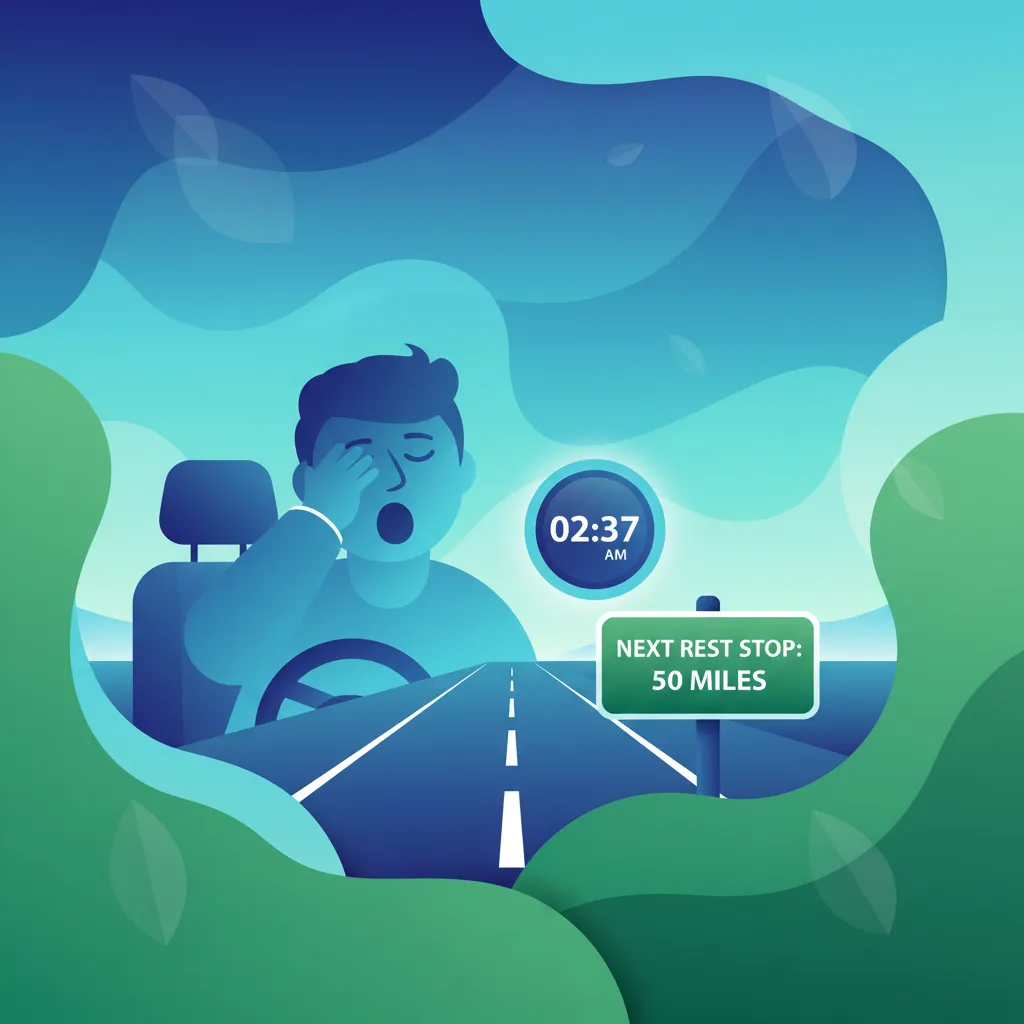
This lesson addresses the significant danger of driving while tired. You will learn to recognize the warning signs of fatigue, such as frequent yawning, difficulty focusing, and heavy eyelids. The content explains that fatigue severely impairs reaction time and decision-making, and discusses the concept of 'microsleep'. The only effective countermeasure is rest, and the lesson emphasizes the importance of planning long trips to include regular breaks.

This lesson provides guidance for riders planning to undertake longer trips on their moped. It covers key aspects of preparation, including route planning to avoid prohibited roads, more thorough vehicle checks, and packing essential items like a tool kit and rain gear. The content also revisits fatigue management, which is especially critical on extended journeys.

This lesson provides a detailed guide to using a moped's braking system effectively and safely. It explains the different roles of the front and rear brakes and the concept of balanced braking to maximize stopping power without losing traction. Learners will understand techniques for both normal, controlled stops and emergency braking situations, including how to manage weight transfer.
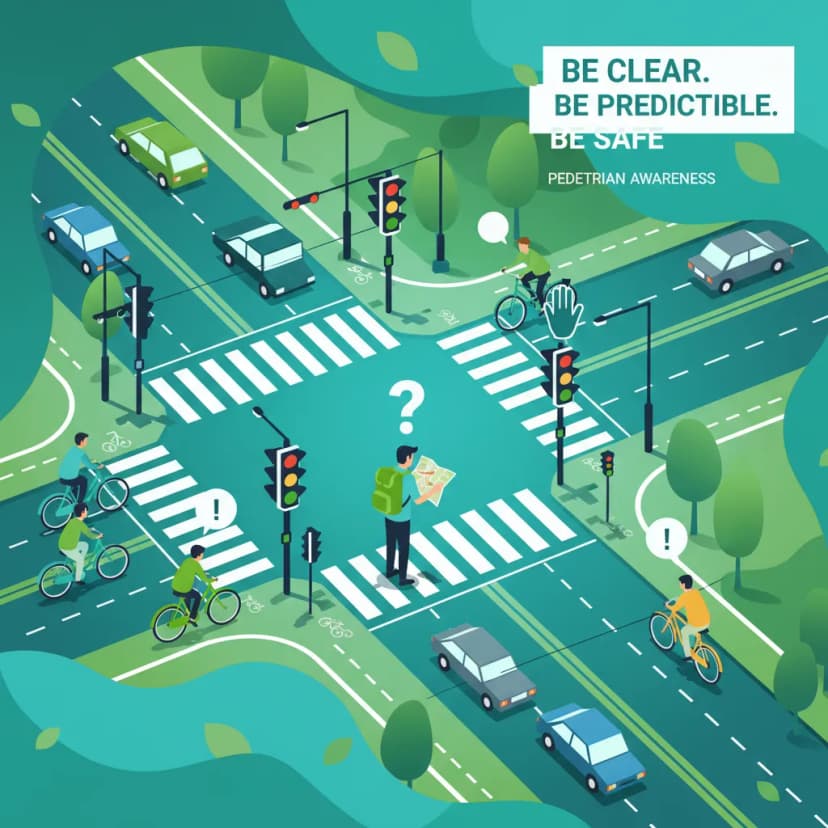
This lesson is dedicated to pedestrian safety, teaching riders to be constantly aware of people on foot, especially in busy urban environments. It reinforces the absolute duty to yield at marked crossings and encourages a cautious approach in areas like schools and shopping districts. The content stresses anticipating unpredictable actions, particularly from children or distracted pedestrians.

This lesson addresses the severe dangers of riding a moped in snow and icy conditions. It explains how to identify potential hazards like black ice and emphasizes that avoiding riding in such conditions is the safest strategy. For situations where it cannot be avoided, it provides advice on extremely gentle control inputs and vehicle preparation.

This lesson provides essential strategies for riding safely at night and during twilight hours. It covers the correct use of headlights to maximize visibility without dazzling other drivers and emphasizes the need to reduce speed to compensate for shorter sight distances. The content also highlights the importance of wearing reflective gear to be seen by others.

This lesson moves beyond legal requirements to discuss the importance of ethical and courteous riding. It encourages riders to be patient, considerate of others, and aware of their impact on the community, for example, by minimizing noise. This fosters a positive public image of moped riders and contributes to a safer and more pleasant environment for everyone.
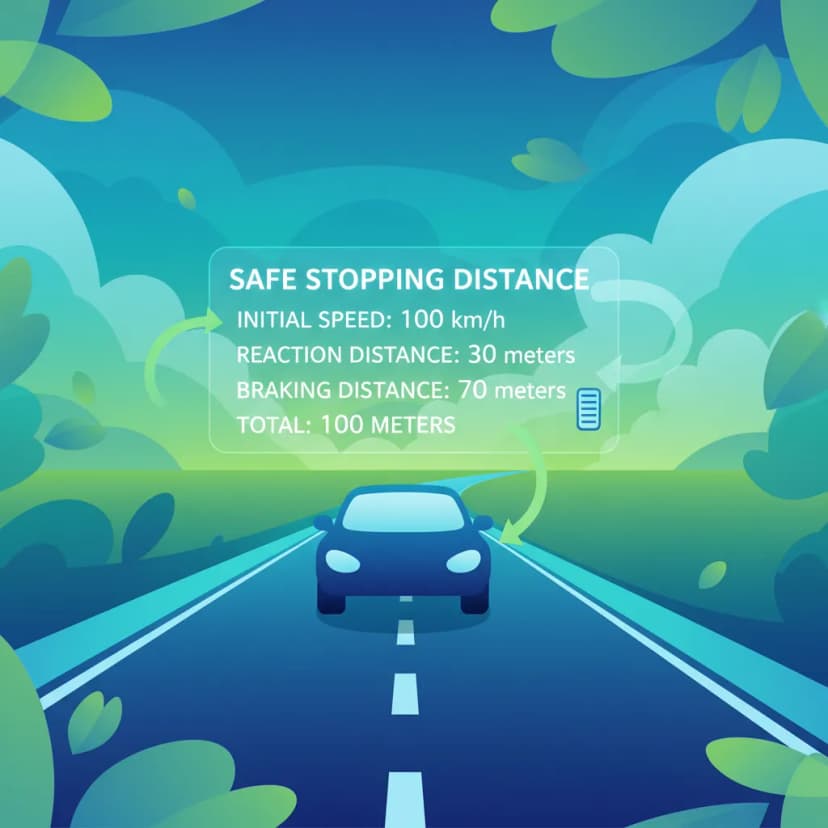
This lesson provides a practical understanding of the physics behind stopping a moped. It breaks down the total stopping distance into two key components: reaction distance (the distance traveled before applying the brakes) and braking distance (the distance covered while braking). Learners will explore how factors like speed, road conditions, and rider alertness dramatically affect these distances.
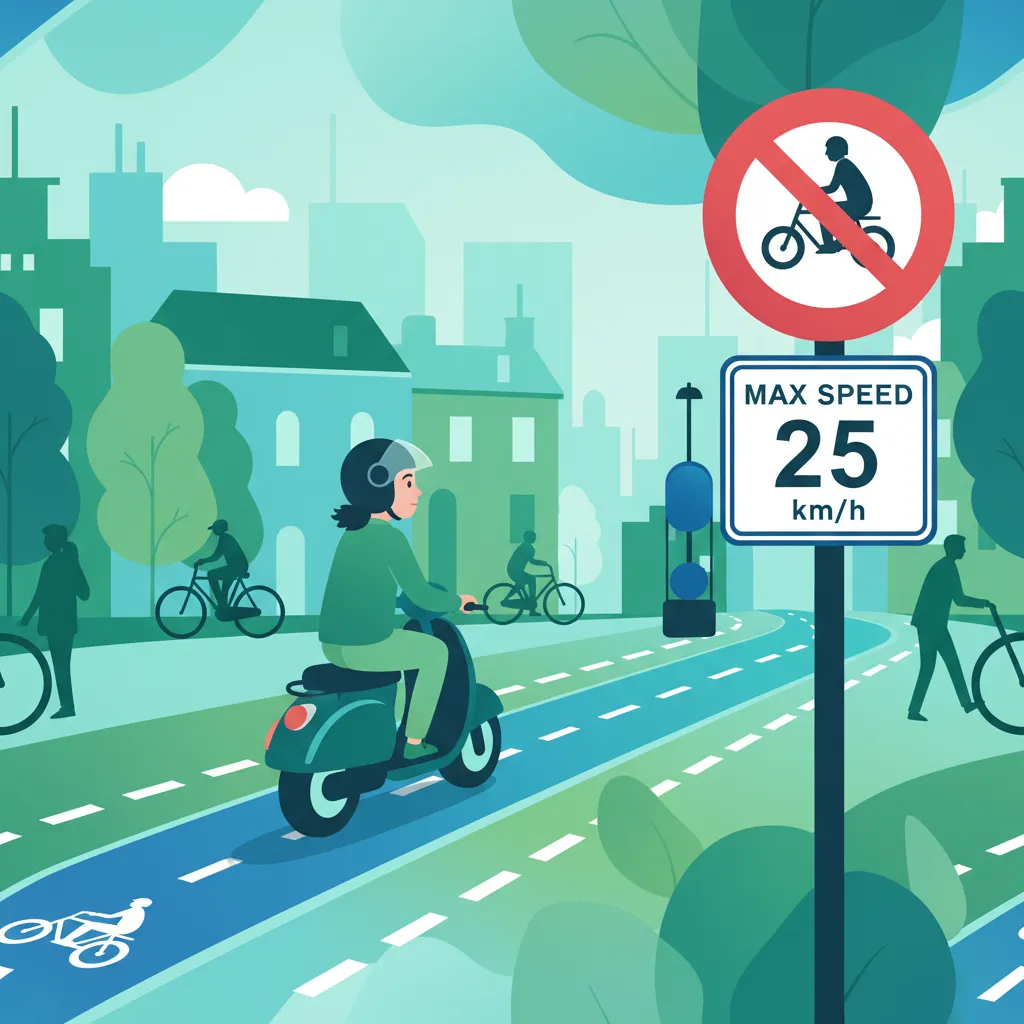
This lesson consolidates the key regulations that apply specifically to moped operation in Sweden. It covers mandatory rules such as speed limits, helmet use, and requirements for vehicle lighting and reflectors. Furthermore, the lesson explains the legal consequences of violations, including the system of fines and potential demerit points, ensuring riders understand their full range of legal responsibilities on the road.
Explore how correct ergonomic seating and posture contribute to rider comfort and alertness, helping to prevent fatigue. This knowledge is vital for safe AM licence driving and awareness in Swedish traffic conditions.

This lesson explores the critical relationship between the rider's body and the moped's stability. It explains how to maintain balance using correct posture and weight distribution for different maneuvers. The content covers basic steering inputs and how body positioning, such as leaning into turns, directly influences the vehicle's handling and responsiveness.

This lesson details the specific hazards associated with riding on wet roads, including significantly increased stopping distances and the risk of aquaplaning. It explains how to recognize conditions where aquaplaning is likely and the importance of reducing speed. Riders will learn to use smoother throttle, braking, and steering inputs to maintain traction and control.
This lesson is dedicated to pedestrian safety, teaching riders to be constantly aware of people on foot, especially in busy urban environments. It reinforces the absolute duty to yield at marked crossings and encourages a cautious approach in areas like schools and shopping districts. The content stresses anticipating unpredictable actions, particularly from children or distracted pedestrians.

This lesson focuses on developing the fine control needed for low-speed maneuvering, a common challenge in urban environments. It covers techniques for making tight turns, such as U-turns, by using a combination of clutch, throttle, and rear brake control. The goal is to build the rider's skill and confidence in handling the moped in parking lots, heavy traffic, and other confined areas.
This lesson addresses the severe dangers of riding a moped in snow and icy conditions. It explains how to identify potential hazards like black ice and emphasizes that avoiding riding in such conditions is the safest strategy. For situations where it cannot be avoided, it provides advice on extremely gentle control inputs and vehicle preparation.
This lesson provides guidance for riders planning to undertake longer trips on their moped. It covers key aspects of preparation, including route planning to avoid prohibited roads, more thorough vehicle checks, and packing essential items like a tool kit and rain gear. The content also revisits fatigue management, which is especially critical on extended journeys.
This lesson provides essential strategies for riding safely at night and during twilight hours. It covers the correct use of headlights to maximize visibility without dazzling other drivers and emphasizes the need to reduce speed to compensate for shorter sight distances. The content also highlights the importance of wearing reflective gear to be seen by others.
This lesson provides a detailed guide to using a moped's braking system effectively and safely. It explains the different roles of the front and rear brakes and the concept of balanced braking to maximize stopping power without losing traction. Learners will understand techniques for both normal, controlled stops and emergency braking situations, including how to manage weight transfer.

This lesson teaches the importance of conducting a quick, routine inspection before every ride to ensure the moped is in safe working order. It outlines a simple checklist that includes checking tire pressure (Däck), brake function (Bromsar), and all lights and signals. This proactive habit can prevent mechanical failures that could lead to an accident.
This lesson focuses on proactive strategies to increase a moped rider's visibility to other drivers. It strongly advocates for the use of high-visibility and reflective clothing, helmets, and accessories to stand out in traffic. Additionally, it revisits the concept of lane positioning as a tool to avoid being in other drivers' blind spots and to create a more prominent presence on the road.
Find clear answers to common questions learners have about Ergonomic Seating and Rider Fatigue Management. Learn how the lesson is structured, which driving theory objectives it supports, and how it fits into the overall learning path of units and curriculum progression in Sweden. These explanations help you understand key concepts, lesson flow, and exam focused study goals.
Rider fatigue can impair judgment, slow reaction times, and reduce concentration, similar to the effects of alcohol. For moped riders, this can be particularly dangerous due to their vulnerability on the road. Managing fatigue is a key component of safe riding and is often tested in the Swedish theory exam.
Ergonomic seating means positioning yourself comfortably and efficiently on the moped to minimise strain. This involves maintaining a balanced posture, using your legs and core for stability, and ensuring your back is relatively straight to reduce muscle fatigue on longer rides. Adjusting controls like handlebars and footpegs can also contribute to an ergonomic setup.
For longer journeys, taking a short break (15-20 minutes) every 1.5 to 2 hours is generally recommended. Even on shorter rides, if you start to feel tired or stiff, it’s wise to pull over briefly, stretch, and rehydrate. This proactive approach is crucial for maintaining focus.
Yes, dehydration can significantly contribute to fatigue and reduced concentration. Ensuring you drink enough water before and during your ride helps maintain physical and mental alertness, making it an essential part of fatigue management for any moped rider.
Yes, questions related to rider condition, fatigue, and its effects on safety are common in the Swedish driving theory exam for all categories, including AM. Understanding how to manage fatigue demonstrates responsible rider behaviour.