
Riding a motorcycle in Sweden's cold climate presents unique challenges. This lesson focuses on understanding the dangers of ice, snow, and low temperatures for tire grip and control. We'll cover how to recognize hazardous surfaces and why sometimes the safest decision for a Category A rider is to stay off the road.
Riding a motorcycle in cold weather, especially when ice and snow are present, presents unique and significant challenges. For any motorcyclist in Sweden, understanding these conditions and adapting your riding is not just a recommendation but a necessity for safety and legal compliance. This lesson provides essential knowledge for navigating low-grip surfaces, helping you prepare for the Swedish Category A motorcycle theory exam and ensuring you make informed, safe decisions on the road.
Motorcycles inherently require good traction for safe operation, whether accelerating, braking, or cornering. Cold temperatures, ice, and snow dramatically reduce the available grip between your tires and the road surface, transforming routine maneuvers into potentially dangerous situations. The fundamental physics of friction dictate that as the coefficient of friction (μ) decreases, stopping distances lengthen, and the risk of losing control escalates significantly.
The performance of motorcycle tires is highly dependent on temperature. Tire rubber is designed to work optimally within a specific temperature range. As ambient and road surface temperatures drop, the rubber compound stiffens, becoming less pliable. This reduced elasticity prevents the tire's contact patch – the small area of tire touching the road – from conforming effectively to the micro-irregularities of the road surface. This inability to conform reduces mechanical grip, directly lowering the coefficient of friction.
Even on a dry road, a tire operating below its optimal temperature range will provide less grip than one that is warmed up. When water, snow, or ice are introduced to this cold surface, the situation becomes even more precarious. A tire that performs well at 20 °C might offer significantly less grip at 0 °C, increasing the risk of slips during any aggressive control input.
Allow Warm-up Time: In cold conditions, always allow extra time for your tires to warm up, even if the road appears dry. Avoid aggressive acceleration, braking, or cornering until you've confirmed a reasonable level of grip.
The coefficient of friction (μ) is a critical factor in motorcycle safety. It quantifies the available grip, directly influencing how quickly you can stop and how steeply you can lean into a corner. On a dry, warm asphalt surface, the friction coefficient can be as high as 0.8-0.9. However, this value plummets dramatically in adverse conditions:
This significant reduction in grip has direct implications for braking distance. For example, if the coefficient of friction is halved, your braking distance will double. Understanding this relationship is crucial because it dictates the safe speeds and following distances you must maintain. Losing traction due to insufficient friction can lead to a skid or fall, with potentially severe consequences.
Recognizing different types of low-grip surfaces is paramount for safe winter riding. Each type presents its own unique challenges and requires specific adaptations to your riding style.
Black ice is arguably the most treacherous low-grip hazard because it is often invisible until you are already on it. It typically forms when temperatures hover around freezing (0 °C to -4 °C) and moisture is present. Common locations for black ice include:
How to detect it: Look for a slightly darker, glossy appearance on the road surface, which might resemble wet pavement. If the surrounding areas are dry but a patch looks wet and dark, assume it's black ice. Also, observe other vehicles; if they appear to be struggling for grip or if their spray patterns are unusual, be extra cautious. The sensation of reduced engine noise or a sudden feeling of effortless gliding can also be indicators.
While black ice is insidious, other forms of winter precipitation also demand extreme caution.
When encountering any of these surfaces, immediate and significant speed reduction is necessary. Every movement on the motorcycle must become exceptionally smooth and deliberate to avoid overwhelming the limited available traction.
Mastering specific riding techniques is non-negotiable when faced with low-grip conditions. These methods prioritize smoothness, control, and anticipation, rather than speed or aggressive maneuvering.
On any low-grip surface, sudden inputs are the enemy of traction. Your tires have a finite amount of grip, and applying too much force too quickly in any direction can exceed this limit, leading to a slide or skid. The principle of progressive control dictates that all actions—braking, accelerating, and steering—must be smooth and gradual.
This smooth, incremental approach gives the tires more time to find and maintain grip, minimizing the risk of a sudden slip.
Braking on ice or snow requires exceptional finesse. The goal is to maximize deceleration without locking the wheels.
Start Early: Begin braking significantly earlier than you would on dry pavement to account for extended stopping distances.
Use Both Brakes Progressively: Gently apply both front and rear brakes. The rear brake is often more forgiving for initial deceleration on very slippery surfaces, but the front brake provides the majority of stopping power when traction allows.
Feather the Brakes: If you feel a wheel begin to lock, immediately ease off the brake slightly and reapply gently. ABS (Anti-lock Braking System) can assist by preventing full lock-up, but it does not increase available traction; it only modulates the braking force within the existing friction limits.
Keep the Bike Upright: Avoid leaning the motorcycle while braking on ice or snow. Brake primarily in a straight line.
Accelerating also demands a light touch. On a slippery surface, too much throttle can easily cause the rear wheel to spin. This not only wastes power but can also destabilize the motorcycle, especially when cornering. Maintain a higher gear than usual where possible, as this reduces the torque delivered to the rear wheel, making it less likely to spin. Roll on the throttle slowly and smoothly until you feel the bike begin to move forward without excessive slip.
Cornering on low-grip surfaces is perhaps the most challenging aspect of cold-weather riding. The lateral forces involved in leaning are much more likely to exceed the limited traction.
Avoid Sudden Movements: Any sudden twist of the throttle, squeeze of the brake, or jerk of the handlebars can instantly break traction and lead to a fall on ice or snow. Smoothness is your greatest ally.
In Sweden, specific regulations are in place to ensure road safety during winter. Compliance with these rules is mandatory and critical for your safety and legal standing.
According to Transportstyrelsen, the Swedish Transport Agency, there is a mandatory winter tyre requirement for motorcycles from 1 December to 31 March. During this period, your motorcycle must be fitted with tires that meet the "winter tyre" specifications. These tires are designed with a different rubber compound that remains more flexible in cold temperatures and tread patterns engineered to grip snow and ice effectively.
Year-Round Riding and Tyre Choice: If you intend to ride your motorcycle during the winter months, you must change to approved winter tyres. If you choose not to ride during this period, you are not required to fit winter tyres. However, riding with summer tyres during the mandate period is a traffic offence and can result in fines and implications for insurance liability in the event of an accident.
This regulation applies regardless of the prevailing weather conditions on a particular day. Even if it's a mild winter day, the mandate is in effect. Ensuring your tyres are compliant is a fundamental aspect of responsible winter motorcycling in Sweden.
Swedish traffic law, specifically FFS 2009:1 (part of the Vägtrafikförordningen – Road Traffic Ordinance), states that drivers must adjust their speed to ensure the vehicle can be stopped safely under the prevailing road and weather conditions. This is particularly crucial on low-grip surfaces like ice and snow.
On slippery roads, your safe speed is drastically lower than on dry roads. You must be able to stop your motorcycle within the visible distance ahead. This means if visibility is 50 metres, you must be traveling at a speed that allows you to come to a complete stop within 50 metres, considering the reduced friction. Failure to adhere to this principle is not only dangerous but can lead to legal penalties and findings of negligence in accident investigations.
Visibility is severely reduced in winter conditions due to shorter daylight hours, snowfall, fog, and glare from snow-covered surfaces. To counteract this, specific lighting and visibility requirements are mandated by the Vägtrafikförordningen:
Be Seen, Be Safe: Always assume other drivers may not see you, especially in adverse weather. Proactively enhance your visibility through proper lighting and reflective gear.
Perhaps the most important decision a motorcyclist makes in cold weather is whether to ride at all. This Risk-Based Ride-Or-Not-Ride Decision is a systematic assessment that prioritizes safety over adherence to a schedule or desire to ride.
This decision-making process involves evaluating several interconnected factors:
Weather Check: Consult the latest weather forecast for your entire route. Pay attention to current and predicted temperatures (especially around freezing), precipitation (snow, freezing rain), and wind conditions. Remember that temperatures can vary significantly even over short distances.
Road Surface Inspection: Visually inspect the road surface, particularly in critical areas like bridges, shaded spots, and intersections, for any signs of ice, black ice, or deep snow/slush. Note the clarity of road markings and the presence of salt or grit.
Equipment Verification: Ensure your motorcycle is fully prepared. Are approved winter tyres fitted? Is chain lubrication adequate for cold/wet conditions? Are your lights clean and functioning? Is your protective gear appropriate for extreme cold (insulated, waterproof)?
Self-Assessment: Honestly evaluate your own condition. Are you fatigued? Are your skills sharp for low-grip riding? Are you experiencing any discomfort that could distract you (e.g., cold hands/feet)? Do you have ample experience riding in these specific conditions?
Urgency of Travel and Alternative Options: How critical is your journey? Is there an alternative mode of transport (e.g., public transport, car, postponement) that would be safer? If the journey is not urgent, postponing might be the safest option.
The ultimate purpose of this assessment is to determine if the cumulative risk exceeds an acceptable threshold. If any factor or combination of factors indicates a high probability of an accident or an unsafe situation, the safest and most responsible decision is to not ride.
It's important to overcome any psychological biases, such as overconfidence or the "optimism bias," which might lead you to underestimate hazards. Swedish traffic law obliges the driver to adjust speed to "the prevailing road conditions" (FFS 2009:1). Deliberately riding into clearly hazardous conditions, even with winter tires, could be deemed negligent if an incident occurs.
No Shame in Not Riding: True mastery of motorcycling includes knowing when to say no to a ride. Postponing or cancelling a trip due to hazardous conditions demonstrates maturity and a strong commitment to safety.
Riding in cold, icy, or snowy conditions is unforgiving. Understanding common mistakes can help you prevent dangerous situations.
This lesson provides foundational knowledge for handling cold weather, ice, and snow. These principles are closely linked to other critical areas of motorcycle theory and practice. For instance, the concepts of tire slip and braking forces learned here are vital for Emergency Maneuvers & Obstacle Avoidance. Similarly, understanding how to adjust your riding for reduced grip extends directly from lessons on Riding in Rain: Hydroplaning and Surface Water Management and Night Riding, Dark Conditions, and Reduced Visibility. Finally, selecting appropriate gear and preparing your motorcycle as discussed in Seasonal Equipment, Clothing, and Rider Visibility Adjustments is integral to applying these cold-weather riding skills.
Lesson content overview
Explore all units and lessons included in this driving theory course.
Explore search topics learners often look for when studying Cold Weather, Ice, and Snow: Low-Grip Surface Handling. These topics reflect common questions about road rules, driving situations, safety guidance, and lesson level theory preparation for learners in Sweden.
Browse additional driving theory lessons that cover connected traffic rules, road signs, and common driving situations related to this topic. Improve your understanding of how different rules interact across everyday traffic scenarios.
Learn essential theory for riding motorcycles in cold weather with ice and snow. This lesson covers how to identify hazardous surfaces like black ice and the crucial need for exceptionally gentle control inputs. Understand when avoiding riding is the safest option for Swedish road conditions.
This lesson addresses the severe dangers of riding a moped in snow and icy conditions. It explains how to identify potential hazards like black ice and emphasizes that avoiding riding in such conditions is the safest strategy. For situations where it cannot be avoided, it provides advice on extremely gentle control inputs and vehicle preparation.

This lesson prepares you for the specific challenges of riding on rural roads in Sweden. You will learn how to read the road ahead for changes in surface quality, approach blind corners safely, and adjust your speed for narrow lanes with no shoulder. The content also covers how to anticipate and safely interact with slow-moving agricultural vehicles and the potential for wild animals on the road, ensuring you are prepared for the unpredictable nature of country riding.
This lesson provides practical advice on selecting the appropriate riding gear for the diverse Swedish seasons. You will learn about the importance of layering for warmth in the cold, ventilated gear for summer heat, and effective waterproofs for rain. The content emphasizes how the right equipment not only keeps you comfortable and focused but also provides crucial protection and enhances your visibility to other road users, making it a critical component of overall motorcycle safety.

This lesson provides a complete guide to riding in wet conditions. You will learn how rain affects traction and braking distances, and the techniques needed to ride smoothly and safely, including gentle throttle and brake application. The content explains the phenomenon of hydroplaning, how to recognize conditions where it might occur, and what to do to avoid it, as well as tips on rain gear and maintaining clear vision.
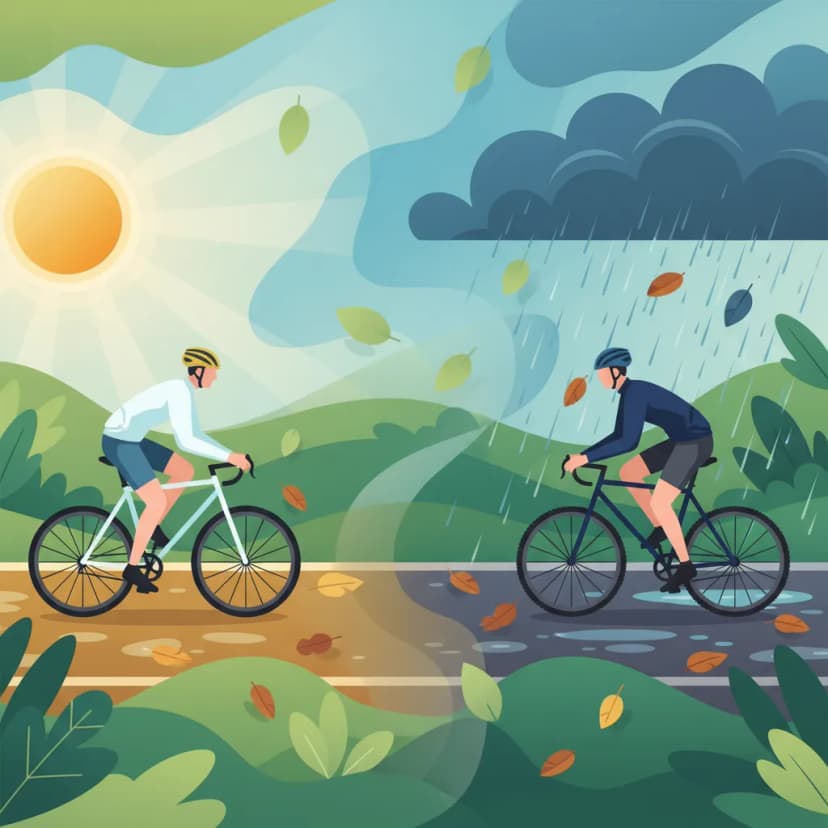
This lesson encourages a mindset of adapting riding style to the specific challenges of each season. It covers seasonal hazards such as wet leaves in the fall, loose gravel after winter, and sun glare in the summer. By being aware of these predictable changes, riders can proactively adjust their technique and maintain safety throughout the year.
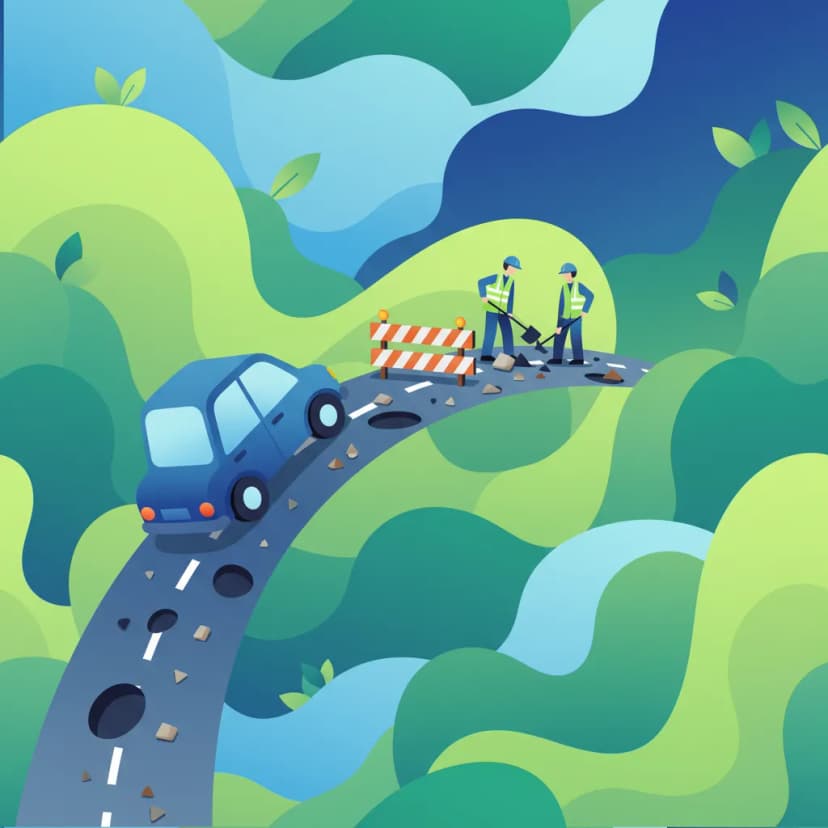
This lesson provides practical techniques for dealing with unavoidable road surface hazards. You will learn how to approach and cross obstacles like potholes, manhole covers, and patches of debris with minimal disruption to the motorcycle's stability. The content covers adjusting your speed, choosing the best line, and using your body to absorb impacts, helping you navigate the imperfections of real-world roads safely.
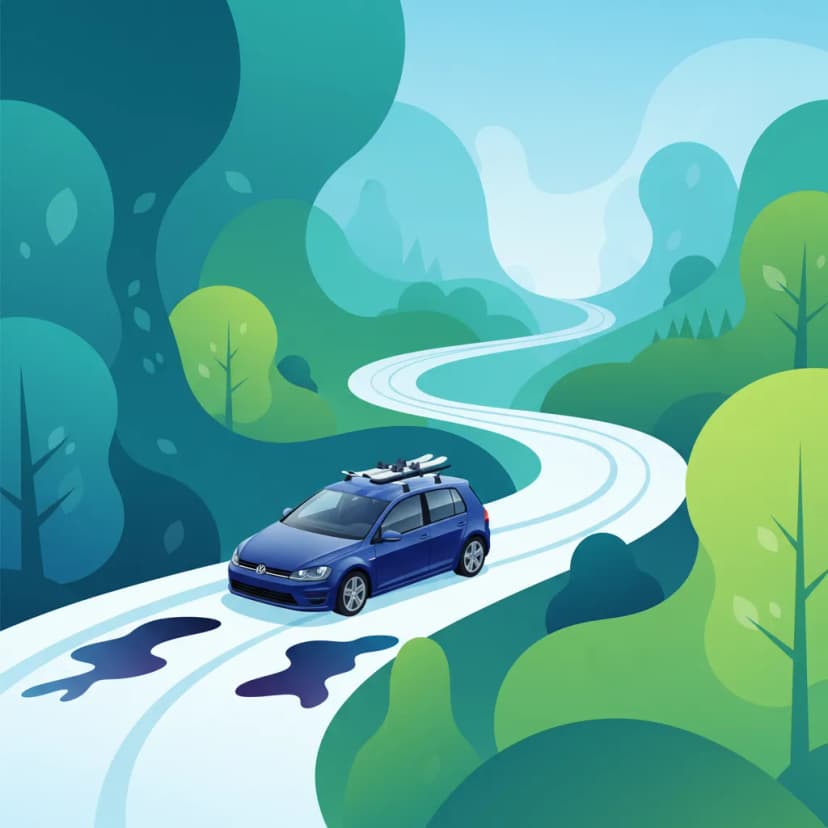
This lesson teaches you how to recognize and adapt to different types of slippery winter surfaces. You will learn about the characteristics of driving in loose snow, packed snow, and on ice, with a special focus on detecting 'black ice' (ishalka), which is transparent and extremely dangerous. The content identifies high-risk areas such as bridges and shaded sections of the road and emphasizes the need for extremely gentle steering, acceleration, and braking inputs.

This lesson teaches the physical skill of applying maximum braking force while maintaining control of the motorcycle. You will learn the technique of progressive braking to avoid locking the wheels and how to react if a skid does occur. Understanding how to manage both front and rear wheel skids and how an ABS system assists in these situations gives you the best possible chance of stopping safely and quickly in an emergency.
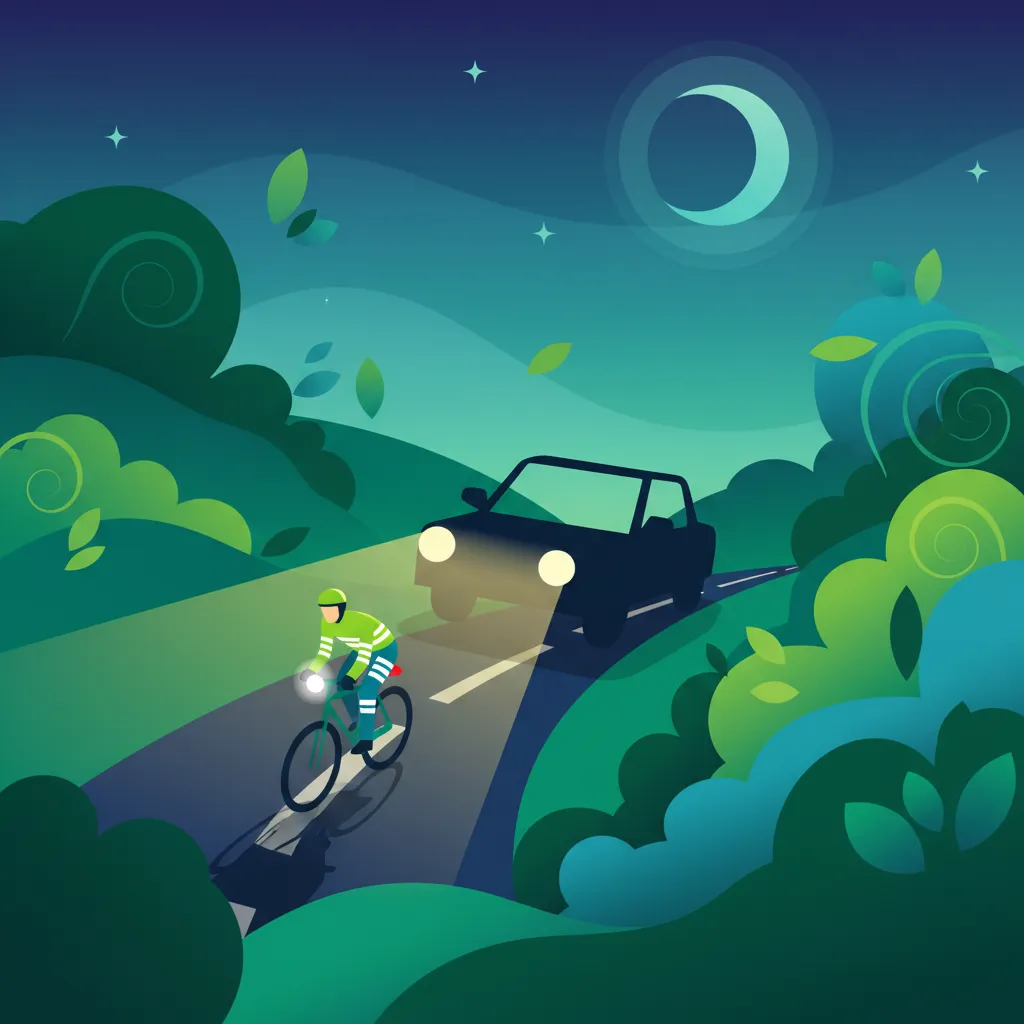
This lesson addresses the specific challenges of riding at night or in low-light conditions. You will learn how to use your headlights most effectively, how to cope with the glare from oncoming traffic, and how darkness affects your depth perception and ability to judge distances. Strategies for spotting nocturnal animals and the increased importance of wearing reflective gear to be seen by others are also key components of this essential safety lesson.
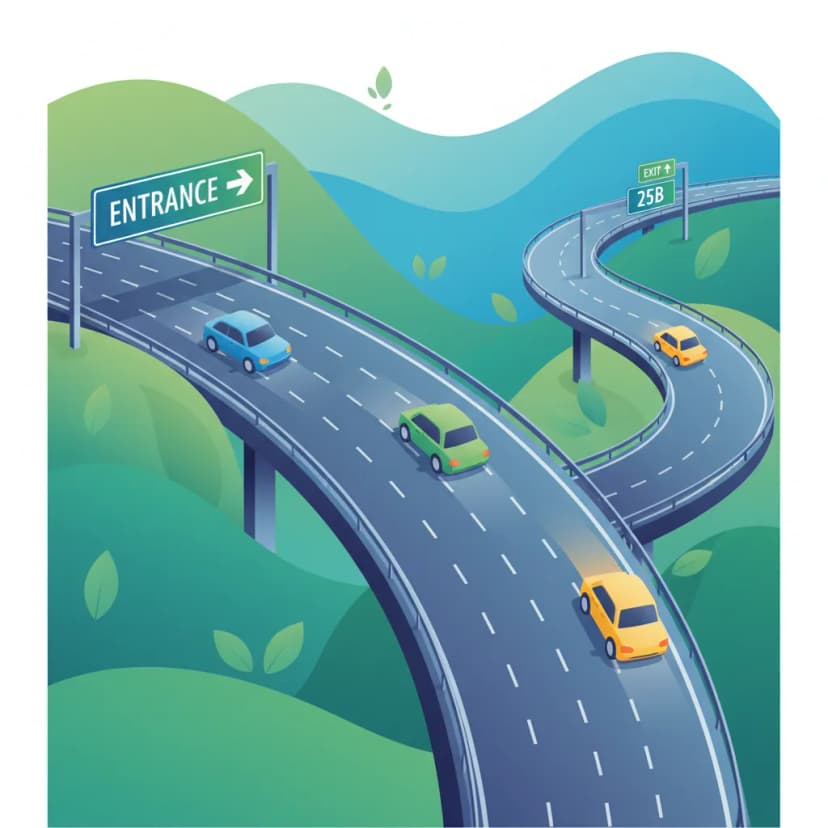
This lesson provides a step-by-step guide to motorway riding. You will learn the correct technique for accelerating on an on-ramp and merging smoothly into high-speed traffic. The content also covers maintaining proper lane discipline, executing safe overtakes, keeping a safe following distance at speed, and planning for your exit well in advance to ensure a smooth and stress-free experience on Sweden's fastest roads.
Explore the specific risks associated with riding a motorcycle in Sweden during winter. This lesson focuses on understanding how cold temperatures, ice, and snow drastically reduce tire grip and increase hazards. Learn to assess conditions and make informed decisions about riding safety.
This lesson addresses the severe dangers of riding a moped in snow and icy conditions. It explains how to identify potential hazards like black ice and emphasizes that avoiding riding in such conditions is the safest strategy. For situations where it cannot be avoided, it provides advice on extremely gentle control inputs and vehicle preparation.
This lesson provides critical strategies for dealing with one of the biggest dangers in traffic: blind spots. You will learn the importance of the shoulder check and how to position yourself on the road to be more visible to other drivers. The lesson also trains you to scan the road surface ahead for hidden hazards like potholes, gravel, or oil spills that can pose a significant threat to a motorcycle's stability, teaching you to see and avoid them in time.
This lesson teaches you how to analyze and assess risk when sharing the road with a variety of users, from large trucks to cyclists and pedestrians. You will learn to recognize common patterns of behavior and potential conflict points, allowing you to anticipate the actions of others before they create a dangerous situation. Developing this predictive mindset is a cornerstone of defensive riding and is key to staying safe in busy, complex traffic environments.
This lesson provides a complete guide to riding in wet conditions. You will learn how rain affects traction and braking distances, and the techniques needed to ride smoothly and safely, including gentle throttle and brake application. The content explains the phenomenon of hydroplaning, how to recognize conditions where it might occur, and what to do to avoid it, as well as tips on rain gear and maintaining clear vision.
This lesson details the specific hazards associated with riding on wet roads, including significantly increased stopping distances and the risk of aquaplaning. It explains how to recognize conditions where aquaplaning is likely and the importance of reducing speed. Riders will learn to use smoother throttle, braking, and steering inputs to maintain traction and control.
This lesson focuses on the cognitive side of handling emergencies: seeing the threat early and making the right decision instantly. You will learn to analyze a developing hazard and quickly determine the best course of action, whether it's maximum braking, an evasive swerve, or a combination of both. This mental training is just as important as the physical skill, as the correct initial decision is the key to a successful outcome.
This lesson provides practical advice on selecting the appropriate riding gear for the diverse Swedish seasons. You will learn about the importance of layering for warmth in the cold, ventilated gear for summer heat, and effective waterproofs for rain. The content emphasizes how the right equipment not only keeps you comfortable and focused but also provides crucial protection and enhances your visibility to other road users, making it a critical component of overall motorcycle safety.
This lesson encourages a mindset of adapting riding style to the specific challenges of each season. It covers seasonal hazards such as wet leaves in the fall, loose gravel after winter, and sun glare in the summer. By being aware of these predictable changes, riders can proactively adjust their technique and maintain safety throughout the year.
Find clear answers to common questions learners have about Cold Weather, Ice, and Snow: Low-Grip Surface Handling. Learn how the lesson is structured, which driving theory objectives it supports, and how it fits into the overall learning path of units and curriculum progression in Sweden. These explanations help you understand key concepts, lesson flow, and exam focused study goals.
Black ice is a thin, transparent layer of ice that forms on the road surface, making it very difficult to see. It offers almost no grip for motorcycle tires, drastically increasing the risk of skidding and losing control. Even a small patch can be hazardous, especially during braking or cornering.
In cold weather, especially below 7°C (45°F), standard motorcycle tires become harder and lose their optimal grip. Their ability to conform to the road surface is reduced. Winter-specific tires or tires with a softer compound can offer better grip, but they still struggle on ice or snow.
All control inputs – throttle, brakes, and steering – must be extremely smooth and gentle. Avoid sudden acceleration, harsh braking, or sharp steering movements. Think about moving your hands and feet as if you're petting a sleeping cat; the goal is to maintain balance and avoid breaking traction.
While specific speed limits might not always be posted for ice or snow, national regulations and common sense dictate that you must adapt your speed to the prevailing conditions. You must always be able to stop within the distance you can see clearly and safely. Riding at excessive speeds on slippery surfaces is extremely dangerous and could lead to severe penalties and accidents.
It is generally too dangerous to ride when there is visible ice on the road, deep snow, slush, or during heavy snowfall that significantly reduces visibility. Freezing rain is also extremely hazardous. If you have any doubt about your ability to control the motorcycle safely, or if conditions are severe, the safest option is not to ride.
While understanding winter driving challenges is helpful, motorcycle control is fundamentally different from car control. A motorcycle requires a much higher level of precision and sensitivity to grip. The risks are significantly amplified, so relying solely on car experience is not advisable. Always prioritize motorcycle-specific safety advice.