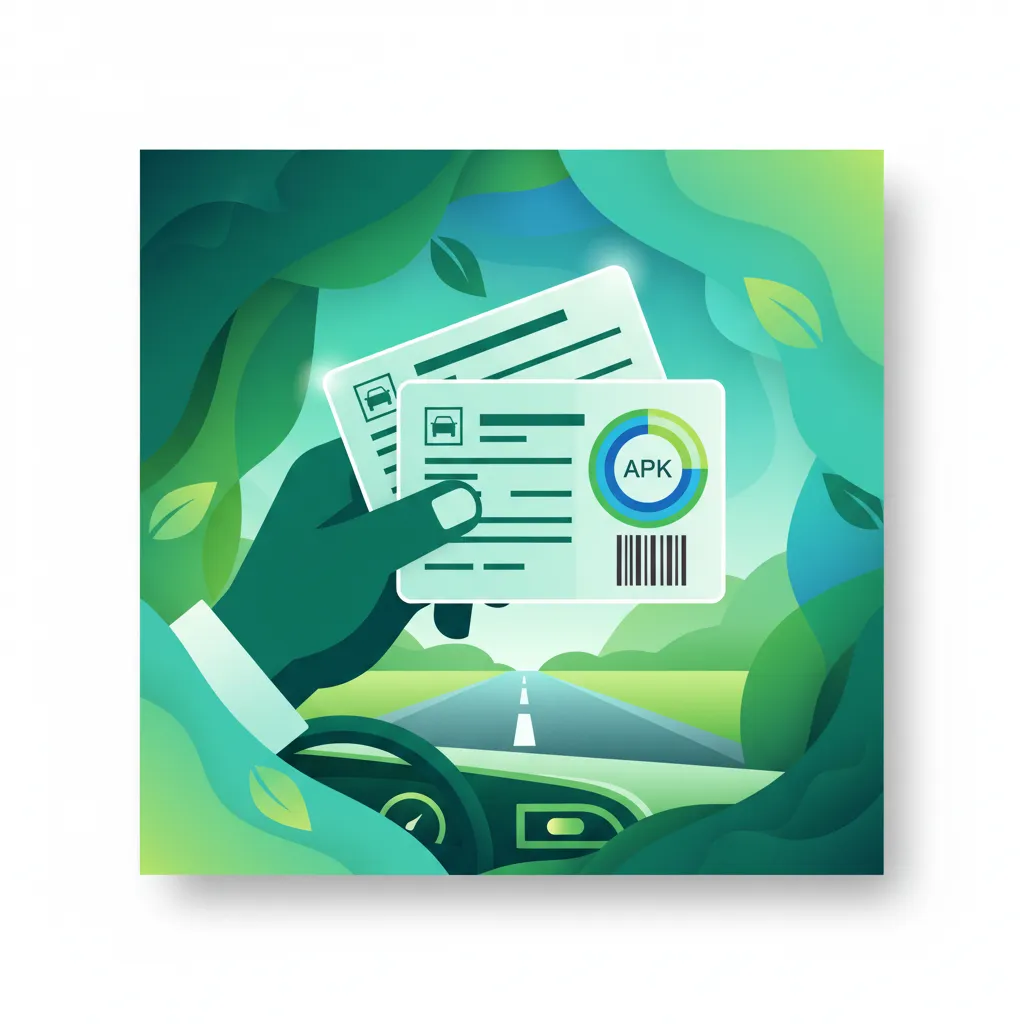
As a motorcyclist in Sweden, you must always carry the correct documentation and ensure your vehicle is roadworthy. This lesson details your legal obligations regarding licenses, registration documents, and mandatory vehicle inspections ('besiktning'). It also reinforces the importance of daily pre-ride checks to guarantee your motorcycle is safe for the road, building on the legal responsibilities covered in the previous lesson.
Operating a motorcycle in Sweden carries significant legal responsibilities, not only regarding your riding behaviour but also concerning the administrative status and mechanical condition of your vehicle. This comprehensive lesson details the essential documents you must legally carry, explains the mandatory periodic vehicle inspection process (often called "besiktning"), and outlines the crucial pre-ride roadworthiness checks every motorcyclist should perform. Adhering to these regulations is paramount for ensuring your safety, preventing accidents, maintaining legal compliance, and avoiding potential fines or complications with law enforcement and insurance.
Understanding and fulfilling these obligations ensures that you are always prepared, your motorcycle is safe, and you can confidently navigate the roads while contributing to overall traffic safety.
When riding a motorcycle on public roads in Sweden, you are legally required to carry specific documents that prove your entitlement to ride, the motorcycle's legal status, and its insurance coverage. These documents must be presented to a police officer upon request.
Your driving licence, or körkort in Swedish, is the official document that authorises you to operate a motor vehicle of a specific category. For motorcyclists, this typically falls under Categories A, A1, or A2, each with different restrictions on engine power and displacement.
The official Swedish permit authorising the holder to operate a motor vehicle of a specific class (e.g., Category A for motorcycles).
It is crucial that your licence is valid, not expired, and corresponds precisely to the motorcycle category you are riding. For example, a rider with an A2 licence may only operate motorcycles with a maximum power output of 35 kW. While electronic licences accessible via the "Körkortet" app are generally accepted, it is always wise to carry your physical licence card as a backup, especially in situations where your device might be uncharged or malfunctioning.
Common misunderstandings include assuming an EU licence from another country is always valid without a Swedish conversion, or forgetting that the physical card is required if the digital app cannot be accessed. Always ensure your licence is physically present or digitally accessible and up-to-date with your current details.
The Vehicle Registration Certificate, known as Registreringsbevis, is an official document proving the vehicle's registration with Transportstyrelsen (the Swedish Transport Agency). This document confirms the motorcycle's registration number, Vehicle Identification Number (VIN), registered owner, and key technical data.
Official document (Del 1 – "Registreringsbevis-del 1") showing the vehicle’s registration number, VIN, owner, and technical data, required to be carried when riding.
The certificate is issued in two parts: Del 1 (Registreringsbevis-del 1) and Del 2 (Registreringsbevis-del 2). You must always carry Del 1 with you when riding. Del 2, which is used for administrative changes such as transferring ownership, should be kept safely at home and never left with the vehicle. Any changes in address or ownership must be promptly updated with Transportstyrelsen to ensure the document remains current and legally valid.
A common mistake is believing that the registration certificate is optional for motorcycles or confusing the old blue registration sticker (which is no longer used) with the required paper document. The physical Del 1 document is mandatory for presentation.
In Sweden, every motor vehicle used on public roads must have at least third-party liability insurance, known as trafikförsäkring. The proof of this insurance is an essential document you must carry. While some insurers provide a physical green card (grönt kort), electronic proof via an insurance company's app or a PDF print-out may also be accepted, provided the insurer permits it.
Official document proving that the vehicle has at least third-party liability insurance (trafikförsäkring), often referred to as the “green card.”
This document must clearly display the insurer's policy number and the dates of coverage, and it must be valid for your motorcycle's registration number. Ensuring your insurance is continuously active and updated after any changes (e.g., change of motorcycle or owner) is a fundamental legal requirement. Riding an uninsured motorcycle is a serious offence with significant penalties and financial risks in case of an accident.
Forgetting to update the insurer after a registration change or assuming a short-term policy does not need proof are common pitfalls. Always verify your insurance status before each ride.
The Inspection Certificate, or Besiktningsintyg, is issued after your motorcycle successfully passes its mandatory periodic vehicle inspection (besiktning). This certificate confirms that your motorcycle meets all required safety and environmental standards for use on public roads.
Document issued after a successful periodic vehicle inspection (besiktning), confirming the motorcycle meets safety and environmental standards.
You must carry a valid inspection certificate with you. The expiration date is prominently printed on the certificate, and it is your responsibility to ensure the inspection is performed before this date. Riding a motorcycle with an expired inspection certificate is illegal and can result in fines and the prohibition of further riding until a new inspection is passed.
For motorcycles, the first inspection is due four years after initial registration. Thereafter, inspections are required every second year. Always double-check the exact date on your current certificate.
A common misunderstanding is believing that recent repairs or maintenance can replace the official inspection, or that the rider's own visual check is sufficient. Only an authorised inspection station can issue a valid certificate.
The besiktning is a cornerstone of Swedish road safety, designed to ensure that all vehicles on public roads meet a baseline of safety and environmental performance. For motorcyclists, this process is not merely a formality but a critical check that can identify potential hazards before they lead to serious incidents.
The primary purpose of the mandatory vehicle inspection is to detect wear, defects, and non-compliance with safety and environmental standards that may have developed since the last inspection. By ensuring that critical components like brakes, lights, tyres, and suspension are in good working order, the besiktning significantly reduces the risk of mechanical failure and accidents caused by vehicle defects. It also verifies compliance with environmental regulations, such as noise and emission limits.
As previously mentioned, motorcycles in Sweden follow a specific inspection schedule:
The first inspection must occur no later than four years after the motorcycle's initial registration date.
Subsequently, inspections are required every second year (every 24 months) from the date of the last approved inspection.
For example, if your motorcycle was first registered on March 1, 2020, its first inspection would be due by March 1, 2024. If it passed on February 15, 2024, the next inspection would be due by February 15, 2026. It is the owner's responsibility to monitor these dates and schedule the inspection in advance.
During a besiktning, trained inspectors meticulously examine various components of your motorcycle. The check is thorough and covers both safety-critical parts and environmental aspects.
Braking System: Thorough check of brake pads, discs, lines, fluid levels, and the functionality of the Anti-lock Braking System (ABS) if equipped. Brake efficiency is measured.
Lights and Signals: Verification of all lights (headlight, high beam, low beam, tail light, brake light, turn signals) for correct function, colour, intensity, and alignment. Reflectors are also checked.
Tyres and Wheels: Inspection of tyre pressure, tread depth (minimum 1.6 mm), general condition (cracks, bulges, damage), and proper wheel mounting.
Steering and Suspension: Check for excessive play in the steering head bearings, leaks in front forks, proper damping of shock absorbers, and overall condition of suspension components.
Frame and Body: Examination for corrosion, cracks, damage, or modifications that could compromise structural integrity or safety.
Exhaust System and Noise: Assessment of the exhaust system for leaks, damage, and compliance with noise level regulations.
Other Critical Systems: Functionality of the horn, speedometer, mirrors, and general security of components. The presence and condition of the registration plate are also checked.
After the inspection, your motorcycle will receive one of three possible outcomes:
While the periodic besiktning ensures your motorcycle meets standards at a specific point in time, daily or pre-ride checks are the rider's personal responsibility to maintain roadworthiness between inspections. These quick, systematic checks are crucial for detecting minor issues before they escalate into dangerous failures, significantly enhancing your safety and preventing avoidable accidents.
No explicit law mandates a specific pre-ride checklist, but the Swedish Road Traffic Act (Vägtrafiklagen) states that vehicles must be kept in a condition that does not endanger traffic safety. Failing to perform checks and riding a defective motorcycle can lead to severe consequences, including accidents, fines, and criminal liability. A thorough pre-ride inspection takes only a few minutes and can save lives.
A widely recommended method for pre-ride checks is the T-CLOCS acronym (Tyres, Controls, Lights, Oil & Fluids, Chassis, Stands). Performing these checks systematically ensures no critical area is overlooked.
Tyres:
Controls:
Lights & Electrics:
Oil & Fluids:
Chassis:
Stands:
Safety Gear Compatibility:
The emphasis of your pre-ride checks might shift based on specific riding conditions:
The maximum allowable total weight of the motorcycle, including the rider, passenger, and all cargo. Exceeding the GVW can compromise safety and vehicle handling.
The legal framework governing documents, vehicle inspection, and roadworthiness in Sweden is primarily established by the Vägtrafiklagen (Swedish Road Traffic Act) and Trafikförordningen (Swedish Traffic Regulations), along with specific regulations from Transportstyrelsen.
trafikförsäkring) to cover damages caused to others.Non-compliance with these regulations can lead to various penalties, ranging from fines to more severe legal repercussions.
VTL 4 kap. 5 §) and will result in heavy fines, potential imprisonment, and immediate licence revocation.The regulations surrounding motorcycle documents and vehicle condition are not arbitrary; they are meticulously designed to safeguard all road users.
Understanding and adhering to the regulations concerning mandatory documents, periodic vehicle inspections, and diligent pre-ride checks are fundamental aspects of responsible motorcycling in Sweden. Carrying your valid driving licence, vehicle registration certificate (Del 1), proof of insurance, and inspection certificate is a legal obligation that ensures accountability and compliance. The besiktning guarantees your motorcycle meets crucial safety and environmental standards at regular intervals, while your own pre-ride checks provide an invaluable daily safety net. By embracing these responsibilities, you contribute not only to your own safety but also to the safety of everyone on the road, ensuring a lawful and enjoyable riding experience.
Lesson content overview
Explore all units and lessons included in this driving theory course.
Explore search topics learners often look for when studying Mandatory Documents, Vehicle Inspection, and Roadworthiness Checks. These topics reflect common questions about road rules, driving situations, safety guidance, and lesson level theory preparation for learners in Sweden.
Browse additional driving theory lessons that cover connected traffic rules, road signs, and common driving situations related to this topic. Improve your understanding of how different rules interact across everyday traffic scenarios.
Understand the essential legal documents required when riding a motorcycle in Sweden, including your licence and registration. This lesson covers the mandatory periodic vehicle inspection (besiktning) and its importance for roadworthiness, alongside crucial pre-ride checks to ensure safe operation.

This lesson explains the process for obtaining the correct category of motorcycle license (Körkort A) in Sweden and the legal necessity of keeping it current. You will learn about the procedures for registering your motorcycle with Transportstyrelsen and the mandatory insurance coverage you must have to legally ride on public roads. Understanding these administrative requirements is the first step to being a fully compliant and responsible vehicle operator.
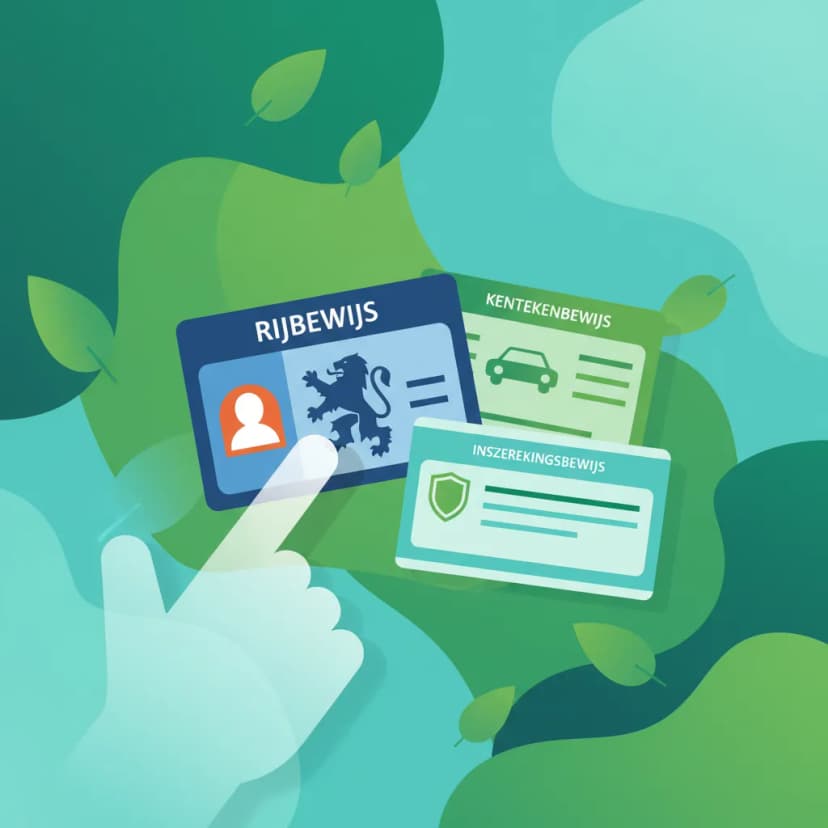
This lesson outlines the essential administrative responsibilities of a moped owner and rider. It covers the legal requirement to have valid third-party liability insurance and to ensure the vehicle is properly registered. The content also reminds riders of the documents they must carry with them at all times, such as their driving license and registration certificate.

This lesson provides a comprehensive guide to the Swedish Category AM theory examination process managed by Transportstyrelsen. It outlines the necessary steps for registration, the specific documentation required such as valid ID and medical certificates, and how to schedule a test at an authorized center. Learners will understand the exam format, scoring system, and the procedures for receiving their license upon successful completion.

This lesson teaches the importance of conducting a quick, routine inspection before every ride to ensure the moped is in safe working order. It outlines a simple checklist that includes checking tire pressure (Däck), brake function (Bromsar), and all lights and signals. This proactive habit can prevent mechanical failures that could lead to an accident.
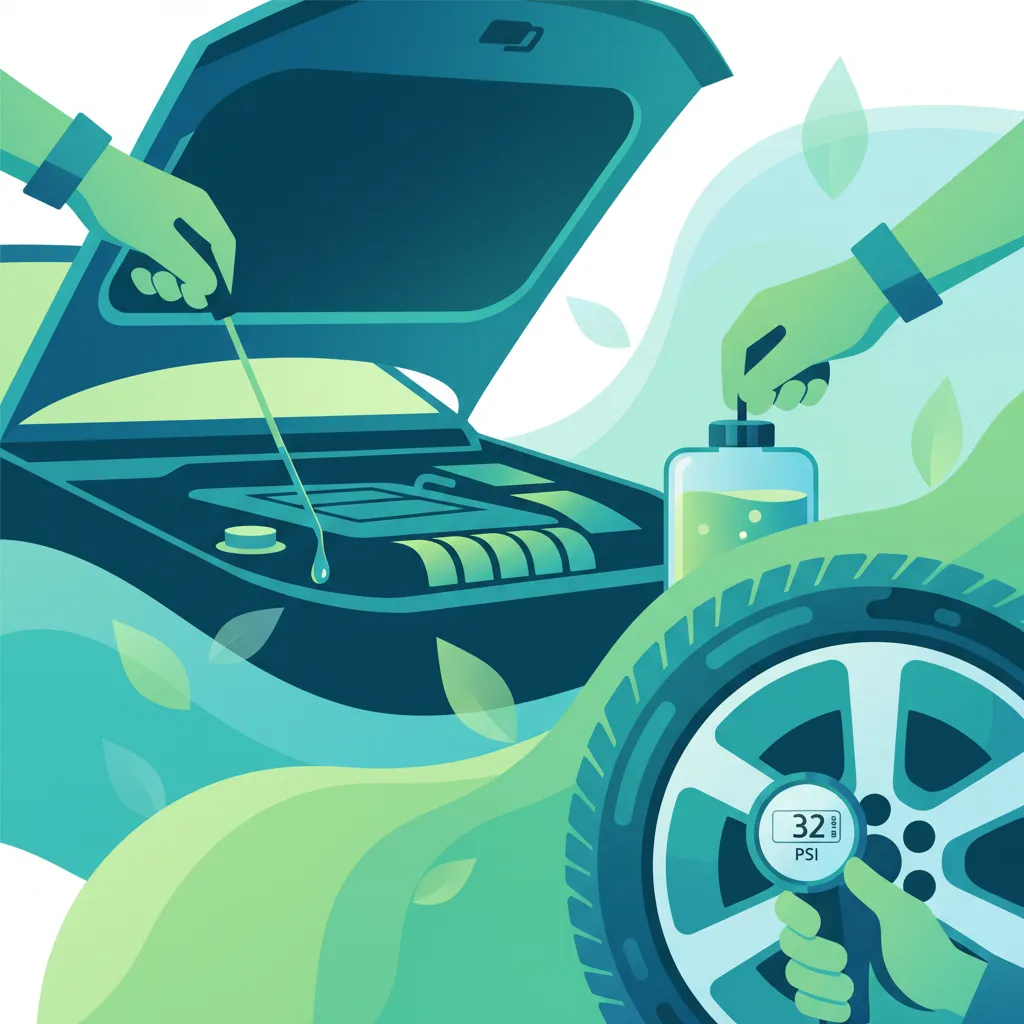
This lesson covers the simple yet vital pre-drive checks that are the driver's responsibility. You will learn the step-by-step process for a 'safety control' (säkerhetskontroll), which includes checking tire pressure and tread depth, verifying that all lights are working, and checking the levels of critical fluids like engine oil, coolant, brake fluid, and windshield washer fluid. Performing these checks regularly helps ensure your vehicle is in a safe condition to drive.
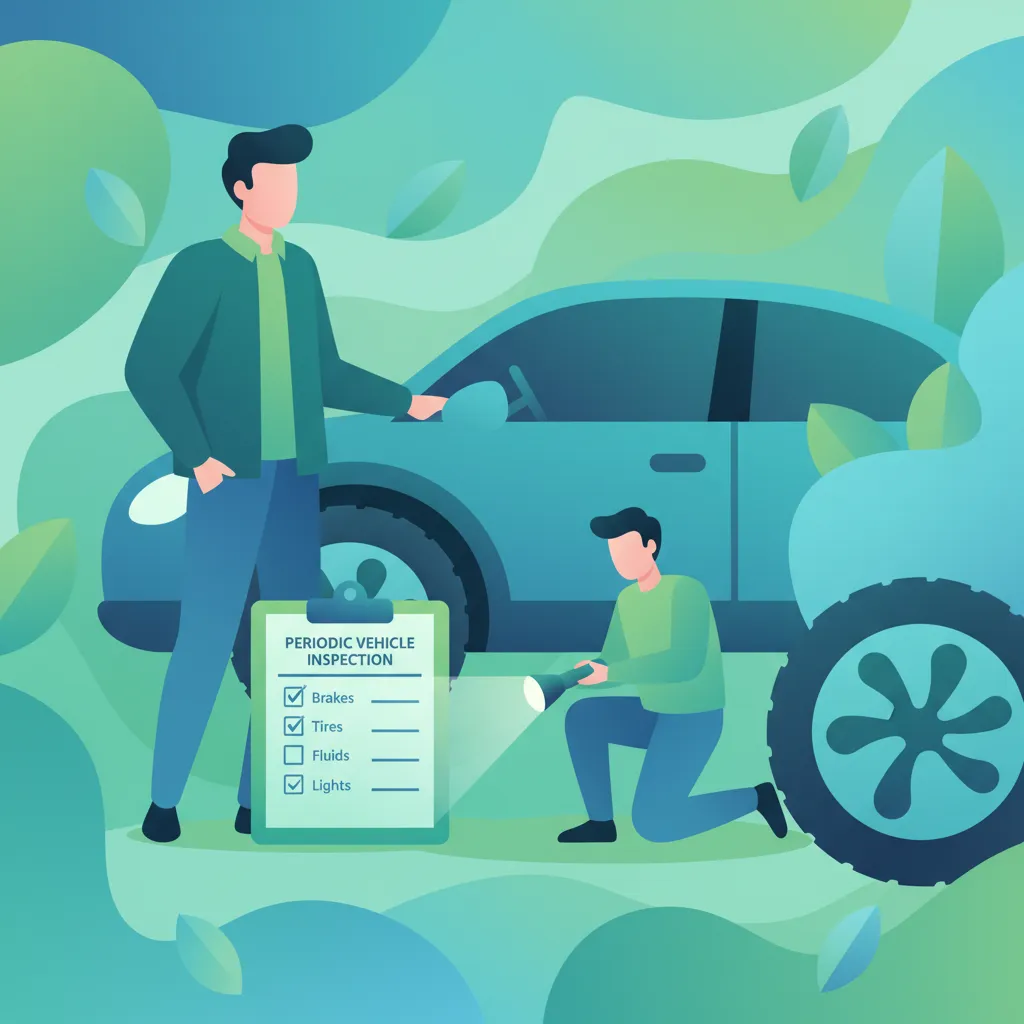
This lesson explains the legal requirement for periodic vehicle inspection in Sweden. You will learn about the role of the 'besiktning' in ensuring that vehicles on the road meet minimum safety and environmental standards. The content covers how to find out when your vehicle is due for inspection, what key components are checked (such as brakes, steering, and emissions), and the possible outcomes, including approval, recommendations for repair, or a driving prohibition (körförbud).

This lesson details the procedural and legal steps for reporting an accident. You will learn when you are legally obligated to report a crash to the police, what information to exchange with other involved parties, and the importance of documenting the scene with photographs and witness details. This information is vital for ensuring any subsequent insurance claims and legal proceedings are handled smoothly and fairly.

This lesson clarifies your legal rights and responsibilities during interactions with law enforcement, such as at a traffic stop. You will learn the correct and expected procedures for providing documentation and communicating with officers. It covers your obligations to comply with lawful requests while also explaining your rights under Swedish law, ensuring any such encounter is handled correctly, calmly, and professionally by all parties.

This lesson focuses on the single most important piece of safety gear: the helmet. You will learn about the legal standards helmets must meet in Sweden (e.g., ECE ratings) and how to ensure a proper fit. The content also covers the full range of personal protective equipment (PPE), including jackets, pants, gloves, and boots, explaining the importance of abrasion resistance, impact armor, and high-visibility features for rider protection.

This lesson serves as a summary of the legal requirements for safety equipment in Sweden. It reiterates the mandatory helmet law for both the rider and any passenger. It also touches on the rider's responsibility to ensure the moped itself is legally equipped with functioning lights, brakes, and other essential safety features, linking personal gear with vehicle roadworthiness.
Focus on ensuring your motorcycle is always roadworthy through diligent pre-ride inspections. This lesson details the critical checks riders must perform before each journey to maintain safety and adhere to Swedish regulations, complementing knowledge of mandatory documents and official inspections.
This lesson teaches the importance of conducting a quick, routine inspection before every ride to ensure the moped is in safe working order. It outlines a simple checklist that includes checking tire pressure (Däck), brake function (Bromsar), and all lights and signals. This proactive habit can prevent mechanical failures that could lead to an accident.
This lesson covers the simple yet vital pre-drive checks that are the driver's responsibility. You will learn the step-by-step process for a 'safety control' (säkerhetskontroll), which includes checking tire pressure and tread depth, verifying that all lights are working, and checking the levels of critical fluids like engine oil, coolant, brake fluid, and windshield washer fluid. Performing these checks regularly helps ensure your vehicle is in a safe condition to drive.

This lesson focuses on Swedish warning signs designed to alert drivers to potential dangers. You will study signs indicating sharp bends, slippery surfaces, animal crossings, and temporary hazards like road construction. Correctly interpreting these signs allows a motorcyclist to proactively adjust speed, lane position, and readiness to react, which is essential for maintaining control and safety, especially in adverse weather or on unfamiliar roads.
This lesson clarifies your legal rights and responsibilities during interactions with law enforcement, such as at a traffic stop. You will learn the correct and expected procedures for providing documentation and communicating with officers. It covers your obligations to comply with lawful requests while also explaining your rights under Swedish law, ensuring any such encounter is handled correctly, calmly, and professionally by all parties.
This lesson provides a step-by-step guide to motorway riding. You will learn the correct technique for accelerating on an on-ramp and merging smoothly into high-speed traffic. The content also covers maintaining proper lane discipline, executing safe overtakes, keeping a safe following distance at speed, and planning for your exit well in advance to ensure a smooth and stress-free experience on Sweden's fastest roads.

This lesson focuses on the variety of road markings used on Swedish roads and their meaning for motorcyclists. You will learn the difference between solid and broken lines regarding overtaking, how to position yourself correctly at intersections based on markings, and how to interpret symbols painted on the road surface. Adhering to these markings is essential for maintaining correct lane discipline and ensuring predictability for other road users.
This lesson explains the process for obtaining the correct category of motorcycle license (Körkort A) in Sweden and the legal necessity of keeping it current. You will learn about the procedures for registering your motorcycle with Transportstyrelsen and the mandatory insurance coverage you must have to legally ride on public roads. Understanding these administrative requirements is the first step to being a fully compliant and responsible vehicle operator.
This lesson outlines the essential administrative responsibilities of a moped owner and rider. It covers the legal requirement to have valid third-party liability insurance and to ensure the vehicle is properly registered. The content also reminds riders of the documents they must carry with them at all times, such as their driving license and registration certificate.
This lesson explains the legal requirement for periodic vehicle inspection in Sweden. You will learn about the role of the 'besiktning' in ensuring that vehicles on the road meet minimum safety and environmental standards. The content covers how to find out when your vehicle is due for inspection, what key components are checked (such as brakes, steering, and emissions), and the possible outcomes, including approval, recommendations for repair, or a driving prohibition (körförbud).
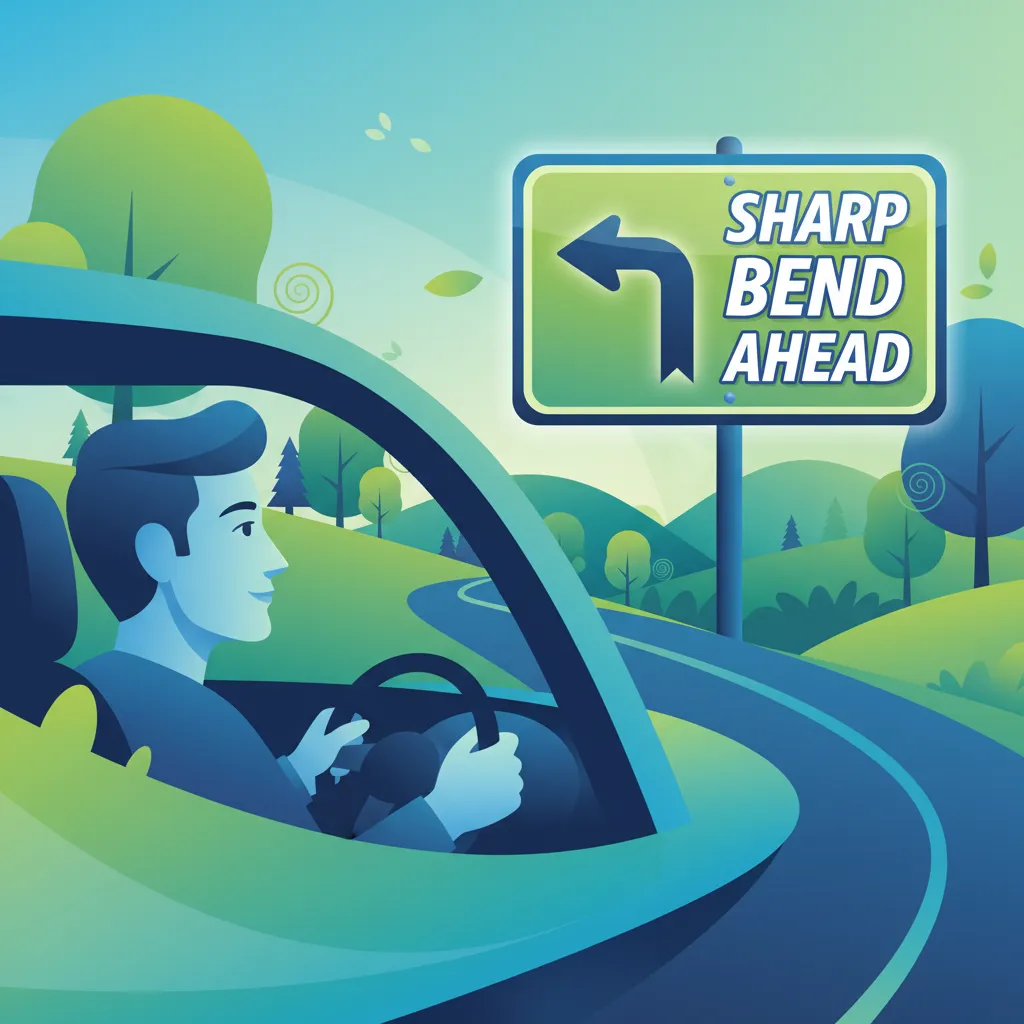
This lesson teaches riders to interpret warning signs (Varningsskyltar), which alert them to potential dangers on the road ahead. It covers a wide range of signs, including those for sharp curves, slippery surfaces, wildlife crossings, and upcoming roadworks. Understanding these triangular signs allows riders to anticipate hazards, adjust their speed and position proactively, and enhance their overall safety.
Find clear answers to common questions learners have about Mandatory Documents, Vehicle Inspection, and Roadworthiness Checks. Learn how the lesson is structured, which driving theory objectives it supports, and how it fits into the overall learning path of units and curriculum progression in Sweden. These explanations help you understand key concepts, lesson flow, and exam focused study goals.
You must always carry your valid driving license (körkort) for Category A, and the motorcycle's registration certificate (registreringsbevis). These documents prove your entitlement to ride and that the vehicle is legally registered. Failing to produce them when requested by police can result in fines.
For most motorcycles registered in Sweden, a mandatory inspection ('besiktning') is required every two years. The exact inspection interval depends on the motorcycle's age and registration date. You will receive a reminder from the Swedish Transport Agency (Transportstyrelsen) when it's time for your inspection.
The 'besiktning' checks critical safety components. This usually includes brakes, tires, lights, indicators, exhaust system (emissions and noise), steering, suspension, and the frame for any damage. The goal is to ensure the motorcycle meets safety and environmental standards.
If your motorcycle fails the 'besiktning', you are typically allowed to continue riding it for a limited period to get the issues fixed. However, you must present the vehicle for a re-inspection within a specified timeframe to prove the faults have been rectified. Riding a vehicle with serious safety defects can lead to fines and a prohibition from further use.
Before each ride, perform a quick check of tire pressure and condition (no visible damage or low tread), brakes (front and rear operation), lights and indicators (all working correctly), and fluid levels (oil, brake fluid). Also, ensure your chain is properly tensioned and lubricated. These checks take only a few minutes and can prevent serious issues.
Yes, depending on the circumstances, a newly purchased or imported motorcycle may require an initial inspection to be registered in Sweden and to determine its eligibility for road use. The process involves ensuring the vehicle meets Swedish regulations and standards before it can be put on the road.