
Welcome to the legal and administrative essentials for becoming a motorcycle rider in Sweden. This lesson covers the crucial requirements for your Category A licence, vehicle registration, and mandatory insurance. Understanding these obligations is fundamental to riding legally and responsibly on Swedish roads, preparing you for real-world compliance and specific theory test questions.

Operating a motorcycle on public roads in Sweden requires strict adherence to a set of legal and administrative obligations. These requirements ensure not only your safety but also the safety and financial protection of other road users. This lesson, part of your Swedish Motorcycle Theory Course, will detail the essential pillars of legal motorcycle operation: possessing the correct licence category (Körkort A), ensuring your motorcycle is properly registered with Transportstyrelsen, and maintaining mandatory traffic insurance (trafikförsäkring).
Understanding and complying with these regulations is the foundational step towards becoming a responsible and compliant motorcycle operator in Sweden. Neglecting any of these obligations can lead to severe legal penalties, significant fines, and even criminal liability.
For every motorcyclist in Sweden, the journey to legal road use is built upon three critical pillars: a valid driving licence, proper vehicle registration, and continuous traffic insurance. These elements are interconnected and form a comprehensive legal framework designed to safeguard all participants in the traffic system.
Compliance with licensing, registration, and insurance laws is paramount. A valid licence verifies that you, as the rider, possess the necessary knowledge and practical skills to operate a motorcycle safely and competently. Registration provides a unique identity for your vehicle, enabling authorities to track ownership, enforce taxation, and manage technical inspections. Mandatory insurance ensures that any third party affected by an accident involving your motorcycle receives financial compensation, protecting both victims and you from personal financial ruin.
Failure to meet any of these requirements can lead to severe legal repercussions. These include substantial fines, impoundment of your vehicle, suspension of driving privileges, and even criminal charges, particularly in the event of an accident.
The Swedish legal system links a rider’s proven competency (via a licence) with the vehicle’s identity (via registration) and its financial accountability (via insurance). This closed loop guarantees that only qualified, identifiable, and financially responsible motorcycles are allowed on public roads.
The legal right to operate a specific vehicle class, proven by passing theory and practical tests, guaranteeing the rider’s knowledge of traffic law, vehicle control, and risk mitigation.
The official recording of a motor vehicle with the Swedish Transport Agency (Transportstyrelsen), resulting in a unique registration number (license plate) and registration certificate. This enables identification, taxation, and ownership verification.
The minimum legal liability coverage that pays for third-party injury and property damage caused by the insured vehicle, protecting victims of road accidents and distributing risk.
Each pillar has defined expiry dates or renewal triggers, necessitating continuous monitoring and renewal by the rider to avoid legal gaps. Furthermore, all relevant documents—driving licence, vehicle registration certificate, and proof of insurance—must be carried along physically or be readily accessible when operating the motorcycle for quick verification by law enforcement.
In Sweden, motorcycle licences are classified into different categories, each defining the types of motorcycles you are legally permitted to operate. Understanding these categories is crucial for aspiring and current riders alike, as riding a motorcycle that exceeds your licence class is a serious offence.
The Körkort A1 category permits you to ride light motorcycles. These are defined as motorcycles with a maximum engine size of 125 cc, a maximum power output of 11 kW, and a power-to-weight ratio not exceeding 0.1 kW/kg. The minimum age to obtain an A1 licence is 16 years. This category serves as an entry point for younger riders, introducing them to motorcycle operation with less powerful machines.
The Körkort A2 licence allows you to operate medium-power motorcycles. These motorcycles have a maximum power output of 35 kW and a power-to-weight ratio not exceeding 0.2 kW/kg. Importantly, the motorcycle must not be derived from a vehicle of more than double its power. The minimum age for an A2 licence is 18 years. This category offers a significant step up from A1, allowing riders to gain experience with more capable motorcycles before progressing to unlimited power.
The Körkort A, often referred to simply as "A-licence," is the highest category of motorcycle licence in Sweden. It permits you to ride any motorcycle without power or engine size limitations. The minimum age to obtain a Körkort A is 24 years. However, a rider can qualify at 20 years of age if they have held an A2 licence for at least two consecutive years. This progressive access pathway encourages riders to gain experience over time with less powerful bikes before handling the full spectrum of motorcycles.
The age requirements and progressive access system are designed to ensure riders acquire sufficient experience and maturity before operating increasingly powerful motorcycles. This structured approach contributes significantly to road safety by preventing inexperienced riders from immediately handling high-performance machines. For example, a rider with an A2 licence at 18 must wait until at least 20 years old and have two years of A2 experience before being eligible for the A-licence, provided they pass the required tests.
Obtaining a Swedish motorcycle licence, particularly the Körkort A, involves a structured process overseen by Transportstyrelsen, the Swedish Transport Agency. This process ensures that all riders meet rigorous standards of theoretical knowledge and practical skill.
Eligibility Verification: Confirm you meet the age requirements (24 years, or 20 if you've held A2 for two years), residency, and health status criteria. A valid learner's permit (körkortstillstånd) is required before any practical training.
Theoretical Education: Undertake theoretical training, often in an approved driving school. While there isn't a fixed number of hours, comprehensive study of traffic regulations, vehicle dynamics, and specific motorcycle theory is essential.
Theory Test (Kunskapsprov): Pass a computer-based theory test administered by Trafikverket. This test assesses your knowledge of traffic laws, road signs, environmental considerations, and motorcycle-specific situations. A score of at least 70% is generally required to pass. The theory test result is valid for 24 months.
Practical Training: Engage in practical riding lessons with an approved driving instructor. For the A-category, this typically involves extensive on-road instruction and specific off-road manoeuvres designed to test your control, balance, and emergency handling skills.
Practical Driving Test (Körprov): Successfully complete the practical driving test, which includes both off-road manoeuvres on a closed course (e.g., emergency braking, slalom, high-speed evasive manoeuvres) and on-road riding in varied traffic conditions. The practical test result is valid for 12 months.
Medical Examination: A vision test is mandatory, and depending on your age or certain medical conditions, a more comprehensive medical certificate from a doctor may be required to confirm your fitness to drive.
Application Submission: Once all tests are passed and any required medical certificates are in order, your application for the licence will be submitted to Transportstyrelsen, often electronically via their e-service, leading to the issuance of your physical licence card.
The körkortstillstånd (learner's permit) is your initial gateway, allowing you to begin practical training. It is valid for a maximum of 12 months. It strictly requires you to ride under the supervision of an approved driving instructor or a private supervisor who is at least 25 years old and has held a Category A licence for at least two years. Riding unsupervised with only a learner's permit is a serious violation.
The theoretical education prepares you for the Kunskapsprov. This test is not just about memorizing rules; it assesses your understanding of how rules apply in real-world traffic scenarios, including specific challenges and responsibilities unique to motorcyclists. Passing this test demonstrates your foundational knowledge of safe and compliant road use.
Practical training focuses on developing robust control skills, hazard perception, and confident handling in various situations. The practical test (Körprov) is a comprehensive assessment that evaluates your ability to manage the motorcycle at both low and high speeds, perform emergency actions, and navigate traffic safely and independently. This two-part test structure ensures you are prepared for both the mechanical demands of riding and the dynamic challenges of the road.
Maintaining medical fitness is an ongoing requirement for all licence holders. While vision tests are standard, any changes in health that could affect your ability to drive safely, such as certain neurological or cardiovascular conditions, must be reported to Transportstyrelsen. They may require a new medical certificate. The final application submission consolidates all your achievements and verifies your eligibility before your licence is officially issued.
A Swedish motorcycle licence is not valid indefinitely; it has a defined validity period and must be renewed to remain legal. Riding with an expired licence is equivalent to riding without one and carries the same legal consequences.
For adult drivers in Sweden, the standard validity period for a driving licence, including motorcycle categories, is generally 10 years for individuals aged 30 and above. For younger licence holders (under 30 years old), the licence is valid for 5 years. These periods ensure that driver information and, if applicable, medical fitness are periodically re-evaluated.
Renewal is typically a straightforward process. Transportstyrelsen will send you a reminder form well in advance of your licence's expiry date. The renewal procedure often involves:
It is also crucial to notify Transportstyrelsen of any changes to your personal details, such as your name or address. While a new residence might be registered with the population register, the Transport Agency specifically needs to update its records for your driving licence card.
Riding with an expired motorcycle licence is a serious offence under Swedish law. There is no grace period for expired licences. If stopped by law enforcement, you could face:
It is essential to monitor your licence's expiry date and initiate the renewal process well in advance to avoid any gaps in your legal driving status.
Vehicle registration is the official process that formally records your motorcycle in the national vehicle register, establishing its legal identity. This process is mandatory for any motorcycle used on public roads in Sweden.
Registration assigns a unique registreringsnummer (license plate) to your motorcycle and generates a registreringsbevis (registration certificate). This system is vital for various administrative and enforcement purposes, including identification, taxation, tracking technical inspections, and verifying ownership. Without a valid registration, your motorcycle cannot be legally operated on public roads.
There are two primary scenarios for vehicle registration:
Any significant changes to your motorcycle's details, such as its colour or major technical modifications, must also be reported to Transportstyrelsen to keep the registration accurate.
The registreringsbevis is a critical document consisting of two parts:
While Del 1 is not strictly required to be carried in the vehicle, Del 2 must always be kept safely with the vehicle or readily accessible to the owner. Police may request to see this document during a traffic stop, and failure to produce it could lead to fines. Losing either part requires an immediate request for a replacement from Transportstyrelsen.
Your motorcycle's unique registreringsnummer is displayed on one or more license plates. In Sweden, motorcycles typically require a rear license plate, which must be clearly visible, illuminated at night, and meet specific Swedish standards for size, font, and mounting. It is illegal to ride with dirty, obscured, or damaged plates that are not clearly legible. Temporary plates (tillfällig registreringsskylt) are only permitted for specific purposes, such as vehicle import or testing, and have a limited validity period, typically up to 8 weeks.
All registered motor vehicles in Sweden are subject to an annual fordonsskatt (vehicle tax). This tax is based on factors such as engine size, CO₂ emissions, and the age of the vehicle. Non-payment of this tax can result in penalties and lead to the suspension of your motorcycle's registration, making it illegal to ride.
Furthermore, motorcycles older than four years generally require a periodic bilprovning (technical inspection). This inspection ensures that the vehicle meets safety and environmental standards. An inspection certificate must be kept, and the validity of your inspection should be monitored to avoid riding with an expired inspection, which is also a finable offence.
Of the three pillars of legal motorcycle operation, mandatory traffic insurance, known as trafikförsäkring, is perhaps the most critical for protecting both you and other road users in the event of an accident. It is legally required for every motor vehicle on public roads in Sweden.
The primary purpose of trafikförsäkring is to provide financial compensation for bodily injury and property damage caused to third parties by your insured motorcycle. This means that if you cause an accident, your traffic insurance will cover the costs incurred by the other parties involved. This protection is vital, as it shields the victims from financial hardship and prevents you from potentially facing immense personal financial liability.
The coverage scope of trafikförsäkring is strictly defined by law:
It is crucial to understand that trafikförsäkring does not cover damage to your own motorcycle or injuries to yourself as the rider, if you were at fault. For personal protection and coverage for your own vehicle, additional, optional insurance types are required.
You must always carry valid försäkringsbevis (proof of insurance) with you when riding. This can be a physical insurance card issued by your insurer or, increasingly, an electronic proof (such as a PDF or QR code on your mobile device) if your insurer guarantees its validity. Law enforcement officers may request this proof during a traffic stop, and failure to produce it within a reasonable time can result in a fine. The insurance policy must explicitly specify your motorcycle's exact registration number; a mismatch can invalidate your coverage.
For international travel within EU/EEA countries, your Swedish traffic insurance is generally valid. However, carrying an International Green Card (internationellt försäkringsbevis) is highly recommended. It serves as internationally recognized proof of your valid traffic insurance, facilitating smoother interactions with foreign authorities and insurers.
It is important not to confuse trafikförsäkring with other types of insurance:
Some insurance packages might combine trafikförsäkring with partial comprehensive coverage (halvförsäkring) or full comprehensive coverage (helförsäkring), but the fundamental trafikförsäkring component remains a legal necessity.
The legal framework for motorcycle operation in Sweden is designed such that your licence, vehicle registration, and insurance are not isolated requirements but are deeply interdependent. A deficiency in one area can invalidate the legality of the others, creating a cascade of potential legal issues.
Licence ↔ Registration: Your driving licence authorizes you to operate a specific class of vehicle (e.g., Körkort A). Vehicle registration, on the other hand, records the specific motorcycle you own or operate. While you don't necessarily need a licence to register a motorcycle (e.g., you can register a bike for someone else), you absolutely need the appropriate licence to ride it once registered. Furthermore, significant technical modifications to a registered motorcycle (e.g., increasing engine capacity) might require you to upgrade your licence category if the bike no longer falls within your existing class.
Registration ↔ Insurance: Insurance providers require the motorcycle's unique registration number to issue a policy. The policy is specifically tied to that registered vehicle. If a vehicle is not registered, or if its registration details (like ownership) are not updated, insurance companies may refuse to issue a policy or may invalidate an existing one. Similarly, if registration is suspended due to unpaid vehicle tax or failed inspection, the insurance may become void or ineffective.
Licence ↔ Insurance: This is a critical link. Most, if not all, insurance contracts stipulate that the driver operating the insured vehicle must possess a valid driving licence for that vehicle class. If you cause an accident while riding with an expired, suspended, or insufficient licence, your insurance provider may deny your claim for third-party damages, leaving you personally liable for all costs. This is considered a breach of contract (often termed a "waiver of coverage"), and it exposes you to immense financial and legal risk.
This interdependence creates a "legal chain of compliance." Every link in this chain must be strong. An expired licence, an unregistered vehicle, or a lapsed insurance policy breaks this chain. For example, if your licence expires, even if your motorcycle is perfectly registered and insured, your act of riding becomes illegal. Should an accident occur, your insurance may not cover the damages because a condition of the policy (that the driver be legally licensed) was not met.
To avoid these serious issues, it's essential to:
Operating a motorcycle in Sweden is governed by a comprehensive legal framework. Several key acts and ordinances define the rules and consequences surrounding licences, registration, and insurance. Familiarity with these regulations is crucial for compliance and safe riding.
This act broadly outlines the requirements for all drivers in Sweden. It specifies that a driver must hold a valid licence for the vehicle class they are operating. Crucially, it also mandates that licences must be renewed before their expiry date, making riding with an expired licence a violation. This ensures continuous competency and prevents unqualified individuals from operating vehicles.
The Traffic Ordinance contains detailed rules concerning road traffic. For motorcyclists, key provisions include:
Violations of the Traffic Ordinance often result in fines and, for serious infractions, may lead to driving privilege suspension or revocation.
This act is the cornerstone of mandatory vehicle insurance in Sweden.
Failure to carry valid traffic insurance is a serious offence, incurring substantial daily fines for every day the vehicle is uninsured, in addition to potential personal liability for any accident damages.
This act governs the taxation of vehicles in Sweden.
Non-payment of vehicle tax can lead to penalties and eventually the suspension of the vehicle's registration, making it illegal to ride.
Specific regulations issued by Transportstyrelsen (TSFS) provide detailed rules, such as those regarding the registration certificate. For instance, TSFS 2019:1 outlines that the registration certificate (specifically Del 2, which proves ownership) must be carried in the vehicle and presented upon request by law enforcement. These regulations also cover details like the format and validity of learner's permits.
Understanding the administrative and legal requirements for motorcycling in Sweden is key to avoiding common pitfalls. Many violations stem from simple oversight or misunderstanding rather than deliberate intent.
Violation: Operating a motorcycle without a valid driving licence, or with a licence that does not cover the specific motorcycle's power or weight class (e.g., riding a 900 cc sport bike with only an A2 licence). Why it's wrong: This directly contravenes Trafikförordning § 3 and indicates the rider lacks the legally required competency for the vehicle. Correct Behaviour: Always hold a driving licence (Körkort A, A1, or A2) that legally covers the specific power-to-weight ratio and engine size of the motorcycle you are riding. Consequence: Fine (often substantial), possible impoundment of the motorcycle, accumulation of points on your driving record, and potential insurance invalidation in case of an accident.
Violation: Continuing to ride with an expired driving licence, using a motorcycle with an expired technical inspection (bilprovning), or having a lapsed traffic insurance policy. Why it's wrong: An expired licence means your competence is no longer officially recognized (Driver Act). Expired inspection implies potential unroadworthiness. Lapsed insurance violates Trafikförsäkringslagen and leaves victims unprotected. Correct Behaviour: Actively monitor expiry dates for all documents. Renew your licence well in advance, ensure your motorcycle passes inspection on time, and maintain continuous traffic insurance coverage. If any document has expired, refrain from riding until it is valid. Consequence: Fines for each expired document, potential temporary suspension of driving privileges, vehicle impoundment, and personal liability for damages if uninsured.
Violation: Significantly modifying a motorcycle (e.g., increasing engine capacity, altering exhaust systems) without updating its registration details with Transportstyrelsen and potentially re-evaluating your licence category. Another common violation is using foreign plates beyond the 12-month import grace period without obtaining Swedish registration. Why it's wrong: Unreported modifications mean the vehicle no longer matches its registered specifications, potentially impacting safety, tax calculations, and insurance validity. Overstaying the foreign plate grace period violates Fordonsskattelagen. Correct Behaviour: For modifications, consult Transportstyrelsen to determine if re-registration or a new licence category is required. For imported vehicles, initiate the Swedish registration process well within the 12-month grace period and obtain Swedish plates. Consequence: Fines for non-conformity, vehicle seizure, potential invalidation of insurance coverage, and registration suspension.
Violation: A learner rider (holding a körkortstillstånd) operating a motorcycle without a qualified supervising driver present. Why it's wrong: This contravenes Trafikförordning § 41 and bypasses the crucial safety measure of expert guidance for novice riders, significantly increasing accident risk. Correct Behaviour: Always ensure that a qualified supervisor (at least 25 years old and holding a valid A-licence for a minimum of two years) is either on the motorcycle with you or following in another vehicle (if permitted by regulations). Consequence: Fine for the learner, potential revocation of the learner's permit, and fines for the supervising driver if they permitted the unsupervised ride.
While the fundamental requirements for licence, registration, and insurance remain constant, certain conditional scenarios can influence how these requirements are enforced or highlight their importance.
Navigating the administrative landscape of Swedish motorcycle operation is a fundamental aspect of responsible riding. Your licence, vehicle registration, and mandatory traffic insurance form an unbreakable triad, each element vital for legal compliance and overall road safety.
Always prioritize the validity and currency of these documents. An expired licence, an unregistered motorcycle, or a lapsed insurance policy not only makes you liable for significant fines but can also leave you financially devastated in the event of an accident. By diligently adhering to these regulations, you contribute to a safer road environment for everyone and protect yourself from unnecessary legal and financial burdens.
Lesson content overview
Explore all units and lessons included in this driving theory course.
Explore search topics learners often look for when studying Licence Requirements, Registration, and Insurance Obligations. These topics reflect common questions about road rules, driving situations, safety guidance, and lesson level theory preparation for learners in Sweden.
Browse additional driving theory lessons that cover connected traffic rules, road signs, and common driving situations related to this topic. Improve your understanding of how different rules interact across everyday traffic scenarios.
Understand the legal framework for motorcyclists in Sweden. This lesson covers obtaining your Category A licence, registering your vehicle with Transportstyrelsen, and the essential insurance coverage needed to ride legally on Swedish roads.
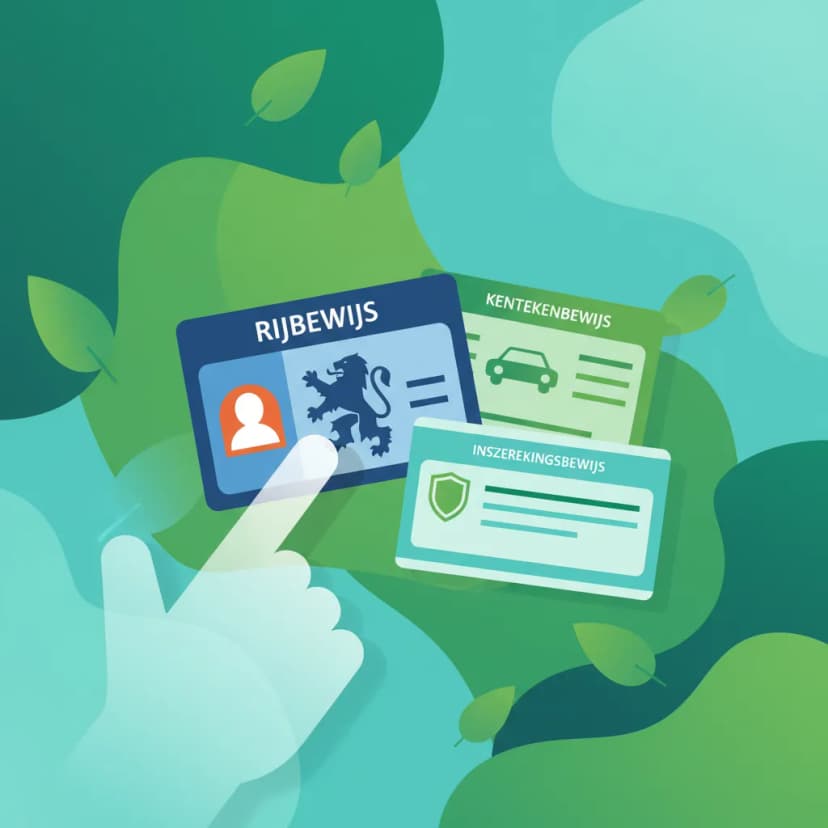
This lesson outlines the essential administrative responsibilities of a moped owner and rider. It covers the legal requirement to have valid third-party liability insurance and to ensure the vehicle is properly registered. The content also reminds riders of the documents they must carry with them at all times, such as their driving license and registration certificate.
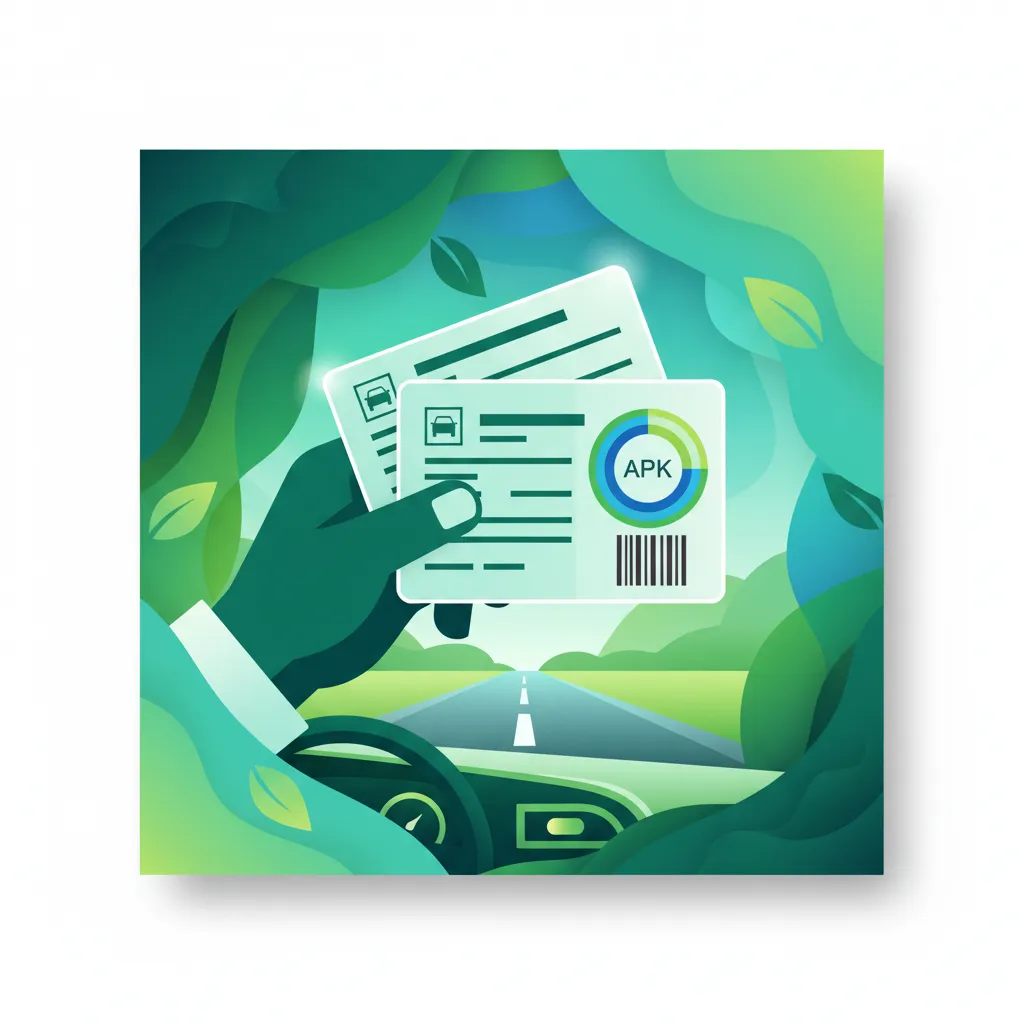
This lesson details the documents you are legally required to carry with you when riding, such as your license and registration certificate. It provides a comprehensive explanation of the mandatory periodic vehicle inspection (besiktning) process in Sweden, outlining what is checked and why it's important for safety. Finally, it reinforces the habit of performing your own pre-ride checks to ensure your motorcycle is always in a safe, roadworthy condition.

This lesson provides a comprehensive guide to the Swedish Category AM theory examination process managed by Transportstyrelsen. It outlines the necessary steps for registration, the specific documentation required such as valid ID and medical certificates, and how to schedule a test at an authorized center. Learners will understand the exam format, scoring system, and the procedures for receiving their license upon successful completion.

This lesson details the procedural and legal steps for reporting an accident. You will learn when you are legally obligated to report a crash to the police, what information to exchange with other involved parties, and the importance of documenting the scene with photographs and witness details. This information is vital for ensuring any subsequent insurance claims and legal proceedings are handled smoothly and fairly.
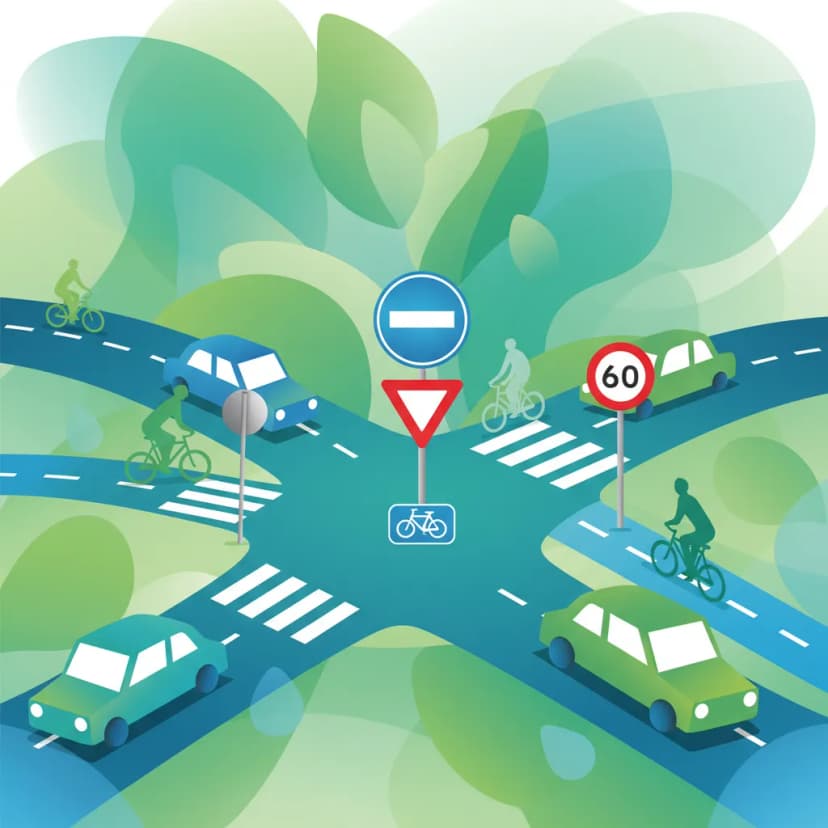
This lesson details the full range of Swedish regulatory signs, which dictate mandatory actions and prohibitions for all road users. You will learn to identify signs that establish speed limits, restrict access, prohibit overtaking, and define parking rules. Understanding these signs is critical for legal compliance and safe interaction with other traffic, as they form the basis of enforceable road law under the Trafikförordning regulations.

This lesson focuses on the variety of road markings used on Swedish roads and their meaning for motorcyclists. You will learn the difference between solid and broken lines regarding overtaking, how to position yourself correctly at intersections based on markings, and how to interpret symbols painted on the road surface. Adhering to these markings is essential for maintaining correct lane discipline and ensuring predictability for other road users.
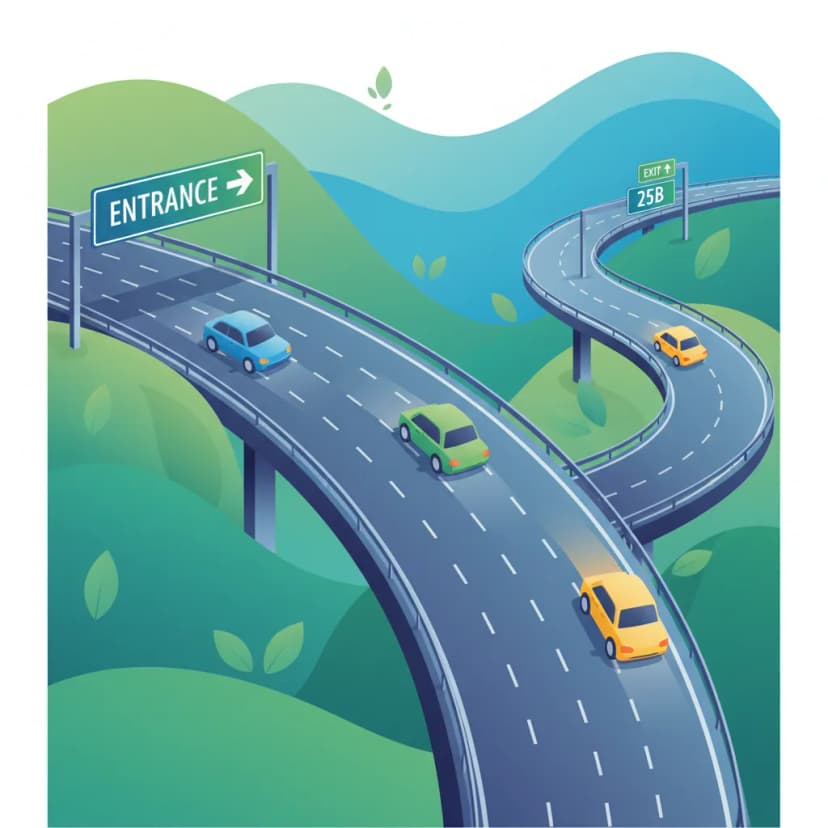
This lesson provides a step-by-step guide to motorway riding. You will learn the correct technique for accelerating on an on-ramp and merging smoothly into high-speed traffic. The content also covers maintaining proper lane discipline, executing safe overtakes, keeping a safe following distance at speed, and planning for your exit well in advance to ensure a smooth and stress-free experience on Sweden's fastest roads.
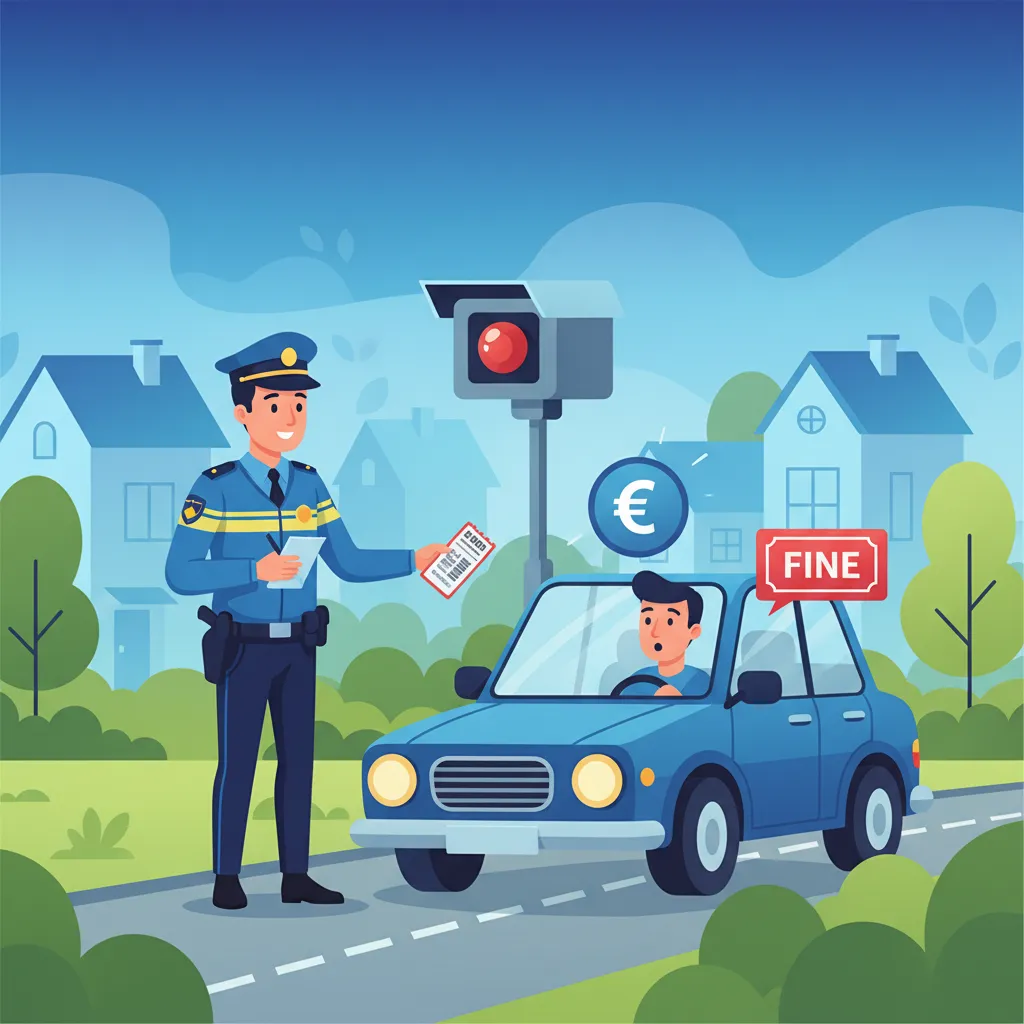
This lesson provides an overview of traffic law enforcement in Sweden, explaining the roles of the police and other authorities. You will learn about the system of penalties for common traffic violations, including the scale of fines (böter) and the conditions under which your license may be suspended. Understanding the legal consequences of unsafe or unlawful riding provides a powerful incentive to always adhere to the rules of the road.
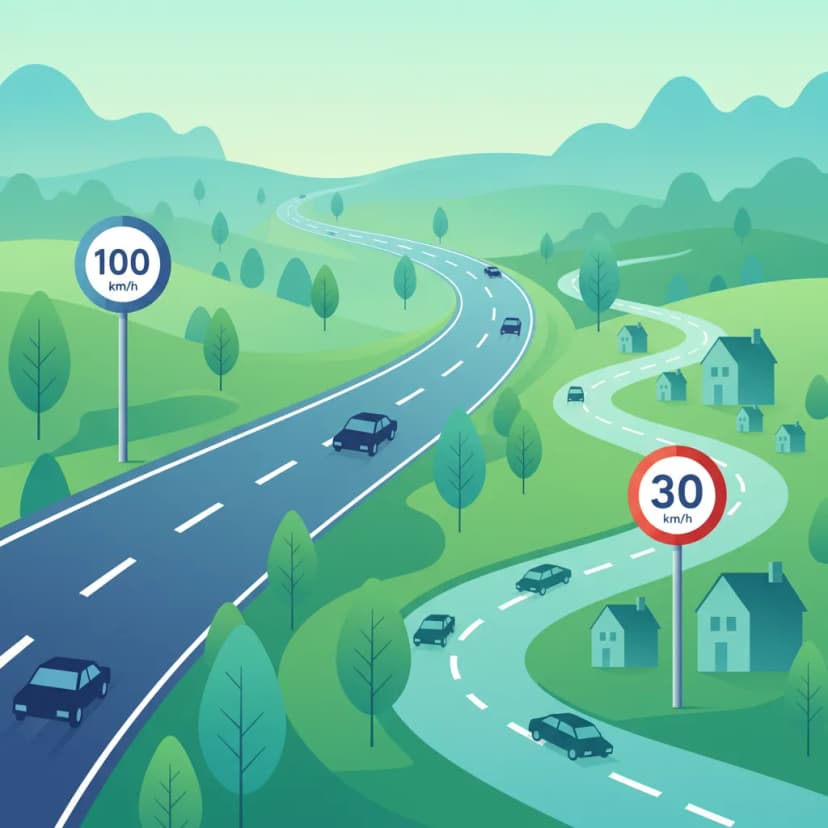
This lesson provides a comprehensive overview of the Swedish national speed limit system. You will learn the default speed limits applicable to different classes of roads, such as 50 km/h in built-up areas and 110 km/h on motorways. It also covers how to identify and comply with special zones, like residential areas (gångfartsområde), school zones, and temporary limits in construction areas, ensuring you always ride at a legal and appropriate speed.

This lesson clarifies your legal rights and responsibilities during interactions with law enforcement, such as at a traffic stop. You will learn the correct and expected procedures for providing documentation and communicating with officers. It covers your obligations to comply with lawful requests while also explaining your rights under Swedish law, ensuring any such encounter is handled correctly, calmly, and professionally by all parties.
Navigate the essential documentation for Swedish motorcyclists. This lesson details licence validity, vehicle registration papers, and the insurance obligations required by law to ensure you are fully compliant when operating a motorcycle.
This lesson details the documents you are legally required to carry with you when riding, such as your license and registration certificate. It provides a comprehensive explanation of the mandatory periodic vehicle inspection (besiktning) process in Sweden, outlining what is checked and why it's important for safety. Finally, it reinforces the habit of performing your own pre-ride checks to ensure your motorcycle is always in a safe, roadworthy condition.
This lesson outlines the essential administrative responsibilities of a moped owner and rider. It covers the legal requirement to have valid third-party liability insurance and to ensure the vehicle is properly registered. The content also reminds riders of the documents they must carry with them at all times, such as their driving license and registration certificate.
This lesson clarifies your legal rights and responsibilities during interactions with law enforcement, such as at a traffic stop. You will learn the correct and expected procedures for providing documentation and communicating with officers. It covers your obligations to comply with lawful requests while also explaining your rights under Swedish law, ensuring any such encounter is handled correctly, calmly, and professionally by all parties.
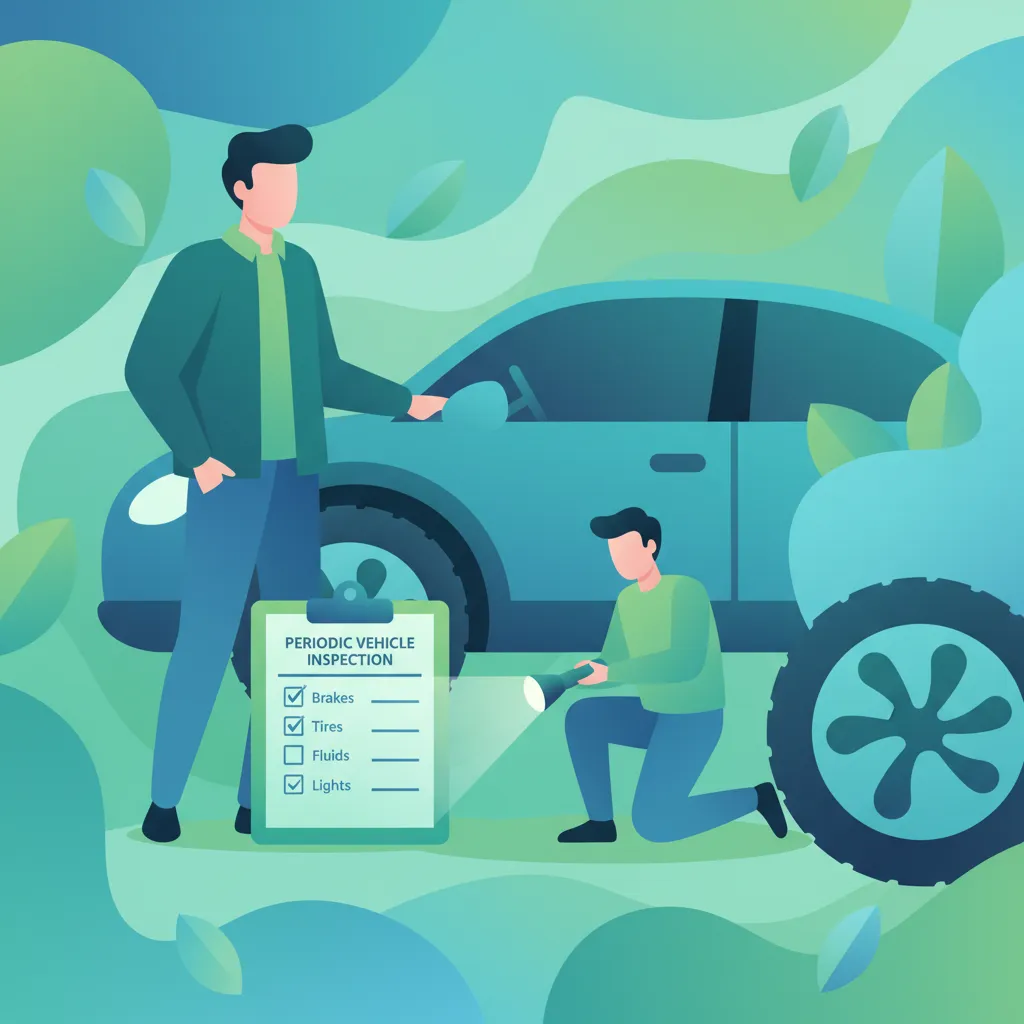
This lesson explains the legal requirement for periodic vehicle inspection in Sweden. You will learn about the role of the 'besiktning' in ensuring that vehicles on the road meet minimum safety and environmental standards. The content covers how to find out when your vehicle is due for inspection, what key components are checked (such as brakes, steering, and emissions), and the possible outcomes, including approval, recommendations for repair, or a driving prohibition (körförbud).
This lesson provides an overview of traffic law enforcement in Sweden, explaining the roles of the police and other authorities. You will learn about the system of penalties for common traffic violations, including the scale of fines (böter) and the conditions under which your license may be suspended. Understanding the legal consequences of unsafe or unlawful riding provides a powerful incentive to always adhere to the rules of the road.

This lesson teaches the importance of conducting a quick, routine inspection before every ride to ensure the moped is in safe working order. It outlines a simple checklist that includes checking tire pressure (Däck), brake function (Bromsar), and all lights and signals. This proactive habit can prevent mechanical failures that could lead to an accident.

This lesson serves as a summary of the legal requirements for safety equipment in Sweden. It reiterates the mandatory helmet law for both the rider and any passenger. It also touches on the rider's responsibility to ensure the moped itself is legally equipped with functioning lights, brakes, and other essential safety features, linking personal gear with vehicle roadworthiness.
This lesson details the full range of Swedish regulatory signs, which dictate mandatory actions and prohibitions for all road users. You will learn to identify signs that establish speed limits, restrict access, prohibit overtaking, and define parking rules. Understanding these signs is critical for legal compliance and safe interaction with other traffic, as they form the basis of enforceable road law under the Trafikförordning regulations.
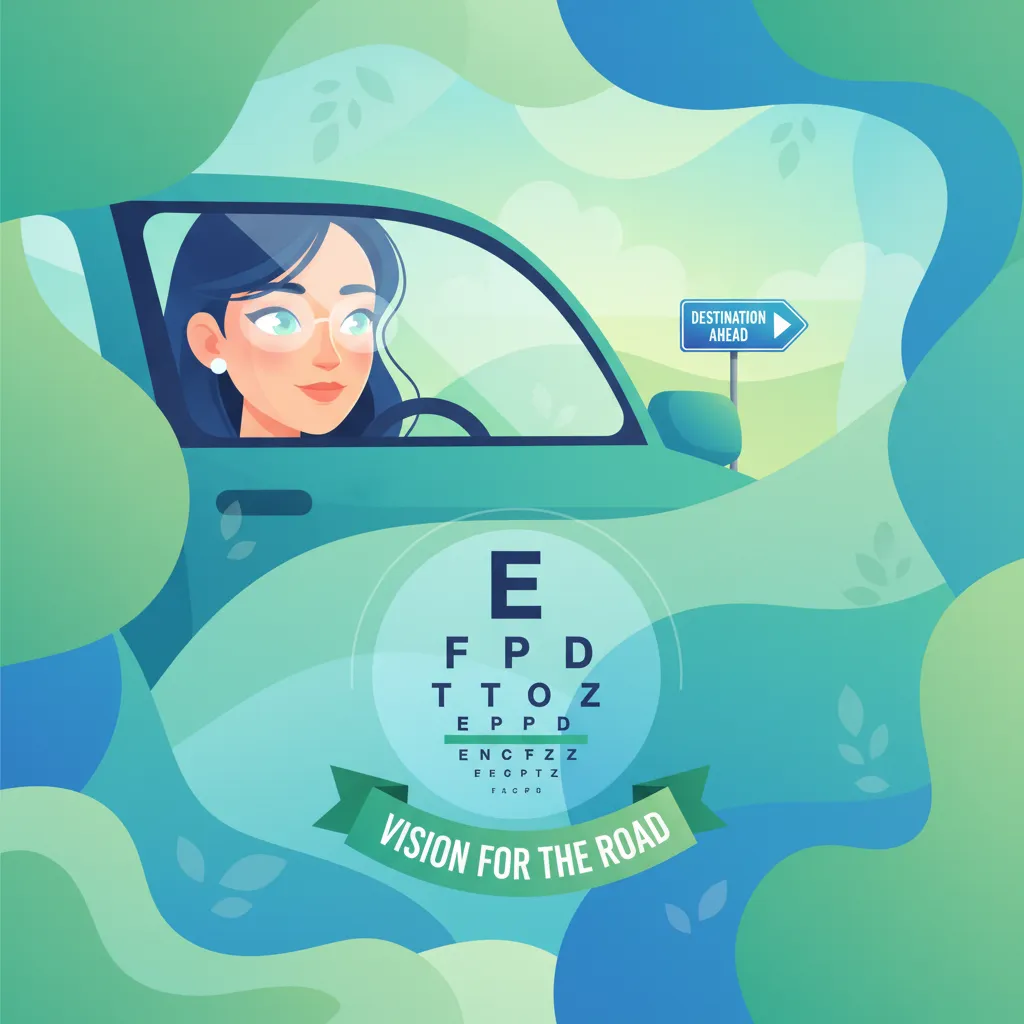
This lesson covers the legal medical requirements for drivers, which are designed to ensure public safety. You will learn about the specific standards for visual acuity and field of vision, and the requirement to wear corrective lenses if needed. The lesson also explains that drivers have a legal obligation to report certain medical conditions (like epilepsy or severe diabetes) to the Swedish Transport Agency, as they may impact their ability to drive safely.

This lesson prepares you for the specific challenges of riding on rural roads in Sweden. You will learn how to read the road ahead for changes in surface quality, approach blind corners safely, and adjust your speed for narrow lanes with no shoulder. The content also covers how to anticipate and safely interact with slow-moving agricultural vehicles and the potential for wild animals on the road, ensuring you are prepared for the unpredictable nature of country riding.
Find clear answers to common questions learners have about Licence Requirements, Registration, and Insurance Obligations. Learn how the lesson is structured, which driving theory objectives it supports, and how it fits into the overall learning path of units and curriculum progression in Sweden. These explanations help you understand key concepts, lesson flow, and exam focused study goals.
In Sweden, there are three categories for motorcycle licences: A1 for light motorcycles (up to 125cc and 11 kW), A2 for medium-sized motorcycles (up to 35 kW), and A for unrestricted motorcycles. The requirements for age and training vary for each category, and progression through them is often sequential.
Yes, every motorcycle used on public roads in Sweden must be registered with Transportstyrelsen. This process involves obtaining vehicle registration plates and ensuring the vehicle meets all technical and safety requirements for its category.
The mandatory insurance in Sweden is traffic insurance (trafikförsäkring). This covers personal injuries and property damage to others if you are at fault in an accident. Other insurance types, like comprehensive or collision insurance, are optional but highly recommended.
A standard Swedish motorcycle licence (Körkort A) is generally valid for 10 years. It is your responsibility to ensure your licence is current and to renew it before it expires. Failure to do so can result in penalties and restrictions on your ability to ride.
Operating an unregistered or uninsured motorcycle on public roads in Sweden is illegal and carries significant penalties. These can include hefty fines, seizure of the vehicle, and potentially further legal consequences, including affecting your ability to obtain or keep a driving licence.