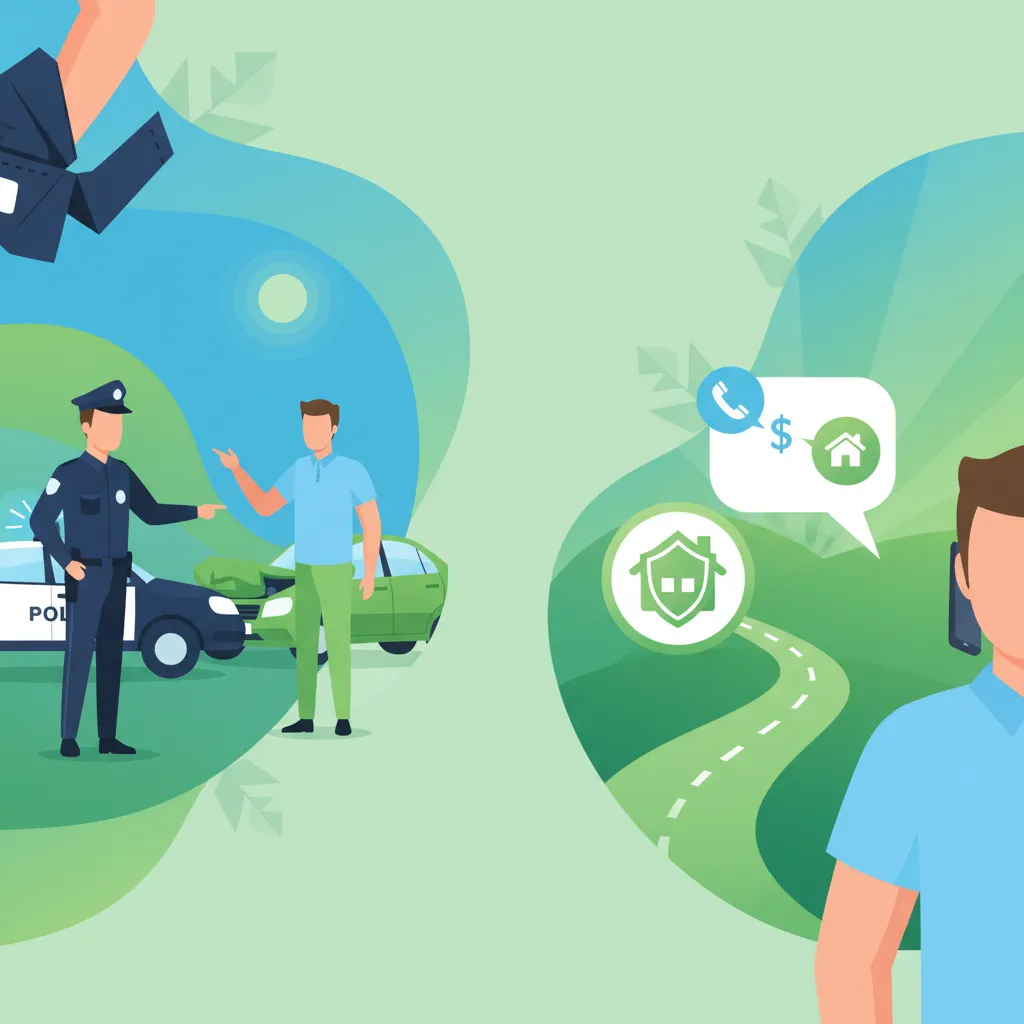
Welcome to the final lesson of your Swedish Motorcycle Theory Course! This lesson covers crucial post-accident procedures, specifically focusing on reporting requirements for authorities and insurance companies. Understanding these steps is vital for ensuring legal compliance and fair handling of claims, completing your preparation for the official Category A theory exam.
As a motorcyclist, understanding the correct procedures for reporting a traffic accident is crucial, not only for legal compliance but also for safeguarding your rights and ensuring fair insurance settlements. This lesson, part of the Swedish Motorcycle Theory Course, guides you through the essential steps to take after a collision, from immediate scene management to formal reporting to authorities and insurance companies. It builds upon previous knowledge from the "Legal Responsibilities" unit and the initial "Accident Response & Roadside Safety" lessons (10.1-10.3), preparing you for the subsequent steps of vehicle recovery and legal follow-up (Lesson 10.5).
The primary goal after any accident is to integrate immediate safety actions with the necessary administrative processes. Prompt reporting ensures that police can investigate, evidence is preserved, and legal certainty is established for all parties involved. Accurate and timely information also streamlines the insurance claim process, reducing disputes and facilitating a smoother resolution.
Swedish traffic law places specific obligations on drivers involved in an accident. These duties are outlined in key legislations such as the Trafikförordning (Swedish Traffic Ordinance) and Vägtrafiklag (Road Traffic Act). Familiarizing yourself with these responsibilities is essential to avoid potential legal and financial repercussions.
You are legally required to report an accident to the Swedish Police Authority (Polisen) if certain criteria are met. This is not merely a suggestion but a statutory duty.
Failing to report an accident when required can lead to fines or even criminal liability, especially in cases involving serious injury or death.
A police report is mandatory in the following situations:
It is important to understand that "minor scratches" do not always exempt you from reporting obligations, especially if the cumulative damage reaches the threshold or if there's any dispute. Always err on the side of caution and consider calling the police if you are uncertain.
Regardless of the severity, your first actions immediately after a collision are critical. The Vägtrafiklag (§ 3) states that all drivers involved in an accident must stop, render assistance, and provide personal and vehicle details to other parties.
Stop Safely: Immediately bring your motorcycle to a safe stop, if possible, without endangering other traffic.
Assess Injuries: Prioritize checking for injuries to yourself and others. If anyone is injured or unconscious, call the emergency number 112 for an ambulance and police immediately.
Provide First Aid: Offer basic first aid if you are trained and it is safe to do so. Your duty to assist takes precedence over all other actions.
Warn Other Traffic: Activate your hazard warning lights and prepare to place warning triangles.
Exchange Information: Begin collecting and exchanging details with all involved parties.
After ensuring immediate personal safety and calling for emergency services if needed, your next priority is to secure the accident scene. This prevents further incidents, protects other road users, and helps preserve crucial evidence.
Your motorcycle's hazard warning lights (often called varningsblinkers or hazard lights) are designed to signal to other drivers that your vehicle is stationary and potentially creating an obstruction or hazard. They flash all indicators simultaneously.
Always activate your hazard warning lights as soon as your motorcycle is stopped on a public road after an accident, or if it becomes a stationary hazard for any other reason.
These lights are particularly effective in low-light conditions or adverse weather, significantly increasing your motorcycle's visibility to oncoming traffic.
In addition to hazard lights, Swedish law (Trafikförordning § 10) mandates the use of reflective warning triangles when your vehicle is stopped on a public road and creates a danger. The placement distance of these triangles is crucial and depends on the speed limit of the road.
Personal Safety First: Before placing triangles, ensure your own safety. Wear a high-visibility vest if available.
Assess Road Speed: Determine the speed limit of the road.
Placement Distances:
On roads with a speed limit up to 50 km/h, place the triangle approximately 45 meters behind your motorcycle.
On roads with a speed limit up to 90 km/h, place the triangle approximately 90 meters behind your motorcycle.
On motorways or roads with higher speed limits, you may need to place multiple triangles at greater distances to give ample warning.
Positioning: Place the triangle clearly visible to oncoming traffic, on the same side of the road as your motorcycle.
Incorrect placement or failure to use triangles on high-speed roads can significantly increase the risk of secondary collisions and may lead to liability.
While dealing with the accident, your personal safety remains paramount.
Collecting comprehensive and accurate information from all parties involved, including witnesses, is vital for any subsequent insurance claim or legal proceedings. This information helps identify liable parties and streamlines the claim assessment.
Do not rely solely on insurance cards; always write down the full details.
If possible, take a photograph of the other driver's license, registration, and insurance documents. This helps ensure accuracy.
Witnesses can provide objective accounts of the accident, which can be invaluable, especially if there are conflicting statements from the involved drivers.
Objective documentary evidence is your strongest asset in an accident claim. Photographs, sketches, and detailed notes provide factual proof of damage, vehicle positions, and road conditions, significantly strengthening your case.
Your smartphone camera is a powerful tool for documentation. Take many photos from various angles.
A simple sketch can clarify details that photos might miss, especially regarding vehicle movement.
Complement your visual evidence with precise written notes.
Reporting an accident to your insurance company is a separate, but equally critical, step after notifying the police. Understanding the timelines and requirements is essential to ensure your claim is processed efficiently and successfully.
Most insurance policies in Sweden, regulated by the Försäkringsavtalslagen (Insurance Contracts Act), stipulate specific deadlines for reporting an accident. Failure to comply can result in your claim being denied or significantly reduced.
Once you notify your insurer, they will open a claim file. Provide them with all the information you collected: the police case number (Ärendenummer), contact details of other parties and witnesses, and all your documentary evidence (photos, sketches, notes).
Contact Your Insurer: Call their claims department or use their online reporting portal.
Provide Details: Give them all the information you collected at the scene.
Follow Instructions: Your insurer will guide you on next steps, such as getting your motorcycle inspected or obtaining medical reports.
Cooperate: Be prepared to provide additional information or clarify details as the investigation proceeds.
Do not assume that reporting to the police automatically informs your insurer; these are two distinct processes.
The police play a vital role in investigating accidents, particularly those involving injuries or significant damage. Their official report serves as a foundational document for both legal proceedings and insurance assessments.
When the police attend an accident scene, they will typically compile a Fordonsskadeanmälan (Vehicle Damage Report) or a more comprehensive accident report. This document includes:
It is absolutely essential to request the Ärendenummer (case number) from the police officer at the scene. This unique identifier allows you, your insurer, and legal representatives to reference the official report. Without it, tracking the police investigation can be difficult.
Always write down the police officer's name and badge number, if possible, along with the case number.
While police must file their report within a certain timeframe (usually 7 days), you typically have the right to request a copy within 30 days. This report will be a key piece of evidence for your insurance claim and any potential legal action.
Neglecting your reporting and documentation duties after a motorcycle accident in Sweden can have serious, far-reaching consequences beyond just the immediate damage. These penalties can be administrative, criminal, and financial.
Swedish law is clear on the obligations of drivers involved in a collision.
Beyond legal penalties, your insurance company can impose severe consequences for non-compliance.
Accident situations are rarely identical, and certain conditions or involved parties can introduce variations to the standard reporting procedures. Being aware of these contextual differences will help you respond appropriately.
Riding in rain, snow, or fog, or during nighttime, significantly affects visibility and road grip.
The type of road where an accident occurs influences hazard management and police response.
Special circumstances demand additional steps and considerations.
Effectively managing a motorcycle accident scene and subsequent reporting is a critical skill for any rider. By adhering to legal obligations and diligently documenting events, you protect yourself, other road users, and ensure a fair resolution.
By diligently following these steps, you will be well-prepared to handle the aftermath of an accident effectively and responsibly, safeguarding your future on the road.
Lesson content overview
Explore all units and lessons included in this driving theory course.
Explore search topics learners often look for when studying Reporting Accidents to Authorities and Insurance Companies. These topics reflect common questions about road rules, driving situations, safety guidance, and lesson level theory preparation for learners in Sweden.
Browse additional driving theory lessons that cover connected traffic rules, road signs, and common driving situations related to this topic. Improve your understanding of how different rules interact across everyday traffic scenarios.
Understand the legal obligations and step-by-step process for reporting accidents in Sweden. Learn what information is required by authorities and insurance providers to ensure smooth handling of claims and adherence to Swedish traffic law.
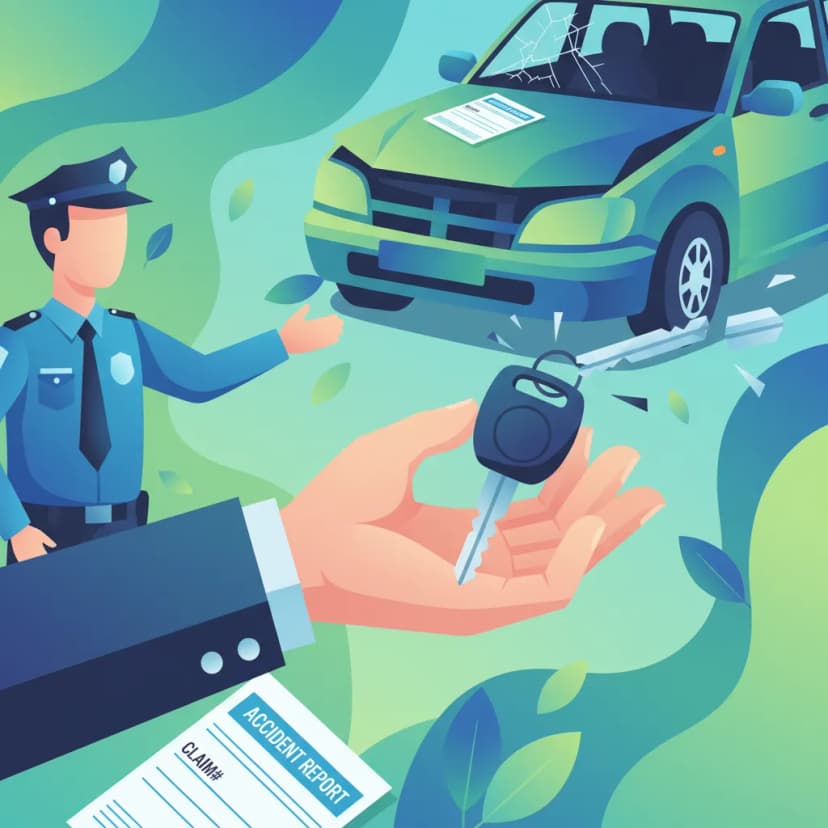
This lesson covers the administrative and legal obligations following a collision. You will learn under which circumstances you are legally required to notify the police, such as when there are injuries or significant property damage. The content details the essential information that must be exchanged between all involved parties—names, contact details, vehicle registration, and insurance information—and the importance of documenting the scene and gathering witness details for insurance claims.
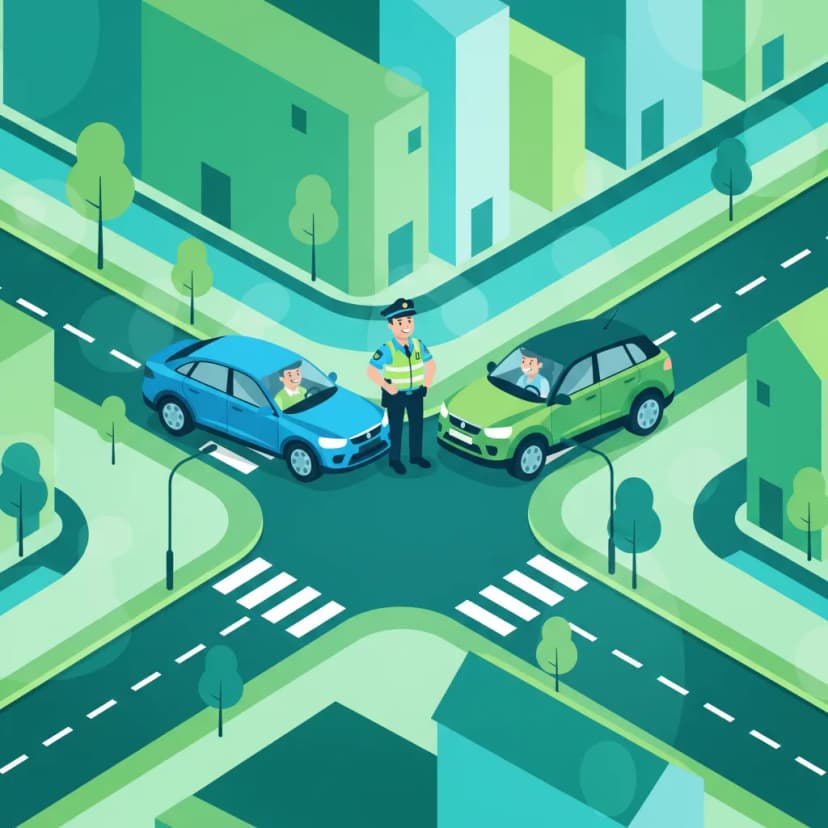
This lesson explains the legal requirements in Sweden for reporting a traffic accident to the police (Polisanmälan). It clarifies in which situations a report is mandatory, such as when there are injuries or significant property damage. The content guides learners on the information they will need to provide for the report and for subsequent insurance claims.
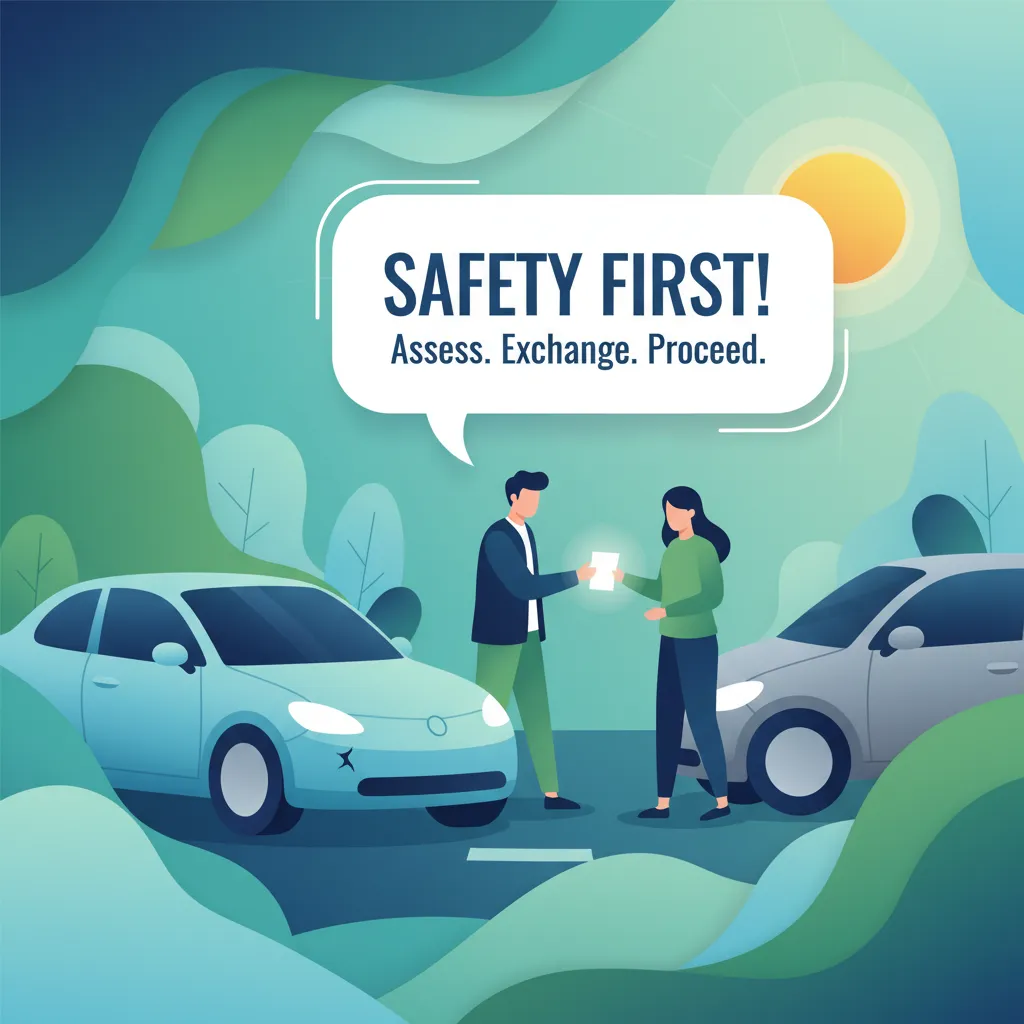
This lesson outlines the immediate, high-priority actions required at an accident scene. You will learn the 'stop, survey, secure' sequence: first, stopping and assessing the situation; second, warning other traffic by using hazard lights and placing a warning triangle; and third, taking steps to prevent further danger, such as switching off ignitions. These initial actions are crucial for the safety of everyone involved and for those approaching the scene.
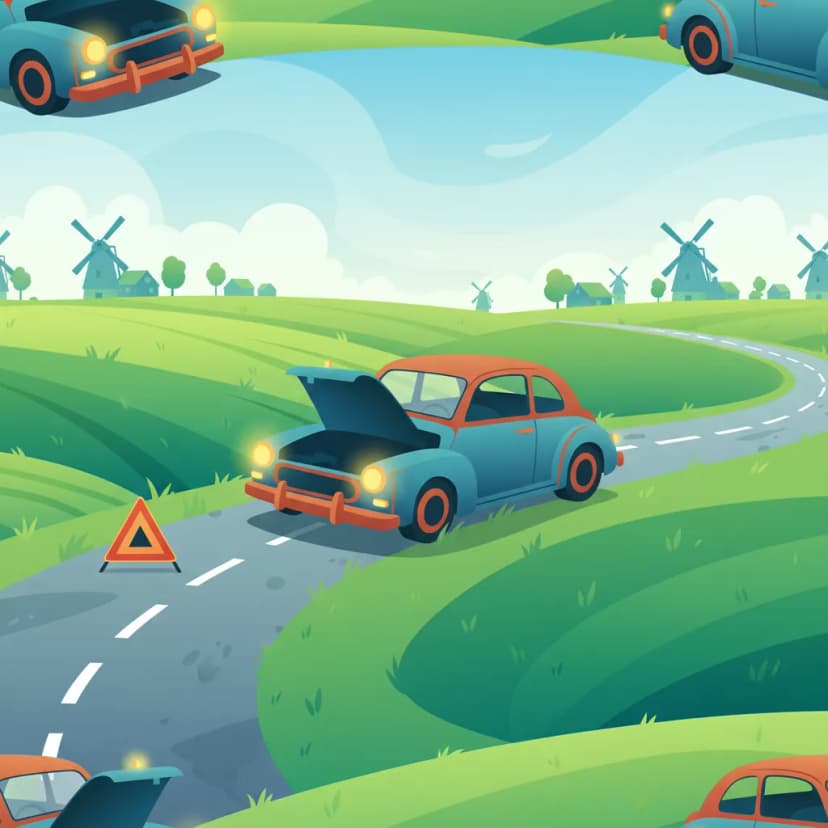
This lesson focuses on the correct use of warning devices to protect an accident or breakdown scene. You will learn to immediately activate your hazard lights (varningsblinkers). The main focus is on the proper placement of the warning triangle, explaining how the distance from the vehicle must be adapted based on the road's speed limit and visibility to give oncoming drivers adequate time to react.
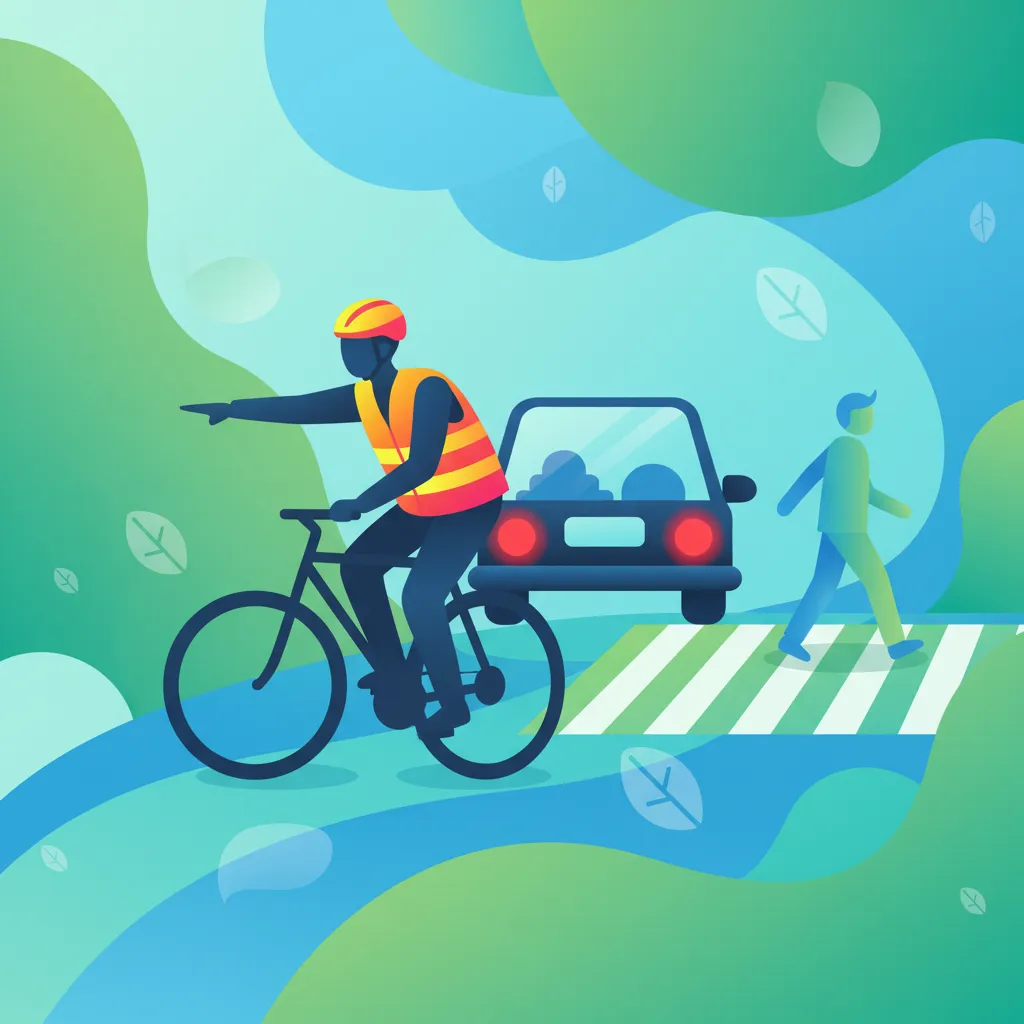
This lesson teaches you how to make an accident scene as safe as possible for yourself, any other involved parties, and approaching traffic. You will learn the correct use of hazard lights, the placement of warning triangles, and the importance of wearing a high-visibility vest. The content also covers how to identify and manage immediate post-crash hazards, such as spilled fuel or unstable vehicles, to prevent the situation from worsening.
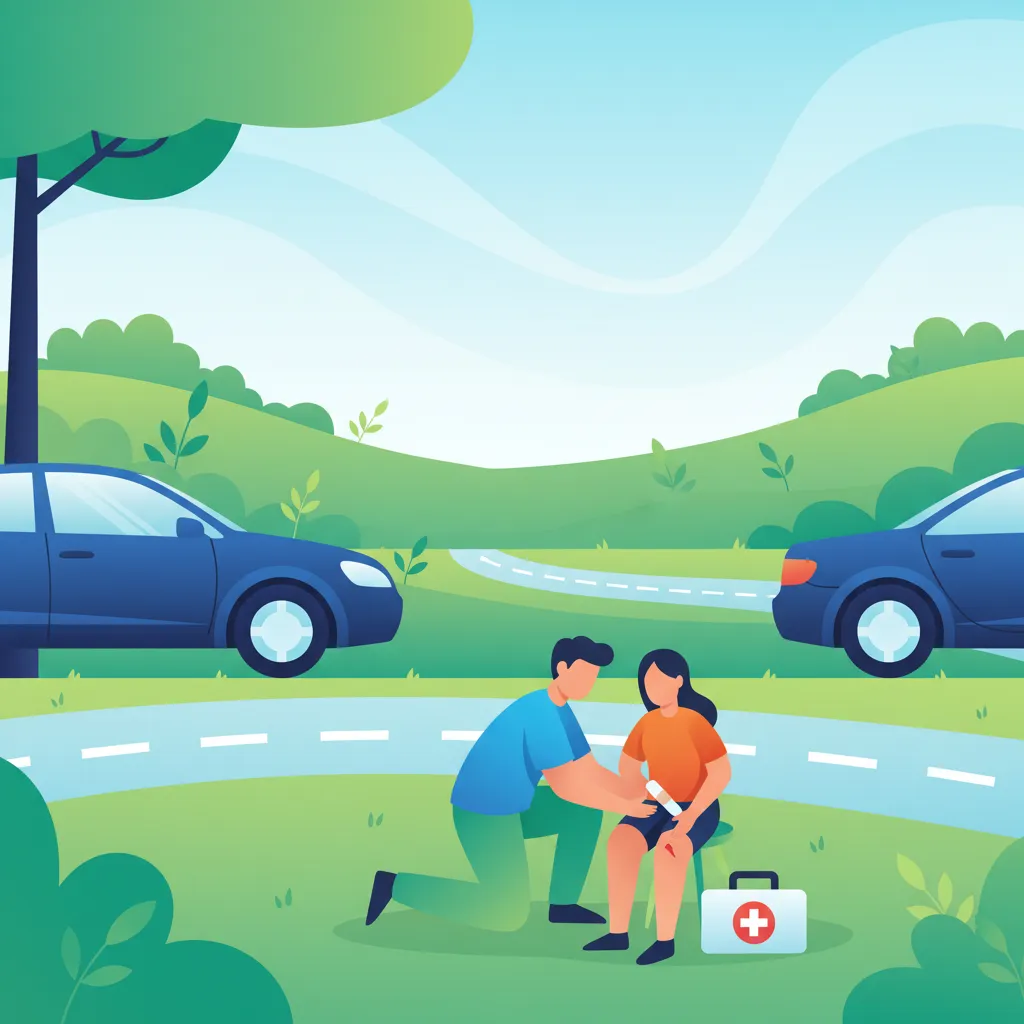
This lesson covers the basics of providing first aid in an emergency, which is a legal duty for anyone arriving at an accident scene. You will be introduced to the L-ABCDE mnemonic (Life-threatening situation, Airway, Breathing, Circulation, Disability, Exposure) as a way to systematically assess and prioritize injuries. The content emphasizes that the most important role is often to ensure the person is breathing and to follow the instructions of the emergency operator until professional help arrives.
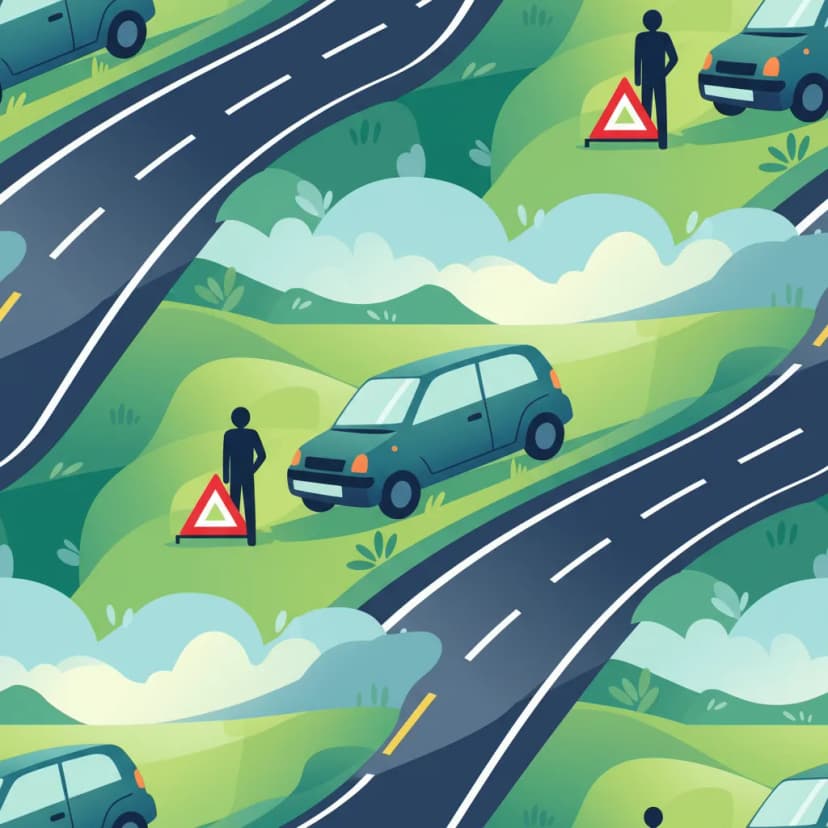
This lesson provides a safety protocol for dealing with a vehicle breakdown. You will learn the importance of trying to move the vehicle as far off the road as possible, preferably onto the shoulder or into an emergency lay-by. The lesson stresses that on high-traffic roads, the occupants' personal safety is the top priority; this involves wearing a reflective vest and waiting for assistance in a safe location away from the vehicle and the flow of traffic.

This lesson provides a clear, step-by-step guide for what to do in the immediate aftermath of a collision. It prioritizes safety by explaining how to secure the scene to prevent further incidents. The content covers the importance of checking for injuries, calling for emergency help if needed, and remaining calm while fulfilling initial legal obligations.
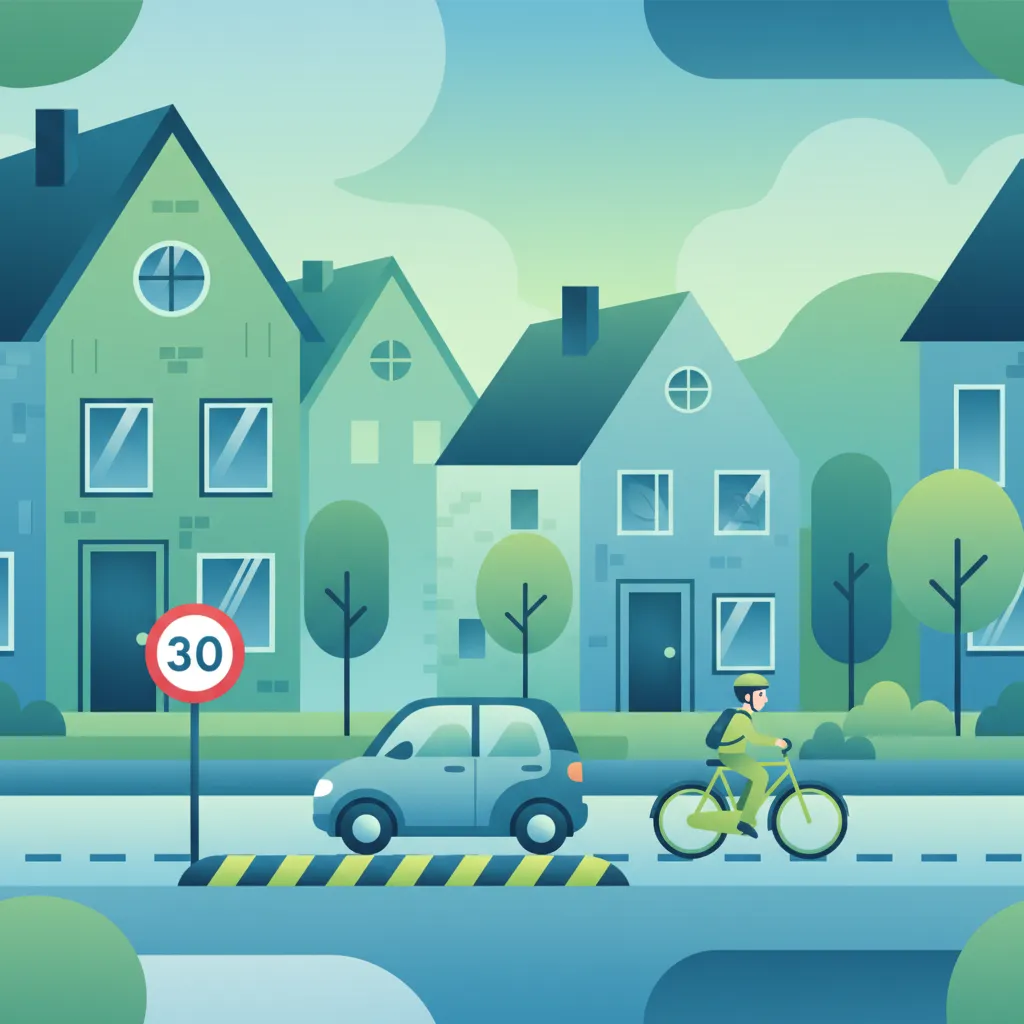
This lesson focuses on the high level of caution required when driving in residential areas. You will learn about the rules for special zones like 'gångfartsområde' (walking speed area) and the need to navigate around speed calming measures like speed bumps. The central theme is anticipating unpredictable behavior from residents, especially children, and managing the risks posed by parked cars that severely limit visibility.

This lesson covers the essential topic of communication in traffic using the vehicle's built-in signaling devices. You will learn the rules for using your turn indicators (körriktningsvisare) in good time before turning or changing lanes. The content also explains the proper use of hazard lights (varningsblinkers) in emergency situations and the very limited, specific circumstances in which using the horn (ljudsignal) is permitted to avert immediate danger.
Discover essential techniques for gathering evidence at an accident scene, including taking effective photographs and collecting witness information. This lesson supports accurate reporting for insurance claims and any necessary legal follow-up according to Swedish regulations.
This lesson outlines the immediate, high-priority actions required at an accident scene. You will learn the 'stop, survey, secure' sequence: first, stopping and assessing the situation; second, warning other traffic by using hazard lights and placing a warning triangle; and third, taking steps to prevent further danger, such as switching off ignitions. These initial actions are crucial for the safety of everyone involved and for those approaching the scene.
This lesson covers the administrative and legal obligations following a collision. You will learn under which circumstances you are legally required to notify the police, such as when there are injuries or significant property damage. The content details the essential information that must be exchanged between all involved parties—names, contact details, vehicle registration, and insurance information—and the importance of documenting the scene and gathering witness details for insurance claims.
This lesson teaches you how to make an accident scene as safe as possible for yourself, any other involved parties, and approaching traffic. You will learn the correct use of hazard lights, the placement of warning triangles, and the importance of wearing a high-visibility vest. The content also covers how to identify and manage immediate post-crash hazards, such as spilled fuel or unstable vehicles, to prevent the situation from worsening.
This lesson focuses on the correct use of warning devices to protect an accident or breakdown scene. You will learn to immediately activate your hazard lights (varningsblinkers). The main focus is on the proper placement of the warning triangle, explaining how the distance from the vehicle must be adapted based on the road's speed limit and visibility to give oncoming drivers adequate time to react.
This lesson covers the basics of providing first aid in an emergency, which is a legal duty for anyone arriving at an accident scene. You will be introduced to the L-ABCDE mnemonic (Life-threatening situation, Airway, Breathing, Circulation, Disability, Exposure) as a way to systematically assess and prioritize injuries. The content emphasizes that the most important role is often to ensure the person is breathing and to follow the instructions of the emergency operator until professional help arrives.
This lesson explains the legal requirements in Sweden for reporting a traffic accident to the police (Polisanmälan). It clarifies in which situations a report is mandatory, such as when there are injuries or significant property damage. The content guides learners on the information they will need to provide for the report and for subsequent insurance claims.
This lesson provides a clear, step-by-step guide for what to do in the immediate aftermath of a collision. It prioritizes safety by explaining how to secure the scene to prevent further incidents. The content covers the importance of checking for injuries, calling for emergency help if needed, and remaining calm while fulfilling initial legal obligations.
This lesson focuses on the high level of caution required when driving in residential areas. You will learn about the rules for special zones like 'gångfartsområde' (walking speed area) and the need to navigate around speed calming measures like speed bumps. The central theme is anticipating unpredictable behavior from residents, especially children, and managing the risks posed by parked cars that severely limit visibility.
This lesson provides a safety protocol for dealing with a vehicle breakdown. You will learn the importance of trying to move the vehicle as far off the road as possible, preferably onto the shoulder or into an emergency lay-by. The lesson stresses that on high-traffic roads, the occupants' personal safety is the top priority; this involves wearing a reflective vest and waiting for assistance in a safe location away from the vehicle and the flow of traffic.
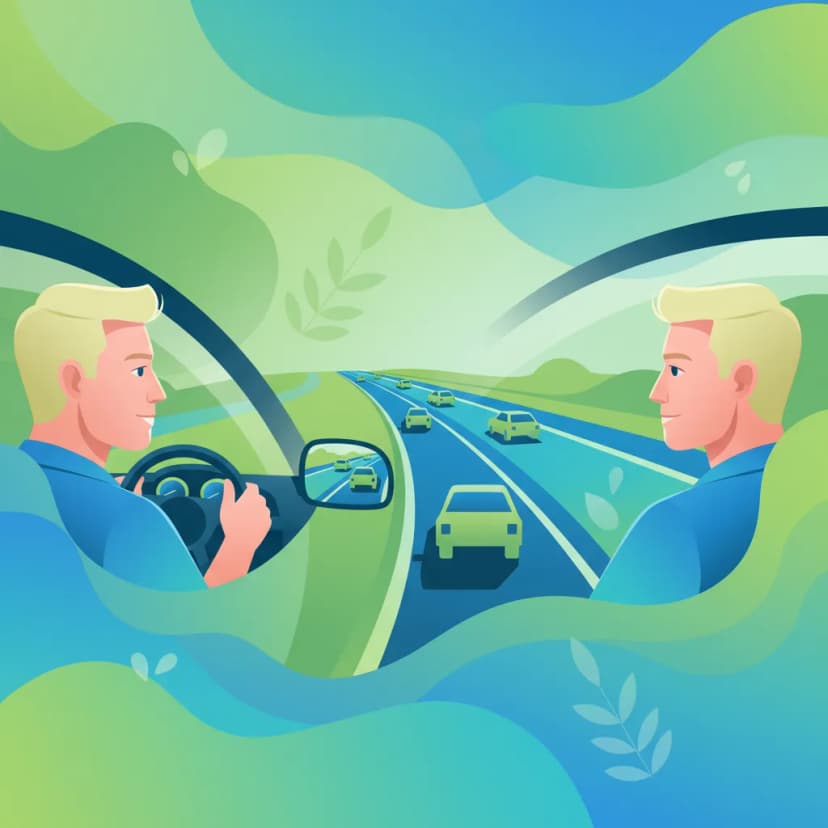
This lesson focuses on creating a complete awareness of the traffic situation around your vehicle. You will learn the correct procedure for using your interior and side mirrors in a continuous scanning pattern. Crucially, the lesson explains what the blind spot (döda vinkeln) is, where it is located, and why a physical head check over the shoulder is a non-negotiable safety step before any lateral movement like changing lanes or turning.
Find clear answers to common questions learners have about Reporting Accidents to Authorities and Insurance Companies. Learn how the lesson is structured, which driving theory objectives it supports, and how it fits into the overall learning path of units and curriculum progression in Sweden. These explanations help you understand key concepts, lesson flow, and exam focused study goals.
In Sweden, you are legally required to report a motorcycle accident to the police if anyone has been injured, if the accident has caused significant damage to property other than the vehicles involved, or if you suspect that the other party is under the influence of alcohol or drugs. For minor fender-benders where no one is hurt and damage is limited to the vehicles, exchanging information is usually sufficient, but reporting is always recommended if there is any doubt or dispute.
It's crucial to exchange contact details, including name, address, and phone number. You should also note down the other party's vehicle registration number, insurance company, and policy number if available. If there were witnesses, try to get their contact information as well. Having this information readily available is essential for insurance claims and accident reports.
Documenting the scene with photographs is highly important. Photos can capture the position of vehicles, road conditions, traffic signs, and any damage sustained by the vehicles or property. This visual evidence is invaluable for insurance adjusters and can help clarify fault or circumstances, especially if there are discrepancies between parties later on.
When reporting to your insurance company, provide all details of the accident, including the date, time, and location. Give them the contact and insurance information of all involved parties, a description of what happened, and details of any injuries or damages. If you have photos or witness statements, make sure to submit them as well. Honesty and completeness are key.
Failing to report a motorcycle accident to the authorities when legally required can have serious consequences. This may include fines, penalty points on your licence, or even more severe legal penalties depending on the circumstances of the accident. It can also complicate or void any insurance claims you might have.