This lesson covers your legal rights and responsibilities when interacting with Swedish law enforcement, a crucial topic for responsible motorcycle riding and the Category A theory exam. Understanding these procedures ensures that any encounter, such as a traffic stop, is handled calmly and correctly by both you and the officers. We will guide you through providing necessary documentation and complying with lawful requests while respecting your rights.

As a motorcycle rider in Sweden, understanding your legal rights and obligations during interactions with law enforcement is crucial. These encounters, such as a routine traffic stop, are governed by a specific legal framework designed to balance road safety with individual civil liberties. This lesson, part of your Swedish Motorcycle Theory Course, clarifies what you can expect, what is required of you, and how to ensure any interaction is handled professionally and calmly.
Being prepared not only helps you navigate these situations smoothly but also prevents potential misunderstandings or legal complications. We will delve into the Swedish laws that define police powers, your entitlements as a rider, and the correct procedures for presenting documentation and communicating with officers.
The core principle governing interactions between a motorcycle rider and law enforcement in Sweden is a delicate balance between the state's authority to ensure road safety and your individual civil liberties, which protect against potential abuse of power. This balance is enshrined in key Swedish legislation, including the Trafikförordningen (Road Traffic Ordinance), the Polislagen (Police Act), and the Rättegångsbalken (Judicial Procedure Act).
Police intervention primarily aims to maintain safety, addressing conduct that poses a threat to yourself or other road users, such as reckless riding or failure to wear a helmet. Clear procedural rules provide legal certainty, ensuring due process and an objective basis for assessing compliance. Transparency, such as your right to request officer identification, builds trust and promotes cooperative interactions. This foundational understanding reinforces previous lessons on mandatory vehicle documentation and traffic law enforcement, providing essential context for accident response and roadside safety.
Every motorcycle rider in Sweden has a legal obligation to carry specific documentation whenever operating a vehicle on public roads. These documents serve as proof of your competence, the legality of your vehicle, and your financial responsibility in case of an incident.
You must have the following documents readily available to present upon demand by a police officer or other authorized traffic law enforcement officer (TLEO):
While Sweden is increasingly digital, the general rule is that you must be able to present documents instantly and legibly. Digital copies on a smartphone are accepted only if they can be displayed clearly and, if applicable, allow the officer to immediately verify authenticity (e.g., via a QR code or direct access to a verifiable digital platform). The officer must be able to confirm the information without handling your personal device for extended periods. It is always safest to carry physical copies of essential documents if you are unsure about digital acceptance in a specific situation.
Always ensure your physical documents are stored in a waterproof pouch or secure wallet on your motorcycle. For digital documents, ensure your phone is charged and the files are easily accessible.
Failure to produce any of the mandatory documents upon a lawful request can lead to immediate consequences. These may include a fine, a temporary prohibition from continuing your journey until valid documents are presented, or even the impoundment of your vehicle in serious cases. Compliance does not waive your right to appeal a fine later, but non-compliance at the scene can complicate matters significantly.
Law enforcement officers in Sweden possess specific legal powers to stop, question, and inspect vehicles. Understanding these powers and the expected procedure for a traffic stop can help ensure a smooth and respectful interaction.
Police and authorized traffic law enforcement officers (TLEOs) may stop any vehicle, including motorcycles, under several circumstances:
When an officer signals you to stop, your primary duty is to pull over safely and promptly. This involves:
Acknowledge the police signal promptly and safely.
Indicate your intention to pull over using your turn signal.
Find the nearest safe and legal place to stop your motorcycle.
Turn off your engine, remove keys from the ignition, and put the kickstand down.
Keep your hands visible on the handlebars or in plain sight.
Wait for the officer to approach and speak to you.
Remove your helmet only if explicitly asked by the officer.
During a traffic stop, officers are legally authorized to make several requests. You have a duty to comply with these requests if they are lawful:
It is important to differentiate between lawful requests and unlawful demands. If you believe a request is outside the scope of the officer's authority, you may politely ask for clarification or the legal basis, but outright refusal without valid grounds can lead to further penalties.
While you have obligations, you also possess fundamental rights that protect you during interactions with law enforcement. Knowing these rights empowers you and helps ensure fair treatment.
You have the right to know the identity of the officer stopping you and the legal basis for the stop. This promotes transparency and accountability.
This right does not delay the stop or constitute non-compliance. It is a standard part of a professional interaction. If you feel an officer has acted improperly, this information is vital for filing a complaint or appeal.
Under Swedish law, you have a right against self-incrimination. This means you are not obliged to answer questions that are not directly related to your identity, the mandatory documentation, or the alleged offence itself.
While you have the right to remain silent, refusing to answer questions directly related to a suspected offence, such as alcohol consumption, may give the officer reasonable grounds to proceed with further tests, like a breathalyzer. This is not the same as refusing a lawful test itself, which carries penalties.
If a traffic stop escalates to a point where you are detained (i.e., you are no longer free to leave), you gain additional rights:
These rights are fundamental to ensuring due process and fair treatment, especially in more serious situations like suspected driving under the influence (DUI).
While your rights protect you, your obligations ensure the safety and effectiveness of law enforcement. Complying with lawful requests is paramount.
During a traffic stop, you are legally obliged to obey instructions from police officers that fall within their authority. This includes:
Refusal to comply with a lawful police order can lead to severe consequences. This is considered "obstruction of justice" or "hindrance of public official," which is a criminal offence under the Brottsbalken (Penal Code).
It is always better to comply with lawful requests and, if you believe your rights have been violated, address the matter through formal appeal procedures rather than at the scene.
Several specific Swedish laws and regulations directly govern rider conduct and police interactions.
The primary Swedish legal instrument regulating traffic on public roads, covering everything from rules of the road to vehicle requirements and driver obligations.
The Trafikförordningen stipulates that a rider must have a valid driving licence and vehicle registration certificate on board the vehicle. This is fundamental for proving legal competence and vehicle legitimacy.
The Swedish law that defines the powers and duties of the police, including their authority to intervene, stop vehicles, and conduct investigations.
The Polislagen grants police the authority to stop any vehicle for law enforcement purposes, including routine checks or based on reasonable suspicion of a crime or traffic offence. Crucially, it also mandates that officers identify themselves upon request, ensuring transparency in their actions.
Swedish law requires all motorcyclists and their passengers to wear an approved and properly fastened helmet while riding on public roads. The helmet must meet established safety standards, such as EN-1078 or equivalent international standards.
Officers frequently conduct checks to ensure helmets are certified and worn correctly, with the strap securely fastened. Failure to comply can result in an immediate fine. This rule is in place for your safety, significantly reducing the risk of severe head injuries in a crash.
Police have the authority to request a breathalyzer test if there is reasonable suspicion that a rider is under the influence of alcohol. This is a critical measure to prevent impaired driving, which poses a severe risk to road safety. Refusal to undergo a lawful breath test can lead to immediate penalties, including fines and driving licence suspension, and may result in an immediate court-ordered test. Similar procedures apply if officers suspect drug impairment.
Even experienced riders can make mistakes during a traffic stop, often due to stress or misunderstanding their rights and obligations.
One of the most frequent violations is failing to produce a valid driver's licence or registration certificate promptly. Riders might claim documents are at home, in a digital format they cannot access, or simply refuse to retrieve them. This hinders the officer's ability to verify basic legal requirements and leads to fines.
Refusing to remove your helmet when asked, or declining a lawful request for a breath test, constitutes non-compliance. While you might feel such requests are intrusive, they are often within the officer's legal authority to ensure safety and verify compliance. Such refusals can escalate the situation and incur additional penalties for obstruction.
Presenting false information or falsified documents is a serious criminal offence, not just a traffic violation. This can lead to criminal charges, significant fines, and potential imprisonment. Always provide genuine information and documentation.
A common misunderstanding is aggressively questioning an officer's authority or demanding a full legal explanation on the spot for minor infringements. While you have the right to information, such behaviour can be perceived as uncooperative, potentially leading to a more thorough inspection or additional citations. Keep interactions polite and professional.
The procedures and focus of a traffic stop can vary depending on the specific circumstances.
During adverse weather conditions (rain, snow, fog) or at night, officers may place a greater emphasis on checking your motorcycle's lighting, reflective gear, and the general roadworthiness of your vehicle. They may also be stricter regarding helmet strap security, as conditions can increase crash severity. Your obligation to ensure proper visibility and equipment is heightened.
On motorways, officers will typically instruct you to pull over to the hard shoulder for safety reasons due to high traffic speeds. In urban areas, a stop might occur at the curb or a designated safe pull-over spot. Always follow the officer's specific instructions regarding where to stop.
If you are riding with a learner's permit (körkortstillstånd), specific rules apply. You must be accompanied by a qualified supervising rider (unless your permit allows solo riding under specific conditions, which is rare for motorcycles), and your motorcycle must display the appropriate "L" plate. Police will verify the presence and qualifications of your supervising rider. Violations of learner permit conditions can lead to severe penalties for both the learner and the supervisor.
Law enforcement officers in Sweden are obligated to make reasonable accommodations for riders with physical disabilities, such as allowing extra time to produce documents. For non-Swedish speaking riders, the right to an interpreter ensures that instructions and information are clearly understood, preventing misunderstandings that could lead to non-compliance.
A fundamental principle of Swedish law enforcement is proportionality and non-discrimination. This means that enforcement actions must be proportionate to the alleged offence, and officers must apply the law without bias or discrimination based on age, gender, ethnicity, religion, disability, or any other protected characteristic.
If you believe you have been subjected to disproportionate or discriminatory treatment, you have the right to file a complaint with the police internal affairs or the relevant oversight body.
Your behaviour during a traffic stop can have significant ripple effects on your riding future and legal standing.
Conversely, non-compliance, refusal to obey lawful orders, or attempting to deceive officers can lead to:
Interactions with law enforcement are a normal part of riding a motorcycle on public roads. As a Swedish motorcyclist, being prepared, informed, and respectful of the legal framework is essential. By understanding your rights and fulfilling your obligations, you contribute to road safety, ensure fair treatment, and navigate these encounters calmly and professionally. Always carry your mandatory documents, comply with lawful requests, and know when to assert your rights to information, silence, or legal counsel. Your preparedness is key to a smooth and secure riding experience.
Lesson content overview
Explore all units and lessons included in this driving theory course.
Explore search topics learners often look for when studying Rider Rights, Obligations, and Interaction with Law Enforcement. These topics reflect common questions about road rules, driving situations, safety guidance, and lesson level theory preparation for learners in Sweden.
Browse additional driving theory lessons that cover connected traffic rules, road signs, and common driving situations related to this topic. Improve your understanding of how different rules interact across everyday traffic scenarios.
Clarifies your legal rights and responsibilities during Swedish traffic stops. Learn the correct procedures for providing documentation and communicating with officers, ensuring a professional and lawful encounter. Understand what to do when interacting with law enforcement on your motorcycle.

This lesson explains the process for obtaining the correct category of motorcycle license (Körkort A) in Sweden and the legal necessity of keeping it current. You will learn about the procedures for registering your motorcycle with Transportstyrelsen and the mandatory insurance coverage you must have to legally ride on public roads. Understanding these administrative requirements is the first step to being a fully compliant and responsible vehicle operator.
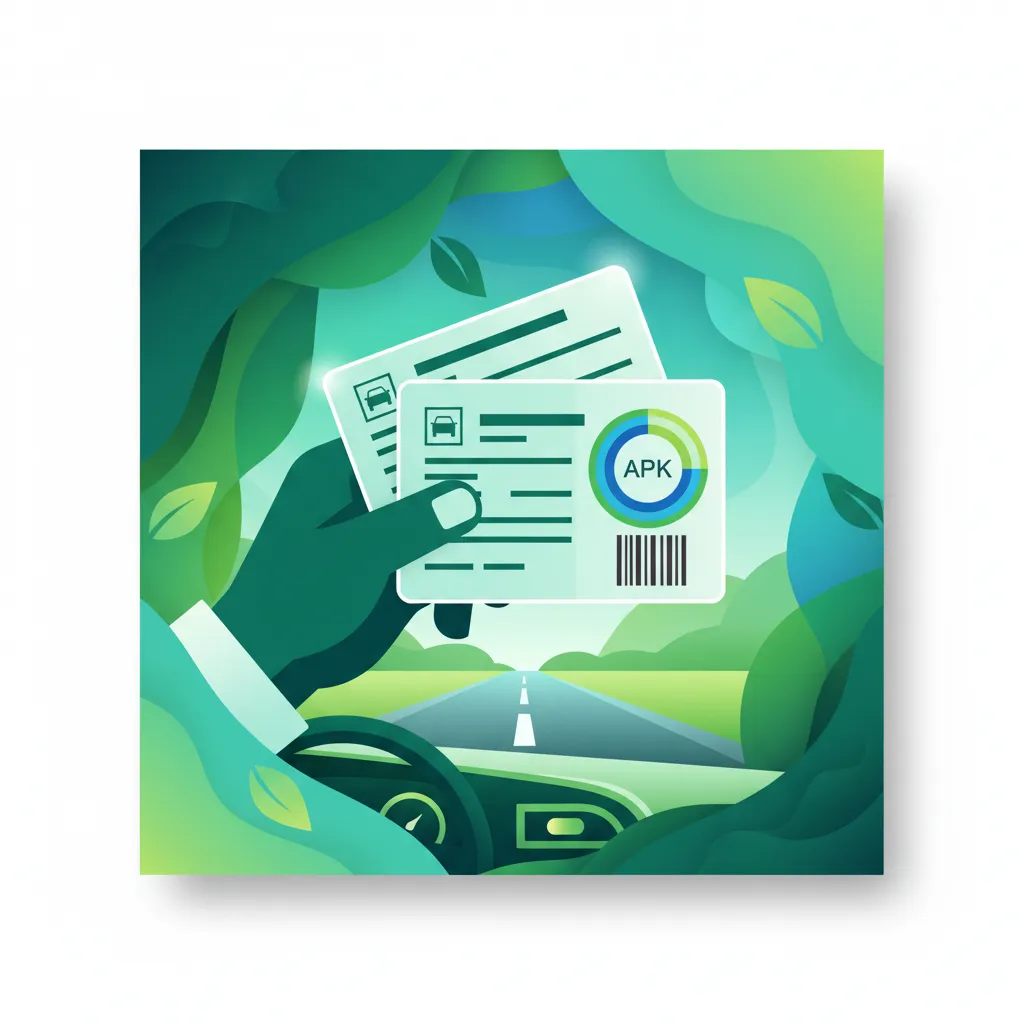
This lesson details the documents you are legally required to carry with you when riding, such as your license and registration certificate. It provides a comprehensive explanation of the mandatory periodic vehicle inspection (besiktning) process in Sweden, outlining what is checked and why it's important for safety. Finally, it reinforces the habit of performing your own pre-ride checks to ensure your motorcycle is always in a safe, roadworthy condition.
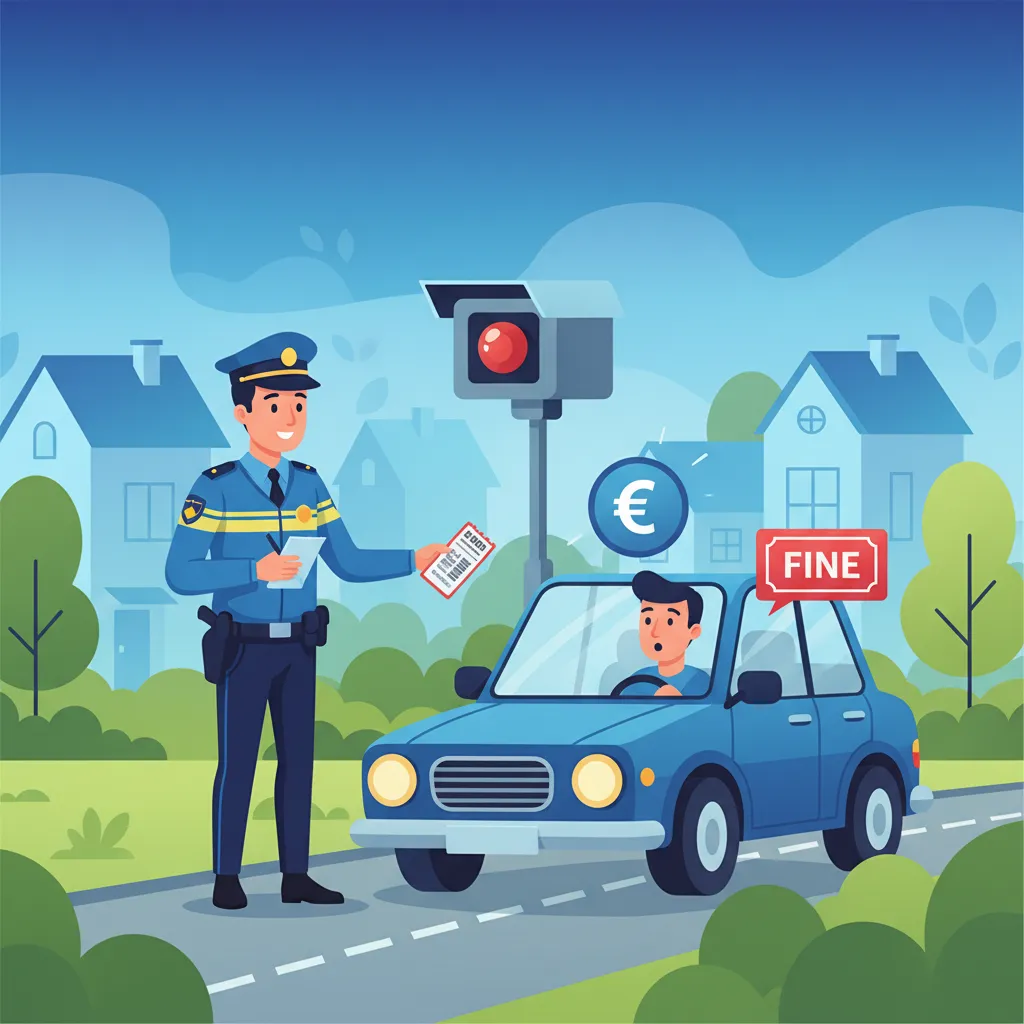
This lesson provides an overview of traffic law enforcement in Sweden, explaining the roles of the police and other authorities. You will learn about the system of penalties for common traffic violations, including the scale of fines (böter) and the conditions under which your license may be suspended. Understanding the legal consequences of unsafe or unlawful riding provides a powerful incentive to always adhere to the rules of the road.

This lesson details the procedural and legal steps for reporting an accident. You will learn when you are legally obligated to report a crash to the police, what information to exchange with other involved parties, and the importance of documenting the scene with photographs and witness details. This information is vital for ensuring any subsequent insurance claims and legal proceedings are handled smoothly and fairly.
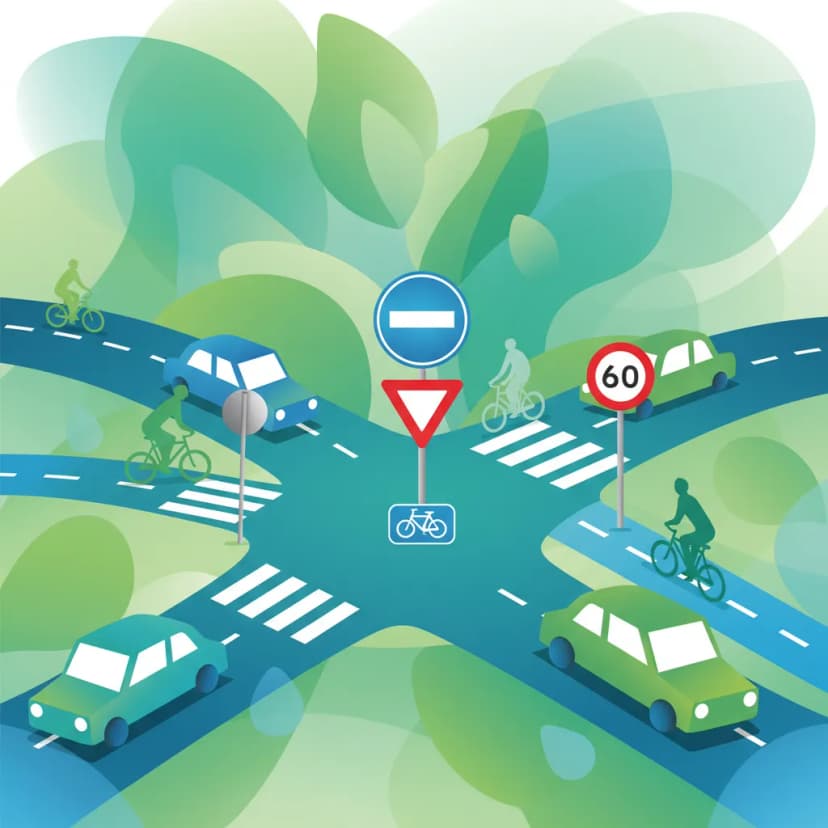
This lesson details the full range of Swedish regulatory signs, which dictate mandatory actions and prohibitions for all road users. You will learn to identify signs that establish speed limits, restrict access, prohibit overtaking, and define parking rules. Understanding these signs is critical for legal compliance and safe interaction with other traffic, as they form the basis of enforceable road law under the Trafikförordning regulations.
This lesson outlines the essential administrative responsibilities of a moped owner and rider. It covers the legal requirement to have valid third-party liability insurance and to ensure the vehicle is properly registered. The content also reminds riders of the documents they must carry with them at all times, such as their driving license and registration certificate.
This lesson explains the legal requirements in Sweden for reporting a traffic accident to the police (Polisanmälan). It clarifies in which situations a report is mandatory, such as when there are injuries or significant property damage. The content guides learners on the information they will need to provide for the report and for subsequent insurance claims.

This lesson explains the two core principles of priority in Swedish traffic law: the right-hand rule (Högerregeln) and the duty to yield (Väjningsplikt). You will learn how to apply the right-hand rule at uncontrolled intersections and when to yield to other traffic as indicated by signs or road markings. Understanding this fundamental hierarchy is crucial for making correct and safe decisions in a wide variety of common traffic situations you will face as a motorcyclist.
This lesson covers the critical maneuvers of overtaking and merging, which require precise judgment and communication. You will learn how to assess traffic speed and gaps, the importance of checking blind spots, and the correct use of signals to indicate your intentions. The content includes procedures for merging onto motorways from an on-ramp and how to perform safe overtaking maneuvers on various types of roads, minimizing risk to yourself and others.

This lesson explains a motorcyclist's legal duty when encountering emergency vehicles with active sirens and lights. You will learn the correct procedure for yielding the right-of-way by safely pulling over and stopping. Additionally, the lesson covers the rules and best practices for sharing the road with public transport like buses and trams, including navigating around bus stops and respecting dedicated lanes, to ensure safety for all road users.
Understand your mandatory documentation requirements and legal obligations as a motorcyclist in Sweden. This lesson details what is needed during traffic stops and lawful requests from police, ensuring you meet all necessary compliance standards for your Category A licence.
This lesson outlines the essential administrative responsibilities of a moped owner and rider. It covers the legal requirement to have valid third-party liability insurance and to ensure the vehicle is properly registered. The content also reminds riders of the documents they must carry with them at all times, such as their driving license and registration certificate.
This lesson details the documents you are legally required to carry with you when riding, such as your license and registration certificate. It provides a comprehensive explanation of the mandatory periodic vehicle inspection (besiktning) process in Sweden, outlining what is checked and why it's important for safety. Finally, it reinforces the habit of performing your own pre-ride checks to ensure your motorcycle is always in a safe, roadworthy condition.
This lesson explains the process for obtaining the correct category of motorcycle license (Körkort A) in Sweden and the legal necessity of keeping it current. You will learn about the procedures for registering your motorcycle with Transportstyrelsen and the mandatory insurance coverage you must have to legally ride on public roads. Understanding these administrative requirements is the first step to being a fully compliant and responsible vehicle operator.
This lesson details the procedural and legal steps for reporting an accident. You will learn when you are legally obligated to report a crash to the police, what information to exchange with other involved parties, and the importance of documenting the scene with photographs and witness details. This information is vital for ensuring any subsequent insurance claims and legal proceedings are handled smoothly and fairly.

This lesson provides a comprehensive guide to the Swedish Category AM theory examination process managed by Transportstyrelsen. It outlines the necessary steps for registration, the specific documentation required such as valid ID and medical certificates, and how to schedule a test at an authorized center. Learners will understand the exam format, scoring system, and the procedures for receiving their license upon successful completion.
This lesson provides an overview of traffic law enforcement in Sweden, explaining the roles of the police and other authorities. You will learn about the system of penalties for common traffic violations, including the scale of fines (böter) and the conditions under which your license may be suspended. Understanding the legal consequences of unsafe or unlawful riding provides a powerful incentive to always adhere to the rules of the road.
This lesson details the full range of Swedish regulatory signs, which dictate mandatory actions and prohibitions for all road users. You will learn to identify signs that establish speed limits, restrict access, prohibit overtaking, and define parking rules. Understanding these signs is critical for legal compliance and safe interaction with other traffic, as they form the basis of enforceable road law under the Trafikförordning regulations.

This lesson serves as a summary of the legal requirements for safety equipment in Sweden. It reiterates the mandatory helmet law for both the rider and any passenger. It also touches on the rider's responsibility to ensure the moped itself is legally equipped with functioning lights, brakes, and other essential safety features, linking personal gear with vehicle roadworthiness.

This lesson clarifies the legal distinction between stopping temporarily and parking. It identifies areas where stopping is prohibited, such as near intersections or on pedestrian crossings, to maintain traffic flow and safety. The content also discusses designated waiting areas at traffic lights, often marked for cyclists and mopeds, which can offer a safer position.

This lesson focuses on the variety of road markings used on Swedish roads and their meaning for motorcyclists. You will learn the difference between solid and broken lines regarding overtaking, how to position yourself correctly at intersections based on markings, and how to interpret symbols painted on the road surface. Adhering to these markings is essential for maintaining correct lane discipline and ensuring predictability for other road users.
Find clear answers to common questions learners have about Rider Rights, Obligations, and Interaction with Law Enforcement. Learn how the lesson is structured, which driving theory objectives it supports, and how it fits into the overall learning path of units and curriculum progression in Sweden. These explanations help you understand key concepts, lesson flow, and exam focused study goals.
According to Swedish law, you must always carry your valid driving licence (körkort) and the vehicle's registration certificate (registreringsbevis). Proof of mandatory traffic insurance (trafikförsäkring) is also required. Ensure these documents are readily accessible for inspection by law enforcement.
You have the right to be treated with respect and to be informed of the reason for the stop. You must comply with lawful requests, such as providing your documentation. If you are unsure about a request or feel it is unlawful, you have the right to politely question it and seek clarification. You also have the right to legal counsel if the situation escalates.
If you do not understand an officer's instructions or request, calmly and politely ask for clarification. For example, you can say, 'Jag förstår inte, kan du förklara igen?' (I don't understand, can you explain again?). It's important to communicate clearly to avoid misunderstandings, but always remain calm and cooperative.
Swedish police have the authority to search a vehicle, including a motorcycle, if there is a reasonable suspicion that it contains illegal items or evidence of a crime. You are generally required to cooperate with such searches. If you believe a search is being conducted without proper grounds, you have the right to note your objections.
The theory exam includes questions assessing your knowledge of legal requirements and responsibilities as a road user. Understanding your rights and obligations during interactions with law enforcement is a key component, ensuring you can respond appropriately in various traffic situations and exam scenarios.