
Welcome to the lesson on protective clothing for Category AM mopeds. While helmets are mandatory, this section dives deeper into the crucial importance of jackets, trousers, gloves, and footwear to ensure your comprehensive safety on Swedish roads. Understanding this is key for both passing your theory exam and riding responsibly.

Lesson content overview
Explore all units and lessons included in this driving theory course.
Explore search topics learners often look for when studying Protective Clothing, Gloves, and Footwear. These topics reflect common questions about road rules, driving situations, safety guidance, and lesson level theory preparation for learners in Sweden.
Browse additional driving theory lessons that cover connected traffic rules, road signs, and common driving situations related to this topic. Improve your understanding of how different rules interact across everyday traffic scenarios.
Understand the specific benefits and types of protective jackets, pants, gloves, and boots for Category AM mopeds. Learn how this gear is crucial for rider safety against abrasion and impact according to Swedish road rules.

This lesson provides a factual look at how protective gear works to reduce or prevent injuries in a crash. It explains the physics of impact absorption and abrasion resistance, using data to illustrate the significant difference in outcomes between riders with and without proper gear. The primary message is that dressing for the fall, not just for the ride, is a critical component of risk management.
This lesson focuses on the single most important piece of safety gear: the helmet. You will learn about the legal standards helmets must meet in Sweden (e.g., ECE ratings) and how to ensure a proper fit. The content also covers the full range of personal protective equipment (PPE), including jackets, pants, gloves, and boots, explaining the importance of abrasion resistance, impact armor, and high-visibility features for rider protection.
This lesson serves as a summary of the legal requirements for safety equipment in Sweden. It reiterates the mandatory helmet law for both the rider and any passenger. It also touches on the rider's responsibility to ensure the moped itself is legally equipped with functioning lights, brakes, and other essential safety features, linking personal gear with vehicle roadworthiness.

This lesson provides practical advice on selecting the appropriate riding gear for the diverse Swedish seasons. You will learn about the importance of layering for warmth in the cold, ventilated gear for summer heat, and effective waterproofs for rain. The content emphasizes how the right equipment not only keeps you comfortable and focused but also provides crucial protection and enhances your visibility to other road users, making it a critical component of overall motorcycle safety.

This lesson covers the legal requirement to wear a certified helmet while riding a moped in Sweden. It explains how to identify helmets that meet the approved EU standards (e.g., ECE 22.05 marking) and the critical importance of a correct, snug fit. The content also discusses different helmet types and the need to replace a helmet after an impact or after its recommended lifespan.
This lesson addresses the severe dangers of riding a moped in snow and icy conditions. It explains how to identify potential hazards like black ice and emphasizes that avoiding riding in such conditions is the safest strategy. For situations where it cannot be avoided, it provides advice on extremely gentle control inputs and vehicle preparation.

This lesson details the specific hazards associated with riding on wet roads, including significantly increased stopping distances and the risk of aquaplaning. It explains how to recognize conditions where aquaplaning is likely and the importance of reducing speed. Riders will learn to use smoother throttle, braking, and steering inputs to maintain traction and control.

This lesson provides an introduction to basic first-aid principles that can be applied at the scene of an accident. It covers critical actions such as assessing a casualty's consciousness, checking for breathing, and controlling severe bleeding. The content also addresses the important question of when and how to safely remove a helmet from an injured rider.
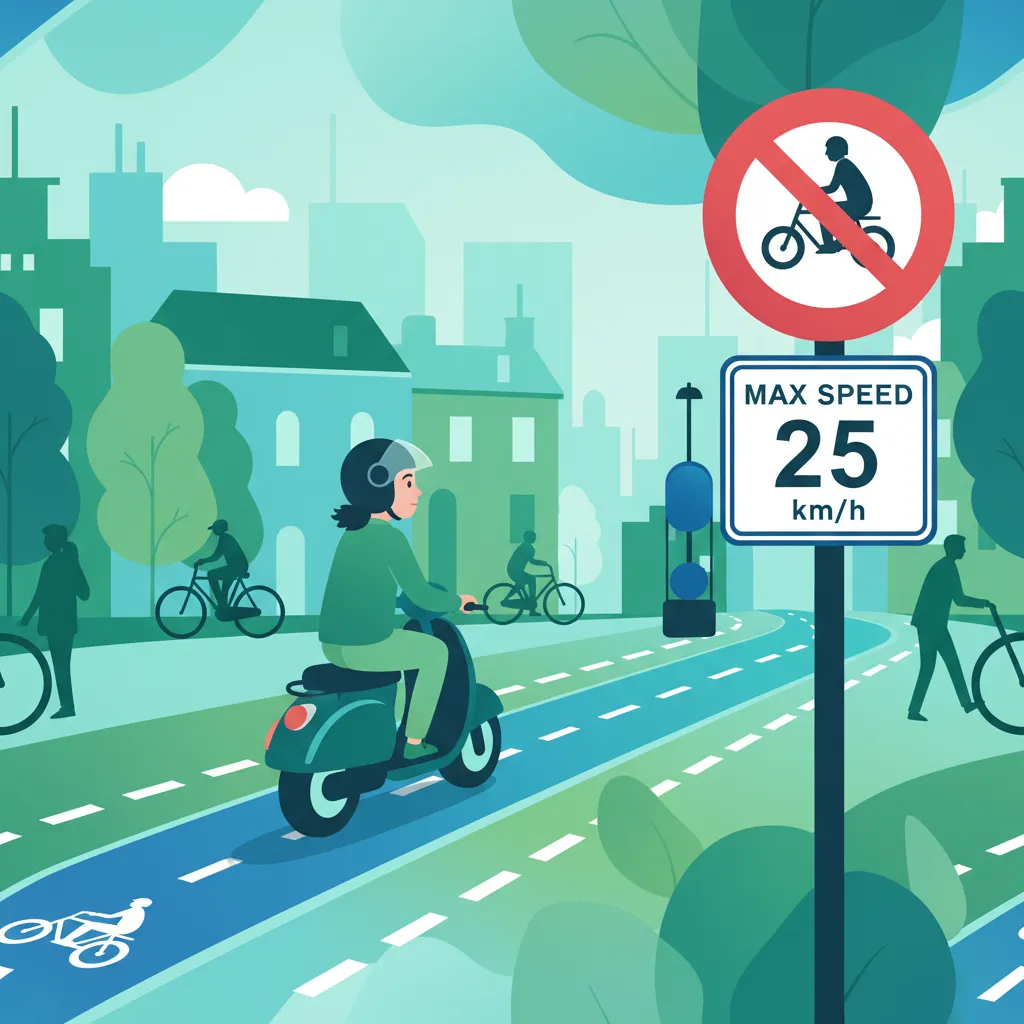
This lesson consolidates the key regulations that apply specifically to moped operation in Sweden. It covers mandatory rules such as speed limits, helmet use, and requirements for vehicle lighting and reflectors. Furthermore, the lesson explains the legal consequences of violations, including the system of fines and potential demerit points, ensuring riders understand their full range of legal responsibilities on the road.
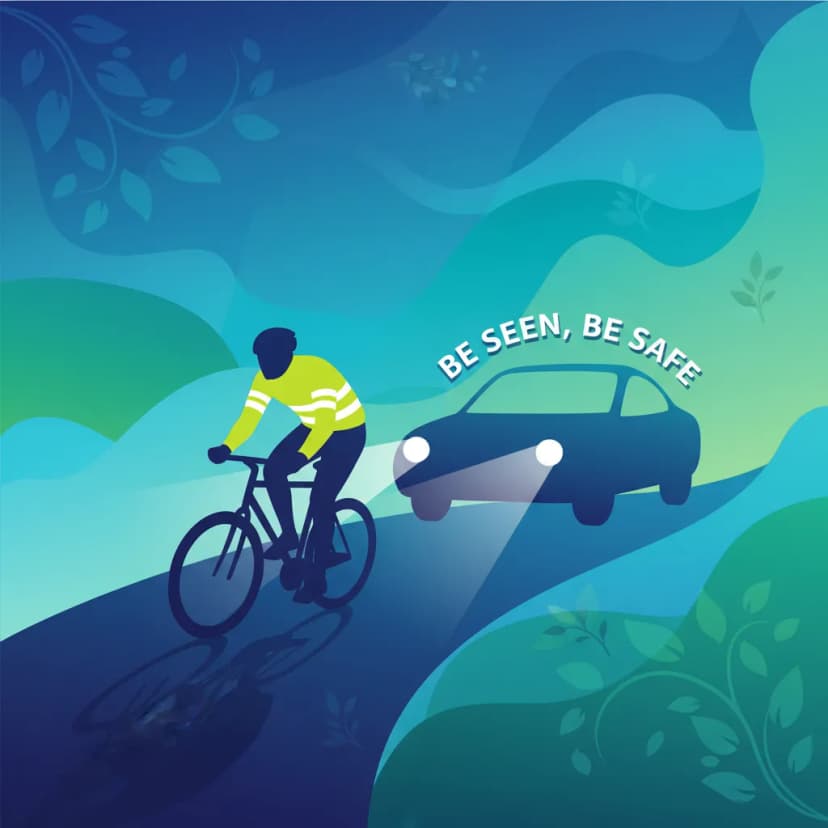
This lesson focuses on proactive strategies to increase a moped rider's visibility to other drivers. It strongly advocates for the use of high-visibility and reflective clothing, helmets, and accessories to stand out in traffic. Additionally, it revisits the concept of lane positioning as a tool to avoid being in other drivers' blind spots and to create a more prominent presence on the road.
Explore the critical role of dedicated protective clothing, including abrasion-resistant materials and impact armor, in preventing serious injuries. This lesson details the importance of proper gloves and boots for comprehensive rider safety.
This lesson provides a factual look at how protective gear works to reduce or prevent injuries in a crash. It explains the physics of impact absorption and abrasion resistance, using data to illustrate the significant difference in outcomes between riders with and without proper gear. The primary message is that dressing for the fall, not just for the ride, is a critical component of risk management.
This lesson addresses the severe dangers of riding a moped in snow and icy conditions. It explains how to identify potential hazards like black ice and emphasizes that avoiding riding in such conditions is the safest strategy. For situations where it cannot be avoided, it provides advice on extremely gentle control inputs and vehicle preparation.
This lesson focuses on proactive strategies to increase a moped rider's visibility to other drivers. It strongly advocates for the use of high-visibility and reflective clothing, helmets, and accessories to stand out in traffic. Additionally, it revisits the concept of lane positioning as a tool to avoid being in other drivers' blind spots and to create a more prominent presence on the road.
This lesson serves as a summary of the legal requirements for safety equipment in Sweden. It reiterates the mandatory helmet law for both the rider and any passenger. It also touches on the rider's responsibility to ensure the moped itself is legally equipped with functioning lights, brakes, and other essential safety features, linking personal gear with vehicle roadworthiness.
This lesson covers the legal requirement to wear a certified helmet while riding a moped in Sweden. It explains how to identify helmets that meet the approved EU standards (e.g., ECE 22.05 marking) and the critical importance of a correct, snug fit. The content also discusses different helmet types and the need to replace a helmet after an impact or after its recommended lifespan.
This lesson details the specific hazards associated with riding on wet roads, including significantly increased stopping distances and the risk of aquaplaning. It explains how to recognize conditions where aquaplaning is likely and the importance of reducing speed. Riders will learn to use smoother throttle, braking, and steering inputs to maintain traction and control.
This lesson focuses on the single most important piece of safety gear: the helmet. You will learn about the legal standards helmets must meet in Sweden (e.g., ECE ratings) and how to ensure a proper fit. The content also covers the full range of personal protective equipment (PPE), including jackets, pants, gloves, and boots, explaining the importance of abrasion resistance, impact armor, and high-visibility features for rider protection.
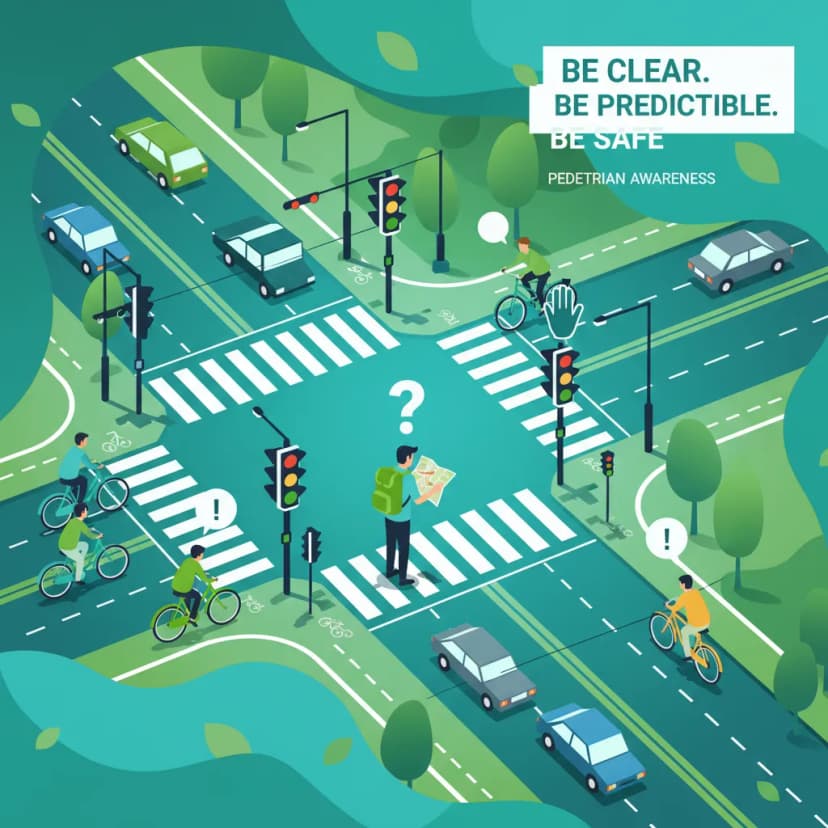
This lesson is dedicated to pedestrian safety, teaching riders to be constantly aware of people on foot, especially in busy urban environments. It reinforces the absolute duty to yield at marked crossings and encourages a cautious approach in areas like schools and shopping districts. The content stresses anticipating unpredictable actions, particularly from children or distracted pedestrians.

This lesson addresses the often-overlooked danger of rider fatigue, which can impair judgment and reaction time as much as alcohol. It provides strategies for managing fatigue, including maintaining a comfortable and ergonomic riding posture, staying hydrated, and taking frequent breaks on longer journeys. The goal is to ensure the rider remains physically and mentally alert at all times.
This lesson provides an introduction to basic first-aid principles that can be applied at the scene of an accident. It covers critical actions such as assessing a casualty's consciousness, checking for breathing, and controlling severe bleeding. The content also addresses the important question of when and how to safely remove a helmet from an injured rider.
Find clear answers to common questions learners have about Protective Clothing, Gloves, and Footwear. Learn how the lesson is structured, which driving theory objectives it supports, and how it fits into the overall learning path of units and curriculum progression in Sweden. These explanations help you understand key concepts, lesson flow, and exam focused study goals.
In Sweden, wearing an approved helmet is mandatory for all moped riders (Category AM). While specific jackets, gloves, and sturdy footwear are not legally mandated by law for Category AM, they are strongly recommended by authorities like Transportstyrelsen. This lesson focuses on why these items are crucial for your safety and often feature in theory exam questions about safe riding practices.
Motorcycle and moped-specific jackets and trousers are typically made from highly abrasion-resistant materials like leather or specialized textiles designed to withstand significant friction against the road surface. They often include built-in armour at key impact zones (shoulders, elbows, back, knees), which helps absorb shock and protect bones during a fall. Regular clothing offers very little protection against road rash and impacts.
Riding gloves protect your hands from abrasions, impacts, and even the elements. Your hands are vital for controlling the moped, and in a fall, they are often the first body part to make contact with the ground. Good gloves offer protection and can also improve grip on the handlebars, especially in wet conditions.
For optimal protection, sturdy boots that cover the ankle are highly recommended. They provide better support to prevent ankle twists or fractures in case of a fall or if the moped tips over. Avoid open-toed shoes, sandals, or lightweight trainers, as they offer minimal protection.
The Swedish AM theory test assesses your understanding of safe riding practices. Questions often cover the use of appropriate safety gear, including helmets, jackets, trousers, gloves, and footwear, to minimise risks. Demonstrating knowledge of why this gear is important shows you understand the principles of defensive and safe moped operation.