Welcome to the lesson on Road Markings Specific to Two-Wheeled Vehicles. This crucial part of the Swedish Motorcycle Theory Course will help you understand the various markings on our roads and how they specifically apply to motorcyclists. Mastering these signals is key to safe riding and is a common topic in the Swedish theory test.

Road markings are an indispensable part of the communication system on Swedish roads, providing critical information that supplements traffic signs and signals. For motorcyclists, interpreting these markings accurately is not just about compliance; it's fundamental to safe riding, correct lane positioning, and predictable interaction with other road users. This lesson, part of your Swedish Motorcycle Theory Course, will guide you through the various types of road markings you will encounter and their specific implications for two-wheeled vehicles.
Misunderstanding a road marking can lead to dangerous situations, such as unintended lane changes, illegal overtaking, or incorrect positioning at intersections, all of which can increase the risk of collision. By mastering the principles outlined here, you will enhance your situational awareness, improve your decision-making on the road, and ensure you adhere to Swedish traffic regulations.
Road markings act as a constant visual guide, helping to define the geometry of the road, regulate permissible maneuvers, and clarify the spatial relationship between all road users. For motorcyclists, whose vehicles have a smaller footprint and greater maneuverability, these visual cues are particularly vital. They help in maintaining correct lane discipline, executing safe overtaking procedures, and navigating complex junctions effectively.
The underlying logic of road markings in Sweden is built on a hierarchy of safety and predictability. Solid lines generally signify a prohibition on crossing, designed to prevent hazardous lane changes in critical areas. Broken lines, conversely, indicate that crossing is permitted, provided it can be done safely and legally. This consistent system allows all road users, including motorcyclists, to anticipate each other's movements, thereby reducing potential conflict points and improving overall traffic flow. Adhering to these legal requirements, as stipulated in the Swedish Road Traffic Ordinance (Trafikförordningen), is essential for avoiding penalties and, more importantly, for ensuring your safety and the safety of others.
Longitudinal lines are painted on the road surface parallel to the direction of traffic and are crucial for defining lanes and regulating movement between them. For motorcyclists, understanding the nuances of these lines is paramount for safe lane positioning and legal overtaking.
A solid white line (held spärrlinje) is a continuous line running parallel to the direction of traffic, typically separating lanes that move in the same direction. It signifies a clear prohibition: no crossing of this line is permitted. This rule, codified in Trafikförordningen 3 kap. 4 §, is in place to prevent dangerous lane changes, particularly in areas where sight distance might be limited or where such movements could create hazards.
While motorcyclists might perceive a wider gap alongside a solid line, attempting to "squeeze" past other vehicles by crossing it is illegal and highly unsafe. The only exceptions to this rule are for emergency avoidance maneuvers where an immediate hazard necessitates crossing to prevent an accident.
In contrast to solid lines, a broken white line (streckad körfältslinje) consists of dashes and indicates that crossing is allowed, provided it is safe to do so. This is the primary marking that permits motorcyclists to change lanes or perform overtaking maneuvers.
There are variations of broken lines:
According to Trafikförordningen 3 kap. 5 §, overtaking is permitted when the line is broken and all safety conditions are met, including sufficient sight distance, no oncoming traffic, and no conflicting traffic from side lanes. It is crucial not to assume that a broken line automatically grants unconditional permission to overtake; a thorough safety assessment is always mandatory before initiating any maneuver.
Always assess the safety of an overtaking maneuver, even if a broken line permits it. Consider your speed, the speed of the vehicle you are overtaking, oncoming traffic, and potential hazards ahead.
A double solid white line (dubbel held spärrlinje) consists of two parallel continuous white lines separating lanes of traffic, usually moving in the same direction. This marking signifies an absolute prohibition: crossing these lines is never allowed under any circumstances.
As stated in Trafikförordningen 3 kap. 6 §, this stringent rule is applied in areas deemed high-risk, such as near major intersections, sharp curves, or tunnels, where any lane deviation could lead to severe consequences. Motorcyclists must understand that even a slight drift over a double solid line is illegal and potentially dangerous.
Sometimes, you will encounter a combination of solid and broken lines running parallel to each other. In such cases, the rule applies to the line closest to your vehicle.
This dynamic system allows for different rules depending on the direction of travel, often seen on roads where overtaking might be safe for traffic moving in one direction but not the other.
Edge markings delineate the outer boundaries of the drivable surface, providing a clear indication of where the road ends. These markings are essential for preventing unintended road departures and for guiding drivers in low visibility.
A continuous white line (held kantlinje) typically marks the outermost edge of the carriageway, separating the main traffic lanes from the shoulder or roadside. Its primary purpose is to define the safe limits of the road.
Under Trafikförordningen 3 kap. 7 §, vehicles must generally remain inside this line. Crossing it is considered a contravention unless absolutely justified, such as for an emergency stop or an avoidance maneuver to prevent a collision. While some motorcyclists might be tempted to ride very close to or on the edge line for perceived better visibility or to create more space, this can be hazardous due to debris, uneven surfaces, or the legal implications of crossing the line.
On some rural roads, you might encounter yellow edge markings instead of white. A continuous yellow edge line indicates a hard shoulder (vägren) that is typically not intended for continuous driving but may be used in specific circumstances, such as pulling over for an emergency. It is critical for motorcyclists to understand that these yellow lines also define the limit of the main carriageway and should not be crossed unless necessary.
Specific road markings are used to designate lanes for particular types of vehicles, aiming to improve safety and traffic flow by segregating different modes of transport. For motorcyclists, recognizing and respecting these markings is crucial.
A dedicated motorcycle lane (MC-körfält or Motorcykelfält) is explicitly reserved for motorcycles. These lanes are typically identified by a painted "MC" symbol or the full word "Motorcykel" on the road surface, often accompanied by a distinct color, such as light blue, though this can vary.
According to Trafikförordningen 2 kap. 12 §, only motorcycles are permitted to occupy these lanes. Other vehicles must stay out. Motorcyclists should always use these designated lanes when available, as they often provide a safer and more efficient route through congested areas. Ignoring an available MC lane to ride in a general traffic lane can be a missed opportunity for safer progress.
Bicycle lanes (cykelbana) are reserved for bicycles and often distinguished by a painted bicycle symbol and a continuous white line. Motorcycles are generally not permitted to ride in bicycle lanes.
Trafikförordningen 2 kap. 4 § stipulates that cyclists have priority in these lanes, and motorcyclists must keep out unless specific signage explicitly indicates a shared-use path (gång- och cykelbana), which is rare for motorized vehicles. Riding in a bicycle lane to bypass congested traffic is illegal, unsafe, and creates significant conflict with vulnerable road users.
Bus lanes (bussfält) are typically reserved for buses and sometimes taxis, identified by a painted bus symbol on the road surface and usually a solid line. Motorcyclists may only use a bus lane if an accompanying traffic sign explicitly indicates shared use, often showing both a bus and a motorcycle symbol.
If no such sign is present, the bus lane is off-limits to motorcycles. Trafikförordningen 2 kap. 13 § warns that unauthorized use of a bus lane can result in fines. It's a common misconception that bus lanes are "free lanes" for all faster vehicles; always verify with signs before entering.
Beyond lines, various symbols painted directly on the pavement provide additional instructions or reinforce existing rules. These are often mandatory and demand immediate compliance.
The abbreviation “NÖ” (No Overtaking, or Förbjudet att köra om) painted on the road surface unequivocally indicates that overtaking is prohibited in that stretch of road. This marking often appears in conjunction with a solid line, but critically, it overrides the status of the line. Even if the line appears broken, if "NÖ" is painted on the road, overtaking is forbidden.
Trafikförordningen 3 kap. 8 § reinforces that no overtaking is allowed where indicated by road markings. Ignoring this symbol, especially in areas with limited sight distance like curves or hill crests, carries a very high risk of head-on collision.
Lane-ending markings consist of large arrow symbols painted on the carriageway, pointing towards the lane that continues, often accompanied by text such as "SLUT" (End) or "KÖRFÄLT UPPHÖR" (Lane Ends). These markings serve as an early warning that a lane is terminating and that traffic must merge into an adjacent lane.
Motorcyclists must heed these warnings and merge safely and predictably into the adjacent lane before the marked end, observing right-of-way rules. Trafikförordningen 3 kap. 9 § mandates that merging be performed safely and without obstructing traffic. Attempting to stay in a lane beyond its marked termination can lead to abrupt and dangerous lane changes.
Turn-arrow pavement markings are large arrows painted on the road surface within a lane, indicating the mandatory direction of travel for vehicles in that specific lane (e.g., right-turn only, left-turn only, or straight ahead). These arrows are often colored white.
Under Trafikförordningen 3 kap. 10 §, motorcyclists must obey the indicated direction. Using a turn-arrow lane to proceed in a different direction (e.g., going straight from a right-turn-only lane) is illegal and can cause significant conflict with other vehicles adhering to the markings.
While not exclusive to motorcyclists, pedestrian crossings (övergångsställe), commonly known as zebra crossings, are marked with broad white stripes across the road. At these markings, pedestrians have absolute priority. Motorcyclists must be prepared to stop and give way to any pedestrian intending to cross, even if a solid line continues through the crossing area. Prioritizing vulnerable road users is always a key safety principle.
Road markings are constant, but their visibility and the conditions under which you must interpret them are not. Motorcyclists must adapt their understanding and response to markings based on environmental factors.
Adverse weather significantly impacts the visibility of road markings. Rain can create reflections that obscure lines, while snow or ice can completely cover them. Reduced tire grip and longer braking distances in these conditions mean that the implications of markings become even more critical.
When markings are difficult to see, motorcyclists must rely more on other cues like road signs, road geometry, and the behavior of other traffic. Overtaking on broken lines in wet or icy conditions requires a much larger safety margin than in dry conditions due to reduced traction.
At night or in low-light conditions, road markings rely heavily on reflectivity to be visible. Many Swedish road markings incorporate reflective road markings (RAB – reflekterande vägmarkeringar), using glass beads or raised elements that reflect motorcycle headlights.
Even with reflective materials, human visual acuity drops significantly at night. Motorcyclists must adapt their speed and positioning, especially where markings may be worn or less visible. Always assume that the legal meaning of a line persists even if it appears faint.
In construction zones (arbetsområden), temporary markings often override permanent ones. These temporary markings are typically yellow or orange and may include special arrows or text like "OMRÄDE" (Area). They indicate altered traffic flow, temporary lane closures, or restricted zones.
Motorcyclists must pay close attention to accompanying temporary signs, as these zones frequently introduce new hazards and reduced speed limits. Overtaking is often prohibited in construction zones, regardless of the temporary line type, to ensure worker safety and manage unpredictable changes in the road.
Adherence to road markings is a fundamental aspect of safe and legal riding. Violating these rules can lead to significant risks and legal consequences.
Effectively navigating the roads as a motorcyclist requires integrating your understanding of road markings with other traffic regulations and your vehicle's dynamics.
Understanding and respecting road markings is not merely about avoiding fines; it is a critical skill for any motorcyclist. It directly contributes to road safety by fostering predictable behavior, reducing conflict points, and helping you make informed decisions in real-time traffic situations.
Lesson content overview
Explore all units and lessons included in this driving theory course.
Explore search topics learners often look for when studying Road Markings Specific to Two-Wheeled Vehicles. These topics reflect common questions about road rules, driving situations, safety guidance, and lesson level theory preparation for learners in Sweden.
Browse additional driving theory lessons that cover connected traffic rules, road signs, and common driving situations related to this topic. Improve your understanding of how different rules interact across everyday traffic scenarios.
Learn the specific meaning of road markings encountered at Swedish junctions, roundabouts, and intersections. This lesson focuses on how lines, symbols, and designated zones guide motorcycle positioning and safe navigation through complex traffic areas.
This lesson provides detailed guidance on navigating complex traffic points such as signalized intersections, multi-lane roundabouts, and pedestrian crossings. You will learn the correct procedures for entering and exiting roundabouts, the specific rules for yielding to pedestrians and cyclists at designated crossings, and how to interpret complex traffic light signals. These skills are vital for safe urban and suburban riding, where interaction with vulnerable road users is frequent.
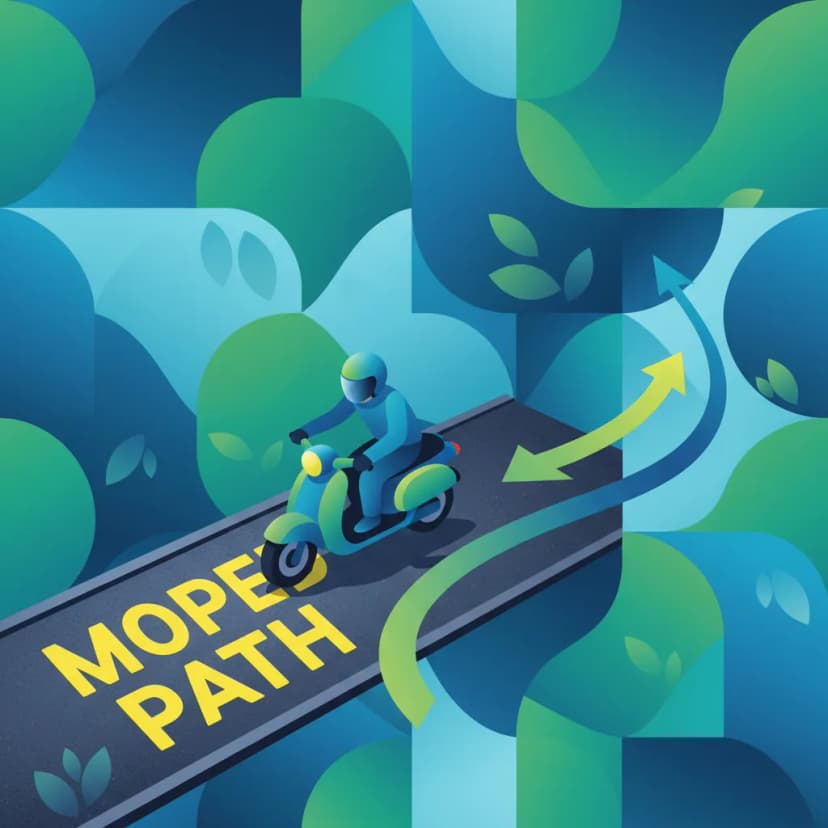
This lesson focuses on the importance of road markings (Vägmarkering) for guiding traffic flow and ensuring safety. It explains the meaning of different line types, such as solid and broken lines, and the function of stop lines and pedestrian crosswalks. The content highlights markings specific to cycle and moped lanes, teaching riders how to correctly position themselves on the road based on these visual cues.
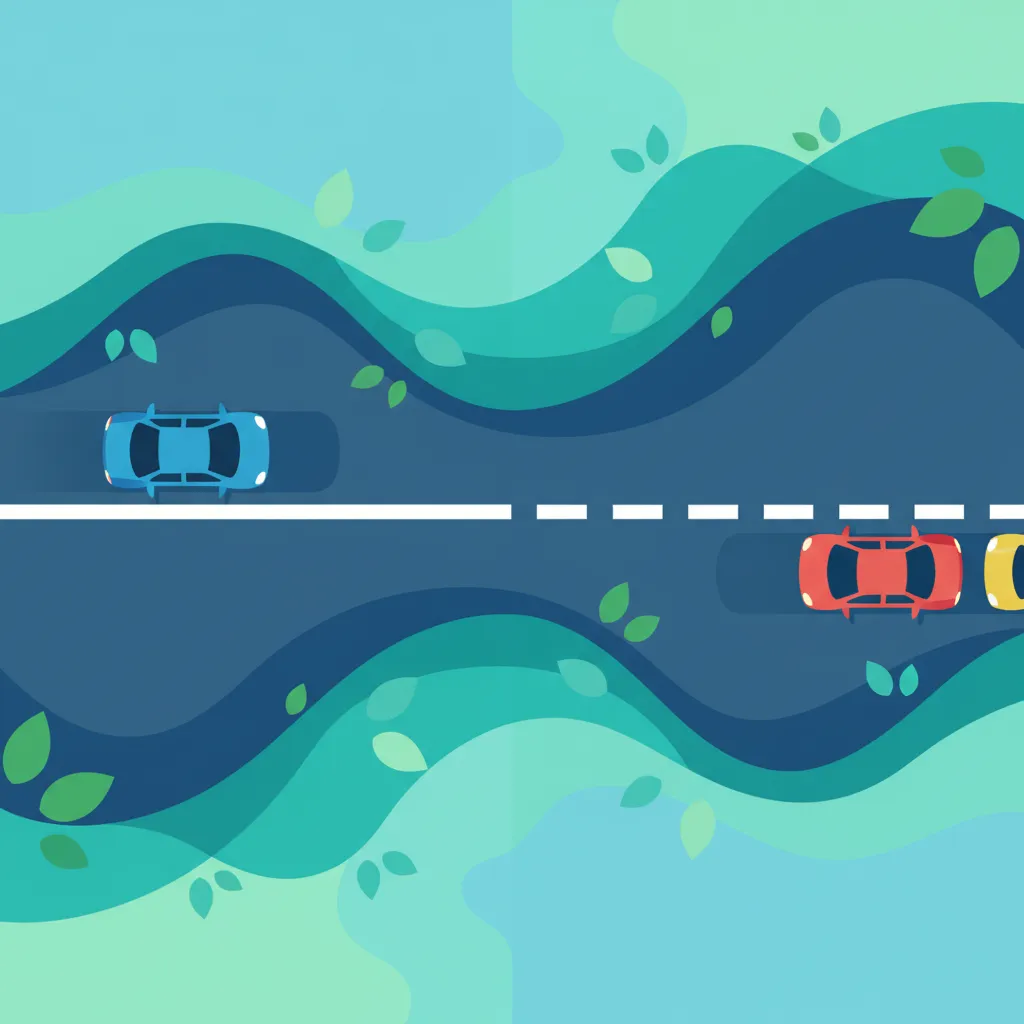
This lesson offers a detailed guide to interpreting the various lines and symbols painted on the road surface. It clarifies the rules associated with solid versus broken lines regarding lane changes and overtaking. The content also explains the function of arrows, stop lines, and other markings that provide crucial positioning and priority information to the rider.

This lesson provides practical instructions for safely navigating different types of intersections and roundabouts. It covers procedures for approaching, entering, and exiting roundabouts, emphasizing the rule to yield to traffic already circulating. The content also addresses how to handle signal-controlled and uncontrolled intersections, ensuring riders select the correct lane and manage their speed appropriately.
This lesson tackles the challenge of navigating some of the most complex road features, such as large multi-lane roundabouts and grade-separated interchanges. You will learn the importance of advance planning, choosing the correct lane on approach, clear signaling, and comprehensive observation to safely move through these busy areas. Mastering these junctions is a key indicator of an advanced and competent rider who can handle any road layout.
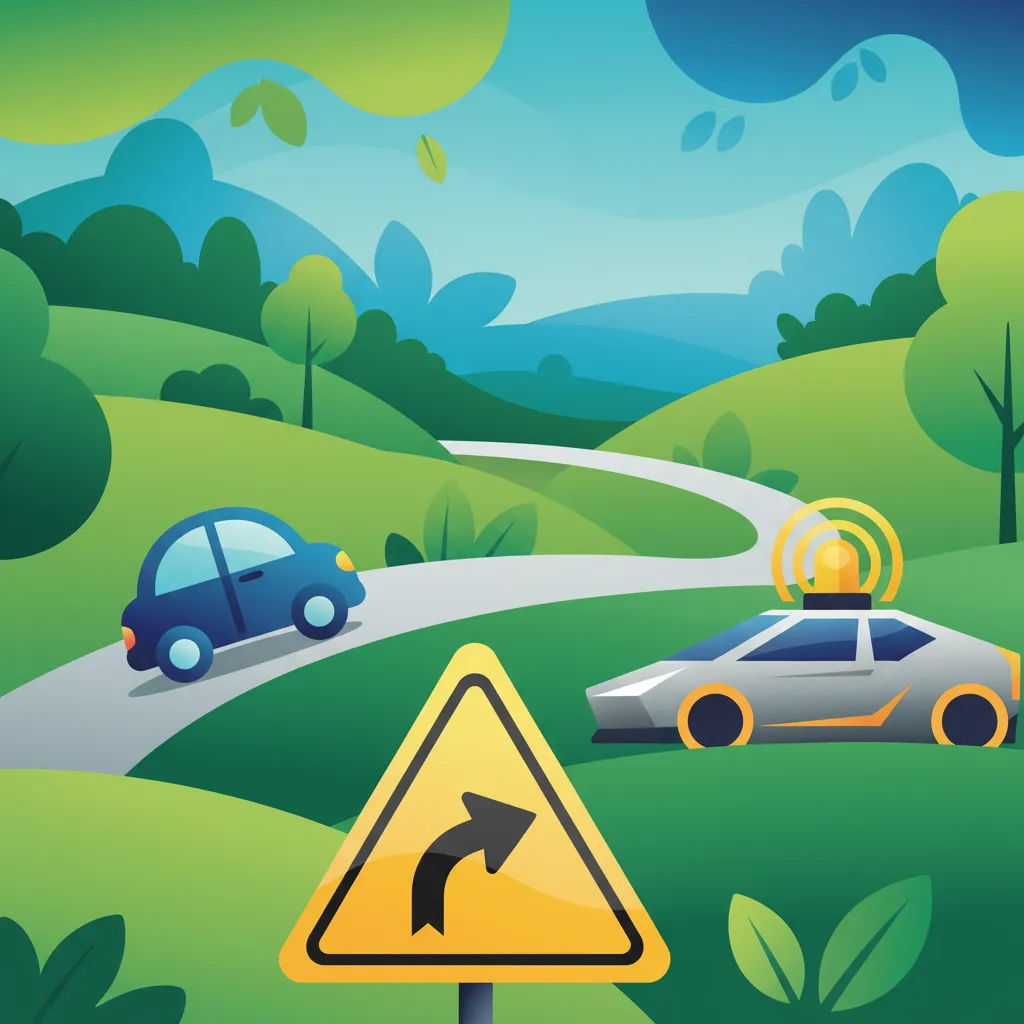
This lesson focuses on Swedish warning signs designed to alert drivers to potential dangers. You will study signs indicating sharp bends, slippery surfaces, animal crossings, and temporary hazards like road construction. Correctly interpreting these signs allows a motorcyclist to proactively adjust speed, lane position, and readiness to react, which is essential for maintaining control and safety, especially in adverse weather or on unfamiliar roads.

This lesson explains how to read and use Swedish informational and directional signs for effective route planning and navigation. You will learn to follow signs for specific destinations, identify road numbers, and recognize indicators for services such as fuel stations and rest areas. For motorcyclists on long journeys, this knowledge is crucial for making timely decisions about lane changes, exits, and stops without causing disruption to traffic flow.
This lesson explains the function and legal significance of various road markings (vägmarkeringar) in Sweden. You will learn the difference between broken lines that permit overtaking and solid lines that forbid it, as well as the meaning of stop lines, pedestrian crossings, and lane direction arrows. These markings work in conjunction with signs to organize traffic flow, separate lanes, and provide critical information directly on the road surface.
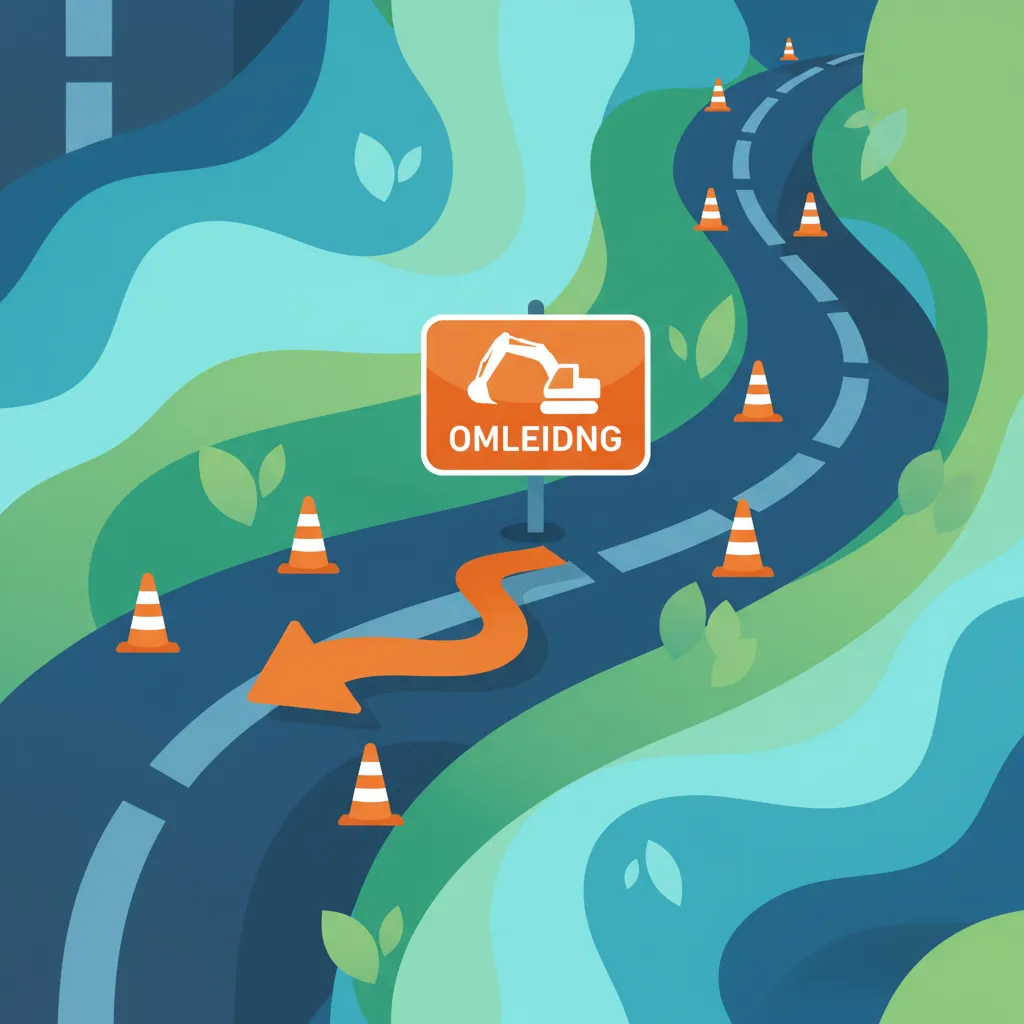
This lesson prepares riders for encountering roadworks, which can introduce temporary and often confusing changes to the road layout. It explains how to interpret the specific orange-colored signs used in these zones, including new speed limits, lane diversions, and warnings about surface hazards. The key takeaway is to reduce speed and increase vigilance when navigating through construction areas.
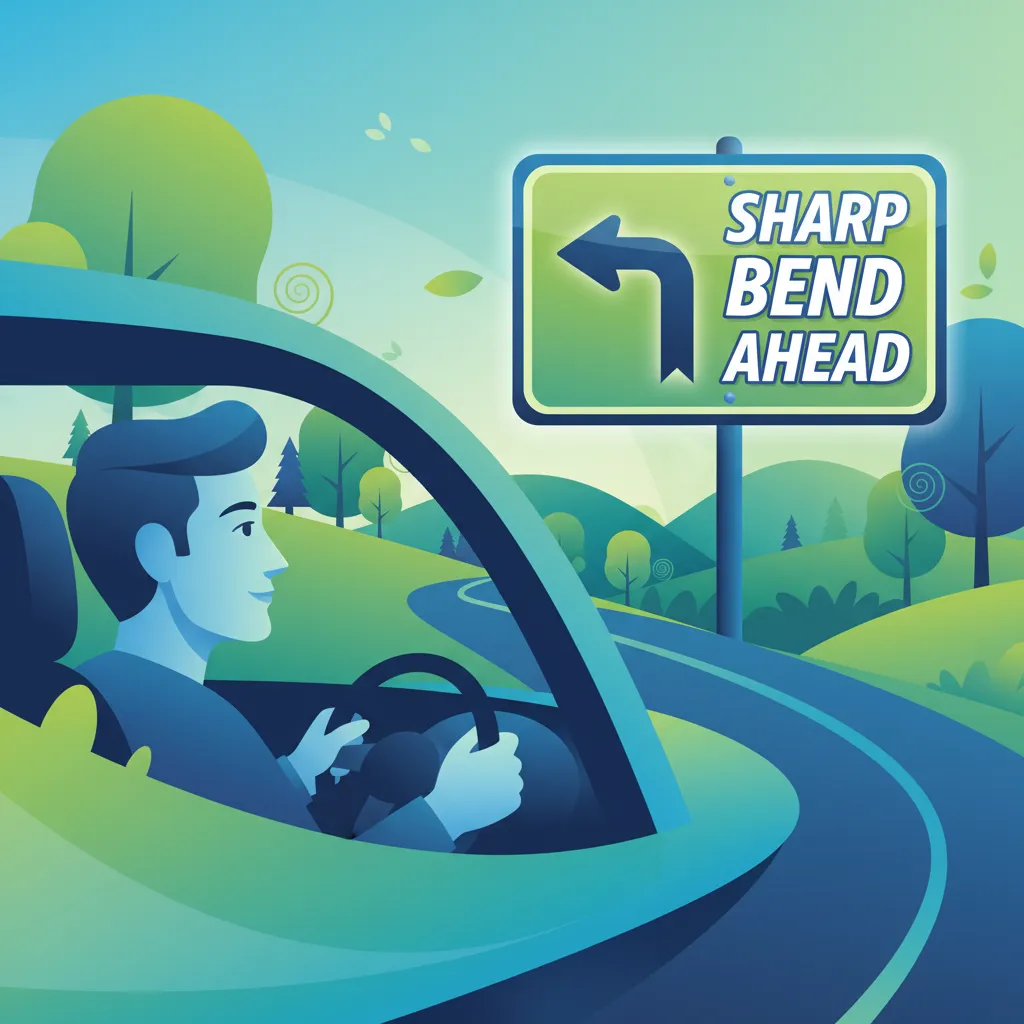
This lesson teaches riders to interpret warning signs (Varningsskyltar), which alert them to potential dangers on the road ahead. It covers a wide range of signs, including those for sharp curves, slippery surfaces, wildlife crossings, and upcoming roadworks. Understanding these triangular signs allows riders to anticipate hazards, adjust their speed and position proactively, and enhance their overall safety.
Understand the diverse range of special road markings and symbols found on Swedish roads, beyond standard lines. This lesson covers specific markings for two-wheeled vehicles and common symbols indicating hazards or special traffic rules.
This lesson focuses on Swedish warning signs designed to alert drivers to potential dangers. You will study signs indicating sharp bends, slippery surfaces, animal crossings, and temporary hazards like road construction. Correctly interpreting these signs allows a motorcyclist to proactively adjust speed, lane position, and readiness to react, which is essential for maintaining control and safety, especially in adverse weather or on unfamiliar roads.
This lesson offers a detailed guide to interpreting the various lines and symbols painted on the road surface. It clarifies the rules associated with solid versus broken lines regarding lane changes and overtaking. The content also explains the function of arrows, stop lines, and other markings that provide crucial positioning and priority information to the rider.
This lesson focuses on the importance of road markings (Vägmarkering) for guiding traffic flow and ensuring safety. It explains the meaning of different line types, such as solid and broken lines, and the function of stop lines and pedestrian crosswalks. The content highlights markings specific to cycle and moped lanes, teaching riders how to correctly position themselves on the road based on these visual cues.
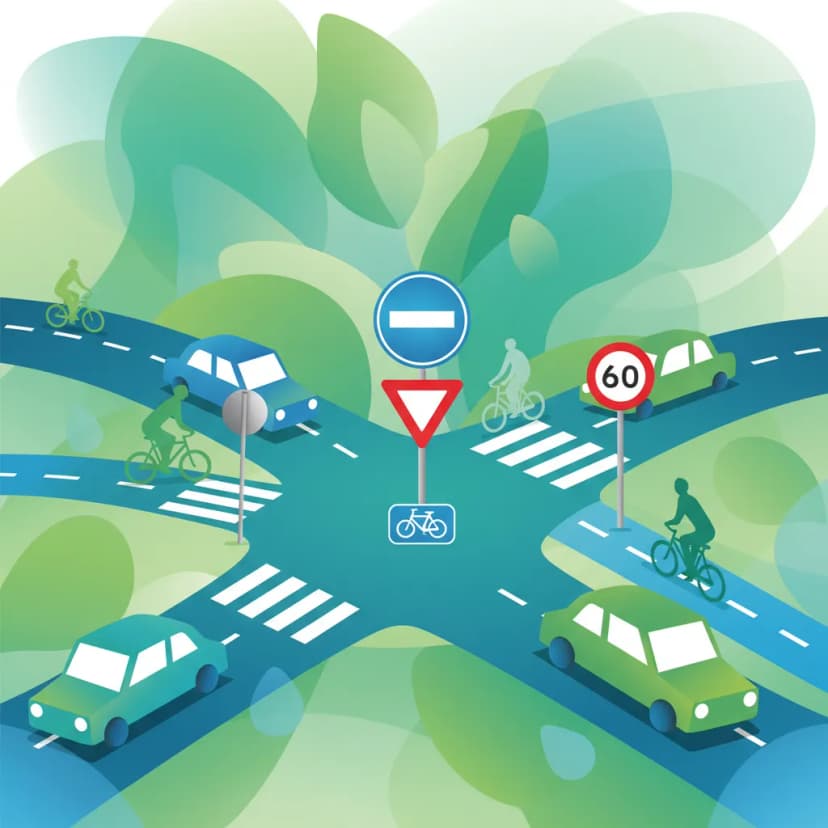
This lesson details the full range of Swedish regulatory signs, which dictate mandatory actions and prohibitions for all road users. You will learn to identify signs that establish speed limits, restrict access, prohibit overtaking, and define parking rules. Understanding these signs is critical for legal compliance and safe interaction with other traffic, as they form the basis of enforceable road law under the Trafikförordning regulations.
This lesson teaches riders to interpret warning signs (Varningsskyltar), which alert them to potential dangers on the road ahead. It covers a wide range of signs, including those for sharp curves, slippery surfaces, wildlife crossings, and upcoming roadworks. Understanding these triangular signs allows riders to anticipate hazards, adjust their speed and position proactively, and enhance their overall safety.
This lesson explains the function and legal significance of various road markings (vägmarkeringar) in Sweden. You will learn the difference between broken lines that permit overtaking and solid lines that forbid it, as well as the meaning of stop lines, pedestrian crossings, and lane direction arrows. These markings work in conjunction with signs to organize traffic flow, separate lanes, and provide critical information directly on the road surface.
This lesson explains how to read and use Swedish informational and directional signs for effective route planning and navigation. You will learn to follow signs for specific destinations, identify road numbers, and recognize indicators for services such as fuel stations and rest areas. For motorcyclists on long journeys, this knowledge is crucial for making timely decisions about lane changes, exits, and stops without causing disruption to traffic flow.
This lesson prepares riders for encountering roadworks, which can introduce temporary and often confusing changes to the road layout. It explains how to interpret the specific orange-colored signs used in these zones, including new speed limits, lane diversions, and warnings about surface hazards. The key takeaway is to reduce speed and increase vigilance when navigating through construction areas.
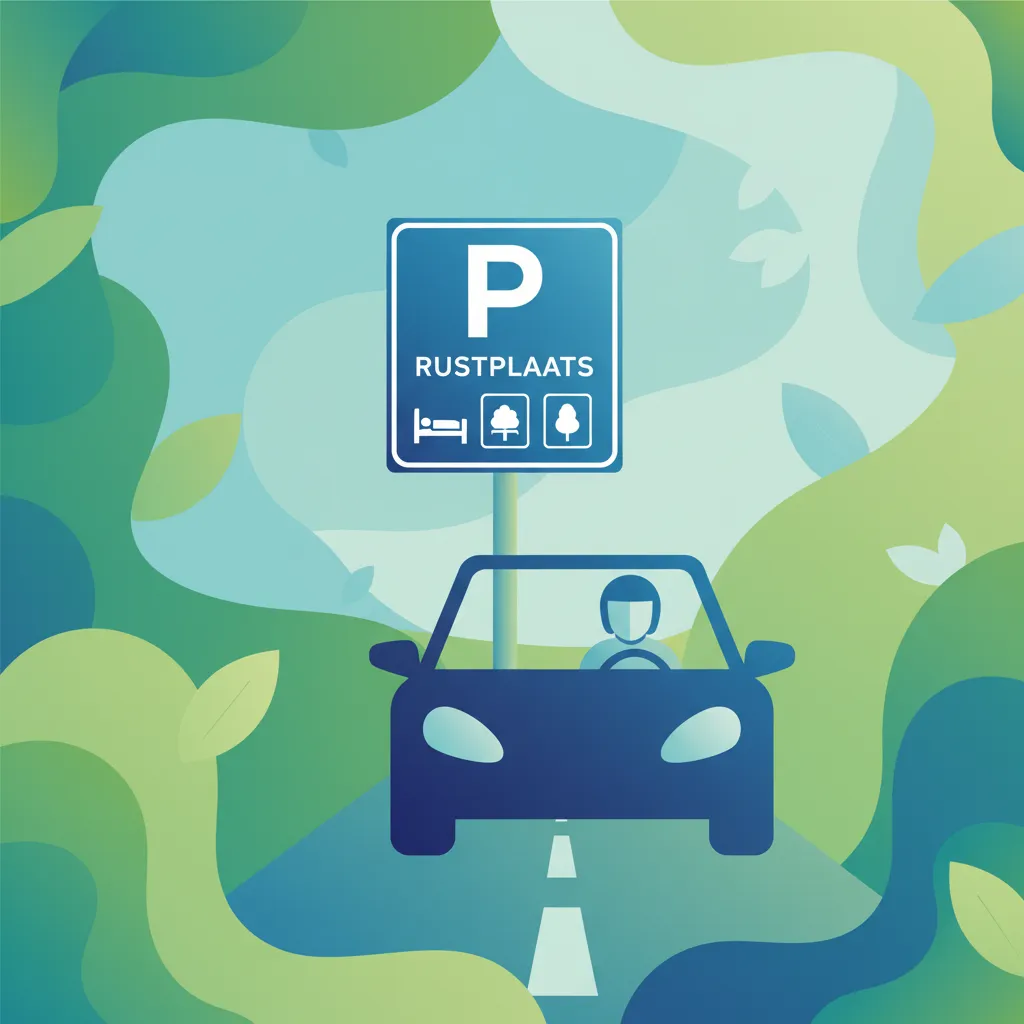
This lesson explains the function of informational signs (Informationsskyltar), which provide guidance for navigation and access to services. It covers signs indicating distances to destinations, route numbers, and locations of fuel stations or parking areas. For moped riders, this includes identifying signs for designated moped or cycle lanes, helping them to plan and follow routes efficiently and legally.

This lesson covers the correct interpretation and response to all forms of light and audible signals a motorcyclist will encounter. You will study the sequences of traffic lights, the rules for using turn indicators and hazard lights, and the legally permitted uses of the horn. Proper use of these signals is a fundamental aspect of safe riding, as it communicates your intentions clearly to other road users and helps prevent misunderstandings and collisions.
Find clear answers to common questions learners have about Road Markings Specific to Two-Wheeled Vehicles. Learn how the lesson is structured, which driving theory objectives it supports, and how it fits into the overall learning path of units and curriculum progression in Sweden. These explanations help you understand key concepts, lesson flow, and exam focused study goals.
Solid white lines generally indicate that overtaking or crossing is prohibited. Broken white lines usually permit overtaking and lane changes when safe to do so. For motorcyclists, it's crucial to remember that even with a broken line, you must assess traffic conditions and your own safety before overtaking.
Road markings such as stop lines (often a thick white line), yield lines (dashed white lines or triangles), and directional arrows at intersections are vital for understanding priority. They reinforce the general right-of-way rules and indicate where you should stop, yield, or which lane to follow. Always combine these markings with traffic signs and the general Högerregeln (right-hand rule) where applicable.
While most road markings are for all vehicles, some may have specific implications or visibility considerations for motorcyclists. For example, markings indicating cycle lanes or bus lanes, though not exclusively for motorcycles, require motorcyclists to understand their boundaries and when they might need to merge or yield to these specific vehicle types.
Painted symbols provide important advance information. Arrows indicate mandatory directions from a lane, warnings might signify upcoming hazards like sharp bends or slippery surfaces, and text like 'BUS' or 'TAXI' indicates specific traffic zones. Motorcyclists should always pay attention to these markings for proactive safety and navigation.
Road markings are extremely important. Many questions on the Swedish theory test will present a scenario with specific road markings and ask about correct behaviour, such as overtaking, lane positioning, or priority at junctions. A thorough understanding is essential for achieving a passing score.