
Logo
Swedish Driving Theory Courses

Lesson 5 of the Adverse Weather & Low-Grip Conditions unit

Swedish Motorcycle Theory A: Seasonal Equipment, Clothing, and Rider Visibility Adjustments

As a motorcyclist in Sweden, adapting your gear to the changing seasons is crucial for both safety and comfort. This lesson focuses on selecting the right clothing and equipment to enhance your visibility and protection throughout the year, building on the principles of safe riding discussed in earlier units.

seasonal gearmotorcycle clothingrider visibilitySwedish traffic rulesCategory A
Swedish Motorcycle Theory A: Seasonal Equipment, Clothing, and Rider Visibility Adjustments
Swedish Motorcycle Theory A

Optimal Motorcycle Gear: Seasonal Adjustments and Rider Visibility in Sweden

Riding a motorcycle in Sweden offers unique challenges and rewards, with its diverse seasons bringing everything from warm summer days to icy winter roads. Selecting the appropriate riding gear is not merely a matter of comfort; it is a critical component of safety, concentration, legal compliance, and overall risk reduction. This lesson, part of your Swedish Motorcycle Theory Course, provides comprehensive guidance on choosing, using, and maintaining your seasonal equipment and clothing to ensure you are prepared for any condition and always visible to other road users.

Effective gear acts as a preventative safety system. It protects you from environmental stressors like extreme temperatures, wind, and rain, while significantly enhancing your conspicuity on the road. By understanding and applying the principles of seasonal equipment adjustment, you can maintain optimal performance, reduce fatigue, and dramatically lower your risk of accidents.

Core Principles of Motorcycle Rider Equipment

Effective motorcycle gear is founded on several key principles that work in concert to protect the rider and enhance safety. These principles address both physical protection and the crucial aspect of being seen by others on the road.

Layered Clothing System for Dynamic Comfort

The concept of a layered clothing system is fundamental for managing body temperature across diverse weather conditions. Instead of relying on a single heavy garment, a rider combines multiple thinner layers that can be added or removed as temperatures fluctuate. This strategy allows for fine-tuned thermoregulation, preventing both overheating in warmer conditions and excessive cooling when it's cold. Each layer serves a specific purpose, from wicking away moisture to providing insulation and protection from the elements.

Visibility Optimization: Be Seen, Stay Safe

Maximizing your visibility to other road users is paramount for motorcycle safety. This principle involves using a combination of high-visibility colours, retro-reflective materials, and proper lighting. Motorcyclists, due to their smaller profile, are often less conspicuous to drivers. Visibility optimization compensates for this, especially in low-light conditions, adverse weather, or complex traffic environments, by ensuring you stand out and are detected early.

Weather-Specific Protection for Swedish Conditions

Sweden's climate demands gear tailored to specific environmental threats. Whether it's heavy rain, biting wind, freezing temperatures, or summer heat, your equipment must provide adequate protection. This includes selecting waterproof membranes for rain, wind-proof shells for chill, and ventilated designs for warmth. Appropriate weather-specific protection maintains rider comfort, focus, and control, which are all vital for safe operation.

Beyond comfort and protection, gear selection must comply with Swedish traffic law (Transportstyrelsen and Vägtrafikregler). This includes mandatory equipment such as approved helmets, always-on lighting, appropriate side-reflectors, and the requirement to carry, and often wear, a reflective vest. Adherence to these regulations not only avoids fines but also enhances overall road safety and ensures the validity of your insurance in case of an incident.

Equipment Maintenance for Sustained Performance

Regular inspection and maintenance of your riding gear are crucial for guaranteeing its functional performance and prolonging its lifespan. This involves checking seams, zippers, protective inserts, and the condition of reflective materials and lighting. Failure to maintain gear can lead to reduced protection, legal non-compliance, and an increased risk of accidents due to equipment failure or compromised safety features.

The Layered Clothing System: Mastering Thermal Regulation

A sophisticated layered clothing system is your best defence against Sweden's unpredictable weather. It allows you to adapt to changing temperatures and conditions throughout your ride, keeping you comfortable, focused, and safe.

1. Base Layers: Moisture Management and Skin Comfort

The base layer is worn directly against the skin. Its primary function is to wick moisture (sweat) away from your body. By drawing sweat to the outer surface of the fabric, it allows for evaporative cooling in warm weather and prevents chilling in cold weather as sweat would otherwise evaporate on your skin.

  • Thermal Base Layers: Made from materials like merino wool or synthetic fibres, these are designed for colder conditions, offering light insulation while actively managing moisture.
  • Cooling Base Layers: Lighter synthetic fabrics, sometimes with special weaves, focus purely on maximum moisture transfer and aiding evaporative cooling in hot weather.

Choosing the right base layer prevents discomfort, reduces skin irritation, and is critical for maintaining your core body temperature.

2. Insulating Mid-Layers: Trapping Warmth

The insulating layer is worn over the base layer. Its purpose is to trap air, creating a thermal barrier that prevents body heat from escaping. The amount of insulation needed varies greatly with temperature.

  • Materials: Common materials include fleece, down, or synthetic fills. These materials are chosen for their ability to provide warmth without excessive bulk, allowing for freedom of movement.
  • Adaptability: For cooler spring or autumn rides, a light fleece might suffice. In genuinely cold conditions, a thicker synthetic or down-filled mid-layer would be appropriate. In summer, you might omit this layer entirely.

The insulating layer should still be breathable to allow any remaining moisture from the base layer to pass through.

3. Outer Shells: The Ultimate Weather Barrier

The shell layer is your outermost garment, providing protection against wind, rain, and abrasion. It acts as the primary barrier between you and the external environment.

  • Wind-Proof Shells: Crucial for combating wind chill, which can drastically reduce perceived temperature, especially at higher speeds.
  • Waterproof Shells: Essential for riding in rain or sleet. Modern waterproof membranes (e.g., Gore-Tex®, eVent®) are designed to be breathable, meaning they prevent water from entering from the outside while allowing sweat vapor to escape from the inside. This prevents the "boil in the bag" effect of non-breathable rain gear.
  • Ventilation: Many shells feature zippered vents (on the chest, arms, back) that can be opened or closed to regulate airflow and temperature. This is vital for adapting to changing conditions or intense riding, allowing you to cool down when needed.

Enhancing Rider Visibility: Be Seen, Be Safe

Being easily seen by other road users is one of the most effective ways to prevent accidents. Riders can significantly improve their conspicuity through strategic use of clothing and lighting.

High-Visibility Clothing and Reflective Materials

High-visibility (HV) clothing and reflective materials are designed to make you stand out in various lighting conditions.

  • High-Visibility Colours: Fluorescent colours such as yellow, orange, or lime green are highly effective during daylight hours. They stand out against most backgrounds and attract the eye more readily than other colours. These colours absorb invisible ultraviolet light and re-emit it as visible light, making them appear brighter.
  • Retro-Reflective Materials: These materials are crucial for night riding or in low-light conditions (dusk, dawn, fog, heavy rain). Retro-reflective strips or patches are engineered to reflect light (such as from car headlights) directly back to its source, making the rider appear illuminated. Swedish standards often refer to a minimum of 100% retro-reflectivity, ensuring effective light return. Look for CE-certified reflective materials.
  • Strategic Placement: Reflective elements should be placed on moving parts of the rider (wrists, ankles, helmet) and across the jacket and trousers to maximize detection, especially from the sides.

Tip

Always combine high-visibility colours with retro-reflective materials. Fluorescent colours are ineffective in the dark without light, while reflective materials are less noticeable in bright daylight. Using both provides 24/7 visibility enhancement.

Mandatory and Supplemental Lighting for Motorcycles

Motorcycle lighting plays a crucial role in active visibility, making you seen by emitting light. Adhering to Swedish lighting regulations is mandatory.

  • Headlight On at All Times: According to Swedish traffic law (Vägtrafikregler, 2 kap. 4 §), the front headlamp on a motorcycle must be illuminated continuously, regardless of ambient light conditions (day or night). This is a mandatory requirement to ensure you are always seen by oncoming traffic.
  • Daytime Running Lights (DRL): Many modern motorcycles are equipped with DRLs. While these are on during the day, they are not a substitute for the full headlamp (low-beam) at night or in adverse weather.
  • Rear Light Visibility: The rear light must be functional and visible from at least 100 metres (Vägtrafikregler, 2 kap. 5 §). This alerts following traffic to your presence and speed.
  • Side-Reflectors: Motorcycles are legally required to have at least two side-reflectors on each side, visible from 150 metres (Vägtrafikregler, 2 kap. 6 §). These are critical for visibility at intersections and when viewed laterally.
  • Prohibited Flashing Front Lights: The use of flashing front lights while the vehicle is in motion is strictly prohibited (Vägtrafikregler, 2 kap. 8 §). Such lights can be confused with emergency vehicles and create a distracting or confusing signal for other road users. Hazard lights are permissible only when stationary and posing a danger.
  • Supplemental Lighting: While standard lighting is mandatory, additional legal auxiliary lights (e.g., fog lights, LED strips) can further enhance conspicuity, provided they do not create glare or confuse other drivers.

The Reflective Vest Requirement in Sweden

Swedish traffic law (Vägtrafikregler, 2 kap. 7 §) mandates that all road users must carry a reflective vest. More importantly for motorcyclists, it must be worn when visibility is reduced, such as during darkness, fog, or heavy rain. This is not optional; it is a legal requirement designed to significantly increase your detection by other drivers in hazardous conditions.

Seasonal Gear Specifics for Swedish Conditions

Tailoring your gear to the specific season is essential for comfort, focus, and safety, especially when experiencing the full range of Swedish weather.

Waterproof and Water-Resistant Motorcycle Gear

Riding in rain or through surface water is a common occurrence in Sweden. Effective waterproof gear is non-negotiable.

  • Fully Waterproof Gear: This includes jackets, pants, gloves, and boots featuring waterproof and breathable membranes (like Gore-Tex®). Crucially, these garments have sealed seams and often taped zippers to prevent any water ingress.
  • Water-Resistant Gear: These items are treated with a Durable Water Repellent (DWR) coating but may not have fully sealed seams. They are suitable for light drizzles or splashes but will eventually soak through in heavy or prolonged rain.
  • Benefits: Staying dry prevents rapid body heat loss, which can lead to hypothermia. It also maintains a rider's grip on controls and focus on the road, crucial for managing adverse conditions like hydroplaning.

Insulated Clothing for Cold Weather Riding

When temperatures drop, especially during late autumn, winter, and early spring, insulated gear becomes vital.

  • Thermal Riding Suits: Integrated suits offer comprehensive insulation, often combining wind-proof and waterproof outer shells with internal thermal liners.
  • Separate Insulated Layers: Dedicated insulated jackets and pants provide flexibility to combine with other layers. Synthetic fills generally perform better when wet compared to down.
  • Heated Gear: Battery-powered or bike-powered heated gloves, vests, and socks can dramatically increase comfort in sub-zero temperatures. These must be safely integrated, ensuring wires do not interfere with controls and batteries are approved and in good condition (Transportstyrelsen, §19).
  • Prevention: Proper insulation prevents the loss of dexterity in hands and feet, reduces wind chill, and protects against hypothermia, which can severely impair cognitive function and reaction times.

Ventilated Gear for Summer and Warm Conditions

Swedish summers can bring unexpectedly high temperatures, making ventilation essential to prevent heat stress and maintain concentration.

  • Mesh Panels: Many summer jackets and pants feature large mesh panels that allow maximum airflow, facilitating evaporative cooling.
  • Ventilation Zippers: Strategic zippered vents on jackets and trousers provide controllable airflow. These can be opened fully in static traffic or high heat, and partially closed at higher speeds to manage wind chill.
  • Cooling Base Layers: As mentioned, these layers effectively wick sweat away, aiding the body's natural cooling processes.
  • Importance: Reducing heat stress helps maintain rider concentration, prevents fatigue, and avoids sweat-induced grip loss on controls. Even in summer, protective gear is essential, so finding a balance between protection and airflow is key.

Essential Protective Wear: Footwear and Gloves

Your hands and feet are critical for motorcycle control and are vulnerable in an accident. Seasonal adjustments to footwear and gloves are as important as those for your main riding suit.

Footwear for All Seasons

Motorcycle boots are designed to protect your feet and ankles from impact and abrasion, while also providing grip on the footpegs and levers.

  • Thermal Insulated Boots: For cold and wet conditions, these boots incorporate waterproof membranes and insulation to keep your feet warm and dry.
  • Ventilated Summer Boots: Made with perforated leather or textile panels, these boots allow airflow to prevent overheating.
  • Legal Considerations: Boots must cover the ankle for protection. For specific riding activities, they might require steel toe protection. Always ensure they allow for comfortable and precise operation of foot controls.

Gloves for Optimal Control and Protection

Gloves protect your hands from abrasions, impacts, and weather extremes, while maintaining tactile feedback for throttle, clutch, and brake control.

  • EN 13594 Protective Gloves: According to Transportstyrelsen, gloves used while riding must meet the EN 13594 standard for abrasion resistance. Always look for CE-certified gloves.
  • Heated Gloves: An excellent option for cold weather, providing direct warmth to maintain finger dexterity.
  • Waterproof Gloves: Essential for rain, featuring membranes to keep hands dry without compromising grip.
  • Summer Mesh Gloves: Lightweight gloves with mesh panels or perforations designed for maximum airflow in hot weather.
  • Fit and Function: Regardless of the season, gloves must fit well, allowing full finger movement and unimpeded operation of all controls.

Maintaining Your Motorcycle Riding Equipment

Regular maintenance is key to ensuring your gear performs optimally and lasts longer. Neglecting maintenance can compromise safety and lead to premature wear.

Seasonal Equipment Maintenance Checklist

  1. Clean Regularly: Follow manufacturer guidelines for cleaning. For textile gear, this often involves gentle washing. Clean helmets, especially visors and vents.

  2. Re-apply DWR: For waterproof or water-resistant textile gear, the Durable Water Repellent (DWR) coating on the outer fabric will wear off over time. Periodically re-apply a DWR treatment to maintain water-beading properties.

  3. Inspect Seams and Zippers: Check for any fraying, tears, or signs of compromise in seams, which can lead to water ingress. Ensure all zippers function smoothly and are not damaged.

  4. Check Reflective Elements: UV exposure and washing can degrade the effectiveness of reflective tape. Inspect reflective patches to ensure they are still firmly attached and reflect light brightly.

  5. Maintain Protective Inserts: Check that shoulder, elbow, knee, and back protectors are securely in place and not damaged. Replace them if they have sustained an impact.

  6. Helmet Inspection: Regularly inspect your helmet for cracks, deep scratches, or signs of impact. Helmets must be replaced after any impact, regardless of visible damage. Check the visor for scratches that impair vision and replace it if necessary.

  7. Battery Care for Heated Gear: For battery-powered heated gear, inspect batteries for swelling, corrosion, or damage. Charge them according to manufacturer instructions and store them properly during off-season.

  8. Footwear Maintenance: Clean and treat leather boots to prevent drying and cracking. Check soles for wear and ensure waterproof membranes are intact.

Swedish Regulations for Motorcycle Equipment and Visibility

Adherence to Swedish traffic laws concerning motorcycle equipment is not just about avoiding penalties; it's fundamental to your safety and the safety of others.

Mandatory Equipment Compliance

The Transportstyrelsen (Swedish Transport Agency) outlines several non-negotiable requirements for motorcyclists:

  • Helmet Requirement (Transportstyrelsen, §13): You must wear an approved motorcycle helmet that meets EN 22 or ECE R22.05 standards at all times while riding.
  • Headlight On at All Times (Vägtrafikregler, 2 kap. 4 §): As noted, your front headlamp must be continuously illuminated, day and night.
  • Rear Light Visibility (Vägtrafikregler, 2 kap. 5 §): The rear light must be continuously functional and visible from at least 100 metres.
  • Side-Reflectors (Vägtrafikregler, 2 kap. 6 §): Your motorcycle must be equipped with a minimum of two side-reflectors on each side, visible from 150 metres.
  • Reflective Vest Carry and Wear Requirement (Vägtrafikregler, 2 kap. 7 §): You must always carry a reflective vest, and it must be worn when visibility is reduced (e.g., night, fog, heavy rain).
  • EN 13594 Protective Gloves (Transportstyrelsen, §14): Any gloves worn for riding must meet the EN 13594 standard for abrasion resistance.

Prohibited Lighting and Gear Modifications

Certain modifications or uses of equipment are strictly forbidden:

  • Flashing Front Lights Prohibited (Vägtrafikregler, 2 kap. 8 §): Using flashing front lights while riding is illegal, as it can be mistaken for emergency vehicles and confuse other road users.
  • Heated Gear Use (Transportstyrelsen, §19): While heated gear is permissible, it must not interfere with your control of the motorcycle, and its power source (batteries) must be safe and approved to prevent hazards.

Warning

Always verify the latest regulations directly from Transportstyrelsen, as laws can be updated. Non-compliance can result in fines and legal repercussions.

Winter Tire Recommendation

For motorcycles, there is a recommendation (Transportstyrelsen, §15) to use tires with adequate tread for snow and ice from December 1st to March 31st. While not a mandatory requirement like for cars, it is strongly advised for safety in severe winter conditions.

Common Mistakes and Safety Violations

Understanding common pitfalls can help you avoid dangerous situations and legal penalties.

  1. Riding without a reflective vest in reduced visibility: This is a direct violation of Swedish law. Even in early twilight or light rain, your visibility to others is sharply reduced. Always wear the vest when conditions warrant it.
  2. Using summer gear in cold, sudden weather changes: A sudden cold front can lead to rapid heat loss if you're not adequately insulated. This impairs reaction times and can lead to hypothermia, increasing accident risk.
  3. Leaving the headlamp off, especially in rain or dusk: The headlamp is mandatory at all times. Rain significantly reduces visibility, making an unlit motorcycle nearly invisible.
  4. Relying only on bright colours at night: Fluorescent colours need ambient light to be effective. Without retro-reflective strips, you are virtually invisible to oncoming traffic in the dark.
  5. Wearing non-certified gloves: Gloves without EN 13594 certification offer minimal abrasion resistance, leading to severe hand injuries in a fall.
  6. Neglecting waterproof gear maintenance: Over time, DWR coatings degrade, and seams can fail. A jacket that looks fine might no longer be waterproof, leading to discomfort and hypothermia in rain.
  7. Installing aftermarket flashing front LEDs: These are illegal and can be confused with emergency vehicles, posing a risk to other road users and leading to fines.
  8. Riding with a damaged heated gear battery: Damaged batteries can overheat, cause burns, or even catch fire, leading to dangerous distractions or loss of control.
  9. Using a highly ventilated jacket in strong headwind at highway speeds: While great for summer heat, opening all vents in strong winds at speed can cause rapid chilling and fatigue.
  10. Riding with a fogged-up helmet visor: Obscured vision is extremely dangerous, increasing reaction time and the risk of not seeing hazards. Always use anti-fog visors or sprays, and ensure helmet vents are properly utilized.

Adapting to Context: Riding Conditions and Equipment Choices

Your equipment choices should dynamically adapt to various riding conditions and environments.

  • Night / Low Light: Mandates the headlamp on, wearing a reflective vest, combining high-visibility colours with ample reflective tape.
  • Heavy Rain / Spraying Water: Requires fully waterproof shells with sealed seams, headlamp on, and functional rear light. The reflective vest is highly recommended.
  • Snow / Ice (Winter): Demands insulated, wind-proof, and waterproof layers. Anti-fog helmet visors are essential. Winter tires are strongly recommended, and the reflective vest is mandatory due to often overcast conditions and poor contrast.
  • High Temperature / Summer Heat: Ventilated mesh jackets, moisture-wicking base layers, and no insulated mid-layers are preferred. Headlamp remains on, and anti-glare visors are beneficial.
  • Urban vs. Rural Roads: In urban areas, frequent stops make a reflective vest useful even during the day. High-visibility colours are critical amidst complex traffic. Rural roads often have less ambient lighting, making reflective strips crucial, and wind-chill is more significant over longer stretches.
  • Riding with a Trailer or Heavy Load: The increased weight and altered vehicle profile necessitate even greater visibility efforts, including reflective strips on the trailer and potentially additional rear lighting (used legally).
  • Interaction with Vulnerable Road Users: In areas with pedestrians and cyclists, emphasize high-visibility clothing and reflective elements to ensure early detection.
  • Fog or Mist: Use low-beam headlights only (high-beam creates glare). A reflective vest is mandatory, and additional rear flashing lights are permissible when riding slowly to warn following traffic.

Understanding the Science: Why Gear Matters

The importance of seasonal equipment and visibility extends beyond compliance and comfort; it is rooted in fundamental scientific principles.

  • Visibility Physics: Human visual perception significantly degrades beyond 200 metres in low light. Retro-reflective materials work by reflecting incident light back along the source path, making you appear much brighter to an observer with headlights, effectively extending detection distance. Fluorescent colours absorb UV light and re-emit it in the visible spectrum, increasing contrast and conspicuousness in daylight.
  • Thermal Regulation (Heat Transfer): The body loses heat through conduction (direct contact), convection (air movement), and radiation.
    • Adequate insulation reduces conductive and radiative heat loss.
    • A wind-proof shell dramatically reduces convective heat loss (wind chill), which can account for a significant portion of heat loss, especially at speed.
    • Breathable shells help manage evaporative cooling (sweat), preventing chilling when wet.
    • Core body temperature below 35°C (hypothermia) can increase cognitive reaction time by up to 30%, directly impacting your ability to perceive and respond to hazards.
  • Reaction Time: A comfortable rider, free from the distractions of being too hot, cold, or wet, maintains better situational awareness and optimal reaction times. Stress-induced errors and "tunnel vision" are less likely when you are physically comfortable.

Statistical data, such as from the Swedish Transport Agency (Transportstyrelsen), consistently indicates that motorcyclist fatalities and serious injuries in low-visibility conditions are reduced when reflective vests and appropriate lighting are used. This underscores the real-world impact of your gear choices.

Final Concept Summary

Mastering seasonal equipment, clothing, and rider visibility is a cornerstone of safe and responsible motorcycling in Sweden.

  • Mandatory Equipment: Always ensure you have an approved helmet (EN 22/ECE R22.05), a headlight that is always on, a rear light visible from 100 metres, two side-reflectors per side visible from 150 metres, a reflective vest (carried always, worn in reduced visibility), and EN 13594 certified gloves.
  • Layered Clothing System: Employ a three-tiered approach of base (moisture-wicking), insulating (thermal retention), and shell (wind/waterproof) layers, adapting them to temperature, wind, and precipitation.
  • Seasonal Gear Adjustments:
    • Winter/Cold: Prioritize insulation, wind-proofing, waterproofing, potentially heated gear, and the mandatory reflective vest. Consider winter tires.
    • Spring/Autumn: Focus on adaptable layers, breathable shells, and always use reflective elements. Be prepared for rain.
    • Summer/Heat: Opt for ventilated mesh, moisture-wicking base layers, minimal insulation, and high-visibility colours combined with reflectors.
  • Visibility Optimization: Actively combine high-visibility colours, 100% retro-reflective tape, always-on headlights, functional rear lights, and optional rear flashing lights when stationary or moving slowly in poor visibility.
  • Weather-Specific Protection: Utilize waterproof membranes, DWR treatments, wind-proof shells, and appropriate tires to counter specific weather threats.
  • Legal Compliance: Strictly follow Transportstyrelsen and Vägtrafikregler. Maintain your equipment in excellent condition and avoid illegal modifications like flashing front lights.
  • Maintenance Practices: Regularly inspect seams, re-apply DWR, test lights and reflectors, verify helmet integrity, and ensure the health of any heated gear batteries.
  • Contextual Adaptations: Adjust your gear and visibility strategies based on specific conditions like night riding, heavy rain, snow, fog, high wind, urban versus rural environments, riding with a load, and interactions with vulnerable road users.
  • Cause-Effect Chain: Choosing proper gear directly leads to maintained body temperature, enhanced visibility, improved reaction times, reduced accident risk, and full legal compliance.

By integrating these principles and practices into your riding habits, you will not only comply with Swedish law but significantly enhance your safety and enjoyment on two wheels, regardless of the season.

Base Layer
Moisture-wicking garment worn directly on the skin to keep it dry.
Insulating Layer
Clothing that traps air to retain body heat, often fleece or synthetic fill.
Shell Layer
Outer garment with wind-proof and/or waterproof membrane, providing environmental protection.
High-Visibility (HV) Clothing
Apparel in fluorescent colours designed to stand out during daylight hours.
Retro-Reflective Material
Fabric or tape that reflects light directly back to its source, enhancing visibility in low light.
Daytime Running Lights (DRL)
Low-intensity illumination required on motorcycles at all times in Sweden.
EN 13594
European standard for protective motorcycle gloves, specifying abrasion and cut resistance.
DWR (Durable Water Repellent)
A surface treatment that causes water to bead and roll off fabric.
Winter Tire
Tire with tread and compound optimized for low temperatures, snow, and ice grip.
Heated Gear
Apparel with battery-powered heating elements for warmth in cold conditions.
Reflective Vest
Mandatory high-visibility vest with retro-reflective strips, worn in reduced visibility conditions in Sweden.
Ventilation Zippers
Zippers strategically placed on garments to allow adjustable airflow for temperature control.
Hydroplaning
Loss of tire traction when a layer of water separates the tires from the road surface.
Wind Chill
The perceived reduction in temperature caused by wind removing warm air from near the skin.
Hypothermia
A dangerous drop in core body temperature below 35°C, impairing cognition and motor function.
Vägtrafikregler
Swedish traffic regulations, outlining rules for road users and vehicles.
Transportstyrelsen
The Swedish Transport Agency, responsible for traffic regulations and licensing.

Learn more with these articles

Check out these practice sets


Search topics related to Seasonal Equipment, Clothing, and Rider Visibility Adjustments

Explore search topics learners often look for when studying Seasonal Equipment, Clothing, and Rider Visibility Adjustments. These topics reflect common questions about road rules, driving situations, safety guidance, and lesson level theory preparation for learners in Sweden.

Swedish motorcycle clothing regulationsbest motorcycle gear for winter Swedenhigh visibility motorcycle clothing laws Swedenseasonal motorcycle gear choices A licence theoryhow to stay visible on a motorcycle in Swedenwaterproof motorcycle suit Sweden exam prepchoosing motorcycle helmet for cold weather Swedendriver theory test motorcycle clothing Sweden

Related driving theory lessons for Seasonal Equipment, Clothing, and Rider Visibility Adjustments

Browse additional driving theory lessons that cover connected traffic rules, road signs, and common driving situations related to this topic. Improve your understanding of how different rules interact across everyday traffic scenarios.

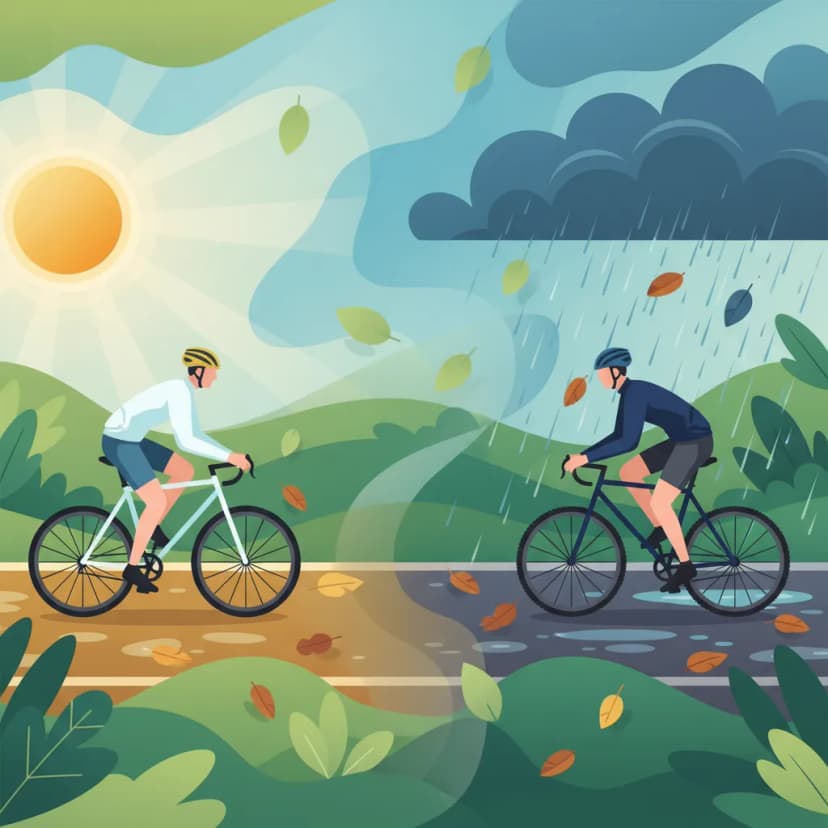
Swedish Motorcycle Gear for Seasonal Weather Conditions

Understand the critical role of seasonal motorcycle clothing and equipment for rider safety and comfort in Sweden. Learn about choosing the right gear for rain, cold, and heat to ensure visibility and protection on the road, essential for Swedish Category A theory.
seasonal gearmotorcycle clothingrider visibilitySwedish traffic rulesweather conditions
Adjusting Riding Style for Seasonal Variations lesson image

Adjusting Riding Style for Seasonal Variations

This lesson encourages a mindset of adapting riding style to the specific challenges of each season. It covers seasonal hazards such as wet leaves in the fall, loose gravel after winter, and sun glare in the summer. By being aware of these predictable changes, riders can proactively adjust their technique and maintain safety throughout the year.

Swedish Moped Theory AMRiding in Adverse Weather and Light Conditions
View lesson
Cold Weather, Ice, and Snow: Low-Grip Surface Handling lesson image

Cold Weather, Ice, and Snow: Low-Grip Surface Handling

This lesson provides essential information for any motorcyclist considering riding in cold Swedish weather. You will learn how cold temperatures affect tire performance and the extreme caution required on surfaces with potential ice or snow. The content focuses on recognizing hazardous spots like black ice, the need for exceptionally smooth and gentle control inputs, and why in many cases, the safest decision is not to ride at all in such conditions.

Swedish Motorcycle Theory AAdverse Weather & Low-Grip Conditions
View lesson
Protective Clothing, Gloves, and Footwear lesson image

Protective Clothing, Gloves, and Footwear

This lesson moves beyond the mandatory helmet to advocate for comprehensive personal protective gear. It explains the value of abrasion-resistant jackets and pants, often equipped with armor, in preventing road rash and impact injuries. The importance of proper gloves for hand protection and sturdy, over-the-ankle boots for foot and ankle stability is also detailed.
Swedish Moped Theory AMProtective Equipment and Personal Safety
View lesson
Helmet Standards, Protective Clothing, and Visibility Aids lesson image

Helmet Standards, Protective Clothing, and Visibility Aids

This lesson focuses on the single most important piece of safety gear: the helmet. You will learn about the legal standards helmets must meet in Sweden (e.g., ECE ratings) and how to ensure a proper fit. The content also covers the full range of personal protective equipment (PPE), including jackets, pants, gloves, and boots, explaining the importance of abrasion resistance, impact armor, and high-visibility features for rider protection.
Swedish Motorcycle Theory ALegal Responsibilities, Documentation & Protective Equipment
View lesson
Snow, Ice, and Frost Management lesson image

Snow, Ice, and Frost Management

This lesson addresses the severe dangers of riding a moped in snow and icy conditions. It explains how to identify potential hazards like black ice and emphasizes that avoiding riding in such conditions is the safest strategy. For situations where it cannot be avoided, it provides advice on extremely gentle control inputs and vehicle preparation.

Swedish Moped Theory AMRiding in Adverse Weather and Light Conditions
View lesson
Riding in Rain: Hydroplaning and Surface Water Management lesson image

Riding in Rain: Hydroplaning and Surface Water Management

This lesson provides a complete guide to riding in wet conditions. You will learn how rain affects traction and braking distances, and the techniques needed to ride smoothly and safely, including gentle throttle and brake application. The content explains the phenomenon of hydroplaning, how to recognize conditions where it might occur, and what to do to avoid it, as well as tips on rain gear and maintaining clear vision.

Swedish Motorcycle Theory AAdverse Weather & Low-Grip Conditions
View lesson
Rural Roads, Country Paths, and Agricultural Zones lesson image

Rural Roads, Country Paths, and Agricultural Zones

This lesson prepares you for the specific challenges of riding on rural roads in Sweden. You will learn how to read the road ahead for changes in surface quality, approach blind corners safely, and adjust your speed for narrow lanes with no shoulder. The content also covers how to anticipate and safely interact with slow-moving agricultural vehicles and the potential for wild animals on the road, ensuring you are prepared for the unpredictable nature of country riding.

Swedish Motorcycle Theory ARiding in Various Traffic Environments
View lesson

Protective Equipment and Rider Visibility Rules in Sweden

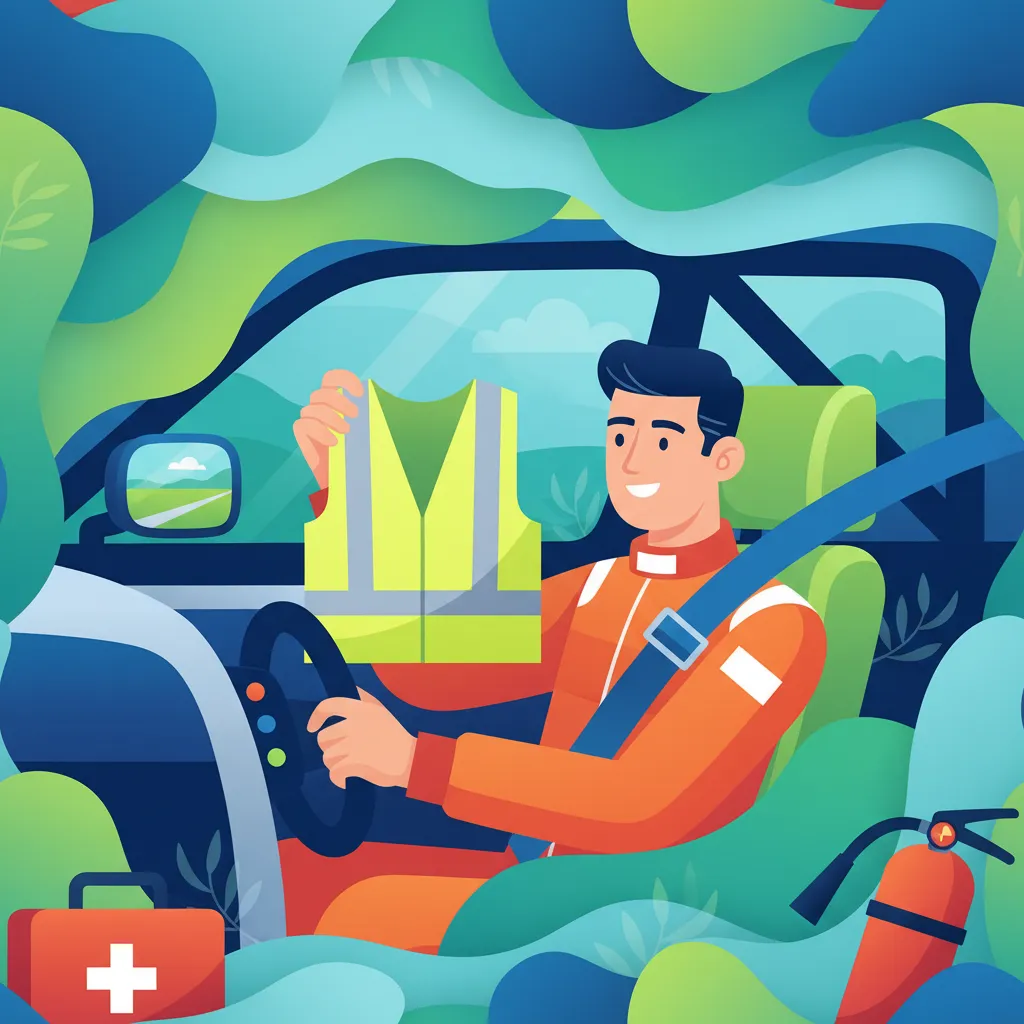
Explore the mandatory protective equipment and visibility adjustments for motorcyclists in Sweden. This lesson covers helmet standards, clothing, and high-visibility gear necessary to comply with traffic laws and enhance safety, as required for the Swedish Category A driving theory.

protective equipmentrider visibilitymotorcycle helmetsSwedish traffic rulesCategory A theory
Helmet Standards, Protective Clothing, and Visibility Aids lesson image

Helmet Standards, Protective Clothing, and Visibility Aids

This lesson focuses on the single most important piece of safety gear: the helmet. You will learn about the legal standards helmets must meet in Sweden (e.g., ECE ratings) and how to ensure a proper fit. The content also covers the full range of personal protective equipment (PPE), including jackets, pants, gloves, and boots, explaining the importance of abrasion resistance, impact armor, and high-visibility features for rider protection.
Swedish Motorcycle Theory ALegal Responsibilities, Documentation & Protective Equipment
View lesson
Legal Obligations Regarding Safety Equipment lesson image

Legal Obligations Regarding Safety Equipment

This lesson serves as a summary of the legal requirements for safety equipment in Sweden. It reiterates the mandatory helmet law for both the rider and any passenger. It also touches on the rider's responsibility to ensure the moped itself is legally equipped with functioning lights, brakes, and other essential safety features, linking personal gear with vehicle roadworthiness.

Swedish Moped Theory AMProtective Equipment and Personal Safety
View lesson
Visibility Strategies and Rider Positioning lesson image

Visibility Strategies and Rider Positioning

This lesson focuses on strategies to make yourself more visible to other road users, a critical factor in motorcycle safety. You will learn how to use lane positioning strategically to stay out of other drivers' blind spots and to maximize your own line of sight through corners and intersections. The content also covers the effectiveness of high-visibility and reflective clothing, as well as the correct use of lights to ensure you are seen in all conditions.

Swedish Motorcycle Theory AHazard Perception & Risk Management
View lesson
Mandatory Helmet Standards (EU-Standard) lesson image

Mandatory Helmet Standards (EU-Standard)

This lesson covers the legal requirement to wear a certified helmet while riding a moped in Sweden. It explains how to identify helmets that meet the approved EU standards (e.g., ECE 22.05 marking) and the critical importance of a correct, snug fit. The content also discusses different helmet types and the need to replace a helmet after an impact or after its recommended lifespan.
Swedish Moped Theory AMProtective Equipment and Personal Safety
View lesson
Night-time Visibility and Lighting Requirements (Ljusskyltar) lesson image

Night-time Visibility and Lighting Requirements (Ljusskyltar)

This lesson details the legal requirements for moped lighting in Sweden and provides best practices for riding at night or in low-light conditions. It explains the correct use of high and low beam headlights, the importance of a functioning tail light, and the role of reflectors in being seen. The goal is to ensure the rider is as visible as possible to others and can adequately illuminate the road ahead.
Swedish Moped Theory AMPositioning, Lane Usage, and Visibility
View lesson
Visibility Strategies in Traffic (High-Visibility Clothing) lesson image

Visibility Strategies in Traffic (High-Visibility Clothing)

This lesson focuses on proactive strategies to increase a moped rider's visibility to other drivers. It strongly advocates for the use of high-visibility and reflective clothing, helmets, and accessories to stand out in traffic. Additionally, it revisits the concept of lane positioning as a tool to avoid being in other drivers' blind spots and to create a more prominent presence on the road.

Swedish Moped Theory AMPositioning, Lane Usage, and Visibility
View lesson
Mandatory Documents, Vehicle Inspection, and Roadworthiness Checks lesson image

Mandatory Documents, Vehicle Inspection, and Roadworthiness Checks

This lesson details the documents you are legally required to carry with you when riding, such as your license and registration certificate. It provides a comprehensive explanation of the mandatory periodic vehicle inspection (besiktning) process in Sweden, outlining what is checked and why it's important for safety. Finally, it reinforces the habit of performing your own pre-ride checks to ensure your motorcycle is always in a safe, roadworthy condition.

Swedish Motorcycle Theory ALegal Responsibilities, Documentation & Protective Equipment
View lesson
Licence Requirements, Registration, and Insurance Obligations lesson image

Licence Requirements, Registration, and Insurance Obligations

This lesson explains the process for obtaining the correct category of motorcycle license (Körkort A) in Sweden and the legal necessity of keeping it current. You will learn about the procedures for registering your motorcycle with Transportstyrelsen and the mandatory insurance coverage you must have to legally ride on public roads. Understanding these administrative requirements is the first step to being a fully compliant and responsible vehicle operator.

Swedish Motorcycle Theory ALegal Responsibilities, Documentation & Protective Equipment
View lesson
Protective Clothing, Gloves, and Footwear lesson image

Protective Clothing, Gloves, and Footwear

This lesson moves beyond the mandatory helmet to advocate for comprehensive personal protective gear. It explains the value of abrasion-resistant jackets and pants, often equipped with armor, in preventing road rash and impact injuries. The importance of proper gloves for hand protection and sturdy, over-the-ankle boots for foot and ankle stability is also detailed.
Swedish Moped Theory AMProtective Equipment and Personal Safety
View lesson
Night Riding, Dark Conditions, and Reduced Visibility lesson image

Night Riding, Dark Conditions, and Reduced Visibility

This lesson addresses the specific challenges of riding at night or in low-light conditions. You will learn how to use your headlights most effectively, how to cope with the glare from oncoming traffic, and how darkness affects your depth perception and ability to judge distances. Strategies for spotting nocturnal animals and the increased importance of wearing reflective gear to be seen by others are also key components of this essential safety lesson.

Swedish Motorcycle Theory AAdverse Weather & Low-Grip Conditions
View lesson

Frequently asked questions about Seasonal Equipment, Clothing, and Rider Visibility Adjustments

Find clear answers to common questions learners have about Seasonal Equipment, Clothing, and Rider Visibility Adjustments. Learn how the lesson is structured, which driving theory objectives it supports, and how it fits into the overall learning path of units and curriculum progression in Sweden. These explanations help you understand key concepts, lesson flow, and exam focused study goals.

What type of motorcycle clothing is essential for Swedish winter riding?

For Swedish winters, layered clothing is key. Start with a moisture-wicking base layer, add an insulating mid-layer like fleece or down for warmth, and finish with a windproof and waterproof outer shell. Heated grips and a heated vest can also significantly improve comfort and focus. Always ensure your helmet and outer layers offer good visibility in low-light conditions.

How can I improve my visibility as a motorcyclist in Sweden?

Visibility is paramount. Wear bright, fluorescent colours, especially during daytime and in poor weather. Incorporate reflective elements on your jacket, trousers, helmet, and gloves. A high-visibility vest is highly recommended for added safety. Position yourself in traffic where you are most likely to be seen by other drivers, such as in the centre of a lane.

Are there specific rules about motorcycle helmets in Sweden regarding visibility?

While Swedish law mandates approved helmets (ECE 22.05 or newer standards), it doesn't strictly dictate colour or visibility features. However, authorities and safety organisations strongly advise choosing helmets with bright colours and integrated reflective materials to enhance rider conspicuity, especially in low-light conditions or bad weather.

What gear adjustments are needed for summer riding in Sweden?

In Swedish summers, focus on ventilation and heat management. Choose riding gear made from breathable materials with effective airflow systems (vents). While protection is always important, opt for textile jackets and trousers with good ventilation rather than heavy leather if temperatures are very high. Staying hydrated is also critical to prevent fatigue.

Do I need different gear for rain compared to cold weather?

Yes, while waterproof outer layers can be used in both scenarios, the inner layers differ significantly. For rain, your primary concern is staying dry, so a good waterproof and breathable outer shell is essential. For cold weather, the focus is on insulation, so thermal layers underneath are crucial. Often, gear designed for cold weather will also offer water resistance, but dedicated waterproofs are best for heavy rain.

Continue your Swedish driving theory learning journey

Swedish road signsSwedish article topicsSearch Swedish road signsSwedish driving theory homeSwedish road sign categoriesSwedish Moped Theory AM courseSearch Swedish theory articlesSwedish driving theory coursesSwedish Driving Theory B courseSwedish driving theory articlesSwedish driving theory practiceSwedish practice set categoriesSwedish Motorcycle Theory A courseSearch Swedish driving theory practiceRoad Signs and Signals unit in Swedish Driving Theory BVehicle Control and Maneuvering unit in Swedish Driving Theory BPriority Rules and Intersections unit in Swedish Driving Theory BSpeed Limits and Distance Management unit in Swedish Driving Theory BAccident Response & Roadside Safety unit in Swedish Motorcycle Theory AAdverse Weather & Low-Grip Conditions unit in Swedish Motorcycle Theory ASpeed Limits and Safe Following Distances unit in Swedish Moped Theory AMEmergency Maneuvers & Obstacle Avoidance unit in Swedish Motorcycle Theory AEmergency Situations and Accident Procedures unit in Swedish Driving Theory BLegal Responsibilities, Documentation & Protective Equipment unit in Swedish Motorcycle Theory ANight Riding, Dark Conditions, and Reduced Visibility lesson in Adverse Weather & Low-Grip ConditionsCold Weather, Ice, and Snow: Low-Grip Surface Handling lesson in Adverse Weather & Low-Grip ConditionsRiding in Rain: Hydroplaning and Surface Water Management lesson in Adverse Weather & Low-Grip ConditionsWind Effects on Motorcycle Stability and Counter-Steering lesson in Adverse Weather & Low-Grip ConditionsSeasonal Equipment, Clothing, and Rider Visibility Adjustments lesson in Adverse Weather & Low-Grip Conditions