
Logo
Swedish Driving Theory Courses

Lesson 3 of the Hazard Perception & Risk Management unit

Swedish Motorcycle Theory A: Visibility Strategies and Rider Positioning

This lesson is crucial for your safety on Swedish roads. We'll cover essential strategies for making yourself more visible to other road users and how strategic rider positioning can significantly reduce risks. Understanding these concepts will help you navigate mixed traffic with greater confidence and prepare you for specific questions on hazard perception in your Category A theory exam.

visibilityrider positioningdefensive ridinghazard perceptionmotorcycle safety
Swedish Motorcycle Theory A: Visibility Strategies and Rider Positioning
Swedish Motorcycle Theory A

Maximizing Motorcycle Visibility and Strategic Rider Positioning

Motorcycle riding offers an unparalleled sense of freedom, but it also comes with unique safety challenges, particularly concerning visibility. This lesson, part of the Swedish Motorcycle Theory Course: A Licence Exam Preparation, will delve into essential strategies to ensure you are seen by other road users and how to position your motorcycle strategically for optimal safety and a clear view of the road ahead. Mastering these techniques is not only crucial for reducing accident risk but also a fundamental requirement for the Category A licence exam.

The Critical Importance of Motorcycle Visibility

Visibility is often cited as a leading factor in motorcycle collisions, with Swedish traffic safety statistics highlighting that a significant proportion of crashes occur because other drivers simply do not see the motorcyclist. Motorcycles have a smaller visual profile compared to cars or trucks, making them less noticeable to drivers whose attention may be divided or who are accustomed to looking for larger vehicles. Therefore, every motorcyclist must proactively enhance their conspicuity – their ability to be clearly seen – and use intelligent lane positioning as a proactive safety measure.

Effective visibility tactics directly reduce the probability of being involved in a crash. They give other drivers more time to detect your presence, understand your intentions, and react safely. This lesson builds upon foundational knowledge from earlier sections, including understanding traffic signs and signals (Lesson 1), right-of-way rules (Lesson 2), speed management (Lesson 3), and basic motorcycle dynamics (Lesson 4), all of which contribute to a comprehensive safety approach.

Core Principles of Rider Visibility and Positioning

To effectively navigate the road and minimize risks, motorcyclists must adhere to several core principles that govern visibility and positioning. These principles are rooted in human visual perception, the physics of sight lines, and Swedish traffic legislation.

Enhancing Conspicuity for Motorcyclists

Definition

Conspicuity

The degree to which a road user is clearly perceived by others under all lighting and weather conditions.
The inherent small size and low contrast of motorcycles place them at a disadvantage in traffic. Conspicuity strategies aim to counteract this by making the motorcycle and rider stand out. This reduces the reaction time required for other drivers to detect and respond to your presence. Practical applications include wearing high-visibility clothing, utilizing reflective materials, and ensuring correct use of your motorcycle’s lighting systems.

Avoiding Vehicle Blind Spots: A Critical Strategy

Definition

Blind Spot

An area around a vehicle that is not visible to the driver through mirrors or direct sight.
Blind spots are zones around other vehicles where a driver's view is obstructed. Motorcyclists must consciously position themselves outside these zones to minimize the chance of being hidden. This is particularly important around larger vehicles like cars and trucks, which have extensive blind spots. Maintaining a safe lateral distance and riding offset from the center of a lane when necessary are key tactics. This principle directly links to Identifying Blind Spots and Hidden Hazards (Lesson 5.1).

Maximizing Your Line of Sight on the Road

Definition

Line-of-Sight

The unobstructed visual path between the rider and potential hazards.
Your ability to see potential hazards early is paramount for safe riding. Maximizing your line of sight involves choosing a lane position that provides the longest and clearest forward and peripheral view through your riding lane and at junctions. An unobstructed view enables earlier hazard detection, allowing for smoother decision-making and safer execution of maneuvers. This is especially vital when approaching and navigating corners.

Predictable Rider Positioning for Safety

For other road users to react safely, they must be able to anticipate your movements. Predictable positioning means riding in a manner that aligns with standard traffic conventions. Erratic or sudden lateral shifts can confuse other drivers and lead to dangerous situations. Whenever possible, staying in a consistent, central lane position helps others predict your path.

Dynamic Visibility Management

Road conditions are constantly changing due to weather, time of day, and traffic density. Dynamic visibility management involves adjusting your visibility tactics accordingly. This means actively changing your lane choice, activating additional lighting, or wearing specific reflective gear to ensure your conspicuity remains adequate under evolving external factors.

Essential Conspicuity Enhancers for Motorcyclists

Conspicuity enhancers are the equipment, clothing, and behaviors that significantly increase your visual detectability to other road users. Integrating these into your riding routine can be life-saving.

High-Visibility and Reflective Clothing

Definition

High-Visibility Clothing

Garments made from fluorescent colours combined with reflective material.
High-visibility clothing, typically in bright, saturated fluorescent colors like yellow, orange, or green, dramatically improves your daytime visibility. These colors stand out against most backgrounds and are more easily perceived by human peripheral vision.

Definition

Reflective Material

Retro-reflective surfaces that return light to its source, increasing visibility, especially in low light.
Reflective materials, such as retro-reflective strips on jackets, helmets, and accessories, become highly effective in low-light conditions and at night when illuminated by vehicle headlights. They send light directly back to the driver's eyes, making you glow in the dark. While reflective clothing is not legally compulsory in Sweden, it is strongly recommended by Transportstyrelsen for all motorcyclists. It enhances visibility not only at night but also during reduced daylight conditions such as rain, fog, or heavy overcast days.

Strategic Helmet Choices for Better Visibility

Your helmet is a critical piece of protective equipment, but it can also be a significant visibility enhancer. Brightly colored helmets (e.g., white, yellow, neon) are more easily spotted than dark ones. Adding reflective graphics or tape to your helmet can further improve your conspicuity, especially from the front and rear.

Your motorcycle's lighting system is fundamental for visibility, especially during dawn, dusk, night, or adverse weather conditions.

  • Headlamps (Dipped Beam and High Beam): Your dipped beam (low beam) is the default night-time lighting and is required from sunset to sunrise, and whenever visibility is reduced. High beam should only be used on dark roads without oncoming traffic or other vehicles you are following, as it can dazzle other road users. Always dim your high beam when another vehicle approaches or when you are following one closely.
  • Tail-lamp, Brake-light, and Turn-signal Lights: These lights are crucial for communicating your presence and intentions to traffic behind you. The tail-lamp signifies your presence, while the brake light must illuminate promptly when you apply the brakes, providing a clear warning of deceleration. Turn signals are essential for indicating lane changes or turns.
  • Auxiliary Lights (DRL): Daytime Running Lights (DRLs) are designed to increase your motorcycle's conspicuity during daylight hours. They are mandatory in many EU states and provide an extra layer of visibility but do not replace dipped beam for night riding or in conditions of reduced visibility. Any additional auxiliary lights, such as LED strips, must comply with type-approval regulations and must not cause glare or confusion to other road users.

Warning

Common Misunderstanding: Some riders believe that bright colors are enough and lights are only for night. However, lights are mandatory during specific periods and always during reduced visibility, regardless of clothing color. Reflective clothing is not only for night; it significantly improves visibility in daylight rain or fog as well.

Mastering Lane Positioning Strategies

Strategic lane positioning is a proactive safety measure that helps you maintain clear sight lines and avoid other vehicles' blind spots. It involves deliberately selecting your riding path within a traffic lane.

Understanding Blind Spot Geometry Around Vehicles

The spatial zones around a vehicle where the driver's view is obstructed are known as blind spots. These vary in size and location depending on the vehicle type.

  • Side Blind Spot (Lateral): For passenger cars, this zone typically extends 0.5 to 1 meter from the vehicle's side edge, roughly at the driver's eye height, and extends rearwards. For larger vehicles like trucks and buses, these blind spots are significantly larger and longer, often encompassing multiple meters alongside the vehicle and directly behind it.
  • Rear Blind Spot (Longitudinal): This is the area directly behind a vehicle, often up to 1.5 meters for passenger cars, where the driver cannot see through the rearview mirror. Larger vehicles have even more extensive rear blind spots.

Riding within these zones puts you at significant risk of being unseen. Your lane positioning must actively account for these dimensions to ensure you remain visible.

Optimal Lane Placement for Safety and Visibility

The choice of lane position should always be dynamic, adapting to the specific road and traffic conditions.

  • Centre-Lane Riding: This is often the preferred position when lane width allows. It maximizes your distance from potential lateral hazards (e.g., opening car doors, roadside obstacles) and provides the longest forward sight line, allowing you to see further ahead and be seen by traffic from all directions.
  • Offset Riding: A slight lateral shift (approximately 0.5 meters) towards the center of the lane can be beneficial to avoid roadside obstacles, road camber, or poor road surfaces, while still keeping you clearly visible. This position also gives you more space from traffic immediately to your right.
  • Edge-Riding: Riding close to the curb or road edge should generally be avoided unless absolutely necessary (e.g., when a lane is extremely narrow, or local regulations mandate it for specific maneuvers like overtaking a bus). This position often places you in the blind spot of vehicles to your left and closer to roadside hazards.

Tip

Always aim to ride where you can see and be seen. Your lane position is a powerful tool for controlling your personal safety envelope.

Cornering and Intersection Positioning

Special attention is required for lane positioning when navigating corners and intersections to maximize your line of sight and ensure you are seen by cross-traffic.

  • Corner-Entry Positioning: Before entering a curve, position your motorcycle slightly towards the outside of the lane (left side in right-hand traffic). This "outside-inside-outside" strategy widens your visual arc through the bend, allowing you to see deeper into the curve and spot potential hazards earlier. As you exit the curve, you can move back to a more central or slightly offset position.
  • Intersection Visibility: Approaching an intersection, adjust your position to be clearly visible to all potential cross-traffic. This may mean staying centrally positioned or slightly offsetting to the left (in right-hand traffic) to ensure drivers turning left or right from intersecting roads have a clear view of you. Avoid riding in the blind spots created by parked cars or larger vehicles waiting at the intersection.

Correct use of your motorcycle's lighting system is not just a matter of safety; it's a legal requirement under Swedish traffic law.

Dipped Beam and High Beam Usage

  • Dipped Beam (Low Beam): As per Vägtrafikförordning (VTF) § 29, headlamps must be switched on from sunset to sunrise and whenever visibility is reduced, such as in fog, heavy rain, or during heavy snowfall. This ensures your motorcycle is visible without dazzling other road users.
  • High Beam: High beam provides maximum illumination on dark roads. However, it must be dimmed instantly when you encounter oncoming traffic or when following another vehicle closely to prevent dazzling drivers. Improper use of high beam is both dangerous and illegal.

Daytime Running Lights (DRL) and Auxiliary Lighting

Daytime Running Lights (DRL) are designed to make your motorcycle more visible during daylight. While they are a valuable conspicuity enhancer, they do not replace dipped beam for night riding or in low-visibility conditions. Ensure your DRLs are correctly installed and compliant with type-approval standards.

VTF § 31 strictly prohibits auxiliary lighting that can dazzle or confuse other road users, such as flashing or colored lights not intended for specific signaling purposes. Using non-approved strobe lights, for example, is illegal and dangerous, as it can disorient other drivers.

Adapting to Conditions: Weather and Environmental Visibility

Adverse weather conditions significantly reduce both your ability to see and others' ability to see you. Proactive adjustments are essential for maintaining safety.

Riding in Rain, Fog, and Snow

  • Rain/Heavy Spray: Activate your low beam even during daylight. Wear reflective gear to counteract reduced contrast. Maintain a slightly larger lateral offset from large vehicles to avoid their wheel spray, which can obscure you entirely. Increase following distances to allow for longer braking.
  • Fog: Use only your low beam. High beams will reflect off fog droplets and worsen glare, reducing visibility for everyone. Utilize reflective tape on your bike and wear reflective clothing. Reduce your speed significantly and avoid riding directly behind large vehicles, as they can block your limited forward view.
  • Snow/Ice: Visibility can be severely reduced during snowfall. Wear reflective overlays and ensure your lights are on. Maintain an even larger lateral offset, not only for visibility but also to compensate for reduced tire grip and potential loss of control.

Warning

Common Misunderstanding: Many believe high beam helps in fog. In reality, high beams reflect off fog droplets, creating a "wall of light" that further reduces visibility. Always use low beam in fog.

Managing Sun Glare

Low sun can create blinding glare, severely impairing both your and other drivers' vision.

  • Helmet Visor: Use a helmet visor with an anti-glare coating or integrate a sun visor into your helmet.
  • Lane Position: When safe, position your motorcycle to stay in the shadow of larger vehicles to reduce direct glare, but ensure you remain visible. A small lateral offset can also help maintain your line of sight with other drivers whose vision may be affected by the glare.

Safe Interactions with Vulnerable Road Users (VRUs)

Motorcyclists must be particularly mindful of vulnerable road users, such as pedestrians, cyclists, and other motorcyclists, who may be harder to spot and more susceptible to serious injury.

  • Pedestrians: At marked crossings, pedestrians have priority (VTF § 4-1). Position your motorcycle to be clearly seen by pedestrians waiting on both sides of the crossing. Slow down, make eye contact if possible, and signal your intentions clearly. Avoid being hidden by parked cars near crossings.
  • Cyclists: While sharing the road, maintain a safe lateral distance from cyclists (at least 1 meter). Wear bright colors to distinguish yourself from bicycles, which also have a small visual profile. Use turn signals well in advance of any lane changes to avoid misinterpretation of your movements. Motorcyclists must ride in the designated lane and not in bike lanes unless specifically provided for.
  • Other Motorcyclists: Be aware of other motorcyclists, especially in groups. Ensure your positioning does not put them at risk.

Swedish Traffic Regulations for Motorcycle Visibility and Positioning

Adhering to the specific regulations outlined in Swedish traffic law is mandatory for all motorcyclists.

  • Lighting Requirements (Vägtrafikförordning, SFS 1998:1276):

    • VTF § 29: Mandates the use of head-lamps from sunset to sunrise and in conditions of reduced visibility. This is crucial for being seen in low light.
    • VTF § 30: Requires tail-lamps, brake-lights, and rear-reflectors to be functional at all times. The brake-light must illuminate whenever brakes are applied, providing a rearward warning of deceleration.
    • VTF § 31: Prohibits auxiliary lighting that can dazzle or confuse other road users. Only type-approved, non-flashing, and non-colored auxiliary lights are permitted if used as intended.
  • General Duty of Care (Traffic Act, Vägtrafiklag (VTL) SFS 1998:670, § 3): This overarching law requires every road user to exercise due care and not endanger others. This principle underpins all visibility and positioning strategies, emphasizing the responsibility to make oneself visible and avoid dangerous situations.

  • Lane Usage and Positioning:

    • VTF § 11-1: Motorcyclists must ride within the designated lane. Riding on pavements or shoulders is generally prohibited unless specific circumstances or regulations allow (e.g., specific overtaking maneuvers).
    • VTF § 12-1: Requires maintaining a "reasonable distance" from the edge of the carriageway. This prevents hazardous positioning (e.g., hugging the curb) that could obscure the rider from other traffic or lead to encounters with roadside hazards.

Tip

Transportstyrelsen (the Swedish Transport Agency) strongly recommends the use of high-visibility clothing with reflective elements for all motorcyclists, reinforcing the importance of being seen beyond minimum legal requirements.

Common Mistakes and Dangerous Practices to Avoid

Being aware of common errors can help you proactively prevent dangerous situations.

  1. Riding Too Close to the Left Edge of the Lane: This places you in the blind spot of vehicles overtaking on the left and reduces your forward view of the road ahead. Always aim for a central or slightly offset position that keeps you visible.
  2. Using High Beam in Urban Traffic: High beams can temporarily blind oncoming drivers and pedestrians, leading to serious accidents. Only use dipped beam in built-up areas and dim high beams for any approaching or preceding traffic.
  3. Neglecting Reflective Gear in Daylight Rain: Rain significantly reduces contrast and visibility. Without reflective surfaces, you become harder to see, increasing collision risk. Always wear high-visibility clothing with reflective strips and ensure your lights are on in wet conditions.
  4. Riding in a Truck’s Blind Spot at High Speed: Large vehicles have expansive blind spots, and high speeds drastically reduce reaction time. Either stay well clear of a truck's side or pass quickly and decisively, ensuring you are visible before, during, and after the maneuver.
  5. Skipping Brake Light Usage During Short Stops: Following drivers rely on your brake light to anticipate deceleration. Ensure your brake light illuminates every time you apply the brake, even for brief checks or slight speed reductions.
  6. Riding Too Low on a Narrow Road with a Heavy Vehicle Passing: Being too close to the edge on a narrow road when a heavy vehicle passes can place you out of sight, potentially underneath the vehicle's rear overhang. Take a slightly higher lateral position if the lane allows, ensuring you remain visible.
  7. Using Non-Approved Strobe Lights for Visibility: Flashing or colored auxiliary lights that are not type-approved are prohibited because they can cause confusion and distraction for other drivers. Stick to approved, steady white or amber lights.
  8. Entering an Intersection on a Yellow Light Without Ensuring Visibility: While legally permissible under certain conditions, entering an intersection on a yellow light without ensuring you are visible to potential cross-traffic is dangerous. Always confirm you have a clear gap and are seen by all conflicting traffic.
  9. Riding Close Behind a Large Vehicle in Fog: This severely limits your forward visibility and prevents others from seeing you. Increase your following distance, avoid staying directly behind large vehicles, and use low beam and reflective gear.
  10. Failing to Adjust Position at a Curved Intersection: Poor positioning at a curved intersection can hide you from cross-traffic. Position slightly left (in right-hand traffic) within your lane before the curve to maximize visibility for all approaching vehicles.

Contextual Variations: Adapting Visibility Strategies

Effective visibility strategies are dynamic and must be adapted to various contexts and conditions.

ContextVariation in PrincipleReasoning
Nighttime (no street lighting)Mandatory use of dipped beam, rear-light, and reflective clothing; centre-lane riding is essential to be seen from all angles.Low ambient light severely reduces contrast; a central position maximizes the light caught by reflective surfaces and makes you visible from all directions.
Daylight rain / heavy sprayActivate low beam even during daylight; increase use of reflective gear; maintain slightly larger lateral offset from large vehicles.Water droplets scatter light, reducing visibility; spray can obscure your silhouette, and a larger offset helps avoid it.
Fog (visibility < 50 m)Use low beam only; avoid high beam; add reflective tape; reduce speed; avoid riding directly behind large vehicles.High beam reflects off droplets, worsening glare. Reflective surfaces improve detectability in diffuse light.
Bright sunlight (glare from low sun)Use helmet visor with anti-glare coating; position to stay in the shadow of larger vehicles when safe; maintain a small offset for line-of-sight with drivers.Glare severely reduces a driver’s detection ability. Shadows can improve silhouette detection, and an offset helps you see drivers affected by glare.
Urban streets with parked carsAvoid lane-hugging behind parked cars; stay centered to remain in drivers’ field of view; use daytime running lights (DRL) and reflective clothing.Parked cars create intermittent blind zones. A central position prevents being hidden behind them.
Motorway (high speed, wide lanes)Ride in centre of lane, avoid shoulders; use high-visibility vest with reflective strips; keep headlights on (dipped beam) regardless of daylight.Higher speeds increase required detection distance. Wide lanes permit central riding without impeding traffic flow, keeping you visible.
Narrow residential streetsSlight offset toward the centre to keep a safe distance from the edge; use turn signals earlier for lane changes.Edge riding can be hazardous due to parked cars, pedestrians, and limited sight lines. Early signaling is crucial for narrow spaces.
Heavy load (e.g., passenger + luggage)Increased vehicle width may reduce lateral clearance; maintain a larger offset from larger vehicles; ensure rear lights are not obstructed.Added load can obscure reflective surfaces and lights, and affect handling, requiring greater care in positioning.
Interaction with cyclistsRide in centre lane; wear bright colours to be distinguished from cyclists; use turn signals well in advance.Cyclists may misinterpret your movements if you are not clearly visible and distinct from them.
Emergency vehicle approachingMove to the left side of the lane (in right-hand traffic) if safe, keeping lights on and making oneself visible; avoid riding in the blind spot of the emergency vehicle.Emergency vehicles, despite their lights, still have blind zones. Your clear visibility is critical for their safe passage.

The Logic of Visibility: Cause-and-Effect in Motorcycle Safety

Understanding the direct cause-and-effect relationships between your visibility choices and safety outcomes is fundamental.

  • If a rider uses high-visibility gear and proper lights → This leads to an increased detection distance for other road users → This results in earlier reaction times from other drivers → Ultimately, this reduces the likelihood of a collision.
  • If a rider rides in a vehicle’s blind spot → The other driver may not see the motorcyclist → This can cause delayed braking or an unexpected lane change by the other driver → This significantly increases the risk of a crash.
  • If a rider positions centrally in the lane → This maximizes the rider's forward sight line → This enables better hazard perception → Leading to smoother maneuvers and safer overtaking.
  • If a rider fails to adapt lighting in fog → Headlights glare back from the fog, reducing both the rider’s and others’ visibility → This can lead to reduced reaction times and possible multi-vehicle pile-ups.
  • If a rider rides too close to the curb → The rider may be hidden by street furniture or parked cars → Other drivers may cut across the lane, not seeing the motorcycle → This increases the risk of a side-impact collision.

Core Concepts and Terminology for Rider Visibility

Conspicuity
The quality of being clearly visible and distinguishable to other road users.
Blind Spot
An area around a vehicle that is not visible to the driver through mirrors or direct sight.
Lane Positioning
The deliberate selection of a riding path within a traffic lane.
High-Visibility Clothing
Garments made from fluorescent colours combined with reflective material.
Reflective Material
Retro-reflective surfaces that return light to its source, increasing visibility, especially in low light.
Dipped Beam
Low-intensity headlamp setting required for normal night driving and reduced visibility.
High Beam
High-intensity headlamp setting for use on dark roads without opposing traffic.
Daytime Running Lights (DRL)
Lights automatically on during daylight to increase vehicle conspicuity, not a substitute for dipped beam at night.
Auxiliary Light
Additional lighting devices beyond standard head/tail-lights that must meet type-approval.
Line-of-Sight
Unobstructed visual path between the rider and potential hazards.
Predictable Positioning
Riding in a manner that conforms to standard traffic expectations, allowing other users to anticipate actions.
Dynamic Visibility Management
Adjusting visibility tactics in response to changing conditions (weather, traffic, time of day).
Lateral Offset
A small sideways shift from the centre of the lane, typically 0.2–0.5 metres, to avoid hazards while staying visible.
Vägtrafikförordning (VTF)
The Swedish Road Traffic Ordinance that defines traffic rules for all road users.
Transportstyrelsen
The Swedish Transport Agency responsible for road safety guidelines and licensing.

Practical Application Scenarios

Applying visibility strategies in real-world scenarios is key to internalizing these concepts.

Scenario 1 – Urban Evening Ride

Setting: 19:00, cloudy, city street with mixed traffic, two-lane road, parked cars on the curb. Correct Behaviour: The rider turns on the dipped beam, stays in the centre of the lane to maximize distance from potential hazards and ensures visibility to all traffic. They maintain a 0.5-meter offset from parked cars to avoid doors opening suddenly and wear a fluorescent jacket with reflective strips, enhancing their profile in fading light. Incorrect Behaviour: The rider rides hugging the curb to avoid city traffic, with lights off, and wearing dark clothing. This places them in the blind spot of cars and makes them virtually invisible against the urban backdrop.

Scenario 2 – Rural Foggy Morning

Setting: 07:00, dense fog (visibility ~30 meters), two-lane country road, occasional slow-moving tractors. Correct Behaviour: The rider uses low beam only, avoiding high beam which would worsen visibility in fog. They apply reflective tape to their bike frame and maintain a significantly increased following distance (e.g., 10 meters) behind a tractor. They ride in a central lane position to be as visible as possible from both front and rear. Incorrect Behaviour: The rider uses high beam, follows the tractor at a dangerously close 2 meters, and wears no reflective accessories, making them almost entirely invisible in the dense fog.

Scenario 3 – Intersection with Pedestrians

Setting: Busy downtown intersection, green pedestrian signal on the opposite side, light rain, afternoon. Correct Behaviour: The rider slows down significantly, preparing to yield to pedestrians as mandated by VTF § 4-1. They move slightly left within their lane to ensure they are clearly seen by left-turning cars and cross-traffic. They signal their intention to proceed, wait for pedestrians to clear the crossing, and then proceed cautiously. Incorrect Behaviour: The rider speeds through the intersection while positioned near the right edge of the lane, making them largely invisible to left-turning vehicles. They nearly collide with a pedestrian who has right-of-way.

Scenario 4 – Nighttime Highway Overtake

Setting: 22:00, well-lit motorway, three lanes each direction, light rain, rider overtaking a car on the right. Correct Behaviour: The rider ensures their dipped beam is active, signals left to indicate their intention, and executes the overtake while maintaining a safe lateral clearance from the car. After safely passing, they return to a central position in their lane, ensuring continued visibility to both preceding and following traffic. Incorrect Behaviour: The rider passes without signaling, rides too close to the left edge of the lane (placing them in the blind spot of traffic in the leftmost lane), and inappropriately uses high beam, dazzling other drivers.

Scenario 5 – Mixed Traffic with Bicycles

Setting: Urban street with a designated bike lane adjacent to the car lane, light rain, morning rush hour. Correct Behaviour: The rider stays firmly within the car lane, as motorcycles are not permitted in bike lanes. They wear a fluorescent vest and use low beam for enhanced visibility. They maintain at least a 1-meter lateral distance from cyclists, signaling lane changes well in advance to avoid startling them or causing confusion. Incorrect Behaviour: The rider illegally enters the bike lane to bypass traffic, wears dark clothing with no lights, and passes too close to cyclists, creating a dangerous situation and risking a collision with vulnerable road users.

Safety and Reasoning Insights

The effectiveness of visibility strategies is backed by extensive research and accident data.

  • Visibility-Reaction Time Relationship: Studies have shown that a modest increase in a motorcyclist's conspicuity, such as through the use of high-visibility clothing, can increase the detection distance by up to 30 meters. At 50 km/h, this translates to roughly 0.9 seconds of additional reaction time for other drivers – a critical window that can be enough to avoid many collisions.
  • Human Perception Limits: The average driver's peripheral vision begins to lose color discrimination beyond 30 degrees from the center of gaze. Bright, fluorescent colors are specifically chosen because they are more effective at extending detectability into this peripheral vision, capturing attention more readily.
  • Blind Spot Statistics: In Sweden, accident analysis frequently reveals that a significant proportion of motorcycle-car collisions (around 40%) involve the motorcyclist being in the car's side blind spot at the moment of impact. This underscores the critical importance of blind spot avoidance.
  • Lighting Physics: Low-beam headlights are designed to create a specific light cut-off at approximately 12 meters vertically. This design prevents glare for oncoming traffic while delivering sufficient luminous flux to penetrate rain and fog effectively without problematic back-scatter, unlike high beams.
  • Psychological Attention: Drivers naturally allocate less visual attention to small, non-moving, or low-contrast objects. This means motorcyclists, with their smaller profile, must actively use motion (rider movement, signaling) and high contrast (bright clothing, lights) to capture and hold other drivers' attention more effectively.
  • Data-Driven Recommendation: Transportstyrelsen's safety reports frequently recommend enhanced visibility measures. For example, a 2021 report, supported by subsequent analysis, highlighted that recommendations for mandatory high-visibility jackets for all motorcyclists could lead to a significant reduction (e.g., 12%) in daytime single-vehicle crashes, emphasizing the direct impact of conspicuity.

Key Takeaways for Rider Visibility and Positioning

To ensure optimal safety on the road, remember these critical points:

  • Visibility Essentials: Always use high-visibility clothing, reflective materials, and functional lighting (dipped beam, rear-light, brake-light, DRLs) to maximize your conspicuity.
  • Lighting Rules: Know and follow mandatory lighting rules: low-beam from sunset to sunrise and during reduced visibility; high-beam only on dark, rural roads without oncoming traffic. Avoid flashing or colored auxiliary lights that are not type-approved.
  • Blind Spot Awareness: Understand the side and rear blind spots of various vehicles (cars, trucks, buses) and proactively maintain a lateral offset greater than the estimated blind spot width to avoid being hidden.
  • Lane Positioning: Generally prefer a central lane position for maximum visibility and forward sight. Use offset positioning only when necessary to avoid specific obstacles, always ensuring you remain visible to surrounding traffic. Avoid hugging the curb.
  • Dynamic Adjustments: Continuously adapt your visibility tactics based on changing conditions such as weather, time of day, road type, and even your motorcycle's load (e.g., a passenger or luggage).
  • Interaction with VRUs: Be extra vigilant around vulnerable road users. Yield to pedestrians at crossings, ensure you are clearly visible to cyclists, and use clear, early signaling.
  • Legal Obligations: Be aware of and comply with Swedish traffic regulations, particularly those concerning lighting (VTF §§ 29-31), pedestrian priority (VTF § 4-1), and proper lane usage and distance from the road edge (VTF §§ 11-1, 12-1).
  • Common Pitfalls: Actively avoid dangerous practices such as riding in blind spots, using inappropriate lighting, neglecting reflective gear, riding too close to the curb, or installing illegal auxiliary lights.
  • Cause-Effect Logic: Remember the direct link: proper visibility leads to earlier detection and increased reaction time, which in turn significantly reduces the risk of collisions. Conversely, poor visibility and positioning directly increase collision probability.
  • Prerequisite Knowledge: This lesson builds on previous knowledge including blind spot identification, risk assessment, speed and distance management, and motorcycle dynamics.
  • Future Linkages: The principles learned here are foundational for advanced topics like defensive riding, escape path planning, understanding legal responsibilities, and performing emergency maneuvers.

Learn more with these articles

Check out these practice sets


Search topics related to Visibility Strategies and Rider Positioning

Explore search topics learners often look for when studying Visibility Strategies and Rider Positioning. These topics reflect common questions about road rules, driving situations, safety guidance, and lesson level theory preparation for learners in Sweden.

motorcycle visibility strategies Swedenhow to be seen on a motorcycle theory testrider positioning motorcycle safety Swedenavoiding blind spots motorcycle theorySwedish motorcycle theory exam visibilitylane positioning motorcyclemotorcycle conspicuity theory testusing lights motorcycle visibility

Related driving theory lessons for Visibility Strategies and Rider Positioning

Browse additional driving theory lessons that cover connected traffic rules, road signs, and common driving situations related to this topic. Improve your understanding of how different rules interact across everyday traffic scenarios.

Advanced Visibility Strategies and Rider Positioning in Swedish Traffic

Explore advanced techniques for rider positioning and maximizing visibility on Swedish roads. Understand how strategic lane choices and visual cues improve safety by ensuring you are seen by other road users. Essential theory for Category A licence.
visibilityrider positioningdefensive ridingmotorcycle safetySwedish traffic rulesCategory A
Visibility Strategies in Traffic (High-Visibility Clothing) lesson image

Visibility Strategies in Traffic (High-Visibility Clothing)

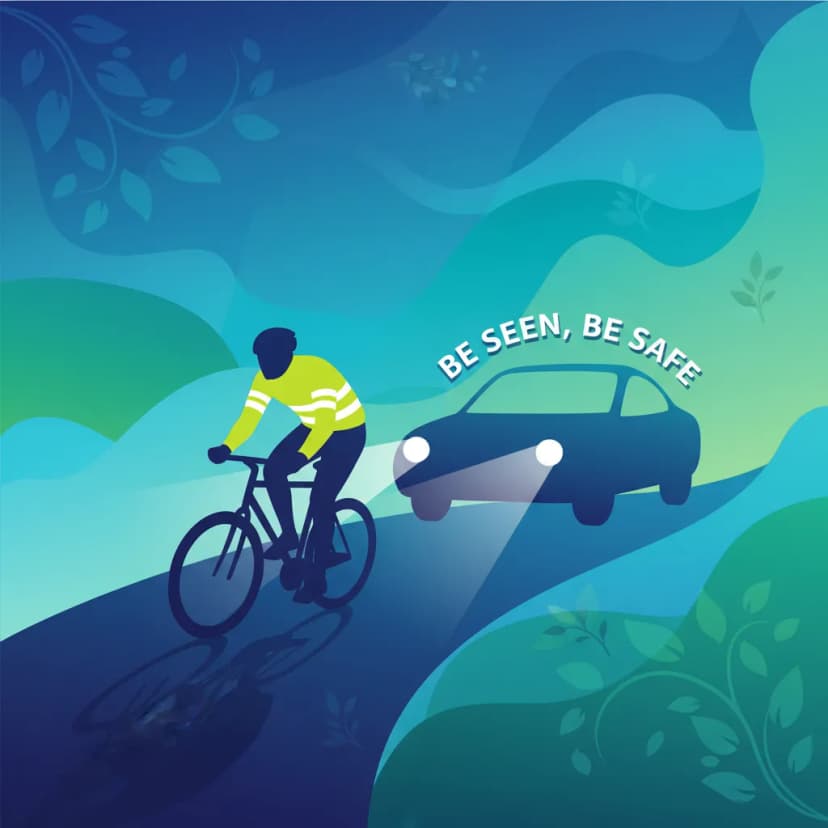
This lesson focuses on proactive strategies to increase a moped rider's visibility to other drivers. It strongly advocates for the use of high-visibility and reflective clothing, helmets, and accessories to stand out in traffic. Additionally, it revisits the concept of lane positioning as a tool to avoid being in other drivers' blind spots and to create a more prominent presence on the road.
Swedish Moped Theory AMPositioning, Lane Usage, and Visibility
View lesson
Identifying Blind Spots and Hidden Hazards lesson image

Identifying Blind Spots and Hidden Hazards

This lesson provides critical strategies for dealing with one of the biggest dangers in traffic: blind spots. You will learn the importance of the shoulder check and how to position yourself on the road to be more visible to other drivers. The lesson also trains you to scan the road surface ahead for hidden hazards like potholes, gravel, or oil spills that can pose a significant threat to a motorcycle's stability, teaching you to see and avoid them in time.

Swedish Motorcycle Theory AHazard Perception & Risk Management
View lesson
Night Riding, Dark Conditions, and Reduced Visibility lesson image

Night Riding, Dark Conditions, and Reduced Visibility

This lesson addresses the specific challenges of riding at night or in low-light conditions. You will learn how to use your headlights most effectively, how to cope with the glare from oncoming traffic, and how darkness affects your depth perception and ability to judge distances. Strategies for spotting nocturnal animals and the increased importance of wearing reflective gear to be seen by others are also key components of this essential safety lesson.

Swedish Motorcycle Theory AAdverse Weather & Low-Grip Conditions
View lesson
Seasonal Equipment, Clothing, and Rider Visibility Adjustments lesson image

Seasonal Equipment, Clothing, and Rider Visibility Adjustments

This lesson provides practical advice on selecting the appropriate riding gear for the diverse Swedish seasons. You will learn about the importance of layering for warmth in the cold, ventilated gear for summer heat, and effective waterproofs for rain. The content emphasizes how the right equipment not only keeps you comfortable and focused but also provides crucial protection and enhances your visibility to other road users, making it a critical component of overall motorcycle safety.
Swedish Motorcycle Theory AAdverse Weather & Low-Grip Conditions
View lesson
Light Signals, Horn Use, and Audible Alerts lesson image

Light Signals, Horn Use, and Audible Alerts

This lesson covers the correct interpretation and response to all forms of light and audible signals a motorcyclist will encounter. You will study the sequences of traffic lights, the rules for using turn indicators and hazard lights, and the legally permitted uses of the horn. Proper use of these signals is a fundamental aspect of safe riding, as it communicates your intentions clearly to other road users and helps prevent misunderstandings and collisions.
Swedish Motorcycle Theory ASwedish Road Signs & Signals for Motorcyclists
View lesson
Defensive Riding and Escape Path Planning lesson image

Defensive Riding and Escape Path Planning

This lesson introduces the core concepts of defensive riding, which involves anticipating potential dangers and actively managing the space around your motorcycle. You will learn the technique of continuously identifying and maintaining an 'escape path'—an open space to move into if a threat suddenly appears. This proactive, forward-thinking approach dramatically reduces the chances of being trapped in a dangerous situation and is a key skill of advanced, safe riders.
Swedish Motorcycle Theory AHazard Perception & Risk Management
View lesson
Warning Signs and Hazard Indicators lesson image

Warning Signs and Hazard Indicators

This lesson focuses on Swedish warning signs designed to alert drivers to potential dangers. You will study signs indicating sharp bends, slippery surfaces, animal crossings, and temporary hazards like road construction. Correctly interpreting these signs allows a motorcyclist to proactively adjust speed, lane position, and readiness to react, which is essential for maintaining control and safety, especially in adverse weather or on unfamiliar roads.

Swedish Motorcycle Theory ASwedish Road Signs & Signals for Motorcyclists
View lesson
Interaction with Cars, Trucks, Cyclists, and Pedestrians lesson image

Interaction with Cars, Trucks, Cyclists, and Pedestrians

This lesson provides in-depth analysis of how to safely interact with the full spectrum of road users. You will learn about the specific characteristics of each, such as the large blind spots of trucks, the potential for sudden movements from cyclists, and the unpredictability of pedestrians. The content teaches strategies for communication, anticipation, and defensive positioning to ensure safe and respectful coexistence on the road for everyone.

Swedish Motorcycle Theory ARiding in Various Traffic Environments
View lesson
Helmet Standards, Protective Clothing, and Visibility Aids lesson image

Helmet Standards, Protective Clothing, and Visibility Aids

This lesson focuses on the single most important piece of safety gear: the helmet. You will learn about the legal standards helmets must meet in Sweden (e.g., ECE ratings) and how to ensure a proper fit. The content also covers the full range of personal protective equipment (PPE), including jackets, pants, gloves, and boots, explaining the importance of abrasion resistance, impact armor, and high-visibility features for rider protection.
Swedish Motorcycle Theory ALegal Responsibilities, Documentation & Protective Equipment
View lesson
Securing the Scene, Signaling, and Hazard Management lesson image

Securing the Scene, Signaling, and Hazard Management

This lesson teaches you how to make an accident scene as safe as possible for yourself, any other involved parties, and approaching traffic. You will learn the correct use of hazard lights, the placement of warning triangles, and the importance of wearing a high-visibility vest. The content also covers how to identify and manage immediate post-crash hazards, such as spilled fuel or unstable vehicles, to prevent the situation from worsening.

Swedish Motorcycle Theory AAccident Response & Roadside Safety
View lesson

Understanding Driver Blind Spots and Motorcycle Interaction Theory

Learn how to anticipate and avoid potential hazards related to other road users' blind spots. This lesson focuses on how motorcyclists can position themselves to be aware of and visible to car drivers, cyclists, and pedestrians in Swedish traffic environments.

visibilityrider positioninghazard perceptiondefensive ridingtraffic interactionmotorcycle safety
Identifying Blind Spots and Hidden Hazards lesson image

Identifying Blind Spots and Hidden Hazards

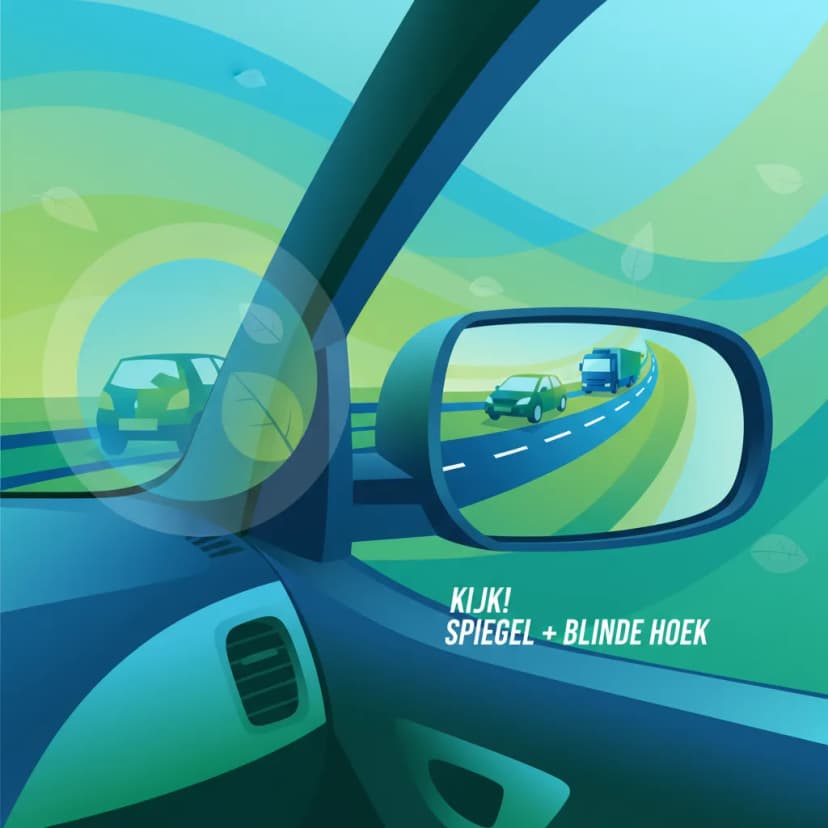
This lesson provides critical strategies for dealing with one of the biggest dangers in traffic: blind spots. You will learn the importance of the shoulder check and how to position yourself on the road to be more visible to other drivers. The lesson also trains you to scan the road surface ahead for hidden hazards like potholes, gravel, or oil spills that can pose a significant threat to a motorcycle's stability, teaching you to see and avoid them in time.
Swedish Motorcycle Theory AHazard Perception & Risk Management
View lesson
Using Mirrors and Checking Blind Spots lesson image

Using Mirrors and Checking Blind Spots

This lesson emphasizes the importance of a comprehensive visual scanning routine that includes regular mirror checks and mandatory head checks (shoulder checks) to cover blind spots. It explains that mirrors alone are not sufficient and that a physical turn of the head is required before any lateral movement. This habit is fundamental to preventing collisions during lane changes, merging, or turning.

Swedish Moped Theory AMPositioning, Lane Usage, and Visibility
View lesson
Risk Assessment in Mixed Traffic (Cars, Bicycles, Pedestrians) lesson image

Risk Assessment in Mixed Traffic (Cars, Bicycles, Pedestrians)

This lesson teaches you how to analyze and assess risk when sharing the road with a variety of users, from large trucks to cyclists and pedestrians. You will learn to recognize common patterns of behavior and potential conflict points, allowing you to anticipate the actions of others before they create a dangerous situation. Developing this predictive mindset is a cornerstone of defensive riding and is key to staying safe in busy, complex traffic environments.

Swedish Motorcycle Theory AHazard Perception & Risk Management
View lesson
Co-existence with Cars and Heavy Vehicles lesson image

Co-existence with Cars and Heavy Vehicles

This lesson focuses on the specific challenges mopeds face when interacting with cars and heavy vehicles. It highlights the significant blind spots (or 'no-zones') around trucks and buses and teaches riders how to position themselves to remain visible. The content also covers the dangers of wind turbulence when near large vehicles and the importance of maintaining a generous space cushion.

Swedish Moped Theory AMInteraction with Other Road Users
View lesson
Interaction with Cars, Trucks, Cyclists, and Pedestrians lesson image

Interaction with Cars, Trucks, Cyclists, and Pedestrians

This lesson provides in-depth analysis of how to safely interact with the full spectrum of road users. You will learn about the specific characteristics of each, such as the large blind spots of trucks, the potential for sudden movements from cyclists, and the unpredictability of pedestrians. The content teaches strategies for communication, anticipation, and defensive positioning to ensure safe and respectful coexistence on the road for everyone.

Swedish Motorcycle Theory ARiding in Various Traffic Environments
View lesson
Use of Mirrors and Blind Spot Management lesson image

Use of Mirrors and Blind Spot Management

This lesson focuses on creating a complete awareness of the traffic situation around your vehicle. You will learn the correct procedure for using your interior and side mirrors in a continuous scanning pattern. Crucially, the lesson explains what the blind spot (döda vinkeln) is, where it is located, and why a physical head check over the shoulder is a non-negotiable safety step before any lateral movement like changing lanes or turning.

Swedish Driving Theory BVehicle Control and Maneuvering
View lesson

Frequently asked questions about Visibility Strategies and Rider Positioning

Find clear answers to common questions learners have about Visibility Strategies and Rider Positioning. Learn how the lesson is structured, which driving theory objectives it supports, and how it fits into the overall learning path of units and curriculum progression in Sweden. These explanations help you understand key concepts, lesson flow, and exam focused study goals.

Why is rider positioning so important for motorcycle visibility in Sweden?

In Sweden, as elsewhere, other road users may not always look for motorcycles. Strategic lane positioning allows you to occupy the part of the lane that maximizes your visibility to drivers in adjacent vehicles and those approaching from ahead or behind. It also helps you avoid their blind spots and ensures you have a clear line of sight through junctions and around bends, reducing the chance of surprises.

What kind of clothing makes a motorcycle rider most visible in Sweden?

High-visibility clothing, often fluorescent in colours like yellow, orange, or green, is highly effective, especially during daylight and twilight. Reflective materials are crucial for visibility at night when illuminated by headlights. Look for gear certified to appropriate safety standards that incorporates both bright colours and reflective elements.

How does rider positioning affect seeing hazards?

By positioning yourself correctly within your lane, you can improve your field of vision. For example, when approaching a right-hand bend, moving towards the left side of your lane can give you a better view of oncoming traffic and the exit of the bend. Conversely, when approaching a left-hand bend, moving slightly to the right can improve your view around parked cars or junctions.

Should I always ride in the middle of the lane to be seen?

Not necessarily. The 'middle' of the lane is relative to traffic conditions and visibility. Sometimes, positioning slightly to one side of the lane (e.g., the left side on a two-lane road in Sweden when there's no one beside you) can increase your visibility to drivers in other lanes and those you are approaching. The goal is to occupy the space that makes you most visible and gives you the best view, rather than a fixed point.

Are there specific rules in Sweden about motorcycle lights?

Yes, in Sweden, motorcycles are generally required to have their headlights on at all times when driving, regardless of the time of day or weather conditions. This rule is in place to maximize rider visibility and is a key part of Swedish traffic law, which is frequently tested in the theory exam.

Continue your Swedish driving theory learning journey

Swedish road signsSwedish article topicsSearch Swedish road signsSwedish driving theory homeSwedish road sign categoriesSwedish Moped Theory AM courseSearch Swedish theory articlesSwedish driving theory coursesSwedish Driving Theory B courseSwedish driving theory articlesSwedish driving theory practiceSwedish practice set categoriesSwedish Motorcycle Theory A courseSearch Swedish driving theory practiceRoad Signs and Signals unit in Swedish Driving Theory BVehicle Control and Maneuvering unit in Swedish Driving Theory BPriority Rules and Intersections unit in Swedish Driving Theory BSpeed Limits and Distance Management unit in Swedish Driving Theory BAccident Response & Roadside Safety unit in Swedish Motorcycle Theory AAdverse Weather & Low-Grip Conditions unit in Swedish Motorcycle Theory ASpeed Limits and Safe Following Distances unit in Swedish Moped Theory AMEmergency Maneuvers & Obstacle Avoidance unit in Swedish Motorcycle Theory AEmergency Situations and Accident Procedures unit in Swedish Driving Theory BDefensive Riding and Escape Path Planning lesson in Hazard Perception & Risk ManagementIdentifying Blind Spots and Hidden Hazards lesson in Hazard Perception & Risk ManagementVisibility Strategies and Rider Positioning lesson in Hazard Perception & Risk ManagementLegal Responsibilities, Documentation & Protective Equipment unit in Swedish Motorcycle Theory ACognitive Load, Fatigue, and Concentration Management lesson in Hazard Perception & Risk ManagementRisk Assessment in Mixed Traffic (Cars, Bicycles, Pedestrians) lesson in Hazard Perception & Risk Management