
Mastering your motorcycle's brakes is paramount for safe riding. This lesson delves into the critical techniques of front, rear, and combined braking, explaining the physics behind deceleration and how to apply them effectively. It's a crucial part of your Category A preparation, ensuring you can handle both normal and emergency situations with confidence.
Effective braking is arguably the most critical skill for any motorcyclist. It directly influences your ability to control your vehicle, reduce stopping distances, and ultimately, avoid collisions. This lesson provides a detailed guide to motorcycle braking, covering the physics of deceleration, the specific roles of the front and rear brakes, advanced techniques like progressive and combined braking, the function of Anti-Lock Braking Systems (ABS), and how to adapt your strategy to various road conditions. Mastery of these techniques is essential for safe everyday riding and is a fundamental requirement for the Swedish Category A motorcycle licence exam within the Swedish Motorcycle Theory Course.
Braking on a motorcycle is a nuanced art, distinct from braking in a car due to the two wheels and dynamic weight shifts. Understanding the underlying principles of physics and vehicle dynamics is crucial to safely and efficiently bring your motorcycle to a halt. Incorrect braking can lead to loss of control, skidding, and accidents, making this lesson a cornerstone of your safety education.
When you apply the brakes on a motorcycle, the vehicle's momentum doesn't just disappear; it shifts. This phenomenon is known as weight transfer or load transfer. As the motorcycle decelerates, its centre of mass shifts forward, increasing the load on the front wheel and decreasing the load on the rear wheel.
The practical implication of this is profound: the front wheel gains significantly more traction potential during braking. In hard braking, the front tyre can bear up to 70% or even 80% of the motorcycle's total weight, allowing it to generate the majority of the stopping force. Conversely, the rear wheel becomes lighter, making it more susceptible to locking up. Recognising this dynamic is the first step towards intelligent brake application.
Every tyre has a traction limit, which is the maximum amount of force it can transmit to the road surface before it starts to slip. This limit is determined by two main factors: the normal load (the weight pressing down on the tyre) and the coefficient of friction (μ) between the tyre and the road.
Exceeding the traction limit for either wheel results in wheel lock-up, causing a loss of grip. For the front wheel, a lock-up almost invariably leads to a loss of steering control and typically a high-side crash, where the bike suddenly regains traction and throws the rider off. A locked rear wheel, while less immediately catastrophic, can cause the rear of the bike to slide out, often resulting in a low-side crash. Your goal in braking is always to apply the maximum possible braking force without exceeding the traction limit of either tyre.
Motorcycles are equipped with independent front and rear braking systems. Mastering how to use them together, not just separately, is key to safe and efficient deceleration.
Progressive brake application is the technique of gradually increasing brake pressure rather than grabbing the lever or pedal abruptly. This allows the motorcycle to settle as weight transfers forward, maximising available traction.
Initial Front Brake Engagement: Begin by gently squeezing the front brake lever. This initial light pressure compresses the front forks, initiating the weight transfer to the front wheel.
Increasing Front Brake Pressure: As the weight transfers and you feel the front tyre gaining grip, steadily increase pressure on the front brake lever. This is where most of your stopping power comes from.
Adding Rear Brake (Balancing Phase): Once significant front braking is established and the rear wheel has lightened, gently apply the rear brake pedal. Its role here is less about raw stopping power and more about maintaining stability and preventing the rear wheel from lifting or skidding due to lack of load.
Modulation and Feel: Throughout the process, pay close attention to the feel of the brakes. If you feel a wheel beginning to lock, slightly ease off the pressure.
This technique ensures you stay within the traction limits, providing the shortest possible stopping distance while maintaining stability and steering control. It's the foundation of effective braking in almost all situations.
Combined braking refers to the simultaneous use of both the front and rear brakes, typically with a predetermined pressure distribution. On most motorcycles, the front brake provides the majority of the stopping power (often 70-80% on dry roads), while the rear brake contributes to stability and additional deceleration.
The front brake is your primary stopping tool. Due to the significant weight transfer during deceleration, the front tyre can handle immense braking forces. Learning to apply the front brake firmly and progressively is paramount. Many riders fear locking the front wheel, but with proper progressive application, you can achieve powerful and controlled stops. The trick is to squeeze, not grab, allowing the bike to settle and the tyre to load up.
While the rear brake contributes less to overall stopping power, it plays a vital role in stability. On dry surfaces, a properly applied rear brake helps keep the chassis stable and can reduce stopping distances slightly. On low-grip surfaces, or when riding at very low speeds, the rear brake can be particularly useful for fine-tuning speed and maintaining balance without unsettling the front end. However, remember that the rear wheel is prone to locking due to reduced load, especially under hard front braking. Its application should be gentle and proportionate to the available traction.
For maximum deceleration and stability in most scenarios, especially emergency stops, focus on progressive front brake application (the dominant force) while gently feeding in the rear brake to keep the rear wheel engaged and stable.
The Anti-Lock Braking System (ABS) is a significant safety feature designed to prevent wheel lock-up during braking. It allows riders to apply maximum brake force without losing steering control, particularly in emergency situations or on slippery surfaces.
ABS continuously monitors the speed of each wheel. If it detects that a wheel is about to lock (i.e., its rotational speed drops too rapidly compared to the motorcycle's ground speed), it rapidly modulates the brake pressure to that wheel. This means the system will briefly release and reapply the brake many times per second, keeping the wheel just below its locking point.
Most modern motorcycles feature two-channel ABS, which monitors and controls both front and rear wheels independently. Older or simpler systems might only have ABS on the front wheel.
Benefits:
Limitations:
If your motorcycle is equipped with ABS, ensure it is always functional. Disabling ABS removes a critical safety feature and can significantly increase the risk of an accident, especially in unforeseen circumstances.
Brake fade is a reduction in braking effectiveness caused by the overheating of brake components, such as the brake pads, discs, or hydraulic fluid. When brake components get too hot, their ability to generate friction diminishes, leading to a noticeable decrease in stopping power and a spongy feel in the brake lever or pedal.
Brake fade commonly occurs during prolonged or heavy braking, such as descending a long, steep hill. Over-relying on one brake, particularly the rear brake, can also accelerate fade. To prevent brake fade:
In Sweden, traffic regulations, primarily found in the Trafikförordningen (1998:127), set out the legal framework for safe vehicle operation, including braking. These regulations emphasise safe and responsible conduct, ensuring that braking actions do not endanger other road users.
Effective braking is not a one-size-fits-all skill. Riders must constantly adapt their technique based on prevailing conditions.
Even experienced riders can make mistakes under pressure. Being aware of common pitfalls can help you avoid them.
Let's look at how these principles are applied in real-world riding situations.
Scenario A – Emergency Stop on a Dry Road with ABS:
Scenario B – Braking on a Wet, Leaf-Covered Road without ABS:
Scenario C – Descending a Steep Hill with a Passenger:
By mastering these braking techniques, you significantly enhance your safety on the road and demonstrate the high level of control expected of riders in the Swedish Motorcycle Theory Course.
Lesson content overview
Explore all units and lessons included in this driving theory course.
Explore search topics learners often look for when studying Braking Techniques: Front, Rear, and Combined Braking. These topics reflect common questions about road rules, driving situations, safety guidance, and lesson level theory preparation for learners in Sweden.
Browse additional driving theory lessons that cover connected traffic rules, road signs, and common driving situations related to this topic. Improve your understanding of how different rules interact across everyday traffic scenarios.
Explore the physics behind motorcycle braking. Understand how weight transfer affects front and rear brake effectiveness, crucial for managing traction during deceleration and emergency stops. This lesson delves deeper into braking dynamics relevant to Swedish motorcycle theory.

This lesson teaches the physical skill of applying maximum braking force while maintaining control of the motorcycle. You will learn the technique of progressive braking to avoid locking the wheels and how to react if a skid does occur. Understanding how to manage both front and rear wheel skids and how an ABS system assists in these situations gives you the best possible chance of stopping safely and quickly in an emergency.
This lesson provides a detailed guide to using a moped's braking system effectively and safely. It explains the different roles of the front and rear brakes and the concept of balanced braking to maximize stopping power without losing traction. Learners will understand techniques for both normal, controlled stops and emergency braking situations, including how to manage weight transfer.
This lesson provides a deeper understanding of the factors that affect a motorcycle's stability and grip. You will learn how acceleration and braking cause load transfer between the front and rear wheels, affecting the size of the tire contact patch and available traction. This knowledge is crucial for managing grip on various surfaces, especially in wet or loose conditions, and for understanding how carrying a passenger or luggage impacts the bike's handling.
This lesson covers the final phase of an emergency maneuver: coming to a safe, controlled stop and moving off the road. You will learn the procedure for finding a safe spot, signaling your intentions, and securing the motorcycle. It also addresses the important steps to take after the immediate danger has passed, including checking yourself and your vehicle for damage and taking a moment to regain your composure before continuing your journey.
This lesson explains the function of key electronic driver aids. You will learn how the Anti-lock Braking System (ABS) prevents wheels from locking during hard braking, allowing you to maintain steering control. The lesson also covers the Electronic Stability Program (ESP), which helps prevent skids by automatically braking individual wheels, and Traction Control (TCS), which prevents wheel spin during acceleration on slippery surfaces.
This lesson breaks down the three pillars of motorcycle control: balance, throttle, and steering. You will learn how the motorcycle maintains stability at speed and how to control it at low speeds, the art of smooth and precise throttle application, and the essential technique of counter-steering to initiate turns. Understanding how these three inputs work together is the first step toward becoming a smooth, confident, and safe rider who is truly in control of their machine.
This lesson focuses on the three fundamental inputs for controlling a car: steering, acceleration, and braking. You will learn the correct hand positioning on the steering wheel for maximum control and techniques for smooth, progressive application of the gas and brake pedals. The content explains how these inputs affect the vehicle's balance and stability, forming the basis for all advanced driving and maneuvering techniques.
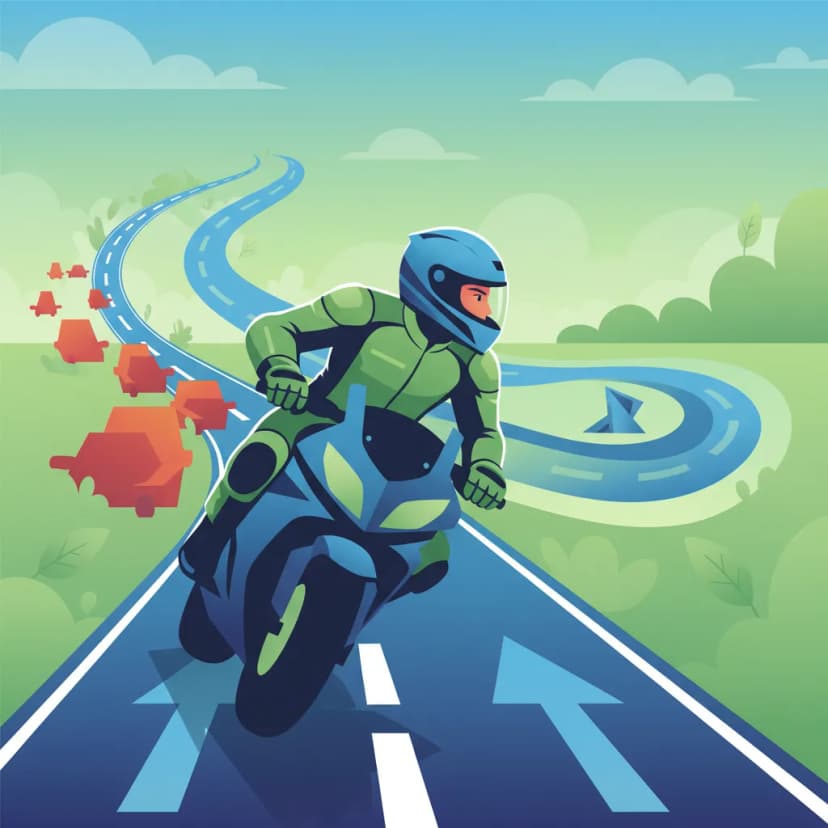
This lesson introduces the core concepts of defensive riding, which involves anticipating potential dangers and actively managing the space around your motorcycle. You will learn the technique of continuously identifying and maintaining an 'escape path'—an open space to move into if a threat suddenly appears. This proactive, forward-thinking approach dramatically reduces the chances of being trapped in a dangerous situation and is a key skill of advanced, safe riders.
This lesson provides critical knowledge on how to prevent and manage a skid. You will learn to differentiate between understeer (front-wheel skid) and oversteer (rear-wheel skid) and the correct steering and pedal inputs required to recover control in each case. The importance of looking and steering in the desired direction of travel is a key focus, along with understanding how modern safety systems like ABS and ESP assist the driver.
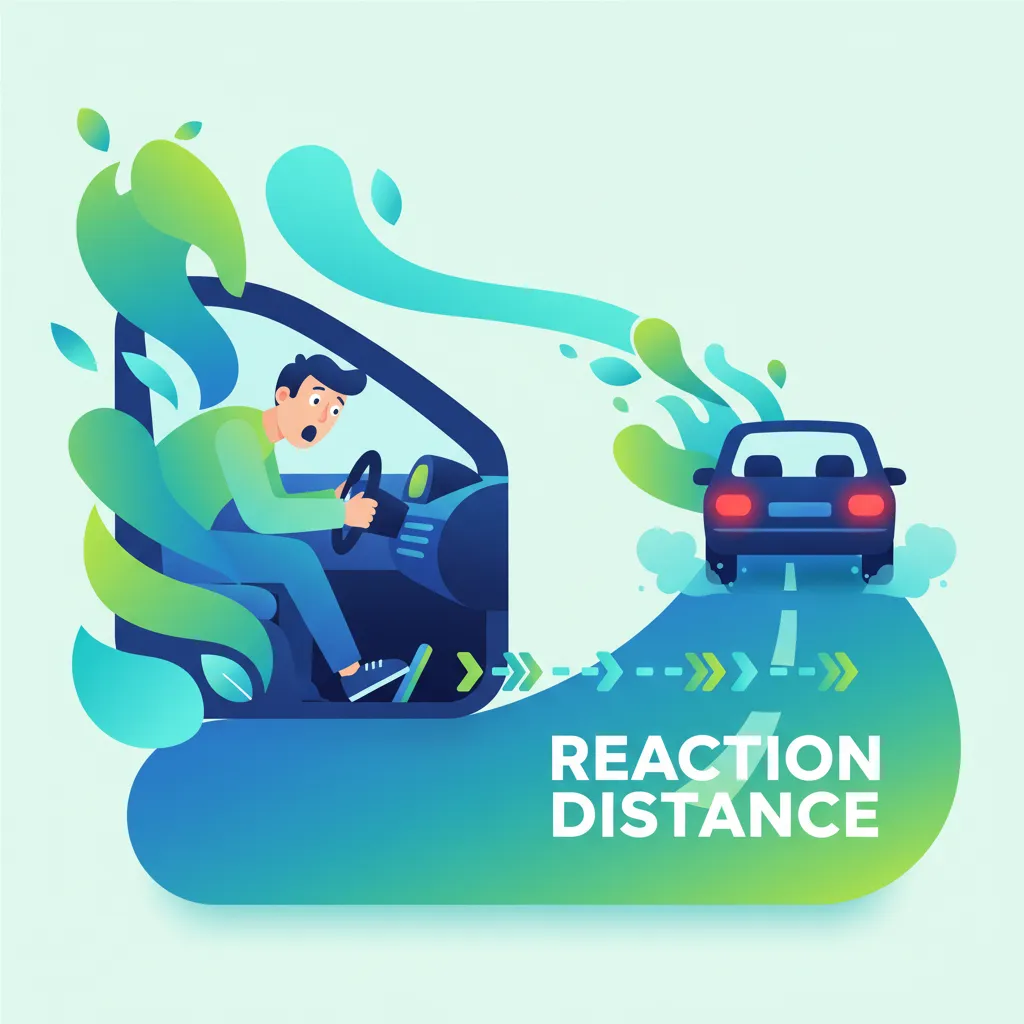
This lesson breaks down the components of the total stopping distance: reaction distance and braking distance. You will learn how your physical and mental state affects reaction time, and how speed, tire condition, and road surface (e.g., ice, rain) influence the distance required to brake to a complete stop. Understanding these physical principles is essential for making safe decisions about speed and following distance in all conditions.
Learn how to adapt motorcycle braking techniques for various surfaces like rain, ice, and snow. This lesson covers managing ABS and maintaining control, building on essential braking knowledge for safe riding in challenging Swedish weather.

This lesson provides a complete guide to riding in wet conditions. You will learn how rain affects traction and braking distances, and the techniques needed to ride smoothly and safely, including gentle throttle and brake application. The content explains the phenomenon of hydroplaning, how to recognize conditions where it might occur, and what to do to avoid it, as well as tips on rain gear and maintaining clear vision.
This lesson teaches the physical skill of applying maximum braking force while maintaining control of the motorcycle. You will learn the technique of progressive braking to avoid locking the wheels and how to react if a skid does occur. Understanding how to manage both front and rear wheel skids and how an ABS system assists in these situations gives you the best possible chance of stopping safely and quickly in an emergency.
This lesson provides essential information for any motorcyclist considering riding in cold Swedish weather. You will learn how cold temperatures affect tire performance and the extreme caution required on surfaces with potential ice or snow. The content focuses on recognizing hazardous spots like black ice, the need for exceptionally smooth and gentle control inputs, and why in many cases, the safest decision is not to ride at all in such conditions.
This lesson provides a detailed guide to using a moped's braking system effectively and safely. It explains the different roles of the front and rear brakes and the concept of balanced braking to maximize stopping power without losing traction. Learners will understand techniques for both normal, controlled stops and emergency braking situations, including how to manage weight transfer.

This lesson details the specific hazards associated with riding on wet roads, including significantly increased stopping distances and the risk of aquaplaning. It explains how to recognize conditions where aquaplaning is likely and the importance of reducing speed. Riders will learn to use smoother throttle, braking, and steering inputs to maintain traction and control.
This lesson addresses the severe dangers of riding a moped in snow and icy conditions. It explains how to identify potential hazards like black ice and emphasizes that avoiding riding in such conditions is the safest strategy. For situations where it cannot be avoided, it provides advice on extremely gentle control inputs and vehicle preparation.
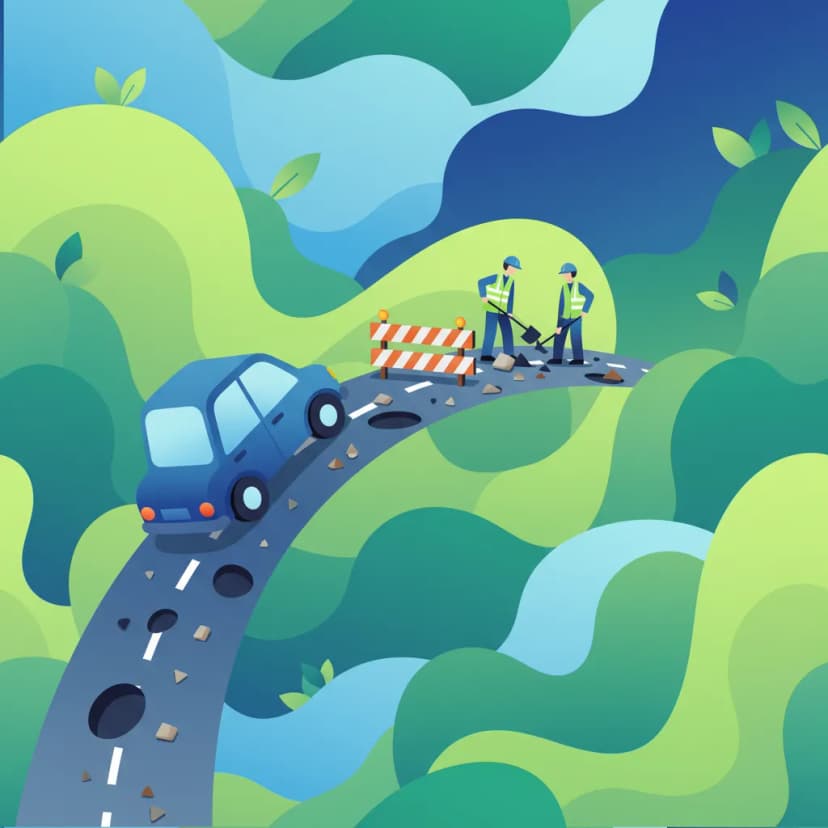
This lesson provides practical techniques for dealing with unavoidable road surface hazards. You will learn how to approach and cross obstacles like potholes, manhole covers, and patches of debris with minimal disruption to the motorcycle's stability. The content covers adjusting your speed, choosing the best line, and using your body to absorb impacts, helping you navigate the imperfections of real-world roads safely.
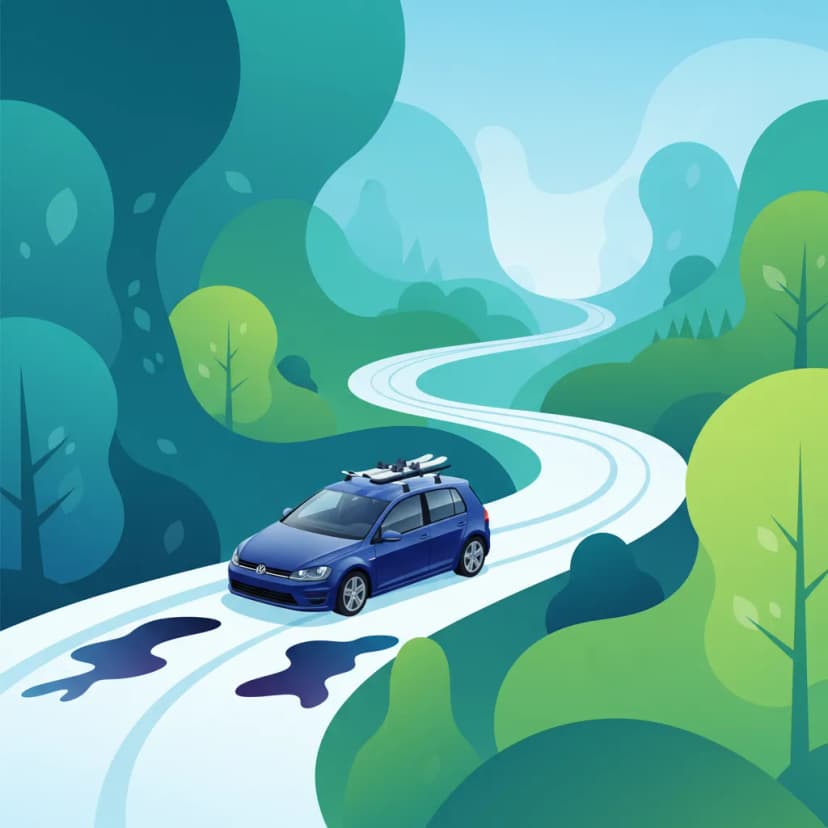
This lesson teaches you how to recognize and adapt to different types of slippery winter surfaces. You will learn about the characteristics of driving in loose snow, packed snow, and on ice, with a special focus on detecting 'black ice' (ishalka), which is transparent and extremely dangerous. The content identifies high-risk areas such as bridges and shaded sections of the road and emphasizes the need for extremely gentle steering, acceleration, and braking inputs.
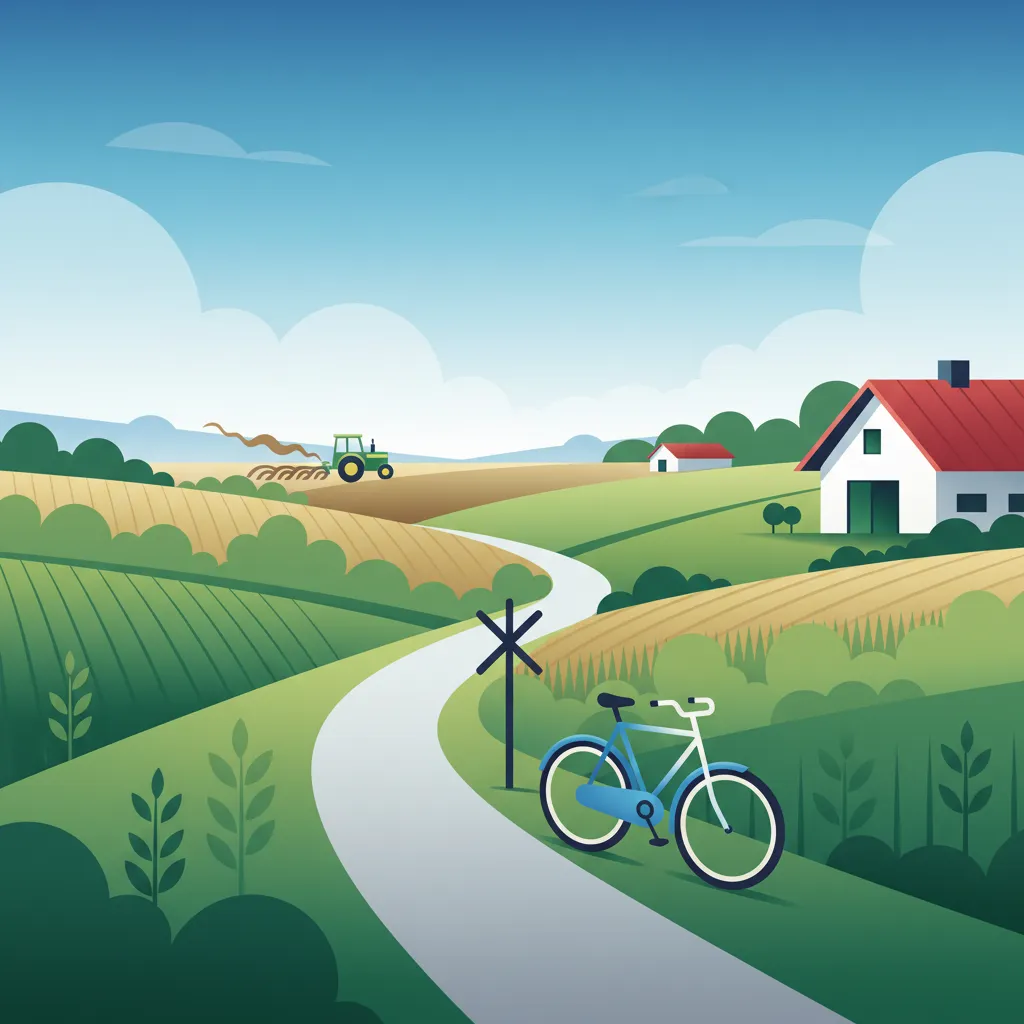
This lesson prepares you for the specific challenges of riding on rural roads in Sweden. You will learn how to read the road ahead for changes in surface quality, approach blind corners safely, and adjust your speed for narrow lanes with no shoulder. The content also covers how to anticipate and safely interact with slow-moving agricultural vehicles and the potential for wild animals on the road, ensuring you are prepared for the unpredictable nature of country riding.
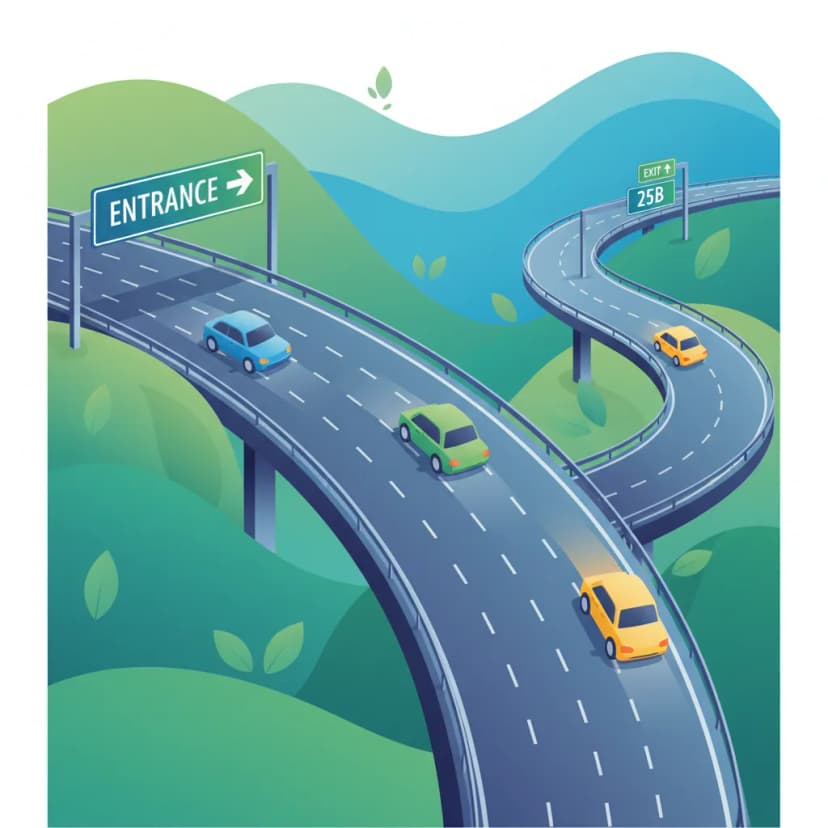
This lesson provides a step-by-step guide to motorway riding. You will learn the correct technique for accelerating on an on-ramp and merging smoothly into high-speed traffic. The content also covers maintaining proper lane discipline, executing safe overtakes, keeping a safe following distance at speed, and planning for your exit well in advance to ensure a smooth and stress-free experience on Sweden's fastest roads.
Find clear answers to common questions learners have about Braking Techniques: Front, Rear, and Combined Braking. Learn how the lesson is structured, which driving theory objectives it supports, and how it fits into the overall learning path of units and curriculum progression in Sweden. These explanations help you understand key concepts, lesson flow, and exam focused study goals.
Generally, the front brake provides significantly more stopping power (around 70-80%) due to weight transfer. However, using both brakes in combination is the most effective way to stop quickly and safely. Over-reliance on the front brake without proper technique can lead to a front wheel lock-up, while over-reliance on the rear can cause instability or a rear wheel lock-up.
ABS (Anti-lock Braking System) prevents wheel lock-up by modulating brake pressure automatically. With ABS, you can typically apply maximum brake pressure without fear of skidding. However, it's still crucial to brake smoothly and understand its limitations, especially on very loose surfaces where ABS might not be as effective.
For an emergency stop, your first action should be to close the throttle completely. Immediately apply both brakes firmly and progressively, favouring the front brake. Maintain a straight line and look ahead, not down at the controls. If your motorcycle has ABS, you can usually apply maximum pressure without worrying about lock-up.
The road surface dramatically affects braking. Smooth, dry asphalt offers the best grip, resulting in the shortest braking distances. Wet surfaces, gravel, sand, ice, or snow significantly reduce traction, increasing braking distances substantially. You must adapt your braking force and distance accordingly, braking earlier and more gently in low-grip conditions.
It's generally advisable to avoid using the rear brake heavily when leaned over in a corner, as this can destabilize the motorcycle and potentially cause a slide or loss of traction. In most situations, especially emergency stops, it's best to use both brakes, but with a smooth, controlled application of the rear brake to complement the front.