
Welcome to the 'Adverse Weather & Low-Grip Conditions' unit. This lesson focuses specifically on riding your motorcycle in the rain, covering essential techniques to manage reduced traction and the risks of hydroplaning. Mastering these skills is crucial for your Category A exam and safe riding year-round in Sweden.

Riding a motorcycle in the rain presents unique challenges that demand heightened awareness, specific riding techniques, and thorough preparation. Wet road conditions significantly alter the dynamics of your motorcycle, increasing the risk of losing traction, extending braking distances, and reducing overall visibility. This comprehensive lesson will guide you through the physics of riding on wet surfaces, practical safety techniques, and relevant Swedish traffic regulations to ensure you are well-prepared for safe motorcycling in adverse weather.
Water on the road surface acts as a lubricant, dramatically reducing the friction between your motorcycle's tyres and the pavement. When enough water accumulates, a critical phenomenon known as hydroplaning can occur, leading to a complete loss of control.
Hydroplaning is the loss of tyre-road contact caused by a thin layer of water separating the tyre tread from the pavement. This results in a rapid and severe reduction of both lateral (side-to-side) and longitudinal (forward-backward) grip, effectively making the tyre float on water.
Under normal dry conditions, your tyres' tread blocks flex and grip the road surface, providing the necessary friction for acceleration, braking, and steering. In wet conditions, the tyre tread is designed to channel water away from the contact patch – the small area where the tyre meets the road. However, if the volume of water is too great for the tread to evacuate, or if the speed is too high, a wedge of water builds up under the tyre. This water pressure lifts the tyre off the road, severing its mechanical connection. The sensation for a rider can be a sudden lightness in steering, a loss of engine braking effect, and ineffective application of the brakes.
While often used interchangeably, hydroplaning can manifest in different ways, primarily influenced by speed, water depth, and road surface characteristics.
Dynamic Hydroplaning: This is the most common and dangerous type for motorcyclists. It occurs at higher speeds when the tyre's contact patch cannot displace the water fast enough. The water pressure builds up to exceed the tyre's downward pressure, causing it to lift off the road. Factors like vehicle speed, tyre pressure, tread depth, and water depth are critical determinants. Higher speeds, deeper water, lower tyre pressure, and worn tread all increase the risk of dynamic hydroplaning.
Viscous Hydroplaning: Less common for motorcycles but still possible, especially at very low speeds on extremely smooth surfaces with a thin film of water, like highly polished concrete or asphalt made slippery by oil residues mixed with light rain. It's caused by the viscous properties of the water itself, which resist displacement. The primary characteristic here is a thin, extremely slick water film rather than deep standing water.
Do not assume hydroplaning only occurs at very high speeds. While speed is a major factor, it can happen at significantly lower speeds (e.g., 60 km/h or less) if water is deep enough and tyres are worn or under-inflated.
Several interconnected factors determine the likelihood and severity of hydroplaning:
One of the most significant changes when riding in the rain is the impact on braking performance. Reduced traction means you will need substantially longer distances to stop safely.
The coefficient of friction (µ) between your tyres and the road surface is significantly reduced in wet conditions. On dry asphalt, µ typically ranges from 0.7 to 0.9. On wet asphalt, this can drop to 0.4 to 0.6, or even lower on very slick surfaces. This reduction directly translates to longer braking distances.
The ratio of frictional force to the normal force between two surfaces. A lower coefficient of friction indicates less grip.
The total stopping distance consists of two parts:
On wet roads, the braking distance can increase by a factor of 1.5 to 2 times compared to dry conditions. For example, if your dry braking distance at 80 km/h is approximately 45 metres, it could extend to 80 metres or more in the wet. This drastic increase demands that you maintain significantly greater following distances and adjust your speed downwards.
Incremental, smooth modulation of accelerator and brake levers to avoid sudden changes in tyre load and slip ratio, thus maintaining traction.
Abrupt braking on a wet surface can easily exceed the reduced traction limits of your tyres, leading to wheel lock-up and a loss of control. The key to safe wet braking is progressive (or gentle) application.
Start Early: Begin braking much earlier than you would in dry conditions. Your sight lines need to be longer to account for the increased stopping distance.
Gentle Initial Application: Apply both front and rear brakes very gently at first. Feel for the available grip.
Increase Pressure Smoothly: Gradually and smoothly increase the pressure on both brake levers. Avoid sudden grabs or sharp squeezes.
Maintain Balance: While the front brake provides the majority of stopping power, gentle use of the rear brake helps stabilize the motorcycle and reduces the risk of a front-wheel lock-up. Distribute braking force carefully.
Avoid Lock-Up: Be highly sensitive to any signs of a tyre beginning to slide. If a wheel starts to lock, immediately ease off the brake slightly to regain traction, then reapply progressively.
Many modern motorcycles are equipped with Anti-lock Braking Systems (ABS), which can be a significant safety aid in wet conditions by preventing wheel lock-up. However, ABS does not reduce braking distance; it only helps maintain steering control during hard braking. You still need to adapt your speed and use progressive braking techniques.
Wheel lock-up is a critical risk on wet roads, especially for the front wheel. A front-wheel lock-up typically results in an immediate fall, while a rear-wheel lock-up might be recoverable for an experienced rider. To minimize the risk:
Your tyres are the only contact between your motorcycle and the road. Their condition and proper inflation are paramount for safety, especially in the rain.
The tread pattern on your tyres is specifically designed to channel water away from the contact patch. The grooves, sipes (small slits), and channels work together to disperse water, allowing the rubber to maintain direct contact with the road.
The measured vertical distance from the tyre tread surface to the deepest groove, indicating the tyre's capacity to channel water.
As tyres wear, their tread depth decreases, reducing their ability to evacuate water. This makes older, worn tyres far more susceptible to hydroplaning and loss of grip in wet conditions. The minimum legal tread depth in Sweden, in line with EU regulations, is 1.6 mm across the central three-quarters of the tread. However, for safe wet weather riding, a greater tread depth is highly recommended, ideally above 2-3 mm. Regularly inspect your tyres for wear, looking for flat spots or uneven wear patterns.
Maintaining correct tyre pressure is fundamental for safe riding in all conditions, but it's especially critical in the rain.
Always inflate your tyres to the manufacturer's recommended pressure, which can usually be found in your owner's manual or on a sticker on the motorcycle itself. These pressures are optimized for a balance of grip, handling, and durability. Do not intentionally lower tyre pressure for wet conditions, as this often has a detrimental effect on water evacuation and stability.
Tyre pressure should be checked regularly, ideally weekly and always before a long ride, using an accurate gauge. Adjust pressure when tyres are cold, as heat generated during riding will increase pressure.
Before setting out in the rain or expecting wet conditions, always perform a quick check of your tyres:
Beyond braking, managing your throttle and steering inputs with extreme care is vital to maintaining traction in wet conditions.
Just as with braking, abrupt acceleration on a wet surface can easily overwhelm the grip of your rear tyre, causing it to spin and potentially leading to a dangerous slide.
Cornering on a motorcycle in the rain requires a significant adjustment in technique. The reduced friction means you have less available grip for leaning.
Be particularly wary of painted road markings (lines, arrows) and manhole covers. These surfaces become extremely slippery when wet and should be avoided, especially when leaned over or braking.
Weight transfer, the shift of the motorcycle's weight forward or backward under braking or acceleration, is exaggerated on slippery surfaces.
Understanding and consciously managing weight transfer through smooth control inputs is fundamental to maintaining stability and traction in the rain.
Rain not only affects grip but also significantly reduces visibility for both you and other road users. Ensuring you can see and be seen is a critical safety measure.
While not directly for rain, this sign reminds drivers to be aware of all conditions.
Swedish traffic regulations mandate specific lighting use in reduced visibility.
The standard low-intensity headlamp setting for normal driving and conditions of reduced visibility, designed to illuminate the road ahead without dazzling oncoming traffic.
Rain can quickly obscure your vision through your helmet visor, making it difficult to perceive hazards.
Motorcyclists are inherently less visible than cars. In the rain, this effect is amplified by reduced light, spray, and weather conditions.
Understanding how water behaves on different road surfaces and planning your route accordingly can significantly mitigate risks.
Roads are designed with drainage in mind, but efficacy varies widely.
Your lane position can greatly influence your safety in the rain:
Compliance with Swedish traffic regulations is mandatory, and several laws specifically address driving in adverse conditions.
This section of the Swedish Traffic Ordinance states that a driver shall adapt their speed to the prevailing conditions, which explicitly includes weather, road surface, visibility, and traffic situation.
This is a cornerstone of safe driving. In practice, it means that even if the posted speed limit is 80 km/h, if heavy rain and standing water reduce safe operating speed to 50 km/h, you are legally obliged to reduce your speed to 50 km/h or less. Failing to do so and causing an incident can lead to severe legal consequences.
This regulation mandates the use of dipped beam headlamps (halvljus) whenever visibility is reduced due to conditions such as rain, fog, or dusk/darkness.
As previously discussed, this law ensures that your motorcycle is visible to other road users and that you have adequate illumination for your immediate path without causing glare. Incorrect lighting usage in reduced visibility is a traffic offense.
This section requires that a vehicle must be in a condition suitable for the road, which implies that all components, including tyres, must meet safety standards.
This is further supported by the EU Tyre Regulation (which is applicable in Sweden), stipulating a minimum tread depth of 1.6 mm for tyres used on public roads. Riding with tyres below this minimum depth is illegal and highly dangerous, as it severely compromises water evacuation capability. Regular tyre checks are not just good practice, they are a legal obligation.
The Swedish Transport Agency (Transportstyrelsen) recommends maintaining a following distance that allows for safe stopping under current conditions. While a minimum of 3 seconds is generally advised in clear weather, this should be increased to 4-5 seconds (or more) in rainy conditions. This increased time gap provides the necessary safety margin to react to sudden stops by vehicles ahead, accounting for your extended wet braking distance.
Even experienced riders can make mistakes in wet conditions. Understanding these pitfalls and adapting to varying conditions is key.
Riding safely in the rain is a skill developed through understanding and practice. Prioritize preparation, anticipation, and smooth control inputs.
Tyre Inspection: Verify tread depth (minimum 1.6 mm, ideally more) and correct pressure.
Brake Functionality: Check brakes are working correctly and smoothly.
Lighting: Ensure all lights (headlamp, rear light, indicators) are functional.
Visor & Helmet: Clean visor, apply anti-fog/rain repellent, ensure comfortable fit.
Riding Gear: Wear waterproof, high-visibility clothing.
Route Planning: Check weather forecasts and plan a route that avoids known problem areas for drainage if possible.
Understanding the theory is crucial, but applying it in real-world scenarios solidifies your knowledge.
Lesson content overview
Explore all units and lessons included in this driving theory course.
Explore search topics learners often look for when studying Riding in Rain: Hydroplaning and Surface Water Management. These topics reflect common questions about road rules, driving situations, safety guidance, and lesson level theory preparation for learners in Sweden.
Browse additional driving theory lessons that cover connected traffic rules, road signs, and common driving situations related to this topic. Improve your understanding of how different rules interact across everyday traffic scenarios.
Explore advanced techniques for maintaining control and stability on wet roads and other low-grip surfaces. This lesson builds on basic wet weather principles, covering nuanced strategies for traction management, steering adjustments, and emergency maneuvers in challenging conditions.
This lesson provides essential information for any motorcyclist considering riding in cold Swedish weather. You will learn how cold temperatures affect tire performance and the extreme caution required on surfaces with potential ice or snow. The content focuses on recognizing hazardous spots like black ice, the need for exceptionally smooth and gentle control inputs, and why in many cases, the safest decision is not to ride at all in such conditions.

This lesson details the specific hazards associated with riding on wet roads, including significantly increased stopping distances and the risk of aquaplaning. It explains how to recognize conditions where aquaplaning is likely and the importance of reducing speed. Riders will learn to use smoother throttle, braking, and steering inputs to maintain traction and control.

This lesson teaches the physical skill of applying maximum braking force while maintaining control of the motorcycle. You will learn the technique of progressive braking to avoid locking the wheels and how to react if a skid does occur. Understanding how to manage both front and rear wheel skids and how an ABS system assists in these situations gives you the best possible chance of stopping safely and quickly in an emergency.
This lesson addresses the severe dangers of riding a moped in snow and icy conditions. It explains how to identify potential hazards like black ice and emphasizes that avoiding riding in such conditions is the safest strategy. For situations where it cannot be avoided, it provides advice on extremely gentle control inputs and vehicle preparation.

This lesson encourages a mindset of adapting riding style to the specific challenges of each season. It covers seasonal hazards such as wet leaves in the fall, loose gravel after winter, and sun glare in the summer. By being aware of these predictable changes, riders can proactively adjust their technique and maintain safety throughout the year.

This lesson addresses the specific challenges of riding at night or in low-light conditions. You will learn how to use your headlights most effectively, how to cope with the glare from oncoming traffic, and how darkness affects your depth perception and ability to judge distances. Strategies for spotting nocturnal animals and the increased importance of wearing reflective gear to be seen by others are also key components of this essential safety lesson.

This lesson explains the significant effect wind can have on a motorcycle and rider. You will learn how to anticipate and react to crosswinds and sudden gusts using subtle counter-steering inputs and adjustments in body position to maintain your line. The content also covers how to deal with the turbulence created by large vehicles, a common and unsettling experience, ensuring you can remain stable and in control even on the windiest days.
This lesson provides a deeper understanding of the factors that affect a motorcycle's stability and grip. You will learn how acceleration and braking cause load transfer between the front and rear wheels, affecting the size of the tire contact patch and available traction. This knowledge is crucial for managing grip on various surfaces, especially in wet or loose conditions, and for understanding how carrying a passenger or luggage impacts the bike's handling.
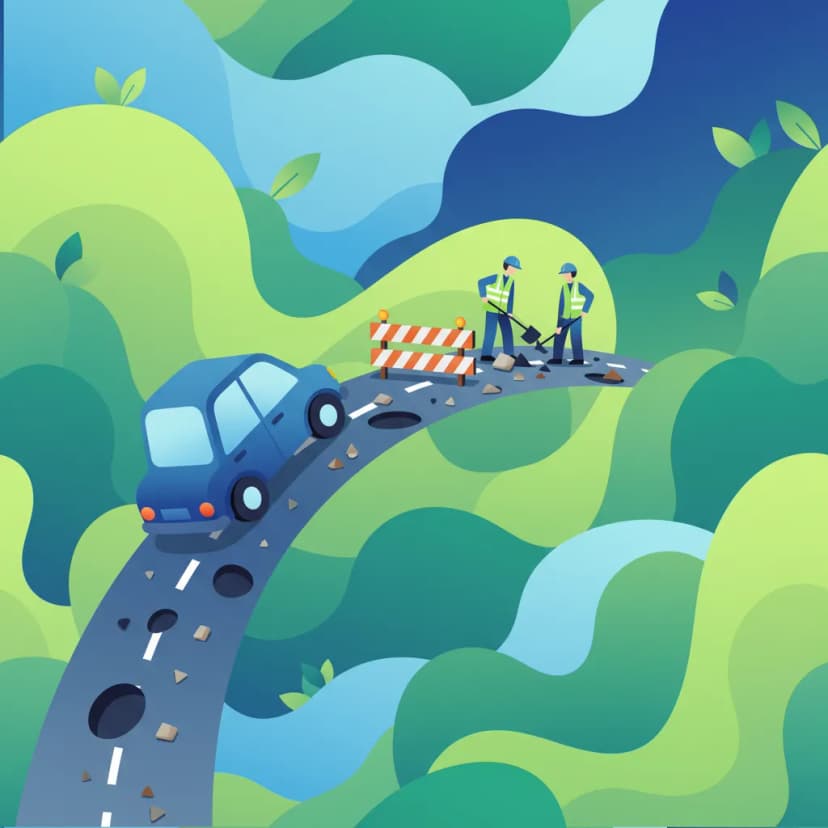
This lesson provides practical techniques for dealing with unavoidable road surface hazards. You will learn how to approach and cross obstacles like potholes, manhole covers, and patches of debris with minimal disruption to the motorcycle's stability. The content covers adjusting your speed, choosing the best line, and using your body to absorb impacts, helping you navigate the imperfections of real-world roads safely.
This lesson breaks down the three pillars of motorcycle control: balance, throttle, and steering. You will learn how the motorcycle maintains stability at speed and how to control it at low speeds, the art of smooth and precise throttle application, and the essential technique of counter-steering to initiate turns. Understanding how these three inputs work together is the first step toward becoming a smooth, confident, and safe rider who is truly in control of their machine.
Learn essential strategies for ensuring rider visibility and maintaining safety when riding a motorcycle in the rain. This lesson focuses on the importance of proper gear, helmet visor maintenance, and proactive positioning to be seen by other road users in reduced visibility.

This lesson focuses on strategies to make yourself more visible to other road users, a critical factor in motorcycle safety. You will learn how to use lane positioning strategically to stay out of other drivers' blind spots and to maximize your own line of sight through corners and intersections. The content also covers the effectiveness of high-visibility and reflective clothing, as well as the correct use of lights to ensure you are seen in all conditions.
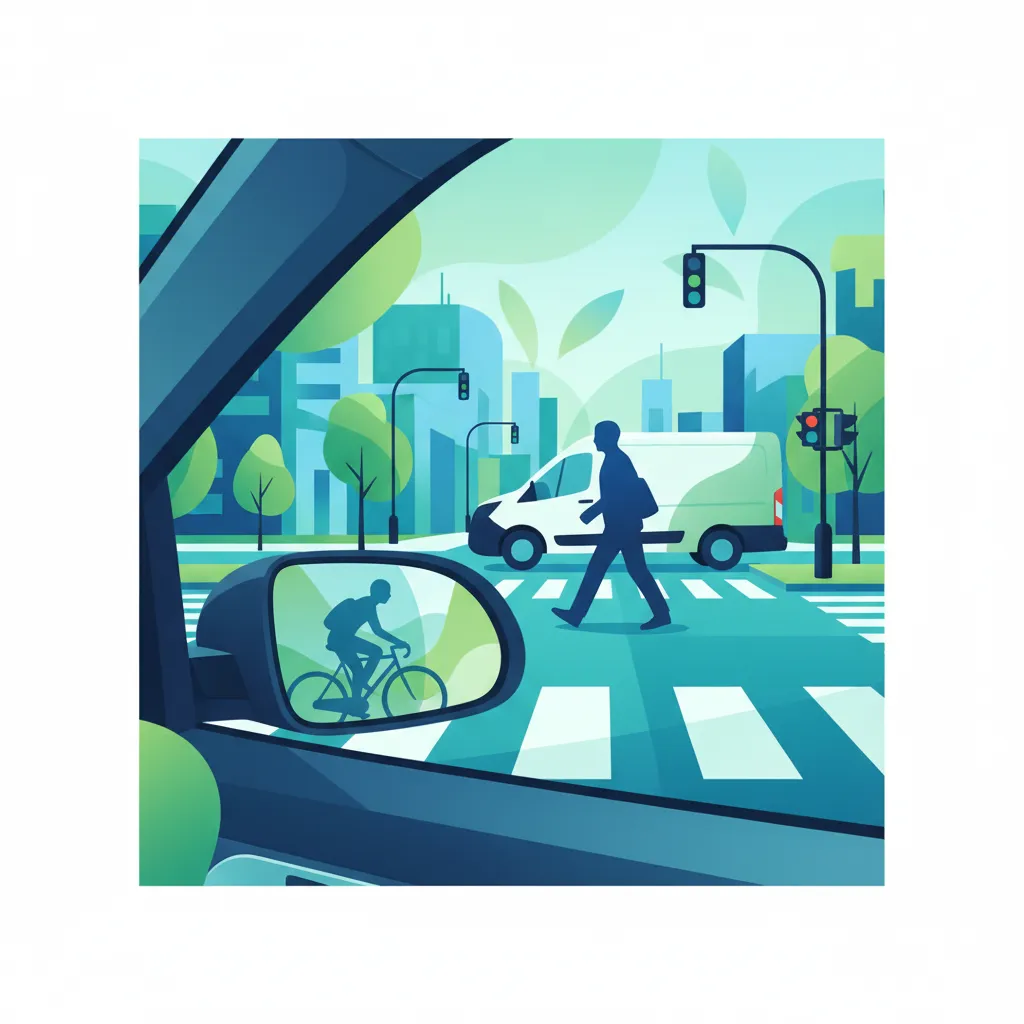
This lesson provides critical strategies for dealing with one of the biggest dangers in traffic: blind spots. You will learn the importance of the shoulder check and how to position yourself on the road to be more visible to other drivers. The lesson also trains you to scan the road surface ahead for hidden hazards like potholes, gravel, or oil spills that can pose a significant threat to a motorcycle's stability, teaching you to see and avoid them in time.
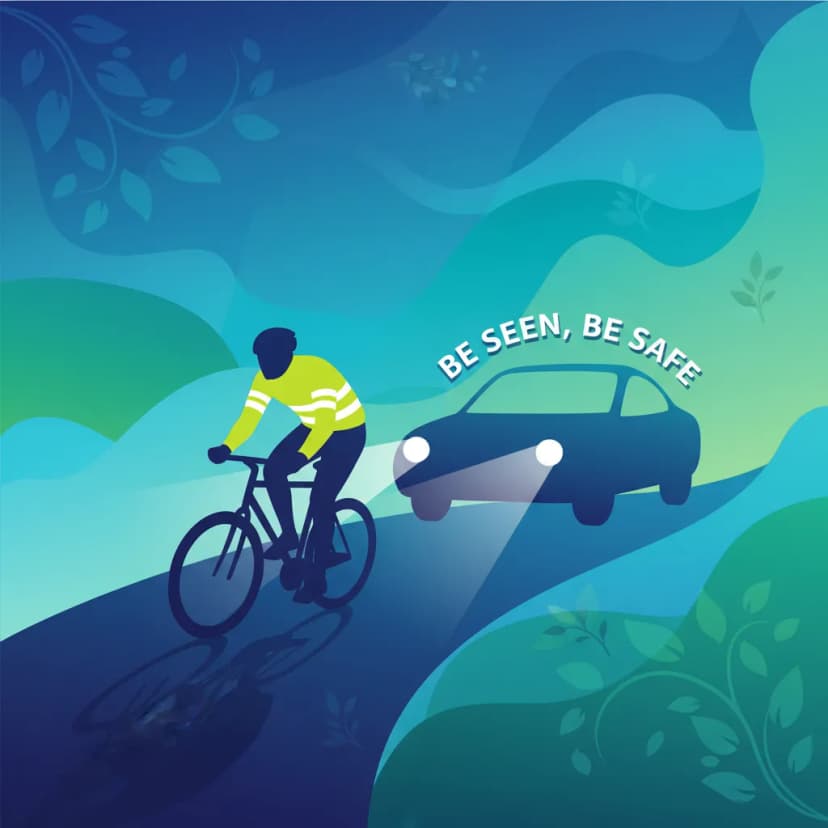
This lesson focuses on proactive strategies to increase a moped rider's visibility to other drivers. It strongly advocates for the use of high-visibility and reflective clothing, helmets, and accessories to stand out in traffic. Additionally, it revisits the concept of lane positioning as a tool to avoid being in other drivers' blind spots and to create a more prominent presence on the road.
This lesson details the specific hazards associated with riding on wet roads, including significantly increased stopping distances and the risk of aquaplaning. It explains how to recognize conditions where aquaplaning is likely and the importance of reducing speed. Riders will learn to use smoother throttle, braking, and steering inputs to maintain traction and control.
This lesson addresses the specific challenges of riding at night or in low-light conditions. You will learn how to use your headlights most effectively, how to cope with the glare from oncoming traffic, and how darkness affects your depth perception and ability to judge distances. Strategies for spotting nocturnal animals and the increased importance of wearing reflective gear to be seen by others are also key components of this essential safety lesson.
Find clear answers to common questions learners have about Riding in Rain: Hydroplaning and Surface Water Management. Learn how the lesson is structured, which driving theory objectives it supports, and how it fits into the overall learning path of units and curriculum progression in Sweden. These explanations help you understand key concepts, lesson flow, and exam focused study goals.
Hydroplaning, or aquaplaning, occurs when a layer of water builds up between your tires and the road surface, causing you to lose traction and steering control. On a motorcycle, this is extremely dangerous as it can lead to immediate loss of balance and a fall. It happens when your speed is too high for the amount of water on the road.
To avoid hydroplaning, reduce your speed significantly on wet roads, especially in standing water. Avoid sudden acceleration, braking, or steering inputs. Maintain a greater following distance and try to ride in the tire tracks of the vehicle ahead, as this area may have less water.
If you feel your motorcycle losing grip due to hydroplaning, remain calm. Do not brake or accelerate suddenly. Ease off the throttle smoothly and allow the tires to regain contact with the road. Keep your body relaxed and try to maintain your balance.
Rain significantly increases your braking distance because the water on the road reduces the friction between your tires and the surface. Expect your braking distance to increase by as much as 50% or more, depending on the depth of the water and the condition of your tires. Always anticipate stops much earlier in wet conditions.
Rain gear is essential for maintaining body temperature and comfort, which directly impacts your focus and reaction time. Crucially, keeping your visor and glasses clear of water is vital for visibility. Use anti-fog treatments, tear-offs, or open your visor slightly (if safe) to prevent misting and condensation, allowing you to see hazards clearly.
Yes, the Swedish theory exam for Category A includes questions testing your understanding of riding in adverse conditions, including rain, fog, and ice. These questions assess your knowledge of reduced traction, increased braking distances, hydroplaning risks, and appropriate riding techniques. This lesson thoroughly prepares you for these specific exam scenarios.