
Prepare for your Swedish driving license theory exam by mastering how to recognise slippery road conditions. This set focuses on crucial visual and contextual cues for hazards like black ice, wet leaves, and polished asphalt in typical Swedish traffic scenarios. Understand where and why these conditions occur and learn the safest driving techniques to maintain control and prevent accidents, boosting your confidence for the official exam.

Start targeted Swedish driving theory preparation for learners in Sweden. Train with exam style questions, learn core rules, and build the knowledge needed for the official theory test.
Learn to spot hazardous road conditions like hidden black ice, slick wet leaves, and polished asphalt, especially near intersections. This set covers how these surfaces affect vehicle control and teaches you the best strategies for gentle braking, steering, and increasing your safety margins, crucial for passing your driving theory exam.
Preview sample questions from the Slippery Surfaces practice set to see how they help you prepare for the driving theory exam in Sweden.
Learners choose Slippery Surfaces to improve accuracy and understanding of key exam themes in Sweden. It offers realistic driving theory questions and targeted revision for effective preparation.
Find answers to the most common queries learners have when practising Slippery Surfaces, including how questions match the official theory exam in Sweden, how scoring works, and how this practice improves exam readiness.
Black ice is often invisible, forming on shaded parts of the road, bridges, and underpasses when temperatures are around freezing. Look for visual cues like a slightly darker, shinier appearance on the asphalt compared to dry sections, or a sudden lack of road noise from your tires.
If you suddenly encounter black ice, lift your foot gently off the accelerator, keep the steering wheel straight, and avoid sudden braking or steering inputs. Allow the car to slow down naturally until you regain grip. If you must brake, do so very gently and gradually.
Wet leaves create a slick, non-gripping surface similar to ice or standing water, significantly reducing tire traction. They can hide road markings or potholes and become especially treacherous in shaded areas where they stay wet longer, posing a significant slip risk.
Polished asphalt, often found at busy intersections or sharp bends, is worn smooth by heavy traffic over time. This smoothness significantly reduces friction, especially when wet, making it more slippery for braking and turning maneuvers even without ice or other visible hazards.
This practice set is designed specifically for that. It covers various scenarios involving black ice, wet leaves, and polished asphalt, providing you with targeted questions and explanations to understand Swedish road conditions and safe driving practices, helping you prepare for the official exam.
By completing Slippery Surfaces, you will gain stronger rule knowledge, faster recognition of signs and situations, better decision making in traffic scenarios, and increased accuracy on exam style questions used in Sweden. These outcomes directly support higher scoring exam performance.
Discover more Swedish driving theory practice sets created for exam preparation in Sweden. Train with realistic questions on traffic rules, road signs, priority situations, and safety topics to build knowledge and pass your theory test with confidence.

Drive Smarter and Safer: Conquer Slippery Conditions with Expert Techniques.

Master the Art of Anticipation: Drive Safely on Unpredictable Swedish Roads
Master the Art of Safe Driving in Slippery Conditions and Beyond Your Limits.
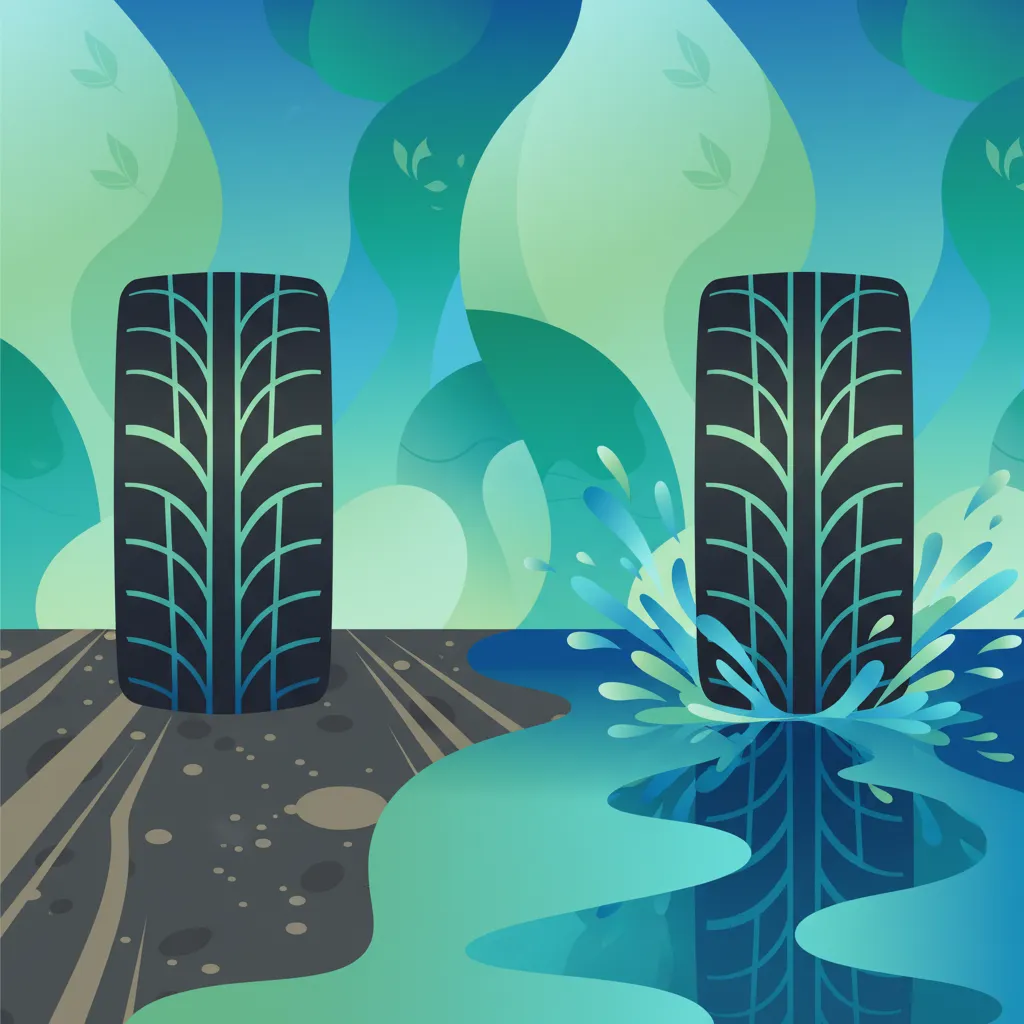
Master Road Grip and Traction: Crucial for Safe Driving and Your Swedish Exam
Master the Risks of Aquaplaning and Wet Weather Driving for Your Swedish Theory Test

Master the hazards of slush and melting snow for a safer drive and a successful exam.
Questions in Slippery Surfaces
Exam focused questionss
Slippery Surfaces offers quick, focused exam style practice to boost your Swedish knowledge for the driving theory exam in Sweden.
Slippery Surfaces helps learners in Sweden with clear explanations and targeted Swedish practice to improve essential driving theory topics.
This practice set is designed for intermediate to advanced learners preparing for the Swedish driving theory exam. It addresses common challenges in identifying subtle road hazards and making proactive decisions to prevent skids. If you struggle with anticipating slippery conditions or knowing how to react safely, this set will enhance your hazard perception and decision-making skills.
Explore more topics for the Swedish driving theory exam in Sweden.