
Prepare for the Swedish driving theory exam by practicing stopping distances on wet and slippery roads. This set focuses on understanding how different weather conditions like rain, ice, and snow, along with factors like aquaplaning, significantly impact your vehicle's stopping capability according to Swedish traffic rules and Transportstyrelsen guidelines. Master critical safety knowledge for varying road surfaces.

Start targeted Swedish driving theory preparation for learners in Sweden. Train with exam style questions, learn core rules, and build the knowledge needed for the official theory test.
Improve your understanding of stopping distances on challenging road surfaces. This set focuses on how reduced friction due to wetness, ice, and snow impacts braking, and covers important topics like preventing aquaplaning, helping you prepare for the Swedish driving theory exam.
Preview sample questions from the Wet & Slippery Stopping Distance practice set to see how they help you prepare for the driving theory exam in Sweden.
Learners choose Wet & Slippery Stopping Distance to improve accuracy and understanding of key exam themes in Sweden. It offers realistic driving theory questions and targeted revision for effective preparation.
Find answers to the most common queries learners have when practising Wet & Slippery Stopping Distance, including how questions match the official theory exam in Sweden, how scoring works, and how this practice improves exam readiness.
A wet road significantly increases your stopping distance because the water layer between your tires and the road surface reduces friction, making it harder for your tires to grip. You must account for this by reducing your speed and increasing your following distance.
Aquaplaning occurs when a layer of water builds up under your tires, causing them to lose contact with the road. To prevent it, reduce speed in heavy rain, ensure your tires have good tread depth, and avoid sudden steering or braking.
Stopping distance is generally much longer on ice than on snow. Ice offers significantly less friction than even packed snow, leading to drastically extended braking distances. Extreme caution and reduced speed are essential on both, but especially on ice.
Beyond road conditions (wet, icy, snowy), stopping distance is also influenced by your reaction time, vehicle speed, the condition of your brakes, the quality and type of your tires, and the vehicle's weight. The reference states it's 'reaction distance + braking distance'.
To improve your safety margin on slippery Swedish roads, reduce your speed significantly, increase your following distance, ensure your tires are in good condition (especially winter tires in relevant seasons), and brake gently and progressively to avoid skidding.
By completing Wet & Slippery Stopping Distance, you will gain stronger rule knowledge, faster recognition of signs and situations, better decision making in traffic scenarios, and increased accuracy on exam style questions used in Sweden. These outcomes directly support higher scoring exam performance.
Discover more Swedish driving theory practice sets created for exam preparation in Sweden. Train with realistic questions on traffic rules, road signs, priority situations, and safety topics to build knowledge and pass your theory test with confidence.

Drive Smarter and Safer: Conquer Slippery Conditions with Expert Techniques.
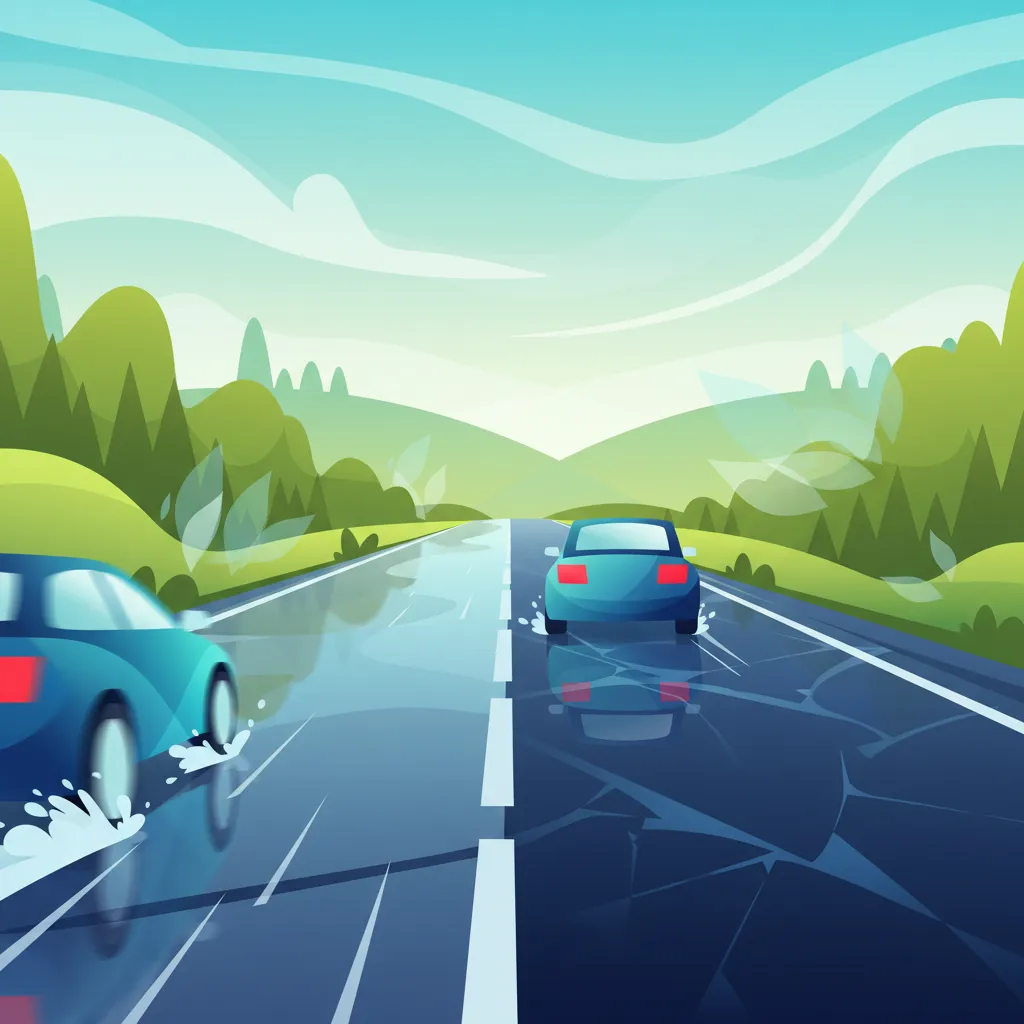
Master the Art of Anticipation: Drive Safely on Unpredictable Swedish Roads

Master the hazards of slush and melting snow for a safer drive and a successful exam.
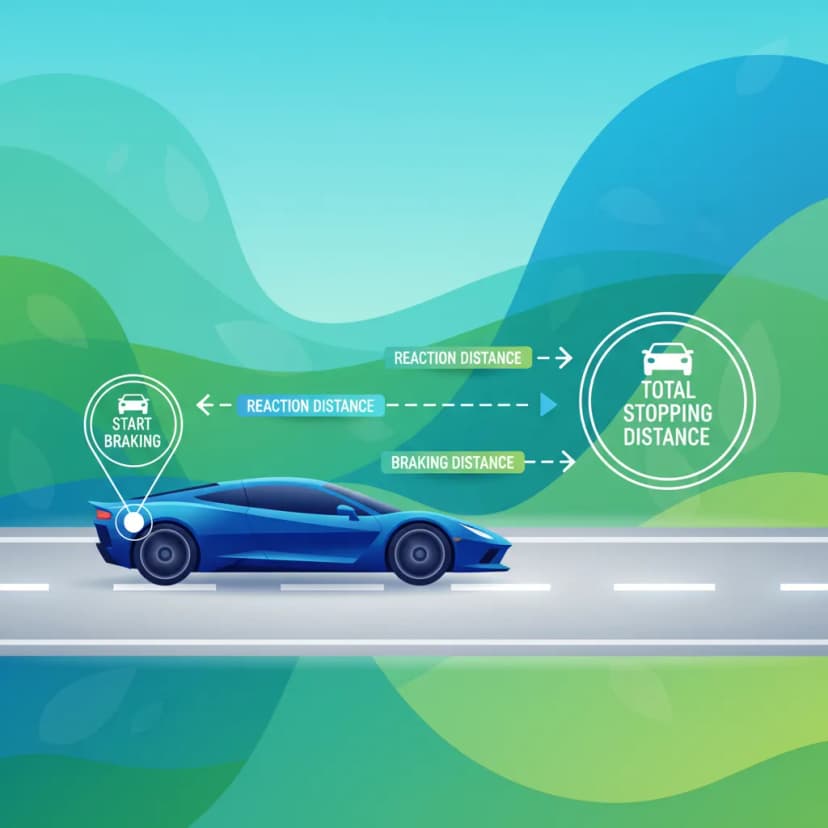
Mastering Stopping Distances: Essential for Your Swedish Driving Test Readiness!

Master the Subtle Signs of Slippery Roads and Drive Safely in Sweden.
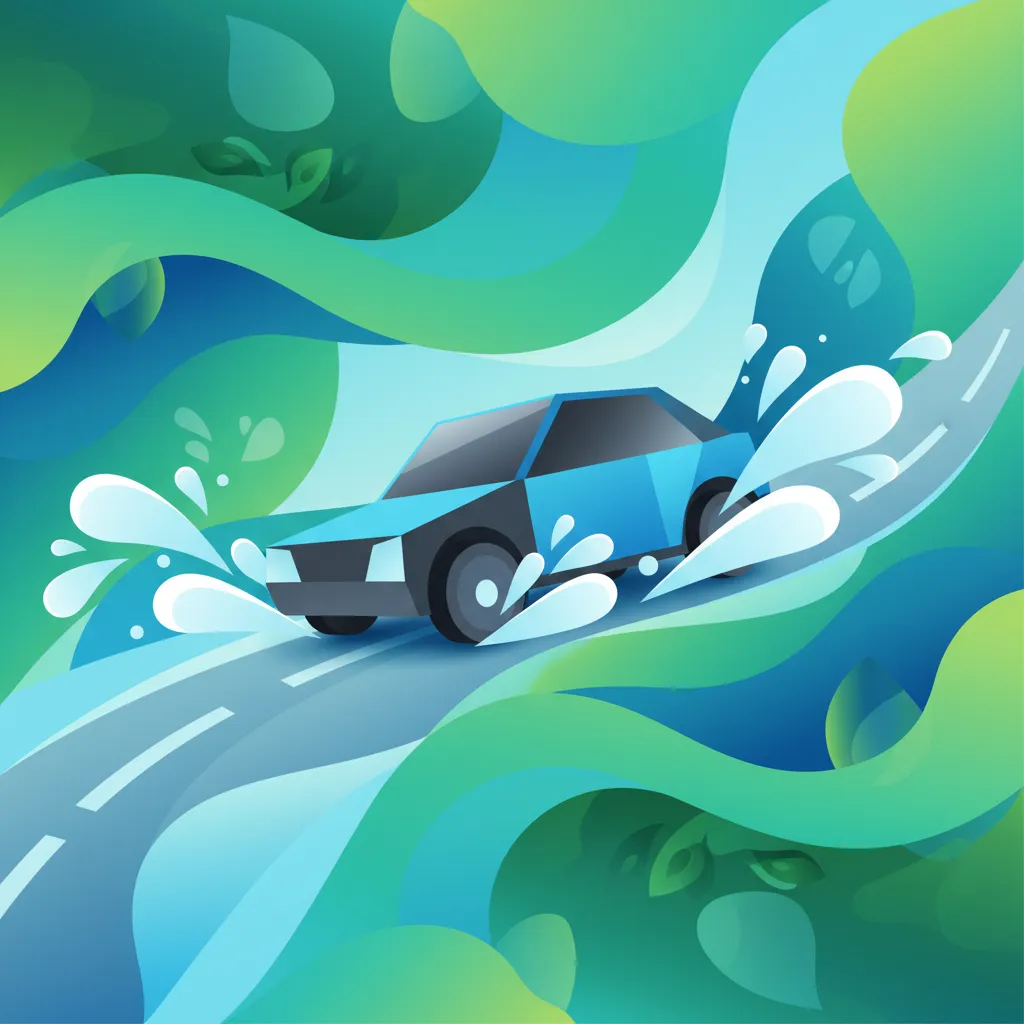
Master the Risks of Aquaplaning and Wet Weather Driving for Your Swedish Theory Test
Questions in Wet & Slippery Stopping Distance
Exam focused questionss
Wet & Slippery Stopping Distance offers quick, focused exam style practice to boost your Swedish knowledge for the driving theory exam in Sweden.
Wet & Slippery Stopping Distance helps learners in Sweden with clear explanations and targeted Swedish practice to improve essential driving theory topics.
This practice set is designed for intermediate learners preparing for the Swedish driving theory exam. It's especially useful for those who find distinguishing between various slippery conditions challenging, or who want to correct common misconceptions about braking. Gain confidence in understanding crucial safety aspects for all Swedish road users.
Explore more topics for the Swedish driving theory exam in Sweden.