
Learn to adjust your speed appropriately for diverse driving environments. This category covers how weather, traffic density, visibility, and road surfaces affect safe driving speeds, preparing you for real-world challenges and the Swedish driving theory exam.
Train with focused, exam-style practice sets covering everything you need to know about Speed Adaptation and Conditions. Each set helps you apply rules, recognise situations, and build confidence with the types of questions used in the Swedish driving theory exam in Sweden.

Master the Art of Anticipation: Drive Safely on Unpredictable Swedish Roads
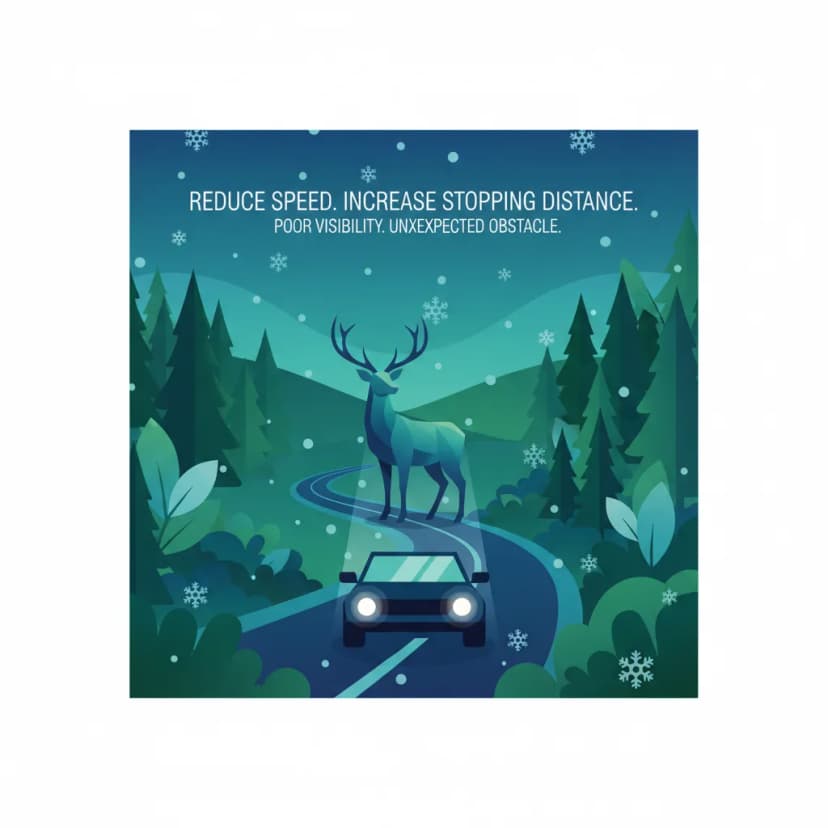
Master the Art of Speed Adaptation and Drive Safely in All Swedish Conditions.
Mastering speed adaptation is vital for both passing your Swedish theory test and ensuring road safety. This category trains you to make smart speed choices in diverse situations, reducing accident risks and helping you avoid common errors on the official exam.
Learners in Sweden choose Speed Adaptation and Conditions practice to prepare for realistic exam questions and difficult scenarios that often appear in the official theory test. This category is popular because it helps strengthen rule knowledge, reduce common mistakes, and build confidence before taking the Swedish driving theory exam.
All practice sets available
Practice sets in Speed Adaptation and Conditions
Practising Speed Adaptation and Conditions helps you understand key rules and situations tested in the Swedish driving theory exam in Sweden.
Get answers to common questions learners have about practising Speed Adaptation and Conditions. This section highlights what is tested, how practice helps, and how to improve your results for the Swedish driving theory exam in Sweden.
The Swedish driving theory exam frequently tests your ability to judge safe speeds based on various factors like rain, fog, snow, or heavy traffic, not just the posted limit. Understanding these elements is key to answering scenario-based questions correctly.
Learners often focus only on the speed limit. The difficulty lies in recognising how reduced visibility, slippery surfaces (like wet or icy roads), and dense traffic demand lower speeds for safety, which is a critical exam topic.
By practising scenarios involving various conditions, you'll learn to identify risks and choose appropriate speeds, directly improving your ability to answer similar questions on the official Transportstyrelsen theory test.
This category includes practice on adapting speed for rain, snow, ice, fog, strong sunlight, darkness, heavy traffic, winding roads, and poor road surfaces, all relevant to the Swedish driving environment.
While obeying the speed limit is mandatory, Swedish traffic law also requires drivers to always adapt their speed to what is safe for the current conditions. The theory exam assesses this crucial understanding.
Explore other practice categories connected to Speed Adaptation and Conditions. These sections help you practise additional topics, strengthen your understanding of driving theory in Sweden, and prepare more completely for the theory exam.