Navigating Sweden's roads in winter presents unique challenges. This category trains you to recognise essential road markings even when they're partially covered by snow or ice. Understanding these cues is vital for safe driving and performing well on your driving theory exam.
Train with focused, exam-style practice sets covering everything you need to know about Road Markings Visibility in Winter Conditions. Each set helps you apply rules, recognise situations, and build confidence with the types of questions used in the Swedish driving theory exam in Sweden.
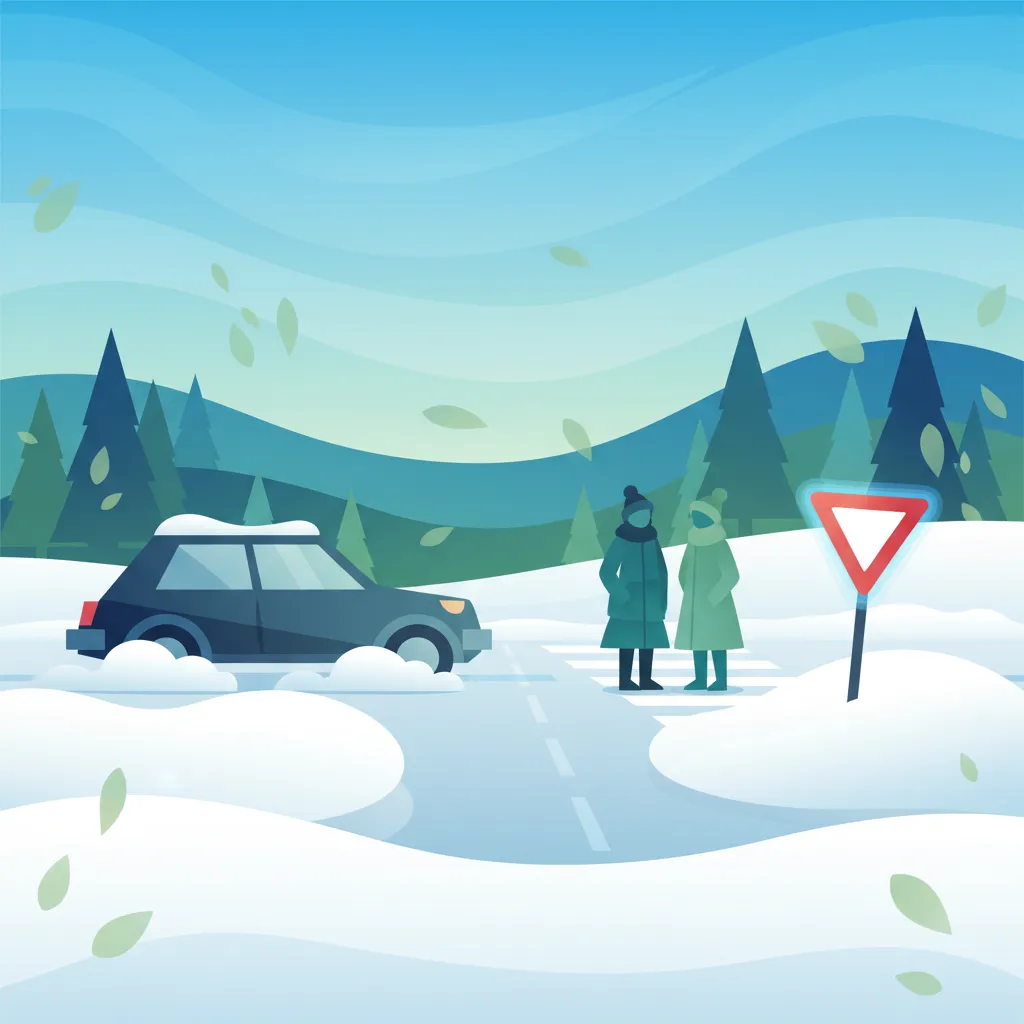
Don't let snow obscure your exam success: master winter road rules.
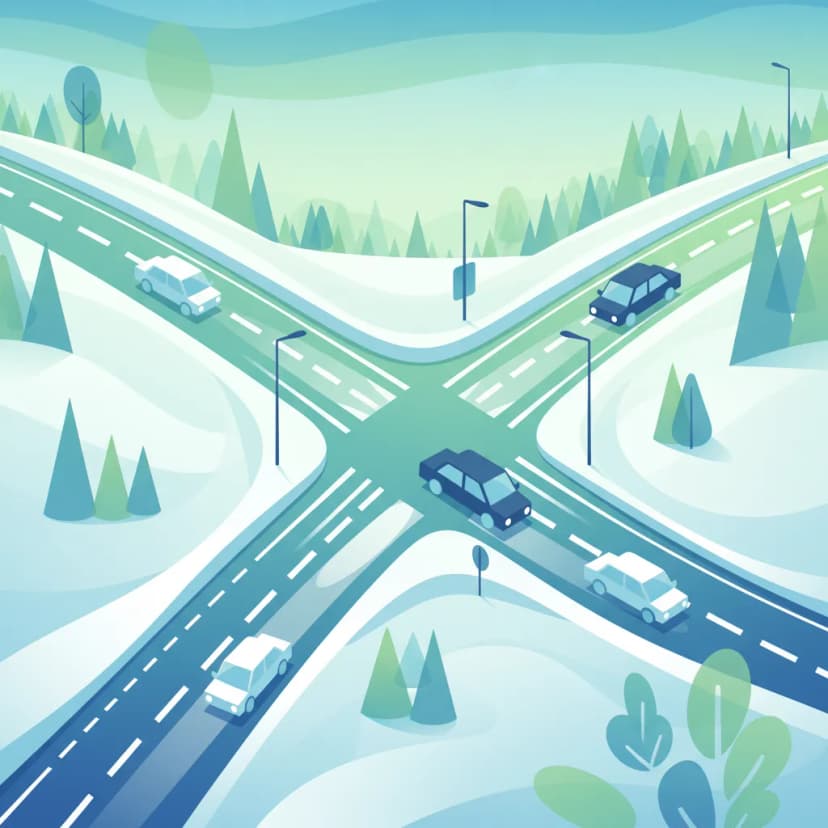
Master safe lane positioning when snow hides the lines on Swedish roads.
Winter road conditions in Sweden make standard markings difficult to see. Mastering this topic is crucial for passing the driving theory exam, as questions often assess your ability to interpret obscured signs and make safe decisions in challenging visibility, directly improving your real-world driving safety.
Learners in Sweden choose Road Markings Visibility in Winter Conditions practice to prepare for realistic exam questions and difficult scenarios that often appear in the official theory test. This category is popular because it helps strengthen rule knowledge, reduce common mistakes, and build confidence before taking the Swedish driving theory exam.
All practice sets available
Practice sets in Road Markings Visibility in Winter Conditions
Practising Road Markings Visibility in Winter Conditions helps you understand key rules and situations tested in the Swedish driving theory exam in Sweden.
Get answers to common questions learners have about practising Road Markings Visibility in Winter Conditions. This section highlights what is tested, how practice helps, and how to improve your results for the Swedish driving theory exam in Sweden.
The Swedish driving theory exam includes questions about interpreting road situations, which often involve understanding how road markings change or become less visible in winter. You'll be tested on your ability to deduce road layout and rules even when markings are covered.
Snow, ice, and salt can completely cover or significantly obscure standard road paint markings. This makes it harder to determine lane boundaries, pedestrian crossings, and other essential road information.
By practising these specific scenarios, you'll learn to anticipate potential hazards and make correct decisions based on limited visual information, improving your chances of answering exam questions accurately.
Yes, temporary signage and other visual cues like reflectors or guide posts become more important. Understanding their meaning is crucial when standard markings are invisible, and this is tested in the theory exam.
You'll be able to drive more safely and confidently in snowy or icy conditions, making better decisions about lane positioning, speed, and potential hazards, which is critical for preventing accidents.
Explore other practice categories connected to Road Markings Visibility in Winter Conditions. These sections help you practise additional topics, strengthen your understanding of driving theory in Sweden, and prepare more completely for the theory exam.