
Navigate the complexities of shared spaces and pedestrian priority zones with confidence. This section focuses on understanding and applying rules in low-speed environments where pedestrians, cyclists, and vehicles interact closely. Mastering these concepts is key to passing your Swedish theory test and driving safely in diverse urban settings.
Train with focused, exam-style practice sets covering everything you need to know about Shared Spaces and Pedestrian Priority. Each set helps you apply rules, recognise situations, and build confidence with the types of questions used in the Swedish driving theory exam in Sweden.
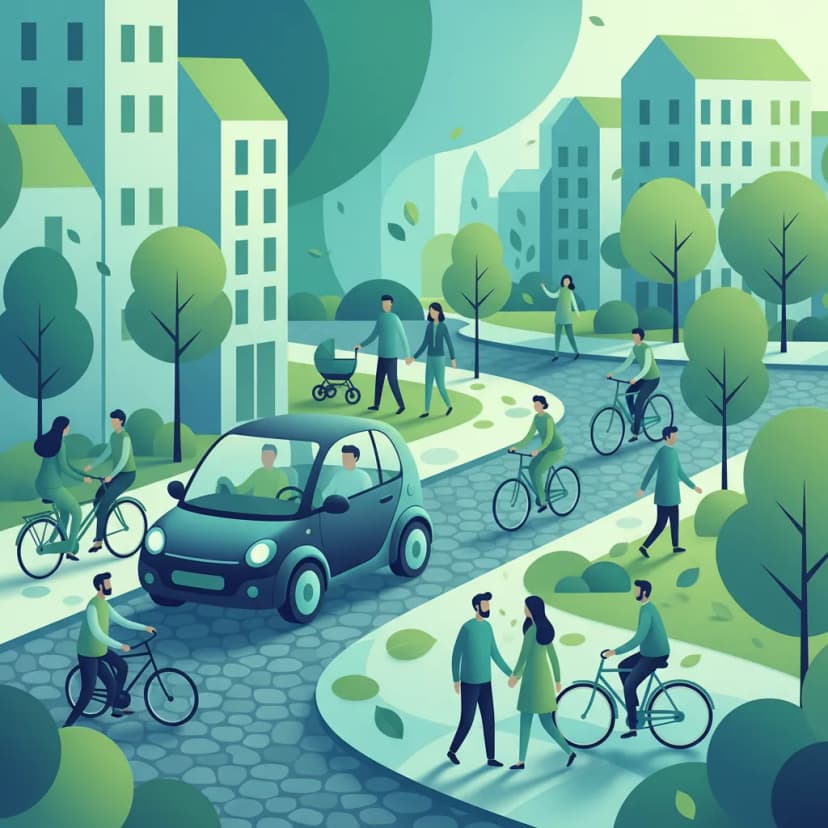
Master the rules of shared streets and ensure pedestrian safety.
Mastering shared spaces and pedestrian priority is vital for passing your Swedish driving theory exam and ensuring safety in urban Sweden. These zones require extra caution and understanding of specific rules, which are frequently tested. Practising ensures you can confidently navigate these areas and demonstrate safe behaviour to Trafikverket.
Learners in Sweden choose Shared Spaces and Pedestrian Priority practice to prepare for realistic exam questions and difficult scenarios that often appear in the official theory test. This category is popular because it helps strengthen rule knowledge, reduce common mistakes, and build confidence before taking the Swedish driving theory exam.
All practice sets available
Practice sets in Shared Spaces and Pedestrian Priority
Practising Shared Spaces and Pedestrian Priority helps you understand key rules and situations tested in the Swedish driving theory exam in Sweden.
Get answers to common questions learners have about practising Shared Spaces and Pedestrian Priority. This section highlights what is tested, how practice helps, and how to improve your results for the Swedish driving theory exam in Sweden.
The Swedish driving theory exam includes questions about shared spaces (like 'shared zones' or 'gågata') and situations where pedestrians have priority. You'll be tested on recognising these areas, understanding the low speed limits, and knowing who to yield to, particularly pedestrians.
Learners sometimes find this topic challenging because the lines between pedestrian and vehicle areas are blurred, and the emphasis is on very low speeds and mutual consideration. It requires a shift in mindset from traditional road rules to cooperative sharing.
By practising these specific scenarios, you become familiar with the types of questions Trafikverket asks about shared zones and pedestrian rights. This targeted practice increases your accuracy and confidence, reducing the chance of errors on the test.
In Swedish shared spaces ('gågata' or 'lekfullt utformad miljö'), vehicles must drive at walking pace (max 15 km/h if not specified lower), and pedestrians always have priority. Drivers must be extremely cautious and yield to pedestrians and cyclists.
A pedestrian street ('gata' with specific signage) is primarily for pedestrians, with very limited vehicle access often restricted to specific times or for deliveries. A shared space is designed for mixed use, where pedestrians, cyclists, and vehicles coexist, with a strong emphasis on pedestrian priority and very low speeds.
Explore other practice categories connected to Shared Spaces and Pedestrian Priority. These sections help you practise additional topics, strengthen your understanding of driving theory in Sweden, and prepare more completely for the theory exam.