Learn the essential Swedish traffic rules for interacting with buses, trams, and emergency vehicles, a key topic for your driving theory exam. This text-based guide clarifies your yielding obligations and emphasizes the importance of safe cooperation to navigate these priority situations effectively on Swedish roads.
Navigating Swedish roads safely and efficiently requires a thorough understanding of priority rules, particularly when interacting with special vehicles. This article delves into the specific regulations governing yielding to buses, trams, and emergency vehicles, crucial knowledge for any driver aiming to pass their Swedish driving theory test and ensure harmonious traffic flow. Mastering these nuances is not just about passing an exam; it's about fostering a culture of safety and cooperation on the road, minimizing risks and preventing hazardous situations. We will explore the conditions under which you must yield, common scenarios you'll encounter, and what the Swedish driving authorities expect from you.
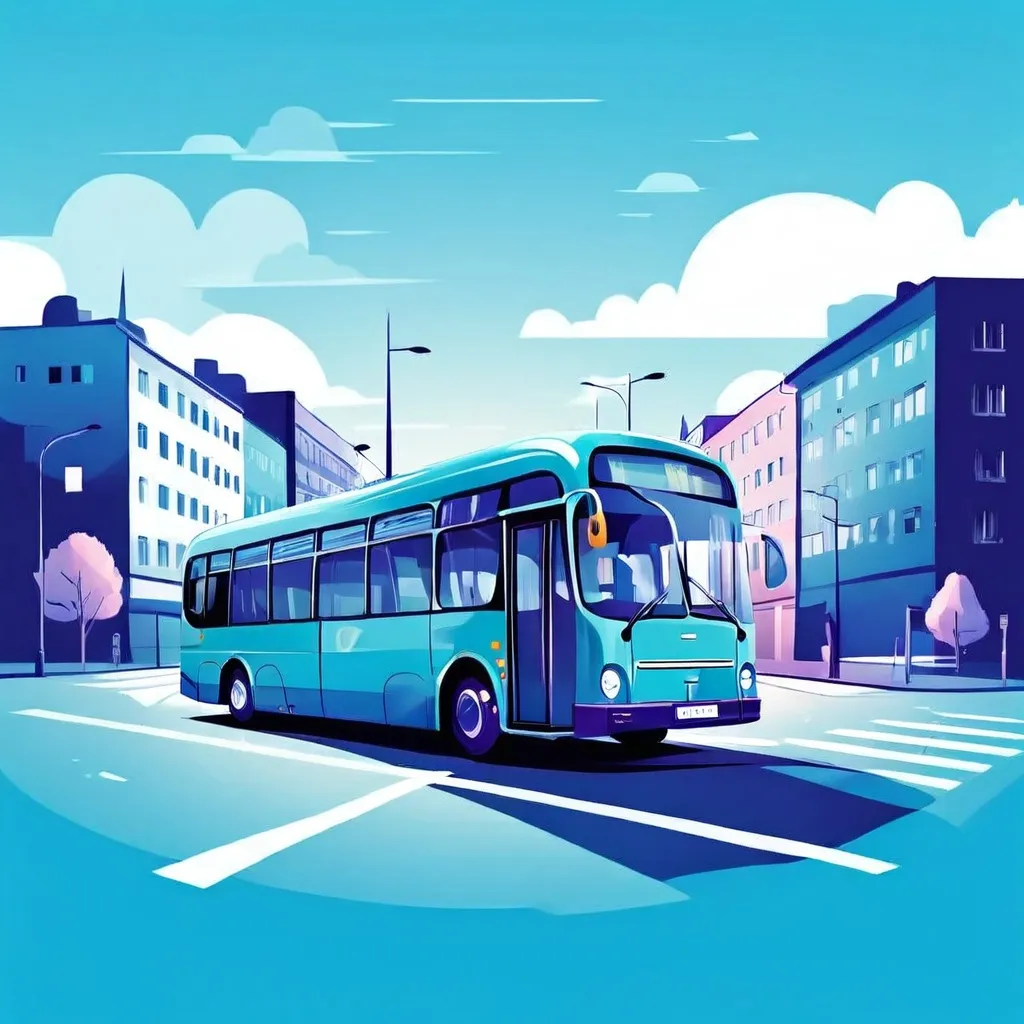
In Sweden, buses are granted specific priority rights to facilitate public transport and ensure its efficiency. Understanding these rules is vital, especially in urban environments and areas with lower speed limits. The core principle is to grant way to buses under certain conditions, allowing them to merge smoothly back into traffic. This isn't a blanket rule, and knowing the specific triggers is key for your theory test.
A crucial aspect of bus priority involves buses departing from bus stops. When a bus signals its intention to leave a bus stop, drivers must be prepared to yield. However, this obligation is conditional. The rule applies specifically to roads where the maximum permitted speed is 50 km/h or lower. If the speed limit is higher than 50 km/h, the bus is generally expected to yield to other traffic. When you are obligated to yield, you should reduce your speed and be ready to stop if necessary to allow the bus to safely enter the traffic lane.
It is important to remember that even when a bus has the right of way, the bus driver is still responsible for acting with extra caution to avoid creating a dangerous situation. Your responsibility is to "let the bus out" into the traffic lane closest to the curb or bus stop. This cooperation ensures that public transport can operate smoothly without unnecessarily disrupting other road users.
Trams, being part of public transport infrastructure in many Swedish cities, also have specific priority rules designed to keep them moving. Unlike buses, trams operate on fixed tracks and cannot easily deviate from their path, which influences how other road users must interact with them. This often means that drivers need to be exceptionally aware of tram movements, especially in intersections and when trams are approaching or departing stops.
In general, trams have a right of way similar to vehicles on a main road or tramway. This means that vehicles approaching a tram line from side roads or driveways usually have to yield to the tram. When a tram is about to enter an intersection or is already in it, you must always give way to it. Trams often have dedicated signals or junctions where their priority is clearly indicated.
The interaction between cars and trams can be complex, particularly in busy urban areas where tram tracks might run alongside or even within the road used by cars. Always anticipate the tram's movement and be prepared to adjust your speed or stop accordingly. Failure to yield to a tram can lead to serious accidents due to the tram's inability to steer away from danger.
The highest form of priority on Swedish roads is reserved for emergency vehicles when they are actively responding to an emergency. This includes police cars, fire trucks, and ambulances equipped with flashing blue lights and sirens. When these vehicles are operating under emergency conditions, all other road users must immediately yield to them, regardless of any other traffic rules.
When you see or hear an emergency vehicle approaching, your primary responsibility is to get out of its way as quickly and safely as possible. This often means pulling over to the side of the road and stopping. If you are at an intersection, do not proceed until the emergency vehicle has passed and it is safe to do so. Never attempt to follow an emergency vehicle, as it could be heading towards an incident where your presence might be a hindrance or danger.
It's important to note that the obligation to yield to emergency vehicles applies at all times and on all types of roads, regardless of speed limits or other priority signage. The presence of blue lights and/or sirens is the definitive signal that you must yield. Even if the emergency vehicle is not in your immediate lane, be aware of its potential path and ensure you do not obstruct it.
Understanding these priority rules is not merely about memorizing regulations; it's about practicing safe driving and fostering a cooperative environment on the road. Swedish traffic culture emphasizes mutual respect and consideration, and these special priority rules are a key component of that. The Swedish Transport Agency (Transportstyrelsen) and Trafikverket expect drivers to demonstrate this awareness and responsible behaviour in real-world driving and on the theory test.
Many theory test questions will present scenarios involving buses, trams, or emergency vehicles, testing your knowledge of who has priority and what actions you should take. Common exam traps include confusing the bus priority rule (which is speed-dependent) with other yielding situations, or underestimating the absolute priority of emergency vehicles. Paying close attention to the details of each scenario, such as the speed limit, the type of vehicle, and its signals, will help you answer correctly.
Always remember to look for road signs that might indicate specific priority situations, such as main road signs or yield signs. However, even in the absence of signs, general priority rules still apply. Being observant, anticipating the actions of other road users, and always prioritizing safety are the hallmarks of a competent driver.
Article content overview
Explore related topics, search based questions, and concepts that learners often look up when studying Swedish Special Vehicle Priority. These themes reflect real search intent and help you understand how this topic connects to wider driving theory knowledge in Sweden.
Find clear and practical answers to common questions learners often have about Swedish Special Vehicle Priority. This section helps explain difficult points, remove confusion, and reinforce the key driving theory concepts that matter for learners in Sweden.
You must yield to a bus that is signaling to leave a bus stop on roads where the speed limit is 50 km/h or lower. Reduce speed and stop if necessary to allow the bus to merge into the rightmost lane.
Yes, you must yield to trams. Trams generally have priority and you should not impede their movement.
You must always yield to emergency vehicles (ambulances, police, fire trucks) that are using their lights and/or sirens. Move over safely and allow them to pass without delay.
The specific rule requiring you to yield to a bus signaling to leave a bus stop only applies on roads where the maximum permitted speed is 50 km/h or lower. On roads with higher speed limits, the bus must yield to you.
If you are unsure, it is always best to proceed with caution and err on the side of yielding. Prioritizing safety and avoiding potential conflicts is paramount in Swedish traffic.