Navigate complex Swedish traffic situations with confidence by learning the hierarchy of traffic instructions. This article presents a clear, text-based decision tree to help you prioritize police signals, traffic lights, road signs, and right-of-way rules, essential knowledge for the Swedish theory exam and safe driving.
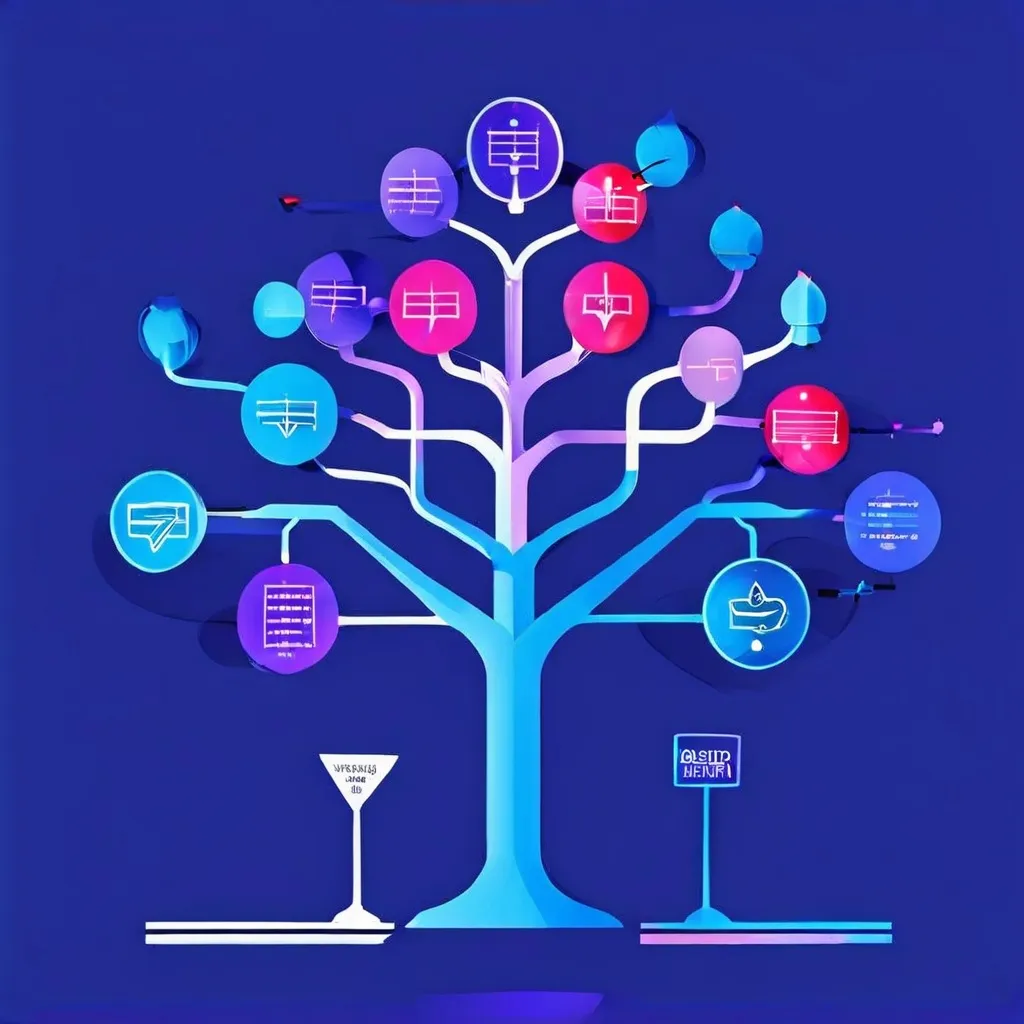
Understanding the complex interplay of traffic signals, road signs, and general right-of-way rules is fundamental to safe driving in Sweden and crucial for passing the Swedish driving theory exam. Swedish traffic law, as governed by Trafikverket, operates on a clear hierarchy of instructions. This article provides a structured, text-based decision tree to help you navigate these situations confidently, ensuring you always know who has priority and how to react appropriately. By internalizing this hierarchical approach, you can move beyond rote memorization and develop a deeper, more intuitive understanding of Swedish traffic rules.
Before delving into specific instructions, it's vital to grasp the overarching principles that guide all road users in Sweden. These are the bedrock of Swedish traffic law, emphasizing mutual responsibility and safety. Trafikens grundregler, or the fundamental rules of traffic, dictate that all individuals must exercise care and caution. This means being mindful of your surroundings and anticipating potential hazards.
Crucially, drivers are expected to show particular consideration for vulnerable road users. This includes children, the elderly, school patrols, and individuals with disabilities. Beyond these specific groups, general courtesy extends to all those who live or are present near the road. The core principle is to avoid unnecessary obstruction or disturbance to other traffic. This foundational understanding is key to interpreting more specific rules and signs you will encounter.
In situations where multiple traffic instructions might seem to conflict, or where you need to determine who has the right of way, a clear hierarchy must be followed. This systematic approach ensures that the most authoritative instruction is always obeyed. Understanding this order of precedence is a common focus area for the Swedish Transport Administration's theory tests, as it directly relates to preventing accidents.
The hierarchy, from highest to lowest authority, is as follows:
This sequence is not arbitrary; it reflects the immediacy and directness of the instruction. A police officer's signal is a dynamic, immediate directive intended to manage immediate traffic flow or hazards, overriding all other signals. Similarly, traffic lights provide real-time information about the status of an intersection. Road signs convey regulatory information for specific road segments or junctions, while road markings clarify lane boundaries and pedestrian crossings. Finally, general right-of-way rules apply only when no other explicit instruction is present.
Police signals take precedence over all other traffic control devices. This is because a police officer can respond dynamically to changing traffic conditions, accidents, or specific events that static signs or signals cannot account for. If a police officer directs you to proceed through a red light or stop when the light is green, you must follow the officer's instructions. It is essential to maintain eye contact and clearly understand the officer's gestures. This is a critical point tested in the theory exam, often presented as a scenario where traffic lights and a police officer's direction conflict.
Traffic signals, commonly known as traffic lights, are the next layer in the hierarchy. They regulate the flow of traffic at intersections and other critical points. A green light generally permits you to proceed, a red light requires you to stop before the stop line, and a yellow light (or flashing yellow) warns that the light is about to turn red, requiring you to stop if it is safe to do so, or to proceed with caution if you are already in the intersection or too close to stop safely.
It is important to remember that traffic signals apply to all road users within their scope, unless superseded by a police signal. If traffic lights are malfunctioning (e.g., flashing red in all directions, or all lights are off), the intersection is treated as an unmarked intersection, and the general right-of-way rules, primarily the right-hand rule, apply.
Road signs provide essential information and regulations for specific stretches of road or junctions. They are broadly categorized into different types, each conveying distinct types of information. For the purpose of priority and decision-making, understanding the function of warning signs, priority signs, and prohibition signs is paramount.
Swedish road signs are categorized by Trafikverket. Key categories relevant to priority include:
Road markings complement signs and signals. They provide visual cues on the carriageway itself, such as lane lines, pedestrian crossing markings (striped areas), and stop lines. In cases where a stop sign is present, the associated road marking clearly indicates the precise point at which you must halt. Similarly, markings can delineate the edge of the road or the boundaries of specific traffic zones. When signs and markings appear to provide conflicting information regarding stopping points, the sign's authority generally prevails. However, for clear indications like pedestrian crossings, you must always yield to pedestrians.
When no other instructions are provided by police signals, traffic lights, road signs, or markings, the fundamental right-of-way rules apply. The most common of these in Sweden is the "högerregeln" (right-hand rule).
This rule applies at intersections where no specific signage dictates priority. It requires drivers to observe traffic approaching from their right and yield to it. It's crucial to understand that this rule is a last resort; you should always prioritize explicit traffic control devices.
The "utfartsregeln" (exit rule) is another important general principle. When exiting from private property, a parking lot, a gas station, a driveway, a path, or the edge of the road, you must always yield to traffic already on the road. This emphasizes that entering a public road from a less-controlled area requires you to give way to established traffic flow.
Theory test questions often present scenarios that require you to apply this hierarchical decision-making process. Common traps involve situations where traffic lights and signs appear to conflict, or where multiple signs are present. Remember the hierarchy: police signals trump everything, then traffic lights, then signs.
For instance, if a traffic light is red but a police officer is directing traffic to proceed, the officer's signal is paramount. Conversely, if traffic lights are out, you treat the intersection as if it were unmarked and apply the right-hand rule, unless signs indicate otherwise.
When approaching an intersection with multiple signs, you need to identify the signs that directly govern priority. A priority road sign on your current path means you generally have the right of way. If you are on a side road facing a "Give Way" or "Stop" sign, you must yield to traffic on the main road.
It is also important to recognize that road signs can be supplemented by additional plates (tilläggstavlor) that modify their meaning, such as specifying time restrictions or distances. Furthermore, temporary signs, often indicated by orange backgrounds (e.g., during road works), take precedence over permanent signs for the duration of the works. Always pay attention to all elements present at a traffic point.
Regardless of priority rules, maintaining a safe speed and continuously observing your surroundings are non-negotiable. This proactive approach allows you to anticipate situations, react to unexpected actions by other road users, and make informed decisions even when facing complex scenarios. The Swedish theory exam heavily emphasizes observation and defensive driving, viewing them as integral to applying right-of-way rules correctly.
Theory exam questions often test your understanding of these hierarchies and specific scenarios. For example, you might be shown an image of an intersection with a traffic light and a yield sign, and asked about priority. The correct answer will depend on the specific context and the hierarchy rule being tested. If the traffic light is functioning and green, it overrides the yield sign. If the traffic light is red, you must stop and yield.
Another common pitfall involves understanding how various signs interact. A priority road sign (yellow diamond) means you have priority, but you must still yield to vehicles already at a stop line if you are approaching a stop sign yourself. Always consider the specific signage and the hierarchy simultaneously.
By adopting a structured, hierarchical approach to understanding traffic instructions, you can significantly improve your ability to navigate complex Swedish traffic situations. Prioritizing police signals, then traffic lights, then road signs, and finally general right-of-way rules provides a robust framework for decision-making. This systematic method is not only essential for passing the Swedish driving theory test but, more importantly, for ensuring your safety and the safety of others on the road.
Article content overview
Explore related topics, search based questions, and concepts that learners often look up when studying Swedish Priority & Signs Decision Tree. These themes reflect real search intent and help you understand how this topic connects to wider driving theory knowledge in Sweden.
Find clear and practical answers to common questions learners often have about Swedish Priority & Signs Decision Tree. This section helps explain difficult points, remove confusion, and reinforce the key driving theory concepts that matter for learners in Sweden.
In Sweden, the hierarchy for traffic instructions is: 1. Police signals, 2. Traffic signals, 3. Road signs, and 4. General traffic rules (like the right-hand rule).
Yes, a police officer's signals for directing traffic always take precedence over traffic lights, road signs, and general traffic rules.
Road signs modify or specify right-of-way rules. If a sign (like a 'yield' or 'stop' sign) is present, it overrides the general right-hand rule which applies only at unmarked intersections.
Yes, conflicts can occur, such as a traffic light showing red while a police officer directs you to proceed. In such cases, always follow the highest-ranking instruction in the hierarchy to ensure safety and compliance.
The Swedish theory exam frequently tests your ability to correctly interpret and prioritize conflicting traffic instructions. Understanding this hierarchy helps you make the right decisions in complex scenarios and avoid common errors.