Learn the essential Swedish traffic regulations concerning buses at stops, trams on tracks, and the absolute priority granted to emergency vehicles. This knowledge is vital for both passing the official driving theory test administered by Transportstyrelsen and for ensuring your safety and the safety of others on the road. Understanding these special cases will prepare you for complex urban traffic scenarios.
Navigating Swedish roads requires a deep understanding of nuanced priority rules, especially when interacting with public transport and emergency vehicles. These situations are frequently tested in the driving theory exam administered by Transportstyrelsen, and mastering them is crucial for safe and responsible driving. This article will delve into the specific regulations governing your behaviour around buses, trams, and the vital priority afforded to emergency services, helping you prepare effectively for both the exam and real-world driving conditions. Understanding when and how to yield is not just about passing a test; it's about fostering a culture of safety and cooperation on the road.
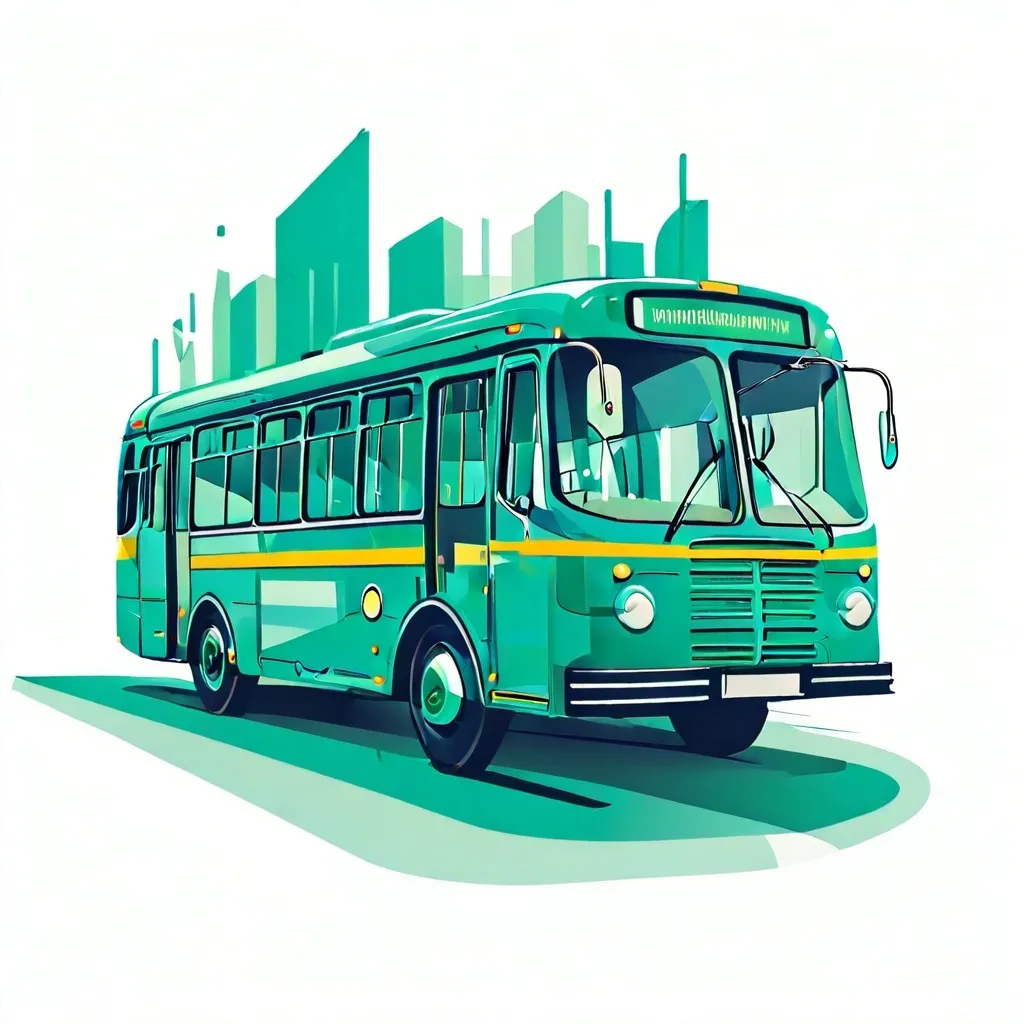
Swedish traffic law places specific requirements on drivers when encountering buses, particularly when they are departing from a bus stop. This rule is designed to facilitate public transport and ensure its smooth operation. The core principle revolves around a speed limit and the bus's intention to merge back into traffic.
A key element of the Swedish bus priority rule is the speed limit of the road. On roads where the maximum permitted speed is 50 km/h or lower, drivers are obligated to yield to a bus that is signalling its intention to leave a bus stop and re-enter the traffic flow. This means reducing your speed and, if necessary, coming to a complete stop to allow the bus to merge safely into the rightmost lane. It is the responsibility of the bus driver to be particularly cautious when initiating this manoeuvre to avoid any danger to other road users.
However, on roads where the maximum permitted speed exceeds 50 km/h, the responsibility shifts. In these scenarios, it is the bus driver who must yield to regular traffic, ensuring that their departure from the bus stop does not obstruct or endanger other vehicles. This distinction is vital for the theory exam, as questions often hinge on identifying the correct speed limit context to determine yielding obligations.
Trams operate on fixed tracks, which inherently dictates their path. Unlike other vehicles, trams cannot deviate from their course and therefore often have a right of way that prioritizes their movement. Drivers must be aware of tram tracks, especially in urban environments, and understand how to interact safely with these public transport vehicles.
When a tram is approaching and its path conflicts with yours, you generally need to yield to the tram. This is particularly important when turning across tram tracks or crossing them at an intersection. The enclosed nature of tram tracks can also pose a hazard; a tyre or pedal can become caught, leading to accidents, so drivers should exercise caution when their path intersects with tram lines. Swedish traffic rules emphasize that trams, like trains, have a higher priority, and it is your responsibility to ensure their unimpeded passage.
The presence of tram tracks often signifies areas of higher traffic density and complexity, requiring heightened awareness. It's essential to anticipate tram movements and be prepared to adjust your speed or position to allow them to proceed without hindrance. This cooperative behaviour is a hallmark of safe driving and a key area assessed in the Swedish driving theory test.
Emergency vehicles, such as ambulances, police cars, and fire trucks, are granted absolute priority on Swedish roads when they are actively responding to an emergency. This priority is indicated by their use of blue lights and/or sirens. When you encounter an emergency vehicle with these signals activated, your obligation is immediate and paramount: you must move out of the way and allow them to pass as quickly and safely as possible.
The principle is simple: an emergency vehicle's ability to reach its destination quickly can be critical in saving lives or preventing further damage. Therefore, all other traffic must yield. This typically involves moving to the side of the road (preferably to the right) and stopping, or at the very least, slowing down significantly and creating space for the emergency vehicle to pass. Never attempt to follow an emergency vehicle, as this could obstruct their progress or lead you into a dangerous situation.
It is also important to note that this priority extends beyond just yielding. You must also ensure you do not block intersections or pedestrian crossings when preparing to yield, as this could impede the emergency vehicle or other traffic. The theoretical framework for this rule is based on cooperation and the understanding that the needs of an emergency response supersede normal traffic flow.
Remember that you must always yield to emergency vehicles displaying blue lights and/or sirens, regardless of other traffic signals or road markings. Your immediate action should be to clear a path for them to pass safely.
The Swedish driving theory exam often presents scenarios that combine different priority rules, testing your ability to analyse situations comprehensively. For instance, you might be faced with a situation involving right-hand traffic rules alongside a bus approaching a stop, or an intersection where you need to yield to a tram while also considering oncoming traffic.
The "utfartsregeln" (exit rule), for example, can be tricky, but in ambiguous situations, it's always best to err on the side of caution. Similarly, the "blockeringsregeln" (blocking rule) reminds drivers never to stop in an intersection, on a pedestrian crossing, or similar locations, even if forced to by traffic. Understanding these rules in conjunction with the specific priorities for buses and trams is essential.
When faced with questions about yielding, carefully consider all factors: the type of vehicle, its signals, road markings, signs, and the speed limit. The Transportstyrelsen emphasizes that safe cooperation is key. This means not only knowing the rules but also anticipating the actions of other road users and making decisions that prevent potential conflicts.
To help you prepare for the theory exam and understand these critical rules, here are some essential terms:
Understanding and applying these priority rules correctly is fundamental to passing your driving theory test in Sweden. The exam will assess your knowledge of when to yield, how to behave around buses and trams, and your response to emergency vehicles. Familiarise yourself with the specific examples and conditions mentioned in the official guidance from Transportstyrelsen and Trafikverket.
Practice applying these rules to various scenarios. Many theory test questions involve complex intersections or situations where multiple priority rules might apply. Think critically about who has the obligation to yield in each case.
By thoroughly studying these aspects of Swedish traffic law, you will not only be better prepared for your driving theory exam but also become a more confident, safe, and considerate driver on Swedish roads. Remember that yielding is not just about following the rules; it's about ensuring the safety and efficiency of the entire traffic system.
Article content overview
Explore related topics, search based questions, and concepts that learners often look up when studying Swedish Special Vehicle Priority. These themes reflect real search intent and help you understand how this topic connects to wider driving theory knowledge in Sweden.
Find clear and practical answers to common questions learners often have about Swedish Special Vehicle Priority. This section helps explain difficult points, remove confusion, and reinforce the key driving theory concepts that matter for learners in Sweden.
If the speed limit is 50 km/h or lower, you must yield to a bus signalling to leave a bus stop, provided it's in the lane furthest to the right. If the speed limit is over 50 km/h, the bus must yield to you.
Generally, trams have priority and you should yield to them, especially when they are on or about to enter a track. Always be aware of tram movements and avoid obstructing their path.
You must always yield to emergency vehicles (ambulance, police, fire engine) that are using their blue lights and/or sirens. This takes precedence over all other traffic rules.
Yes, on roads with a speed limit of 50 km/h or lower, drivers must yield to a bus indicating its intention to leave a bus stop, allowing it into the rightmost lane. The bus driver must also exercise caution.
Prioritize yielding to emergency vehicles first, as they have the highest priority. Then, consider the rules for buses and trams, always acting with caution and safety in mind, especially in complex urban environments.