
As of 2026, Sweden is introducing an updated weighting factor for plug-in hybrid electric vehicles (PHEVs) to more accurately reflect their real-world emissions and usage patterns. This change, based on EU studies and announced by Transportstyrelsen, may influence vehicle tax calculations for new PHEVs. Drivers studying for their theory exam should grasp how these factors relate to environmental considerations and vehicle taxation.
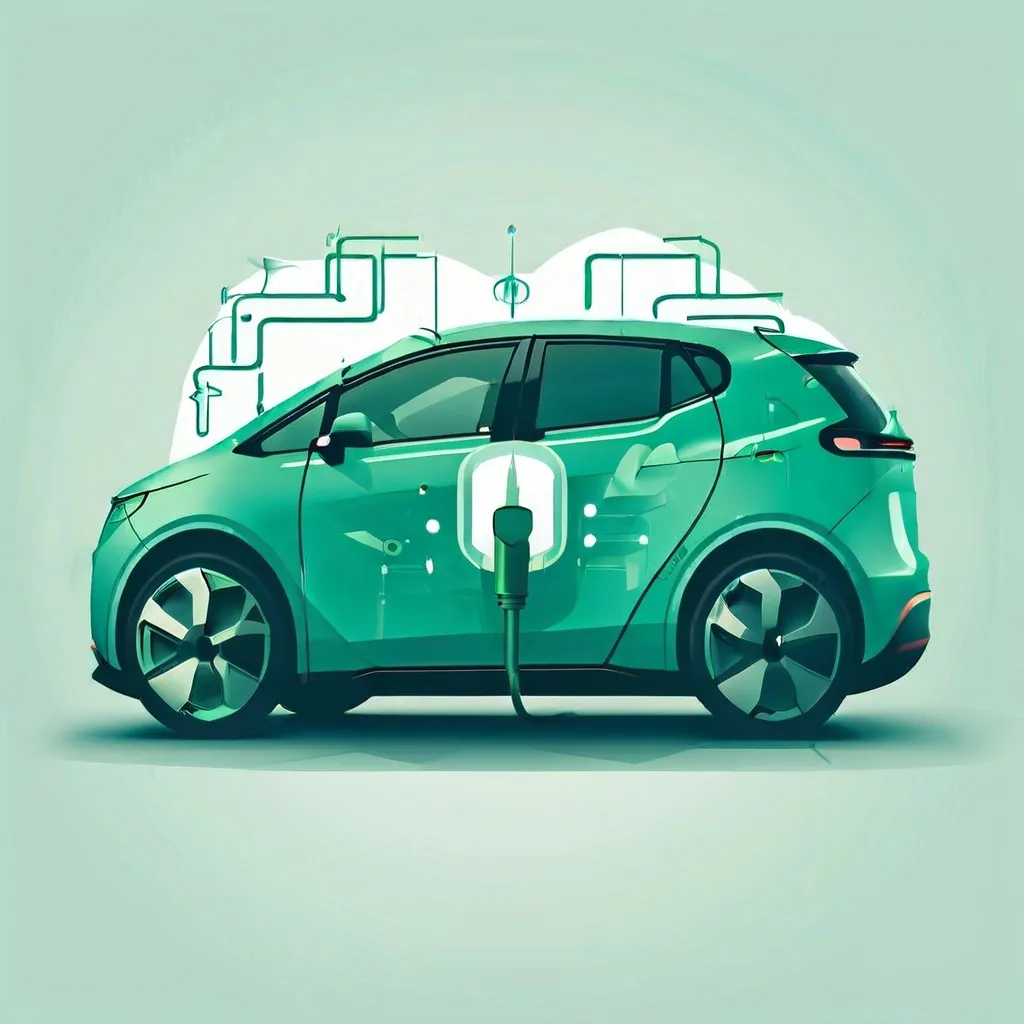
As of 2026, Sweden is set to implement a significant update to how plug-in hybrid electric vehicles (PHEVs) are assessed for vehicle tax purposes. This change, announced by Transportstyrelsen, introduces a new weighting factor designed to more accurately reflect the real-world usage of both electric and combustion engines in PHEVs. For anyone studying for their Swedish driving licence theory exam, understanding these evolving regulations related to vehicle taxation and environmental impact is crucial, as it provides a broader context for responsible vehicle ownership and the broader implications of different vehicle technologies. This article will delve into what the new weighting factor entails, its basis in EU studies, and its potential impact on vehicle tax calculations for new PHEVs.
The introduction of a new weighting factor for PHEVs stems from a desire to align vehicle tax calculations more closely with actual driving behaviour and associated emissions. Historically, the weighting factors used have not always perfectly captured the diverse ways in which PHEVs are used by drivers across Sweden and the wider European Union. Some drivers might predominantly use the electric capabilities for short, daily commutes, while others might rely more heavily on the combustion engine for longer journeys, leading to varying real-world emission outputs.
An extensive EU study examining actual driving distribution across various vehicle types, including PHEVs, highlighted the need for a more nuanced approach. This research has informed the decision by Transportstyrelsen to adjust the weighting factor, ensuring that the taxation system better reflects the environmental performance and operational realities of these increasingly popular vehicles. This move towards greater accuracy in emissions assessment is a key step in promoting cleaner transportation and making taxation systems fairer.
A weighting factor is a numerical value assigned to a specific characteristic of a vehicle, such as its fuel type or emission output, which is then used in a formula to calculate a final outcome, such as vehicle tax. In the context of PHEVs, it helps to determine the contribution of both electric and combustion engine operation to the overall assessment.
The core purpose of the updated weighting factor is to provide a more representative assessment of a PHEV's environmental impact. This means that the calculation of certain components of vehicle tax will be adjusted to better mirror the proportion of time a vehicle is driven on electric power versus its combustion engine. While the specifics of the calculation formula may be complex, the underlying principle is straightforward: to ensure that the tax burden more accurately reflects the vehicle's actual emissions profile during operation.
Transportstyrelsen has indicated that this change is based on an extensive EU study of actual driving distribution. This means the new factor is not arbitrary but is grounded in empirical data gathered across Europe, providing a solid foundation for its implementation in Sweden. By better reflecting real-world driving patterns, the updated factor aims to encourage the more efficient use of electric power and, consequently, reduce overall emissions from the PHEV fleet.
For owners of new PHEVs registered from 2026 onwards, the primary implication of the new weighting factor lies in the calculation of their vehicle tax. It is important to note that while the factor is changing, Transportstyrelsen's initial assessment suggests that the impact on the vehicle tax for the majority of PHEVs is unlikely to be substantial. Many vehicles are still expected to fall within a range where they would primarily incur the basic vehicle tax amount, with only the CO2 component being significantly affected by the weighting factor adjustment.
The vehicle tax in Sweden for passenger cars is generally composed of a basic amount and a CO2-based amount, with an additional higher tax (malus) applied for the first three years for cars with high CO2 emissions. The new weighting factor will primarily influence the CO2 component of this calculation. For vehicles with particularly high emissions when running on their combustion engine, the updated factor might lead to a slight adjustment in their tax liability, but the expectation is that most PHEVs will continue to be taxed favourably compared to conventional internal combustion engine vehicles.
When studying for your Swedish driving theory exam, remember that vehicle taxation and emissions are interconnected. Understanding how different vehicle technologies, like plug-in hybrids, are assessed helps you grasp the broader environmental considerations that influence traffic regulations and personal choices as a driver.
The updated weighting factor for PHEVs is part of a broader Swedish and EU initiative to promote environmentally friendly vehicles and improve air quality. Understanding different emission classes and their implications is a key aspect of vehicle knowledge relevant to the theory exam. As mentioned in our related articles, vehicles are classified according to emission standards like Euro 5 and Euro 6, with higher numbers indicating lower emissions. Complementary classifications include 'El' (Electric), 'Hybrid', and 'Laddhybrid' (Plug-in Hybrid).
Furthermore, municipalities in Sweden can establish environmental zones (miljözoner) to enhance air quality. These zones may restrict certain types of vehicles. For instance, Class 2 environmental zones require petrol cars to meet Euro 5 or Euro 6 standards, and diesel cars to meet Euro 6. While drivers of standard cars are generally permitted in Class 1 zones regardless of fuel type (as these mainly affect heavy vehicles), and Class 3 zones are reserved for zero-emission vehicles like electric, fuel cell, and gas-powered cars, understanding these distinctions is important for broader environmental awareness as a driver. The new PHEV weighting factor indirectly supports these environmental goals by ensuring fairer taxation based on actual usage.
The changes to the PHEV weighting factor from 2026 are primarily related to taxation and vehicle classification. They do not alter fundamental road rules or priority situations that you will be tested on for your driving licence. However, demonstrating an understanding of environmental considerations and vehicle technology is a component of the broader driving theory knowledge.
While the specific calculation details of the new weighting factor may be beyond the scope of typical driving theory questions, the underlying principles are highly relevant. Learners should understand that vehicle technology is evolving and that regulations, including taxation, adapt to these changes. The emphasis on real-world emissions and the recognition of different propulsion systems (electric, hybrid, combustion) are important aspects of modern vehicle knowledge.
When preparing for the Swedish driving theory exam, pay attention to questions that explore:
This knowledge demonstrates a well-rounded understanding of driving responsibilities that extends beyond just operating the vehicle.
The evolving landscape of vehicle technology, including the increased prevalence of hybrid and electric vehicles, means that the information you learn for your driving theory test is a snapshot of current regulations. Staying informed about changes, such as the new weighting factor for PHEVs from 2026, is part of becoming a knowledgeable and responsible driver in Sweden. This knowledge complements your understanding of road signs, traffic rules, and safe driving practices.
Article content overview
Explore related topics, search based questions, and concepts that learners often look up when studying Sweden PHEV Tax Factor 2026. These themes reflect real search intent and help you understand how this topic connects to wider driving theory knowledge in Sweden.
Find clear and practical answers to common questions learners often have about Sweden PHEV Tax Factor 2026. This section helps explain difficult points, remove confusion, and reinforce the key driving theory concepts that matter for learners in Sweden.
From 2026, Sweden will apply a new weighting factor for plug-in hybrid electric vehicles (PHEVs) to more accurately represent their combined electric and combustion engine usage and emissions.
The change is driven by a need to align vehicle tax calculations with real-world driving patterns, as indicated by an EU study, ensuring a more representative reflection of a vehicle's environmental impact.
For most new PHEVs registered from 2026, the impact on vehicle tax is expected to be minimal, with many continuing to pay only the basic vehicle tax amount. However, it is designed to provide a more accurate tax calculation based on actual usage.
This change was announced by Transportstyrelsen, the Swedish Transport Agency.
Yes, understanding changes in vehicle taxation, emissions factors, and how different vehicle types are regulated is part of the broader vehicle knowledge required for the Swedish driving licence theory exam.